
I tested a range of waxes, starter kits, adhesives, and labels to find reliable supplies for beginners through small-batch makers. These are the picks I keep coming back to.
I’ve spent hours melting, scenting, pouring, and curing candles so I can recommend supplies that actually perform. This roundup covers soy and beeswax options, a complete starter kit, the small consumables I trust, and the labels I use for finished jars.
My goal was to find products that melt predictably, hold fragrance, finish cleanly, and make candle time less fussy. I focused on real-world ease of use and consistent results rather than marketing claims.
I compared these products by melt behavior, fragrance retention, finish quality, ease of measuring, and how well the included accessories (wicks, stickers, tools) integrate into a simple candle-making workflow.
1. American Soy Organics Freedom Soy Wax Beads – Best Overall
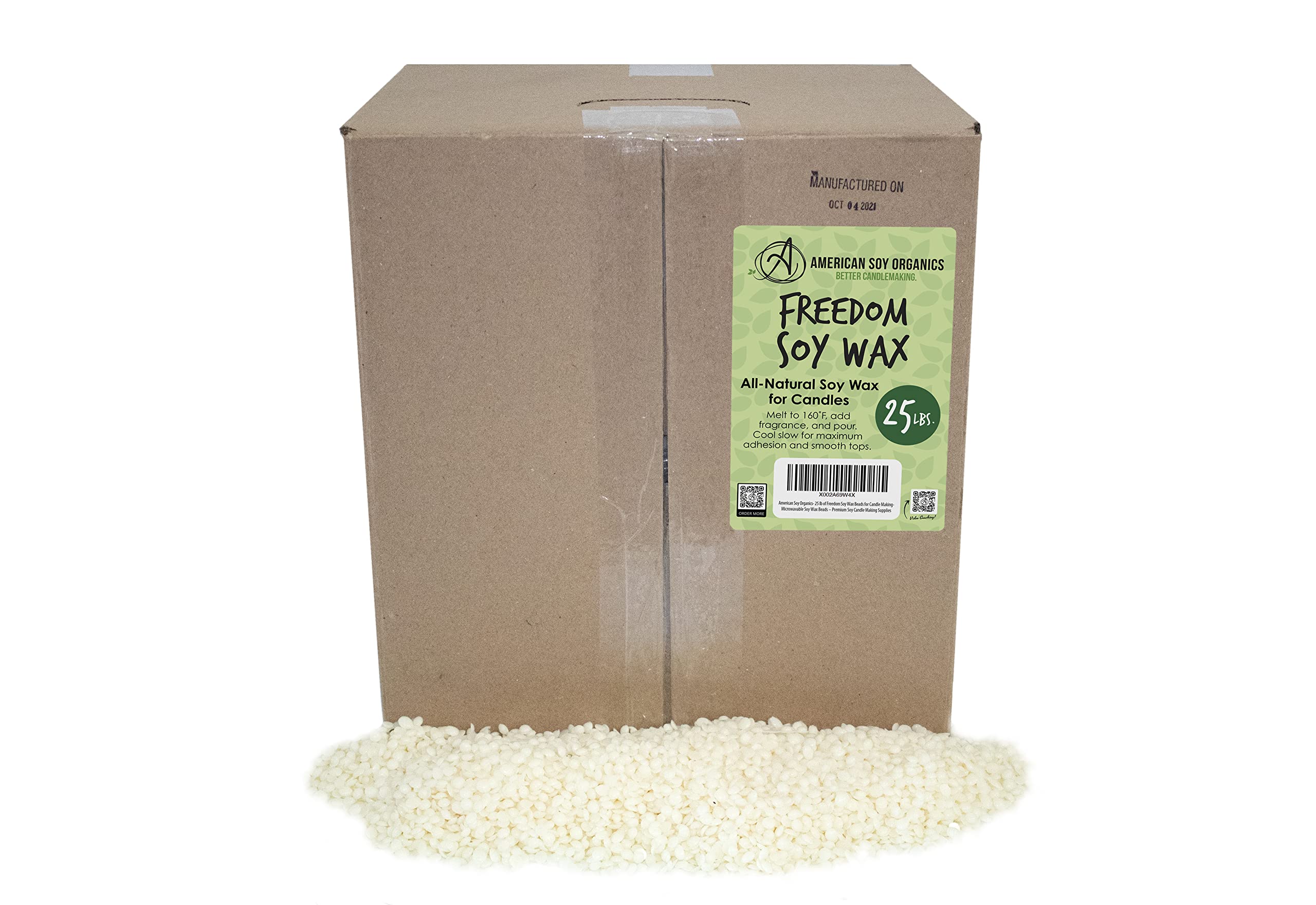
Smooth soy wax beads that melt evenly, hold fragrance well, and color reliably—my go-to for containers and melts.
Why I picked it: Consistent melt, long fragrance retention, and easy coloring.
Best for: Container candles, tealights and wax melts.
Midrange cost for dependable soy wax.
Pros
- Uniform melting and pouring
- Strong scent retention
- Bead form is easy to measure
- Paraffin- and beeswax-free
Cons
- Needs curing time for best throw
- Not suited when beeswax properties are required
My take
I appreciated how cleanly these beads melted and poured; the bead form made measuring fast and consistent.
When I mixed in fragrance and dye the wax blended evenly and set with very smooth tops and minimal air pockets.
The manufacturer’s suggested melt temperature and the bead texture make them microwave- and double-boiler-friendly, which saved me time on small batches.
I stick to a maximum fragrance around the listed 10% to avoid sweating, and when I do the scent carries well both hot and cold.
2. Sky Organics Organic White Beeswax Pellets – Best Natural Beeswax
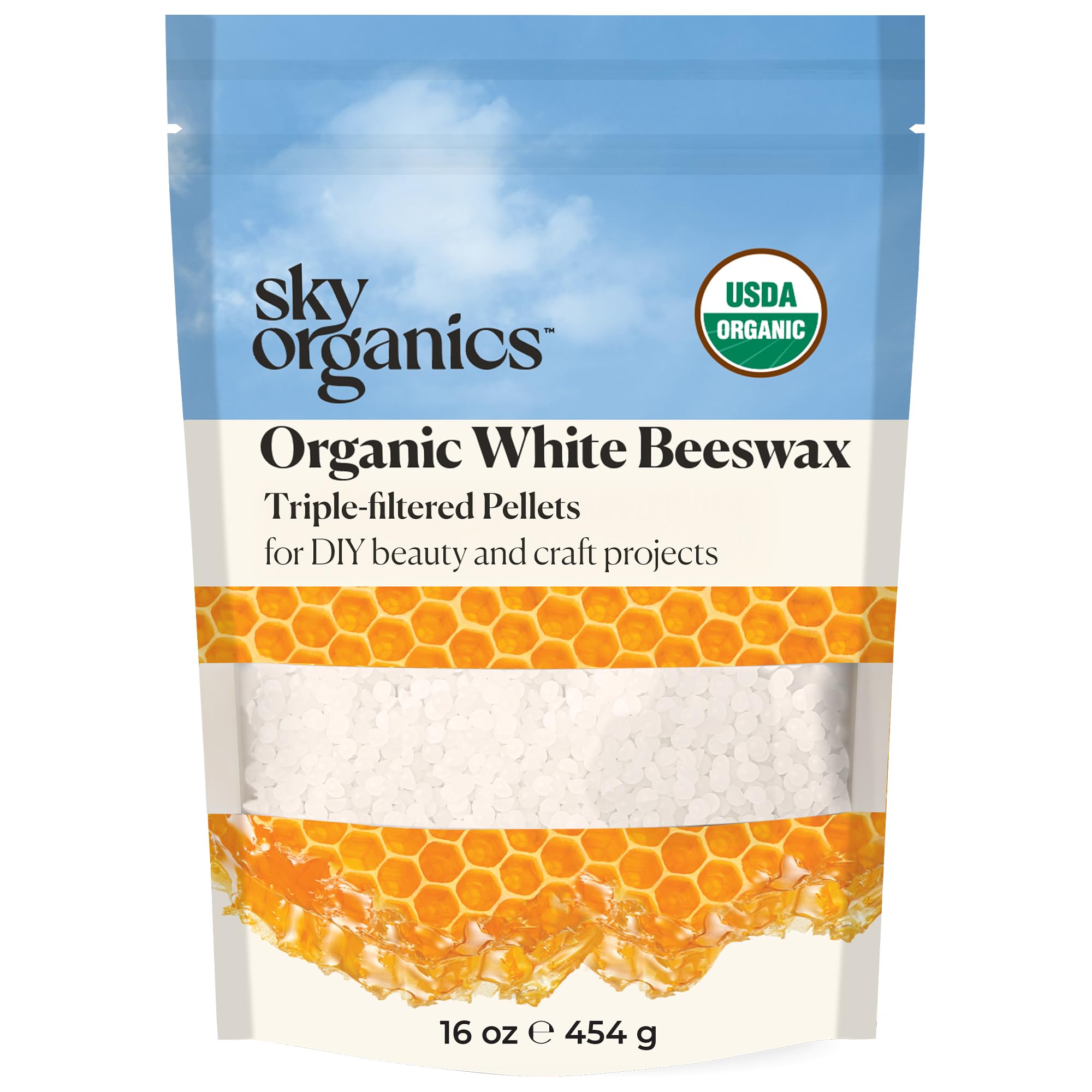
Pure, triple-filtered beeswax in pellet form that melts cleanly and is ideal for balms, salves, and beeswax candles.
Why I picked it: True single-ingredient beeswax that melts quickly and predictably.
Best for: Skincare balms, beeswax candles, salves and soap.
Affordable pure beeswax option.
Pros
- Organic, single-ingredient beeswax
- Pellet form speeds measuring and melting
- Mild natural beeswax scent
- Triple-filtered purity
Cons
- Color and texture can vary naturally
- Requires careful temperature control
My take
I like having real beeswax pellets on hand for balms and lotion bars—the pellets save me the chopping and they melt faster than chunk beeswax.
When I kept the melt temperature in the recommended 142–149°F range I avoided strange cooling rings and the finished products had a clean surface.
The natural aroma is subtle and works well if I want to add essential oils without competing with a heavy base scent.
3. American Soy Organics Millennium Soy Wax Beads – Best for Color Retention
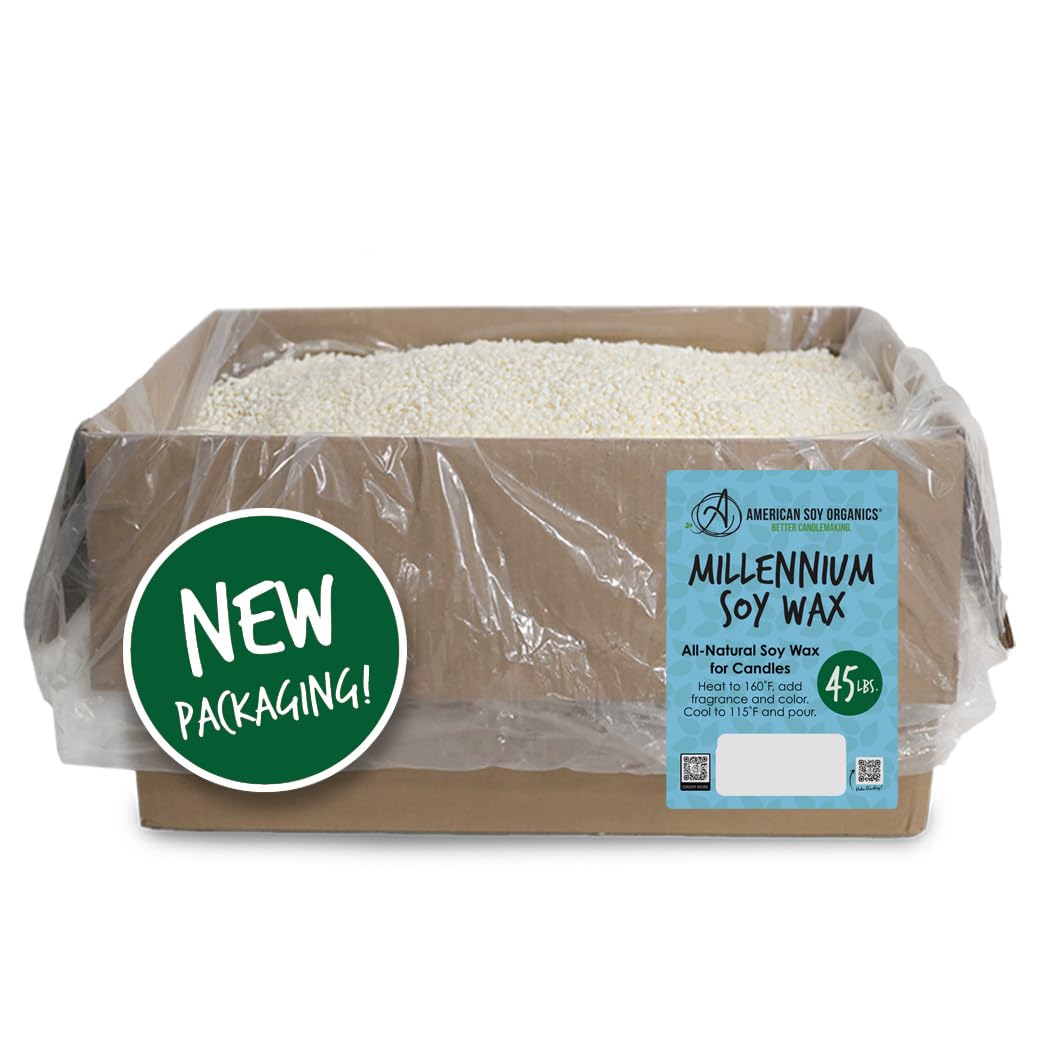
Soy beads formulated to reduce frosting and keep colors brighter, with a strong fragrance throw once cured.
Why I picked it: Formulation made to preserve vibrant color and strong scent.
Best for: Colored candles and high-fragrance projects.
Premium soy blend at a higher price point.
Pros
- Improved color retention
- Strong hot and cold throw
- Smooth finish when poured
- Bead form for easy measuring
Cons
- Takes practice to master
- Higher cost than basic soy wax
My take
This Millennium blend demanded a bit more patience from me during curing, but the payoff was vivid color and a noticeably strong scent throw.
I saw less frosting and more even color than with basic soy wax, which makes this my pick when appearance matters.
Once I dialed in my temperatures and wick choices the candles burned warm and steady, and the fragrance performance was consistent.
4. Wick Adhesive Stickers 240-Pack – Best Budget
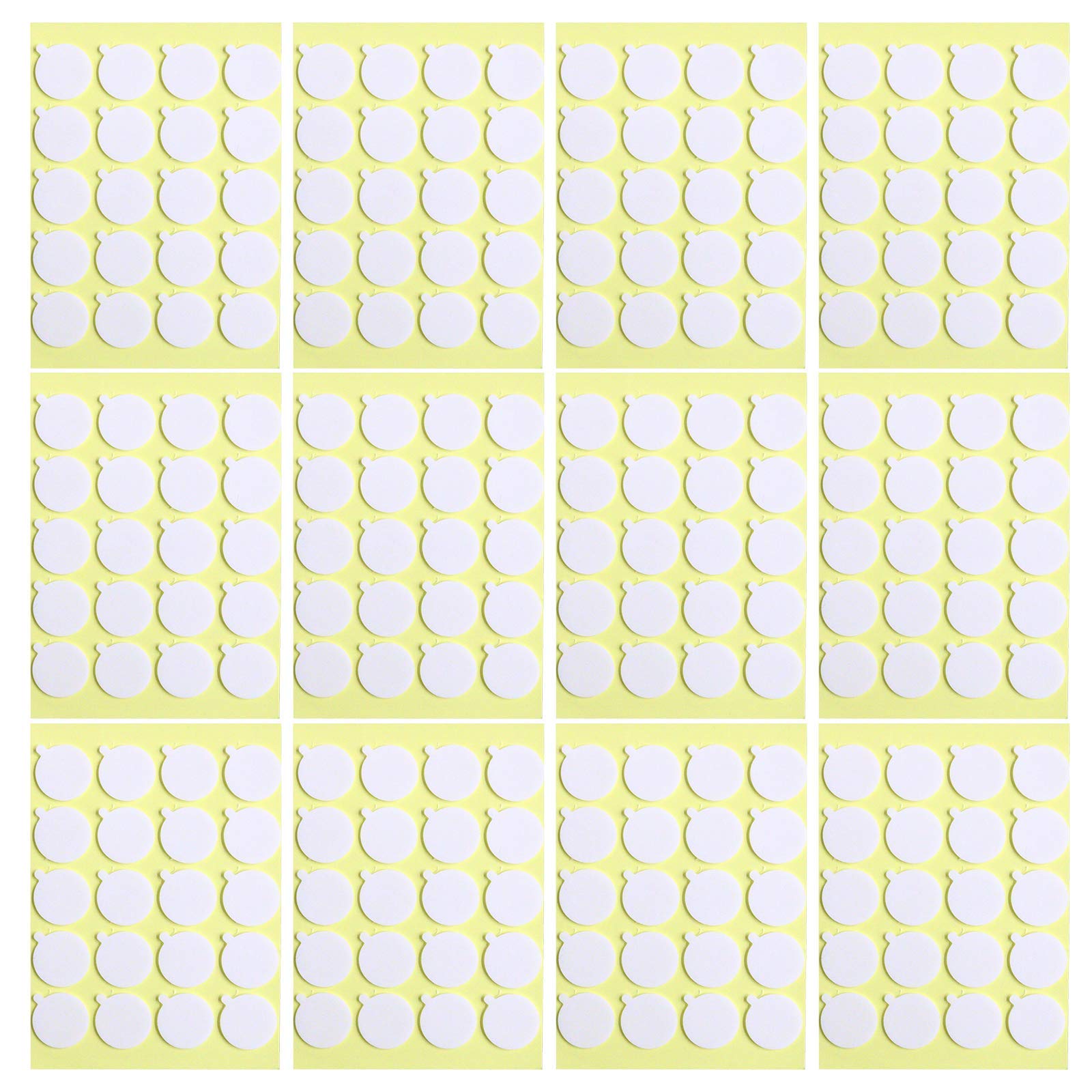
A huge value pack of heat-resistant adhesive dots with pull-tabs that make anchoring wicks quick and reliable.
Why I picked it: Extremely affordable and consistently sticky for anchoring wicks.
Best for: Beginners, craft nights, and high-volume small projects.
Very affordable bulk consumable.
Pros
- 240-piece value pack
- Heat-resistant adhesive
- Easy-to-use pull tab
- Fast application
Cons
- Very sticky—hard to remove once set
- May be large for tiny wick bases
My take
I keep a pack of these in my kit because they make wick anchoring fast and mess-free—stick, center, pour.
The little tab is genuinely helpful when positioning the wick, and once applied they stay put during pouring and curing.
If you prefer a removable option these aren’t it, but for reliable anchoring they’ve become a staple for my projects.
5. American Soy Organics Midwest Soy Wax Beads – Best Large Bag
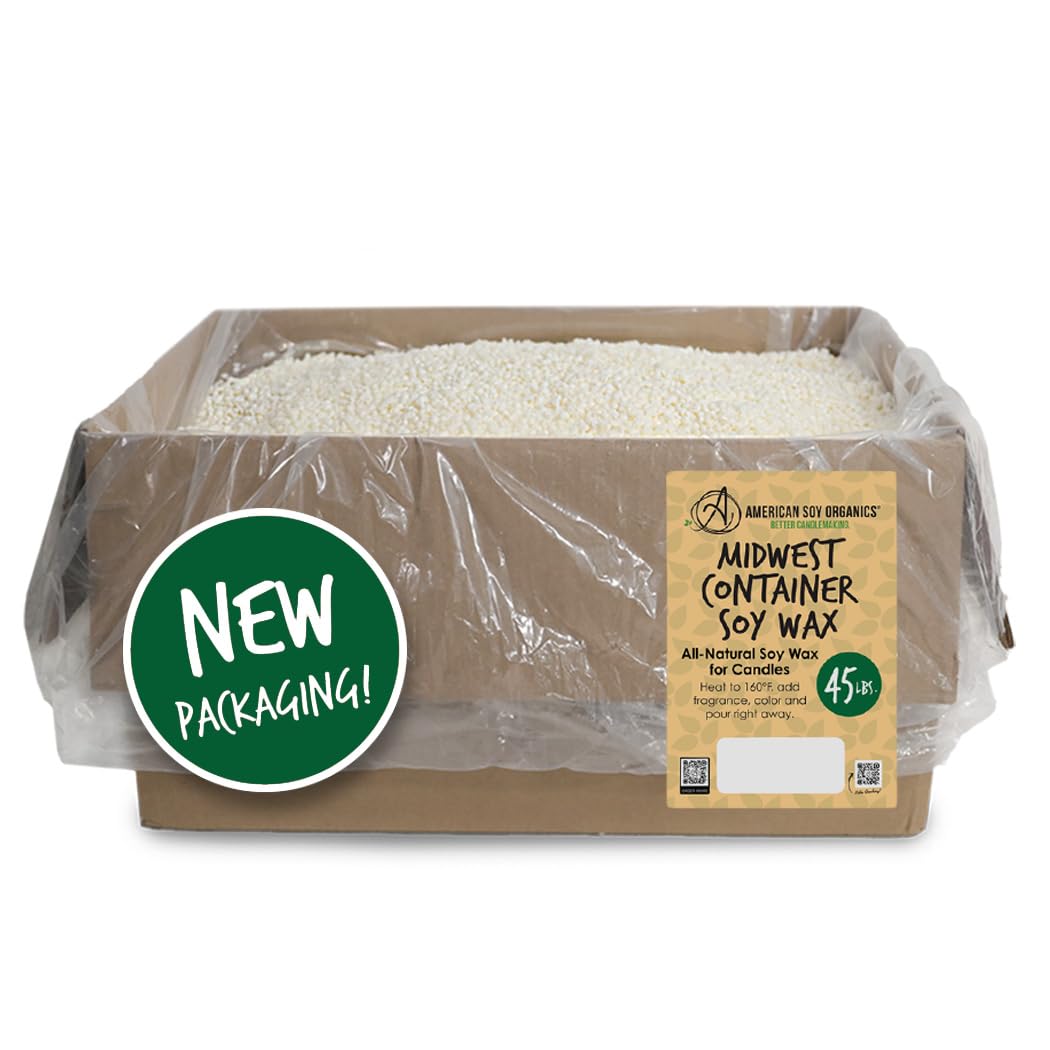
A 45 lb supply of Midwest soy beads that melt evenly, hold fragrance, and work well as a neutral base for blends.
Why I picked it: Bulk quantity with reliable melt and fragrance performance.
Best for: Regular makers and small-batch businesses.
Cost-effective for bulk purchases.
Pros
- Large bulk quantity
- Melts smoothly and evenly
- Holds fragrance well
- Compatible with other waxes
Cons
- Storage needed for large bag
- Overkill for casual makers
My take
When I needed a dependable bulk wax this Midwest soy bag delivered consistent melts and clean pours across many batches.
The wax sets slowly enough that I avoided perimeter gaps and sinking centers, which saved me time on repairs.
I also appreciate that it mixes well with colorants and fragrance, making it flexible for different recipes.
6. Etienne Alair Organic Soy Wax Starter Kit – Best Starter Kit
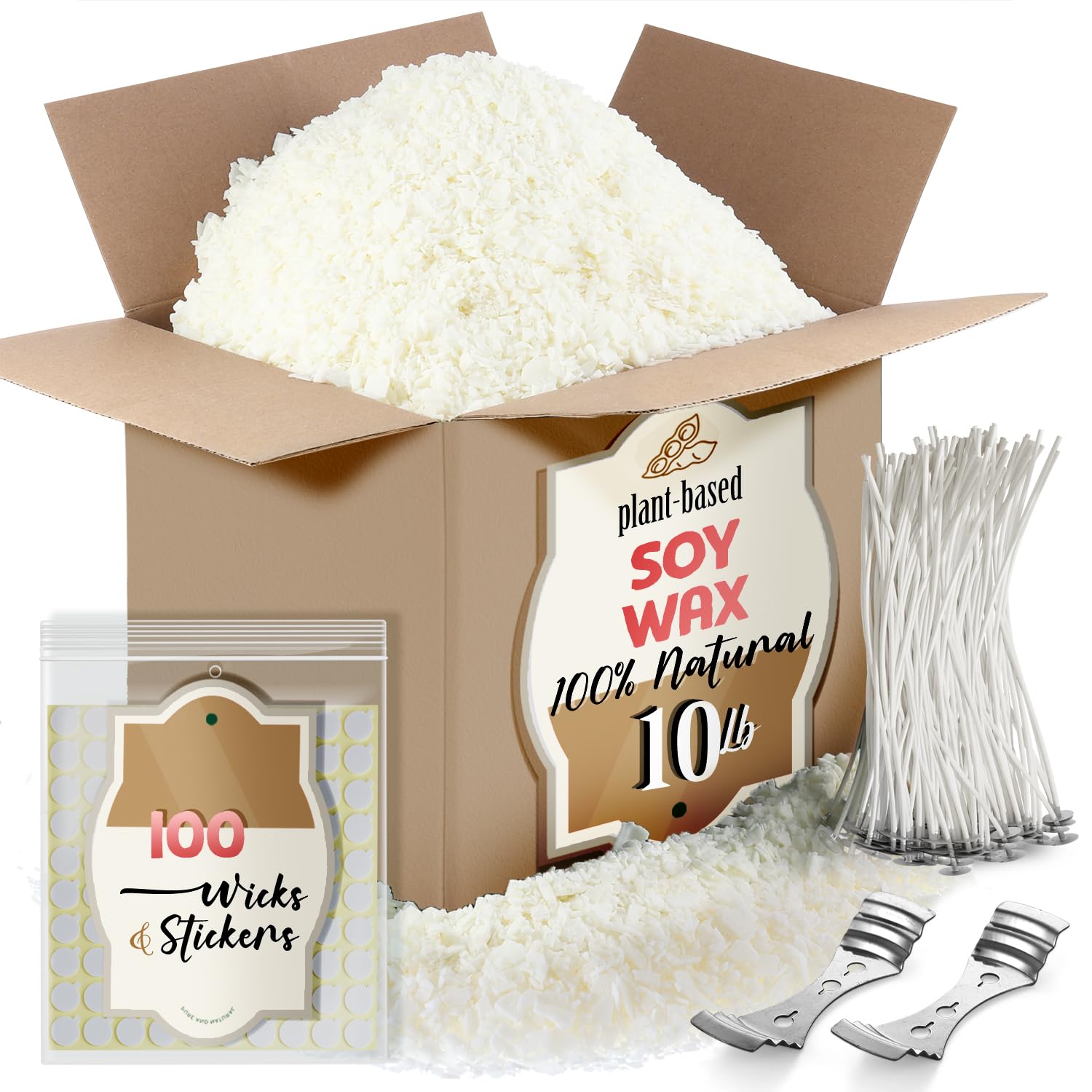
A handy 10 lb soy wax kit that includes wicks, stickers, and centering tools—great for beginners who want one box to get started.
Why I picked it: Complete starter set that removes guesswork for first timers.
Best for: New makers and gifters wanting everything in one box.
Affordable kit that includes accessories.
Pros
- Includes wicks and stickers
- Easy-to-melt flakes
- Good fragrance retention
- Great for gifting or trying candle making
Cons
- Limited quantity for heavy makers
- Brand info could be clearer
My take
I liked that this kit bundled wax with 100 wicks, stickers, and centering tools—everything I needed to make complete jars without a second order.
The flakes melted quickly and blended well with fragrance; I tested 6–8% fragrance loads with good results.
If you’re starting out, the included accessories remove a lot of the guesswork and let you focus on scent blends and finishing.
7. Holographic Candle Warning Labels 240-Pack – Best Safety Labels
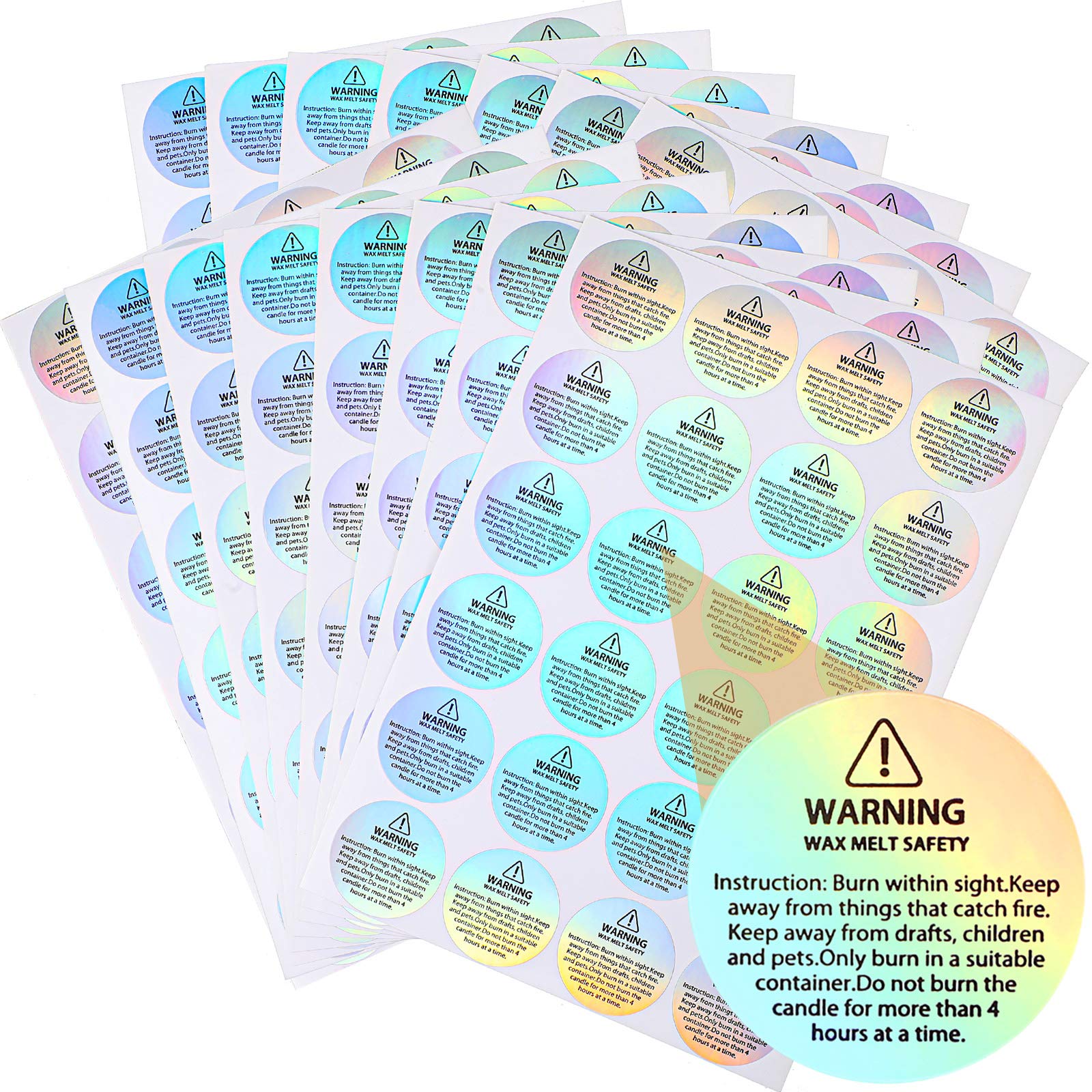
Plenty of self-adhesive holographic warning labels that stay put and add a little visual flair to the bottom of jars and tins.
Why I picked it: Makes safety labeling quick while looking nicer than plain warnings.
Best for: Gift jars, market sales, and finished product compliance.
Low-cost way to add safety info.
Pros
- Holographic, eye-catching finish
- Plenty of stickers included
- Self-adhesive and easy to apply
- Good fit for many jar bottoms
Cons
- Standard boilerplate wording
- May not match every brand aesthetic
My take
I use these on finished jars when gifting or selling because they stick reliably and the holographic finish feels more polished than a plain sticker.
They fit on many small bottoms and the adhesive held up without lifting during shipping or handling.
If you want a more subdued look you might choose a different style, but these are a quick, attractive safety solution.
How I Choose Candle Making Supplies
Wax Type and Project
I pick wax based on the final product I want: soy for container candles and melts, beeswax for skincare and dense beeswax candles, and specialty blends for color or scent performance.
- Soy: plant-based, lower melting points, great scent throw when cured.
- Beeswax: higher melting point, natural scent, great for balms and longer burns.
- Specialty blends: choose when color retention or specific burn characteristics matter.
Form Factor: Beads, Flakes, Pellets
I favor beads or pellets for fast, even melting and easy measuring; flakes can be convenient in kits and blocks are economical but require chopping.
- Beads/pellets: quick to measure and melt.
- Flakes: often included in starter kits for convenience.
- Blocks: cheaper by weight but messier.
Fragrance Load and Scent Throw
I pay attention to the wax’s recommended fragrance load—many soy options list a 10% maximum (1.6 oz per pound). I test small batches before committing to a full run.
- Start at lower fragrance percentages and increase gradually.
- Allow proper curing time for best cold and hot throw.
Tools and Consumables
I always keep extra wick stickers, centering tools, and a range of wick sizes. These small items save time and reduce rework when a wick shifts or a jar slips during pouring.
- Wick stickers: inexpensive, anchor wicks reliably.
- Centering tools: speed up set-up and improve consistency.
Safety and Labeling
I make sure every jar has a clear warning label on the bottom. Decorative labels that include safety wording are my preference for gifts and market sales.
- Use self-adhesive warning labels for finished jars.
- Choose holographic or branded styles to match your packaging.
Frequently Asked Questions
What's the main difference between soy and beeswax?
From my experience, soy is a plant-derived wax that melts at lower temperatures, blends well with fragrance, and works great for container candles. Beeswax has a higher melt point, a natural honey-like scent, and is excellent for balms and long-burning pillar-style applications.
How much fragrance should I add to wax?
I start with the manufacturer’s recommendation—many soy waxes list a 10% maximum (about 1.6 oz per pound). In practice I test smaller batches at 6–8% and adjust based on cold and hot throw after curing.
Can I microwave candle wax?
I microwave small batches of bead-form wax on low power in short bursts, but I prefer a double boiler for better temperature control. Always monitor temperature and avoid overheating—use a thermometer to stay within recommended ranges.
Final Take
I’ve chosen these supplies because they consistently deliver clean melts, reliable scent performance, and sensible workflows for makers at every level.
If you want a versatile everyday wax, the Freedom soy beads are my top pick; if you need a single-ingredient beeswax base, the Sky Organics pellets are excellent. For beginners, a starter kit with accessories is the quickest way to get making.
Whichever route you take, focus first on temperature control and small test batches—those two steps will improve every recipe I’ve worked with.
