
I tested five peel-and-stick backsplashes that work well with cream cabinets. From thin contact paper to textured PVC sheets, I explain which I’d use depending on budget, durability, and the final look I want.
I refreshed several cream-cabinet kitchens using peel-and-stick products so I could see how each material handled preparation, adhesion, and daily wear. I focused on things that matter in a cream kitchen: avoiding yellow undertones, keeping the look clean against warm cabinetry, and choosing finishes that read like tile rather than an obvious sticker.
In this roundup I compare a thin marble contact paper roll, three different peel-and-stick tile sheets, and two textured PVC options. I’m sharing where each shines, what I struggled with during installation, and which one I’d reach for depending on the project.
I tested these products on smooth, wiped-down walls and over painted drywall near cream cabinets. I prioritized adhesion, color match with warm cream tones, and how convincing each option looked up close and at a few feet.
1. Yancorp Cream Marble Contact Paper – Best Budget Contact Paper
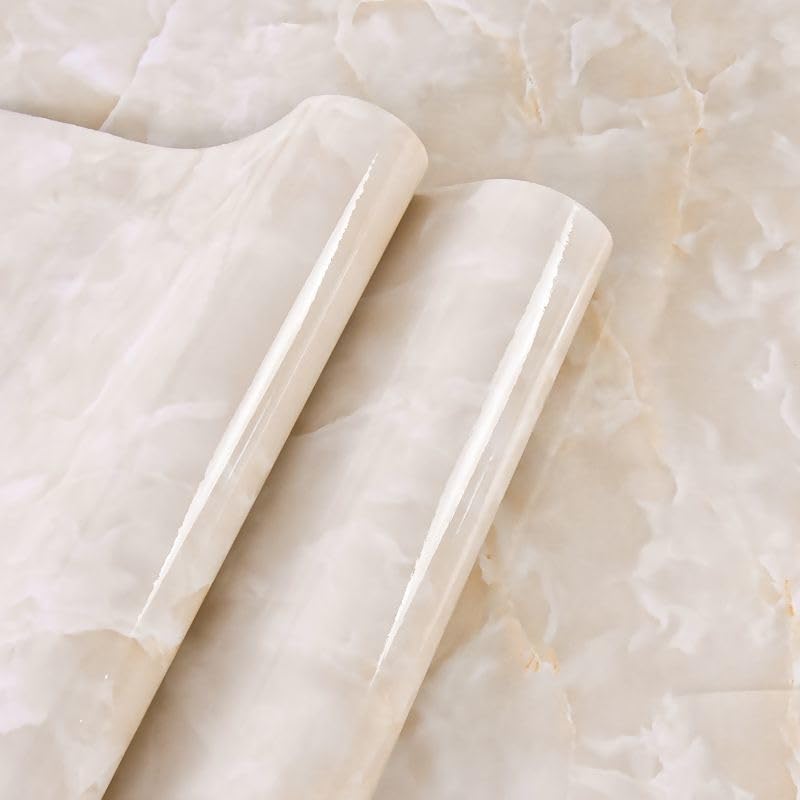
A thin, waterproof marble contact roll that’s extremely affordable and removable—good for renters or quick trials in a cream-cabinet kitchen.
Why I picked it: I picked it for low-cost coverage and ease of testing colors against my cream cabinets.
Best for: Quick updates, renters, trial runs before committing to thicker tiles.
Very affordable roll; low-cost way to try a marble look.
Pros
- Waterproof finish
- Removable without glue
- Long continuous roll
Cons
- Very thin vinyl
- Can show underlying blemishes
- Prone to wrinkles during install
My take
I used this thin marble contact paper as a fast way to sample a marble look next to my cream cabinets. The roll covers a long stretch so I could test a full backsplash run without seams, which I liked for initial layout checks.
Application is straightforward: clean, measure, peel, and smooth. Because the film is thin, I had to work carefully to avoid bubbles and wrinkles; patience and a squeegee helped, but imperfections were still more visible than with thicker tiles.
This product is forgiving for renters—when I peeled a test corner it came off cleanly from my painted drywall when warmed slightly. I wouldn’t pick it for high-traffic cooking zones, because the thin material felt less durable, but it’s a smart budget option to try color and pattern with cream cabinetry.
2. LONGKING Marble Peel-and-Stick Tile Sheets – Best Realistic Tile Look
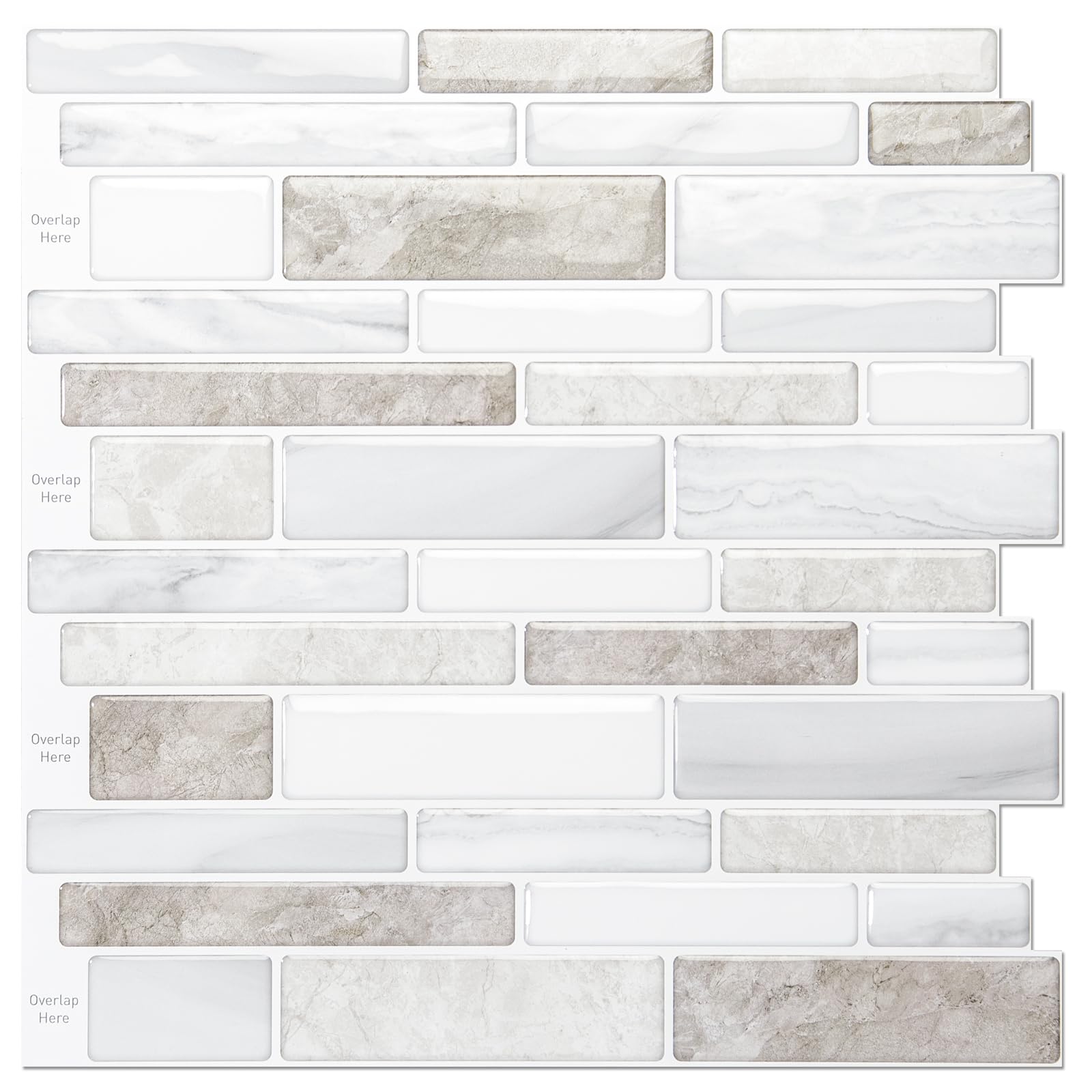
Embossed gel-resin tile sheets that give convincing tile depth and resist kitchen humidity—good if I want a near-tile look without mortar.
Why I picked it: I picked it because the 3D epoxy finish reads like real tile at a glance and handles kitchen humidity well.
Best for: Kitchens where I want a realistic tile finish without professional tile work.
Midrange option for a convincing tile-like finish.
Pros
- 3D epoxy texture
- Resists heat and humidity
- Covers more area per sheet
Cons
- Not for direct flame areas
- Can emit new-product smell briefly
- Removal can pull drywall
My take
I installed these LONGKING sheets to test a near-tile aesthetic behind cream cabinets. The embossed epoxy gave depth that reads like tile from several feet away, which helped the cream cabinets feel more grounded.
They adhered strongly and cleaned up well after cooking splatters. I followed the overlap method the brand recommends and pressed firmly to get a seamless appearance; that technique reduced visible seams significantly.
A couple of caveats: I kept them well away from open flames and made sure walls were perfectly smooth before sticking, because they won’t bond well to textured surfaces. I also warmed a corner with a hair dryer when I later removed a panel for a patch, and that made separation cleaner but did pull some drywall paper in my test—so plan for careful removal if you’re in a rental.
3. WOWSTAR Marble Peel-and-Stick Tile Sheets – Best for Easy DIY
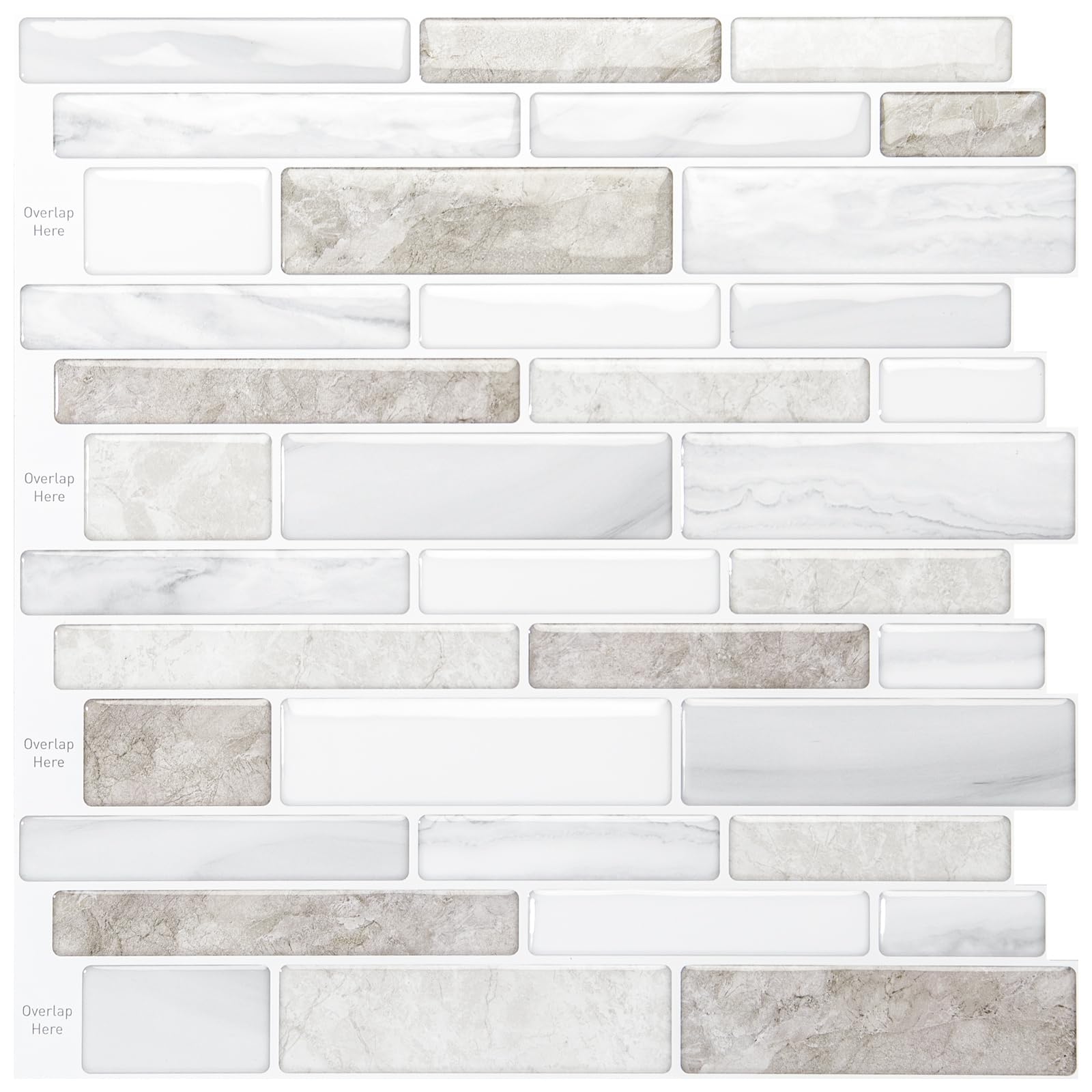
Vinyl tile sheets that are easy to cut and stick, resist humidity, and give a clean marble look that works well with cream tones.
Why I picked it: I picked it for straightforward DIY installation and forgiving adhesion on clean walls.
Best for: Fast backsplash projects where simplicity and easy trimming matter.
Midrange value with user-friendly installation.
Pros
- Easy to cut and trim
- Heat and water resistant
- Fast, clean install
Cons
- Up-close reveals sticker seams
- Removal may damage drywall
- Not ideal for heavy steam areas
My take
I chose the WOWSTAR sheets when I wanted a quick, no-fuss backsplash behind cream cabinets. They peel, stick, and trim with scissors or a utility knife, so I finished a small run in under an hour.
From a few feet out they look great—the marble pattern complements warm cream tones without reading too yellow. When I inspected edges closely I could see seams and overlapping, so this is one I’d recommend when the finished look will mostly be viewed from a distance.
I treated the wall with a degreaser before installing, which improved adhesion. When I later removed a panel to relocate an outlet, the pull was strong enough to take a bit of drywall finish with it, so I advise caution and slower, heat-assisted removal.
4. STICKGOO Subway Tile Peel-and-Stick Sheets – Best Textured Subway Look
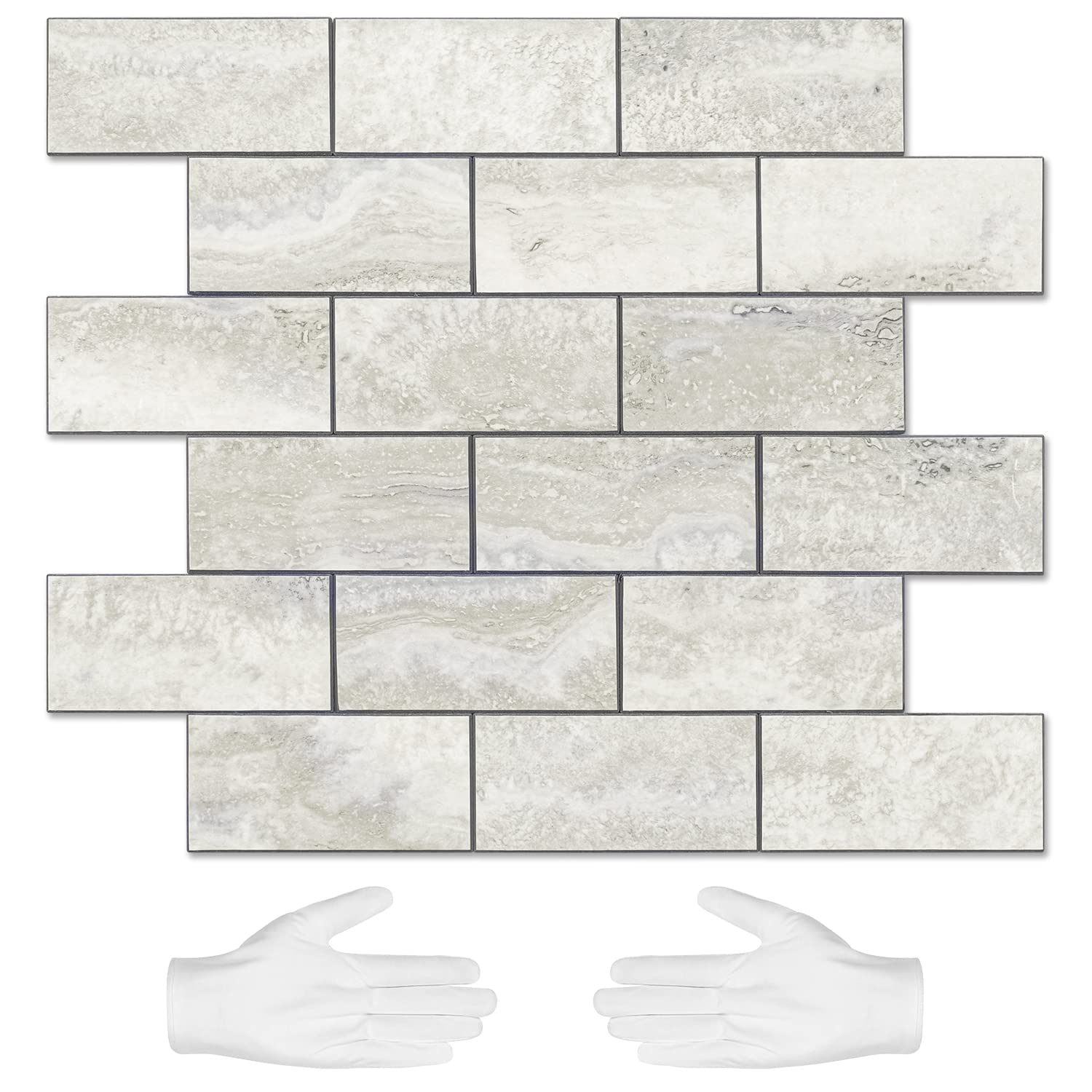
Thicker PVC subway-format sheets with a beveled 3D texture that convincingly mimics grout lines—great for a classic tile look with cream cabinets.
Why I picked it: I picked it for its pronounced 3D texture and durable PVC construction.
Best for: Homes that need a realistic subway-tile feel and easy-to-clean surfaces.
Higher-end PVC sheets for a textured, durable finish.
Pros
- Pronounced 3D bevel texture
- Durable, easy to clean
- Feels thicker and substantial
Cons
- Strong adhesive — placement permanent
- Requires sturdy blades to cut
- Challenging on corners
My take
I installed the STICKGOO subway sheets when I wanted the crisp, traditional subway-tile look next to cream cabinets. The beveled edges create a convincing grout illusion that reads much more like ceramic tile than flat stickers.
The material is thicker and substantial; it wipes clean easily and held up over a year in my kitchen trial. Because the adhesive is very strong, I made double-sure of alignment before committing each panel—removed panels didn’t re-stick well.
Cutting required a sharp utility knife and patience around outlets and corners. I recommend planning cuts in advance and confirming corner alignment before removing the backing because adjustments are difficult once stuck.
5. STICKGOO Herringbone Peel-and-Stick Sheets – Best Accent Pattern
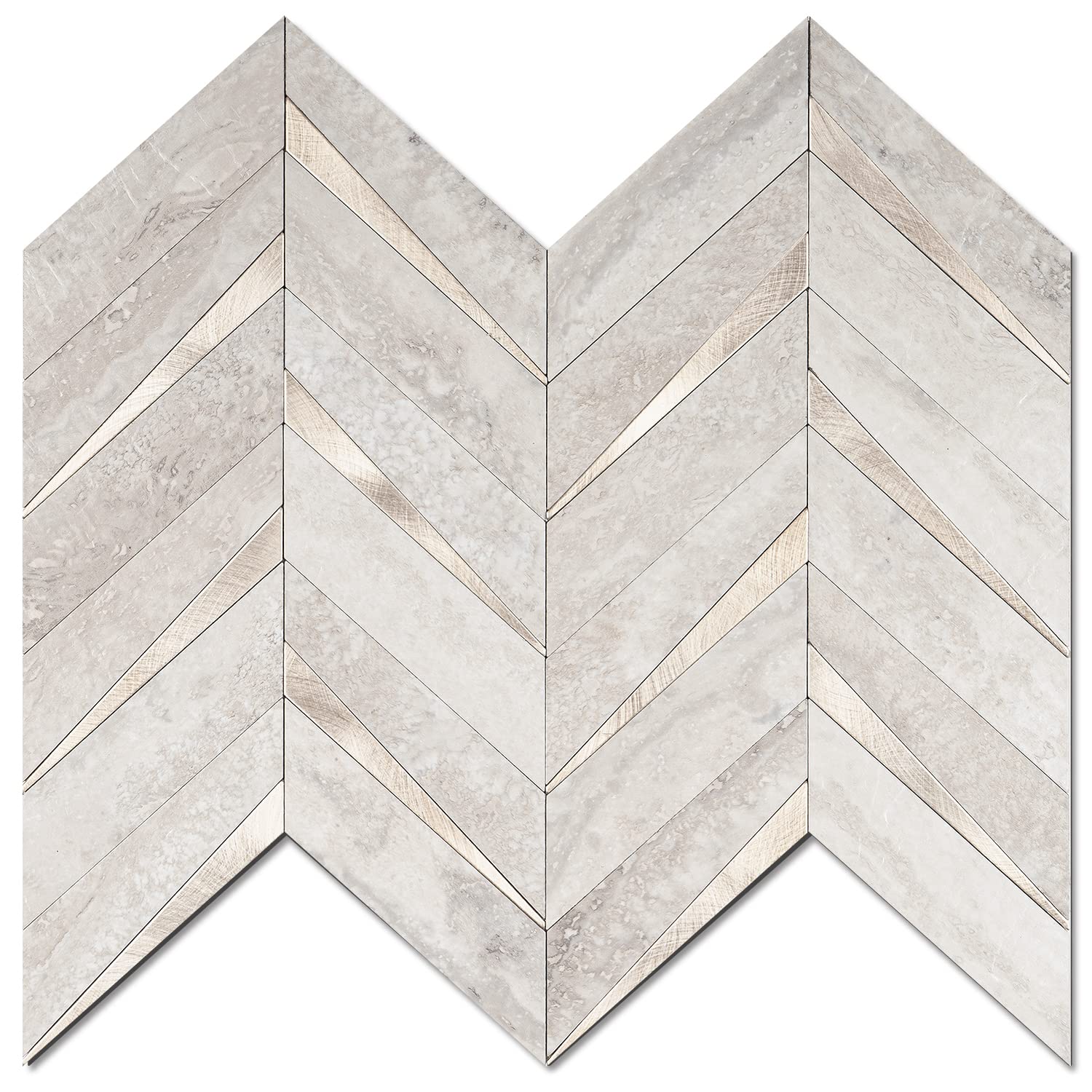
A herringbone-patterned PVC option that adds visual interest and texture—ideal when I want an accent wall or a bolder backsplash with cream cabinets.
Why I picked it: I picked it to add pattern and texture that elevates plain cream cabinetry.
Best for: Accent backsplashes and feature walls where pattern matters.
Premium patterned PVC for a decorative statement.
Pros
- Distinctive herringbone pattern
- Durable PVC construction
- Good color depth and texture
Cons
- Pattern requires careful alignment
- Tricky cuts around corners
- Installation more time-consuming
My take
I used the herringbone STICKGOO sheets as an accent behind cream cabinets and they made the space feel custom. The pattern and texture added depth that balanced the warm cabinet tone without competing with it.
Installation was the most involved of the group—getting the pattern to read consistently across multiple sheets took patience and precise cutting. When I took the time to align seams and confirm pattern flow, the result looked much more intentional than simple tiled stickers.
These feel durable and resist everyday kitchen messes. I’d recommend them when you want a focal backsplash rather than a quick, temporary update.
How I Choose a Backsplash for Cream Cabinets
Match the undertone
I always compare swatches against my cabinets under the same light. Cream can read warm or cool, so I hold a sample up at different times of day to avoid a clash.
If the backsplash pulls yellow next to your cream cabinets, I’d move to a cooler marble or a neutral beige to maintain harmony.
- Warm cream pairs well with warmer marbles and beige tones.
- Cool cream pairs better with gray-veined or white-marble patterns.
Material and durability
I decide between thin contact paper for short-term use and thicker PVC or epoxy-backed sheets for longevity. Thicker panels resist scrapes and clean more easily around stoves.
If I plan to cook near the backsplash, I pick heat- and humidity-resistant sheets and keep them a safe distance from direct flame.
- Contact paper — best for budget projects and rentals.
- Epoxy or PVC sheets — better for long-term kitchens.
Adhesion and wall prep
I clean with a degreaser and let painted walls cure before sticking anything. Grease or dust undermines adhesion and leads to lifting.
Where I expect to remove panels later, I gently warm the adhesive with a hair dryer to lift them cleanly.
- Wipe walls with degreaser before installing.
- Avoid textured or porous surfaces for strong adhesion.
Installation tips I use
I measure twice and cut once. For sheets with patterns I dry-layout the pieces to ensure the pattern flows.
A squeegee, sharp utility knife, and patience are the tools I always have on hand.
- Dry-fit panels before peeling backing.
- Use a credit-card squeegee to smooth bubbles.
How much to buy
I calculate square footage and add 5–10% for cuts and waste. For patterned or herringbone sheets I lean toward 10% extra because matching repeats eats material.
Buying an extra sheet or roll for touch-ups gives me peace of mind.
- Add 5–10% for standard installs.
- Add 10%+ for patterned or small-tile layouts.
Frequently Asked Questions
Will peel-and-stick backsplashes show through next to cream cabinets?
When I tested thin contact paper I could sometimes see underlying imperfections, so I prefer thicker PVC or epoxy sheets next to cream cabinets to avoid transparency or shadowing.
Can I install these directly behind a stove?
I avoid placing peel-and-stick material directly next to open flames. I used epoxy and PVC sheets safely near stoves when they were at least the manufacturer-recommended distance away, and I kept them out of direct flame and heavy steam.
How do I remove panels without damaging drywall?
I warm the adhesive with a hair dryer and peel slowly from a corner; for stronger adhesives I work incrementally and plan to patch paint if needed—thinner contact paper usually comes off cleanest.
How do I choose between a roll and tile sheets?
I pick a roll for temporary, inexpensive updates or test patches. For a realistic tile look and durability, I opt for thicker tile sheets or PVC panels.
Final Take
If I want a no-commitment trial, I reach for the Yancorp contact paper to experiment with color next to cream cabinets. For a long-term, tile-like finish I prefer the LONGKING or WOWSTAR sheets because they balance durability and a convincing marble aesthetic.
When texture and permanence are priorities, the STICKGOO subway and herringbone options give me the most authentic tile look—at the cost of more careful installation. I always recommend planning cuts, prepping the wall, and buying a bit extra so the finished backsplash looks intentional beside your cream cabinetry.
