
I tested insulated food jars and airtight canisters so you can pick the right option for kids' lunches, long shifts, coffee storage, or pantry organization.
I keep insulated jars and airtight canisters in heavy rotation at home and on the road. Over several months I used each product for real meals—kids' lunches, work soups, coffee storage, and bulk pantry staples—to see which designs actually deliver.
In this roundup I focused on three things I care about most: temperature retention for hot foods, a truly airtight seal for dry goods, and everyday usability (cleaning, carrying, and kid-friendliness). Below I explain why I picked each item and how I use it.
I compared vacuum‑insulated jars for hot lunches against stainless canisters for coffee and glass canisters for pantry use. For me, insulation performance and durability mattered most for on-the-go meals, while airtight seals and visibility mattered most for coffee and pantry storage.
1. Thermos FUNtainer 10oz Kids Food Jar – Best for Kids
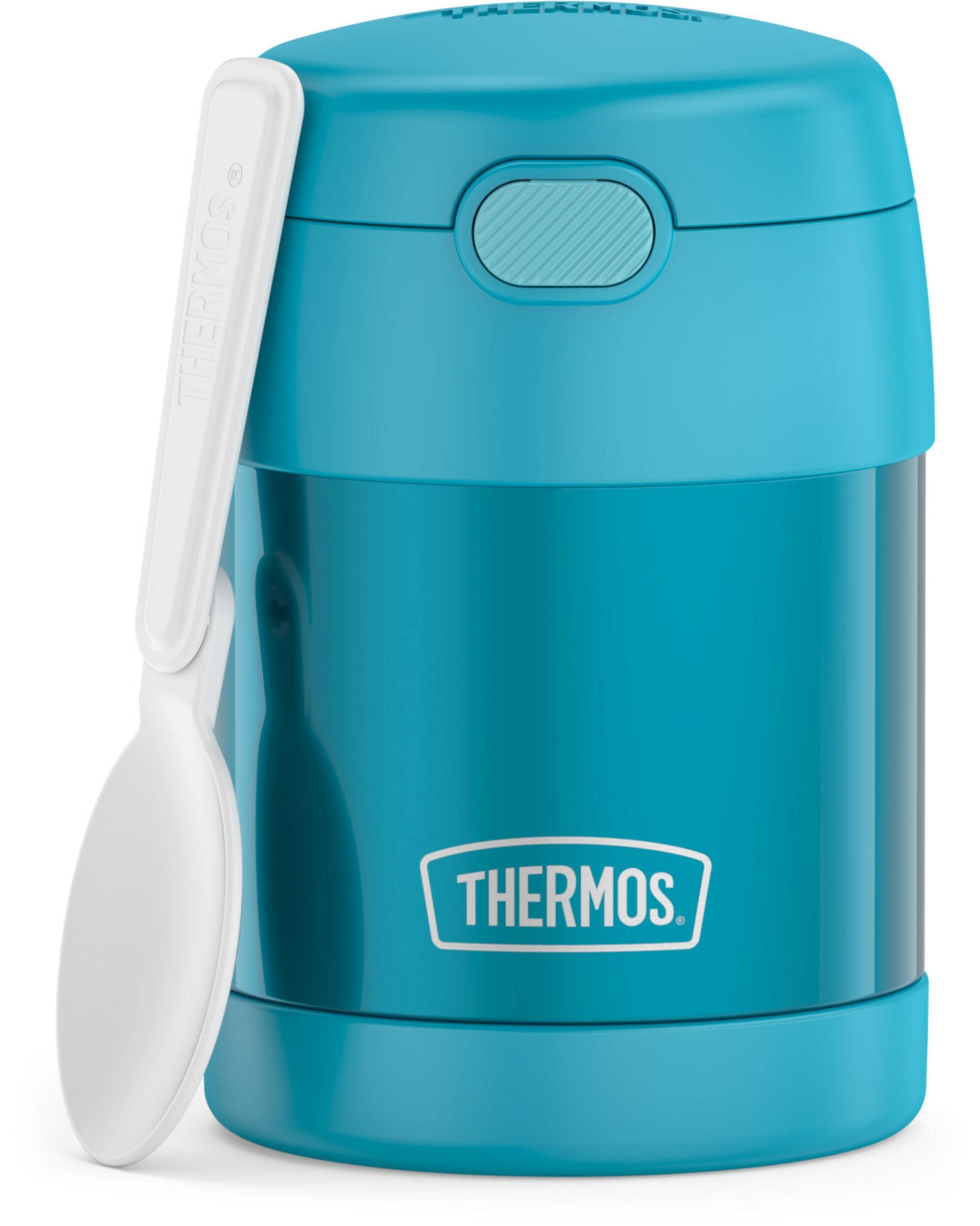
A compact, kid-friendly insulated jar that reliably keeps child portions hot or cold and includes a foldable spoon.
Why I picked it: Child-sized capacity, built-in spoon, and dependable vacuum insulation.
Best for: School lunches, soups, yogurt, and kid portions on the go.
An affordable, kid-focused insulated option.
Pros
- Keeps food hot or cold for hours
- Integrated foldable spoon
- Lightweight and compact
- Wide mouth for easy filling
- 18/8 stainless steel body
Cons
- Needs lid tightened to avoid leaks
- Gasket can trap odors if not cleaned
- Not microwave-safe
My take
I use this Thermos for my son's lunches and it fits a proper kid portion—about 10 ounces feels perfect for soup, pasta, or yogurt. Preheating the jar for a few minutes with hot water makes a noticeable difference in how hot the food stays by lunchtime.
The foldable spoon stored in the lid is genuinely convenient; I don't have to pack an extra utensil. Little hands handle the push‑button lid easily, and the wide mouth makes filling and scraping food simple.
It has held up to being tossed in backpacks and feels sturdier than many kid-targeted products. The only care point: tighten the lid correctly and remove and wash the rubber gasket regularly to prevent lingering smells.
2. Stanley Classic 24oz Vacuum Food Jar – Best for Long Shifts
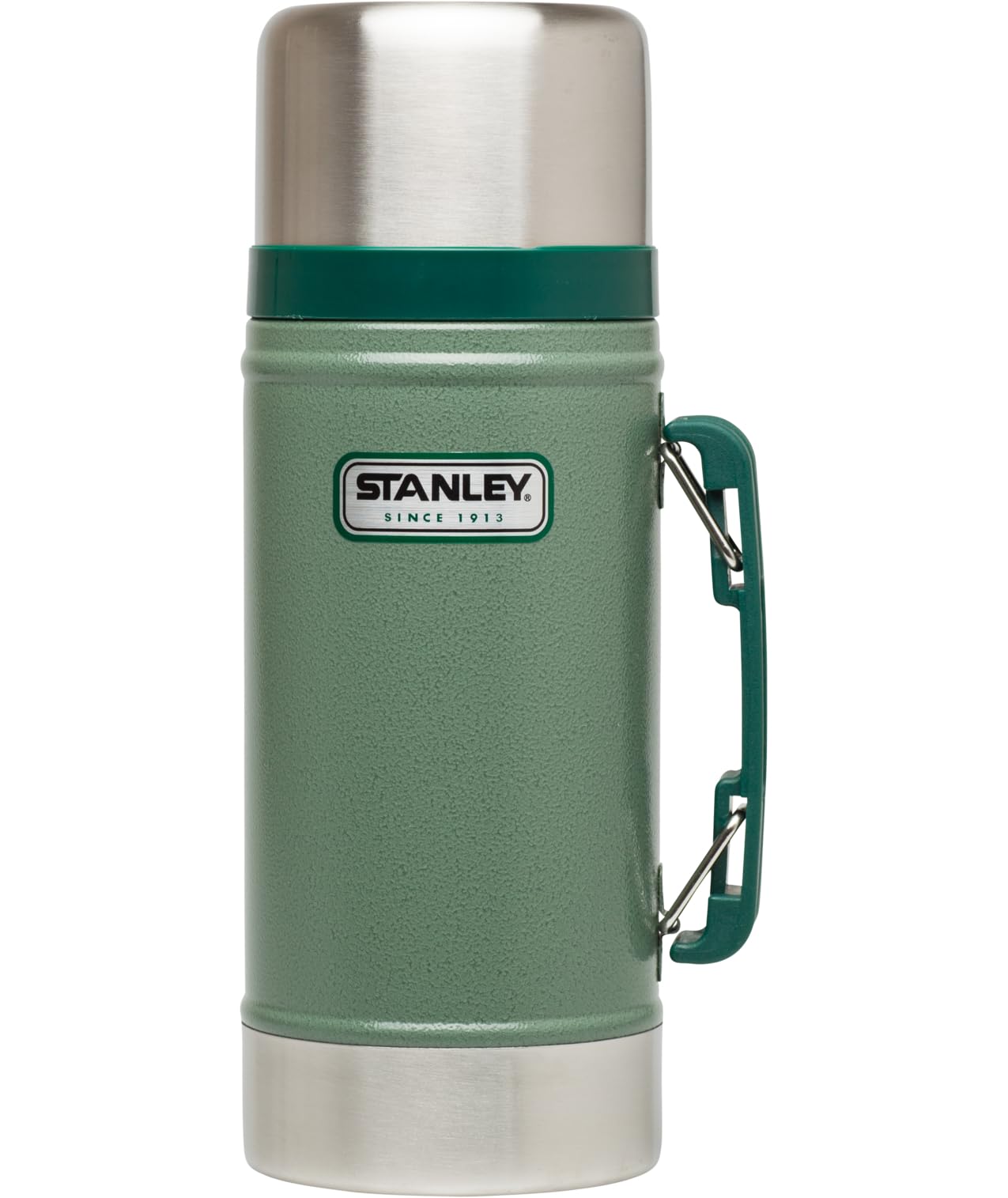
A heavy-duty, double-walled vacuum jar that keeps large portions steaming for hours and is built for long-term use.
Why I picked it: Rugged construction and extreme temperature retention for full work shifts.
Best for: Long commutes, overnight drives, outdoor work, and travelers needing long heat retention.
A more expensive, built-for-life option worth the investment if you need durability.
Pros
- Exceptional heat retention for many hours
- Bomb-proof, rugged construction
- Wide mouth for easy serving
- Lifetime warranty backing
Cons
- Heavier and bulkier than children's jars
- Lid gasketing needs occasional cleaning
- Handle could be a weak point
My take
I gave this to my husband to take soups on long overnight shifts and it performed exactly as I hoped—food stayed steaming hot well into the workday when I preheated the jar first.
The 24-ounce capacity is roomy; it holds several ladles of stew or soup without feeling oversized. The heft and build quality make it feel like something that will last for years.
Cleaning takes a bit more effort because food can collect under the rubber gasket, but a bristle brush and thorough rinsing solve that. For anyone who needs a dependable, low‑tech hot food solution, this Stanley is my go-to.
3. Veken 22oz Airtight Coffee Canister – Best for Coffee
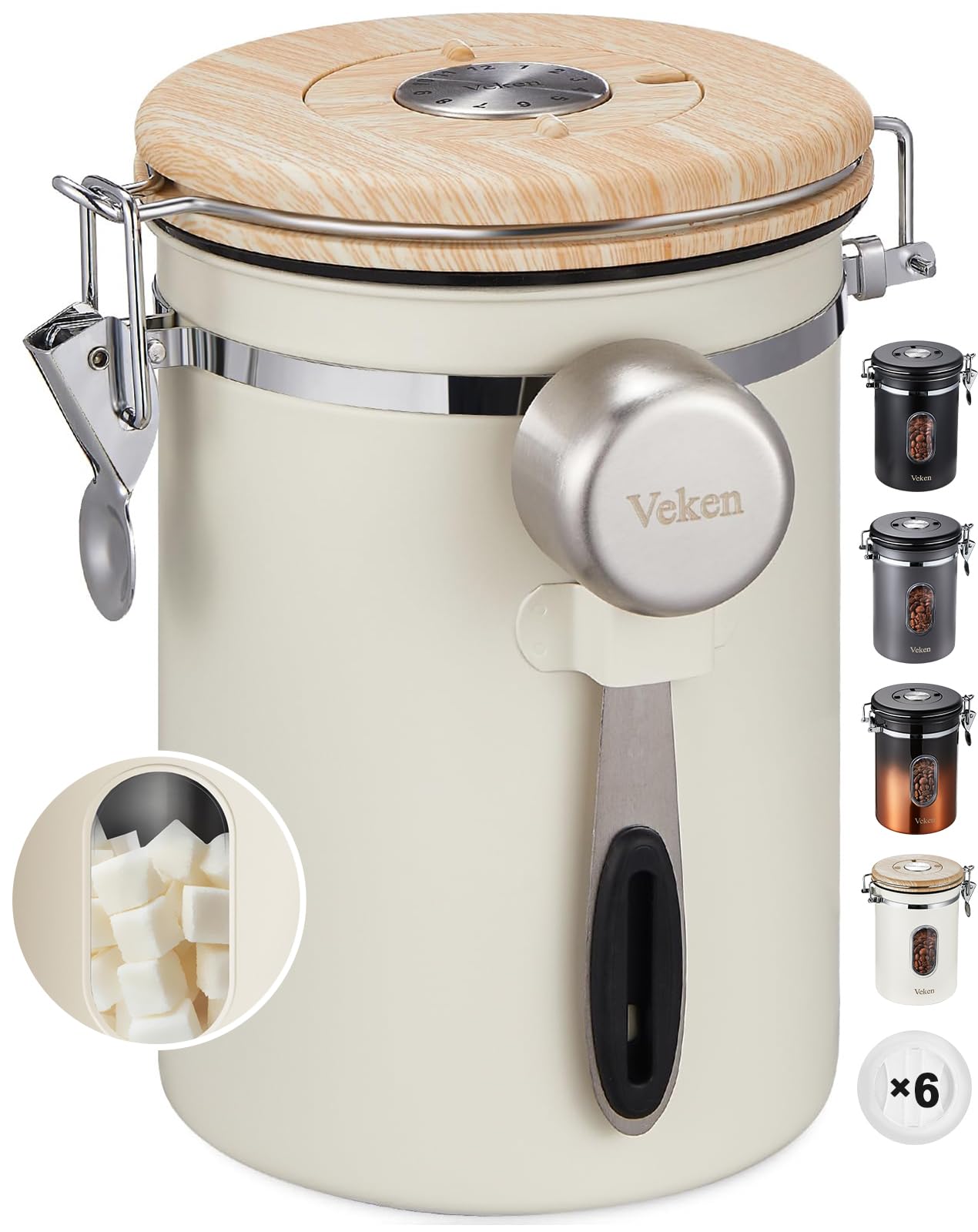
A stainless steel canister with a one-way CO2 valve, date tracker, viewing window, and scoop that helps keep beans fresher on the countertop.
Why I picked it: One-way valve plus a tight seal and practical features for coffee lovers.
Best for: Storing whole beans, ground coffee, and keeping a tidy countertop coffee station.
An affordable, feature-rich option for coffee storage.
Pros
- One-way CO2 valve preserves freshness
- Airtight silicone seal
- Built-in date tracker on lid
- Window to check levels
- Scoop included and attaches
Cons
- Finish can show fingerprints
- Capacity may be small for very large households
My take
I keep this canister on my coffee bar and it noticeably slows the flavor loss compared with an open bag. The one-way valve vents CO2 while keeping oxygen out, which matters for freshly roasted beans.
The date tracker is a small but useful feature—I mark the roast or opened date and it helps rotate beans faster. The attached scoop is handy and the window lets me glance at levels without opening the lid.
It looks high-end on the counter and the 304 stainless construction feels solid. For everyday coffee storage where freshness and convenience matter, this canister hits the sweet spot.
4. Thermos FUNtainer 10oz Kids Food Jar (Pink) – Best for Little Hands
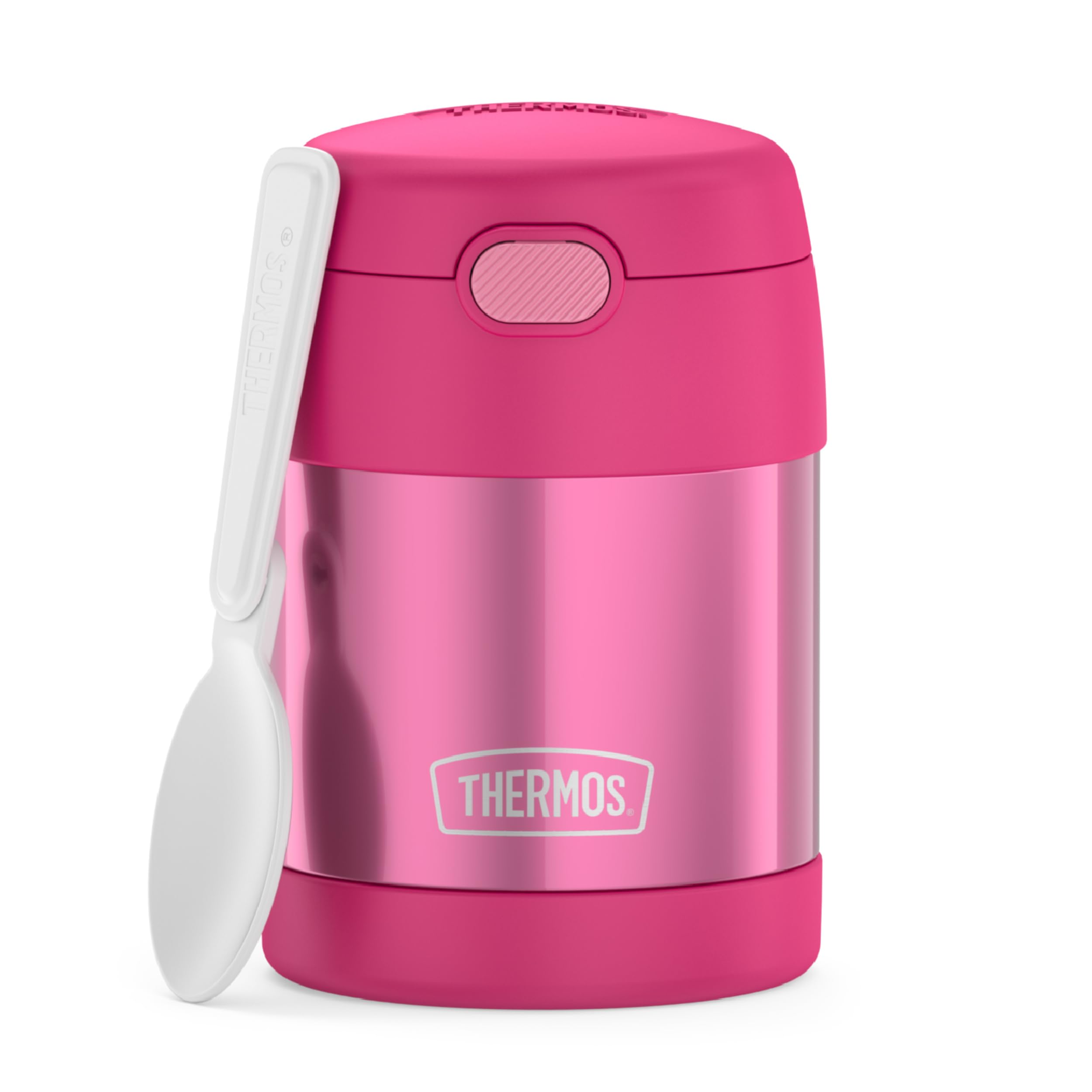
The same reliable Thermos FUNtainer in a kid-appealing color with easy operation and a foldable spoon, designed for younger children.
Why I picked it: Very kid-friendly mechanics and the familiar FUNtainer performance.
Best for: Younger kids who need an easy-to-open, utensil-included lunch jar.
An affordable, colorful option that performs well for daily school lunches.
Pros
- Easy for small hands to open
- Includes foldable spoon
- Keeps lunch warm when preheated
- Lightweight and backpack-friendly
Cons
- Inner cap is plastic against hot food
- Gasket must be seated to avoid leaks
- Not microwave-safe
My take
I bought this for my younger child and they manage the push-button lid without trouble—it's genuinely easy for small hands. The included spoon removes the hassle of packing extra utensils.
After a few minutes of preheating, pastas and soups arrive at lunchtime still warm. The unit has held up to daily use for months with no dents or leaks when I make sure the rubber seal is seated.
One caveat: the cap is plastic, so if you prefer all‑metal contact with hot foods that might be a trade-off. For most families looking for convenience and proven insulation in a kid-sized package, this remains a top pick.
5. ComSaf Airtight Glass Canisters Set of 3 – Best for Pantry
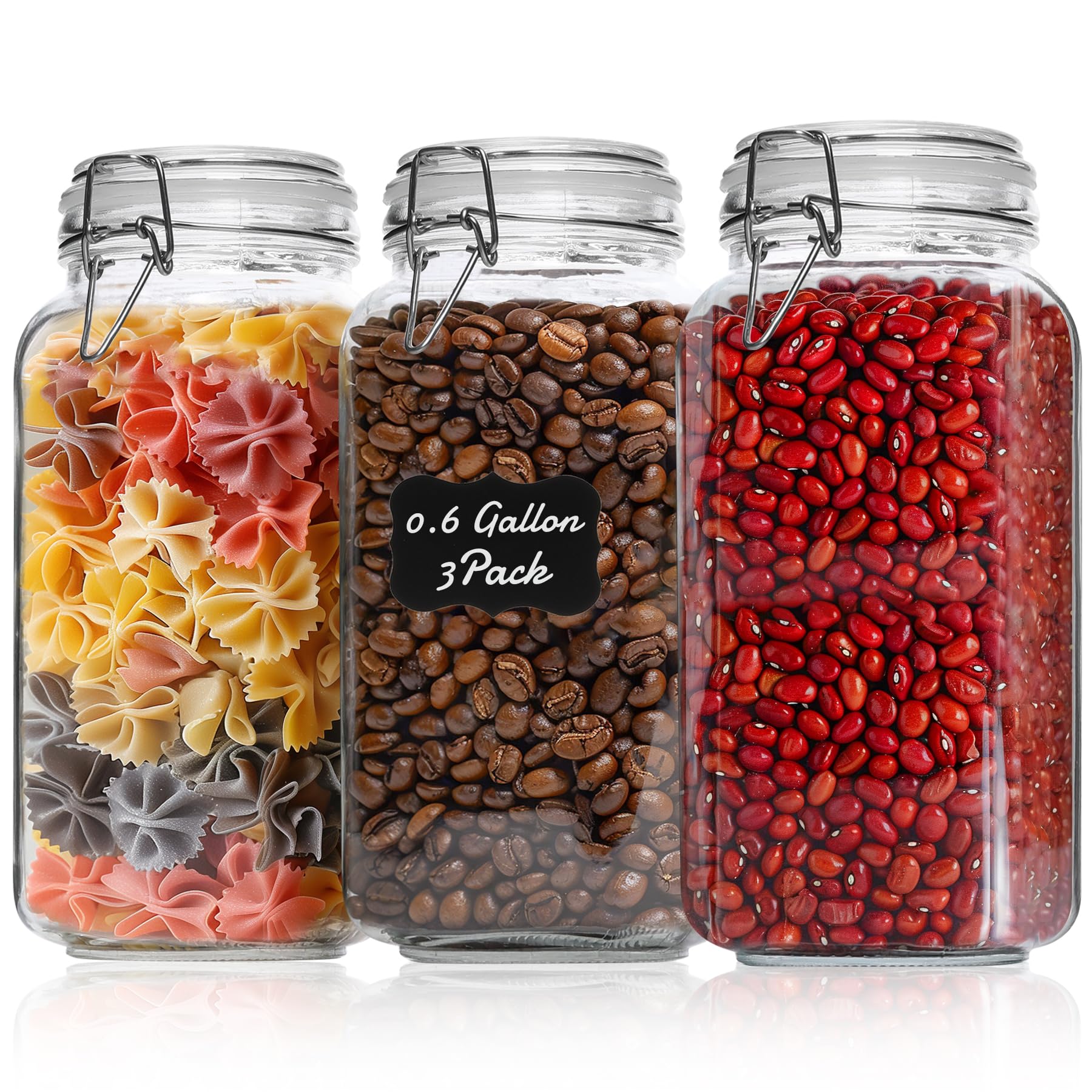
Thick glass canisters with silicone gaskets and wire‑clip lids that make pantry organization tidy, visible, and reliably sealed.
Why I picked it: Large, clear jars that make flour, sugar, and dry goods easy to store and monitor.
Best for: Bulk pantry staples, flour, sugar, pickling, and countertop display.
An affordable glass set that upgrades pantry storage.
Pros
- Thick, sturdy glass construction
- Airtight clamp and silicone gasket
- Clear walls for content visibility
- Includes reusable labels
Cons
- Heavier than plastic options
- Latch closure feels slightly flimsy
- Glass can break if dropped
My take
I use this three-pack for flour, sugar, and oats; the wide mouths make scooping and cleaning effortless. The lids seal tightly and I haven't seen moisture build-up in the jars I've used.
They look great on the counter and the included labels make swapping contents quick and tidy. Packaging was secure and they arrived without chips or cracks.
If you need true heavy-duty latch hardware, you might notice the clip is lighter than industrial canisters, but for everyday kitchen storage these deliver the airtight performance and visibility I want.
How I Choose Food Jars and Canisters
Insulation vs Airtight Storage
I separate my needs into two camps: insulated jars for hot/cold meals on the go, and airtight canisters for dry goods and coffee. Vacuum insulation matters when I want a hot lunch at midday; airtight seals matter when I want to keep beans or flour free of moisture and oxygen.
- Choose vacuum-insulated stainless steel for soups, stews, and hot lunches.
- Choose airtight stainless or glass canisters for coffee, sugar, and flour.
- Preheat insulated jars with hot water for best heat retention.
Size and Capacity
I pick capacity based on who will use the jar. Ten ounces is perfect for kids' portions; 20–24 ounces is better for adult soups or long shifts. For pantry jars, measure the staples you buy most often so jars aren't constantly refilled.
- 10 oz = kid portion; 20–24 oz = adult meal.
- For pantry storage, choose jars that hold at least one bag or common bulk size.
Materials and Durability
I prefer 18/8 or 304 stainless steel for insulated jars and canisters because it's durable and easy to clean. Glass wins for visibility and nonreactivity in the pantry, though it’s heavier and breakable.
- Stainless steel: durable, good temperature performance.
- Glass: transparent, nonreactive, better for long-term dry storage.
- Check lid materials if you avoid plastic contact with hot foods.
Cleaning and Maintenance
I clean lids and gaskets thoroughly—food and oils can hide in seals. Many bodies are dishwasher-safe, but I handwash lids and rubber parts to extend seal life.
- Remove and clean gaskets regularly to prevent odors.
- Use a brush for narrow lid crevices.
- Handwash lids and seals when possible.
Frequently Asked Questions
Can I put hot food directly into insulated jars?
Yes—I routinely put hot soup into vacuum-insulated jars. I get the best results if I preheat the jar with hot water first so the container doesn’t absorb heat from the food and the meal stays warmer longer.
Are glass pantry jars safe for storing flour and sugar?
Absolutely. I store flour and sugar in glass canisters because they keep out moisture and allow me to see levels at a glance. Just avoid sudden extreme temperature changes to prevent cracking.
How do I keep coffee beans freshest in a canister?
I use an airtight canister with a one-way valve and set the date tracker when I open a bag. Store the canister in a cool, dark place and use beans within a few weeks for best flavor.
Final Take
If I need something for a child's lunch, the Thermos FUNtainer models give the best balance of size, usability, and included utensils. For long days on the road, the Stanley Classic delivers unmatched heat retention and durability.
For coffee and countertop storage, the Veken canister keeps beans noticeably fresher, while the ComSaf glass set is my go-to for bulk pantry staples where visibility and airtight seals matter.
Pick based on your primary need—insulation, airtight preservation, or countertop visibility—and you'll have a much better experience packing, storing, and enjoying food.
