
I tested four top gutter-guard systems to see which actually keep pine needles, roof grit, and leaves out of gutters. Here are the ones I kept, installed, and would recommend for different houses and budgets.
I live in a neighborhood with lots of pines, so keeping needles out of my gutters has been a seasonal chore for years. I evaluated four products I installed myself or inspected after installation, focusing on how well they keep pine needles and roof grit out while preserving water flow.
My testing prioritized mesh size, material durability, installation method, and how often I still had to brush needles off the top. Below I explain which guard I use where and why, plus practical installation tips.
I compared these guards based on how they handle fine pine needles, how durable the material is, and how easy each is to install and maintain over time.
1. A-M Aluminum Gutter Guard (sample) – Best Overall
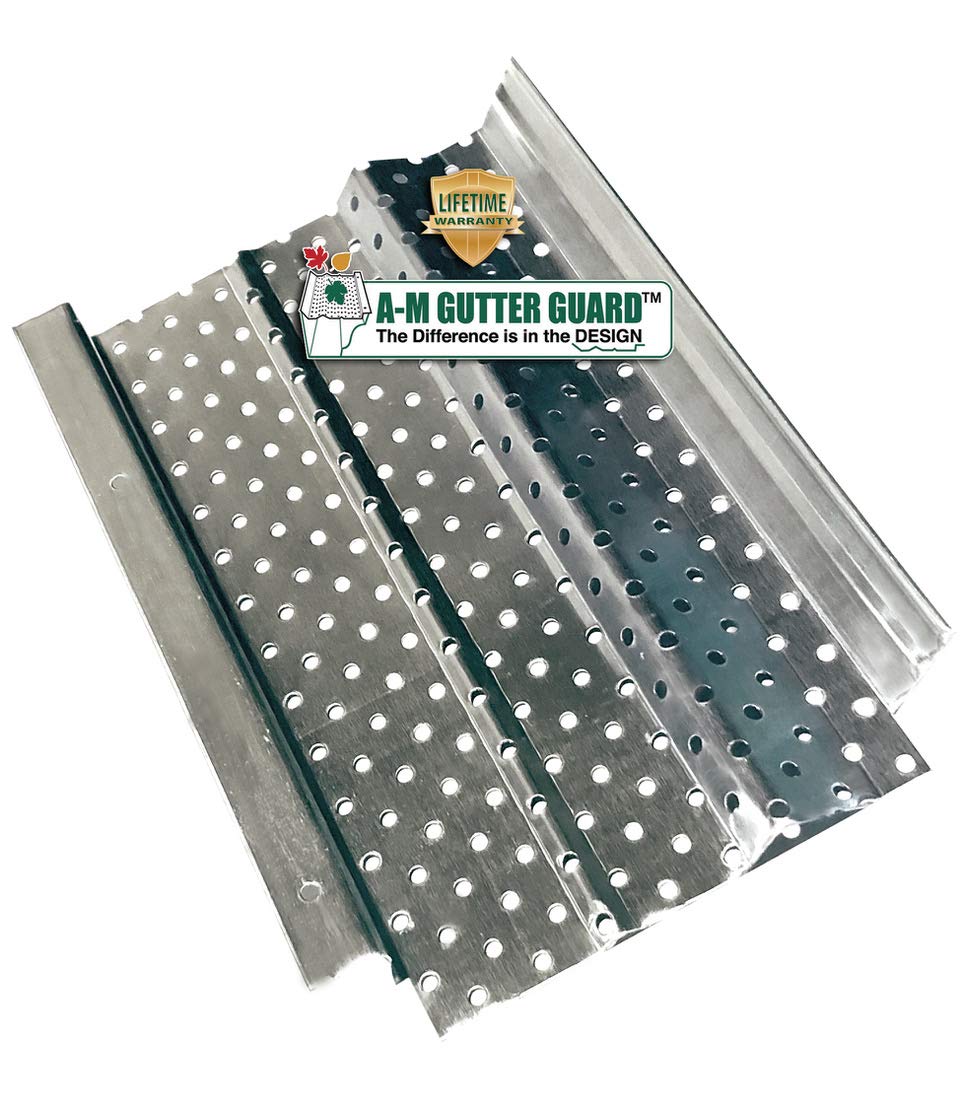
Heavy-gauge aluminum screen that’s nearly invisible and very effective at stopping needles; great low-profile option for 5" and 6" gutters.
Why I picked it: Industrial .018 aluminum, dense perforation, and a low-profile look that actually handled needles on my house.
Best for: Homeowners who want a durable, low-visibility guard that handles pine needles well.
Sample-length pack is a low-cost way to test fit before buying full runs.
Pros
- Heavy industrial .018 gauge aluminum
- Virtually invisible from the ground
- High hole density for heavy rain
- DIY-friendly tabs for seamless joins
- Made in the USA
Cons
- Sample pieces are short lengths
- Requires #8 zip screws (not included)
- Tabs can arrive bent from packaging
My take
I started with the A-M sample pieces to check fit on my 5" gutters, and the build quality surprised me — the aluminum feels substantial and the pattern is fine enough to stop pine needles without cutting water flow.
Installation was straightforward: the tabs make aligning seams fast, and I secured sections using #8 zip screws (I had to buy those separately). Once in place the guards look nearly invisible from the yard.
After storms I rarely find needles in the trough; a little roof grit can collect on the top, but it brushes off easily. For me this hit the sweet spot between appearance, durability, and needle protection.
2. RAPTOR Stainless Steel Micro-Mesh – Best for Fine Debris
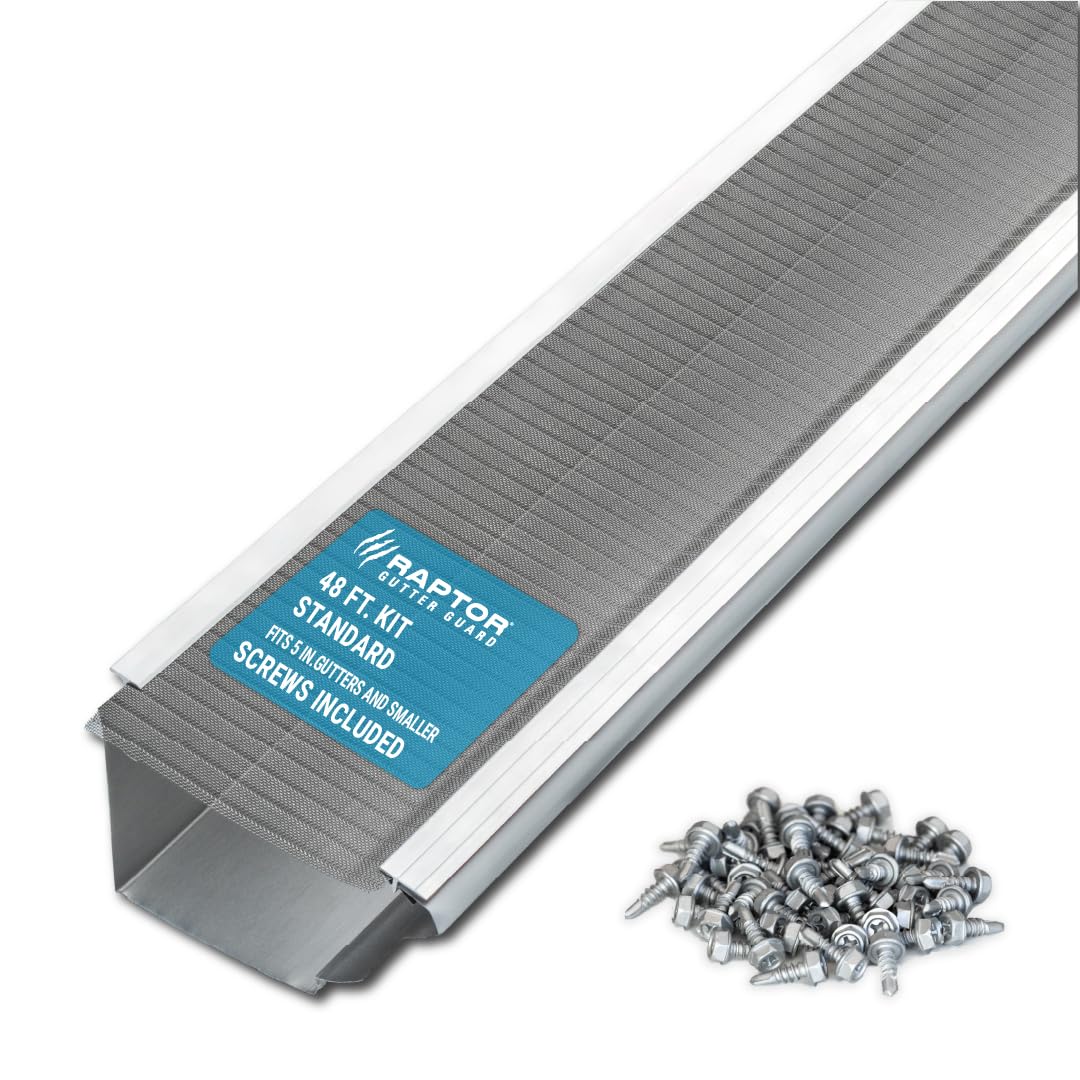
Stainless micro-mesh that stops even small pine needles and roof grit while offering contractor-grade durability.
Why I picked it: Fine stainless mesh plus V-bend rigidity delivers the best filtration for tiny needles and grit.
Best for: Homes with heavy pine-needle fall or where rainwater collection matters.
Contractor-grade kit — a more expensive, higher-performance option.
Pros
- Fine stainless steel micro-mesh
- V-bend adds strength and rigidity
- Designed for heavy rain
- UL/NSF approvals for water catchment
Cons
- Packaging can bend mesh ends
- Kit may lack enough screws
- Higher upfront cost
My take
I installed Raptor on a long run where pine needles and roof grit were constant problems, and the micro-mesh did an excellent job catching the smallest particles while still moving water efficiently.
The V-bend and trough features make the material stiff enough to span openings without sagging, and the stainless build resists rust and long-term warping in my experience.
Be ready to straighten a few bent ends from shipping and to supply a few extra screws during installation — the product performs very well once seated, and I still have to brush off a few needles occasionally, but much less often than before.
3. FlowGuard Aluminum Gutter Cover – Best for Heavy Rain
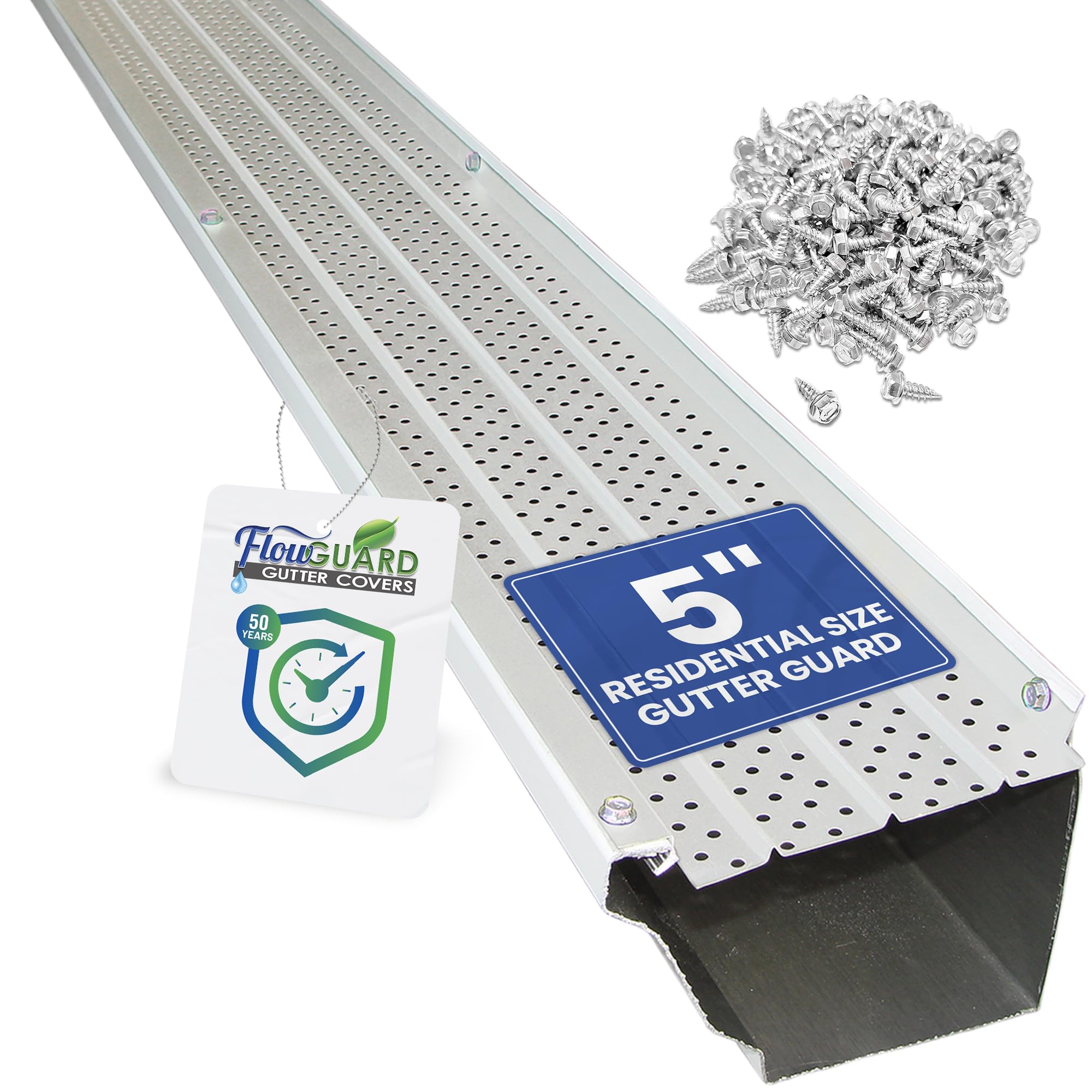
Heavy-gauge painted aluminum with a 3-point design that elevates debris and maintains flow even in heavy storms.
Why I picked it: Sturdy .018 gauge aluminum and a 3-point profile that keeps wet debris from sticking and slows overflow.
Best for: Homes with heavy rainfall and lots of leaves or pine needles.
Mid-to-premium option with a long warranty and strong construction.
Pros
- Heavy .018 painted aluminum
- 3-point design lifts debris off surface
- Interlocking ends for clean runs
- Long manufacturer warranty
Cons
- Installed pieces are mounted on top of the gutter
- Heavier to handle on a ladder
- Color matching may be needed
My take
I used FlowGuard across a long back run that gets heavy rain and lots of needles; the rigid aluminum and three-point profile keep wet leaves and needles from matting down and blocking water.
Cutting and locking the interlocking ends was easy with tin snips, and the included stainless fasteners made the permanent installation feel solid and secure.
Since installing, I’ve had far fewer clogs and I appreciate that the design actually lets light winds blow dried needles away instead of trapping them.
4. Amerimax Lock-In Mesh Gutter Guard – Best Value
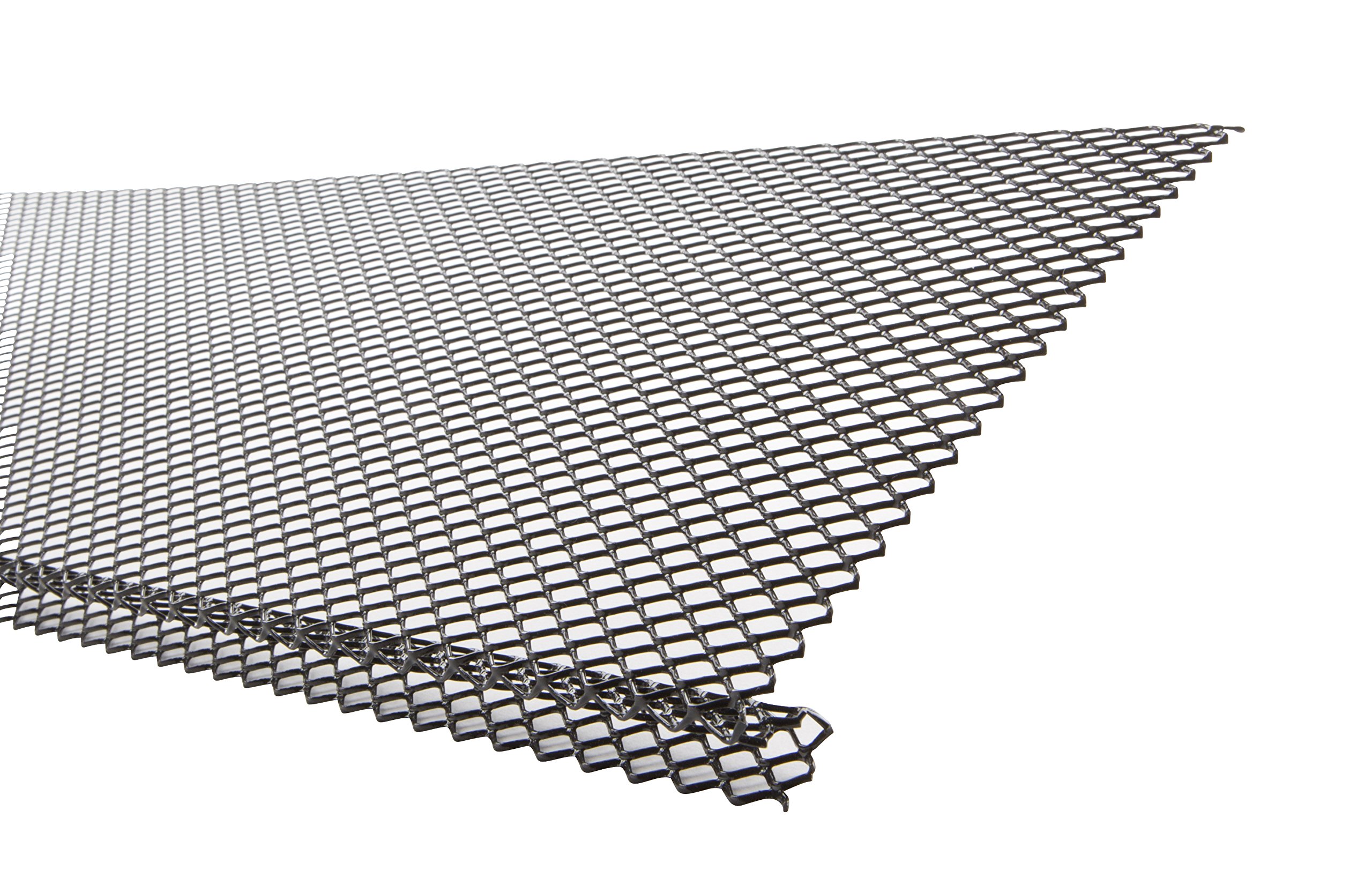
Powder-coated steel lock-in panels that attach under shingles and lock onto the gutter lip — sturdy, budget-friendly, and simple to install.
Why I picked it: Secure lock-in system and tight mesh at a competitive price point.
Best for: Budget-conscious homeowners who want a secure, dependable mesh guard.
Value option with decent coverage per pack; affordable for whole-house installs.
Pros
- Lock-in design stays put
- Powder-coated steel resists weather
- Compatible with 4–6" K-style gutters
- Easy to cut and install
Cons
- Wider panels may need trimming
- Some fitting adjustments required
- Box coverage varies with overlaps
My take
I installed these Amerimax sections on a one-story run and appreciated how the mesh tucks under the shingles and locks to the gutter lip for a secure fit.
The expanded metal pattern keeps the worst of the leaves and many needles out, and cutting to fit around odd roof features was straightforward with tin snips.
If you measure carefully and allow for overlap, one box covers a lot of linear footage and delivers a reliable, low-cost solution for pine-needle seasons.
How I Choose Gutter Guards for Pine Needles
Mesh vs Solid: Why fine mesh wins for needles
I look for fine mesh or perforation density first when needles are the main problem. Pine needles are small and can slip through larger slots or lodge in shallow slots, so a tighter mesh keeps most of them out.
Solid top covers can handle big leaves but often let needles wash over into the trough unless they have a very specific angled surface that sheds debris.
- Choose micro-mesh or dense perforations to stop needles.
- If you collect rainwater, confirm NSF/UL approvals for the mesh.
- Expect to brush off some debris on the top occasionally.
Material and durability
I prefer stainless steel or heavy-gauge aluminum for longevity. Thin plastics can warp and crack under sun and heavy storms, while steel and thick aluminum resist corrosion and hold shape.
Powder-coated steel is a budget-friendly middle ground if you want better corrosion resistance than bare aluminum.
- Stainless steel = best long-term durability.
- .018 gauge aluminum offers a durable, lightweight option.
- Powder-coating helps resist weathering on steel panels.
Installation and maintenance
I prioritize systems I can install safely myself with basic tools. Lock-in styles and interlocking panels simplify alignment; micro-mesh kits sometimes require more careful bending and extra fasteners.
Even the best guards need occasional brushing of roof grit and dried needles. Plan for an annual check rather than full-scale cleaning.
- Have extra screws on hand — kits sometimes run short.
- Check packaging for bent ends and straighten before installing.
- Cut interlocking ends with tin snips for neat runs.
Compatibility and roof considerations
I always verify gutter width (4", 5", 6") and whether the guard tucks under shingles or mounts on top. Tucking under shingles gives a cleaner look but may be harder on irregular eaves.
If you have a rainwater catchment system, choose a product with NSF/UL certification like the stainless micro-mesh option I used.
- Match guard width to your K-style or box gutters.
- Confirm whether the guard mounts under shingles if you prefer that look.
- Check manufacturer notes about roof warranties when concerned.
Frequently Asked Questions
Will these gutter guards completely eliminate pine needles?
In my experience no guard eliminates needles 100%, but fine micro-mesh and dense perforations cut maintenance dramatically. I still brush off the occasional build-up of roof grit or a thin layer of needles after major storms, but cleaning is far less frequent.
Do gutter guards void my roof warranty?
FlowGuard's documentation states their product does not void roof warranties when installed under shingles, and I haven’t had warranty issues after installations. I still recommend checking your specific roof warranty and installation method before fitting any guard under shingles.
Can I install these myself?
I installed each of the products listed on single- and two-story runs. Most are DIY-friendly with basic tools, but micro-mesh may require more careful shaping and extra screws. Always use safe ladder practices or hire a pro for high or awkward roofs.
Which option is best if I want to collect rainwater?
I used the stainless micro-mesh product on a rainwater catchment run because it’s UL/NSF listed for collection. If rainwater harvesting matters to you, choose a product with those certifications.
Final Take
After installing and inspecting these four options, I keep a micro-mesh solution where fine needles and roof grit are the biggest problem, and I use heavy-gauge aluminum or lock-in mesh where I prioritize low profile or value.
If you’re unsure, I suggest buying a sample or a short run first so you can test fit and performance on your roof pitch and gutter profile before committing to full coverage.
Whichever guard you choose, plan for a quick annual check and occasional brushing — that small bit of maintenance keeps gutters doing their job for years.
