
I tested a range of solar and blackout shades—motorized, cordless, exterior, and cellular—to find the most effective options for blocking heat while preserving views or delivering full darkness.
I spent time installing and living with several types of solar shades to see how well each one reduces heat, glare, and UV while fitting different mounting situations.
In this roundup I focus on practical performance: how much heat and glare the shades block, how they mount, and which styles suit patios, bedrooms, renters, and smart homes.
Across these options I found three clear trade-offs: exterior solar shades stop heat before it hits the glass, 5% openness solar screens preserve daytime views while cutting heat, and cellular or blackout options deliver the best interior insulation or darkness. Motorized units add automation and convenience but require careful measuring and occasional hub setup.
1. Artpuch Custom Outdoor Roller Shade – Best for Personalized Outdoor Spaces
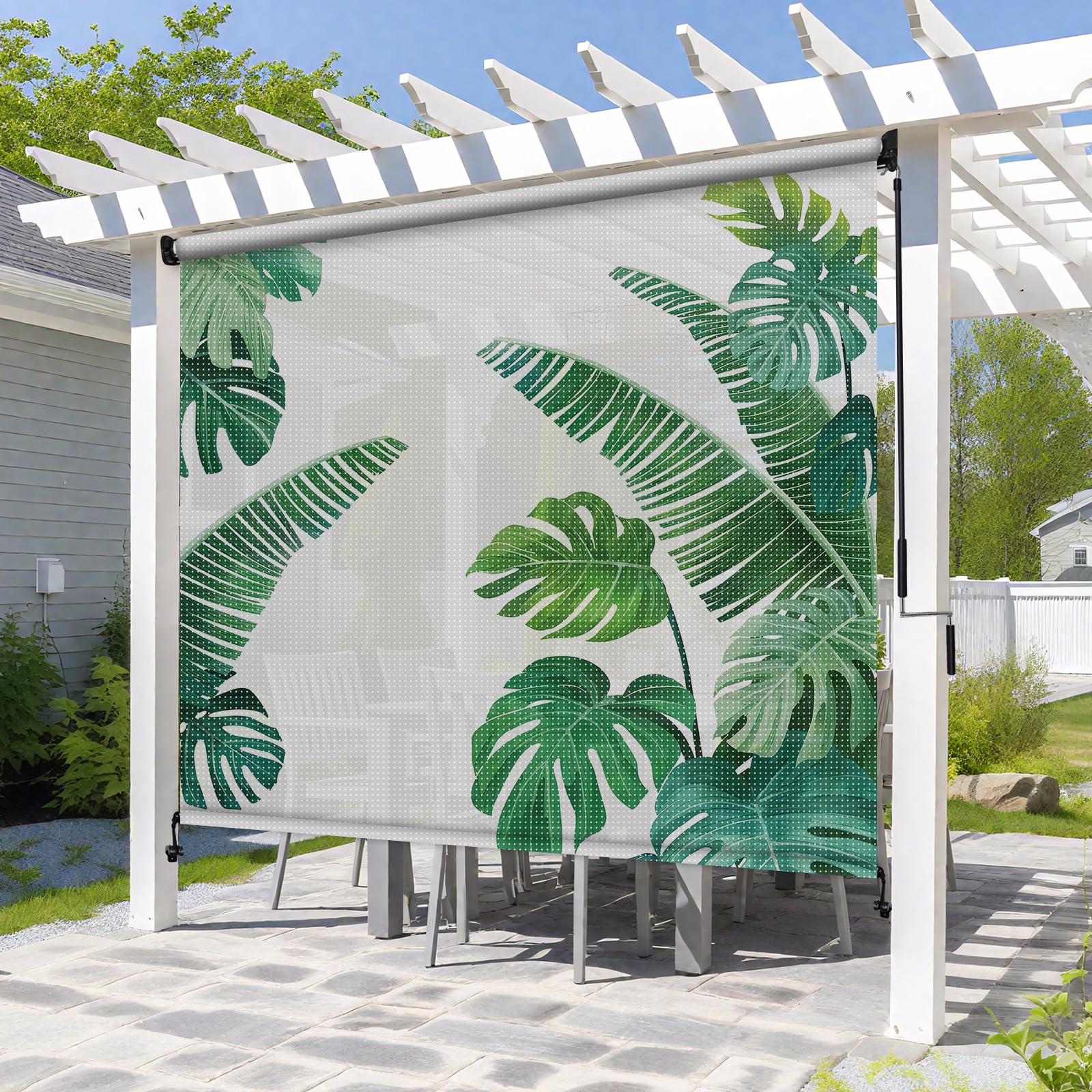
Cordless outdoor roller shade printed with your image on 5% openness solar fabric. Weather-resistant inks, wall or ceiling mount, and splice connectors for very wide widths.
Why I picked it: I liked that it combines genuine sun control with custom graphics for outdoor living areas.
Best for: Porches, pergolas, gazebos where personalization and sun control matter.
Custom sizing and printing place this in the bespoke mid-range category.
Pros
- Custom image printing option
- 5% openness blocks glare, keeps view
- Weather-resistant, wrinkle-resistant fabric
- Cordless wand for safer operation
- Quick 15-minute install in most cases
Cons
- Spliced joins on very wide units
- Heavy to lift alone at larger sizes
- Not ideal for very high-wind situations
My take
I installed an Artpuch outdoor roller on my patio and appreciated how the printed fabric transformed the space while cutting harsh afternoon glare. The 5% openness gave a clear view out but substantially reduced direct sun on the seating area.
Installation was straightforward with the included hardware; wall or ceiling mounting worked equally well in my setup and the assembly truly took about fifteen minutes once I had a helper for the larger unit. For very wide shades the supplier uses spliced connectors — that works fine but adds a visible joint, so I chose splice placement carefully.
The cordless wand is a big plus for families, and the fabric beads rain and resists wrinkling in my experience. The shade noticeably cools the patio and even helped keep the adjacent room a bit cooler when left down during peak sun.
If you plan to leave the shade down in windy conditions I recommend mounting the bottom holders higher and using wind tie-downs. I also found the seller responsive when I needed a missing part sent quickly.
2. Weffort Motorized Blackout Roller Shade – Best for Smart Bedrooms
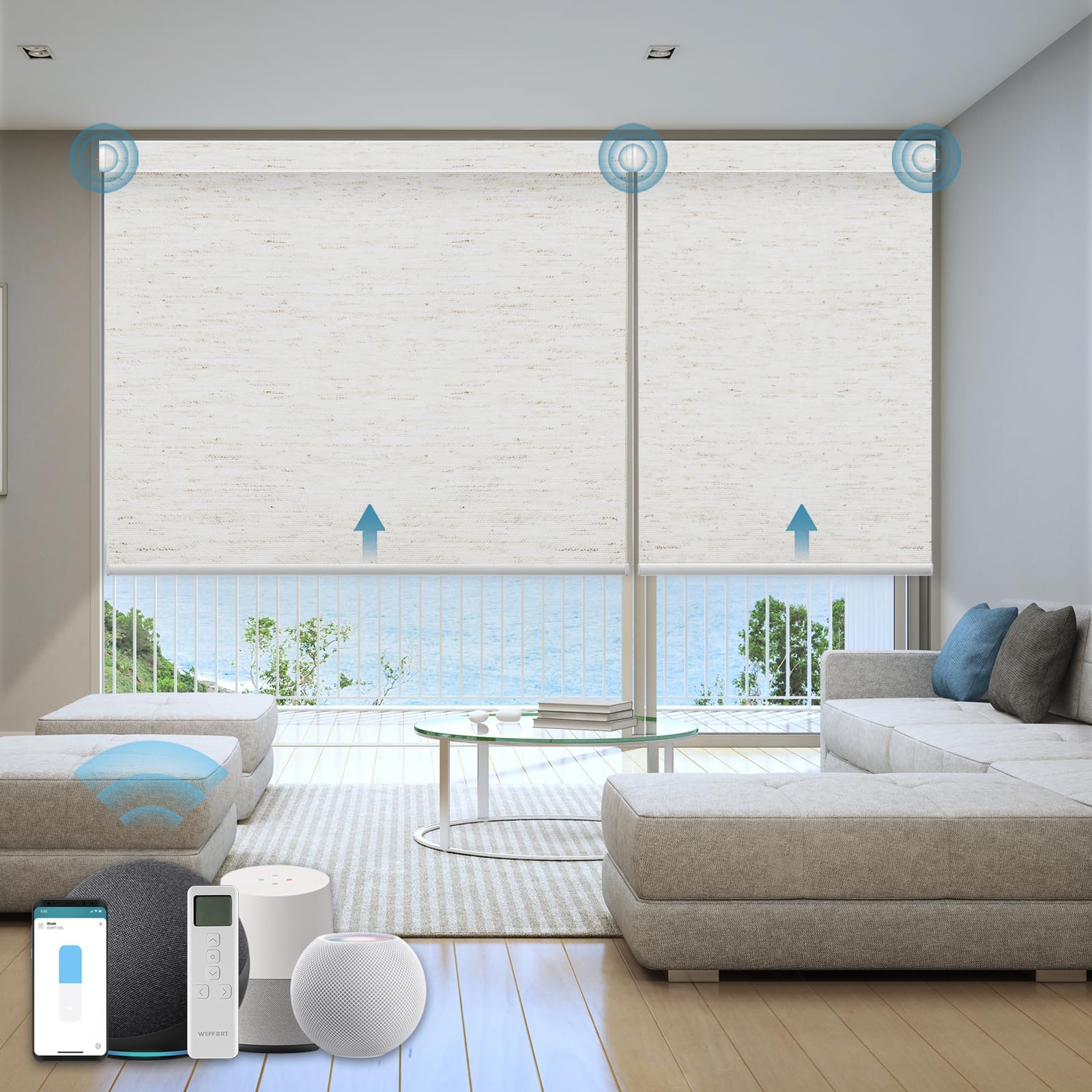
Motorized roller with triple-layer blackout fabric, native HomeKit support via Matter over Thread, rechargeable battery with USB/solar charging, and quiet operation under 35 dB.
Why I picked it: I chose it for full blackout performance plus robust smart-home integration and long battery life.
Best for: Bedrooms, nurseries, and anyone wanting smart automation and complete darkness.
A higher-end, smart-enabled choice with rechargeable motor options.
Pros
- Complete blackout triple-layer fabric
- Native HomeKit support with Matter
- Long 4–6 month battery life
- Very quiet motor under 35 dB
- Multiple charging options (USB/solar)
Cons
- Initial setup may require hub or remote
- Precise top-frame measurements necessary
- Some colors vary from expectation
My take
I installed a Weffort motorized shade in a bedroom where reaching the window is awkward, and the motor solved that problem immediately. The triple-layer fabric made the room notably darker and helped me control morning light for better sleep.
Connecting to my smart home took a little initial setup—depending on motor choice you may need a hub or remote—but once paired the motor responded reliably and reprogramming end limits was painless.
Battery performance impressed me: with moderate daily use the unit ran months between charges, and I appreciated the option to top up via USB or solar panel. The motor is whisper-quiet, so it never bothered sleeping children.
I did take extra care measuring the top of the frame before ordering; one of my frames had a slight protrusion that required light sanding for a snug fit. I also recommend ordering a fabric sample first if color accuracy matters in your decor.
3. Boolegon No-Drill Honeycomb Cellular Shades – Best for Renters and Insulation
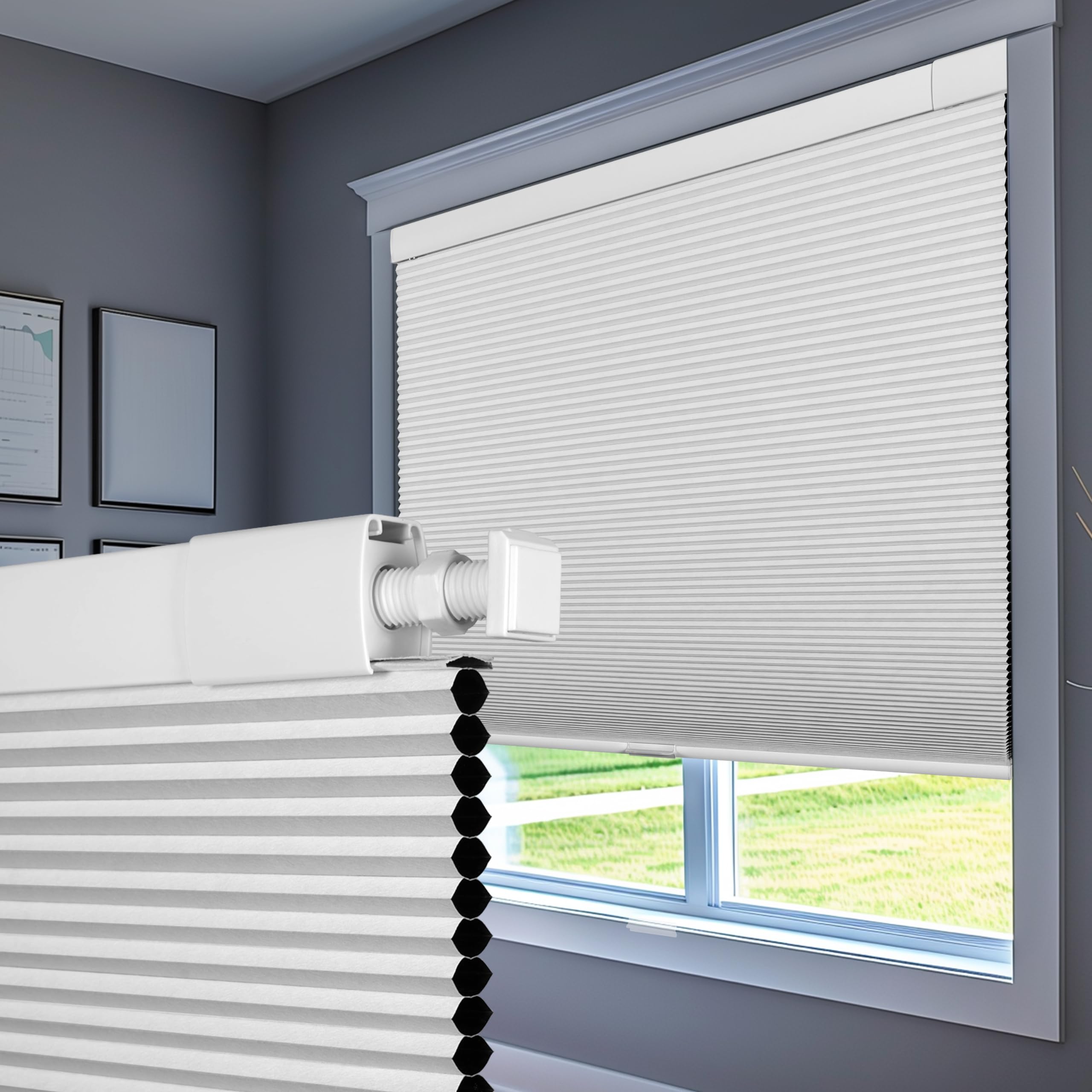
Cordless, no-drill honeycomb shades with 1" cell structure and 100% blackout fabric for insulation, noise reduction, and easy install without harming frames.
Why I picked it: I picked this for true no-drill installation and the cellular structure’s proven insulating effect.
Best for: Renters, bedrooms, and rooms needing improved insulation without drilling.
A practical mid-range insulating choice for many windows.
Pros
- No-drill installation, leaves no holes
- 1" cells offer good insulation
- 100% blackout fabric
- Smooth push-pull operation
- Color-matched headrail and bottomrail
Cons
- Sizing must be precise
- Corner crinkling can occur
- Small side light gaps are normal
My take
I used the Boolegon cellular shade on a couple of windows where I didn’t want to drill into the frames. The no-drill clips made installation fast, and the mechanism was smooth from the first pull.
The 1-inch cells trap air well; during summer heat waves I noticed the rooms with the cellular shades stayed cooler and my AC ran less aggressively. The blackout fabric was impressively light-proof except for small side gaps that are typical with this mounting style.
Measurement is critical—my perfect fit came from measuring to 1/16"—and the company’s sizing process worked well once I confirmed dimensions. One unit had a minor corner crinkle out of the box, but performance was unaffected.
4. Radiance Exterior Cordless Solar Shade – Best Exterior Shade
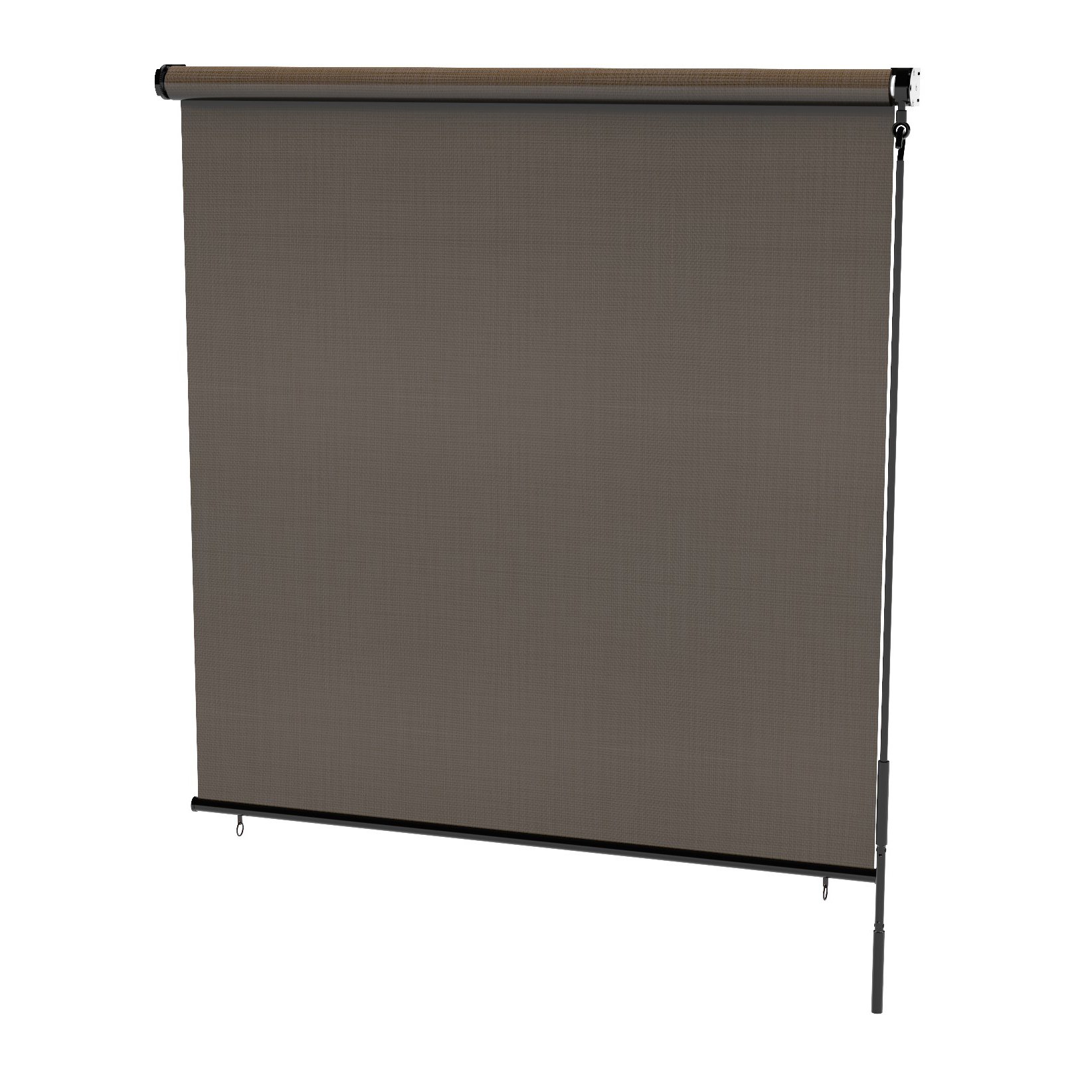
Exterior HDPE solar shade that blocks up to 85% of UV, uses a crank for cordless security, allows airflow, and includes wind tie-downs for decks and porches.
Why I picked it: I chose it for exterior use where UV blocking and airflow retention matter most.
Best for: Decks, porches, sunrooms, and waterfront homes needing sun protection.
A durable exterior solution at a moderate price point.
Pros
- Blocks UV and glare effectively
- Material allows cooling airflow
- Crank operation is durable and simple
- Certified kid-safe cordless design
- Includes wind tie-downs
Cons
- Provided screws feel basic
- Boxes can arrive scuffed
- Limited color/size options
My take
I mounted Radiance shades on my deck and immediately noticed the space stayed cooler while still letting the breeze pass through. The crank is simple to operate and can be fitted to either side, which helped with placement.
Because these are exterior-rated, dirt and rain rinse off easily and the fabric held up through a storm without obvious damage. When the shades were down the ceiling fan actually felt more effective at moving cooled air across the deck.
Installation hardware in the package was serviceable but I replaced a couple of screws with heavier-duty ones for long-term security. For waterfront locations the balance of visibility and sun protection worked especially well.
5. AOSKY Cordless Light-Filtering Roller Shade – Best Budget Light-Filtering Option
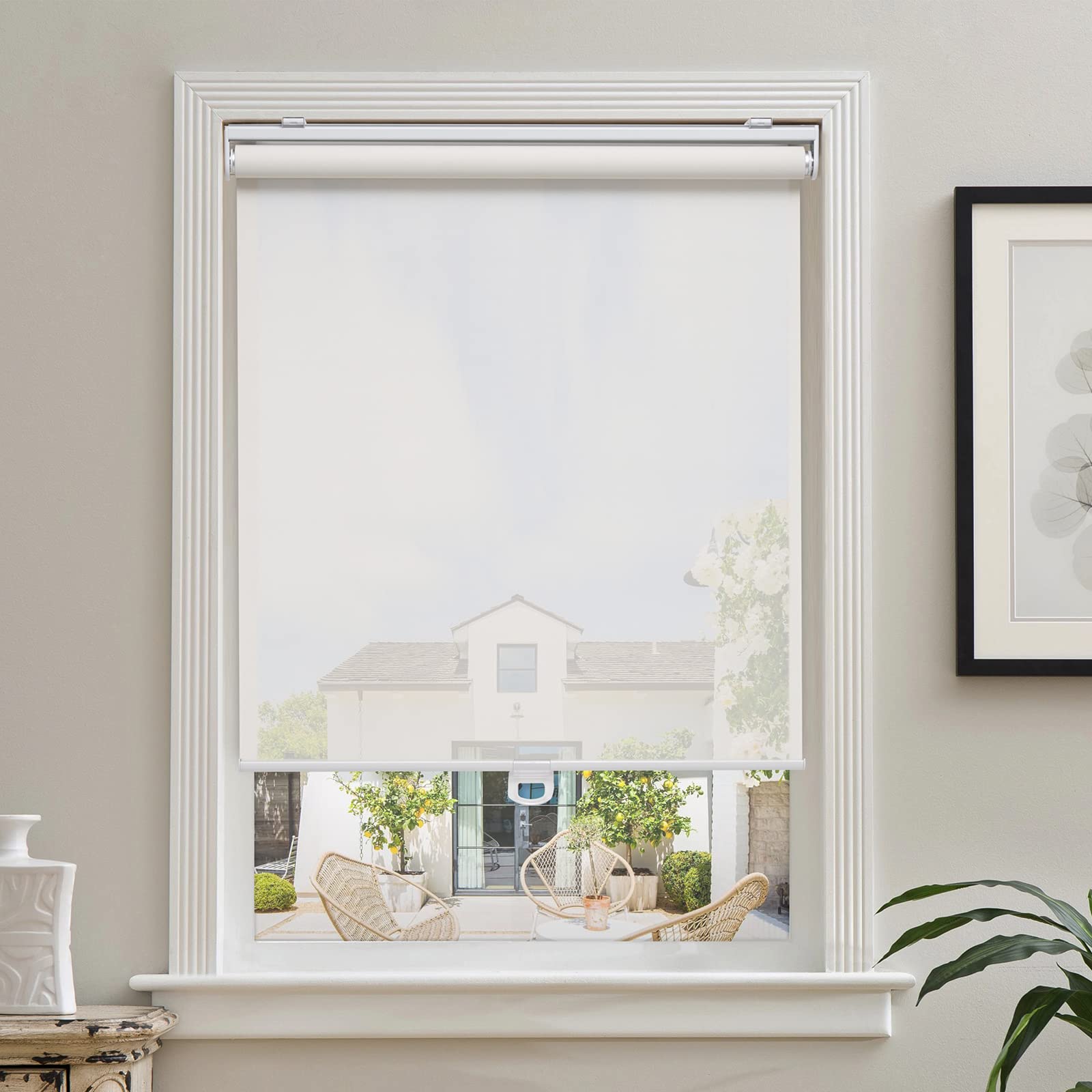
Light-filtering polyester roller with woven technology, aluminum bottom rod, cordless pull-push lift, and a design that keeps interiors bright while cutting glare.
Why I picked it: I reached for this when I wanted daylight and glare control without full blackout or big expense.
Best for: Living rooms, home offices, and spaces that need daylight with reduced glare.
An affordable basic option that balances light and privacy.
Pros
- Light-filtering keeps rooms bright
- Durable polyester with aluminum bottom rod
- Cordless lift safer for kids
- Easy to install
- Looks like a finished home accessory
Cons
- Edges can fray if not treated
- Requires at least 2" frame depth
- Not blackout
My take
I used AOSKY shades behind blackout curtains in a guest room so visitors could choose bright privacy or full dark. The woven fabric cuts glare on my monitor and still lets enough light in to keep the room feeling open.
Installation was quick and the shades roll smoothly. I did see edge fraying on one panel after a few days, so I reinforced the edges with clear fabric glue and haven’t had an issue since.
For the price point this is a solid, well-made light-filtering shade that reads like a higher-end piece in the room and performs exactly as advertised for daytime privacy and glare control.
6. Persilux Free-Stop Cordless Solar Shade – Best Free-Stop Cordless Solar Shade
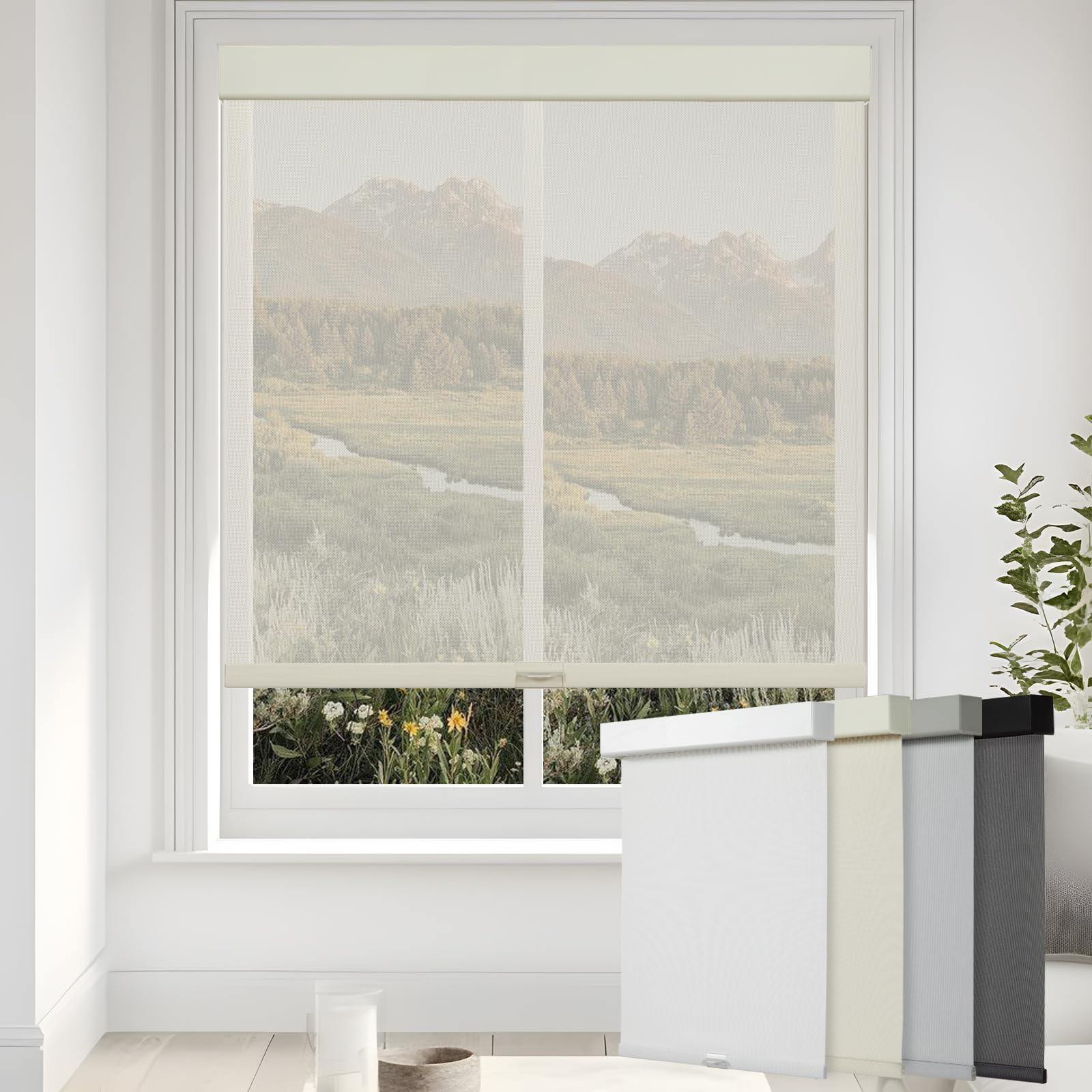
Free-stop roller with 5% openness solar fabric, cordless spring system that holds any position, custom sizing, and child-safe cordless certification.
Why I picked it: I appreciated the free-stop feature and the balance of daytime view with UV protection.
Best for: Windows where daytime view and heat reduction are both priorities.
A custom-made, premium-feel solar shade.
Pros
- 5% openness preserves view and blocks glare
- Free-stop spring holds any position
- Cordless, kid-safe certified design
- Custom sizing and confirmation process
- Easy to clean
Cons
- Fabric is slightly narrower than listed
- Not designed for nighttime privacy
- Must double-check measurements
My take
I ordered several Persilux shades for lakeside windows and liked how they lowered heat while preserving the view. The 5% openness kept the daytime outlook clear but filtered harsh sun.
The free-stop mechanism felt smooth and reliable; I could stop the shade at any height to tune light levels. Persilux contacted me to confirm measurements which helped me avoid ordering mistakes.
One detail to watch: the fabric width is slightly narrower than the nominal shade size, so I allowed that small tolerance when planning my inside-mounts. Overall these fit snugly, cleaned easily, and made rooms noticeably more comfortable.
How I Choose Solar Shades That Actually Block Heat
Openness Percentage: What 5% Means
I always check the fabric openness number first. A 5% openness fabric gives the best balance of heat and glare reduction while preserving a daytime view.
Higher openness values let more light and heat through; lower openness increases privacy and sun blocking but reduces outward visibility.
- 5% — Best daytime view + good heat reduction
- 1–3% — Maximum glare and heat reduction, limited view
- 10%+ — More visibility, less sun protection
Material & Durability
I prefer HDPE or coated solar fabrics for exterior use because they shed water and withstand UV. For interior insulation, cellular/honeycomb designs trap air and improve comfort.
Check whether fabric is treated for mildew and whether inks or coatings are weather-resistant if you’re mounting outside.
- Exterior: HDPE/knit solar fabrics
- Interior insulation: Honeycomb cellular shades
- Blackout: Multi-layer or triple-layer fabrics
Mounting, Measuring & Wind
I measure twice and pay special attention to the top of the frame for inside mounts. Small top obstructions can prevent a snug fit.
Exterior shades benefit from tie-downs. If you plan to leave a shade down in wind, use higher anchors or wind locks where possible.
- Inside mount: measure top-to-top, allow fabric tolerances
- Outside mount: add extra width/height for overlap
- Exterior install: expect to secure with tie-downs
Motorized vs Manual
I go motorized when convenience or automation matters—bedrooms, high windows, or smart-home setups. Expect to manage a hub or remote for advanced integrations.
For budget or simple applications, cordless or crank-operated manual shades offer reliable performance without electrical setup.
- Motorized: smart integration, rechargeable or wired power
- Manual cordless: simple, safe, and affordable
- Crank: durable exterior option for heavy fabrics
Practical Installation Tips
I recommend ordering a fabric sample if available and confirming exact measurements with the seller when getting custom shades.
Use heavier screws than the included basic hardware for exterior shades, and enlist a helper for larger roller assemblies.
- Confirm sizes with vendor for custom orders
- Reinforce hardware for exposed exterior mounts
- Have a helper for wide or heavy rollers
Frequently Asked Questions
Do 5% openness solar shades really reduce heat?
Yes — from my experience 5% solar fabrics cut direct glare and significantly reduce solar heat gain while still allowing you to see outside during the day.
Are motorized shades worth it for bedrooms?
I find motorized blackout shades worth it in bedrooms because they deliver consistent darkness, quiet operation, and convenient scheduling via smart-home setups.
Can I install exterior solar shades myself?
I’ve installed exterior crank and roller shades myself; basic tools and stronger screws than those provided help. For large units, a second person makes the job much easier.
How important is precise measuring?
Very important. I double-measure and watch for obstructions at the top of inside-mount frames; some manufacturers factor in fabric tolerances, so confirm measurements before ordering.
Final Take
If you want daytime view plus heat control, choose a 5% solar fabric or a free-stop roller like Persilux.
Pick a motorized blackout shade for bedrooms where darkness and automation matter, and choose cellular shades for the best insulation in colder or very hot climates.
I recommend matching the shade type to the location: exterior crank shades for decks, no-drill cellular for renters, and motorized blackouts for smart bedrooms.
