
I tested six booster pumps across applications from garden transfer to under‑sink reverse osmosis. This roundup highlights which pumps I reached for for pressure, portability, durability, and drinking-water performance.
I’ve installed and run a range of booster pumps for rain barrels, shallow wells, irrigation, and under‑sink reverse osmosis systems. In this roundup I focus on real-world performance: how much water they move, how easy they are to install, and where each pump fits best.
Expect concise takeaways up front and hands‑on notes on installation, noise, and long‑term reliability so you can pick the right pump for your project.
For high pressure and quiet diaphragm operation I prefer the ECO‑WORTHY; for drinking water the iSpring RO systems with booster pumps deliver the cleanest output; the FLUENTPOWER and LANCHEZ units are my go-to portable 1HP options for bulk water transfer and irrigation.
1. ECO‑WORTHY 110V Diaphragm Booster Pump – Best Overall Diaphragm Booster
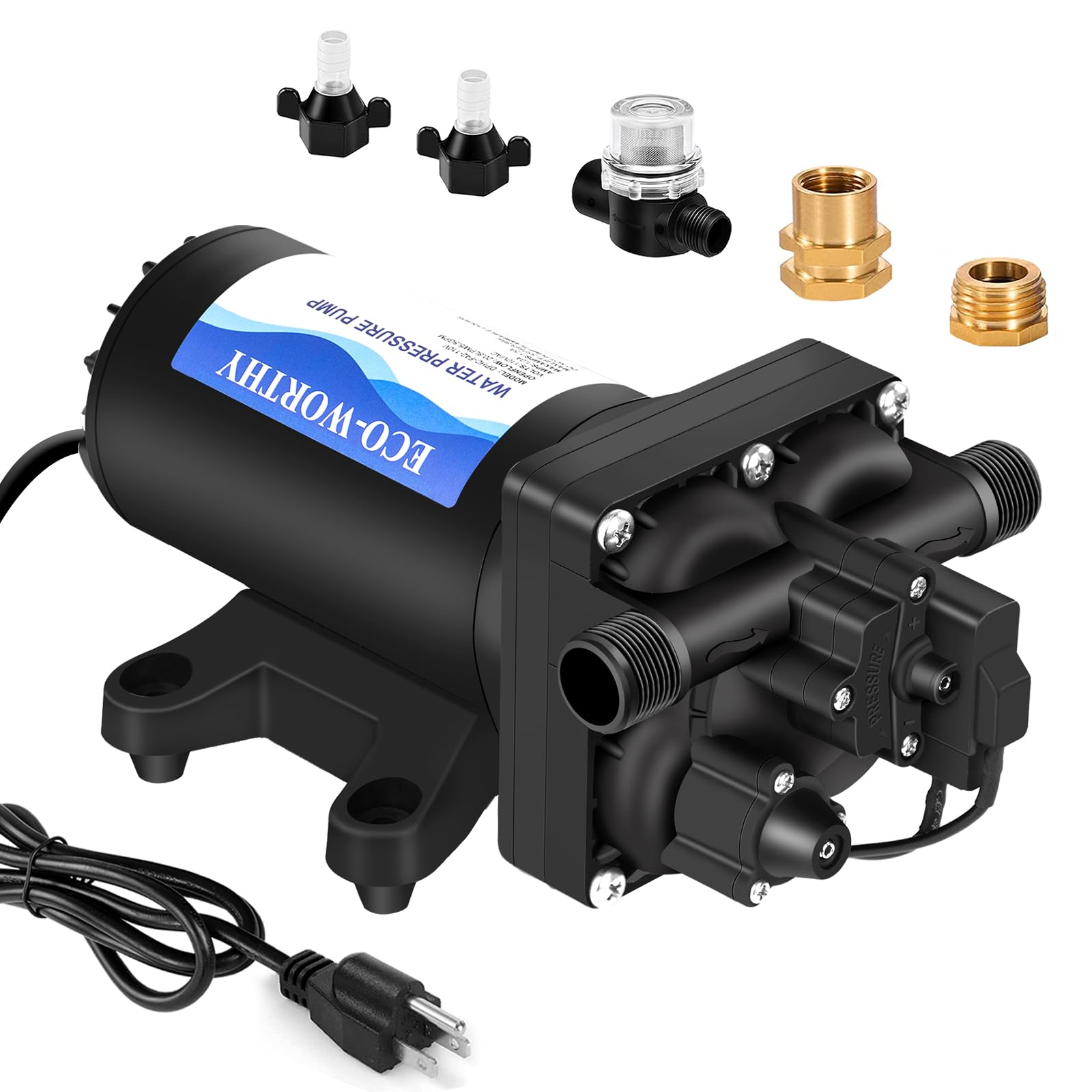
A quiet, high‑pressure diaphragm pump that handled rain‑barrel transfers and garden tasks with consistent 70 PSI performance.
Why I picked it: Strong 70 PSI output, quiet operation, and reliable self‑priming made it the most versatile for household tasks.
Best for: Rain barrels, garden irrigation, pressure boosting for hoses and sprinklers.
Affordable choice for high‑pressure diaphragm operation.
Pros
- Consistent 70 PSI pressure
- Quiet compared with comparable models
- Self‑priming up to about 9.8 ft
- Thermal overload protection
Cons
- Limited to clean water use
- Pressure switch may need adjustment
My take
I installed the ECO‑WORTHY pump to pressurize a rain‑barrel system and to feed a garden hose sprinkler. From first power‑up I had solid, steady pressure — the factory pressure switch is set to 70 PSI and that felt right for spraying and garden work.
The unit runs quieter than other diaphragm pumps I’ve used, and the thermal overload protection gave me confidence to run it for cycles longer than an hour without worrying about overheating. Installation was straightforward and the pump started right away once plumbed and powered.
For yard projects where I needed a reliable, compact source of pressure this pump handled transfer tasks and spot cleaning very well. If you need adjustable pressure for delicate drip systems you’ll want to tune the switch, but for general boosting and barrel transfer it’s a practical, affordable pick.
2. iSpring RCC1UP 7‑Stage RO with Booster Pump – Best for Purified Drinking Water
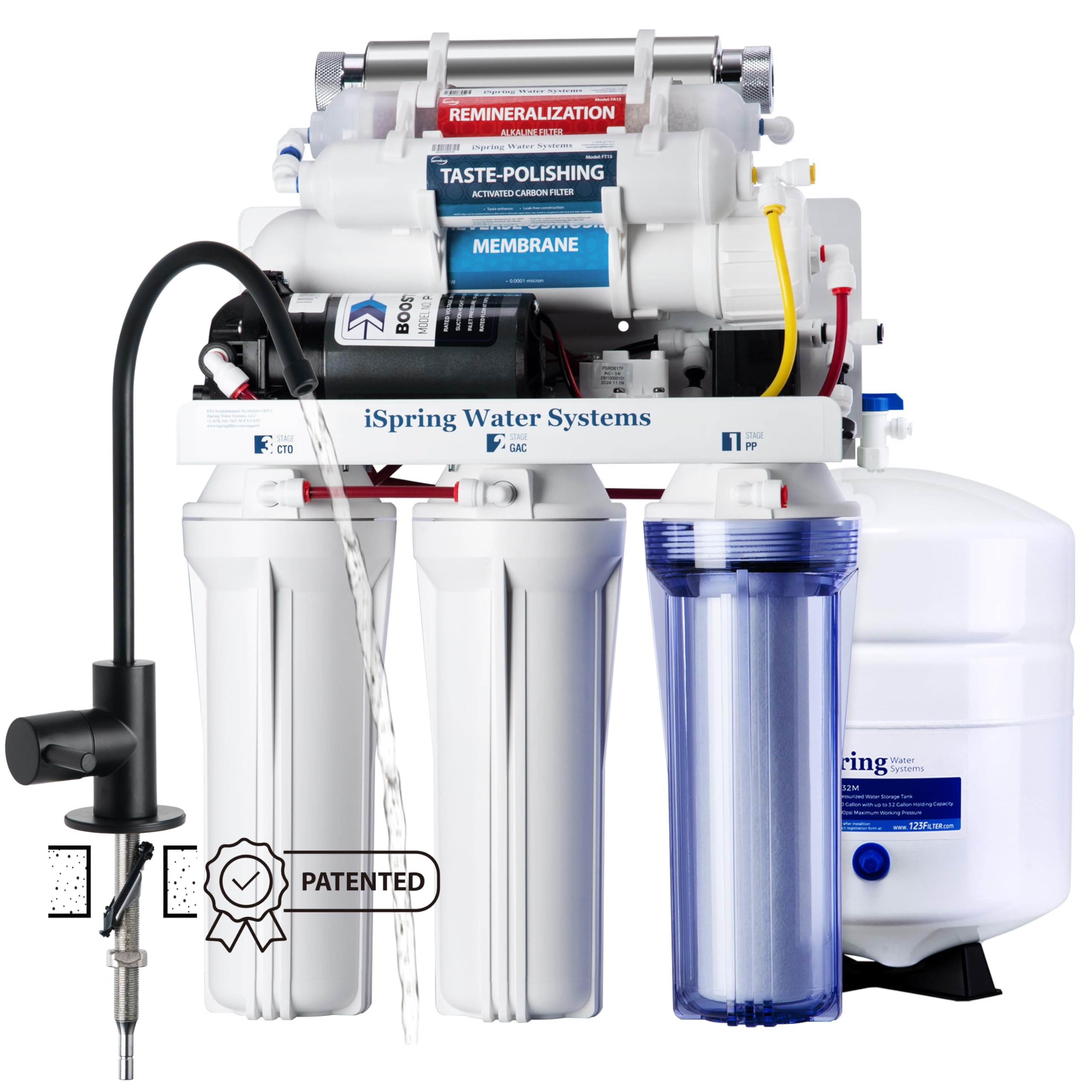
A full 7‑stage RO with booster pump, UV protection, and mineral AK stage for drinking water I felt comfortable using every day.
Why I picked it: Complete filtration stack with booster pump and UV stage for added biological protection.
Best for: Under‑sink drinking water where you want RO purity plus mineral balancing.
Higher upfront investment for a complete, feature‑rich RO setup.
Pros
- Booster pump improves membrane efficiency
- Built‑in UV for biological safety
- Mineral AK stage enhances taste
- Top‑mounted faucet simplifies installation
Cons
- More complex to install than basic RO units
- Replacement filters add ongoing cost
My take
I put the iSpring RCC1UP into my kitchen because I wanted an RO that didn’t just strip everything out — the AK stage reintroduces minerals and the UV adds a layer of protection for peace of mind.
Installation went smoothly under my sink thanks to the patented top‑mounted fastener that lets me work from above the counter. After setup I tested with a TDS meter and saw readings around the low‑40s in one session, which matched the performance I expected from a seven‑stage system with a booster.
The booster pump made the system feel responsive and reduced the time to fill a glass or run water to a fridge connection. If you want near‑bottled taste from your tap and aren’t deterred by a more involved installation, this unit earns its place.
3. FLUENTPOWER 1HP Portable Booster Pump – Best for Bulk Transfer
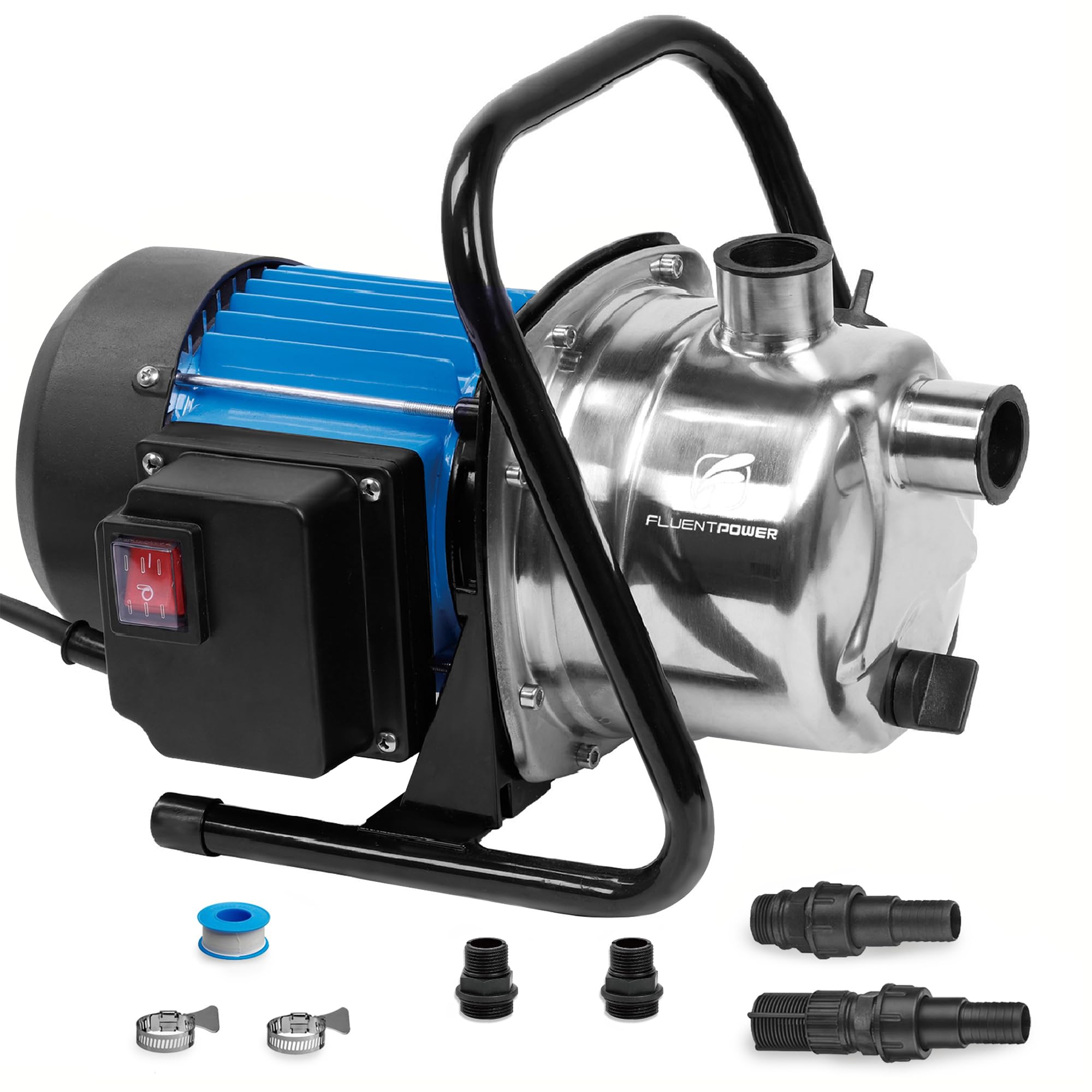
A portable 1 HP pump that moved large volumes quickly — great for transferring tanks and running temporary irrigation from remote spots.
Why I picked it: High flow and portable design make it ideal for moving hundreds of gallons quickly.
Best for: Transferring tanks, remote irrigation, temporary water delivery with a generator.
Midrange pick for high flow and portability.
Pros
- High flow up to 900 GPH
- Stainless steel housing
- Self‑priming and easy to carry
- Dedicated priming and drain ports
Cons
- Handle is plastic and can break
- Large and heavier than small booster pumps
My take
When I needed to move hundreds of gallons between storage tanks and to run a tripod sprinkler for a food plot, the FLUENTPOWER 1HP pump was the obvious choice. It delivered a high flow rate and I could run it off a generator when working away from mains power.
The stainless housing and sealed on/off switch felt durable and gave me confidence during repeated hookups. I appreciated the priming and drain ports — priming before first use was quick and tool‑free.
Long term I would watch the plastic handle and mounting hardware; for heavy regular use I’d bolt it down. For seasonal transfer and rapid irrigation needs it’s powerful and reliable.
4. iSpring RCC7P 5‑Stage RO with Booster Pump – Best Water‑Saving RO System
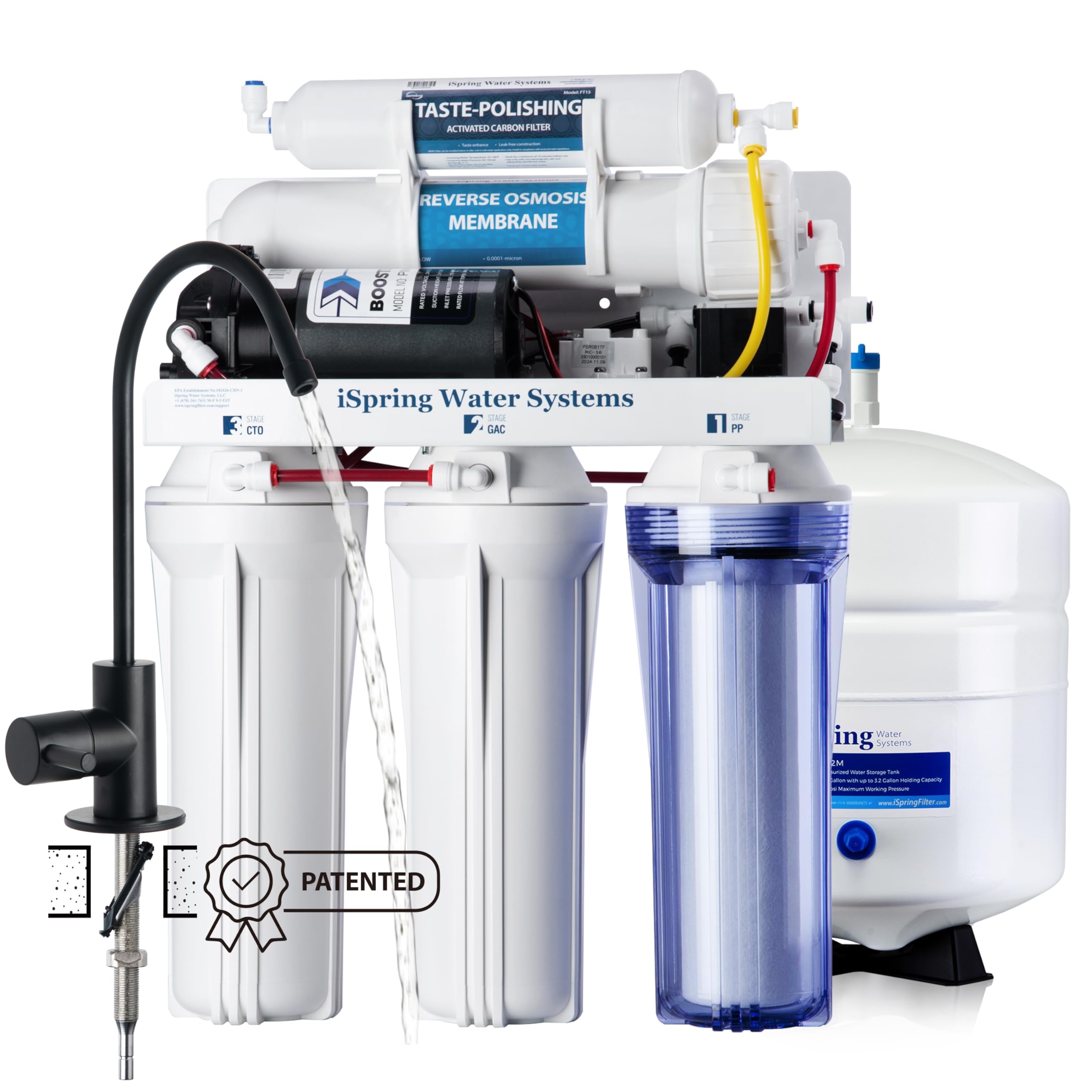
A simpler, water‑saving RO system with booster pump that I used where space and waste‑water ratio mattered.
Why I picked it: Good balance of efficient RO performance and easier maintenance compared with larger systems.
Best for: Households wanting RO quality with reduced wastewater and straightforward upkeep.
Solid midrange choice balancing performance and water efficiency.
Pros
- Booster pump improves recovery rate
- Top‑mounted fastener eases install
- Transparent first housing for visual checks
- Good build quality
Cons
- Takes some under‑sink space
- Requires occasional tubing adjustments
My take
I installed the RCC7P when I wanted RO water without the larger footprint of some tankless systems. The booster pump noticeably reduced wastewater and sped up delivery to the faucet.
The top‑mounted fastener made the countertop installation much tidier; I didn’t have to wrestle with tightening a nut from underneath the sink. The transparent first‑stage housing was handy — I could watch sediment accumulate and know precisely when to service the prefilter.
After a standard install and flushing sequence I measured very low TDS in my filtered output. For a household that drinks a lot of water and cares about reducing drain waste, this unit strikes a useful compromise between features and simplicity.
5. LANCHEZ 1HP Shallow Well Booster Pump – Best High‑Flow Shallow Well Pump
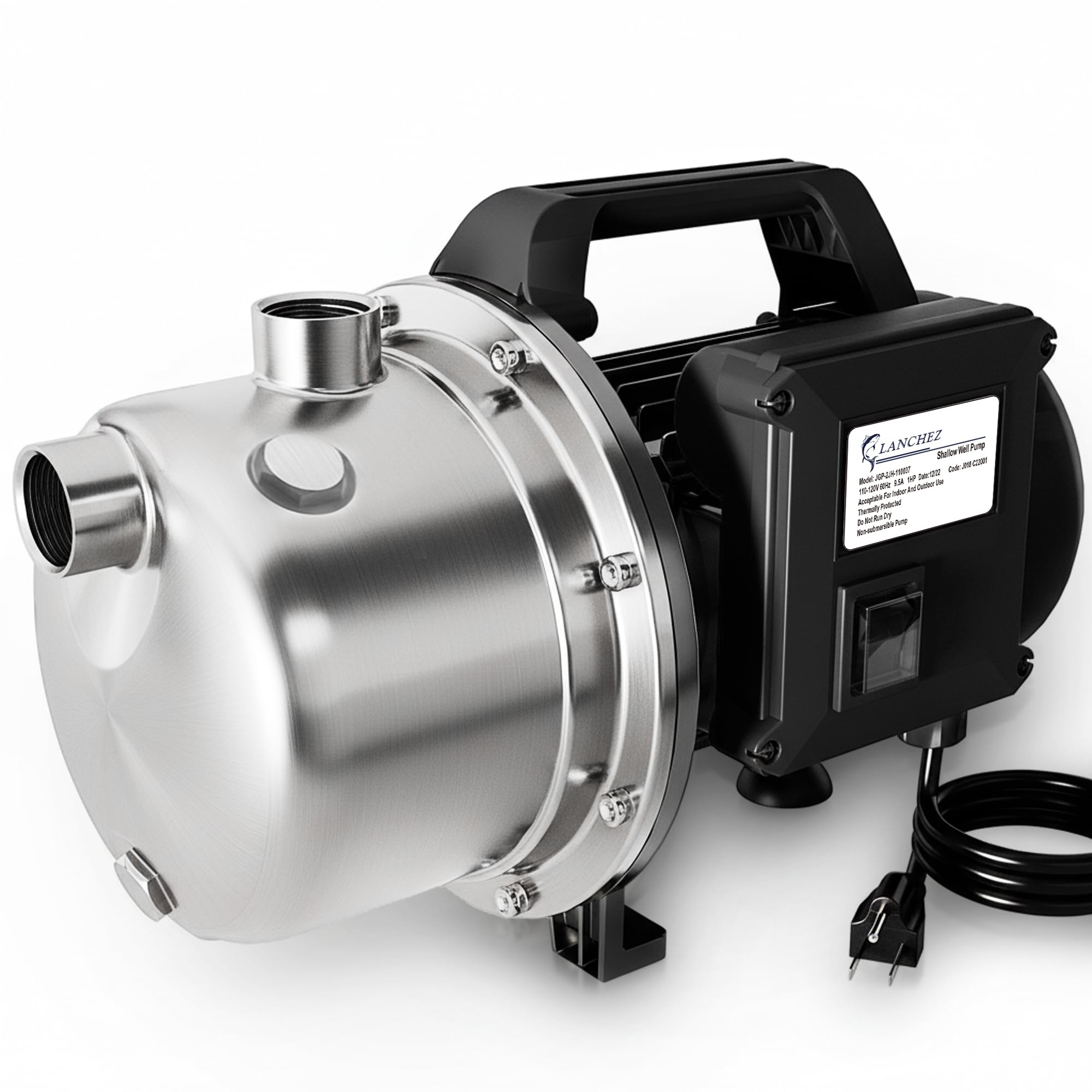
A high‑flow 1 HP pump that handled long hose runs and vertical lifts well, useful for lawn irrigation and domestic water boosting.
Why I picked it: Very high flow and lift capacity for a portable shallow well pump.
Best for: Large lawns, remote lake or creek pickup, and high vertical lift jobs.
A performance‑oriented choice for heavy‑duty garden work.
Pros
- Very high max flow (up to 1500 GPH)
- Good vertical lift capability
- Portable with carry handle
- Corrosion‑resistant construction
Cons
- May require adapters for garden hoses
- Some long‑term corrosion reports
My take
I used the LANCHEZ pump to pull water from a lakeside pickup and push it up to a lawn 40 feet higher and spread across 150 feet of hose. Once primed and properly adapted to garden fittings it produced a wide sprinkler radius and handled the lift with ease.
The pump’s stainless and reinforced plastic construction felt solid and the performance was impressive for the size. Expect to buy a few adapters for garden hose connections and to bolt the unit down if you plan to run it frequently.
A caution: I’ve seen signs in long‑term notes about potential housing corrosion after extended duty in very soft water conditions. For most seasonal and intermittent heavy jobs this pump performs extremely well, but for constant daily duty I’d monitor the housing for wear.
6. 115V Diaphragm Booster Pump 4 GPM – Best Budget Diaphragm Pump
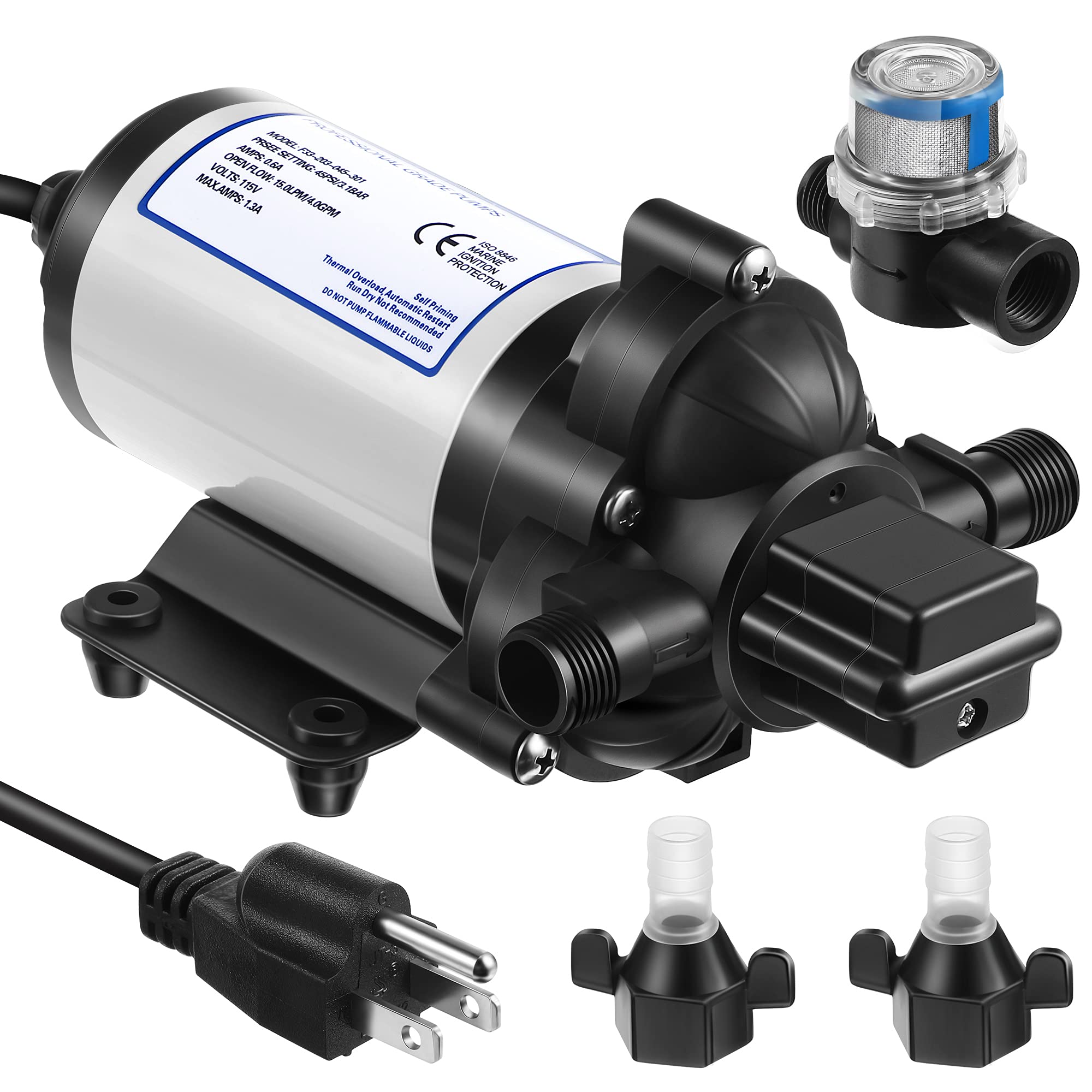
A compact 115V diaphragm pump that delivered reliable auto on/off pressure for small systems and rain‑barrel irrigation.
Why I picked it: Low current draw, built‑in strainer, and auto pressure switch make it a simple, economical booster.
Best for: Small gardens, RV systems, rain barrels, and drip irrigation with moderate flow needs.
Budget‑friendly for simple pressure boosting tasks.
Pros
- Auto on/off at ~45 PSI
- Low amp draw
- Built‑in strainer helps protect lines
- Self‑priming and quiet
Cons
- Some risk of early failure
- Not for heavy continuous duty
My take
I deployed this 4 GPM diaphragm pump on a rain‑barrel irrigation loop and liked the low current draw and automatic shutoff behavior. The built‑in 50‑mesh strainer caught debris that would otherwise clog drip emitters and made the system more reliable.
The pump ran quietly and provided steady pressure for a 31‑spike drip setup with no noticeable pressure loss. That makes it an economical solution for small to medium drip systems.
Fair warning from my hands‑on time: one unit I ran stopped working after limited use. For light seasonal duty it’s a good budget option, but for mission‑critical or heavily used systems I’d consider a sturdier commercial diaphragm model.
How I Choose a Booster Pump
Key specs to compare
I always check flow (GPM or GPH), maximum lift/head, and outlet pressure (PSI) first — those determine if a pump can feed your sprinkler, raise water vertically, or push through long hose runs.
Power and electrical requirements matter: pumps with booster motors draw more amps and may require stable mains or a generator for remote use.
- Flow: match GPM/GPH to your sprinkler or transfer needs
- Lift/head: ensure pump can achieve your vertical rise
- Pressure (PSI): important for sprays and pressure‑regulated systems
- Self‑priming vs. priming required: self‑priming saves hassle
- Construction: stainless or corrosion‑resistant parts for longevity
Installation tips I use
Prime according to the manual for jet and shallow‑well pumps — failing to prime can damage seals and impellers.
Use the correct adapters and hose sizes to avoid flow restriction; I often buy extra tubing so I don’t hunt for fittings mid‑project.
- Bolt portable pumps down for repeat heavy use
- Use thread tape and tight fittings to avoid air leaks that kill prime
- Install a downstream check valve for systems fed from storage barrels
Maintenance and longevity
I inspect strainers and prefilters frequently when using rainwater or creek pickup to prevent grit from wearing seals.
Thermal overload and automatic shutoffs protect motors, but they don’t replace routine cleaning and winter storage for pumps exposed to freezing.
- Flush and dry pumps before winter storage
- Replace small O‑rings and seals at first sign of leaks
- Keep extra hose clamps and fittings on hand
Frequently Asked Questions
Do booster pumps need priming?
Some pumps are self‑priming (many diaphragm and some portable jet pumps) and start with minimal setup; shallow‑well jet pumps typically require priming. I always check the product notes and use the priming port before powering any pump that isn’t explicitly self‑priming.
Can I use a booster pump with drinking‑water RO systems?
Yes — I used RO systems with integrated booster pumps to improve membrane efficiency and lower wastewater. For drinking water use, choose an RO system that includes appropriate filtration stages and a UV stage if biological protection is a priority.
How loud are these pumps in normal operation?
Noise varies: diaphragm pumps tend to be quieter, while 1 HP transfer pumps are louder but still reasonable for outdoor or garage use. In my tests the ECO‑WORTHY diaphragm and the small 115V diaphragm were the quietest units.
Final Take
I picked the ECO‑WORTHY diaphragm pump when I wanted quiet, high pressure for general household and garden tasks. For drinking water I rely on iSpring’s booster‑assisted RO systems for speed and purity. When I need raw flow and lift for tank transfers or large irrigation runs, the FLUENTPOWER and LANCHEZ 1HP pumps deliver the muscle.
Use the buying guide to match flow, lift, and construction to your project, and keep a few spare fittings and tubing on hand — that makes every installation and repair quicker. Once you match the pump to the job, these options will cover most home and garden boosting needs.
