
I tested four durable floor mats to protect kitchens, entries, and high-traffic hallways. Each one has a clear use case — from heavy-duty scraper runners to cushioned anti-fatigue rugs — and I explain which I use where.
I live with pets, a busy entry, and long cooking sessions, so floor protection and comfort matter to me. I spent time using each mat in real-world spots — doorways, in front of sinks and stoves, hallways, and under workbenches — to see how they held up to moisture, grit, and long-standing tasks.
Below I break down the strengths and weaknesses of four mats that I keep reaching for, and I explain where each one fits in a home that needs protection, traction, or stand-up comfort.
If you want scrape-and-capture performance pick the heavy-duty runners; for comfort at the stove choose the cushioned anti-fatigue option; pick the recycled rubber mat for a versatile, budget-friendly protector.
1. Notrax Brush Step Entrance Mat – Best Heavy-Duty Entrance Mat
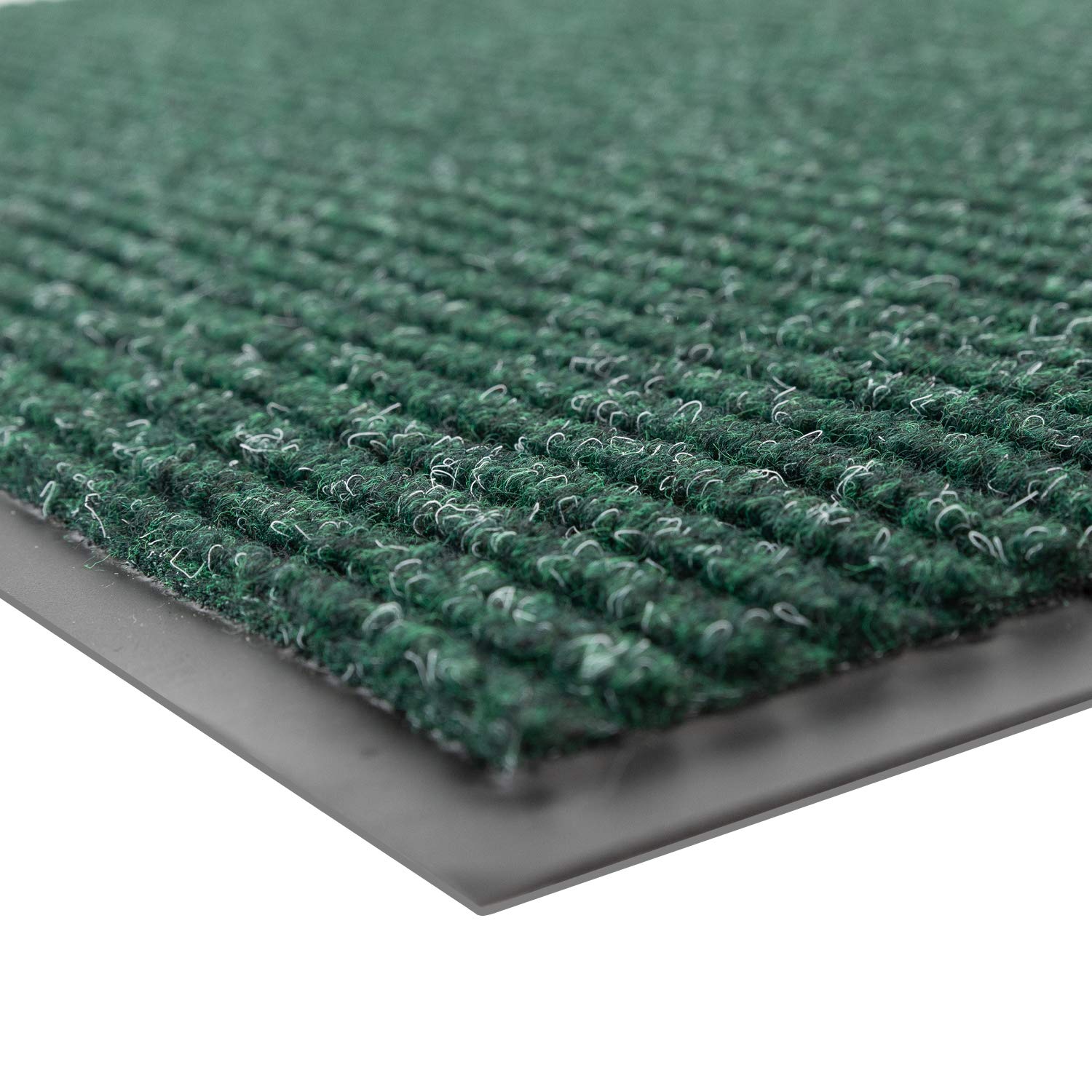
A commercial-grade brush mat that keeps moisture and grit off my floors while staying low-profile and stable.
Why I picked it: I relied on its double-rib brush surface and vinyl backing to trap moisture and resist movement in a busy entry.
Best for: High-traffic doorways and homes with pets that track in mud and snow.
A more durable, commercial-grade option rather than a bargain throwaway.
Pros
- Aggressive brush fibers trap dirt and moisture
- Vinyl backing stops slippage and moisture transfer
- Low profile avoids door snags
- Durable enough for medium traffic
Cons
- Not plush for bare feet
- Heavier than decorative mats
My take
I put this Notrax mat at my main entry and the first thing I noticed was how well the high/low ribbed fibers clean shoe treads. Mud and packed snow come off the soles instead of getting tracked further into the house.
The vinyl backing matters — the mat stays put underfoot and doesn’t let moisture through to the floor. That gave me confidence using it on hardwood and laminate without a separate barrier underneath.
Because it’s built like a commercial mat, it’s not soft like a living-room rug, but it is comfortable enough for brief barefoot use and easy to vacuum. I also hose it out when it needs deeper cleaning and it dries quickly.
If you want a mat that does the heavy lifting at an entry and resists dog traffic and daily wet weather, this is the one I reach for.
2. StepRite Cushioned Kitchen Mats (2-Pack) – Best Anti-Fatigue Kitchen Mat
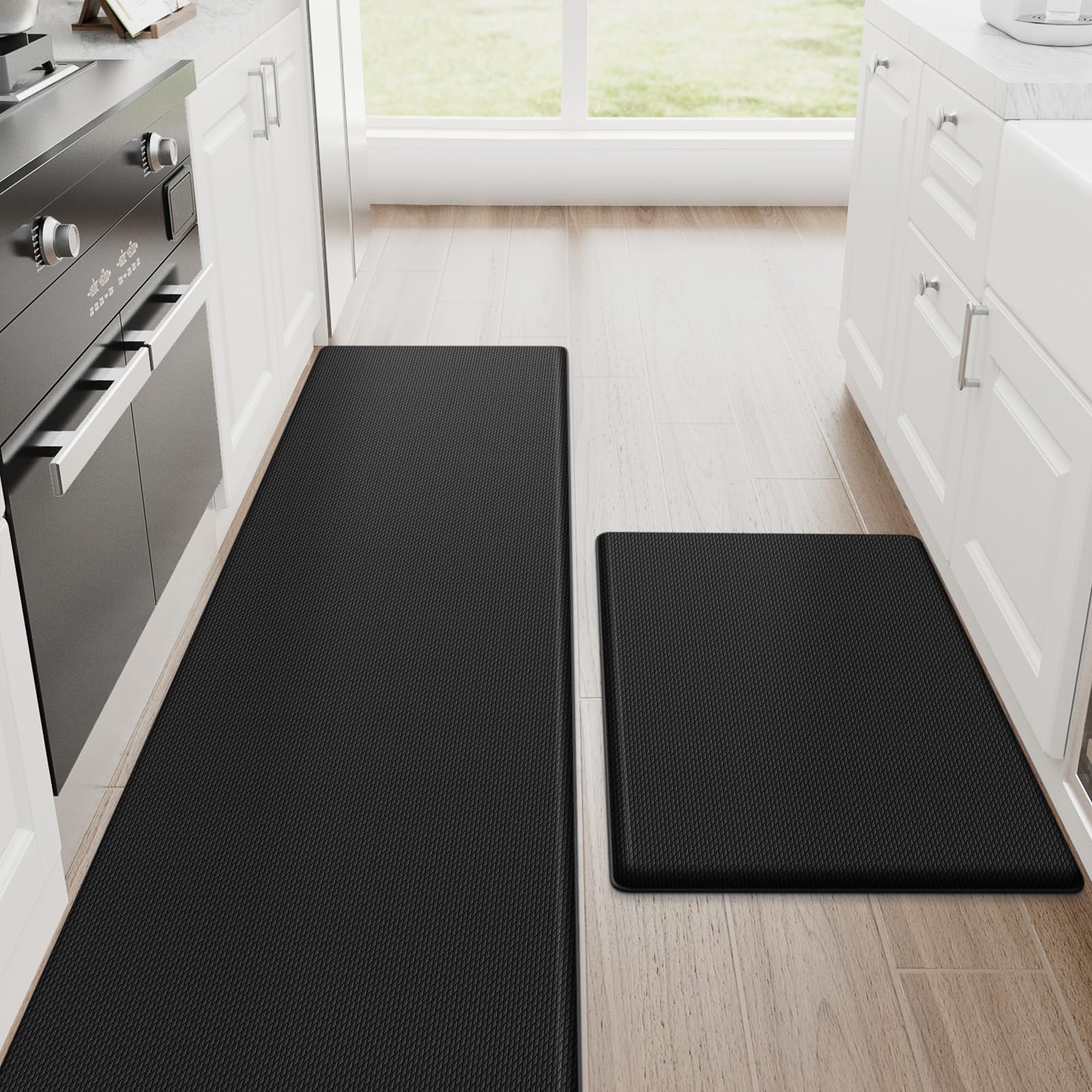
A reversible, cushioned two-piece set that reduces foot and back fatigue while standing at the stove or sink.
Why I picked it: I appreciated the near half-inch foam thickness and waterproof surface for long periods of standing and easy cleanups.
Best for: Home cooks who spend a lot of time standing at counters and sinks.
A mid-range option that focuses on comfort and ease of maintenance.
Pros
- Noticeable cushioning for long standing sessions
- Waterproof and easy to wipe clean
- Non-slip backing holds on slick floors
- Versatile use around home
Cons
- Not as thick as some high-end foam mats
- Edges can show wear over heavy use
My take
I put the StepRite pieces in front of my stove and sink and felt the difference immediately — the 0.47-inch cushioning reduced strain on my feet and lower back during long prep sessions.
The mats are reversible, which I like for longevity; I can flip them if one side gets stained or compressed. Spills wipe right off the surface, and the non-slip backing kept them firmly in place on tile.
They’re lightweight enough to move for mopping, yet dense enough to keep their shape under daily use. For me, they strike a good balance between comfort, cleanability, and practical size.
3. Ottomanson Scrape Rib Runner – Best Runner for High Traffic
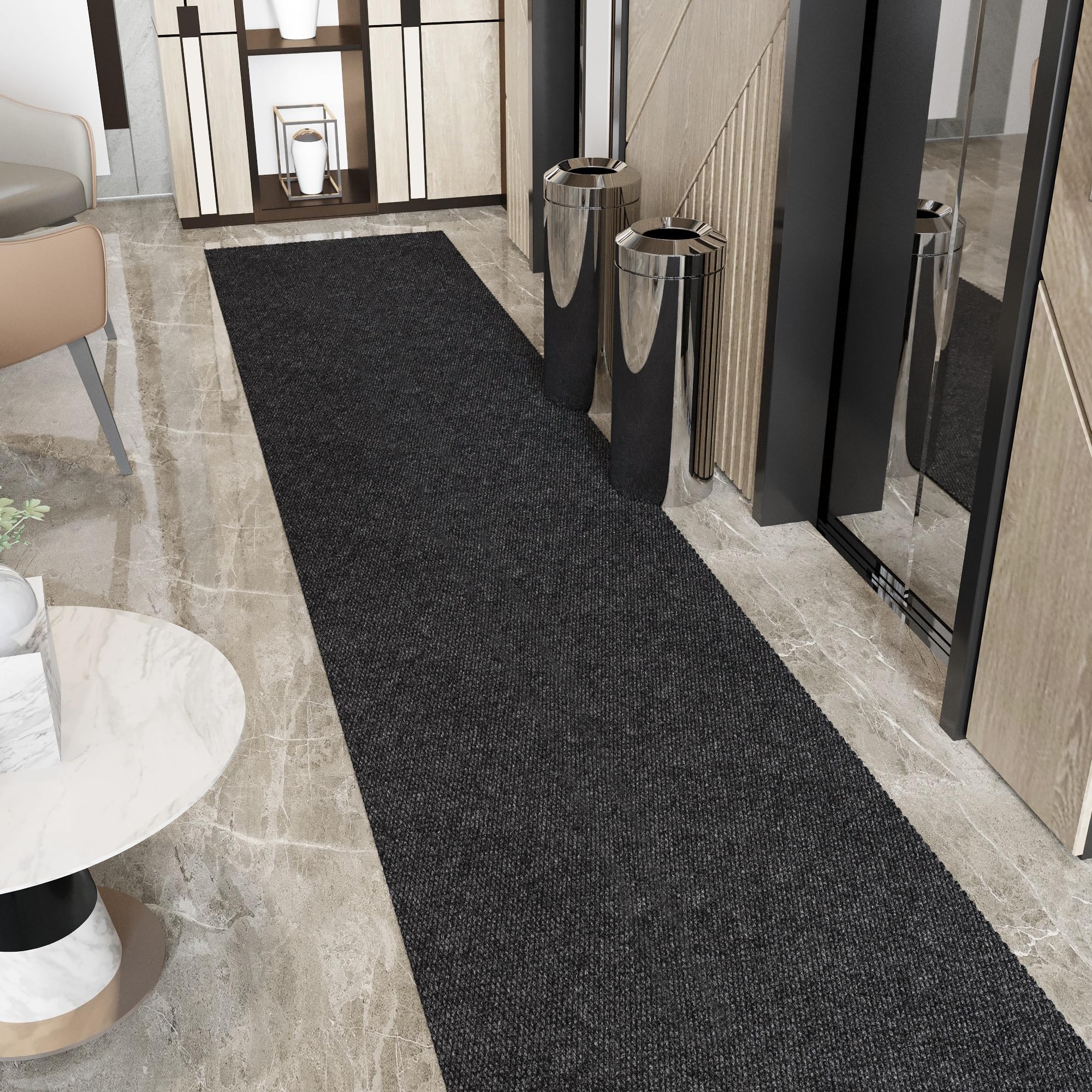
A long, low-profile runner with an aggressive ribbed surface and rubber backing that handles nonstop foot traffic and rolling carts.
Why I picked it: I chose it for hallways and foyers where I needed a runner that locks down and scrapes debris off shoes reliably.
Best for: Long hallways, entryways, and commercial-style pathways with heavy use.
A practical choice for heavy wear without premium frills.
Pros
- Dense ribs scrape dirt effectively
- Industrial rubber backing prevents sliding
- Waterproof and easy to clean
- Low profile reduces trip hazards
Cons
- Not intended for cozy barefoot comfort
- Edge alignment can look imperfect
My take
I installed this Ottomanson runner across a busy foyer and it proved ideal for stopping grit at the door. The ribbed surface shaves off salt and debris better than smooth mats I've tried.
The rubber backing keeps the runner locked in place even when people drag carts or my dog skids across it. It lays flat quickly and doesn’t curl at the edges, which reduces that annoying tripping issue.
This runner isn’t fluffy — it’s built to protect floors and stay reliable under heavy traffic. If you want a mat that behaves like a commercial floor protector, this is the one I depend on.
4. VersaTex Recycled Rubber Utility Mat – Best Budget Utility Mat
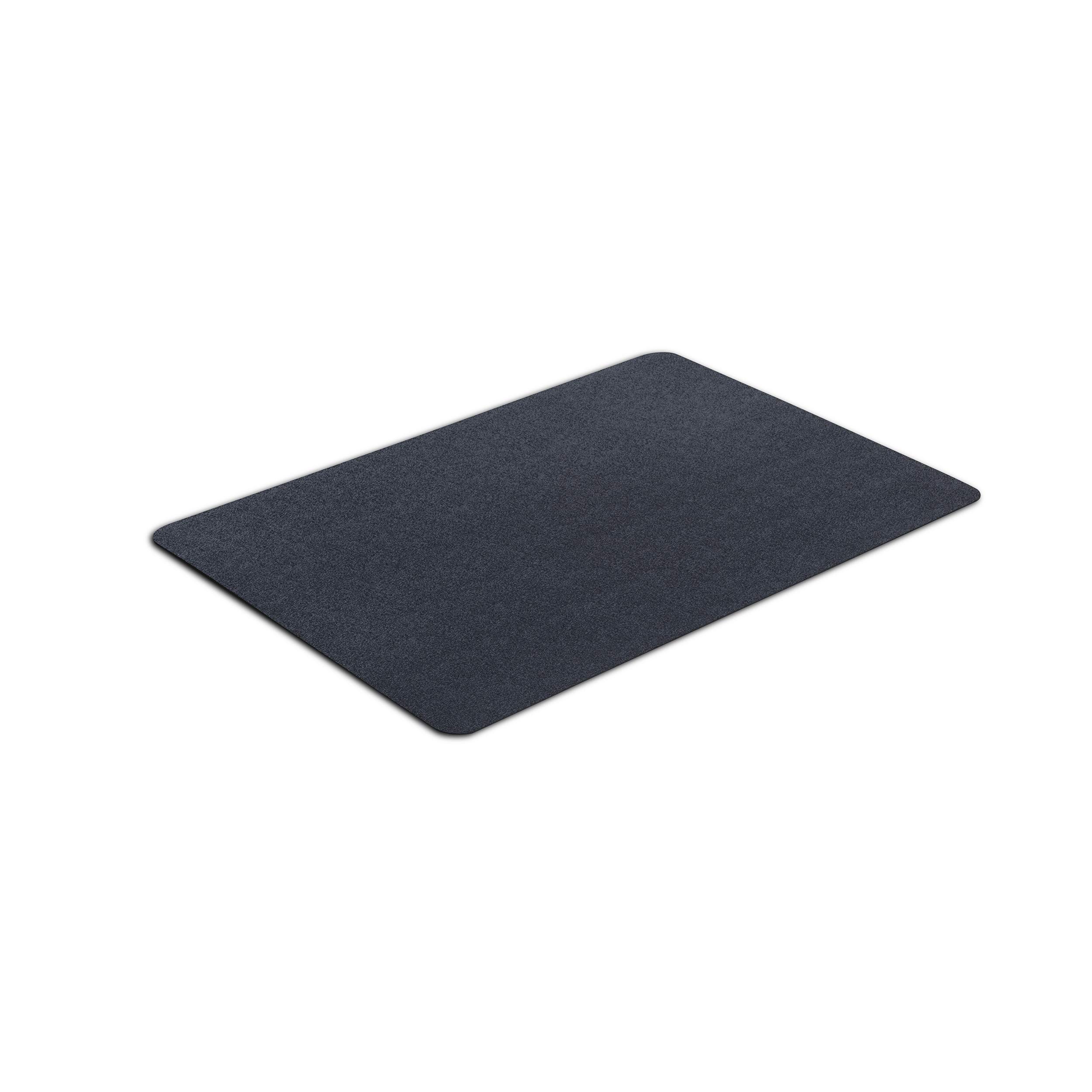
A versatile, cut-to-fit recycled rubber mat I use for garages, under workbenches, and as a non-slip floor protector.
Why I picked it: I kept this on hand because it’s thin, durable, easy to trim, and repels water and common chemicals.
Best for: Workbenches, under pet cages, garages, and utility zones.
A budget-friendly, multiuse mat that’s easy to customize.
Pros
- Made from durable recycled rubber
- Non-absorbent and chemical-resistant
- Easy to cut to fit small spaces
- Lays flat and stays in place
Cons
- Texture can trap fine dirt
- Thin profile offers limited cushioning
My take
I cut a VersaTex mat to fit under a dog crate and it protected my hardwood from scratches and spills without adding bulk under the door.
Because it’s non-absorbent, I’ve used it under grills and under sinks where liquids collect and it wipes clean easily. The mat is dense and durable, so it holds up under equipment and foot traffic.
It’s not designed for comfort, but its thinness is an asset when you need a protective layer that won’t interfere with doors or furniture. For utility tasks, this is my go-to mat.
How I Choose the Right Floor Mat for Kitchens and Entries
Match the mat to the job
I always pick a mat based on where it will live and what it needs to do. For entries I want scraper fibers and a waterproof backing. For standing work in the kitchen I prioritize cushioning and a wipeable surface. In workshops and garages I choose dense, chemical-resistant rubber that I can trim to fit.
- Entryway: aggressive fibers + impermeable backing
- Kitchen workstation: anti-fatigue cushioning + waterproof top
- Hallway runners: low profile + non-slip backing
- Utility areas: recycled rubber, cut-to-fit pieces
Material and maintenance basics
I consider the mat material first because that dictates cleaning and longevity. Fibers are great for scraping but usually need vacuuming; closed-surface mats wipe clean and resist stains. Rubber mats resist oils and chemicals and are simple to hose or wipe.
- Fibers: vacuum or hose, good for dirt capture
- Foam/cushion: wipeable tops, avoid harsh cleaners
- Rubber: resists chemicals, trim with scissors
Safety and fit
I always make sure the mat sits flat and has a non-slip backing if I’m placing it on hard floors. Low profile mats prevent door interference. When in doubt, measure the space and choose a mat slightly smaller than the area to avoid buckling or tripping.
- Measure twice: allow clearance for doors and thresholds
- Non-slip backing is essential on tile or laminate
- Keep mats clean to maintain traction and look
Frequently Asked Questions
Can I use these mats on hardwood floors without damaging the finish?
I use mats with impermeable vinyl or rubber backing on hardwood and I make sure to check underneath periodically. If a mat traps moisture, I remove and dry the area; the Notrax and Ottomanson styles I tested have backings that help keep moisture away from the floor.
How do I clean and maintain these mats?
I vacuum fiber mats weekly and hose them down for deep cleaning. For foam anti-fatigue mats I wipe spills with a damp cloth. Rubber mats I rinse or wipe with mild cleaner. Regularly shaking or vacuuming prevents trapped grit from wearing down floors.
Will these mats slide on tile or marble?
In my experience, mats with non-slip rubber or vinyl backing stayed put on slick surfaces. I place mats on dry, flat floors for best grip and replace a mat if the backing wears smooth.
Final Take
I’ve found that no single mat is perfect for every task. For entryways and heavy soiling I choose the Notrax or Ottomanson runners, for standing comfort I use the StepRite cushions, and for utility tasks I rely on the VersaTex rubber.
Pick the mat that matches the area’s demands — scraping power for outside-to-inside traffic, cushioning for long-standing work, or durable rubber for workshops — and you’ll protect your floors and make daily tasks easier.
