
I tested oil-based conditioners, aerosol sprays, and wax formulas to find polishes that restore grain, cut fingerprints, and keep cabinets looking fresh. Here are the ones I reach for depending on the job.
I live with plenty of wood in my kitchen, so I’ve tried a wide range of polishes to keep cabinets, trim, and appliances looking their best.
In this roundup I focused on products that actually condition wood, give a quick streak-free shine, or work across multiple surfaces — because different tasks call for different tools.
Below I explain when I use each product, what to expect during application, and the few caveats worth knowing before you spray, rub, or buff.
For deep conditioning and long-term finish care I reach for the Howard Feed‑N‑Wax; for routine oiling I prefer Old English Lemon Oil as a value option; Pledge spray is my go-to for fast, streak-free touch-ups on sealed surfaces; and The Original Bee's Wax is the most versatile when I need one product for wood, stainless, glass, and leather.
1. Howard Feed‑N‑Wax Beeswax Wood Polish – Best Overall
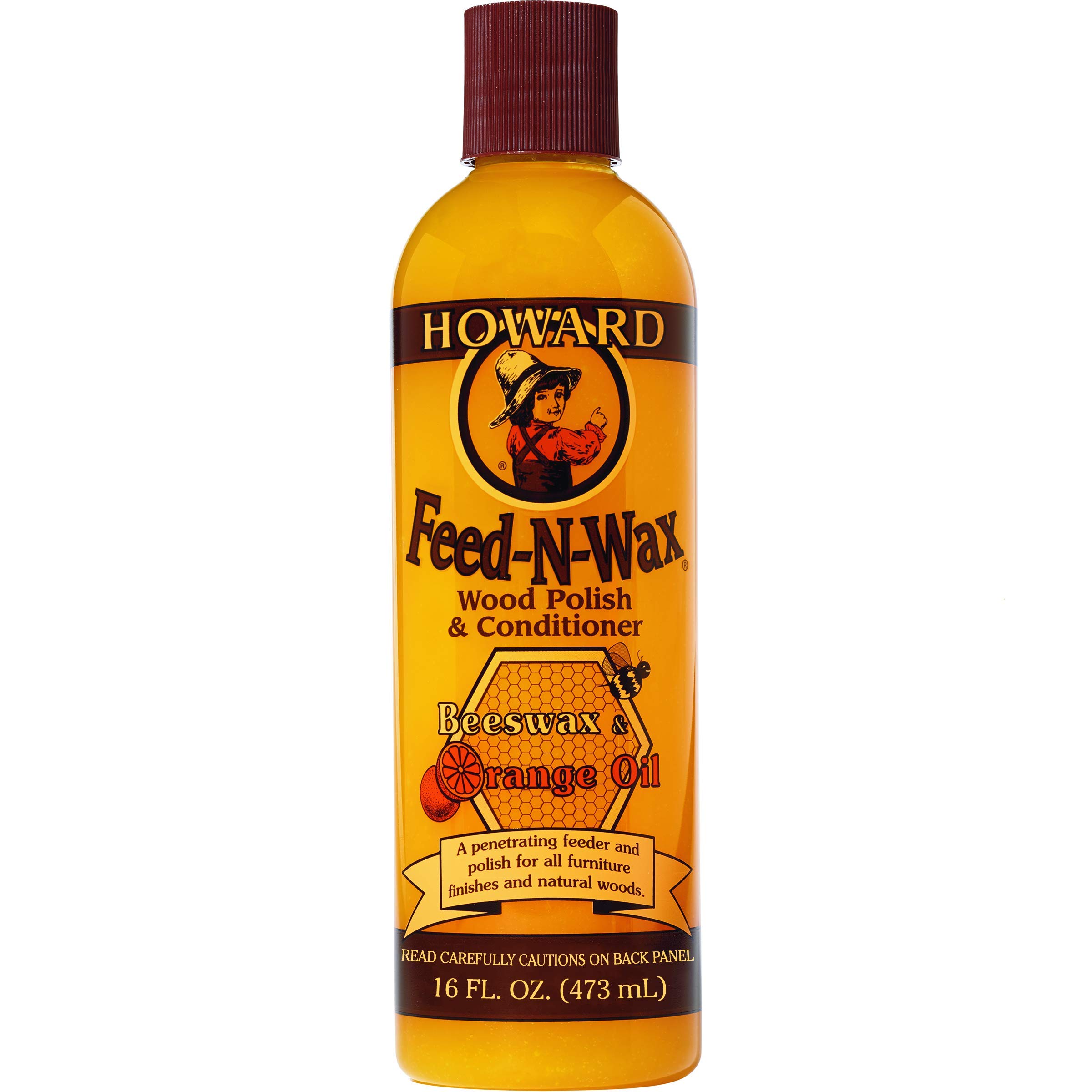
A conditioning polish with beeswax and Brazilian carnauba that brings out wood grain and adds a protective coating.
Why I picked it: It restores faded finishes, adds a protective wax layer, and uses orange oil for a pleasant scent.
Best for: Solid wood cabinets, antiques, doors, and maintaining restored finishes.
Affordable and long‑lasting for periodic maintenance.
Pros
- Deeply restores wood grain
- Carnauba and beeswax protective layer
- Pleasant orange scent
- No silicone or linseed oils
- Works on finished and unfinished wood
Cons
- Combustible—use with ventilation
- Needs buffing for best sheen
- Can leave residue if overapplied
My take
I use Feed‑N‑Wax when cabinets look dulled or dry. The oil blend soaks in and the carnauba/beeswax leaves a subtle, protective sheen that brings out the grain without feeling plasticky.
Application is straightforward: a light rub on, let it sit briefly, then buff. The orange oil scent is pleasant and fades, and results last long enough that I only reapply every few months for most surfaces.
A couple of cautions: it contains petroleum distillates, so I work with good ventilation and keep it away from flames. Also, a little goes a long way — too much can leave a tacky residue that needs additional buffing.
2. Old English Lemon Oil Furniture Polish – Best Value
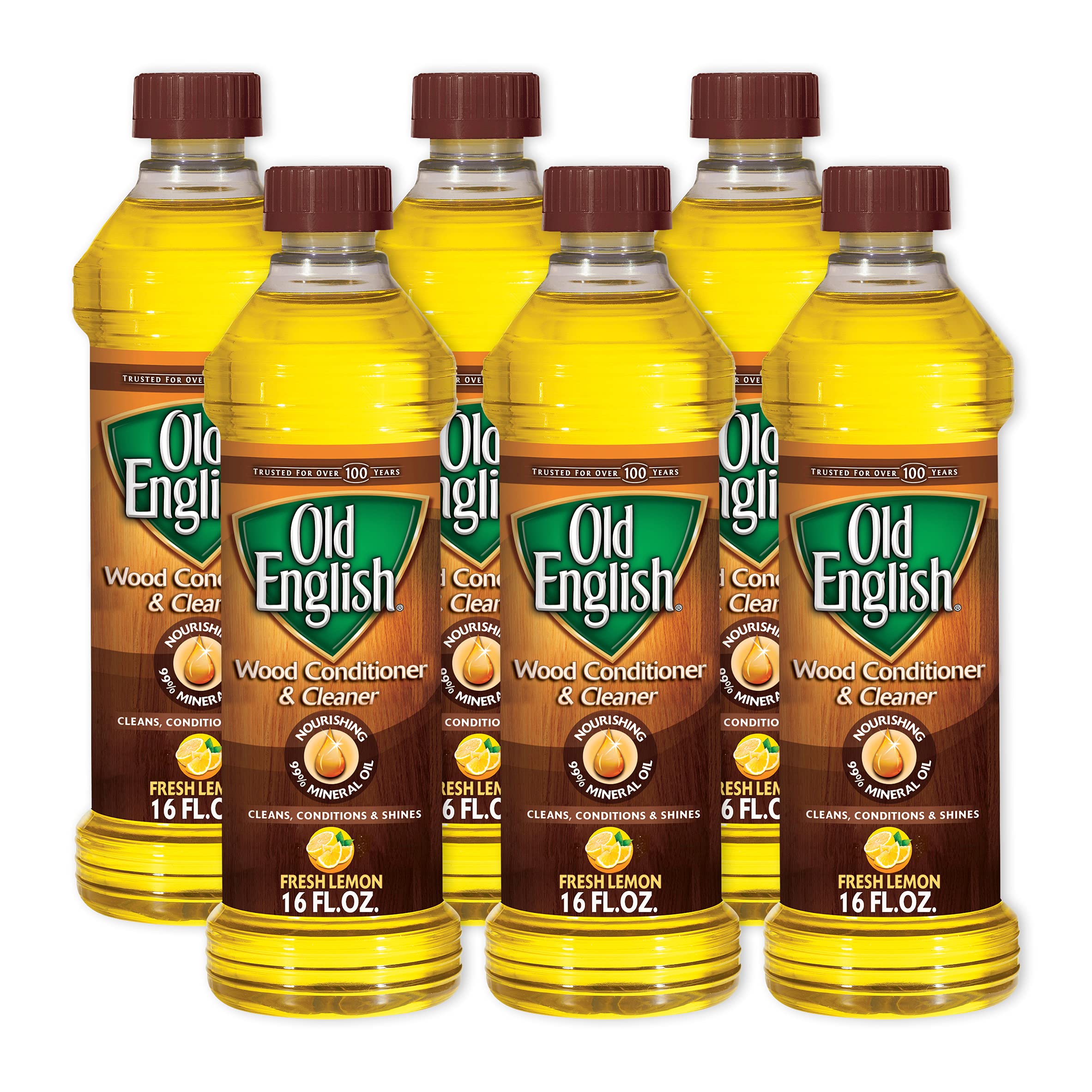
A classic lemon-scented oil that conditions wood, helps protect against everyday stains, and comes in a supply-friendly pack.
Why I picked it: It conditions and brightens grain while providing a fresh lemon scent and a lot of product for frequent use.
Best for: Routine conditioning of kitchen cabinets, paneling, and interior woodwork.
Value-packed option for regular upkeep.
Pros
- Enhances natural wood grain
- Fresh lemon scent
- Helps protect from everyday stains
- Large supply for frequent use
Cons
- Not ideal for guitar fretboards
- Feels greasy briefly until absorbed
My take
I turn to Old English when I want an easy, restorative oil that visibly warms and deepens wood grain. It soaks in well and the greasiness disappears after an hour or so.
For older or previously untreated pieces I’ve seen dramatic improvement in color and tone after a liberal application and a good hour of absorption before wiping.
A word of caution from my experience: I wouldn’t use this on instrument fretboards or delicate finished woods where a specialty oil is recommended. For cabinets and furniture, though, it’s an economical, effective choice.
3. Pledge Lemon Enhancing Polish Spray – Best for Quick Shine
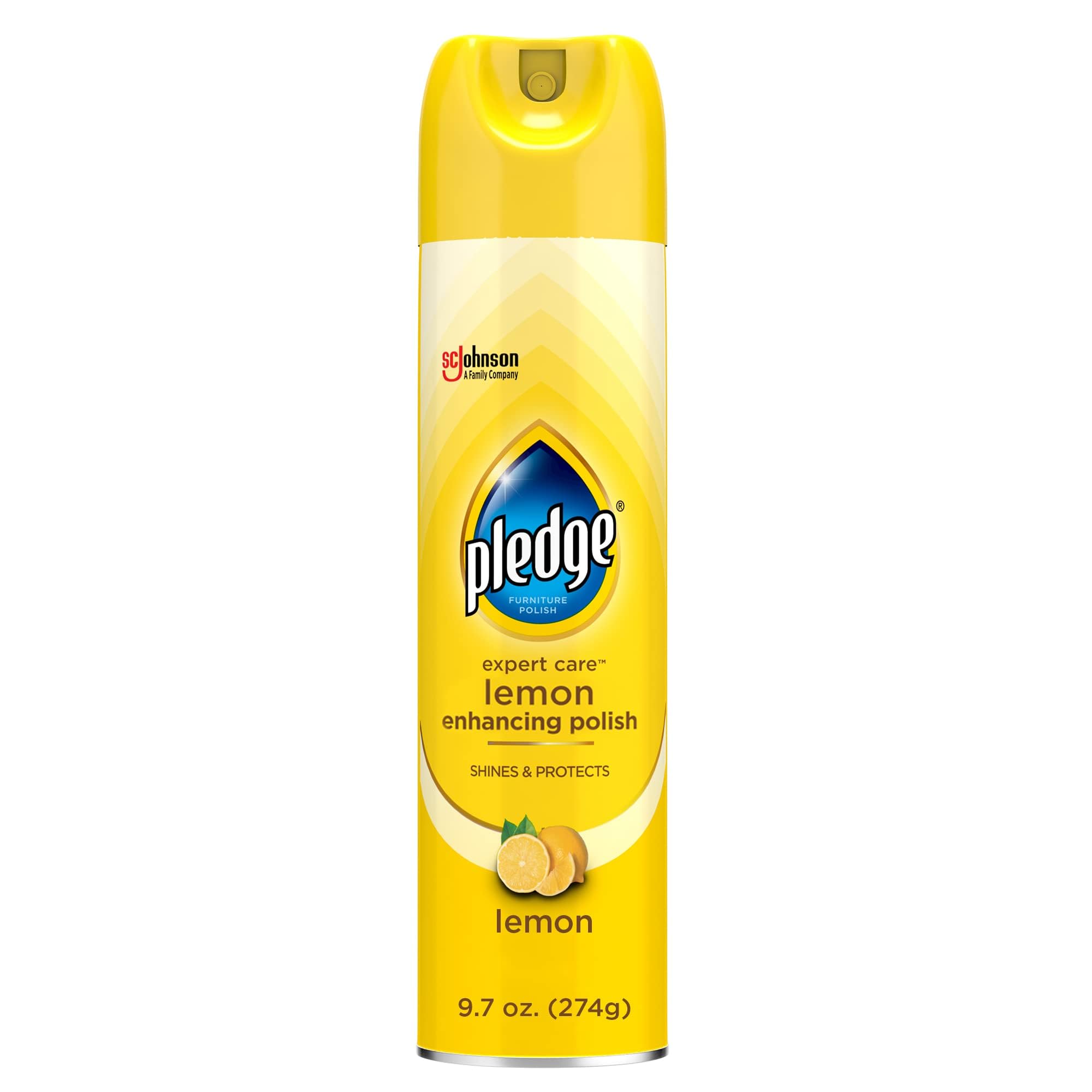
A quick aerosol polish that delivers a streak-free shine on sealed wood, stainless, granite, and more.
Why I picked it: It cleans fingerprints and dust fast and leaves a streak-free protective coating on sealed surfaces.
Best for: Sealed cabinet faces, stainless appliances, and speedy touch-ups.
Convenient and budget-friendly for everyday use.
Pros
- Fast spray-and-wipe application
- Streak-free finish
- Works on many sealed surfaces
- Fresh lemon scent
Cons
- Not for unfinished wood
- Aerosol can overspray
My take
When I need a rapid, presentable shine—especially on stainless appliances and sealed cabinet doors—Pledge spray is my shortcut. It lifts fingerprints and dust and dries to a streak-free finish if I follow the directions.
I use a soft microfiber cloth and a light pass; that combination prevents buildup and keeps surfaces looking crisp without a waxy film.
This one is not meant for unfinished or porous wood. For those surfaces I choose an oil or wax treatment instead.
4. The Original Bee's Wax Old World Furniture Polish – Best for Versatility
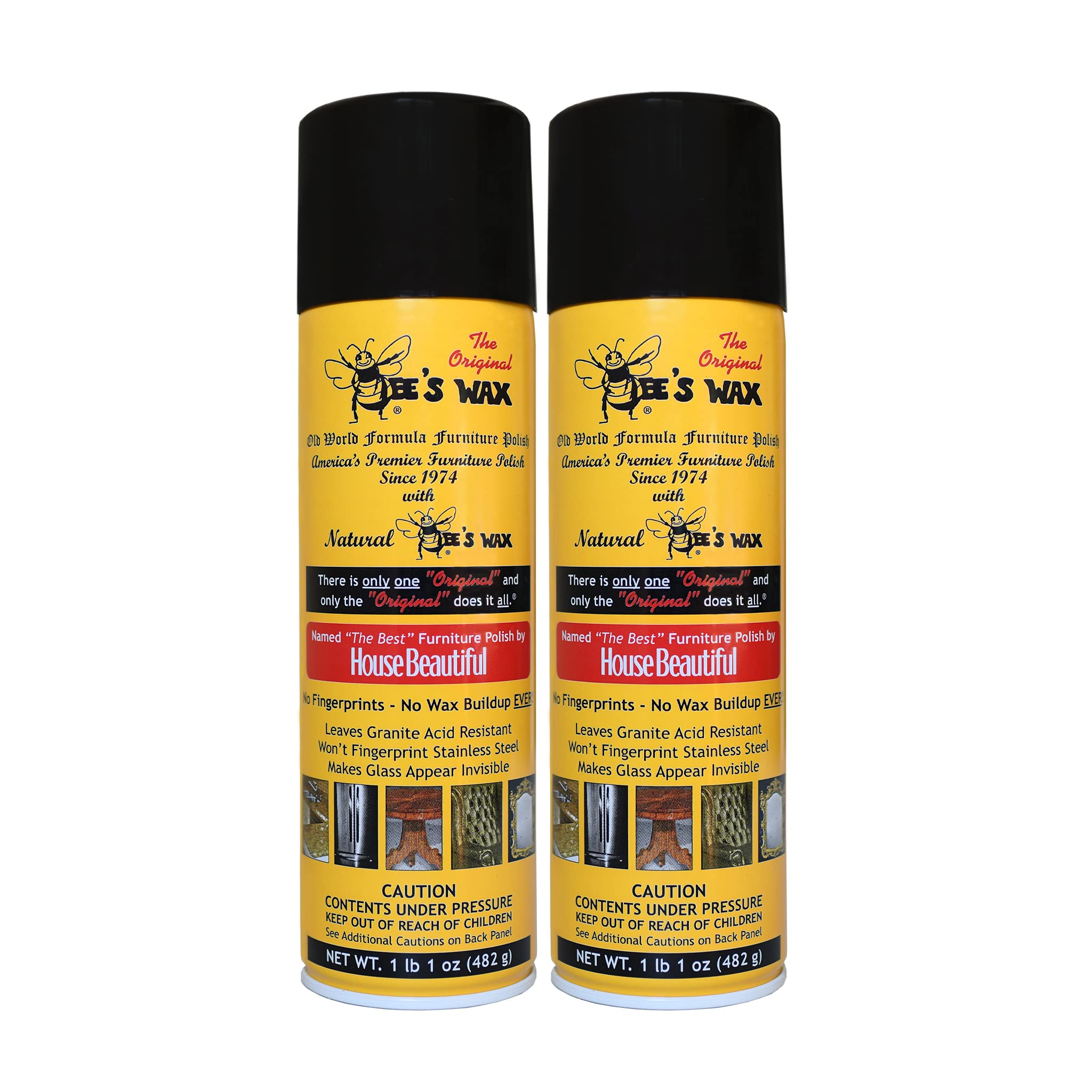
A multi-surface beeswax formula that polishes wood, leather, stainless, glass, and more without fingerprint buildup.
Why I picked it: It’s a true do‑everything polish that requires little buffing and resists fingerprints.
Best for: Stainless appliances, mirrors, leather, and mixed-surface kitchens.
A premium, multipurpose option where versatility matters.
Pros
- Works on many surfaces
- No wax buildup over time
- Leaves no fingerprints
- Requires minimal buffing
Cons
- Higher cost per can
- Large can may be overkill for infrequent use
My take
I rely on this beeswax formula when I want one product for wood, glass, stainless, and even leather. In practice it wipes on clean, leaves surfaces sparkling, and resists thumbprints better than ordinary sprays.
Only a small amount is necessary, and I’ve been surprised how long a can lasts because the product spreads so well. I also appreciate that it doesn’t build up with repeated use.
It’s a bit pricier than basic polishes, but for me the convenience of one multi-surface product outweighs the extra cost.
How I Choose a Cabinet Polish
Finish Type and Surface
I always determine whether the cabinet is sealed or unfinished before choosing a product. Sealed finishes take sprays and enhancing polishes; unfinished wood needs oils or wax-based conditioners.
If stainless, glass, or leather are also on my to-do list, I opt for a multi-surface polish so I don’t switch products mid-job.
- Sealed wood: aerosol polish or spray for fast upkeep
- Unfinished wood: oil or wax conditioner to nourish the grain
- Multi-surface needs: choose a versatile wax formula
Frequency and Maintenance
For high-traffic kitchens I pick quick sprays for weekly touch-ups and reserve oils/waxes for deeper maintenance every few months.
A little product applied correctly lasts longer than frequent heavy applications, so I favor light coats and regular buffing.
- Weekly: quick spray for fingerprints and dust
- Monthly to quarterly: oil or wax for conditioning and protection
- When restoring: use a conditioner followed by a protective wax
Safety and Application
I always ventilate when using products with petroleum distillates and avoid open flames. For aerosols I control overspray with a microfiber cloth and short bursts.
Test any product on an inconspicuous spot before treating an entire cabinet face to confirm compatibility and appearance.
- Ventilate when using combustible or solvent-based polishes
- Use soft cloths; avoid abrasive pads on finished surfaces
- Spot-test on an unseen area first
Frequently Asked Questions
Can I use spray polish on unfinished wood?
I wouldn’t use a spray polish designed for sealed surfaces on unfinished wood. Unfinished wood benefits from an oil or wax that penetrates and conditions rather than a surface spray that can sit on top.
How often should I polish kitchen cabinets?
For my kitchen I do quick spray touch-ups weekly and apply a conditioning oil or wax every few months, or whenever the finish starts to look dull or dry.
Will polish prevent fingerprints and smudges?
Polishes like Pledge and the beeswax formulas reduce fingerprints on sealed surfaces, but in high-contact areas I still do regular quick touch-ups to keep things looking clean.
Final Take
I keep all four products in my cabinet because each serves a clear purpose: Feed‑N‑Wax for deep conditioning, Old English for economical upkeep, Pledge for fast touch-ups, and Bee’s Wax when I need a single product for multiple surfaces.
Pick the one that matches your surface and the time you want to spend — the right product makes maintenance quick and your cabinets last longer and look better.
