
I tested six practical storage containers for garages and workspaces — from heavy-duty moving bags to slim trash cans and clear plastic bins — and I explain which I use where and why.
I spend a lot of time organizing garages and utility spaces, so I picked six different storage containers to cover common needs: large soft storage, waste sorting, clear visibility, shelf-ready cubes, compartment organizers, and budget baskets.
I evaluated how each product handled typical garage duty: holding bulky textiles, surviving rough handling, fitting narrow spaces, and keeping small parts visible and accessible.
I wrote this roundup to make it easy for you to match the right container to the job based on how I actually used them.
I compared these options by capacity, durability, stackability, and how easy they are to move or access; I recommend soft heavy-duty bags for bulky, soft items, vented rigid cans for waste and recycling, clear plastic tubs for small parts and pantry-style storage, fabric cubes for shelf aesthetics and soft goods, multi-compartment organizers for small bits, and simple plastic baskets for budget projects.
1. TICONN Extra Large Moving Bags – Best for Bulky Soft Items
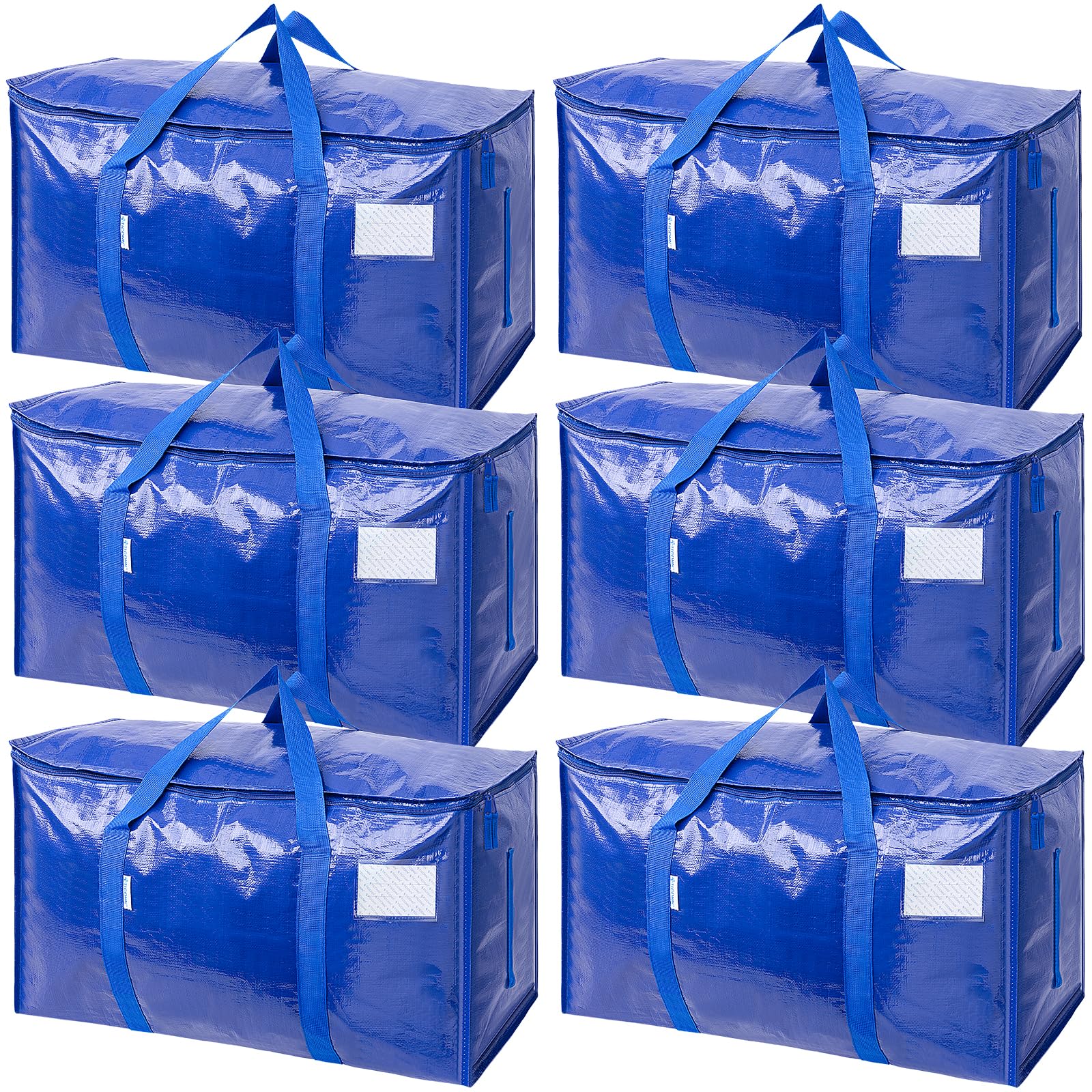
I rely on these extra-large moving bags when I need a flexible, water-resistant way to store or move bedding, towels, and clothing in the garage.
Why I picked it: I chose them for their large capacity, surround handles, and open-top convenience.
Best for: Transporting and storing comforters, pillows, and seasonal linens.
Affordable and a practical alternative to cardboard boxes.
Pros
- Huge capacity for bulky textiles
- Surrounding handles add lifting strength
- Waterproof, foldable for storage
Cons
- Zipping full corners can be stiff
- Not rigid for stacking
My take
I use these bags when I need to move or store large, soft items because their 27" x 14" x 15" footprint swallows comforters and multiple pillows without awkward folding.
I appreciate how the handles wrap around the bag — I tested heavy loads and the straps gave me confidence when I hauled them up basement stairs.
I also like the open-top design because I can pack and unpack quickly; the zippers are sturdy but I found closing fully packed corners takes extra effort with numb fingers.
I keep several folded in a shelf when not in use since they collapse flat and take almost no space.
2. Rubbermaid Slim Jim Vented Trash Can – Best for Trash & Recycling
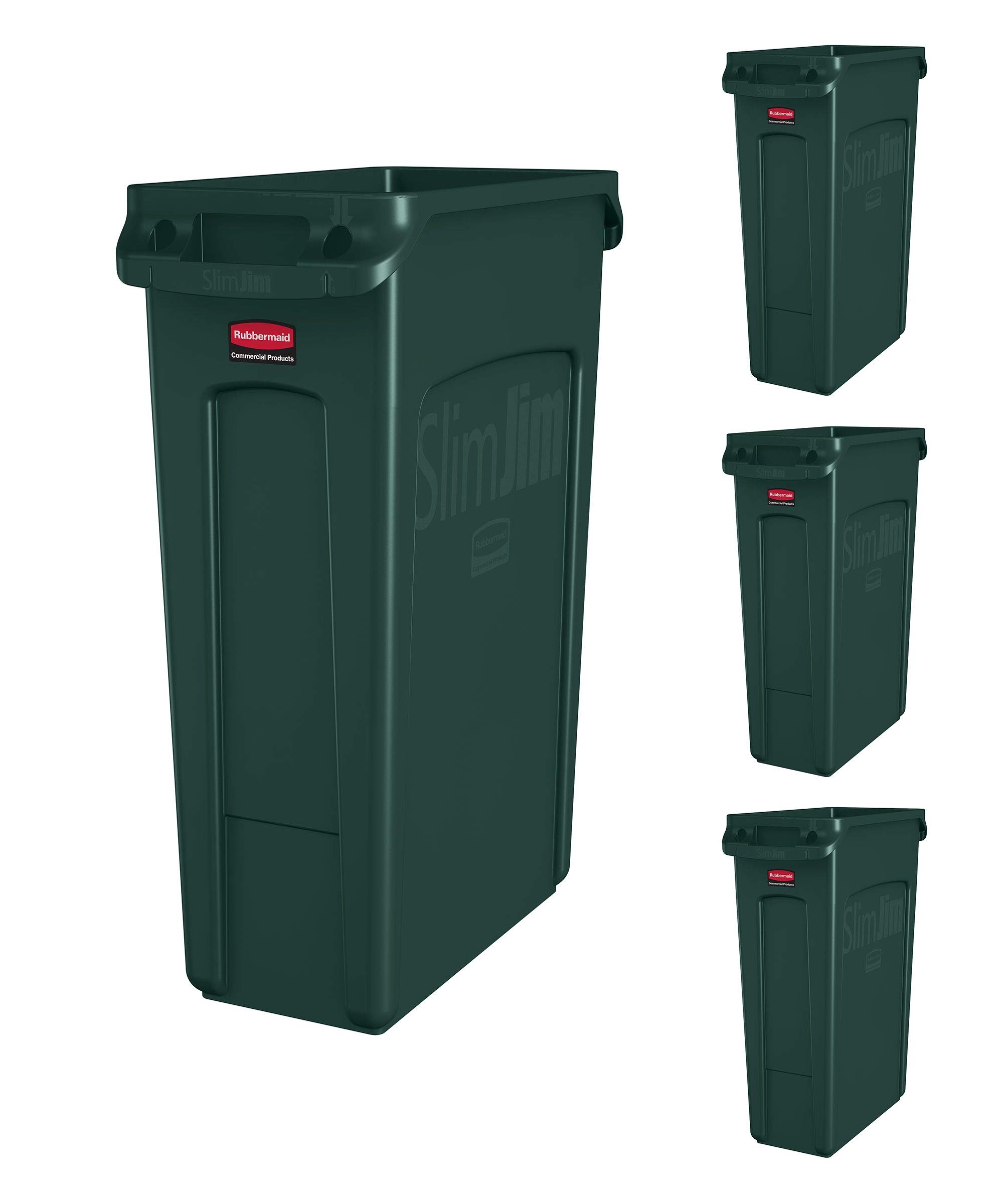
I bring this vented Slim Jim into tight garage corners when I need a durable, tall receptacle that makes liner changes easier.
Why I picked it: I picked it for its venting channels, bag cinches, and narrow footprint that fits between cabinets.
Best for: Slim spaces where frequent bag changes and durability matter.
A more expensive, commercial-grade option built for heavy use.
Pros
- Venting eases bag removal
- Narrow profile saves floor space
- Sturdy commercial-grade construction
Cons
- Tall size may be awkward for some shelves
- Lid options feel limited
My take
I put this can against a garage workbench and immediately noticed how much easier liners pull out thanks to the venting channels; emptying is less of a wrestling match.
I also like the molded handles and reinforced rim — I hauled full loads to my curbside and never worried about the rim flexing or handles tearing.
Because it’s slim, I can squeeze it into a gap where other cans wouldn’t fit, which saved me floor space in a crowded corner.
I did not love the available lid options for my setup, so I typically keep it uncovered or use a plastic bag as a makeshift lid.
3. ClearSpace Clear Plastic Storage Bins – Best for Visibility & Small Parts
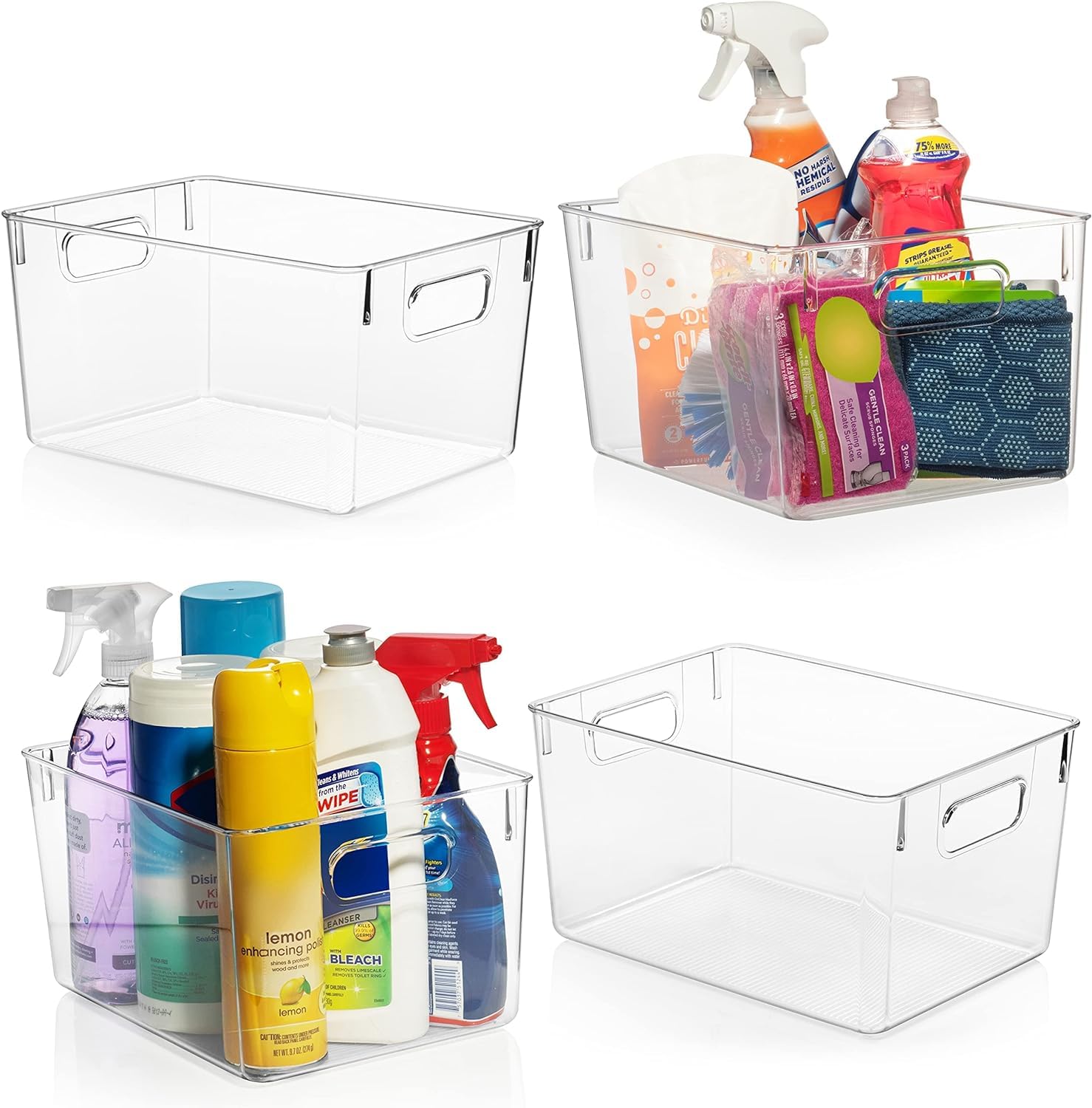
I use these clear bins when I need to see contents at a glance — they’re great for parts, cans, and small tools on open shelving.
Why I picked it: I picked them for their crystal-clear plastic, built-in handles, and stackability.
Best for: Organizing small hardware, cleaning supplies, and pantry-style storage in the garage.
A mid-range option for clear, durable storage.
Pros
- Crystal-clear for instant visibility
- Easy-grip side handles
- Stackable and food-safe material
Cons
- Acrylic-like plastic may crack if dropped
- Limited heavy-load capacity
My take
I lined a shelf with these clear bins to separate screws, spray cans, and electrical supplies and I instantly saved time finding what I needed.
The built-in handles make shifting bins for project work painless, and the plastic cleans easily when oily parts get inside.
They sit neatly side-by-side and stack, so I could create an organized row on my garage shelving without guessing what's inside.
I treat them as organizers rather than heavy-duty totes since they feel rigid but could crack if they took a hard fall.
4. Posprica Foldable Fabric Storage Cubes – Best for Shelves & Cubby Systems
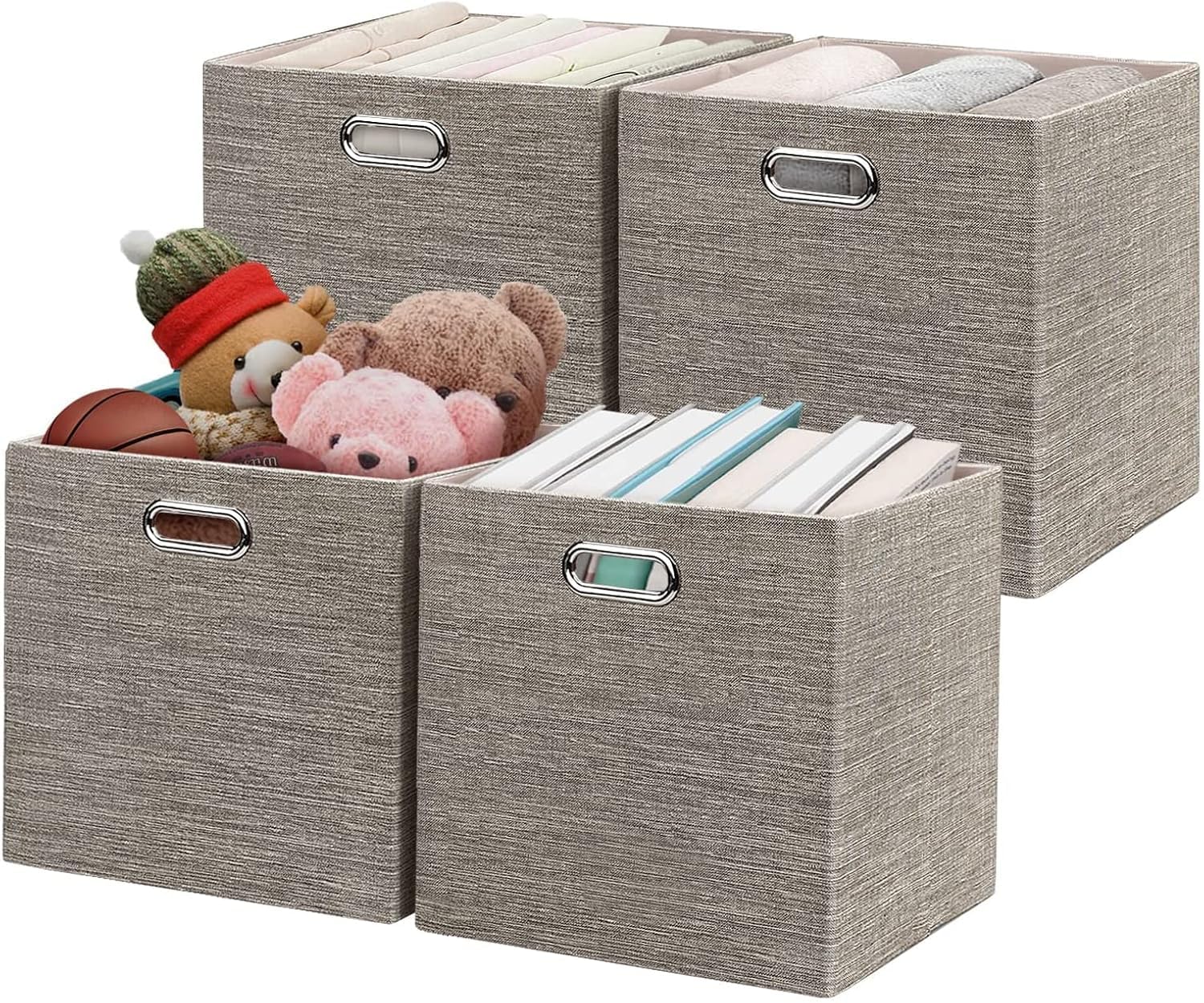
I add these fabric cubes to cubby shelving when I want a uniform look and soft-sided storage for lightweight garage items like gloves, cords, and small tools.
Why I picked it: I picked them for their heavyweight fabric, sturdy construction, and neat shelf fit.
Best for: Cubby shelves and entryway storage that needs a tidy appearance.
Higher perceived value for more durable fabric cubes.
Pros
- Thicker burlap-like fabric
- Sturdy, keeps shape
- Foldable for off-season storage
Cons
- Not waterproof
- Slight size variance between cubes
My take
I installed these cubes into a 13" cubby system and was impressed by the heavy fabric — they hold their shape and don’t collapse when I pull out cords or gloves.
I value how they look on open shelves compared with cheap fabric bins; the finish reads more expensive and resists the daily shoving that happens in a busy garage.
Assembly is simple and once folded into shape the cubes stay put; a couple of pieces required a corner tuck to fit perfectly, but that was easy to fix.
Because they’re fabric, I keep only dry, soft items in them and reserve waterproof tasks for plastic containers.
5. mDesign 3-Compartment Plastic Bin – Best for Small Items & Packets
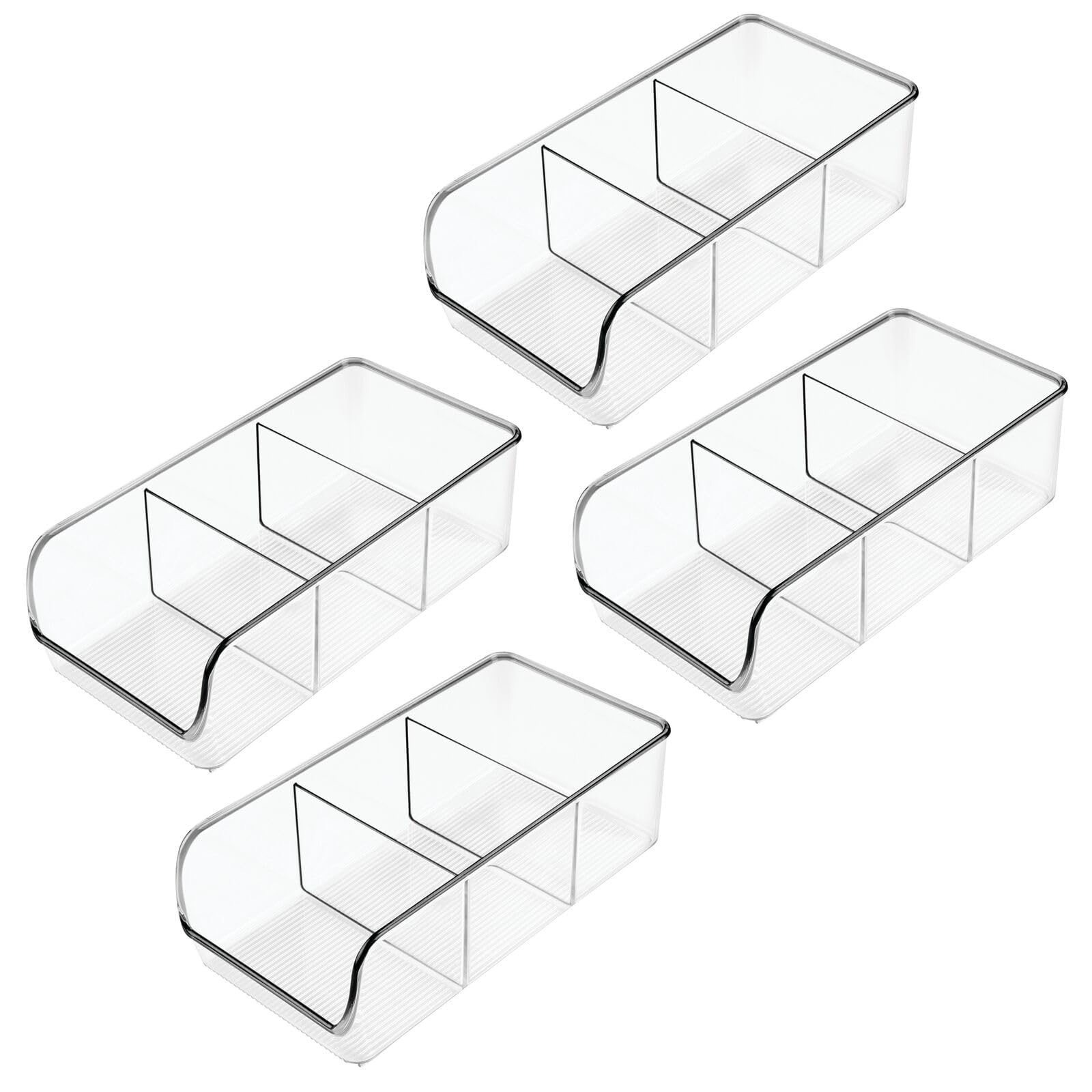
I use this three-compartment bin when I need to corral small packets, fasteners, or labeled snacks in a single easy-to-grab caddy.
Why I picked it: I picked it for the sloped front, multiple compartments, and durable shatter-resistant plastic.
Best for: Sorting small packets, hardware, and quick-access items on shelves.
Affordable organizer that multiplies storage efficiency.
Pros
- Three compartments for organized sorting
- Sloped front makes grabbing easy
- Durable, easy-to-clean plastic
Cons
- Dividers are fixed
- Front section is shallow
My take
I keep one of these on a mid-shelf to hold packets, small cans, and fitting kits and I love reaching in and grabbing exactly what I need.
The sloped front is the detail that sold me — smaller items don’t disappear at the back, and I can pull the bin forward without spilling contents.
The construction is pleasantly sturdy and the smooth plastic wipes clean after greasy jobs.
I wish the dividers were removable for odd-sized items, but the fixed layout still handles most garage sundries well.
6. Sterilite Medium Ultra Basket (6-Pack) – Best Budget Multipacks
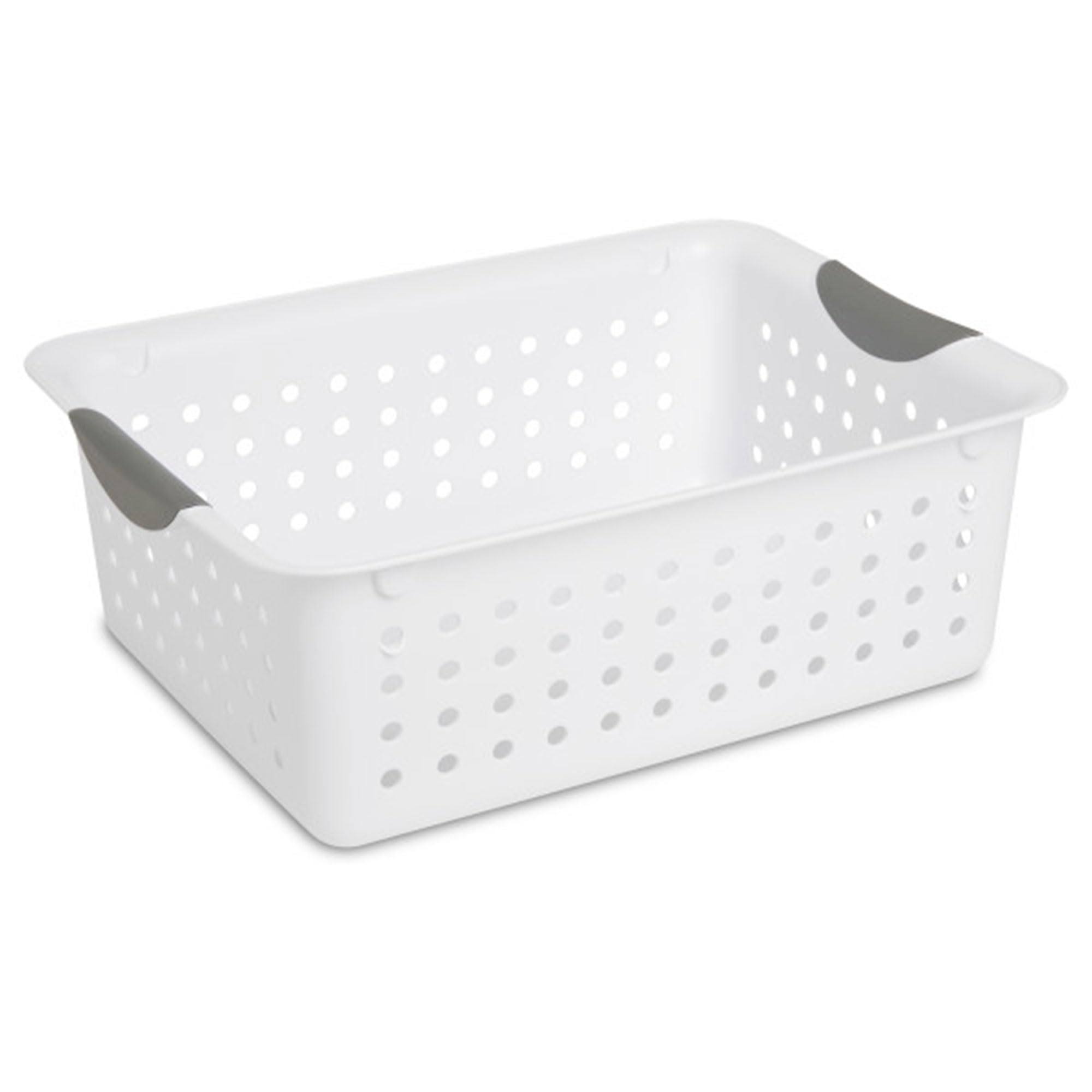
I rely on Sterilite baskets when I want a low-cost, reliable way to group miscellaneous items on shelves and carts in the garage.
Why I picked it: I picked them for value, contoured handles, and a clean, uniform look on shelving.
Best for: Basic organization on carts, shelves, and in cabinets.
Very budget-friendly for bulk organization.
Pros
- Excellent value in multipacks
- Contoured handles for easy carrying
- Smooth finish wipes clean
Cons
- Less refined look than fabric cubes
- Not ideal for heavy, sharp objects
My take
I bought a multipack to replace worn fabric drawers and found these fit my shelving perfectly while giving a tidy, consistent look.
They are lightweight yet surprisingly sturdy — I used them for grouped cleaning supplies and small hand tools without distortion.
The handles are comfortable and I appreciated how easy they are to clean after messy projects.
For the price I use them across multiple shelves and a utility cart to instantly control clutter.
How I Choose Garage Storage Containers
Match container type to the job
I pick soft, extra-large bags for bulky textiles because they compress and move easily, while rigid vented cans are my choice for frequent trash and recycling changes.
I choose clear rigid bins when visibility matters, fabric cubes when shelf aesthetics matter, and simple baskets when I need lots of low-cost organizers.
- If I store bedding or seasonal clothes: choose heavy-duty, water-resistant bags.
- If I need a trash or recycling solution: opt for vented, reinforced cans.
- If I sort small parts: clear bins or compartment organizers work best.
- If I want a neat shelf appearance: fabric cubes offer a polished look.
- If I’m on a tight budget: multipack plastic baskets give the best value.
Durability and handling
I inspect handles, rims, and closure systems — reinforced straps and molded handles matter when I’m moving heavy loads.
I avoid brittle plastics for drop-prone areas and choose materials that wipe clean easily for greasy garage use.
- Look for wraparound straps on soft bags for stronger lifting.
- Choose vented trash cans to reduce strain when removing liners.
- Prefer shatter-resistant plastic for clear tubs when they’ll be moved frequently.
Fit and stackability
I measure shelf and cubby dimensions before buying so containers fit without wasted space.
I prioritize stackable designs when I want to build vertical storage in a small garage.
- Measure shelf height and width before selecting bins or cubes.
- Pick stackable or nesting containers to maximize vertical space.
- Consider foldable cubes or bags for seasonal storage to reclaim space when not in use.
Frequently Asked Questions
Can soft moving bags hold heavy loads?
I use heavy-duty moving bags with surround handles for heavy bedding and they hold up well, but I avoid overpacking them beyond what I can lift comfortably because they aren’t rigid for stacking.
Are vented Slim Jim cans easy to empty?
I found venting channels make liner removal much easier and reduce the wrestling when I change bags, so they’re my go-to when frequent emptying is needed.
Will clear plastic bins break if dropped?
I treat clear acrylic-like bins as organizers rather than impact-proof totes; they resist scratches and stains but I avoid dropping them from height to prevent cracks.
Do fabric cubes hold their shape?
I use thick, reinforced fabric cubes that keep their shape well on shelves; lighter fabric cubes tend to collapse when emptied or overstuffed.
Final Take
I recommend picking the container that fits the job: heavy bags for textiles, vented cans for waste, clear bins for visibility, cubes for shelf aesthetics, and baskets for budget projects.
I keep multiple types on hand so I can match storage to changing garage projects and seasonality.
If you want a starting point, I usually begin with one of each: a heavy bag, a vented can, a set of clear bins, and a couple of cubes or baskets to cover all the basics.
