
I tested sticky cards, glue-board replacements, and plug-in refills so you can pick the right indoor trap for houseplants, kitchens, or whole-room control.
I live with a lot of houseplants and a kitchen that occasionally attracts gnats and fruit flies, so I’ve tried every practical indoor trap I could find. In this roundup I compare sticky cards, glue-board replacements for plug-in units, and refill kits for electronic traps.
My picks reflect how I actually use each product: some are disposable, cheap and great for pots; others are meant to be swapped into a specific electric unit for discreet, whole-room control. I focus on ease of use, durability of the adhesive, and where each trap performed best in my home.
I separate small-scale plant solutions (sticky cards) from whole-room solutions (glue boards and plug-in refills). For plants I favor volume and ease of placement; for kitchens and living spaces I prefer discreet, replaceable glue cards or an electronic trap with refills.
1. 54-Pack Yellow Sticky Fruit Fly Traps – Best Value for Plants
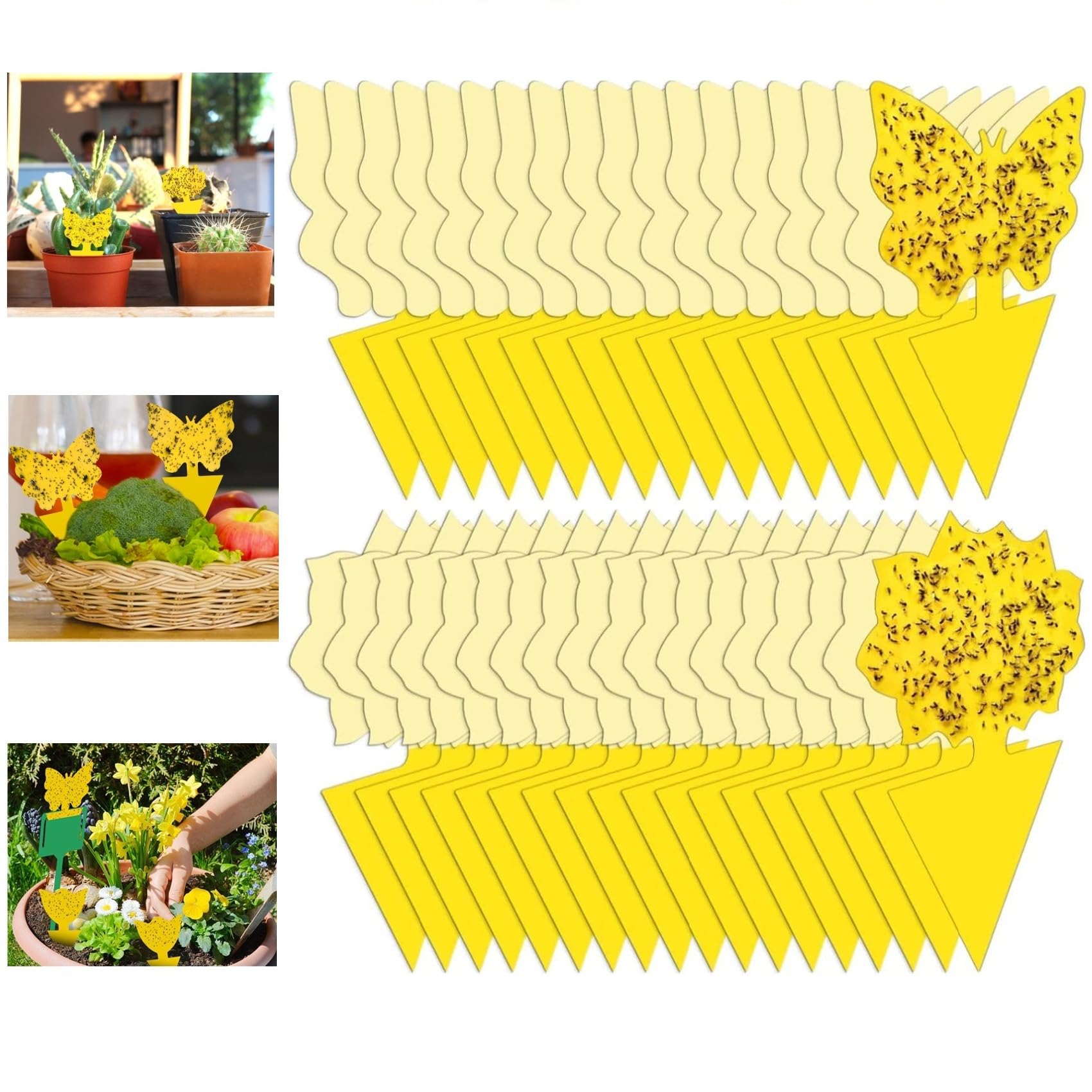
A large, versatile pack of yellow sticky cards and accessories that I use across dozens of potted plants. Strong adhesive and multiple shapes make it my go-to for plant collections.
Why I picked it: Massive pack and strong adhesive make it ideal for many potted plants.
Best for: People with lots of houseplants who want disposable, no-chemistry control.
Very budget-friendly per trap; I treat it as a bulk consumable.
Pros
- Plenty of traps for many plants
- Very sticky adhesive
- Comes with ties and supports
- No chemicals or odors
Cons
- Glue can stick together in heat
- No built-in attractant
My take
I put these into pots throughout my plant collection and appreciated that the pack included tie wire and a couple of support sticks so I could use them in different pot sizes.
The bright yellow cards are noticeably sticky; within a day or two a heavily infested plant had several trapped gnats. I also kept a few in the kitchen near fruit and they caught adult flies that landed on them.
A practical caveat: the manufacturer warns that the adhesive can soften in high temperatures. I stored a portion in the fridge before using them during a hot spell and avoided any cards sticking together.
For my use cases—spot control and monitoring across many pots—this pack offered the best combination of quantity and performance.
2. DynaTrap StickyTech Replacement Glue Cards (6-Pack) – Best for DynaTrap Owners
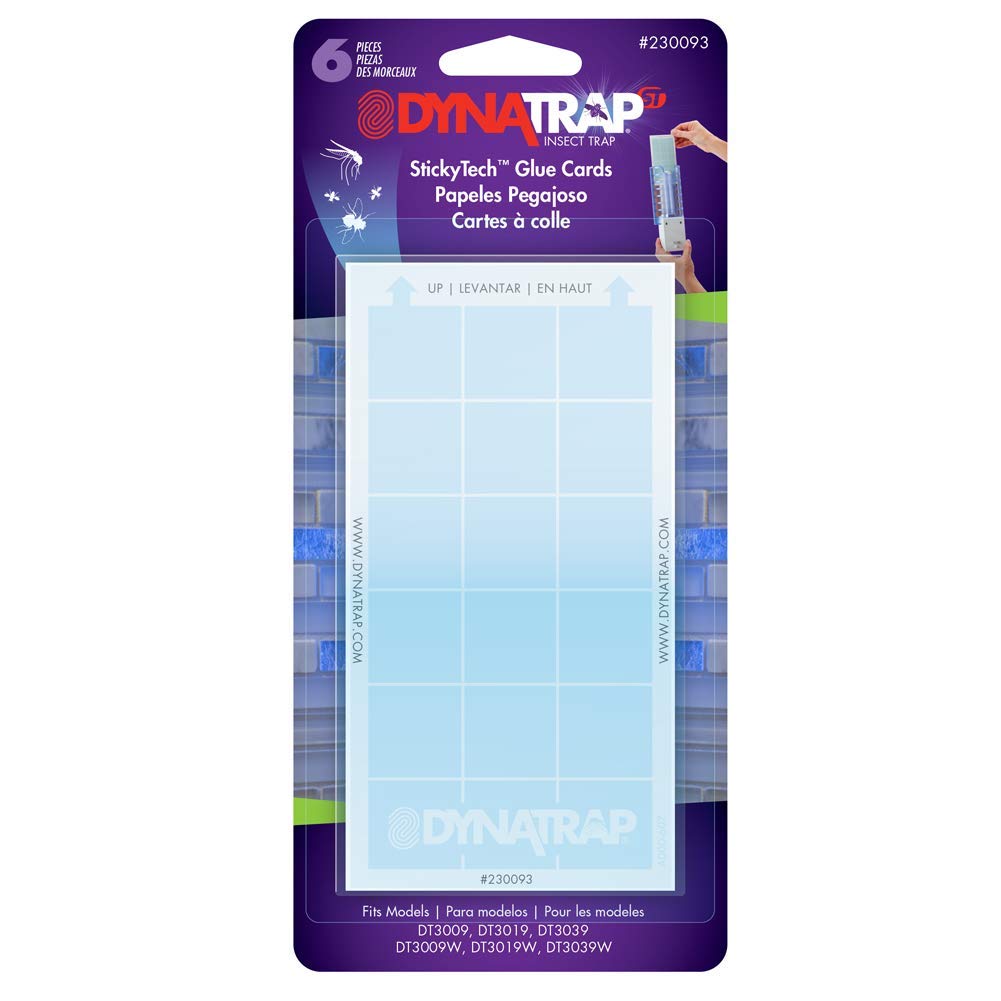
Replacement glue cards designed to fit DynaTrap Flylight plug-in traps. I used these to keep a DynaTrap operating cleanly and discreetly in living spaces.
Why I picked it: Direct replacement for DynaTrap Flylight units with a heavier glue layer.
Best for: Anyone who already owns a compatible DynaTrap Flylight and wants tidy, hidden captures.
Sold as replacement packs; I see them as periodic consumables for an electric unit.
Pros
- Designed to fit DynaTrap units
- Thick, durable glue layer
- Hidden captures behind cover
- Easy to replace
Cons
- Glue life shortens with constant heat
- Only works in compatible units
My take
I slip a fresh card into my DynaTrap and appreciate how the glue sits behind the decorative cover, so trapped insects stay out of sight.
In my experience the glue cards function best when the unit stays plugged in; constant illumination helps the trap attract more insects, but the heat from the light can reduce stickiness after a few weeks.
These real replacement cards feel thicker and tackier than aftermarket options I tried, so I found them more reliable at holding slightly larger flies and moths.
If you want discreet, whole-room trapping and already own a compatible Flylight trap, these glue cards are the straightforward maintenance item I keep on hand.
3. 96-Pack Fruit Fly Sticky Traps – Best Bulk Sticky Traps
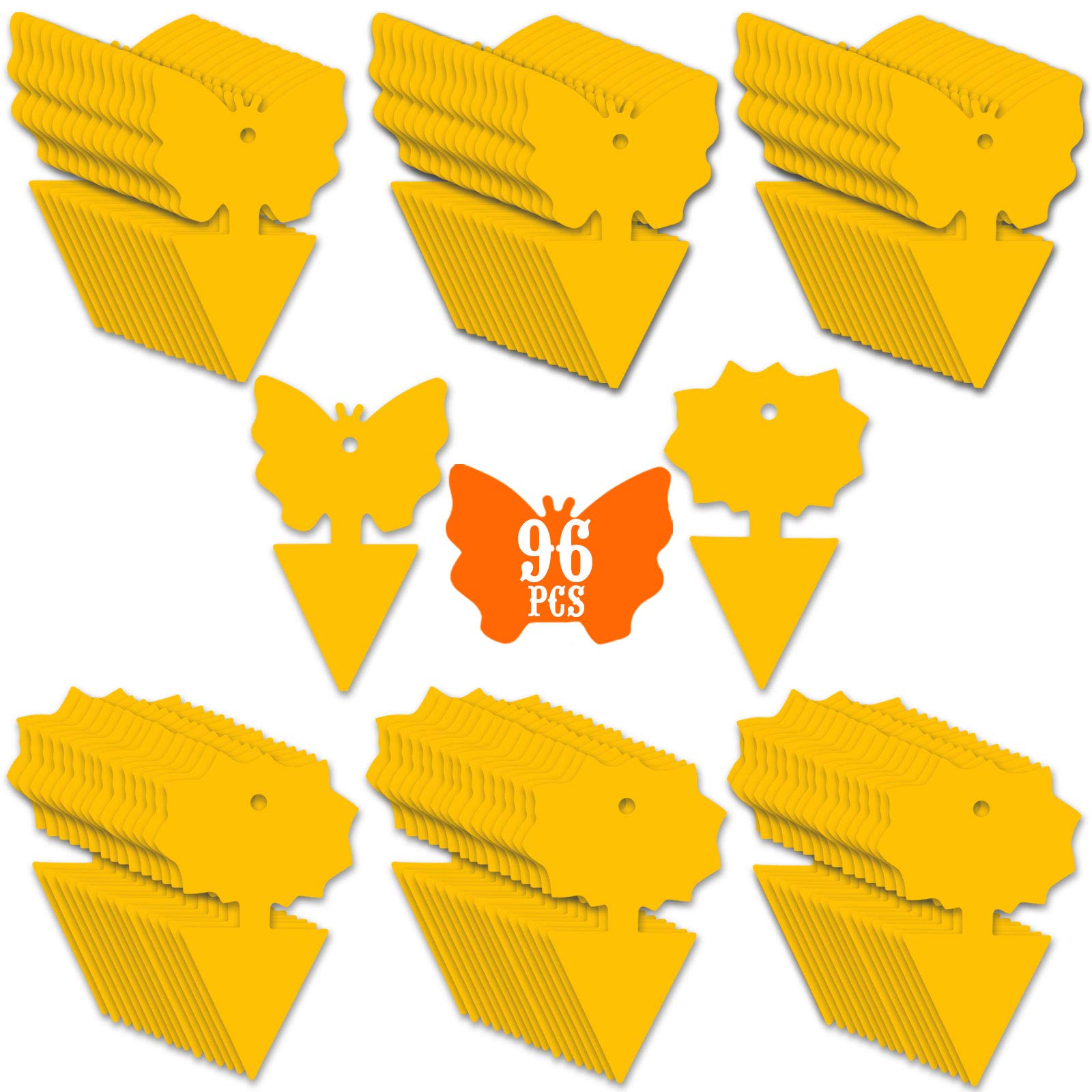
A huge quantity of simple, waterproof sticky cards that I use across pots, greenhouses, and outdoor planters. Good for large collections or repeated replacements.
Why I picked it: High count and waterproof material make it great for lots of pots and long use.
Best for: Growers who need a lot of single-use traps for many plants or nursery use.
Extremely economical per card; I treat it as a bulk supply.
Pros
- Huge quantity per pack
- Waterproof adhesive
- Simple peel-and-stick setup
- Multiple shapes available
Cons
- No lure—relies on incidental landings
- Can be visually conspicuous
My take
I kept these in several greenhouses and pots; the waterproof adhesive lived up to its claim and stayed tacky even when plants were watered.
Setup is dead simple: peel the covers and push the sharp base into soil. That speed made them my preferred choice when I needed to outfit a lot of pots fast.
One limitation I noticed is that these don’t actively attract insects beyond the yellow color. They catch adults that land on them very effectively, but they don’t replace soil treatments when larvae are the main problem.
For volume, low fuss, and dependable stickiness across wet conditions, this pack delivered excellent value in my tests.
4. Dual-Sided Yellow Sticky Monitoring Traps (24-Pack) – Best for Monitoring
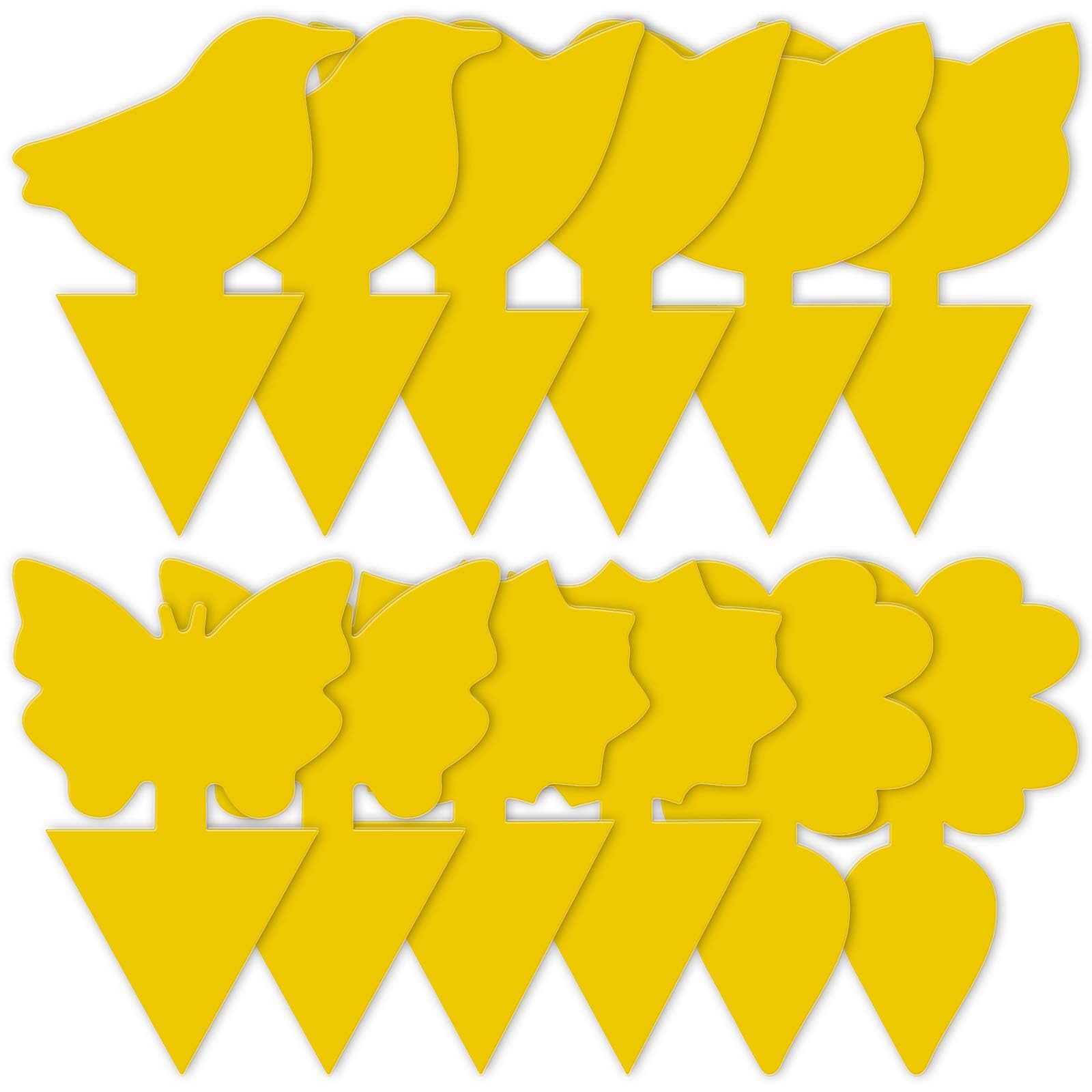
Dual-sided adhesive cards built for ongoing insect monitoring and integrated pest management. I use these when I want to track pest activity rather than relying solely on control measures.
Why I picked it: Dual-sided stickiness and a non-sticky handle make monitoring and placement easy.
Best for: People who want to track insect activity and use traps as part of an IPM approach.
Moderately priced for repeated monitoring and replacement.
Pros
- Adhesive on both sides
- Non-toxic, chemical-free
- Handy non-sticky handle
- Good for monitoring trends
Cons
- Bright yellow can be an eyesore
- Doesn't stop larvae in soil
My take
I deployed these across my plant room to monitor where adults were most active; having adhesive on both sides doubled the effective trapping area and meant less frequent replacement.
The non-toxic adhesive and plastic construction let me use them around pets and food prep areas without introducing chemicals.
They do stand out visually—if aesthetics matter in a living room I recommend placing them where they’re less visible. Functionally they caught a lot of adults and helped me decide which pots needed soil treatment next.
For integrated pest management—spotting problems early and measuring whether interventions worked—I found these the most useful of the single-piece traps.
5. Zevo Plug-In Trap Refill Kit – Best Plug-In Refill
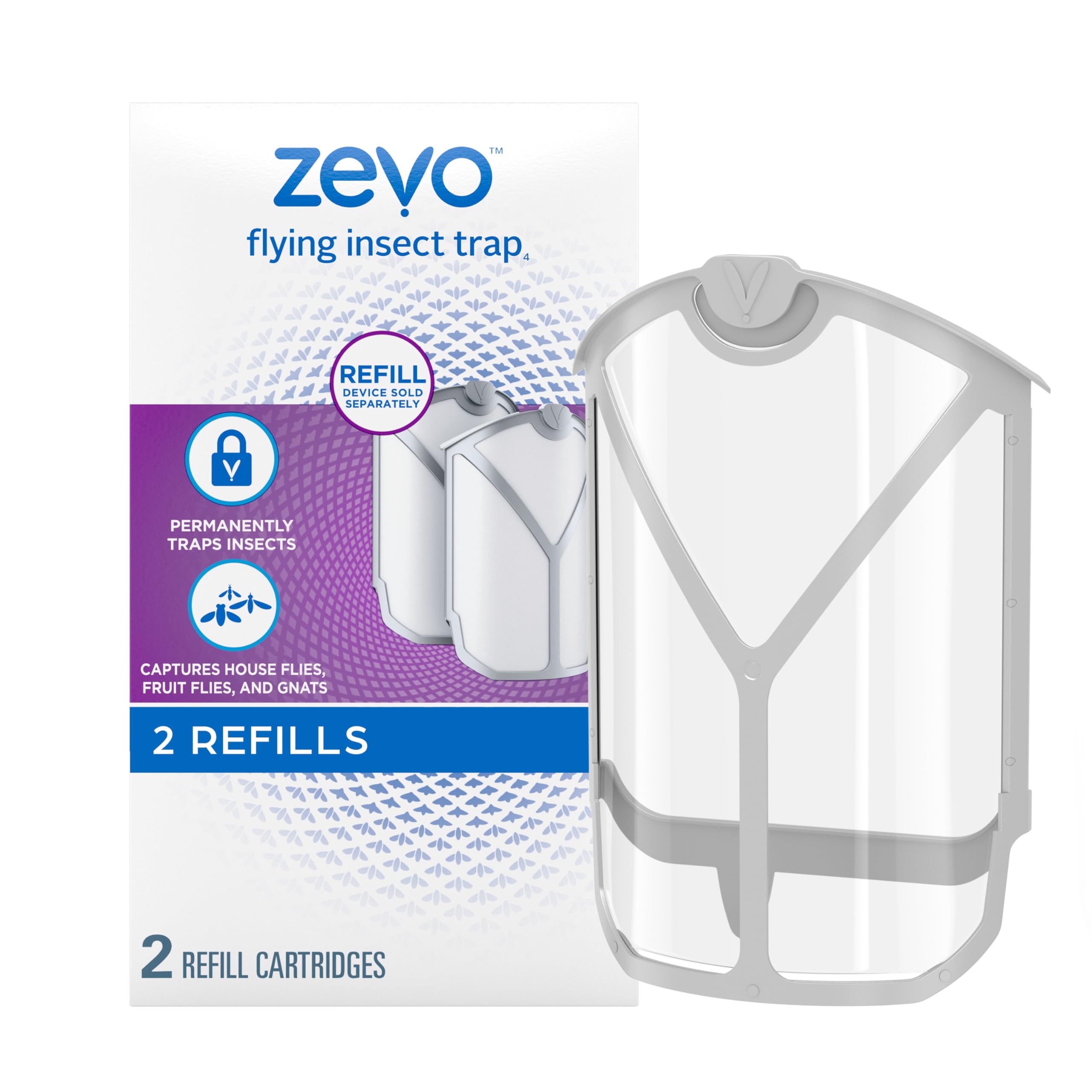
Refill cartridges for Zevo plug-in flying insect traps. I use these as part of a plug-and-forget approach in kitchens and high-traffic rooms.
Why I picked it: Effective plug-in refills for whole-room capture without messy glue cards.
Best for: People who prefer an electric trap that runs continuously on countertops or outlets.
Sold as replacement refills; I budget them as ongoing supplies for plug-in units.
Pros
- Works in an electric plug-in format
- Easy peel-and-install refills
- Good for kitchen and counter use
- Low visible mess
Cons
- Refills used up faster with heavy infestations
- Requires outlet and occasional replacement
My take
I plug Zevo refills into a few outlets around the kitchen and basement; when I remembered to remove the protective cover they began collecting flies within a day.
These are the easiest option if you want continuous, low-effort control—plug in, change the cartridge when full, and avoid sticky cards on pots.
In a heavy gnat season I went through several refills, so expect to keep extras on hand if you’re dealing with a serious infestation.
For spot-free trapping on counters and in living areas, these refills are the most convenient way I’ve found to keep flying insects low without visible traps.
How I Choose Indoor Flying Insect Traps
Match the trap to the scope of your problem
I decide between single-use sticky cards and plug-in refills based on where the insects are. For a few potted plants, disposable sticky cards are fast and inexpensive. For kitchens, living rooms, or garages where flies roam, an electric unit with replacement glue cards or refills gives better whole-room control.
- Single-plant infestations = small, pointed sticky cards
- Large plant collections = bulk packs
- Whole-room issues = DynaTrap/Dual-sided glue cards or Zevo plug-in refills
Placement and maintenance tips I use
I place traps where adults congregate: near fruit bowls, next to windows, and at the perimeter of dense plant groupings. For soil-dwelling larvae I don’t rely solely on traps; I pair traps with soil-focused controls.
I check and replace adhesive cards regularly. High heat or continuous light can degrade sticky layers faster, so I schedule replacements more often in summer.
- Place near fruit, windows, or plant clusters
- Replace glue cards or refills when visible build-up appears
- Store bulk sticky cards in a cool place to preserve tackiness
Safety and aesthetics
I prefer non-toxic, chemical-free sticky cards around pets and food. If visual impact matters, I hide traps behind décor or choose plug-in units with hidden glue cards.
Always peel protective covers carefully to avoid tearing and avoid placing adhesive where you might brush against it.
- Choose non-toxic traps for kitchens and pet areas
- Use handles or support sticks to avoid touching adhesive
- Rotate placement to find the most effective locations
Frequently Asked Questions
Do sticky traps kill larvae?
No—based on my experience, sticky traps catch adult insects that land on them. I use them to reduce adult populations and monitor activity, but I treat soil or use biological control for larvae.
How often should I replace glue cards or refills?
I replace glue cards when they look full or about every 2–4 weeks in active seasons. For plug-in refills I check weekly and swap as needed; heavy infestations need refills more often.
Will the adhesive melt in summer?
Some adhesives can soften in high heat or if left in direct sun. I store extra cards in a cool place and, if it’s a hot day, chill new cards briefly before peeling to avoid them sticking together.
Are these traps safe around pets and kids?
Most sticky cards and the glue cards I tested are non-toxic. I keep adhesive items out of reach and use traps with handles or hidden glue cards in areas accessible to pets or children.
Final Take
I keep a mix of products on hand: bulk sticky cards for plant collections, dual-sided monitors for tracking pest activity, and replacement glue cards or plug-in refills for whole-room control.
Decide whether you need spot control or continuous room coverage, then pick the format that fits your routine. For my home, that combination has kept gnats and fruit flies manageable without toxic sprays.
