
I tested five storage solutions for pantry staples, meal prep, and bulk pet food. These container picks keep food fresh, block pests, and save space in real kitchens.
I organize my kitchen and pantry around containers that actually work long-term: clear visibility, airtight seals, and durable materials. Over months of everyday use I put these five options through meal prep, freezer duty, bulk flour storage, and even holding whole bags of kibble.
In the sections below I explain why each container earned a spot on my shelf, the exact situations I use them for, and practical trade-offs I ran into so you can match the right solution to your storage needs.
I focused on seal quality, material safety, stackability, and real-world durability when comparing these options. For pet kibble I prioritize Gamma seal threading; for pantry staples I prioritize airtight side latches and clear, stackable shapes.
1. Rubbermaid Brilliance Food Storage Containers (Tritan) – Best Overall
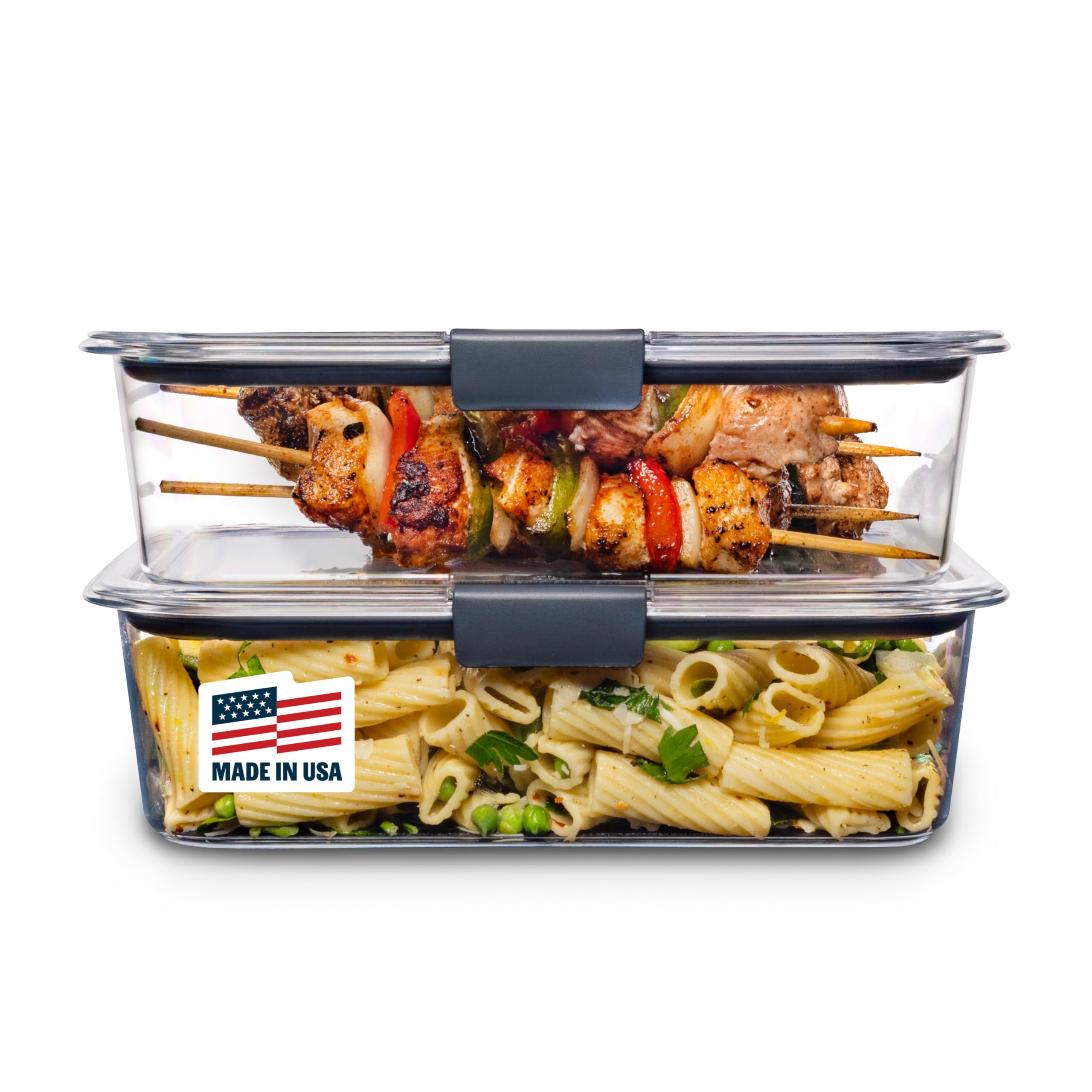
I rely on this Rubbermaid Brilliance set for everyday leftovers, meal prep, and fridge organization because the Tritan clarity and locking lids make food easy to identify and keep fresh.
Why I picked it: Crystal-clear Tritan, airtight latches, and microwave vents that actually work for reheating.
Best for: Meal prep, fridge stacking, reheating leftovers without spills.
A mid-range, practical value for everyday kitchen use.
Pros
- Crystal-clear visibility
- Airtight, leak-proof latches
- Microwave-safe vented lids
- Stain- and odor-resistant
- Dishwasher and freezer safe
Cons
- Plastic can crack after heavy, long-term use
- I prefer hand-washing the lids
My take
I use the Brilliance pieces for weekly meal prep and for transporting stews and sauces because the latches truly stop leaks. The Tritan plastic stays clear, which saves me time when I’m scanning shelves for leftovers.
The built-in vents under the latches let me reheat with the lid on without a messy microwave splatter. I’ve run them through the dishwasher on the top and bottom racks, though I hand-wash the lids to preserve the gasket performance.
In heavy daily use I found the line to be tough, though some mid-sized pieces showed cracks after extended, high-abuse cycles. Even so, the lids often remained airtight after cracks formed, so I still got good service life from the set.
2. Gamma2 Vittles Vault Airtight Pet Food Container – Best for Pet Food
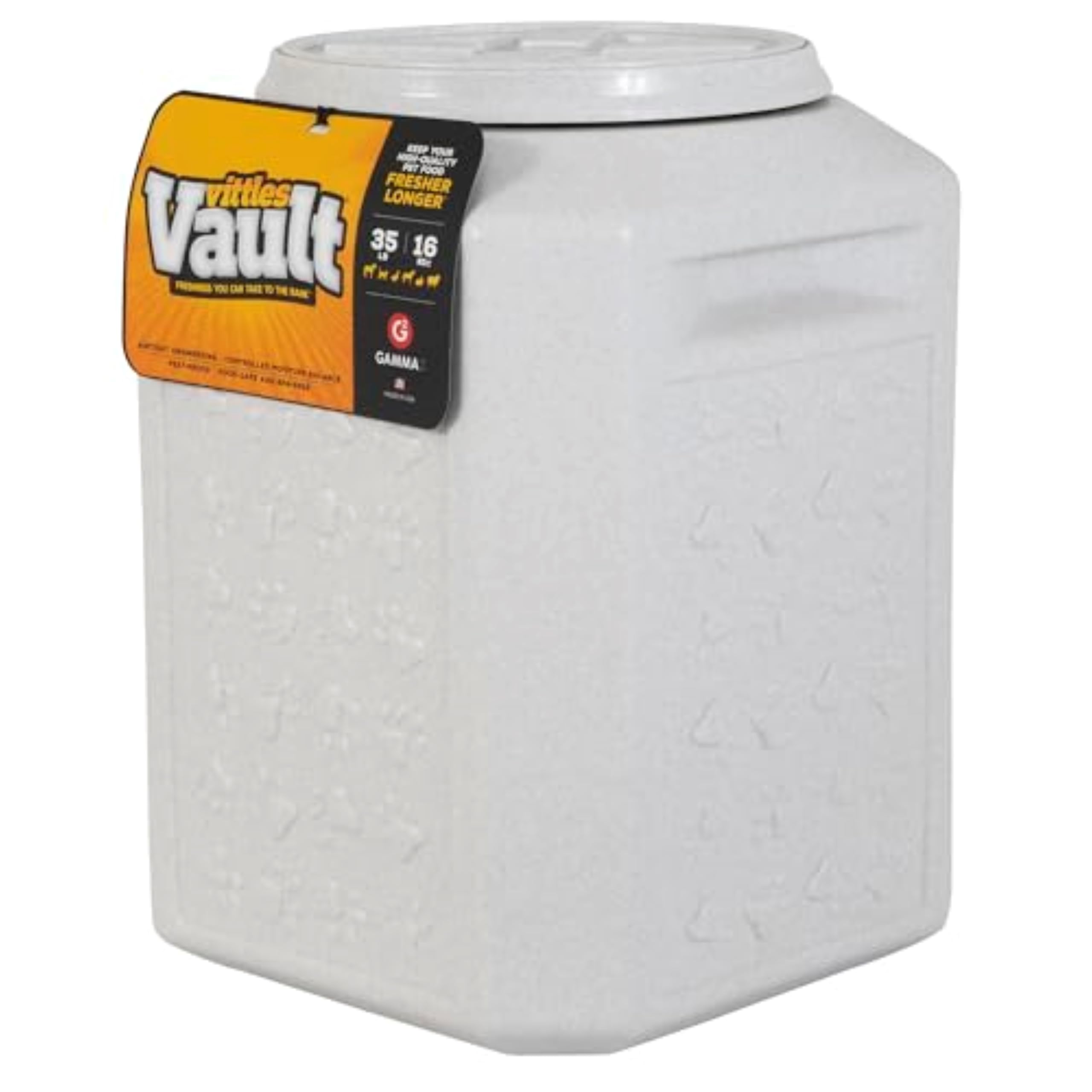
I store whole bags of kibble in the Gamma2 Vittles Vault because the Gamma Seal threading and double gasket keep moisture and pests out while preserving the smell—my pets noticed the difference.
Why I picked it: Threaded Gamma lid and double gasket create a near-impenetrable seal for dry pet food.
Best for: Bulk dog and cat kibble, birdseed, and large dry feed storage.
A practical buy that beats in-store bulk container options in value.
Pros
- Gamma-threaded airtight seal
- Heavy-duty food-grade HDPE
- Holds large bags whole
- Easy twist lid—toddler-resistant
- Made in the USA
Cons
- Bulky footprint
- No scoop included
My take
When I switched a full bag of kibble into this vault, the food stayed noticeably fresher and the preserved aroma meant my pets ate more eagerly. The threaded lid and double gasket seal are the real advantages here.
The vault is simple to open and close but secure enough to deter toddlers and keep pests out. It’s rugged enough to sit in a garage or laundry room, though I still prefer climate-controlled storage when possible.
The only frustrating part is the bulk—these aren’t discreet in small kitchens—and I wish a scoop were included. For anyone storing whole bags of dry feed, though, this is one of the most reliable long-term solutions I’ve used.
3. Chef's Path 24-Piece Airtight Canister Set – Best Pantry Set
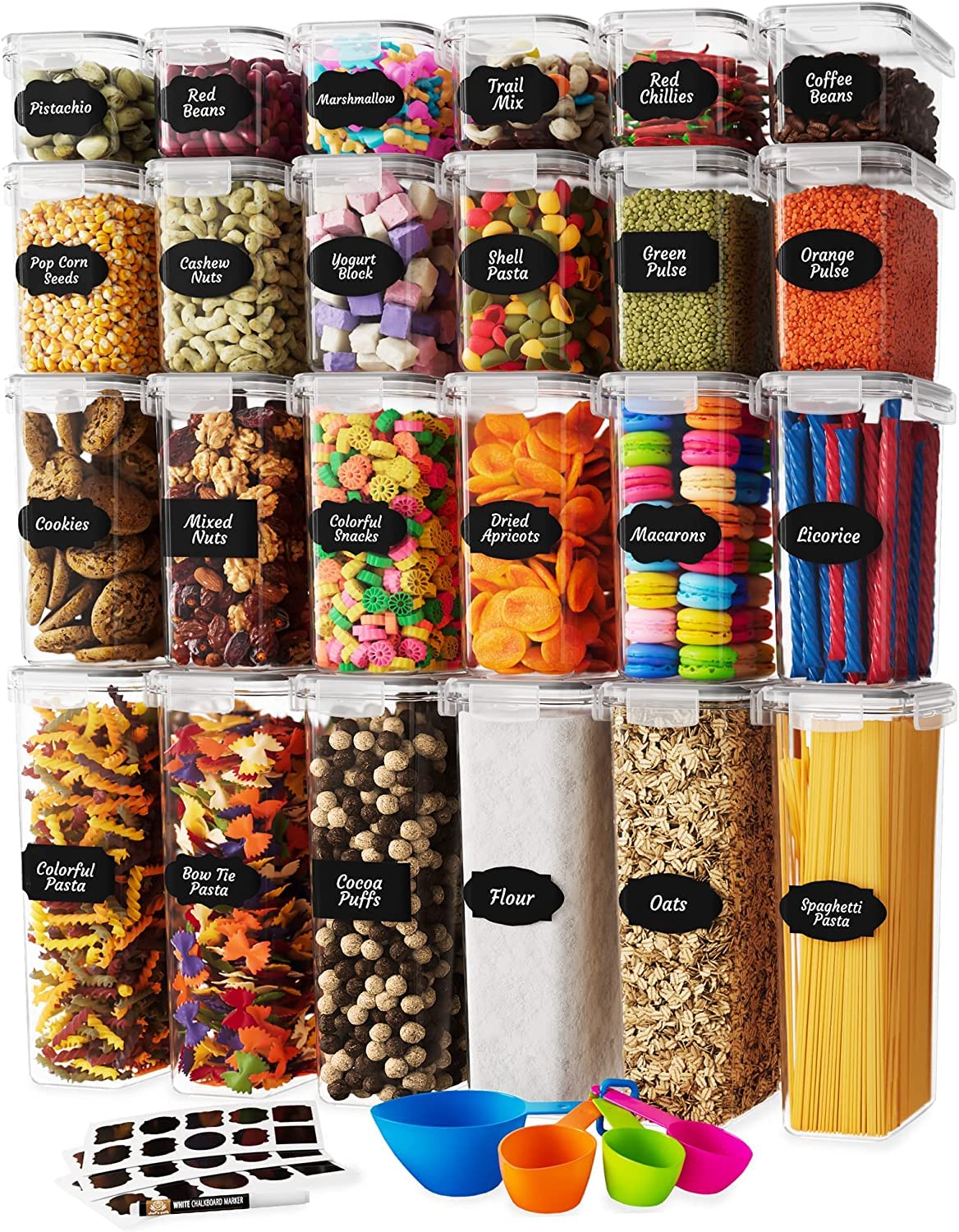
I keep cupboard clutter under control with this 24-piece set: the range of sizes, labels, and measuring spoon make it easy to portion, rotate, and protect dry goods from pests.
Why I picked it: Complete size assortment plus labels and scoops to overhaul a pantry quickly.
Best for: Organizing cereal, flour, sugar, pasta, and small bulk ingredients.
Strong value if you need a full pantry refresh at once.
Pros
- Six different size containers
- Includes labels, marker, and spoon
- Airtight locking lids
- Clear, stackable design
Cons
- Snap-fit lids can be stiff
- Square shape leaves small unused gaps
My take
I deployed this set across my pantry and appreciated the variety: extra-large jars for cereal, medium jars for sugar and flour, and small ones for spices and snacks. The reusable chalkboard labels and marker are a practical finishing touch.
Seal performance was solid in my testing—cereal stayed crisp and I stopped finding pantry insects crawling into boxes. The square sides help with stacking, but they do create small dead spaces where tiny packets could otherwise tuck in.
Be ready to wrestle some lids apart the first time; they’re a snug snap fit and can be stiff if you don’t have hand strength. Overall the set transformed my pantry organization more than any single container did.
4. Chef's Path Extra-Large Airtight Canisters (6.5L, 2-Pack) – Best for Bulk Flour & Rice
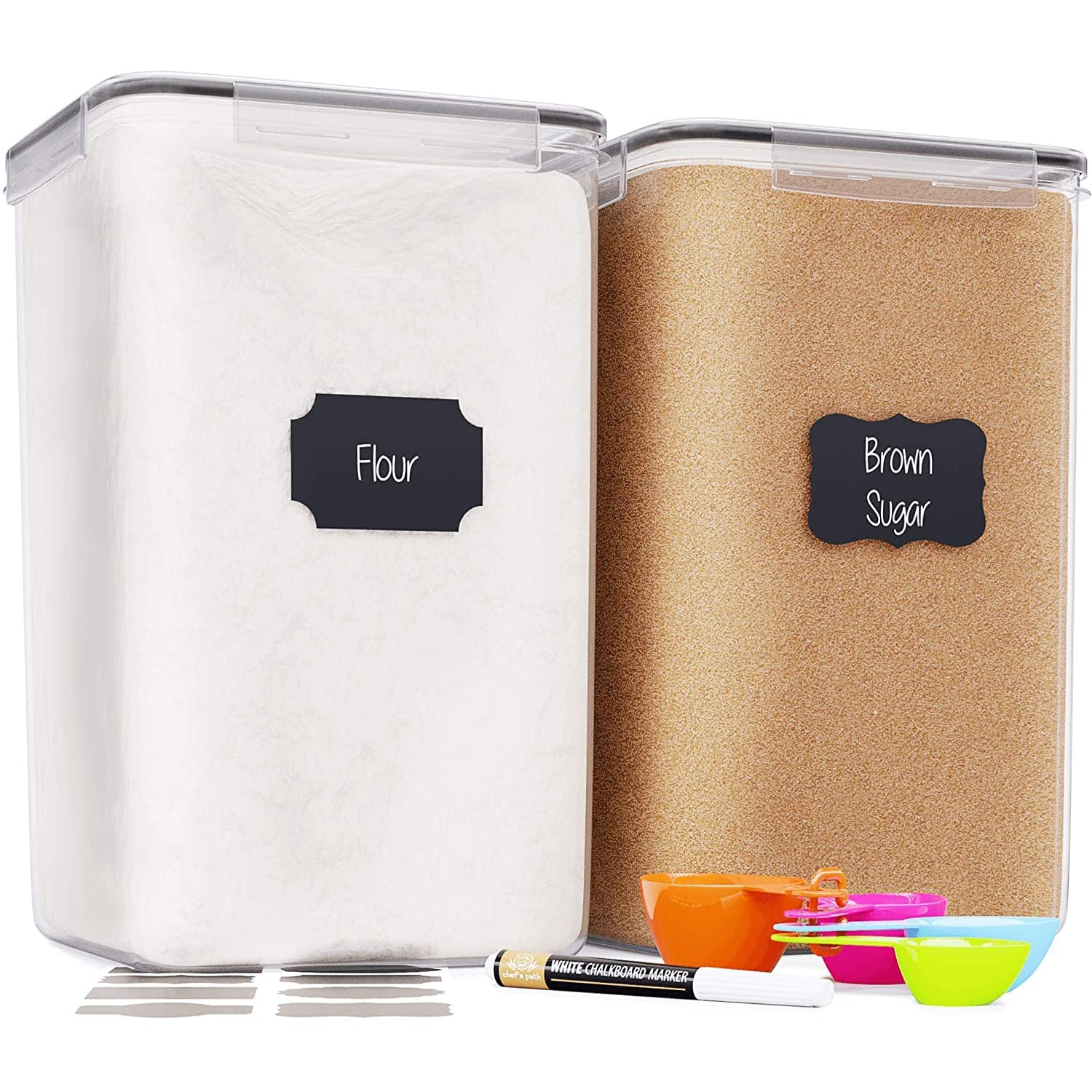
I use these extra-large canisters for flour, rice, and baking supplies because their side-locking lids and silicone gaskets keep large quantities dry and ready to use.
Why I picked it: Large capacity plus side-lock latches and silicone gasket for reliable long-term dry storage.
Best for: Storing flour, rice, pasta, and baking ingredients in bulk.
A practical, mid-range choice for frequent bakers and bulk shoppers.
Pros
- Extra-large 6.5L capacity
- Side-locking lids with silicone gasket
- Durable, stain-resistant material
- Includes measuring cups and labels
Cons
- Lids can be stiff when new
- Requires simultaneous tab pressure to close easily
My take
These canisters handled multiple bags of flour for my weekend baking sessions; I could fit a lot into a few containers and still have room in the cabinet.
The lids seal tightly thanks to the silicone gaskets, though they’re a bit stiff out of the box. I found it easiest to close opposing tabs simultaneously to get a full lock without straining my hands.
Build quality feels solid and they resist staining and odors, which is exactly what I want for flour and rice that sit for weeks between use.
5. Rubbermaid Brilliance Pantry Container (16-Cup) – Best Compact Pantry Container
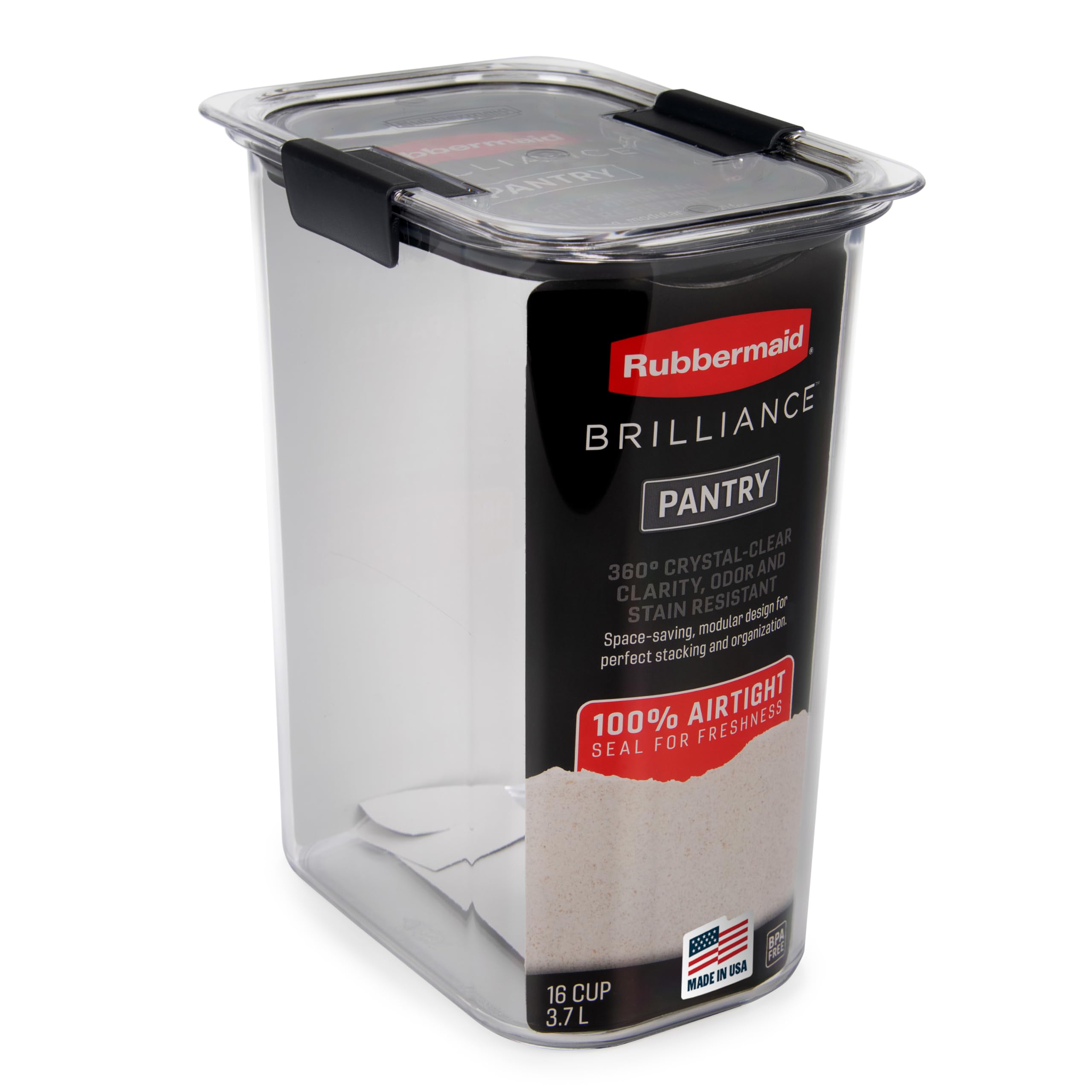
I use the 16-cup Brilliance canister when I want a compact, stackable option for pancake mix, sugar, or cereal that still gives an airtight seal and clear visibility.
Why I picked it: Tall, narrow profile fits upper cabinets; airtight snap lid keeps staples soft.
Best for: Pancake mix, sugar, cereal, and limited-cabinet spaces.
An affordable, space-saving solution for common pantry staples.
Pros
- Airtight snap-tight lid
- Clear for quick content checks
- Stain and odor resistant
- Compact, stackable profile
Cons
- May show transit scuffs or sticker residue
- Tall profile may barely fit some cabinets
My take
I switched pancake mix and sugar boxes into this container and immediately stopped spilling when I measured. The large opening makes scooping easy and the clear walls let me know when it’s time to refill.
It fits narrow upper cupboards that other canisters won’t, which is why I keep a couple of these on hand. I did receive one with a surface scratch and a sticker that needed more work to remove than expected, but functionality was unaffected.
How I Choose Long-Term Food Storage Containers
Material and Food Safety
I always check what the container is made of before I commit. BPA-free plastics like Tritan are great for visibility and microwave use, while food-grade HDPE is tougher for heavy-duty, outdoor, or pet-food storage.
If I plan to store flour or rice for long periods, I prefer materials that resist stains and odors so the container stays usable across many rotations.
- Tritan: crystal clear, microwave-friendly, resists staining
- HDPE: impact-resistant and better for rugged, covered outdoor use
- Look for food-safe labeling and easy-to-replace gaskets
Seal Types and Pest Protection
I decide between threaded Gamma-style seals, snap-lid gaskets, and side-lock latches based on what I’m storing. For pet kibble I favor a Gamma-threaded lid with double gaskets; for pantry staples I prefer side-lock silicone gaskets or tight snap latches.
Pest protection matters: airtight seals and rigid walls are the first line of defense against pantry moths and other critters.
- Gamma-threaded lids: best for large dry feed and pet food
- Side-lock silicone gaskets: excellent for flour and rice
- Snap-lid systems: convenient for daily access and smaller portions
Capacity, Shape, and Stackability
I match container shapes to storage space. Square and rectangular containers maximize shelf real estate, while tall, narrow designs fit upper cabinets. If I need to store whole bags, I size up to a container that can take the entire bag or at least most of it.
Stackability keeps my pantry tidy, but I accept small dead spaces between square containers for better overall organization.
- Round/tall: best for narrow cabinets
- Square/rectangular: better shelf utilization
- Buy a slightly larger capacity if you want to store whole bags
Practical Extras I Value
Labels, measuring scoops, and included markers turn a container into a system. I label expiration dates, rotate stock, and use included scoops for quick measuring.
I also consider how easy it is to open lids—stiff new latches might require two-handed closing but often loosen with use.
- Labels and markers: speed up rotation
- Measuring spoons: useful for bulk baking storage
- Replaceable gaskets extend service life
Durability and Long-Term Value
I balance initial cost against expected service life. Some plastic containers will serve daily use for years, but repeated heavy duty can eventually cause cracks. For pet food or garage storage, I pick thicker HDPE options.
If I expect heavy use, I budget for replacing frequently handled sizes rather than overspending on every piece.
- Expect wear on high-use, mid-size pieces over multiple years
- Prefer replaceable or hand-washable lids to preserve gasket life
- Choose materials that match storage environment (climate-controlled vs. garage)
Frequently Asked Questions
Can plastic containers keep food fresh long-term?
Yes—when they have a proper airtight seal and are made from food-safe materials. I use Tritan and HDPE options depending on the use case; both work well when paired with secure gaskets or threaded lids.
Which container type prevents pantry pests best?
I find that airtight threaded lids (Gamma-style) and side-lock silicone gaskets perform best. Rigid walls and a tight seal prevent moths and beetles from getting in, which I verify by storing susceptible items for weeks.
Are these containers safe for the microwave or freezer?
Some are. I use Tritan-based Rubbermaid Brilliance pieces for microwave reheating thanks to vented lids, and most of the plastic canisters I recommend are freezer-safe. Always check the product material and venting features before microwaving with a lid.
Final Take
I picked these five containers because they solved real storage problems for me: airtight seals for pests and freshness, stackable shapes for cramped cabinets, and rugged materials for heavy use.
Match the container to the task—Gamma threading for bulk pet food, side-lock gaskets for flour and rice, and clear Tritan for everyday meal prep—and you’ll get the best long-term value from your pantry system.
