
I tested six plant-based sprays and tick repellents so you can skip harsh chemicals. Here are the formulas I reach for when I want pet-safe, effective spider control indoors and protection outdoors.
I tested several natural options for keeping spiders and other pests out of my house and off my clothes. My focus was on plant-powered sprays that I could use around pets and kids, plus one human-safe tick repellent for outdoor work.
Across these picks I paid attention to scent, ease of use, how quickly the formula acted, and whether I felt safe spraying it around my pets. I used each product in real rooms, on baseboards and doorways, and where relevant I spray-tested clothing and outdoor gear.
Below I explain which sprays worked best in what situations and why I keep a couple of these bottles in my home and truck at all times.
I found peppermint-based sprays are my go-to for indoor perimeter work and a pleasant scent, clove and cottonseed oil formulas feel more targeted for heavy infestations, and the tick-specific spray is the only one I trust for clothing and skin when I'm in tick country.
1. Mighty Mint Peppermint Insect Repellent Spray – Best Overall
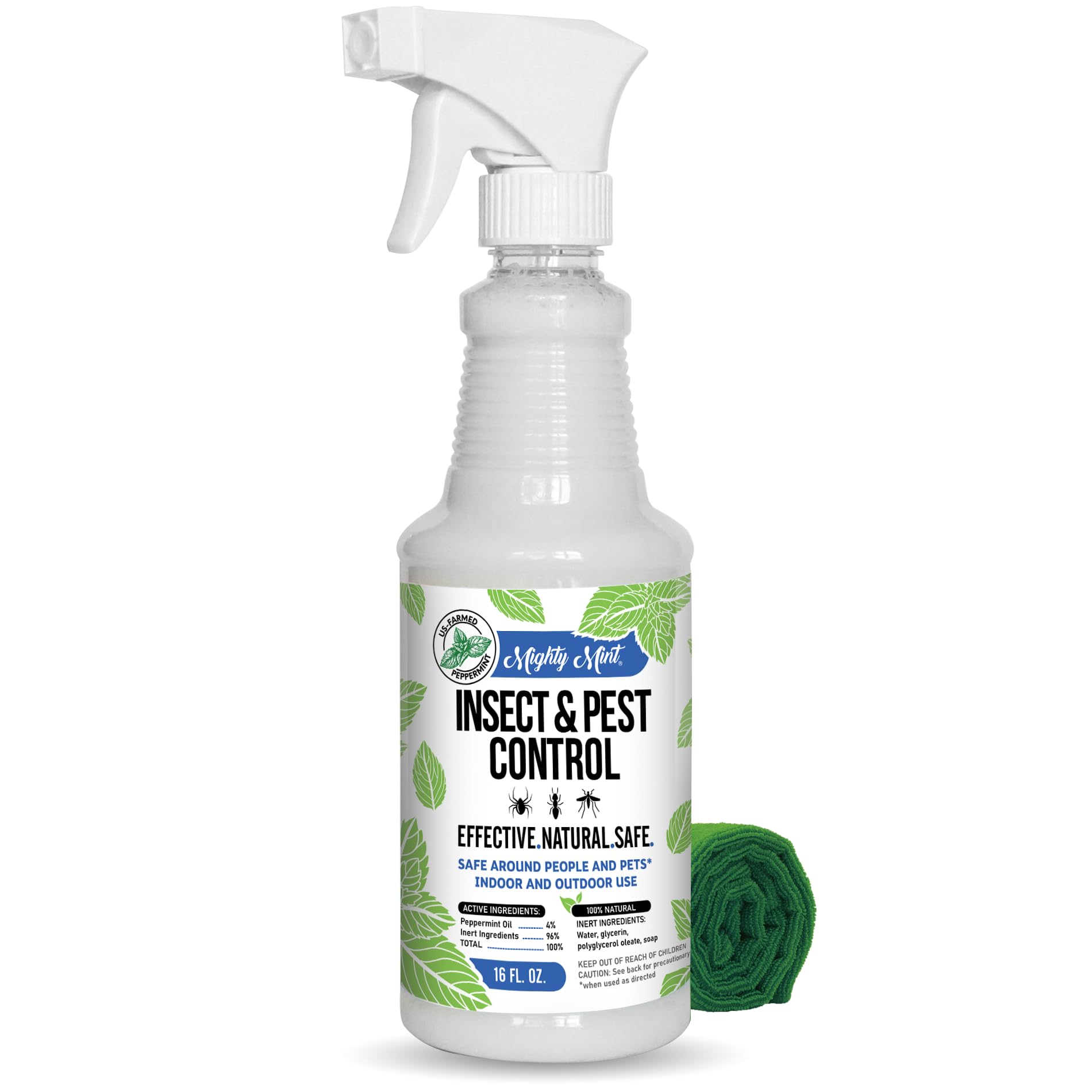
A concentrated peppermint formula I use for quick indoor and outdoor perimeter treatments that’s formulated to be pet- and family-safe when used as directed.
Why I picked it: Powerful peppermint scent, pet-safe formula, ready-to-use bottle.
Best for: Everyday indoor perimeter and patio treatments.
Moderately priced natural option.
Pros
- Pet- and family-safe when used correctly
- Strong, pleasant peppermint aroma
- Works indoors and outdoors
- Ready-to-use spray
Cons
- Scent is noticeable at first
- May require repeat applications
My take
I keep this bottle near my entryways because the peppermint oil blocks spider and ant activity without chemical fumes. The mint scent is fresh rather than medicinal and it lingers just enough to feel like it’s doing something.
I sprayed baseboards, door thresholds, and a few patio corners; in my experience pests moved away from treated areas within a day. The 16-ounce ready-to-use spray made spot treatments fast and low-effort.
If you’re scent-sensitive, expect the aroma to be strong right after application. I sometimes reapply weekly in high-traffic spots during warm months.
2. Wondercide Indoor Pest Control Spray – Best for Frequent Use
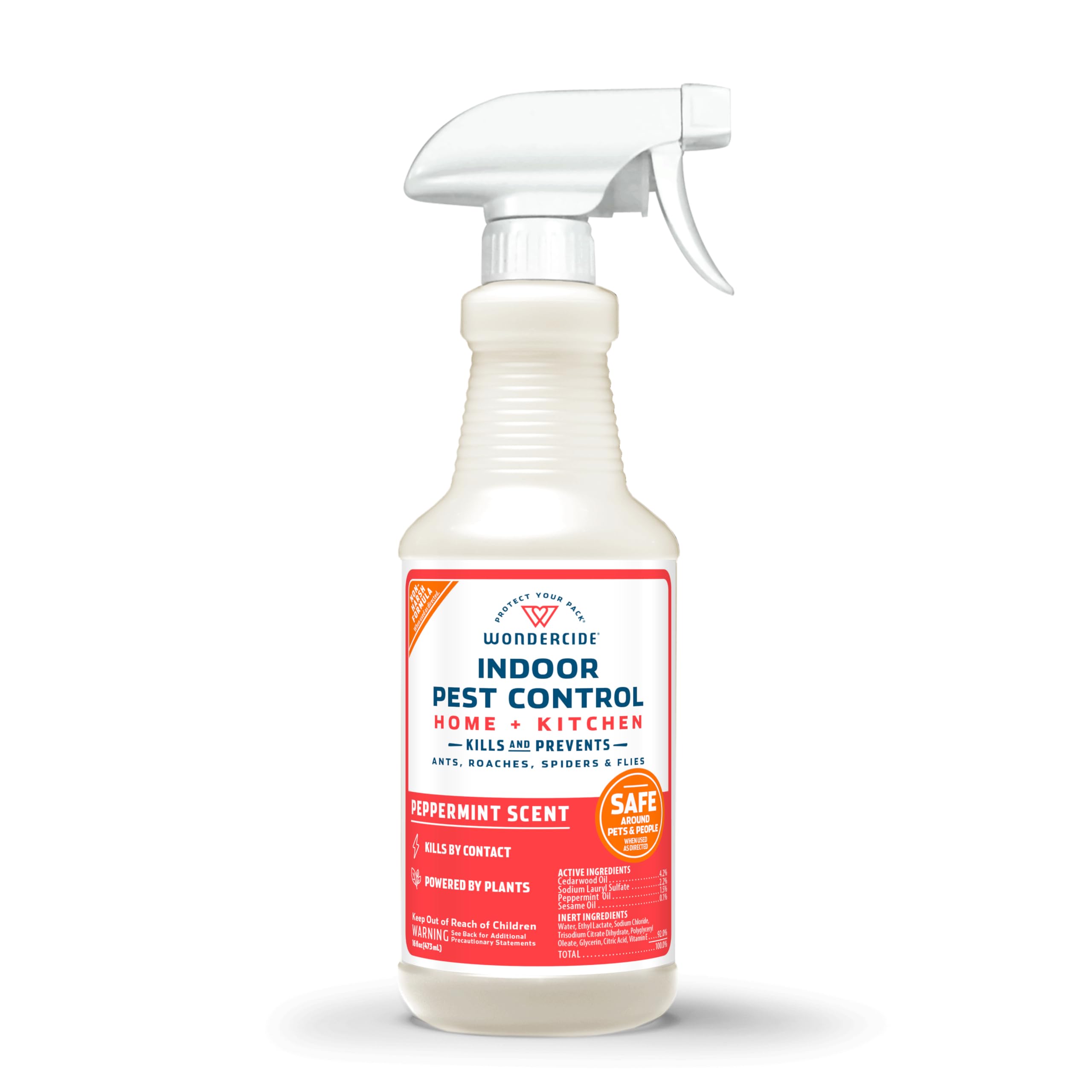
A plant-powered indoor spray I trust for regular use around pets that doubles as a flea treatment and general pest killer.
Why I picked it: Multi-target formula that’s safe for routine use around dogs and cats.
Best for: Homes with pets that need regular, gentle pest control.
Midrange, good value for repeat use.
Pros
- Kills and repels many pests
- Safe for pets when used correctly
- Effective on fleas and ants
- Pleasant natural scents
Cons
- Scent can be strong initially
- Needs periodic reapplication
My take
I used this along baseboards, inside cabinets, and on carpeted zones where my pets nap. It handled ants and small crawling insects on contact and helped reduce flea activity when I treated bedding and furniture.
The essential-oil scent is noticeable at first, so I open a window for a few minutes after spraying. I also avoid using it around birds because the concentrated oils can irritate sensitive respiratory systems.
This is the product I reach for when I want a safer, repeatable treatment I’m comfortable using several times a week.
3. Mighty Mint Peppermint Spider Repellent – Best for Spiders
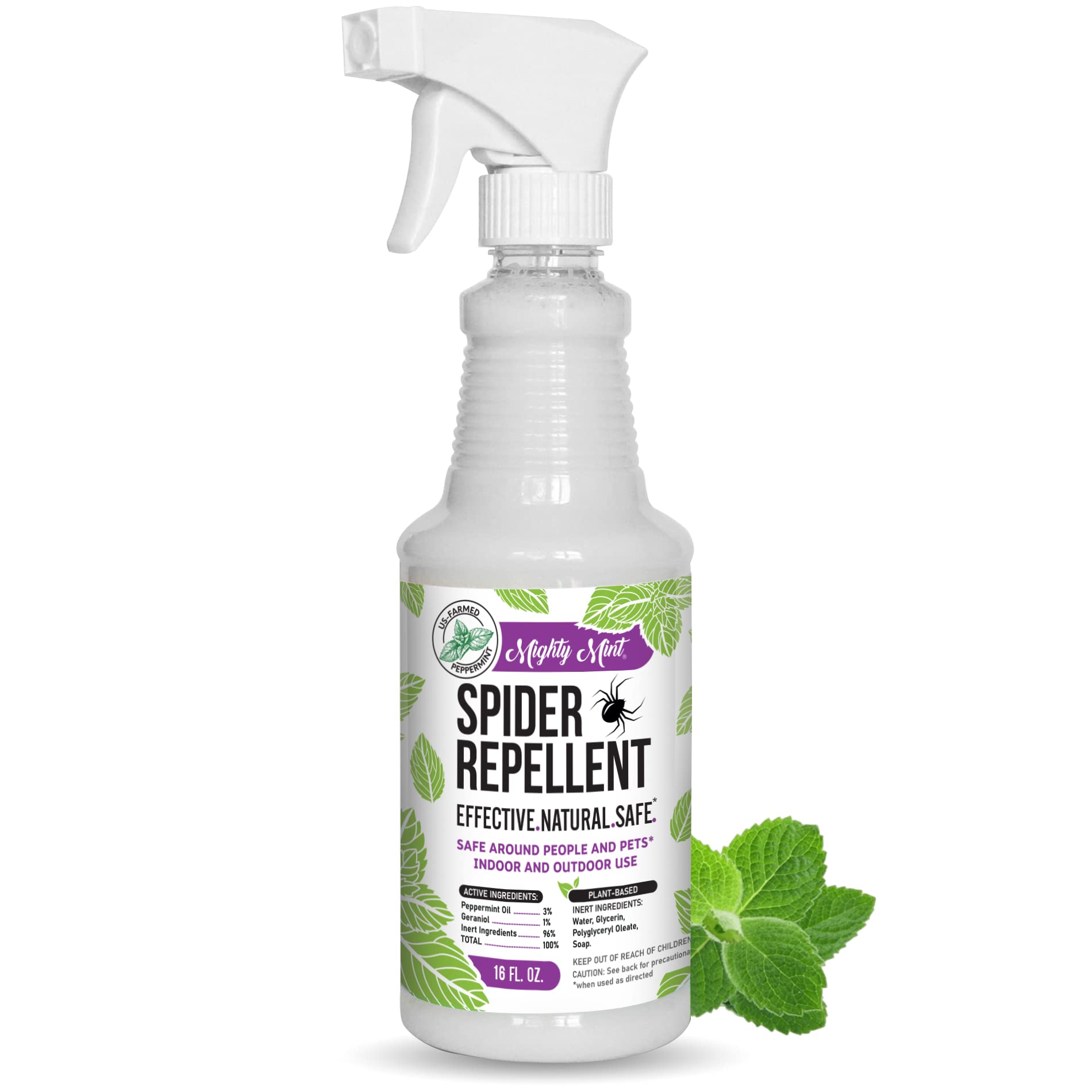
A peppermint-plus-geraniol formula I rely on when spiders are the primary problem; the spray has a strong throw and two spray modes for ceilings and corners.
Why I picked it: Formulated specifically to repel and kill spiders with geraniol boost.
Best for: Targeting spiders on baseboards, corners, and outdoor furniture.
Affordable spider-focused option.
Pros
- Targets spiders effectively
- Pet- and family-safe
- Two spray modes for reach
- Pleasant minty scent
Cons
- Can leave a visible residue
- Smell can be strong at first
My take
When I had webs in outdoor wicker and under eaves, this was the formula that encouraged spiders to abandon treated areas. The geraniol addition seems to add knockdown where plain peppermint alone sometimes won’t.
I used the higher-range spray to reach ceilings and the fine mist for baseboards; coverage was even and the bottle’s modes made it easy to treat high spots without a ladder.
Be mindful on darker painted surfaces—I've seen a faint residue after spraying, so I wipe treated spots after the pests are gone.
4. Eco Defense Biobased Pest Control Spray – Best Organic Blend
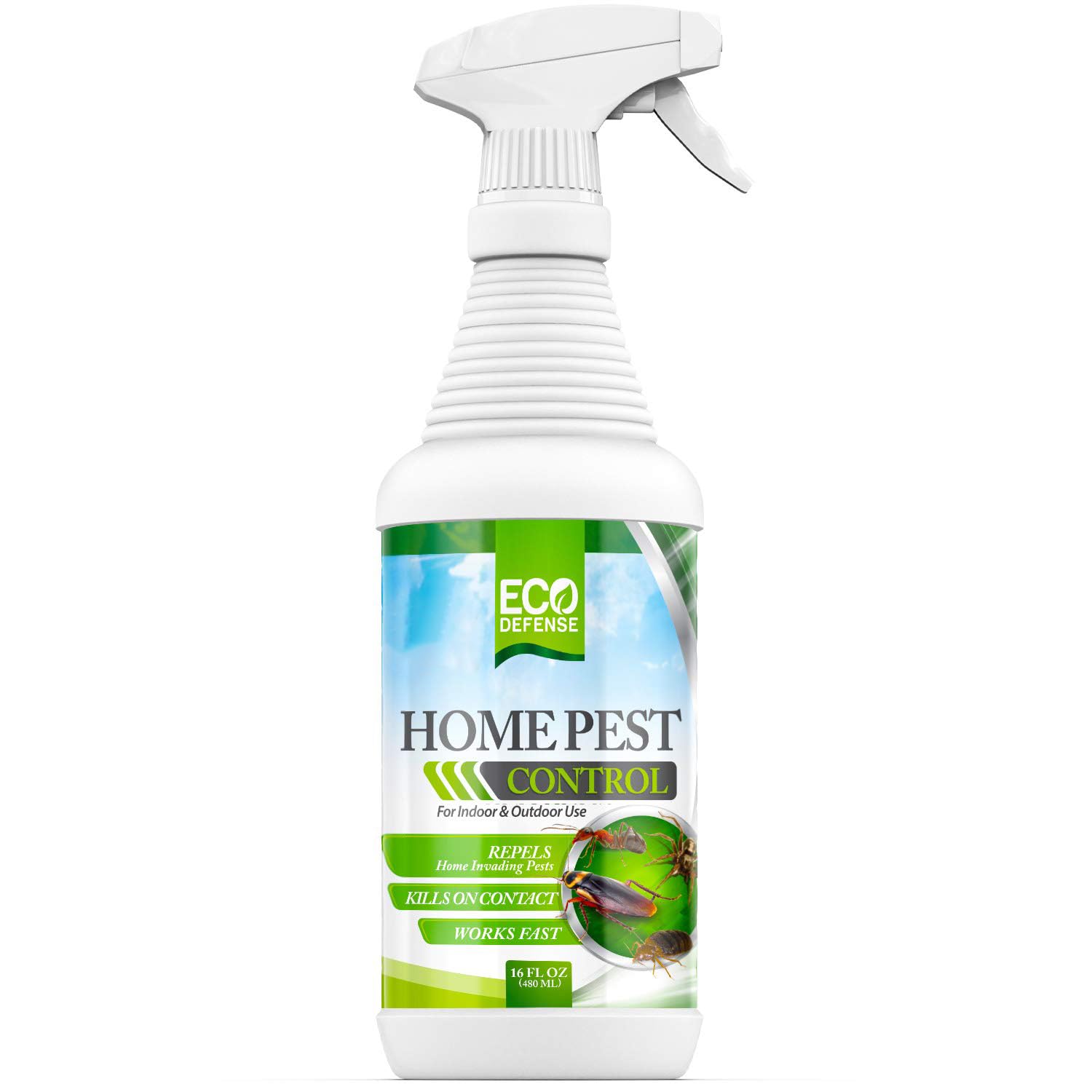
An organic, non-toxic blend I used across porches and entryways; it’s broad-spectrum and intended for people who avoid synthetic pesticides.
Why I picked it: Organic ingredients and broad pest coverage.
Best for: People preferring organic, non-toxic household pest control.
Midrange organic choice.
Pros
- Organic, non-toxic formula
- Broad pest list coverage
- Long-lasting when applied thoroughly
Cons
- Not immediate on all pests
- Sprayer quality varies
My take
I applied this along my front porch, window sills, and garage thresholds. Small pests like ants and spiders were repelled and, over a few days, the treated zones stayed clearer than untreated areas.
For heavy infestations you’ll need to saturate problem spots and repeat applications; it’s not an instant kill for larger roaches but it does act as an effective deterrent for many insects.
A couple of bottles I tried had iffy sprayer heads, so I keep a funnel on hand to refill a sturdier trigger bottle for even coverage.
5. BugMD Clove Oil Insect & Pest Spray – Best Clove Oil Formula
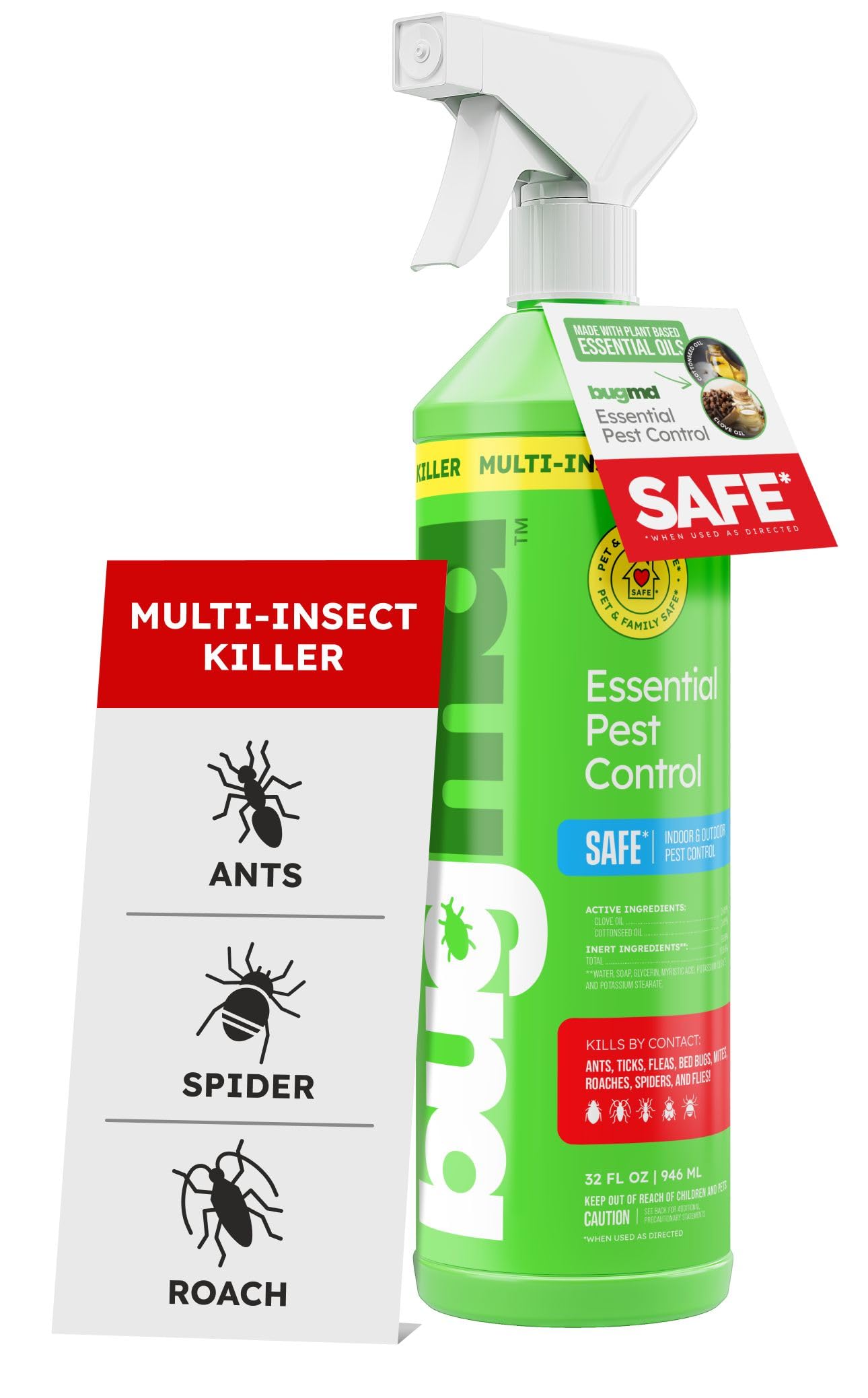
A clove-oil-based option I use when I want a non-pyrethrin killer that aims for on-contact control and lasting repellent action.
Why I picked it: Clove oil acts on insect nervous systems without harsh synthetics.
Best for: Targeted indoor spots and garages where stronger knockdown is needed.
Economical large-bottle option.
Pros
- Clove oil knockdown action
- Free from harsh synthetic insecticides
- Works on a range of pests
Cons
- Effectiveness can vary
- Spray lid durability issues
My take
I sprayed BugMD along ant trails, under sinks, and in crawlspaces. In many cases I saw quick reduction in activity; clove oil felt more aggressive than milder mint sprays.
One annoyance: I received a bottle with a loose spray lid that leaked. I solved that by transferring to a sturdier trigger bottle, which kept application consistent.
Given the plant-based formulation, I appreciated that there were no lingering chemical fumes — just a strong essential-oil scent that fades.
6. Nantucket Tick & Spider Repellent Spray – Best for Ticks & Outdoors
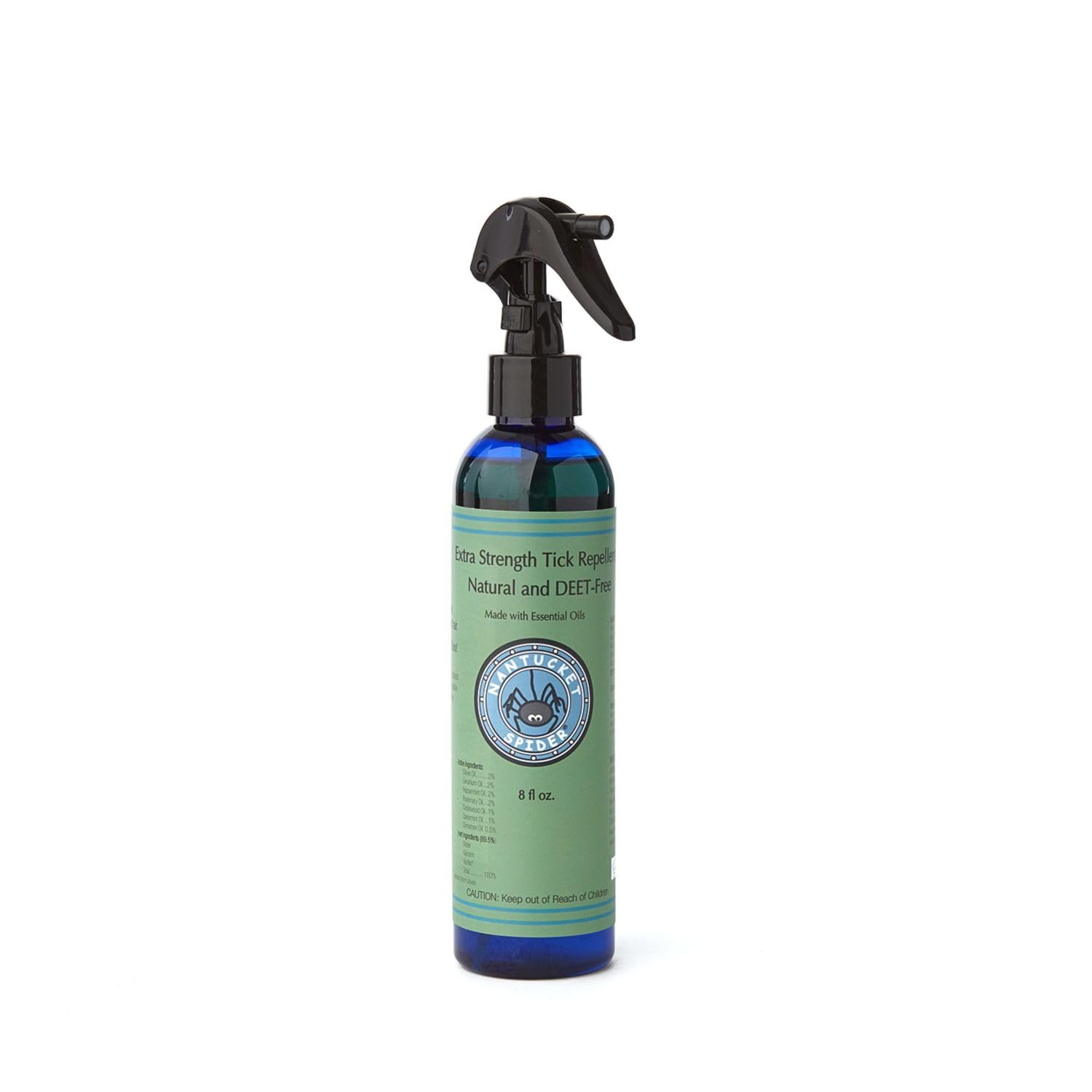
A DEET-free, essential-oil tick repellent I trust for clothing and skin when I’m hiking, gardening, or working in tick-prone areas.
Why I picked it: Lab-tested deer tick repellency and skin-safe formula.
Best for: Outdoor use on clothing, hats, and exposed skin in tick country.
Specialized outdoor protection.
Pros
- Lab-tested for deer tick repellency
- DEET-free and water-based
- Non-greasy feel on skin
- Pleasant vanilla-spice scent
Cons
- Sprayer can be finicky
- Scent may attract mosquitoes for some
My take
I sprayed my hat, cuffs, and the outside of my pants before a day of yard work and felt more confident walking brushy edges. The formula dries quickly and doesn’t leave an oily film.
Independent testing showed strong deer-tick repellency, which is why I bring this bottle on hikes and when I’m working around the perimeter of the yard.
The mist trigger is nice for even coverage, but a few bottles I tried required coaxing to stop leaking—store upright and test the nozzle before you pack it for a trip.
How I Choose Natural Spider Repellents
Active ingredients and what they do
I look for formulas built on essential oils—peppermint, geraniol, clove, cedarwood—because those oils repel spiders and many crawling insects without synthetic pesticides.
For ticks and direct skin application I choose products specifically tested for tick repellency rather than relying on general-purpose sprays.
- Peppermint and geraniol: good for indoor spider deterrence and a pleasant scent.
- Clove oil: stronger knockdown for ants, roaches, and spiders.
- Vanillin-added formulas: help extend repellent longevity, useful outdoors.
Safety around pets and people
I always follow label directions when using any essential-oil spray around pets. Many are formulated to be pet-safe when used as directed, but I avoid spraying directly on small birds or reptiles.
If someone in my household has asthma or severe scent sensitivity, I ventilate treated areas and test a small section first.
- Use only as directed near pets.
- Ventilate indoor areas after application if needed.
- Avoid direct sprays on pet fur unless product explicitly permits it.
Application tips for best results
I treat entry points—doors, windows, baseboards, and porch corners—rather than blanket-spraying rooms. That concentrates protection where pests travel.
Reapplication matters: natural oils dissipate faster than synthetic pesticides, so I schedule touch-ups weekly or after heavy rain outside.
- Focus on perimeter treatments and hiding spots.
- Reapply regularly during active pest season.
- Wipe any visible residue from walls after pests are cleared.
Frequently Asked Questions
Are these sprays safe around pets?
I use products labeled pet- and family-safe and follow directions closely. I avoid spraying directly onto my pets and keep treated areas ventilated until the scent dissipates.
How often should I reapply natural repellents?
In my experience weekly reapplication is common for indoor perimeter work; outdoors I retreated after heavy rain or every few days in peak season.
Will peppermint sprays kill spiders instantly?
From my tests peppermint-based sprays usually drive spiders away and can knock down small insects, but they’re not always immediate killers on larger pests—repeat treatments help.
Can I use the tick repellent on my skin?
Yes—I used the DEET-free tick spray on clothing and exposed skin as directed; it dries quickly and doesn’t leave an oily feel.
Final Take
I keep at least two formulas on hand: a peppermint-based spray for everyday perimeter work and a stronger clove or organic blend for heavy spots. For outdoor activities in tick country I switch to the lab-tested DEET-free repellent.
If you want a single versatile bottle to start with, the peppermint options are my go-to for balance of scent, safety, and convenience. For targeted knockdown or outdoor protection, choose the clove or tick-specific formulas respectively.
