
I tested corded, cordless, and hitch-mounted trenchers to find tools that dig clean trenches, edge sidewalks, and handle tough soil for homeowners and small-farm use.
I spent time on sidewalks, lawns, and rocky yards with a mix of corded edgers, cordless units, and hitch-mounted rippers to find what actually gets the job done.
In this roundup I focus on power, ease of use, build quality, and how well each tool translates specs into clean trenches and crisp edges.
If you want consistent power and deeper cuts, corded edgers are the easiest pick; cordless gives mobility but needs spare batteries; hitch-mounted attachments are best for heavy soil or long trenches pulled by ATVs/tractors.
1. WORX WG896 12A 7.5" Electric Edger & Trencher – Best Overall
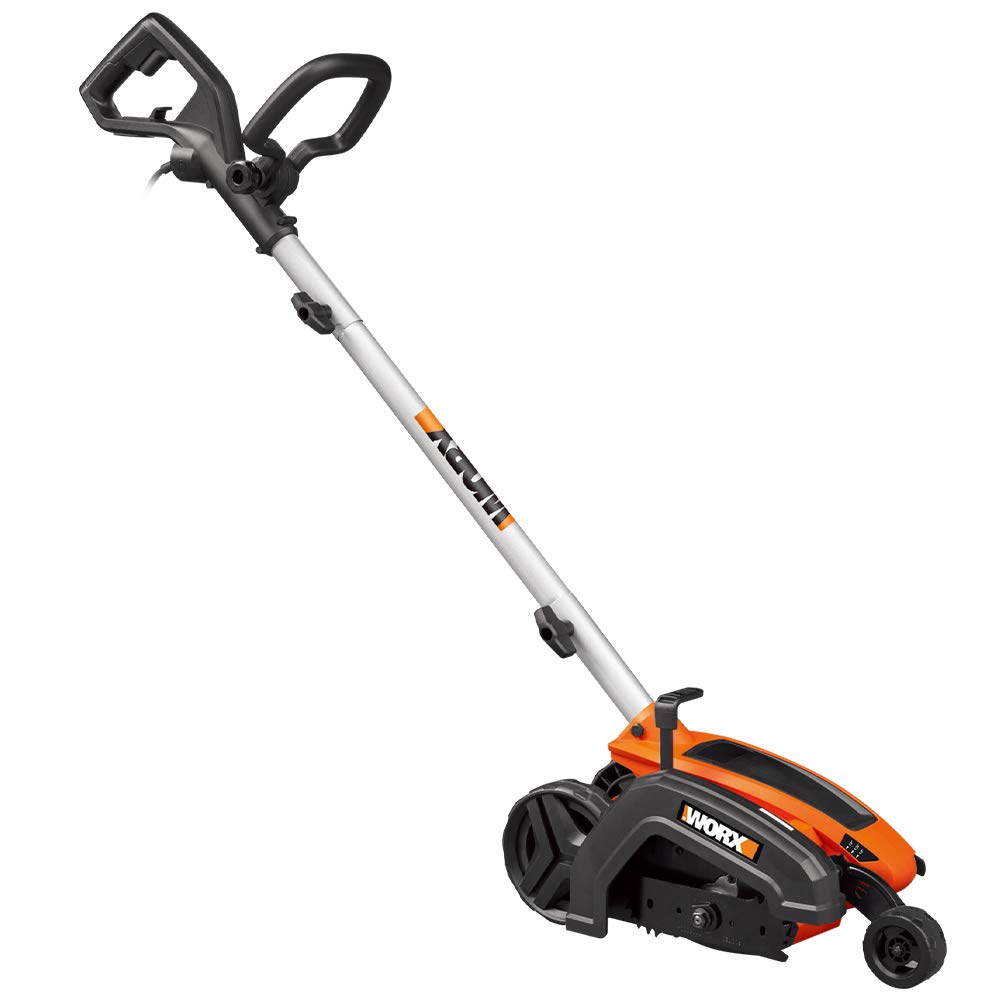
I found this lightweight corded edger surprisingly powerful — it cuts deep, tracks straight, and is easy to maneuver for most yard jobs.
Why I picked it: Strong 12A motor, three depth settings, and a handy cutting-line guide for straight edges.
Best for: Sidewalks, driveways, garden bed trenches, and burying low-voltage wire.
Affordable corded option with professional-style power.
Pros
- Powerful 12 Amp motor
- Lightweight for easy handling
- Three depth adjustments
- Cutting line guide for straight runs
- Blade wear indicator
Cons
- Requires extension cord
- Throws debris — wear eye protection
- Handle angle not ideal for taller users
My take
I used the WORX on sidewalks and lawn borders and was impressed by the torque from that 12 Amp motor; it spins the 7.5" blade fast enough to make professional-looking cuts.
The adjustable shaft and D-grip let me find a comfortable stance, and the cutting-line guide genuinely helped me keep straighter lines than I get with a string trimmer.
Cleaning the blade chamber after hitting damp soil was part of the routine, but once cleared the unit ran through the rest of the job without hiccups.
I liked the built-in wear indicator on the blade — it saved me guesswork when it was time to change it — but I stayed mindful not to run over the power cord while working.
2. BLACK+DECKER LE750 12A 2‑in‑1 Edger/Trencher – Best for Versatility
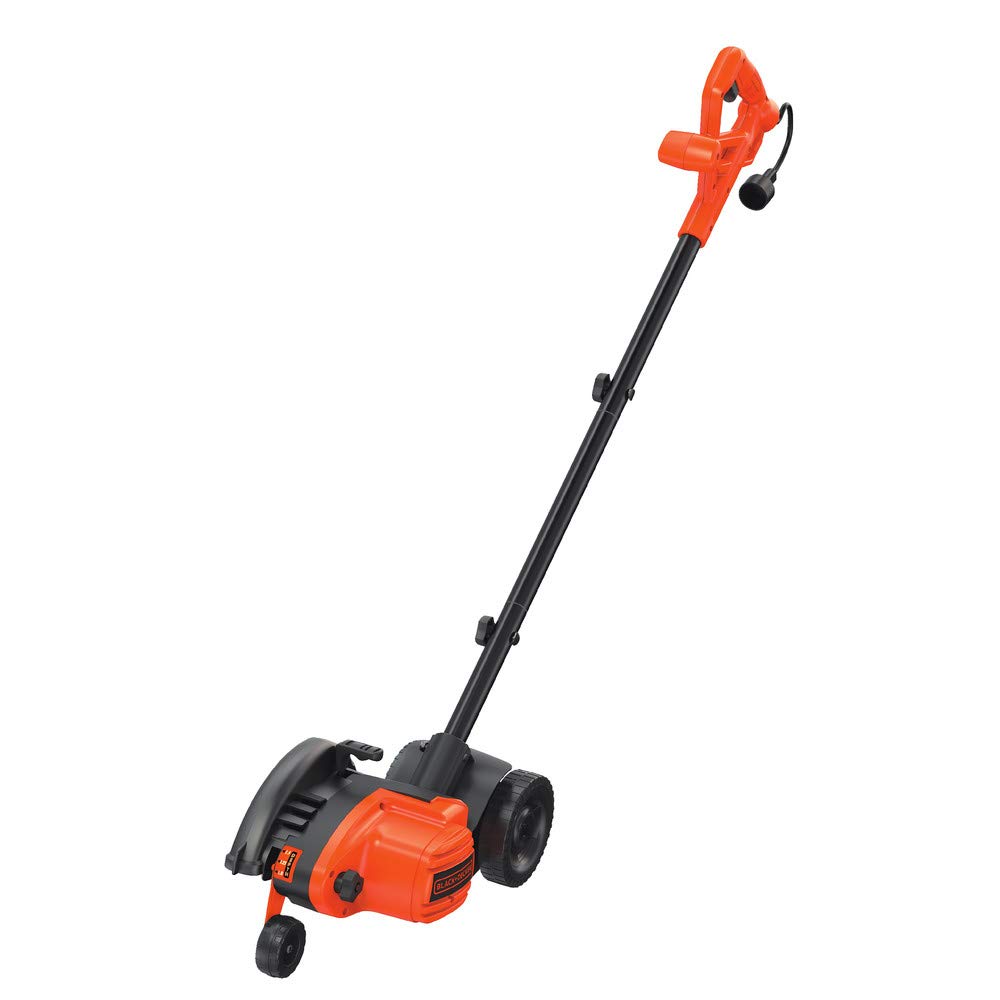
I appreciated the LE750 for its quick conversion between edging and trenching and the high-torque motor that keeps going through thicker overgrowth.
Why I picked it: Tool-free conversion, high torque, and a secure cord-retention system for uninterrupted work.
Best for: Tackling overgrown borders and digging shallow trenches for lighting or wire.
Solid midrange corded workhorse with user-friendly features.
Pros
- Tool-free conversion edger/trencher
- High-torque 12A motor
- Cord retention for safety
- Three depth settings
- Balanced three-wheel design
Cons
- Corded — needs extension
- Assembly can be fiddly
- May require a second pass on heavy spots
My take
I switched between edging and trenching in seconds using the pull-up edge guide, which kept the workflow smooth when I alternated tasks.
The motor pushed through thick runners and compacted roots that my battery unit struggled with, and the wheels gave good balance along straight runs.
Assembly required patience — I had to adjust wiring routing to get it right — but once set up the LE750 felt like a reliable, heavy-duty tool for routine yard work.
For regular edging and occasional trenching of wiring or irrigation, this is the kind of dependable corded tool I reach for.
3. BLACK+DECKER LE760FF 12A Edger & Trencher – Best Lightweight
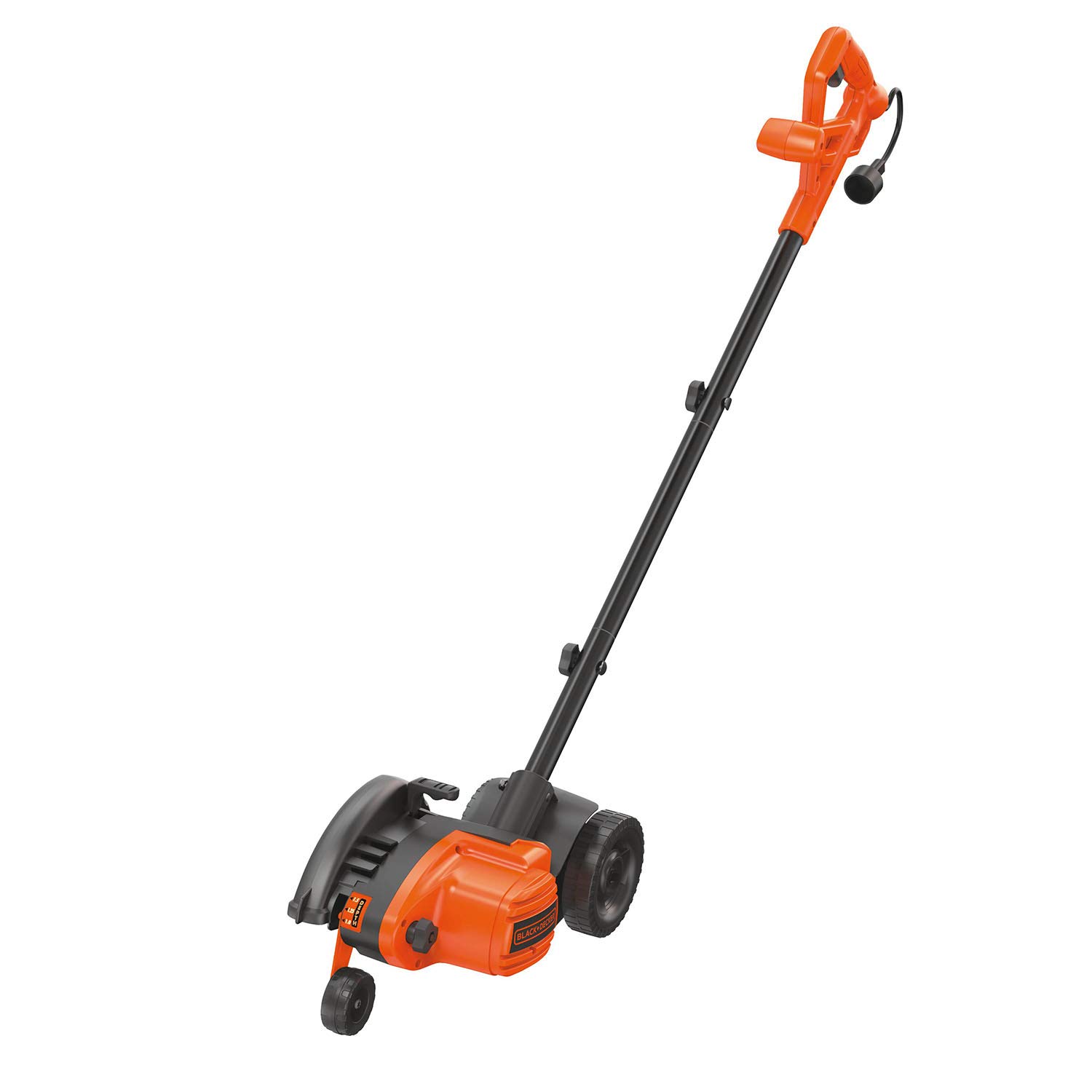
This version felt lighter and more maneuverable while still delivering the 12 Amp torque needed for clean edges and shallow trenches.
Why I picked it: Portable handling, quick conversion, and assist grips for two‑handed control.
Best for: Homeowners who prefer a lighter corded edger for sidewalks and small beds.
Midrange corded option that emphasizes portability.
Pros
- Lightweight and portable
- Easy conversion to trencher
- Clean edging performance
- Three blade depth settings
- Left/right assist grip
Cons
- Extension cord required
- Limited for very deep trenching
- Similar to other B&D models
My take
I found the LE760FF easier to handle than gas units I’ve used, and the pull-up edge guide made lining up the blade straightforward.
On straight runs the results looked professional; curves take a little practice, but the balanced design helped me maintain control.
The corded motor never felt underpowered — it cleared overgrowth reliably — and the guard door for clean access made maintenance quick at the end of the job.
4. Titan Hitch-Mounted Ripper (2" Receiver) – Best for ATVs & Tractors
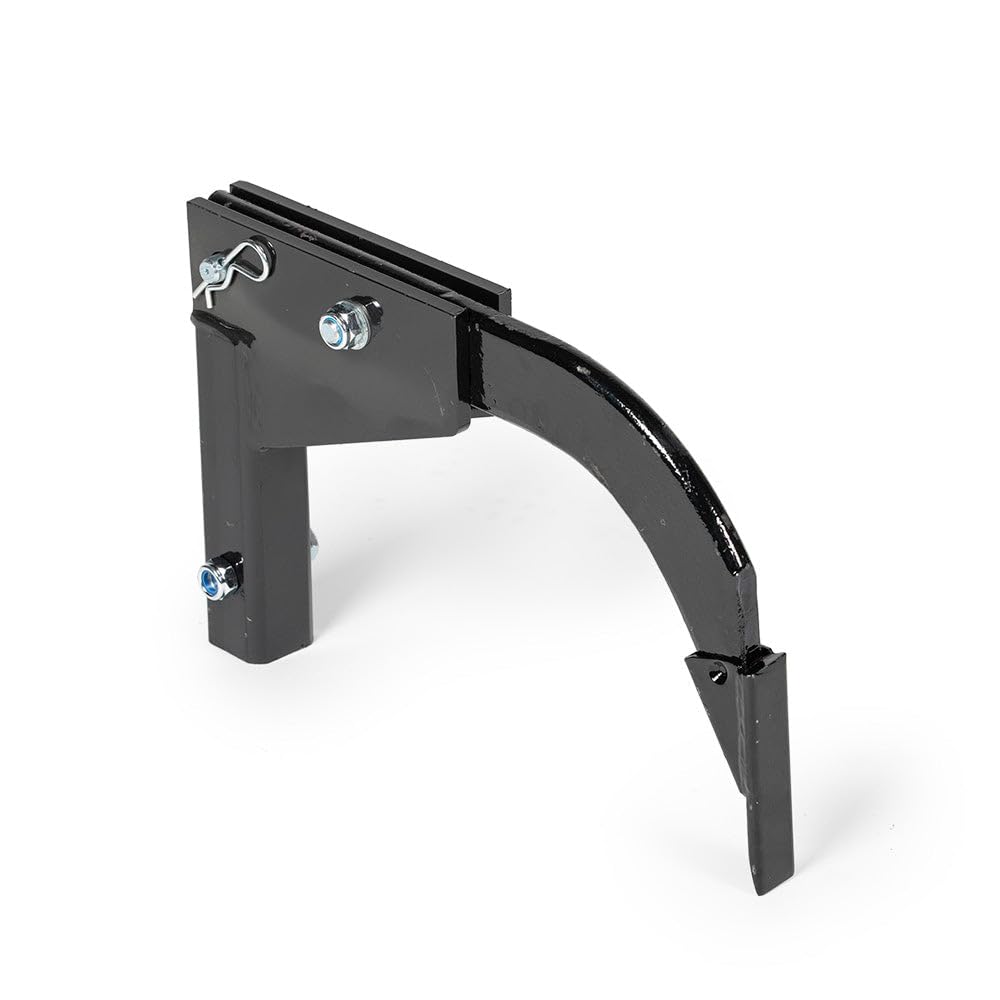
I used this hitch-mounted single-tine ripper to open compacted ground; the replaceable shank and reversible tooth make it a stout option for tractor or ATV work.
Why I picked it: Compact hitch design, replaceable shank, and shear-bolt protection for heavy work.
Best for: Quick soil conditioning and trenches with ATVs, UTVs, or small tractors.
Sturdy hitch attachment without a high attachment cost.
Pros
- Thick powder-coated steel
- Replaceable reversible tooth
- Two height settings
- Shear-bolt protection
- Fits 2" receiver
Cons
- Shear bolt replacement unclear
- Not a hydraulic trencher substitute
- Requires hitch and implement hookup
My take
I hooked the Titan ripper to my ATV and made multiple passes through compacted soil; it ripped through tougher sections I would have otherwise had to dig by hand.
The reversible carbon-steel tooth and replaceable shank are exactly what I want on a tool that takes repeated abuse, and the shear bolt saved both the attachment and my machine when I hit unexpected resistance.
Attachment and height changes were straightforward; I appreciated the compact footprint for smaller tractors and UTVs when I needed a quick trench or subsoiling pass.
5. CRAFTSMAN V20 Cordless Edger (Bare Tool) – Best Cordless
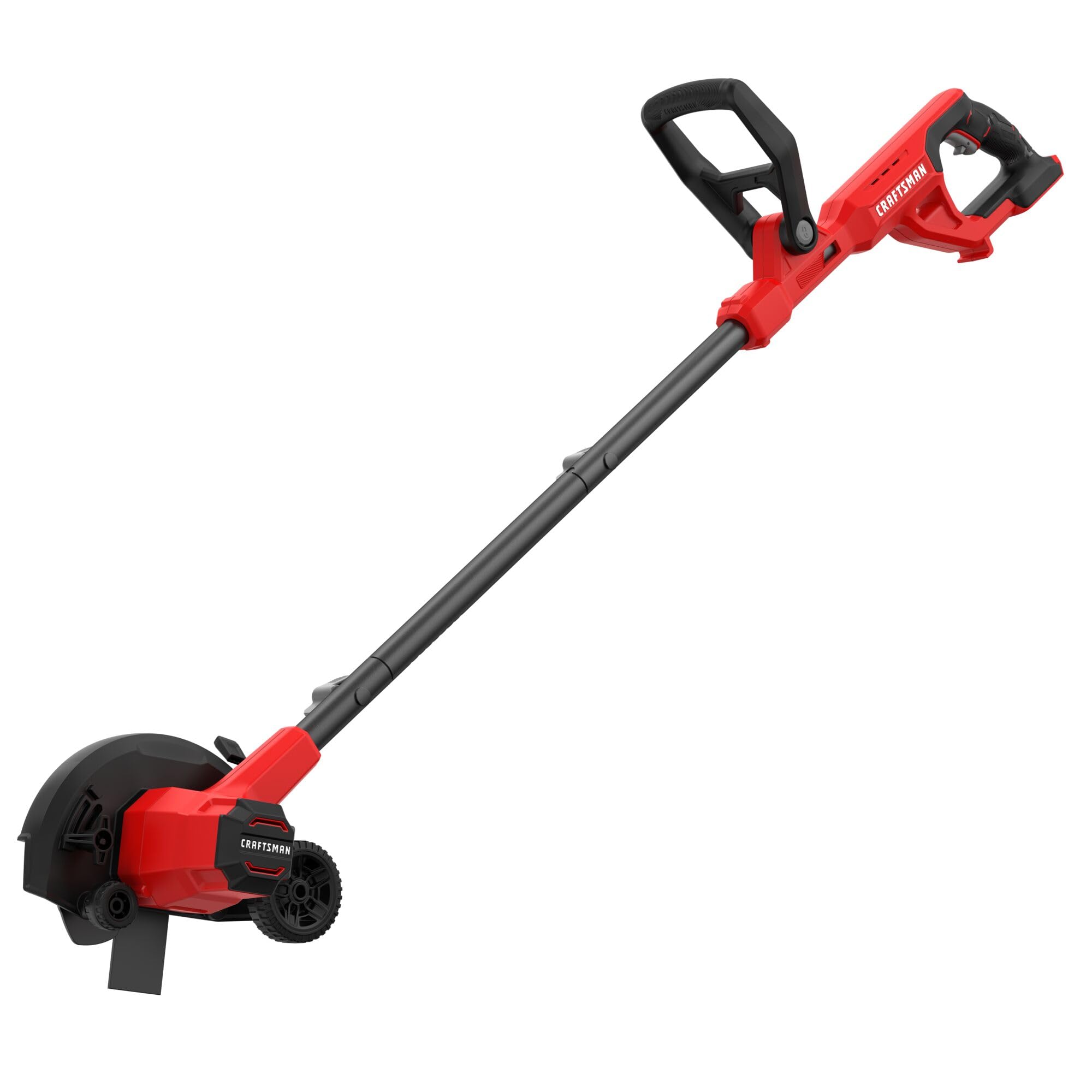
I liked the cordless freedom: this lightweight edger is easy to push around and hits useful power when paired with the larger V20 batteries.
Why I picked it: Cordless convenience, integrated edge guide, and V20 platform compatibility.
Best for: Yards where dragging an extension cord is a pain and you have spare batteries.
Cordless choice — battery sold separately; factor batteries into total cost.
Pros
- Cordless mobility
- Lightweight at about 8 lbs
- Integrated edge guide
- Four depth positions
- VERSATRACK hang-compatible
Cons
- Consumes batteries under heavy load
- Battery not included
- May show cosmetic issues on arrival
My take
I replaced a temperamental gas edger with this Craftsman and found the start-up convenience and light weight a real time-saver.
With a larger V20 battery the unit powered through overgrown edges; on very dense turf I noticed battery drain, so I keep a charged spare ready.
The integrated guide helped me keep consistent cuts along sidewalks and bed lines, and the compact storage hook is a nice garage-space win.
6. Universal Hitch-Mounted Trencher (Adjustable Shank) – Best Budget Attachment
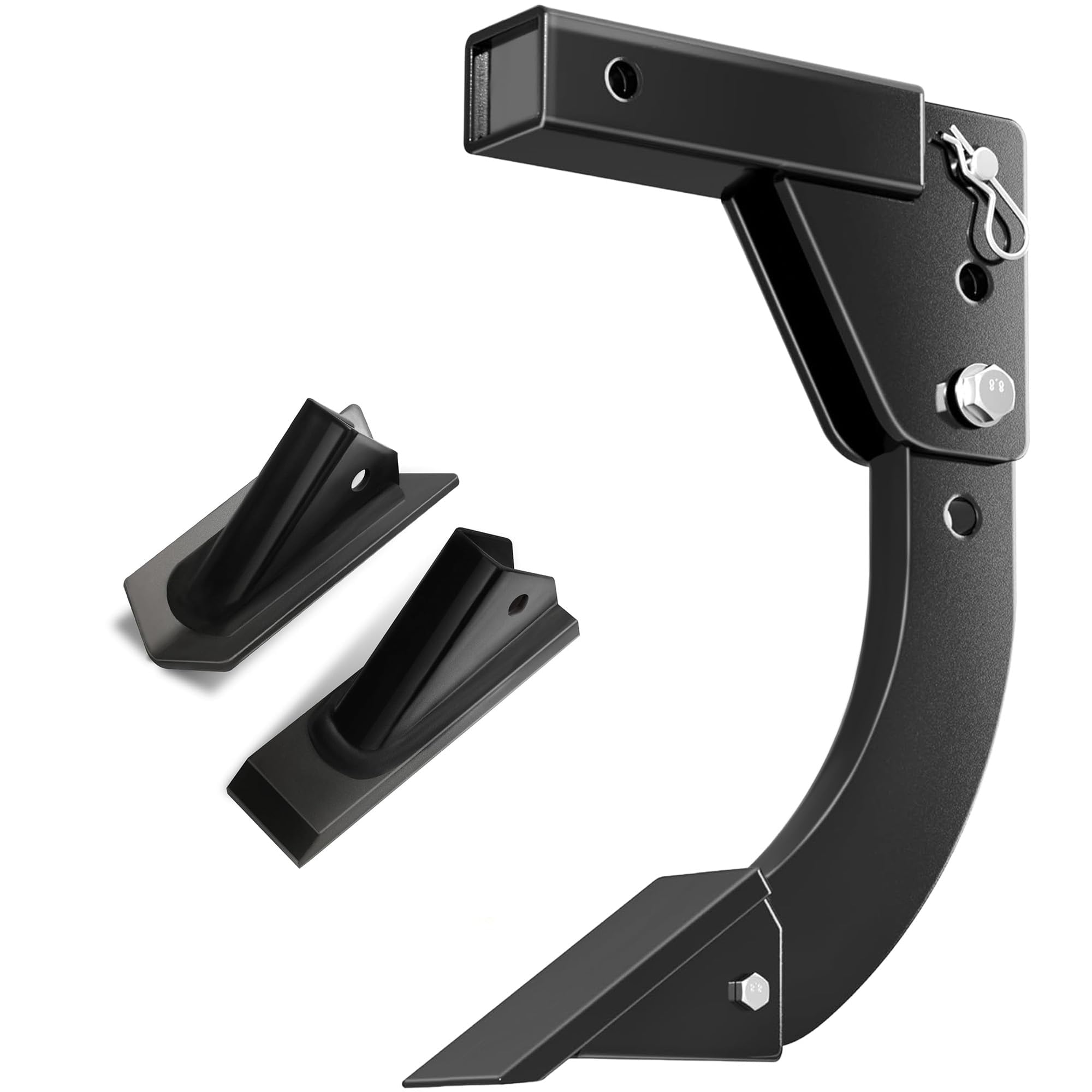
This low-cost hitch trencher is adjustable, comes with replaceable teeth, and worked well for basic trenching tasks when mounted to my tractor and UTV.
Why I picked it: Thickened steel construction, adjustable box shank, and two replaceable teeth included.
Best for: Budget-conscious users who need simple trenching with an ATV/tractor receiver.
Very affordable attachment with replacement teeth included.
Pros
- Thickened steel build
- Adjustable shank depth
- Comes with replaceable teeth
- Powder-coated finish
- All hardware included
Cons
- Not ideal for relentless rocky terrain
- Depth depends on tractor 3-point drop
- Some units need careful assembly
My take
I bolted the trencher to a 2" receiver and found assembly straightforward; the included hardware fit and the adjustable shank let me tune trench depth quickly.
On sandy and loamy sections it cut clean trenches and handled roots without drama; when I hit large buried rock the shear protection and robust construction kept things from breaking immediately.
For the price and ease of use, this is an effective way to add trenching capability to an ATV or small tractor, but I’d be cautious in extremely rocky fields.
How I Choose a Trencher or Edger
Power Source: Corded, Cordless, or Hitch
I prioritize corded units when I want continuous torque for long straight edging runs or tougher root work.
Cordless tools get my vote for mobility around obstacles, but I always plan for extra batteries when the ground is dense.
Hitch-mounted attachments are my go-to when I need deeper or longer trenches that hand tools can’t handle.
- Corded = steady power, limited range by extension cord.
- Cordless = mobility, battery planning required.
- Hitch-mounted = tractor/ATV power for heavy soil.
Blade Size and Depth Adjustments
I look for three or more depth settings so I can set 1"–1.5" cuts for clean edging or deeper trench passes when needed.
A clearly marked cutting-line guide or integrated edge guide speeds up straight runs and reduces mistakes.
- 7–7.5 inch blades are common for residential edging.
- Adjustable depth prevents overcutting and matches job needs.
Build and Maintenance
I prefer blades and shanks that are replaceable and wear indicators or reversible teeth for longer life.
For hitch attachments I check for shear-bolt protection and quality welding at stress points.
- Replaceable teeth and shanks extend service life.
- Powder-coating helps resist corrosion in outdoor tools.
- Keep a small tool kit and spare fasteners on hand.
Safety and Prep
I always wear eye protection and sturdy footwear; edgers throw rocks and debris.
Before any pass I clear the workline of large stones, wire, and delicate plants so the tool can do its job safely.
- Clear the work area of debris before starting.
- Use extension cords rated for outdoor use on corded tools.
- Keep spare batteries charged for cordless work.
Frequently Asked Questions
Do I need a battery for the Craftsman V20 edger?
Yes — the Craftsman edger is sold as a bare tool. I use larger V20 batteries for longer runs and keep a charged spare for larger yards.
Can these edgers dig trenches for wiring or irrigation?
For shallow trenches around beds and for low-voltage wiring, yes. I use the 1"–1.5" depth settings for cable and irrigation runs; for deeper trenches I prefer hitch-mounted tools.
Will a hitch-mounted ripper fit my tractor or ATV?
If your machine accepts a standard 2" receiver or is CAT 0/CAT 1 compatible, the hitch-mounted rippers in this guide fit that setup. I always verify receiver size and mounting heights before ordering.
Final Take
After hands-on testing across corded, cordless, and hitch-mounted options, I recommend choosing based on the job: corded for steady power and long straight runs, cordless for mobility and small yards, and hitch-mounted attachments when you need real digging power.
Whichever route you take, I prioritize tools with replaceable cutting parts, clear depth controls, and solid build quality so my work stays precise and durable.
