
I tested the Microplane lineup so you can pick the right zester, cheese grater, or spice mill for your kitchen. Here are the tools I reach for and why.
I live in a kitchen where bright citrus zest, freshly grated Parmesan, and a dusting of nutmeg make the difference between good and great. Over time I built a small collection of Microplane tools and put them through daily cooking tasks.
This roundup focuses on the Microplane models I actually use: the handheld zesters, paddle-style fine graters, a professional shaver, and a dedicated spice mill. I’ll explain what each one does best and when I grab it instead of another tool.
If I need fine, powder-like results I reach for the Gourmet or Home Series fine graters; for continuous volume and wide ribbons I use the Professional shaver; the spice mill is my go-to for safe, onboard nutmeg and cinnamon grinding.
1. Microplane Zester Grater — Dusty Rose – Best Overall
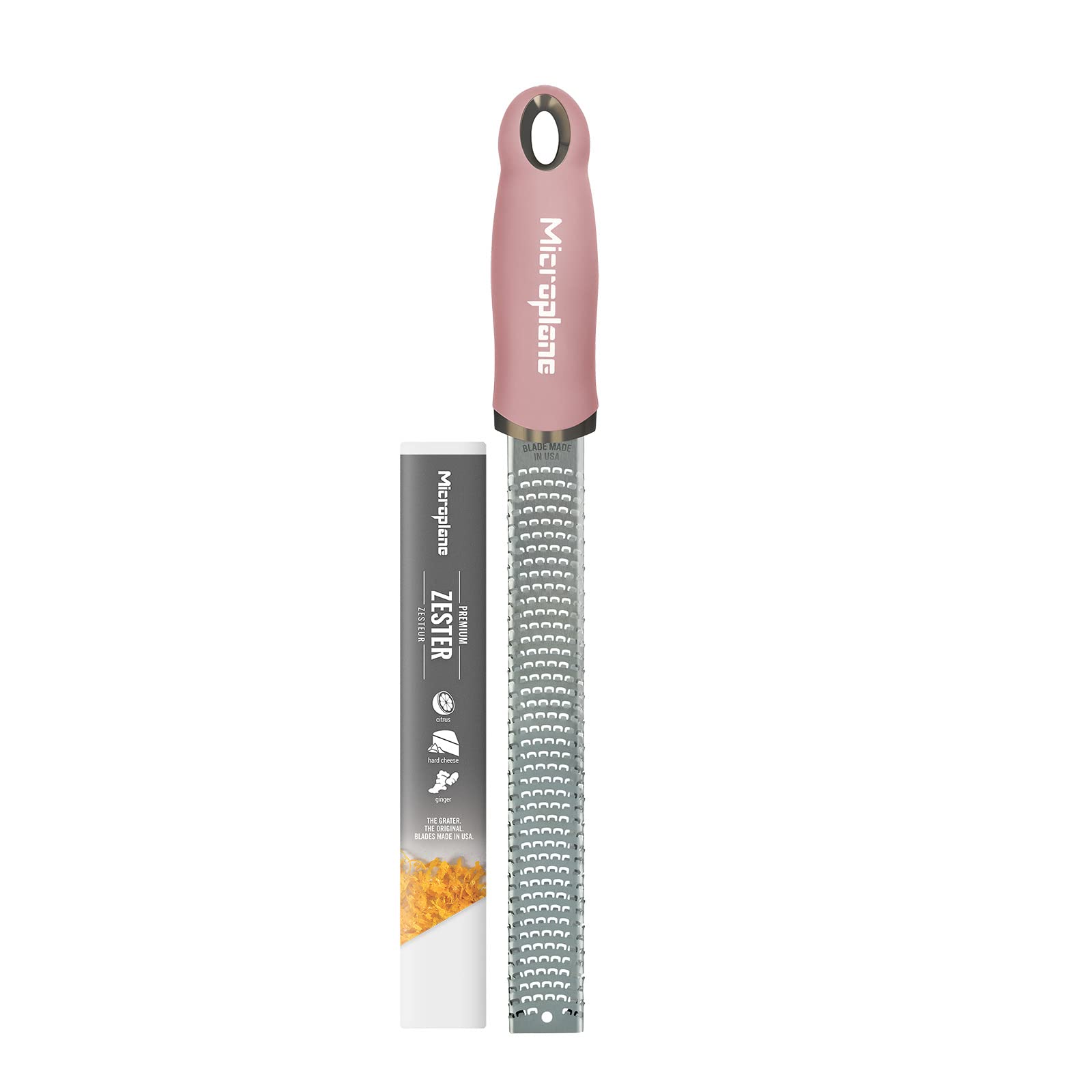
My most-used zester for citrus, ginger, chocolate and nutmeg.
Why I picked it: Ultra-sharp US-made blade that handles zesting and fine grating effortlessly.
Best for: Zesting citrus, mincing ginger/garlic, fine chocolate or nutmeg shavings.
Mid-range — a worthwhile investment for frequent cooks.
Pros
- Ultra-sharp surgical-grade blade
- Versatile: citrus, ginger, chocolate, nutmeg
- Dishwasher safe for easy cleanup
- Magnetic-friendly stainless steel
- Protective cover included
Cons
- Pricier than basic zesters
- No dedicated non-slip base
My take
This is the zester I reach for when I want fine, fluffy citrus peel and delicate cheese shavings. The photo-etched surgical stainless blade (made in the U.S.) cuts cleanly and leaves the bitter pith behind, so I get bright flavor without bitterness.
I also use it for ginger and garlic when I want a paste-like result; the sharp teeth turn them into fine shreds quickly and with minimal effort. The tool feels sturdy in my hand and the longer, thinner shape lets me work across a pan or bowl comfortably.
Cleaning is simple — I rinse right away or run it in the dishwasher. The protective cover is handy for storage and helps keep the blade sharp. While it’s more expensive than the most basic zesters, I find the performance and durability justify the price when I cook often.
2. Microplane Classic Zester Grater — Black – Best Value
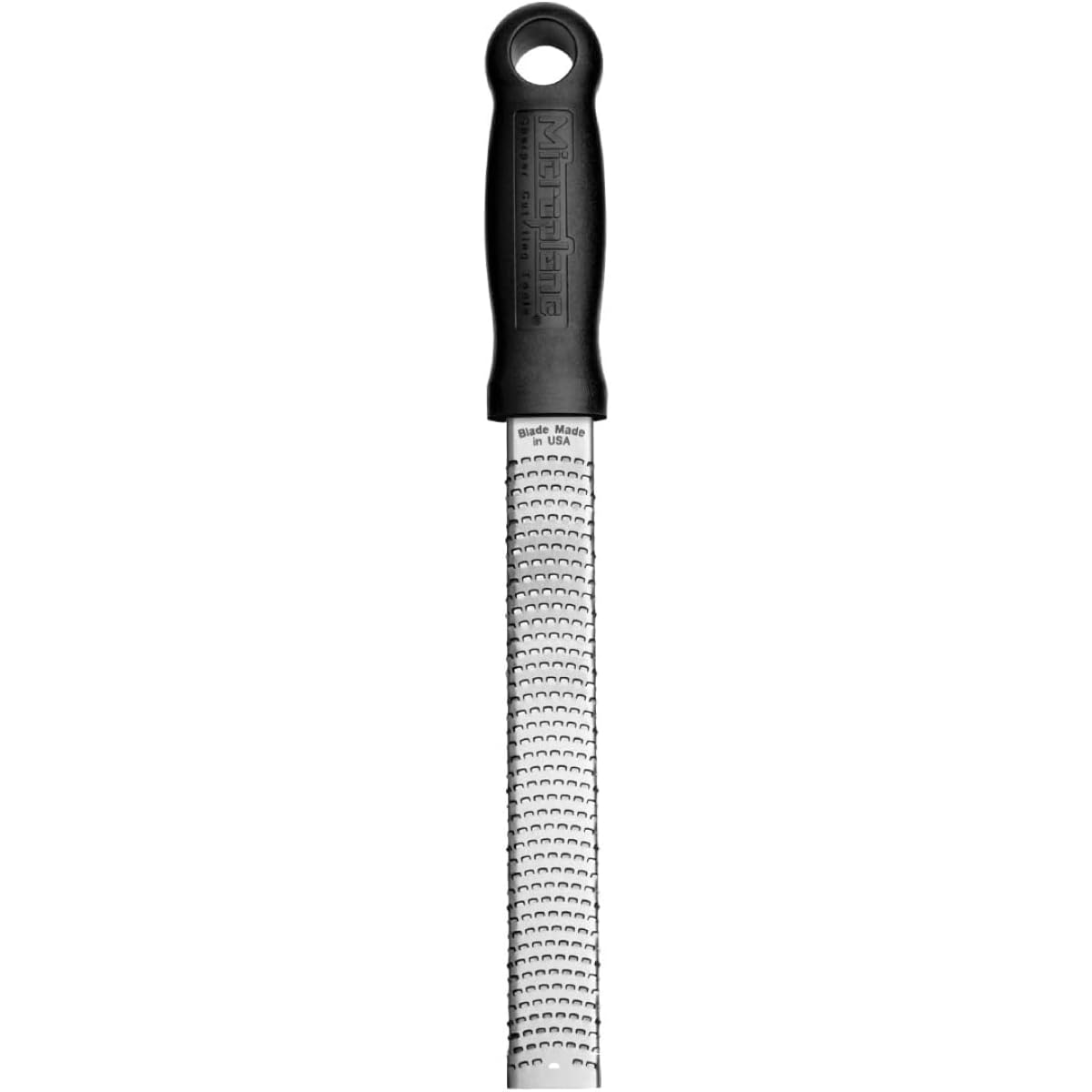
A dependable, affordable classic zester I keep on hand.
Why I picked it: Sharp blade and comfortable handle deliver consistent daily performance.
Best for: Everyday citrus zesting and fine Parmesan grating.
Budget-friendly staple for everyday use.
Pros
- Ultra-sharp blades
- Comfortable BPA-free handle
- Dishwasher safe
- Compact and easy to store
Cons
- Can take time to clean
- Not ideal for heavy shredding tasks
My take
This is the classic Microplane I grab for routine tasks. It zests lemons and limes effortlessly and makes light, fluffy piles of Parmesan that melt quickly on pasta and eggs.
The handle sits comfortably in my hand, and the grating plane is long enough to work across a bowl or pan. I do find that small bits of peel can cling to the blade, so I either rinse immediately or scrub briefly with a brush after use.
For everyday cooking this model gives me professional-feeling results without fuss, and it’s the one I recommend when someone wants a reliable, no-frills zester.
3. Microplane Gourmet Fine Grater – Best for Fine Cheese
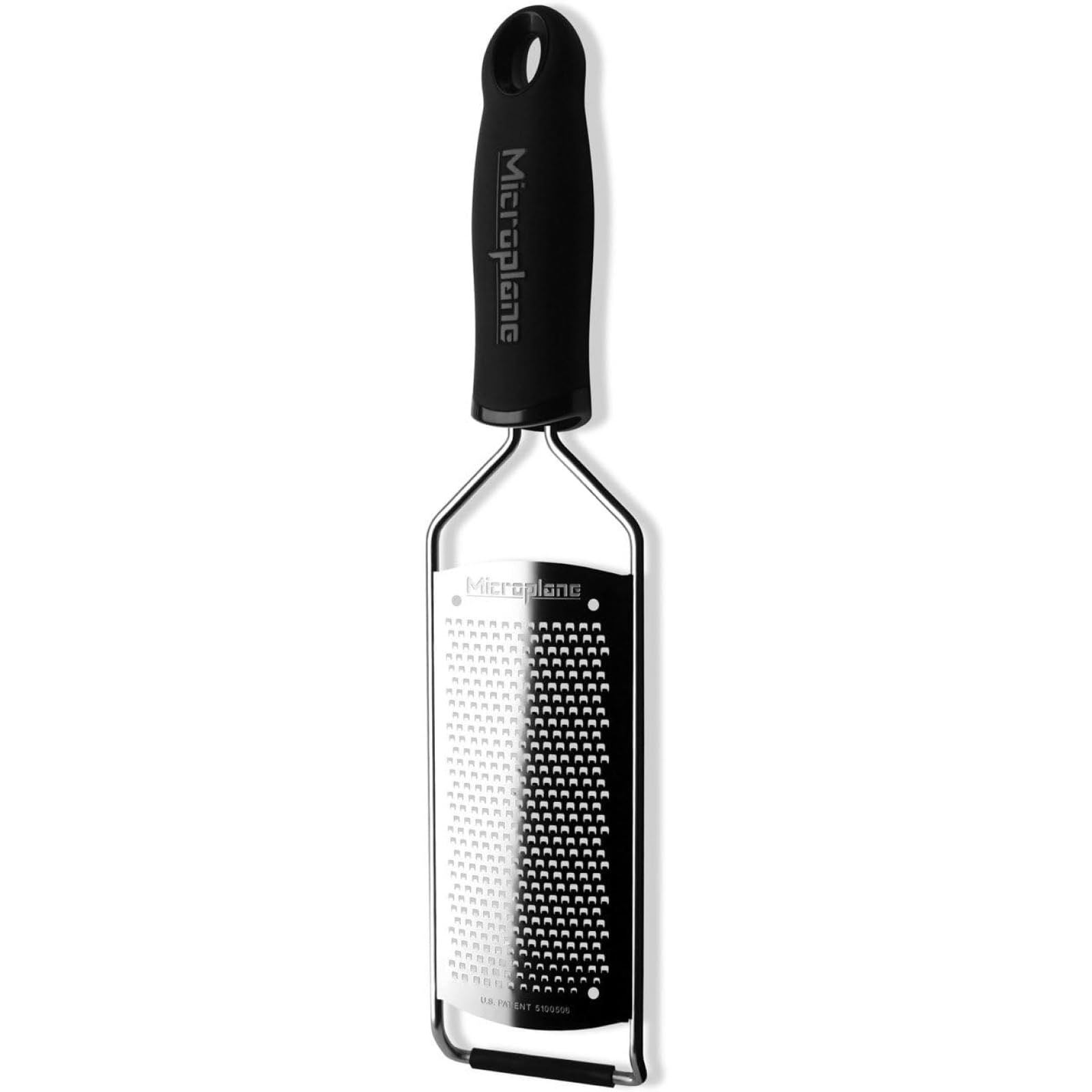
Makes powder-like grates from hard cheeses and whole spices.
Why I picked it: Designed to create fine, melt-friendly textures for aged cheeses and nutmeg.
Best for: Parmesan, Asiago, Manchego, whole nutmeg and citrus zest.
Slightly pricier — tailored to cheese and spice precision.
Pros
- Produces powder-like texture
- Well-made and sharp
- Large grating surface
Cons
- Not suitable for soft cheeses
- Sticker glue issue reported on some units
My take
When I want freshly grated Parmesan that blends into sauces and salads without graininess, this is the grater I use. The fine teeth produce a light, powdery result that elevates dishes compared with pre-grated options.
It’s also excellent for whole nutmeg and finely zesting citrus when I need almost dust-like bits. The workmanship feels solid and it’s easy to use across a bowl.
A few people have noted a barcode sticker glued to the back that can be stubborn; when I encountered it I peeled carefully and cleaned the area. Otherwise, performance and durability are what I expect from Microplane.
4. Microplane Manual Spice Mill – Best for Spices
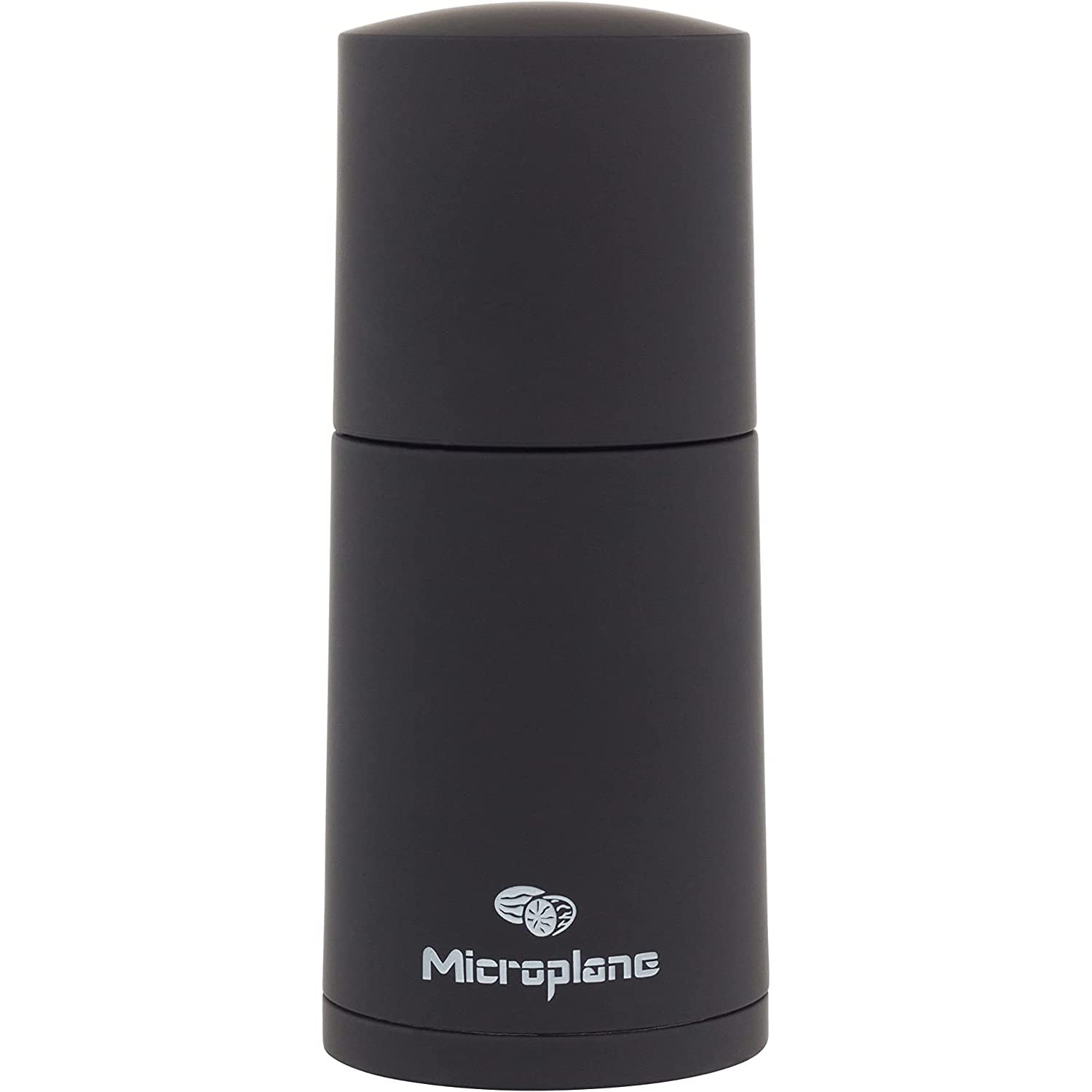
A finger-safe mill that grinds nutmeg, cinnamon and hard spices.
Why I picked it: Enclosed, twist-to-grind design keeps my fingers away from the blade.
Best for: Fresh nutmeg, cinnamon, long pepper and other hard whole spices.
Mid-range specialty tool for fresh spices.
Pros
- Finger-safe enclosed design
- Onboard airtight spice storage
- Consistent fine grind
- Easy twist operation
Cons
- Not for high-volume grinding
- Top-rack or hand wash recommended
My take
This spice mill is the unit I use when I want fresh nutmeg on eggnog or a dash of ground cinnamon on coffee. The silo stores extra whole spice and the plunger/twist mechanism grinds without exposing my fingers to an open blade.
I like that grinder pressure changes the output slightly — pressing a bit harder gives a denser grind — and the finish feels pleasant in hand. For small amounts of tough spices it’s fast and tidy.
Cleaning is straightforward: I rinse and avoid soaking, and I’ve learned to skip the main dishwasher to preserve the seals. This tool isn’t meant for bulk grinding, but for the handful of grates I use per recipe it’s ideal.
5. Microplane Professional Large Shaver – Best for Ribbons & Volume
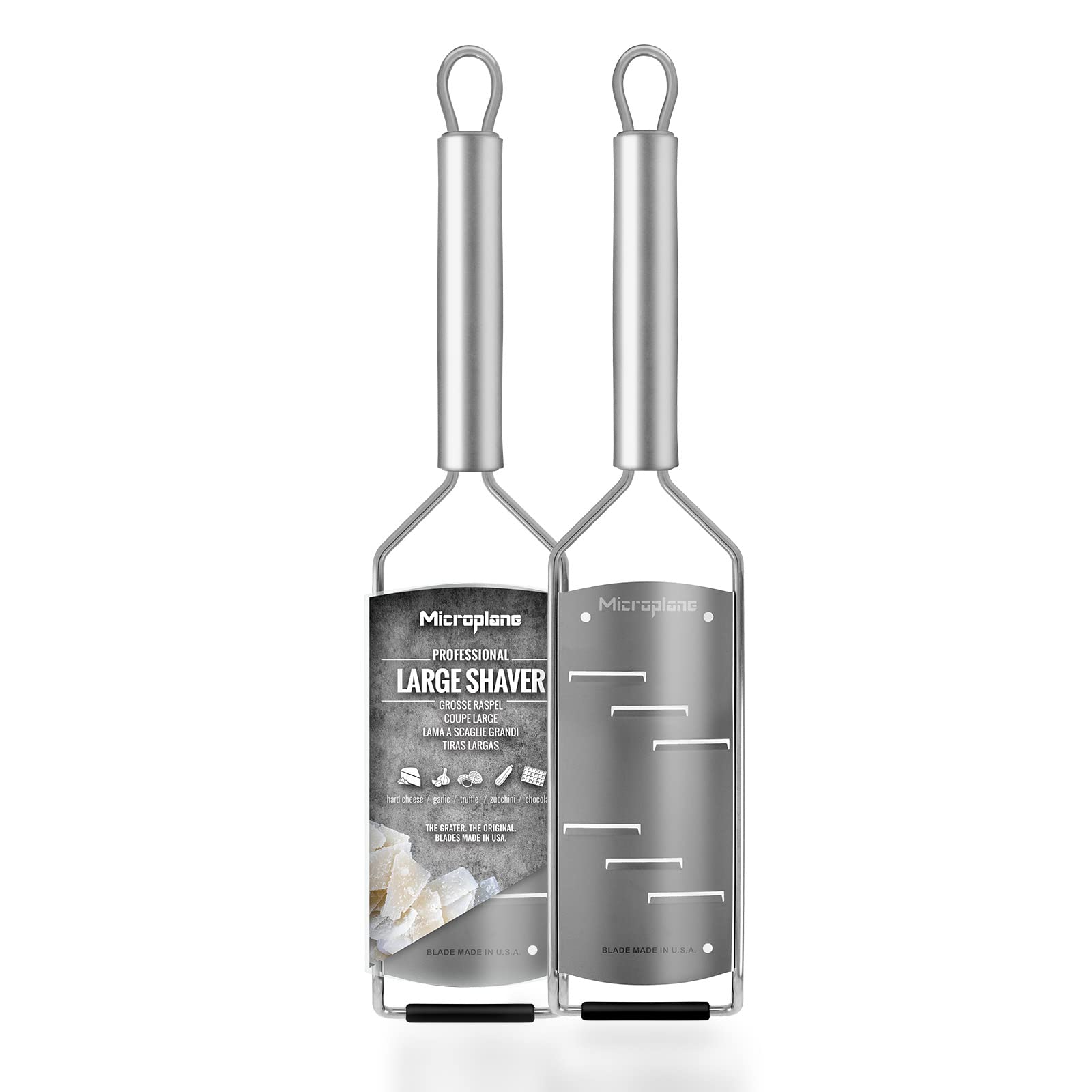
A heavier-duty stainless shaver that makes wide curls and ribbons.
Why I picked it: All-metal construction and rubber foot give stable, ribbon-style grating.
Best for: Large amounts of hard cheese, chocolate shavings and truffle ribbons.
Higher-end, professional-grade option.
Pros
- Stainless steel construction
- Produces wide curls and ribbons
- Rubber foot for stability
- Comes with blade guard
Cons
- Handle reported to loosen on some units
- Too fine for coarse vegetable shredding
My take
For tasks where I want broad ribbons — like decorative Parmesan or chocolate curls — the Professional Shaver is my go-to. The arched cutting surface and multiple staggered blades yield continuous, ribbon-like shavings.
All-metal construction feels substantial and dishwasher-safe, and the rubber-coated base keeps the shaver from sliding during longer grating sessions. The stainless handle is comfortable and lets me apply steady pressure.
I did read about isolated cases of handle looseness over long-term use; in my experience the build has been robust, but I keep the plastic blade guard on when not in use to protect the cutting plane.
6. Microplane Home Series Fine Grater – Best Compact Choice
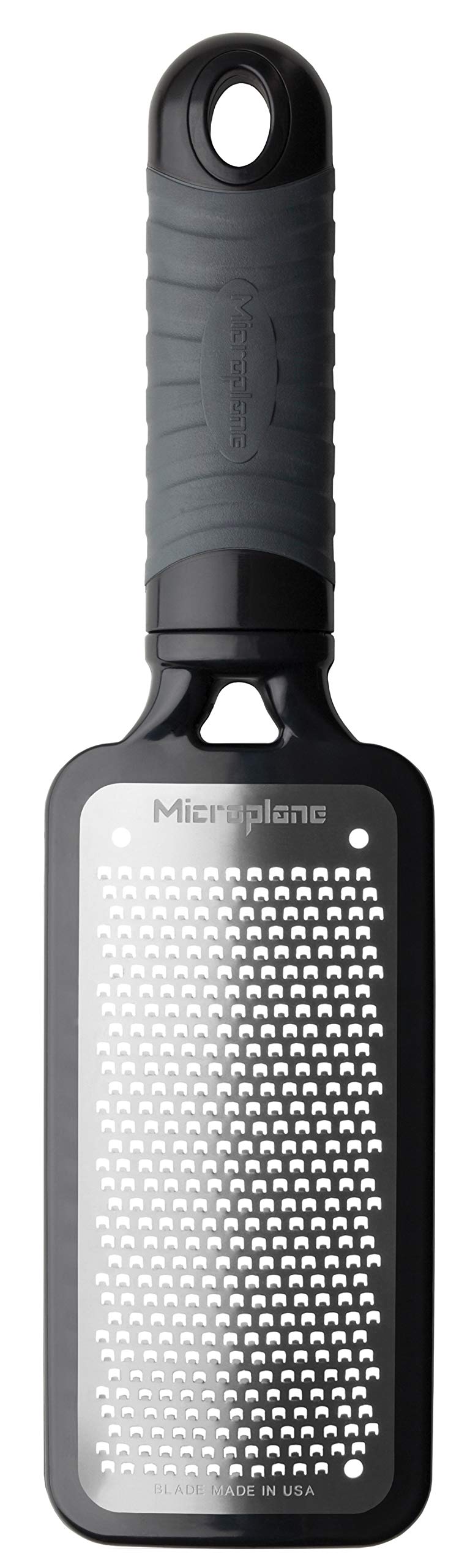
A compact paddle grater with soft-touch handle for everyday tasks.
Why I picked it: Soft grip handle, flat storage, and fine blades make it practical.
Best for: Hard cheeses, citrus zest, garlic and ginger.
Affordable everyday grater.
Pros
- Soft-touch handle
- Flat design stores easily
- Sharp, fine grating teeth
Cons
- Plastic surrounding the grater may be less durable
- Some longevity concerns with plastic frame
My take
I keep this paddle-style grater in a drawer for quick daily tasks. The soft-touch handle makes short work of zesting citrus and grating small amounts of Parmesan or ginger.
It stores flat which helps in a small kitchen, and the blades are sharp right out of the box. I’ve used it for lemon zest, garlic, and finely grated cheese with consistent results.
My only reservation is that the plastic surround feels less heavy-duty than the all-steel Professional series; if you’re rough with tools long-term, that’s something to consider.
How I Choose a Microplane Grater
Blade type and teeth
I look first at the tooth style: fine teeth make powder-like results for Parmesan and nutmeg, while coarser planes produce curls and ribbons.
Microplane’s photo-etched stainless blades are surgical-grade on many models; that sharpness translates to cleaner flavor and less effort.
- Fine: best for hard cheeses, nutmeg, ginger, citrus zest.
- Coarse/rasp: better for wider ribbons of chocolate or cheese.
- Professional shavers create larger curls for garnish and volume.
Size and shape
I match the grater size to the task: paddle or handheld zesters for small jobs, and arched professional shavers for high-volume work.
Consider storage — paddle graters lie flat while long zesters may be easier to use over a pan.
- Handheld zesters: nimble and precise.
- Paddle graters: easy storage and control.
- Large shavers: stability and volume for entertaining.
Materials, build and safety
I prefer U.S.-made photo-etched stainless blades where available; they stay sharp and resist rust. All-metal construction increases longevity, while plastic surrounds can be lighter but less durable.
For spices, I choose an enclosed mill to protect fingers from the cutting surface.
- Stainless steel blades: longevity and rust resistance.
- Rubber feet or non-slip bands add stability.
- Enclosed spice mills protect fingertips.
Care and maintenance
I rinse or brush graters immediately after use to stop residue from drying into the teeth. Most Microplane handhelds are dishwasher safe, but specialty mills often recommend hand or top-rack washing.
Keep the protective cover on when storing to preserve the blade edge.
- Rinse or brush immediately after use.
- Dishwasher safe for many models, but check the manual.
- Avoid soaking enclosed spice mills; rinse and dry promptly.
Frequently Asked Questions
Can I put Microplane graters in the dishwasher?
I usually rinse or brush graters immediately, and many Microplane handheld models are dishwasher safe. For the spice mill I avoid the dishwasher and prefer rinsing or top-rack only to protect seals and moving parts.
Which Microplane should I buy for Parmesan?
If I want powder-like, melt-in sauces Parmesan I choose a fine grater from the Gourmet or Home Series. For decorative ribbons and larger curls I reach for the Professional Large Shaver.
Are Microplane blades durable?
The photo-etched surgical stainless blades hold an edge well in my experience. All-metal models are the most durable; units with plastic frames perform great but may show wear on the surround over many years.
Is the spice mill safe to use?
Yes — I like the enclosed twist-to-grind design because it keeps my fingers away from the cutting surface while producing a consistent fine grind. I store extra whole spice in the onboard compartment for convenience.
Final Take
I own and use several Microplane models because they each solve a specific kitchen problem: fine powdery grating, quick citrus zesting, ribbon-style shavings, or safe spice grinding.
If you only want one tool, the standard zester/grater covers the most ground. Add a Gourmet fine grater or the Professional shaver when your cooking needs demand more precision or volume.
Whichever model I choose, I treat the blades with simple care — rinse, protect the cutting surface, and avoid harsh treatment — and they keep delivering the results I expect.
