
I tested four inflatable ice baths to find the best options for insulation, setup, drainage, and full-body immersion. These picks cover everything from compact shower-friendly tubs to roomy, insulated plunge pods built—s
I spent time setting up and using several inflatable ice baths so I could recommend the ones that actually work for regular cold plunges. I focused on how long each tub holds temperature, how simple setup and drainage are, and whether the materials and accessories make maintenance easier.
Whether I wanted a compact tub for a shower stall or a full insulated plunge with a thermal cover and chiller compatibility, I prioritized real-world usability: getting in and out, keeping water cold without constant ice, and how the tub cleans and stores between sessions.
I compared each option on insulation (covers and wall thickness), drain convenience, ease of setup, capacity for full immersion, and durability—then highlighted the best use case for each tub.
1. Cold Pod Cold Plunge Tub – Best Insulated Bundle
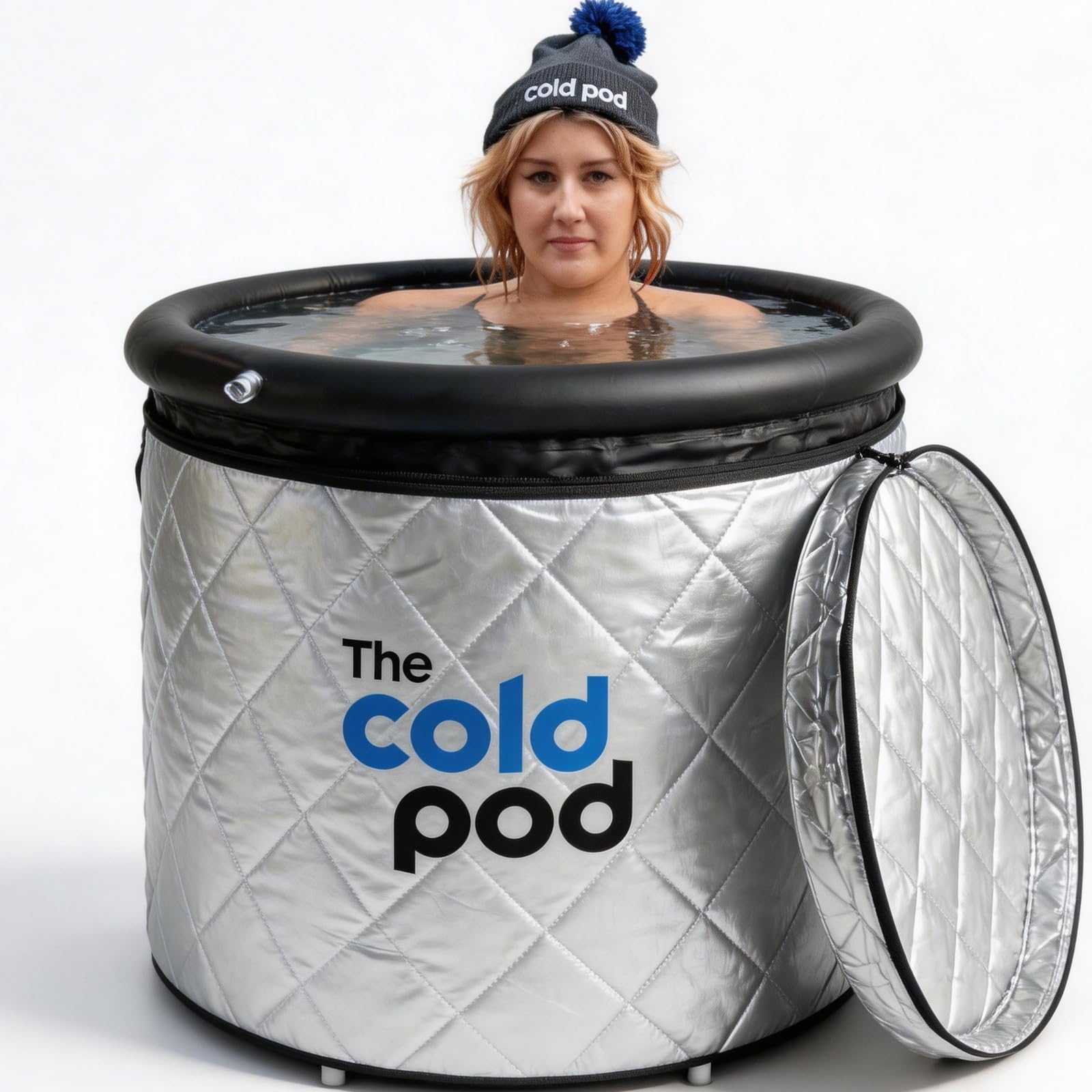
A bundled plunge tub and full-wrap thermal cover that keeps water colder longer and works with chillers.
Why I picked it: Includes a full-wrap thermal cover and insulated walls for extended cold retention.
Best for: Anyone who wants longer sessions with less ice and chiller compatibility.
Bundle delivers better insulation value than a bare tub alone.
Pros
- Full-wrap thermal cover for extended cold
- Tool-free setup in minutes
- Dual drain options for easy emptying
- Chiller-compatible plumbing ports
- Durable high-frequency welded shell
Cons
- Inflatable top ring can be vulnerable
- Takes a lot of ice for very low temps
- Cover adds bulk to storage
My take
I set this pod up indoors and outdoors to test how well the bundle preserves cold, and the insulated Spaceship Cover made a noticeable difference. The cover’s 10mm cotton lining and the tub’s foam-lined walls slowed temperature rise compared with uncovered tubs I tried.
Setup is genuinely fuss-free: inserting the support legs and inflating the top ring with the hand pump took me only a few minutes. Filling still takes time, but that’s true of any full-capacity plunge.
Draining is straightforward thanks to the drain-down tap and extendable hose for external drains, plus a bottom plug for complete emptying. I found the hose handy when I didn’t want to tip or lift a heavy filled tub.
The shell uses high-frequency welding, which felt seamless and robust in my sessions. I appreciated the wipeable, waterproof cover for quick cleanup after salty or chlorinated water sessions. Connecting a chiller was simple at the provided ports and I noticed shorter chiller run times when using the cover.
2. Cold Pod Cold Plunge Tub – Best for Athletes
The same Cold Pod focused on durability and regular-use convenience for athletic recovery.
Why I picked it: Support legs, carry bag, and solid construction suit frequent use.
Best for: Athletes and high-frequency users who want reliable daily recovery.
Bundle includes accessories that improve long-term value for regular sessions.
Pros
- Sturdy support legs prevent frame collapse
- Carry bag for easier transport
- Good warranty and responsive service
- Seal and welds feel durable
Cons
- Inflatable rim can deform in heat
- Needs routine care to avoid sun damage
- Ice consumption can be heavy
My take
After using this pod multiple times per week, I can vouch for the overall durability. The support legs sit in dedicated pockets and give the tub a sturdier feel than tubs that rely solely on an inflatable frame.
The included carry bag made moving the pod to my porch and back into storage simple. When I reached out to the maker with setup questions, they followed up with care tips like keeping the pod out of direct sun and avoiding overinflation—advice I now follow to reduce wear on the rim.
I did notice the top ring can become misshapen if left overinflated or exposed to heat, so I’m cautious about storage location. For my regular recovery sessions the tub’s build and the bundled cover keep cold in longer and reduce the number of ice deliveries I need.
3. Homefilos Portable Bathtub (Small) – Best Compact Option
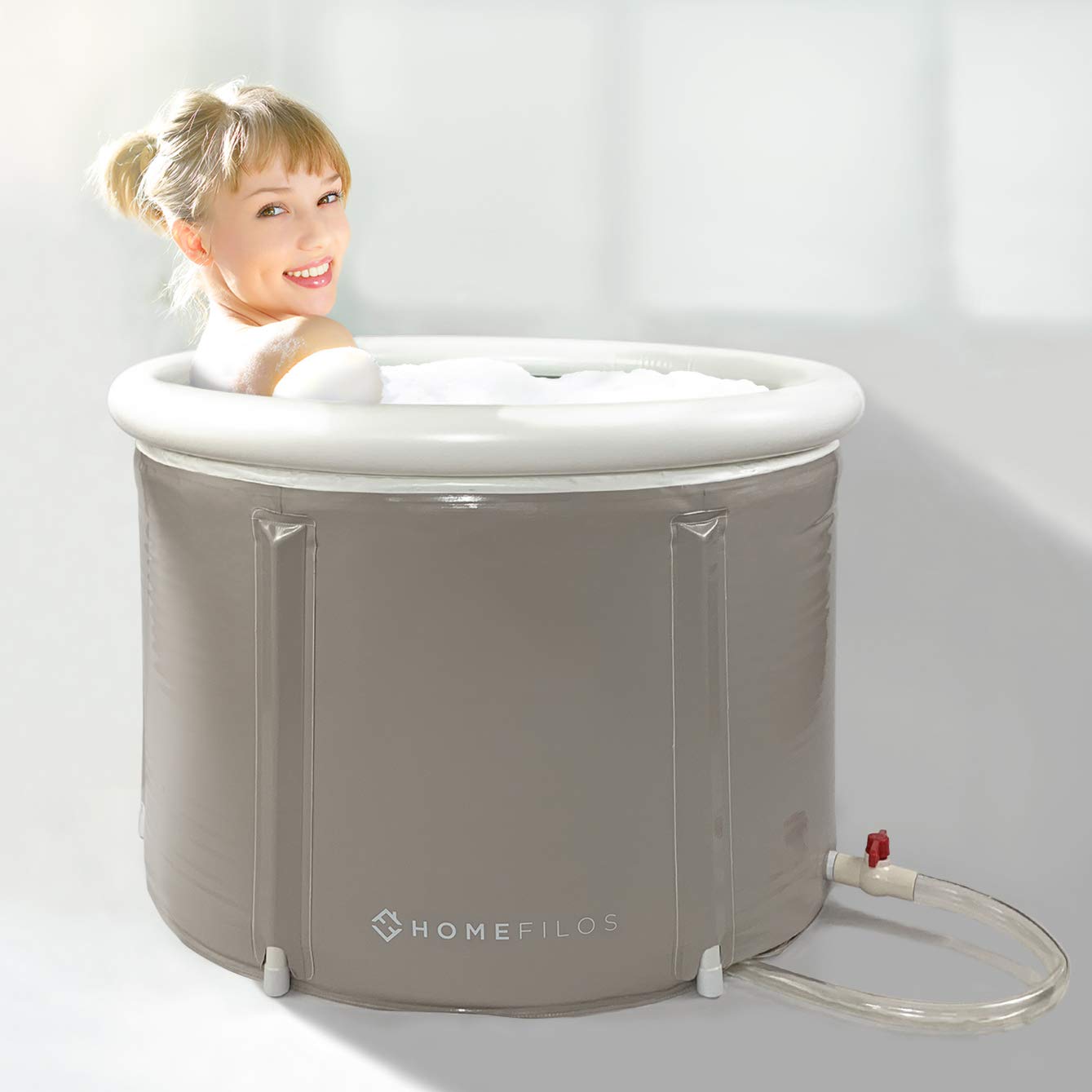
A small, shower-friendly inflatable tub with a cushioned bottom, center drain and a long drain hose.
Why I picked it: Compact design fits shower stalls and offers flexible drainage options.
Best for: Apartment dwellers, shorter users, and those who need a portable soak.
A practical, budget-friendly way to get full soaks without remodeling.
Pros
- Fits many shower stalls
- Cushioned bottom for comfort
- Center drain plus 5ft hose
- Includes storage bag and liners
Cons
- Smaller for taller users
- Bottom drain plug can protrude
- Tear-down can be messy
My take
I used the small Homefilos tub in a standard shower stall and it fit with a little folding at the base; that made it perfect for apartment life where a built-in tub isn’t available.
The seat is surprisingly comfortable thanks to the cushioned bottom, and the center drain with a 5ft hose let me empty the tub without lifting it—exactly what I needed when I didn’t want water spillage.
The included storage bag and sample liners are thoughtful additions for sharing or storing between uses. My only practical gripe was the drain plug in the middle can stick up, so I avoid scooting down hard; it’s a small trade-off for the portability and convenience.
4. Bubplay XL Ice Bath Cold Plunge Tub – Best for Tall Users
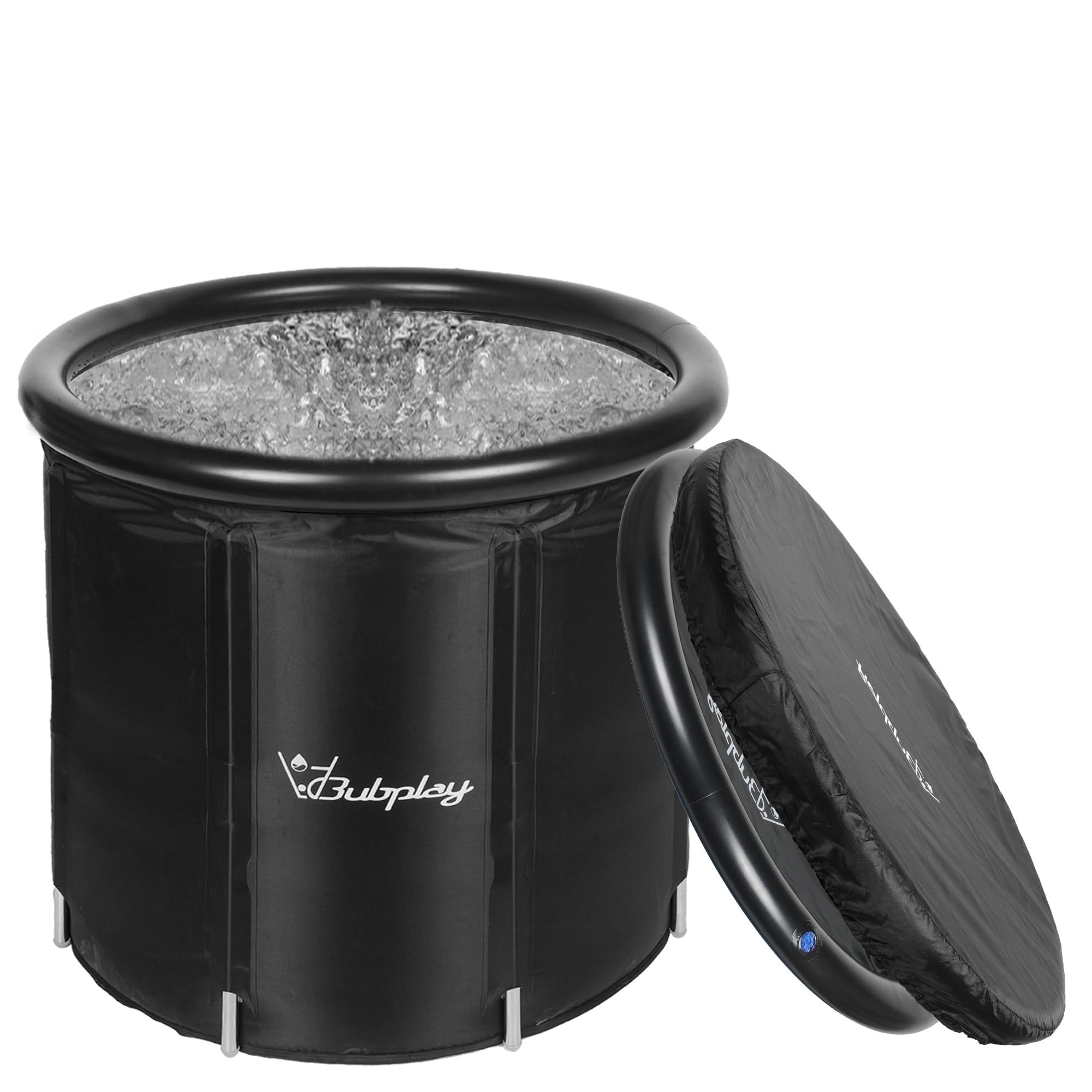
An extra-roomy inflatable plunge with multi-layer insulation, eight support rods, and a quick-drain hose.
Why I picked it: Roomiest design and robust support rods for secure, full-immersion sessions.
Best for: Tall users and anyone who wants a true full-body plunge.
Large capacity and insulation make this a smart choice for full immersion.
Pros
- Roomy—suitable for very tall users
- 6-layer insulation slows heat gain
- 8 stainless steel support rods
- Bottom drain valve and hose included
Cons
- Can feel cozy for some users
- One-off durability reports exist
- Assembly instructions can be sparse
My take
I tested this XL tub on a covered porch and appreciated the space: it’s easy to get fully submerged even if you’re tall. The manufacturer’s claim of fitting very tall users matched my experience.
The 6-layer insulation and tough 210D outer fabric noticeably reduced how quickly the water warmed, and the 8 stainless steel rods made the walls feel steady while I climbed in and out.
Tool-free setup was fast once I located the valve and inserted the rods. The included drain hose made emptying low-mess. I did see one instance where a unit developed a hole after extended use, so I recommend careful handling and storing it out of prolonged sun exposure.
How I Choose Inflatable Ice Baths
Size and immersion
I consider how I plan to use the tub: full-body immersion or just a seated plunge. Capacity matters for tall people and anyone who wants to submerge shoulders and neck.
- Measure doorway and storage space before buying.
- If you’re over 6ft, prioritize XL tubs with larger diameter and depth.
- Smaller tubs work better in shower stalls and for quick soaks.
Insulation and covers
Keeping water cold without constant ice is one of the biggest practical wins. I look for a dedicated thermal cover and thick wall insulation.
- Full-wrap covers with foam or cotton linings slow heat gain.
- Multi-layer walls (or pearl foam linings) reduce chiller run time.
- Covers that zip or seal help keep debris out during outdoor use.
Drainage and setup
A hose and bottom drain save hours and a backache. Quick, tool-free assembly reduces friction between me and regular use.
- Choose tubs with a drain hose if you can’t lift heavy water.
- Support rods or leg pockets add stability for safe entry and exit.
- Test setup location to ensure easy fill and drain access.
Materials and durability
Tubs are only useful if they survive repeated inflation and handling. I check for welded seams, heavy-duty outer fabrics, and clear care guidance to avoid sun or heat damage.
- High-frequency welded seams are more durable than glued seams.
- 210D or similar tough fabric holds up better outdoors.
- Store out of direct sun and avoid overinflating the rim.
Chiller compatibility
If I plan to use a chiller, I look for dedicated in/out ports and good insulation so the chiller runs efficiently.
- Chiller ports simplify plumbing and speed cooling.
- Insulated covers can reduce chiller runtime and energy use.
- Check manufacturer notes on plumbing compatibility and recommended pump sizes.
Frequently Asked Questions
Are inflatable ice baths safe to use at home?
I treat inflatable ice baths like any other therapeutic setup: they’re safe if you pick the right size, place them on a level, debris-free surface, avoid prolonged sun exposure, and follow entry/exit precautions. I also don’t leave water unattended if pets or small children are around.
How much ice do I need for a cold plunge?
I typically add a mix of ice and cold tap water to reach the temperature I want; how much varies with tub size and starting water temperature. Larger, insulated tubs require less ice to hold a given temperature than uninsulated tubs.
Can I use a chiller with an inflatable tub?
Yes — I used tubs with dedicated water in/out ports and they connect to chillers easily. Insulation and a thermal cover greatly reduce chiller runtime, so I recommend combining those features for best efficiency.
What maintenance do these tubs need?
I wipe down liners after use, keep the cover zipped when stored outdoors, avoid sharp objects, and deflate and dry the tub fully before long-term storage. I also follow recommended care tips like avoiding overinflation and keeping the rim out of direct sun.
Final Take
I chose these four inflatable ice baths because each solves a specific need: extended cold retention, athlete-ready durability, compact shower-friendly soaking, and maximum room for tall users.
If I want the most insulation and chiller compatibility I reach for the Cold Pod bundle. For tight spaces and portability I use the Homefilos small tub. When I need full immersion and robust support I turn to the Bubplay XL. Each of these options makes cold therapy approachable at home—so pick the one that fits your space, how often you’ll use it, and whether insulation or capacity matters most to you.
