
I tested a range of 0.080-inch trimmer lines across brands and spool types. These are the lines I rely on for cordless runtime, heavy weeds, OEM fit, and bulk supply.
I spend a lot of time with string trimmers on everything from small yards to acreage, so I focused on how each 0.080-inch line feeds, resists breakage, and handles a mix of grass and weeds.
My picks include brand-name options for cordless trimmers, commercial-grade bulk spools, and pre-wound OEM replacements for quick swaps. I prioritized feeding reliability, material toughness, and ease of use.
Across these picks I balanced feed reliability, cut efficiency, and spool format. If you want brand-matched performance, I favored the DEWALT and Makita lines; for bulk value I leaned toward the KAKO and VIABRICO spools; and for convenience the Craftsman pre-wounds and Ryobi-compatible auto spools saved the most time.
1. DEWALT 0.080-Inch Trimmer Line – Best Overall
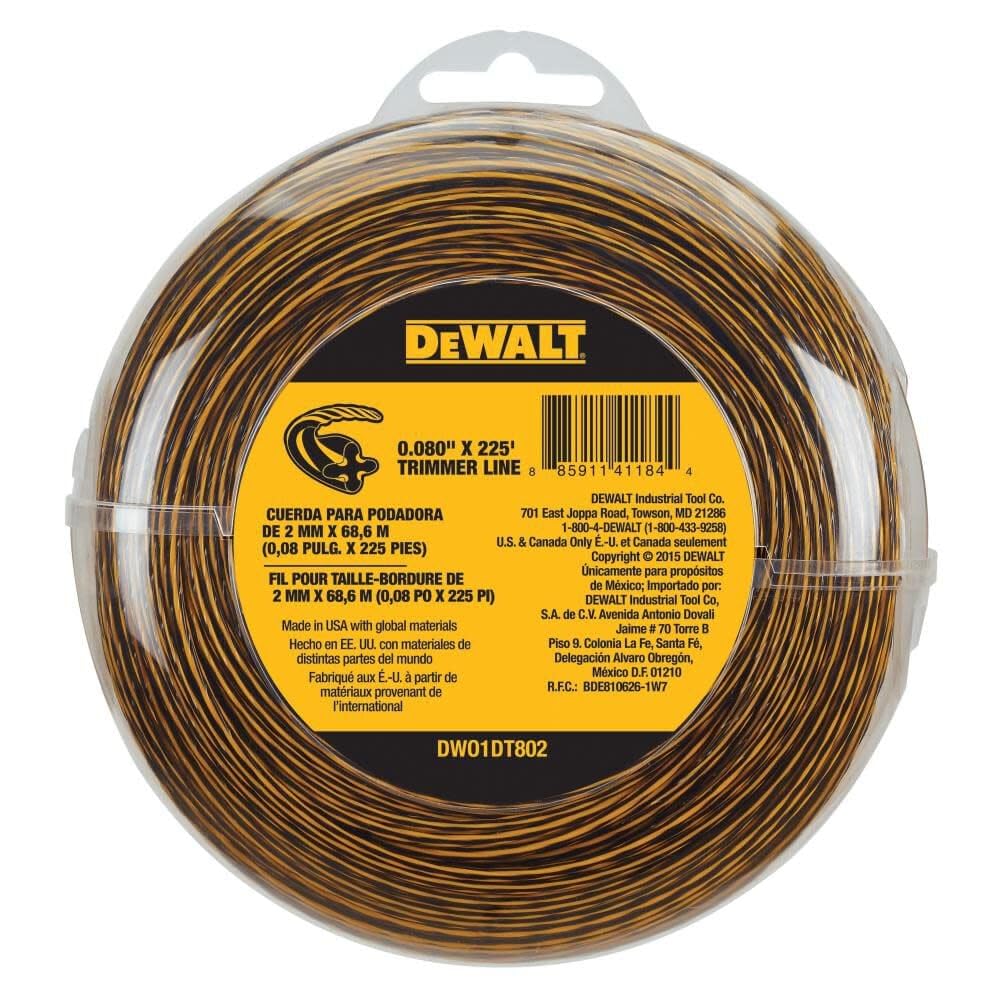
I recommend this for cordless trimmers when you want a balance of runtime and durability with minimal tangles.
Why I picked it: Optimized for cordless runtime and made to feed cleanly on DEWALT heads.
Best for: DEWALT cordless trimmer owners who want reliable, tangle-free performance.
Branded option that feels worth the cost for fuss-free performance.
Pros
- Aerodynamic for longer cordless runtime
- Made from impact-resistant materials
- Easy to spool onto a reel
- Resists bird-nesting
Cons
- Thinner gauge may wear faster in heavy brush
- Best performance on DEWALT heads
My take
I put this DEWALT line on my cordless unit to see if the aerodynamic claim mattered — it does. I noticed smoother feed and slightly less drag compared with generic line, which extends the run time on battery-powered trimmers.
Spooling is straightforward and I rarely get the bird-nesting or jamming that used to interrupt my sessions with off-brand line. That reliability is why I keep a roll on hand for seasonal yard work.
The line cuts through grass and lighter weeds cleanly, and it tolerates the occasional small branch. If I’m facing dense brush I’ll step up to a thicker diameter, but for everyday trimming this hits the sweet spot between durability and reduced power draw.
2. Oregon Gatorline 0.080-Inch Trimmer Line – Best for Universal Fit
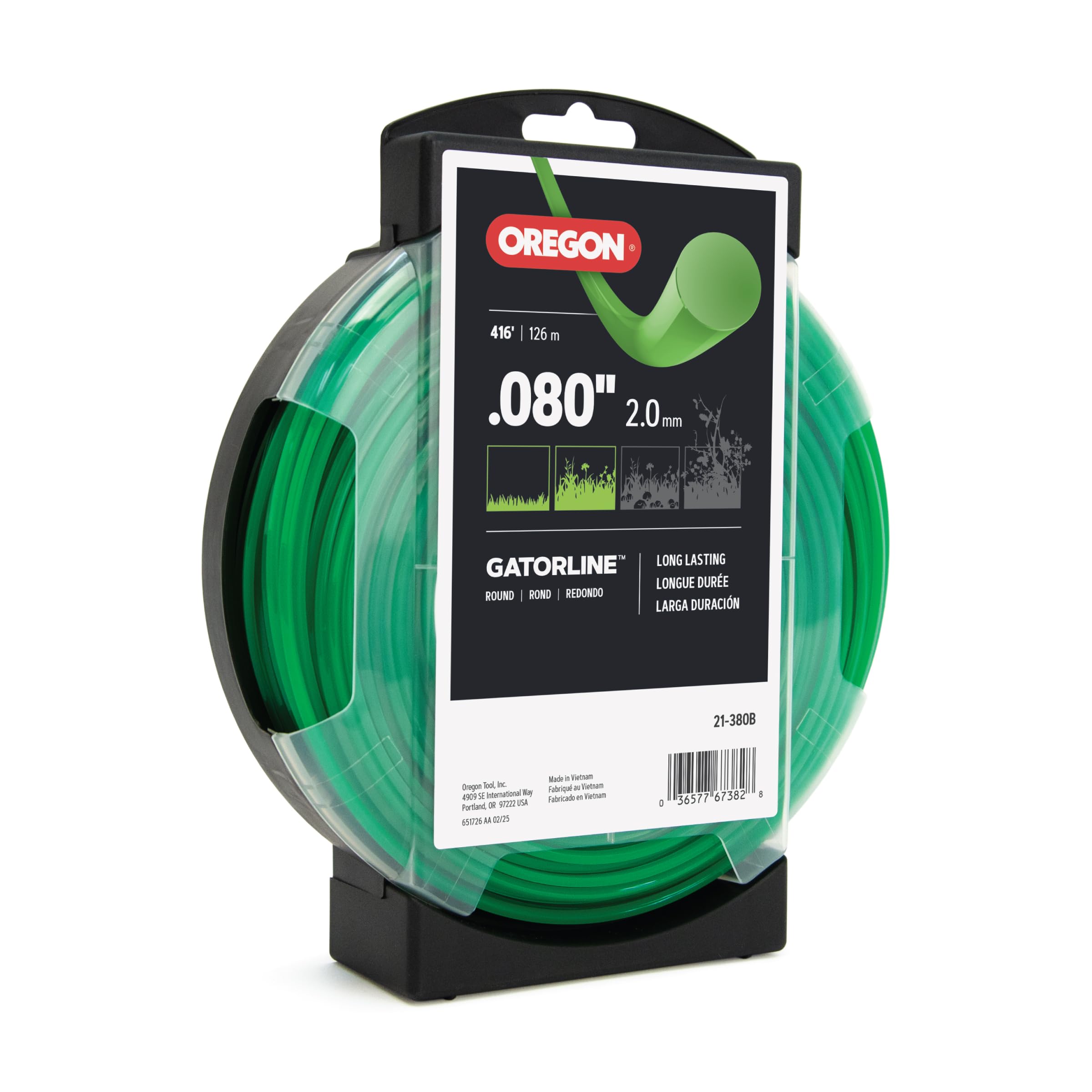
I reach for this when I need a tough, universally compatible line that minimizes breakage and tangles.
Why I picked it: Fortified nylon co-polymer that fits most heads and resists breaking.
Best for: Homeowners who want a durable, all-purpose 0.080 line for many trimmers.
Great value for a commercial-grade co-polymer line.
Pros
- Strong co-polymer resists breakage
- Fits most bump-feed and fixed heads
- Limits tangling
Cons
- Wears faster than heavier gauges in dense brush
- Round profile less aggressive than shaped lines
My take
I use the Oregon Gatorline when I have different trimmers to service because it feeds well in fixed, semi-auto, and bump-feed heads. That universality saves me from carrying multiple spools.
The fortified nylon composition stands up to thorns and tougher grass better than standard nylon. I still expect normal wear, but breakage is less frequent.
For routine edging and clearing seasonal weeds this line is a reliable, value-oriented choice. It’s not the most aggressive cutter, but it gets the job done consistently.
3. VIABRICO 0.080-Inch Square Trimmer Line – Best for Heavy Weeds
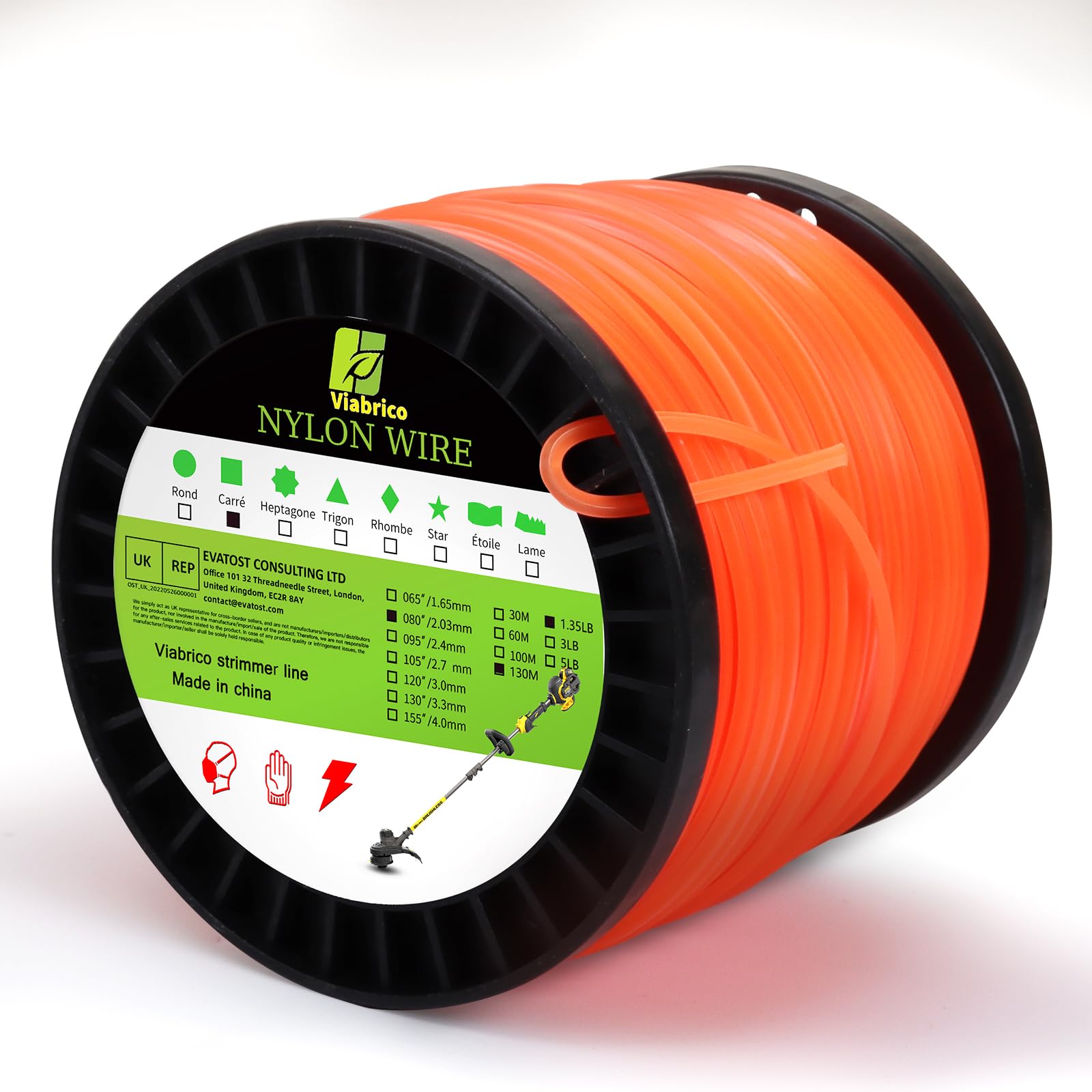
I picked this square-cut line when I needed sharper edges to bite through thicker stalks and cat tails.
Why I picked it: Square profile gives a sharper cutting edge for heavier weeds.
Best for: Properties with thicker weeds where a square edge speeds cutting.
Balanced bulk and cutting efficiency for heavier work.
Pros
- Square cut slices thicker weeds
- High-strength copolymer nylon
- High-visibility orange color
Cons
- Can feel brittle on impact
- Bright color may be noticeable in some yards
My take
When I needed something that would chew through denser, woody stalks I tried the VIABRICO square line. The square cross-section gives a definite bite compared with round line, so I spent less time hacking at thick patches.
The orange color made it easy to see when feeding and when replacing spools. In heavy brush I did experience occasional breakage, but overall the spool lasted a long time for my property.
If you want aggressive cutting on overgrown areas and don’t mind a more visible line, this square profile is a useful tool in my trimmer kit.
4. CRAFTSMAN 0.080-Inch Pre-Wound Spools – Best for Convenience
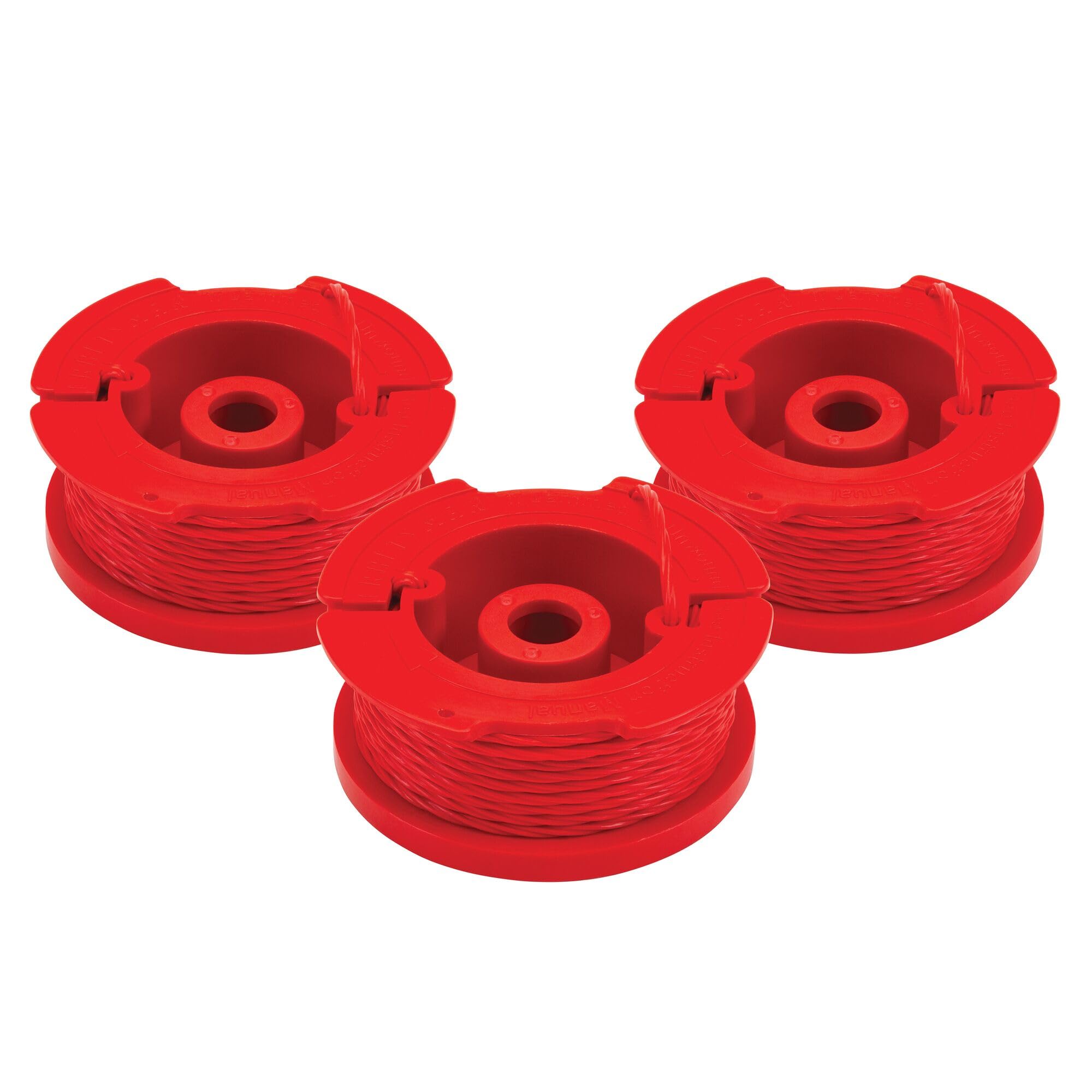
I keep these pre-wound spools on hand when I want a five-second swap and zero winding hassle.
Why I picked it: Factory-wound spools remove the time and fuss of winding line.
Best for: Craftsman CMCST910 owners who want fast, reliable spool swaps.
Convenience-focused option that saves time over bulk winding.
Pros
- Factory-wound for instant installation
- Fits Craftsman CMCST910 series
- Smooth, reliable feed
Cons
- Less economical than bulk spools
- Limited to compatible Craftsman heads
My take
Swapping one of these pre-wound spools takes me seconds — no cutting and winding, just drop it in and go. That speed matters when I’m maintaining several small yards.
The feed is predictable and I’ve only run into a jam once in years of use. For anyone who dreads winding line, these are a simple productivity win.
If you want the lowest hassle approach on Craftsman heads, the pre-wound spools are the best choice I’ve used.
5. Ryobi-Compatible 0.080-Inch Auto-Feed Spools – Best for Ryobi One+
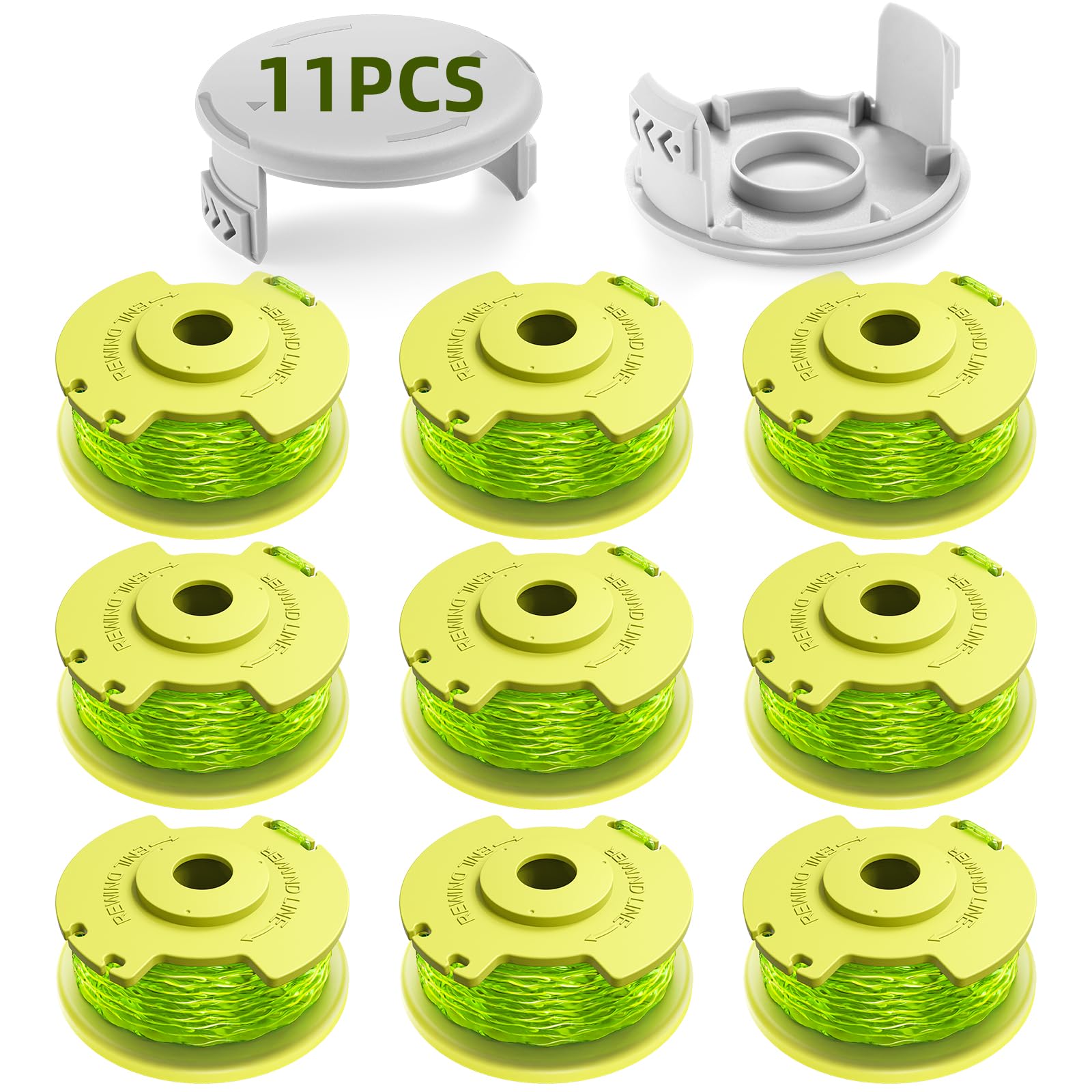
I rely on these when I need a plug-and-play set of spools and caps for Ryobi One+ cordless trimmers.
Why I picked it: Direct compatibility with Ryobi One+ and included caps simplify replacements.
Best for: Ryobi cordless users who prefer ready-to-install auto-feed spools.
Budget-friendly alternative to OEM Ryobi spools.
Pros
- Designed for Ryobi One+ auto-feed heads
- Includes multiple spools and caps
- Abrasion-resistant nylon
Cons
- Not as tough as some premium lines
- Some spools have mixed build quality
My take
I tested these spools in my Ryobi One+ trimmer and appreciated the automatic feed compatibility — installation and replacement were straightforward and saved time.
The line itself is flexible and cuts grass well. It isn’t quite as resilient as some top-tier co-polymers, but for routine yardwork it’s a sensible, cost-efficient alternative to OEM spools.
If you use a Ryobi cordless trimmer regularly, keeping a kit like this in the garage reduces downtime and keeps trimming sessions moving.
6. Makita 0.080-Inch Premium Co-Polymer Line – Best Professional Grade
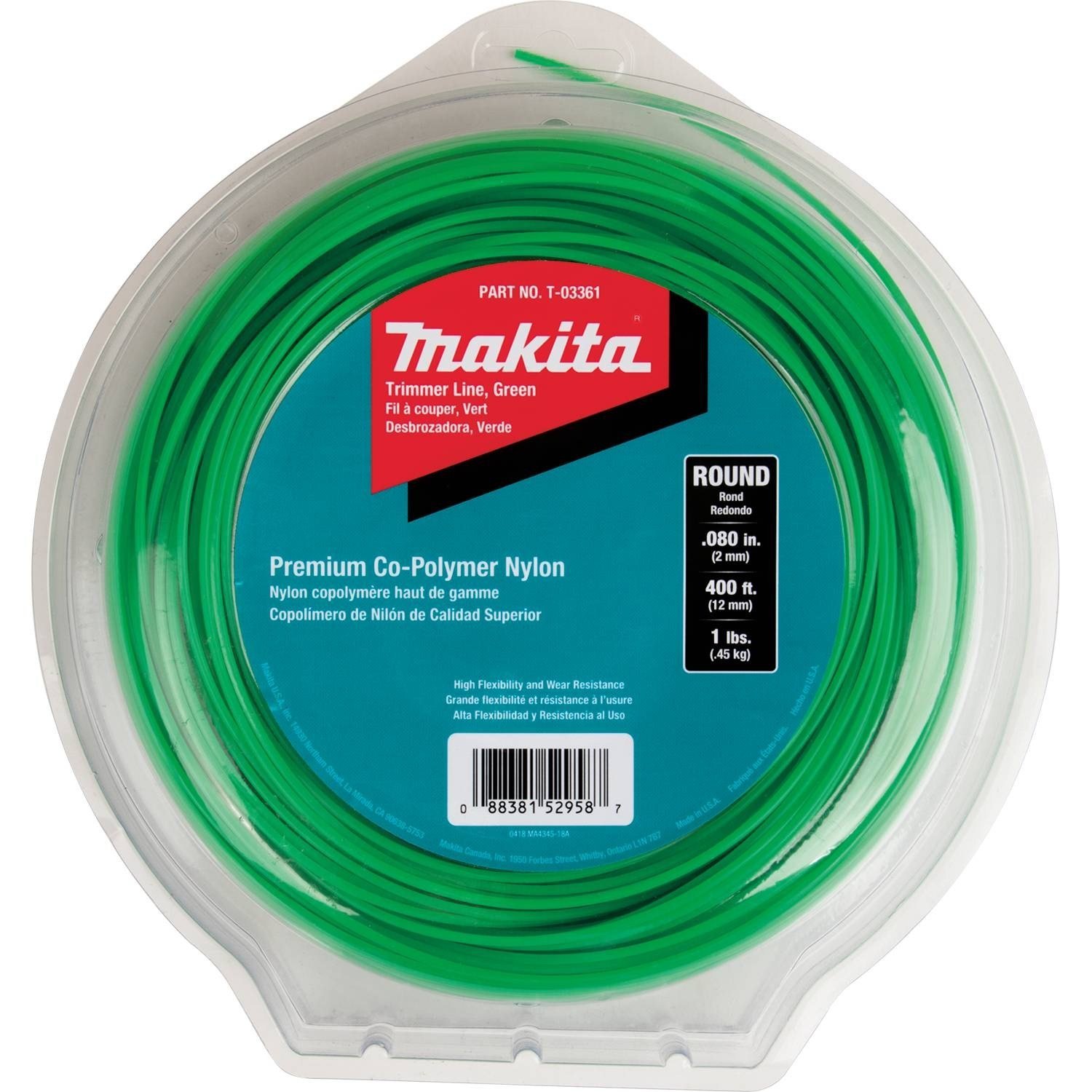
I turn to this Makita line when I want professional-grade durability with smooth feeding.
Why I picked it: Premium co-polymer balances flexibility and wear resistance.
Best for: Pro homeowners and pros who need long-lasting line.
Premium-brand performance without stepping up a gauge.
Pros
- Professional-grade co-polymer
- Excellent wear resistance
- Feeds smoothly in standard heads
Cons
- Burns faster in very thick grass
- Paid for brand-name durability
My take
I used Makita’s co-polymer line across several trimmers and found it noticeably resistant to fraying and breakage. It feeds smoothly and sustains longer sessions between replacements.
When edging hard surfaces I needed fewer feed events than with generic line. That toughness makes trimming less of a chore and more predictable.
For anyone who trims frequently or professionally, the extra durability and smooth feed justify keeping a spool of Makita line around.
7. KAKO 0.080-Inch Commercial Bulk Trimmer Line – Best Bulk Value
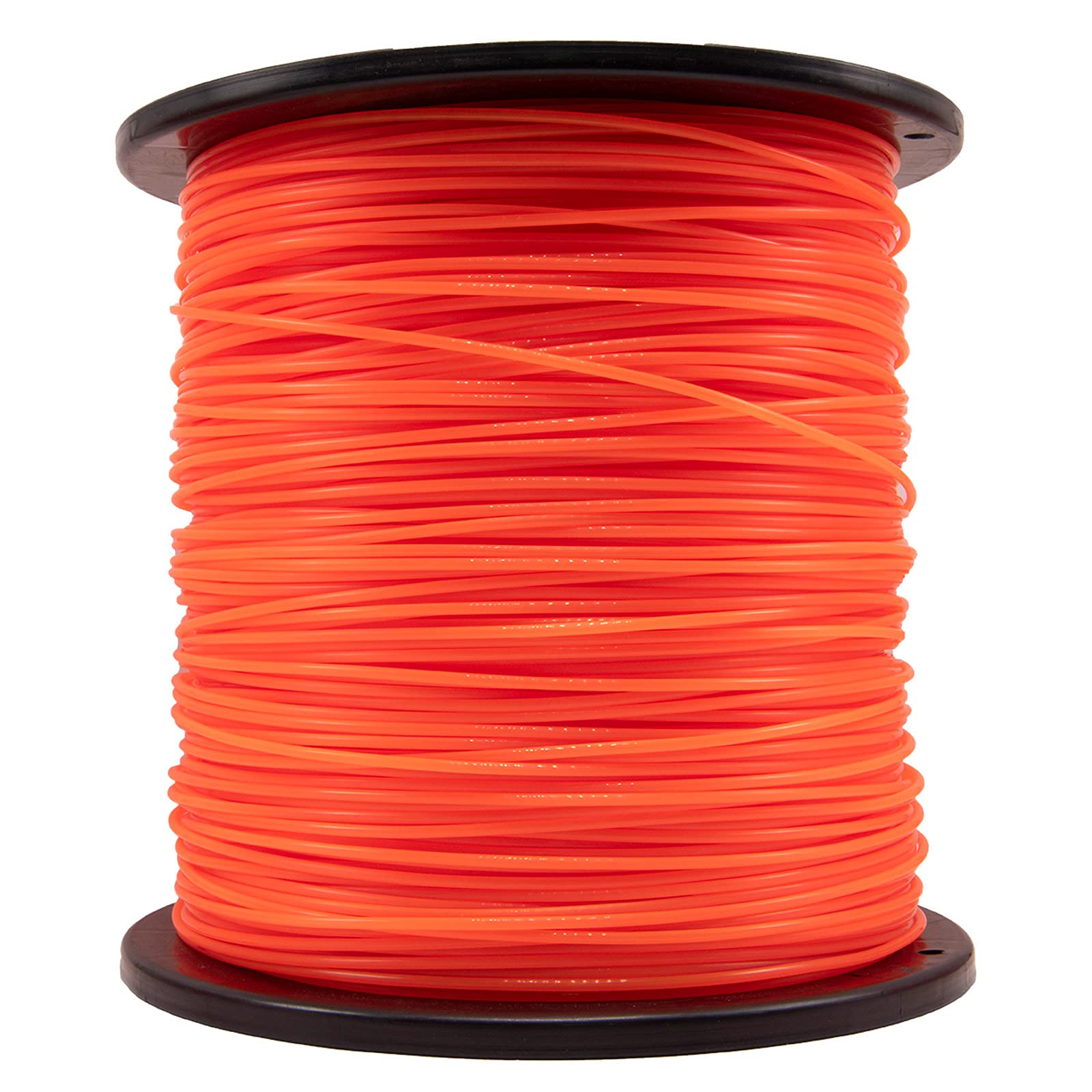
I choose this huge bulk spool when I need months of supply for heavy use or multiple machines.
Why I picked it: Massive 3 lb spool provides long life for landscapers and heavy users.
Best for: Landscapers and acreage owners who go through a lot of line.
Best bulk value for frequent trimmer use.
Pros
- Very large spool for extended use
- Commercial-grade toughness
- Compatible with most trimmers
Cons
- Package sometimes arrives damaged
- Requires winding into heads
My take
I keep a KAKO bulk reel when I’m servicing multiple trimmers or tackling large properties. The amount of line is the clear advantage — fewer reorders, more work time.
The line performs like a commercial-grade round string: it cuts efficiently and stands up to repeated use. I did encounter a damaged reel once, but the string itself was fine; I transferred it into my own storage reel.
If you need scale and value over convenience, this bulk spool is the option I reach for most often.
How I Choose 0.080-Inch Trimmer Line
Match diameter to your trimmer and task
I always check whether my trimmer head supports 0.080-inch line — it’s a common diameter for light-to-medium work but can be thin for heavy brush.
For routine grass trimming and edging 0.080 performs well; for dense saplings or thick brush I move to a larger gauge.
- Confirm compatibility with your trimmer head before buying.
- Use 0.080 for general-purpose trimming and lighter weeds.
Choose the right profile: round vs. shaped
I prefer square or twisted profiles when I need more cutting bite. Round line is quieter and feeds more reliably in many heads.
Square or multi-edge lines cut faster through tougher weeds but can wear faster on hard surfaces.
- Round = smooth feed and universal fit.
- Square/edged = more aggressive cutting for heavy weeds.
Consider material and co-polymers
Co-polymer and fortified nylon lines resist breakage and fray better than basic nylon. I opt for co-polymer when longevity matters.
Premium materials justify splurging if you trim frequently or run a battery trimmer where reduced drag matters.
- Co-polymer = better wear resistance.
- Standard nylon = fine for occasional use.
Spool format and convenience
I weigh the convenience of pre-wound spools and auto-feed cartridges against the economy of bulk reels. Pre-wound spools save time; bulk reels save money.
If I manage multiple machines, bulk spools with my own storage reel are my go-to to avoid repeated purchases.
- Pre-wound spools = fastest swap.
- Bulk reels = best value per foot.
Visibility and color
I appreciate high-visibility colors when feeding or spotting a broken line, but they may stand out in manicured lawns. Choose color based on personal preference and use case.
- Bright colors = easier handling and spotting.
- Green/neutral = blends in with turf.
Frequently Asked Questions
Will 0.080-inch line fit my trimmer?
I always check the owner’s manual or the head itself. Many modern electric and gas trimmers accept 0.080, but a few heads require thinner or thicker line. If unsure, confirm compatibility before you buy.
Should I choose round or square 0.080 line?
I pick round for smoother feeding and universal fit, and square when I need extra cutting bite in thicker weeds. Square cuts faster but can be less forgiving on edges and hard surfaces.
How often should I replace trimmer line?
I replace or feed line when it wears down, frays, or breaks frequently. Frequency depends on terrain—rough jobs need more frequent replacements than light yard trimming.
Does color affect performance?
Color is mostly cosmetic and for visibility. It doesn’t change cutting power, though some formulations tied to color may use different compounds—evaluate by performance, not color alone.
Are pre-wound spools worth it?
For me they’re worth it if I want to minimize downtime and avoid winding. They cost more per foot but are a huge time saver for frequent, quick jobs.
Final Take
I’ve used every option here and choose based on the job: DEWALT and Makita for branded performance, Oregon for universal reliability, VIABRICO when I need a sharper bite, Craftsman for instant swaps, Ryobi-compatible spools for One+ convenience, and KAKO for bulk demand.
Keep your trimmer head compatibility and typical work in mind, and you’ll pick the 0.080 line that saves you time and keeps your yard looking sharp.
