
I tested popular crochet threads and a beginner-friendly yarn so you can pick the right fiber for lace, doilies, apparel, or amigurumi.
I work with crochet thread and fine yarn every week, and I chose these options to cover the uses I reach for most: traditional thread crochet, large home-decor projects, fashion-weight thread, and a beginner-friendly worsted yarn.
In this roundup I compare fiber, yardage, and how the material behaves on a hook so you can match the thread to the project rather than guessing.
I compared each option by fiber (mercerized cotton vs cotton blends), spool size, and intended use — fine lace and edgings, large doilies and tablecloths, apparel trims, and beginner-friendly amigurumi.
1. Aunt Lydia's Crochet Cotton Size 10 – Best Overall
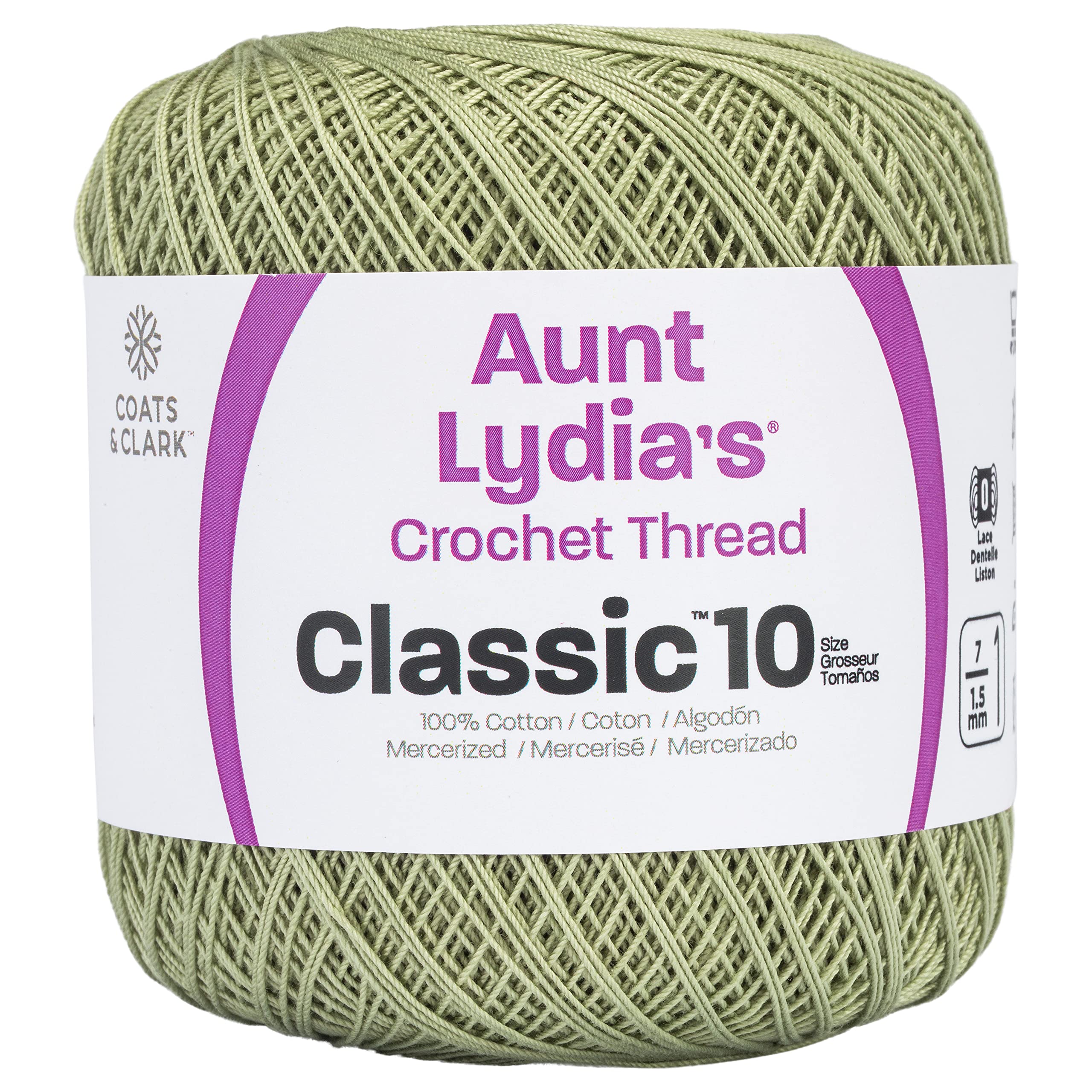
Classic mercerized cotton thread with high luster and reliable strength for lace, edgings, and thread crochet.
Why I picked it: Classic mercerized finish, dependable stitch definition, and a wide color range.
Best for: Doilies, edgings, thread crochet, and decorative hand stitching.
Single-spool option with moderate yardage; great when I need specific colors.
Pros
- High luster finish
- Strong, three-ply construction
- Excellent stitch definition
- Wide color selection
- Works well for hand stitching on denim
Cons
- Smaller spool than bulk options
- Fine gauge needs small hooks
My take
I reach for this Aunt Lydia's size 10 when I want classic mercerized cotton that really sings on a hook. The three-ply construction gives the thread a polished sheen and strong tension — it holds up well when I block lace or add firm edgings.
The spool offers enough yardage for doilies and decorative trims, and I’ve used it for hand-stitching on heavier fabrics like denim with satisfying results. Color payoff is consistent, and the thread glides through stitches without splitting.
If I need very large yardage I go for a bulk spool elsewhere, but for fine lacework, heirloom edging, or thread crochet pieces where finish matters, this is my go-to.
2. Red Heart Classic Crochet Thread Size 10 (1000 yd) – Best Value for Large Projects
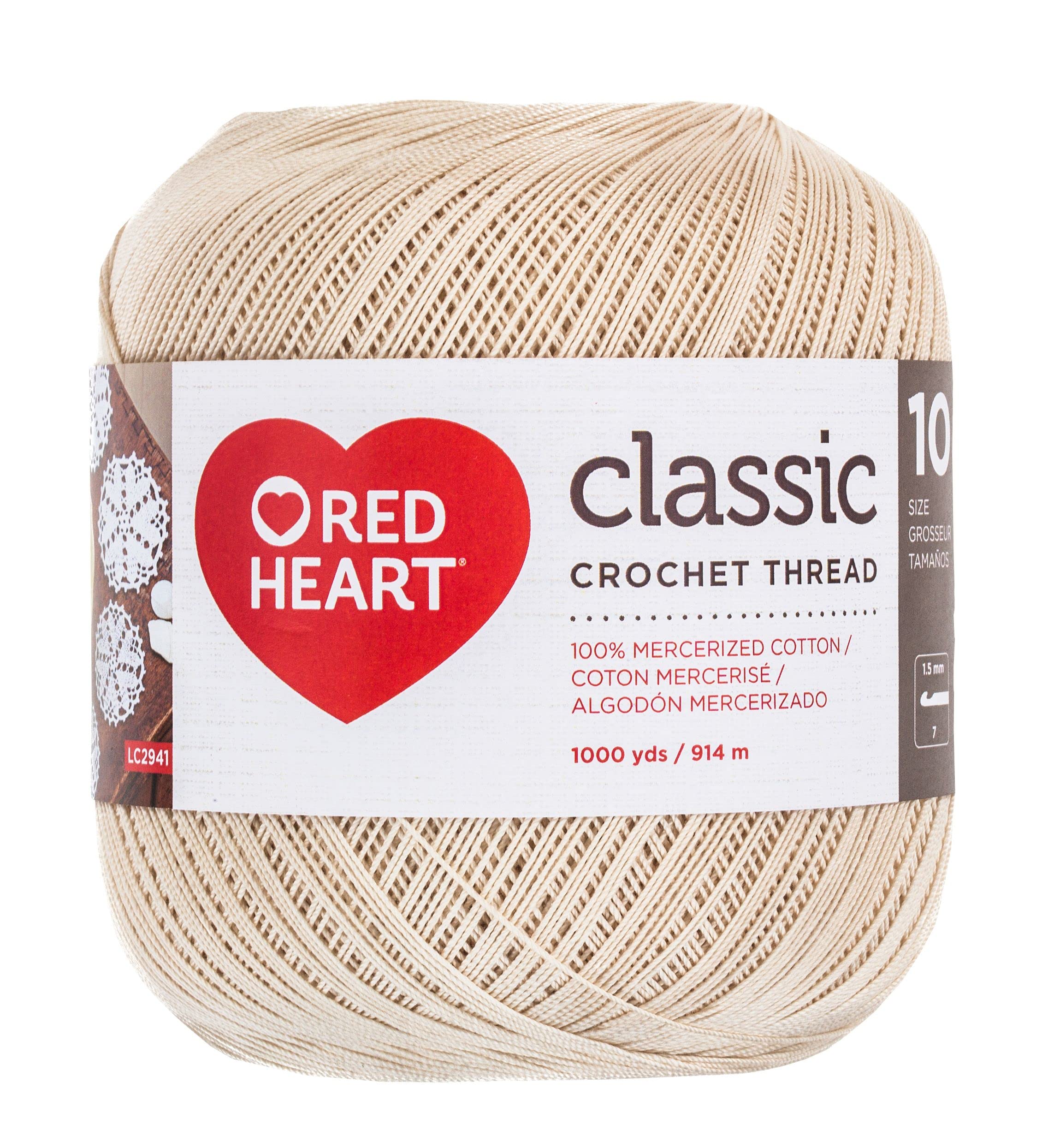
A mercerized cotton thread sold in a large spool that I use when yardage and economy matter for big projects.
Why I picked it: Large spool size and sturdy mercerized cotton for tablecloths and big doilies.
Best for: Tablecloths, large doilies, home décor, and any project that needs lots of thread.
Great yardage per spool — economical for big or multiple projects.
Pros
- Very large yardage
- Smooth surface that glides on hooks
- Strong and durable
- Good stitch definition for structural pieces
Cons
- Fewer specialty finishes
- Less silky than boutique mercerized threads
My take
When I’m tackling a huge tablecloth or multiple doilies, this Red Heart spool is the practical choice. The sheer yardage saved me from buying multiple small spools and kept color matches consistent across pieces.
The mercerized cotton is sturdy and holds structure well, so motifs block cleanly and retain shape. I noticed it’s slightly stiffer than some premium boutique threads, which I actually prefer for home-decor items that need body.
For smaller, highly detailed lace where a glassy finish is the goal I’ll reach for a different brand, but for volume work this thread gives me consistent results without frequent re-spooling.
3. Red Heart Fashion Crochet Cotton Size 3 – Best for Fashion & Accessories
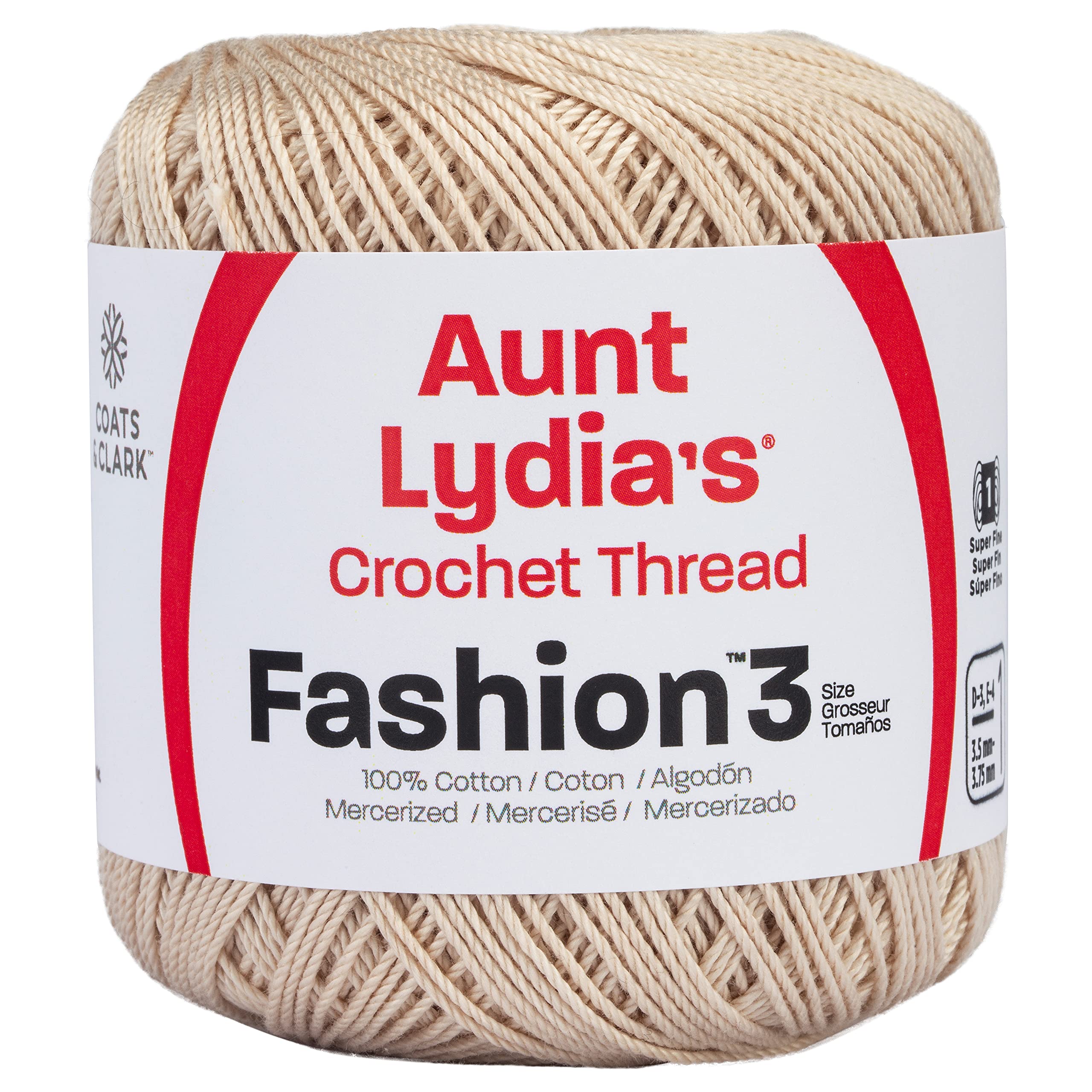
A size 3 mercerized cotton with a soft hand and lustrous finish that suits visible fashion pieces and accessories.
Why I picked it: Heavier size for wearable trims and small garments with a soft, lustrous hand.
Best for: Apparel accents, crocheted flowers, leaves, and small accessories.
Smaller spools with a premium feel — ideal when finish matters over yardage.
Pros
- Soft, lustrous hand
- Clean stitch appearance
- Good for visible apparel work
- Vibrant color payoff
Cons
- Limited yardage per spool
- Not for very fine lace
My take
I use this size 3 cotton when I need a thread that feels good against skin and shows off stitches. It works beautifully for crocheted flowers, leaves, and trims where softness and sheen matter.
The thread produces very clean stitch definition, so motifs look crisp in finished accessories. Because the spool is smaller, I reserve it for projects where appearance is the priority rather than total yardage.
If I need bulk yardage for garments or long runs, I’ll combine this with a larger spool, but for detail work and visible trims this thread consistently performs well.
4. Woobles Easy Peasy Cotton-Nylon Yarn – Best for Beginners
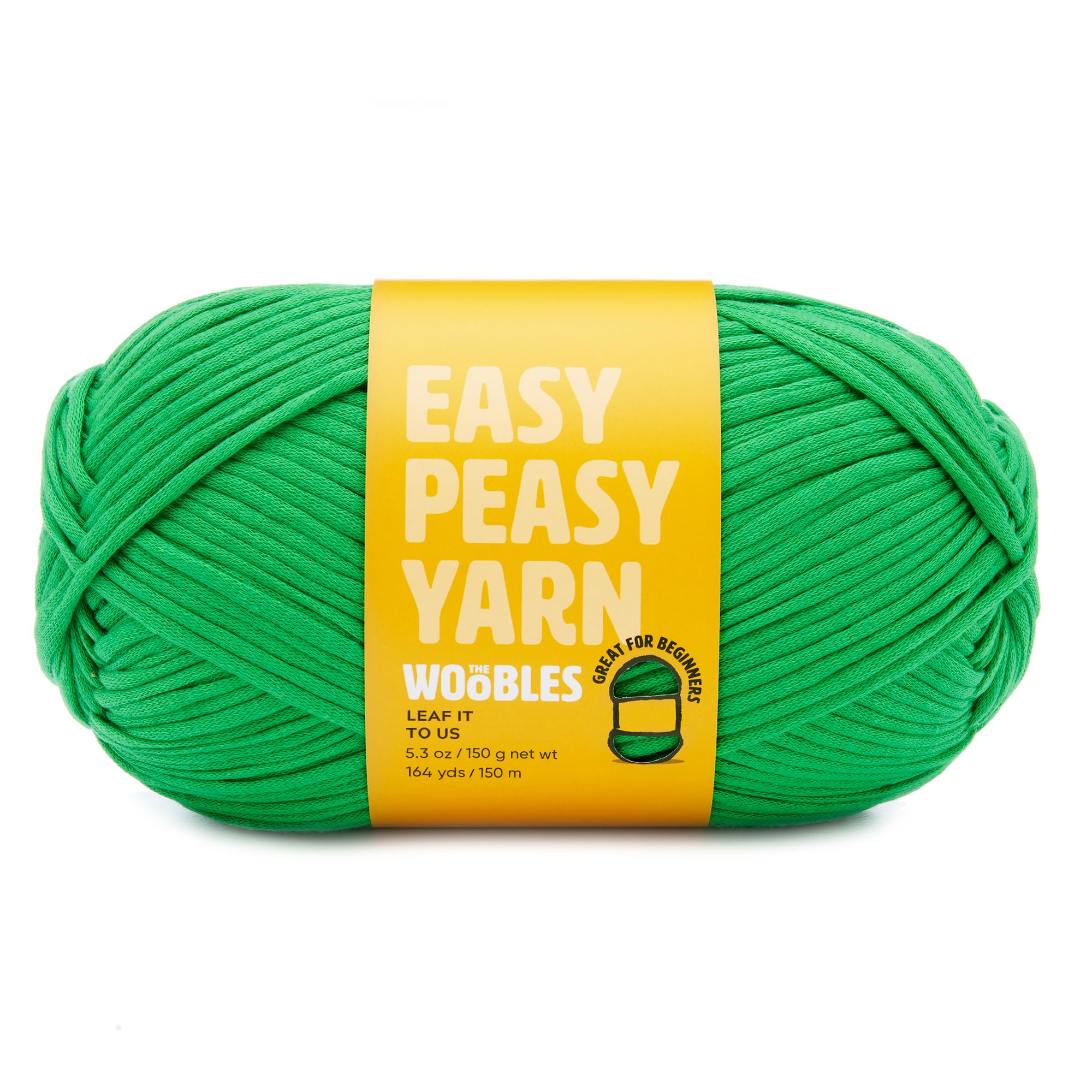
Worsted #4 cotton-nylon blend that’s smooth, non-splitting, and perfect for new crocheters and amigurumi.
Why I picked it: Thicker, easy-to-see stitches and a smooth, non-fraying blend that keeps learning fun.
Best for: Beginners, amigurumi, and quick projects where stitch visibility matters.
Not the cheapest per skein but good value for beginner-friendly features and generous skein size.
Pros
- Easy-to-see stitches for learners
- Smooth, non-splitting yarn
- Soft and machine washable
- Works well for amigurumi
Cons
- Not traditional crochet thread
- Heavier weight than fine threads
My take
I recommend this Woobles yarn to anyone just starting out or working on amigurumi. The worsted weight makes stitches easy to find, and the cotton-nylon blend resists splitting when I pull hooks through dense shapes.
The skein is soft, machine washable, and comes in colors that read well for toys and casual accessories. I used it for several amigurumi patterns and appreciated how quickly pieces built up compared with fine thread.
This isn’t a substitute for true size 10 or 3 crochet thread when I’m aiming for lace or delicate trim, but it’s become my default for learning, quick projects, and stuffed toys.
How I Choose Crochet Thread
Thread Weight and Project Match
I always match thread weight to the project: size 10 for traditional lace and edgings, size 3 for fashion trims and visible accessories, and worsted yarn for beginners and amigurumi.
If a pattern calls for a specific size, I stick with that size; if I’m adapting a design, I swatch to confirm gauge and appearance.
- Size 10: doilies, edgings, fine motifs
- Size 3: apparel trims, flowers, visible accessories
- Worsted #4: beginner projects, amigurumi, thicker items
Fiber and Finish Matter
I prefer mercerized cotton for thread because it gives sheen and better stitch definition. Blends like cotton-nylon add elasticity and durability for toys and wash-and-wear items.
For heirloom or decorative pieces I choose a high-luster mercerized thread; for practical, washable projects I lean toward blends that tolerate handling.
- Mercerized cotton = shine and crisp stitches
- Cotton-nylon blends = durability and slight stretch
- Choose finish based on whether appearance or durability is priority
Yardage and Spool Size
I always check yardage before starting large projects. One large spool can save time and ensure color consistency across a tablecloth or series of motifs.
For small decorative pieces I buy smaller spools so I don’t end up with excess thread in colors I won’t use.
- Large spools = economical for big projects
- Small spools = useful for specialty colors and trims
- Plan yardage with finishing and potential errors in mind
Tools and Care
I use hooks sized to the thread: very small steel hooks for size 10, slightly larger hooks for size 3, and standard hooks for worsted yarn.
Check care instructions — mercerized cotton and many blends are machine washable, but I often air-dry delicate lace to keep shape.
- Use recommended hook sizes and swatch first
- Block lace gently and dry flat
- Follow care instructions to preserve finish
Frequently Asked Questions
What's the difference between crochet thread and yarn?
I think of crochet thread as finer, often mercerized cotton used for lace and edgings; yarn is bulkier and used for garments, blankets, and amigurumi. They require different hook sizes and give very different textures.
Which thread should I pick for doilies?
I choose size 10 mercerized cotton for doilies because it blocks well and shows stitch definition. If I need a large tablecloth, I opt for higher-yardage spools to avoid color mismatches.
Can I machine wash projects made with these threads?
I follow the labeled care instructions. Mercerized cotton and many blends are machine washable, but I usually dry flat for delicate lace to preserve shape and finish.
Final Take
I selected these threads and yarn because each serves a distinct need: classic mercerized thread for fine lace, a large spool for big projects, a fashion-weight option for trims, and a user-friendly worsted yarn for beginners.
Decide whether finish, yardage, or stitch visibility matters most for your project, then pick the option that matches that priority.
