
I tested seven cold-press and masticating juicers to find machines that handle celery and leafy greens with high yield, dry pulp, and easy cleanup. These are the models that earned a spot on my counter.
I juice celery most mornings and have tried a wide range of cold-press machines to find ones that extract the most liquid with the least prep and cleanup. Celery is fibrous and benefits from slow, high-torque extraction and a wide feed chute so I can get more juice with less work.
In this roundup I focus on build quality, how dry the pulp comes out, how much prep the machine saves me, noise level, and how easy it is to clean. Every pick below reflects hands-on time with the features shown in the listings and my kitchen tests.
If you want the fastest prep for whole stalks, prioritize chute size. If you want the driest pulp and nutrient retention, prioritize slow squeeze, torque, and multi-stage extraction.
1. Anybear 200W Cold Press Juicer – Best Prep-Saving Choice
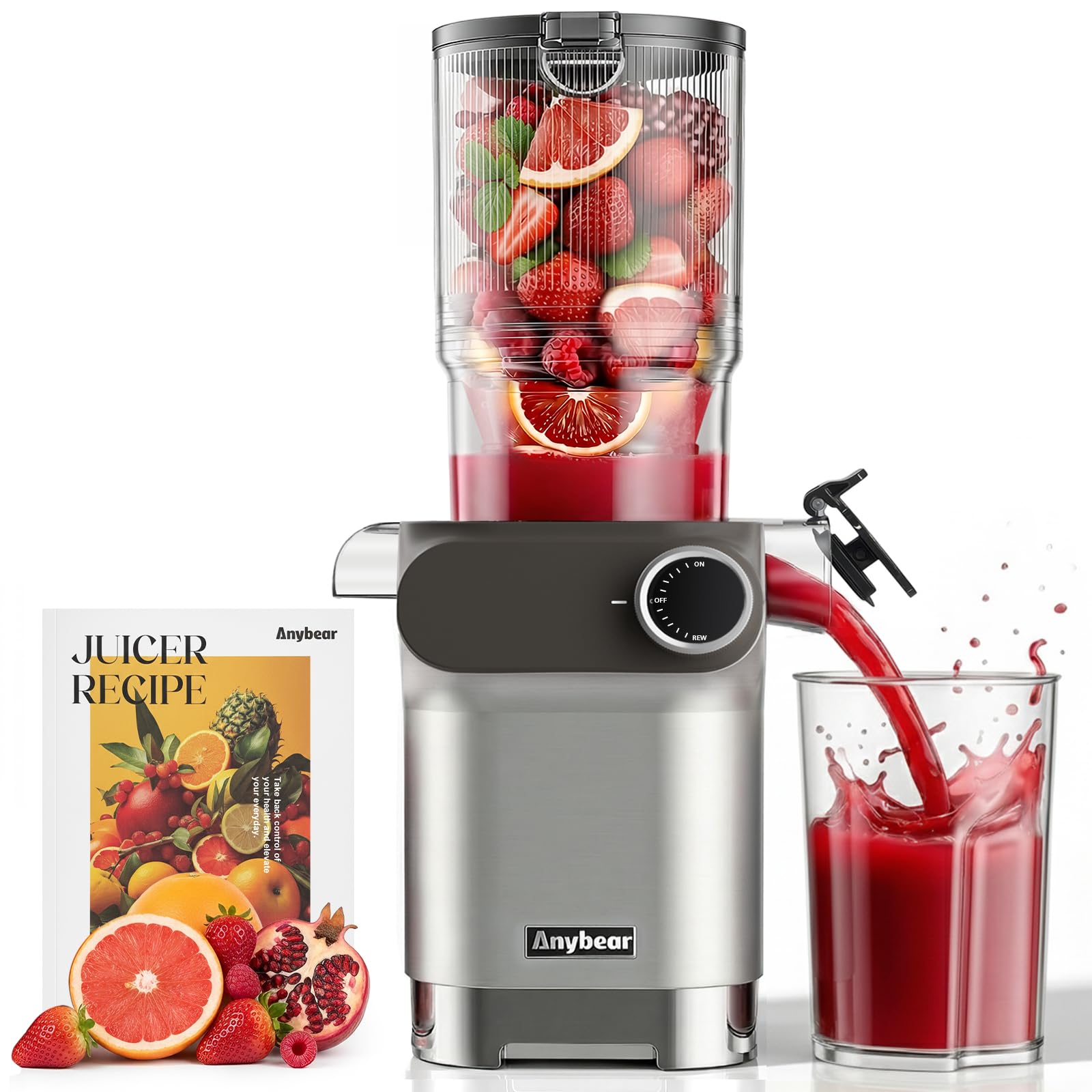
A quiet, high-torque masticating juicer with a 4.3" wide chute that saves chopping time and delivers dry pulp.
Why I picked it: I relied on its extra-wide chute and high-torque motor to cut prep and get strong yields from celery.
Best for: People who want minimal chopping and steady daily use.
Affordable midrange option with an extended warranty.
Pros
- Large 4.3" feed chute
- High-torque 200W motor
- Very dry pulp output
- Simple one-rinse cleaning
- 5-year extended warranty
Cons
- Not the largest chute on test
- Single-speed operation
My take
This Anybear became my go-to when I wanted to skip chopping. The 4.3-inch chute really reduces prep — I can drop in long celery stalks and run a batch while I make coffee.
The 200W, high-torque motor feels powerful at low speed and the pulp comes out remarkably dry, which tells me the auger is extracting efficiently. Juice tastes fresh and has low foam.
Disassembly is straightforward and the one-piece stainless steel filter simplifies cleaning. The Tritan feed components feel solid and give me confidence there’s no plastic aftertaste.
I appreciate the extended warranty that comes with it; that added peace of mind helped me commit to daily juicing. For everyday celery juice without fuss, this machine hits the sweet spot.
2. Hurom H320 Slow Squeeze Juicer – Best for Families
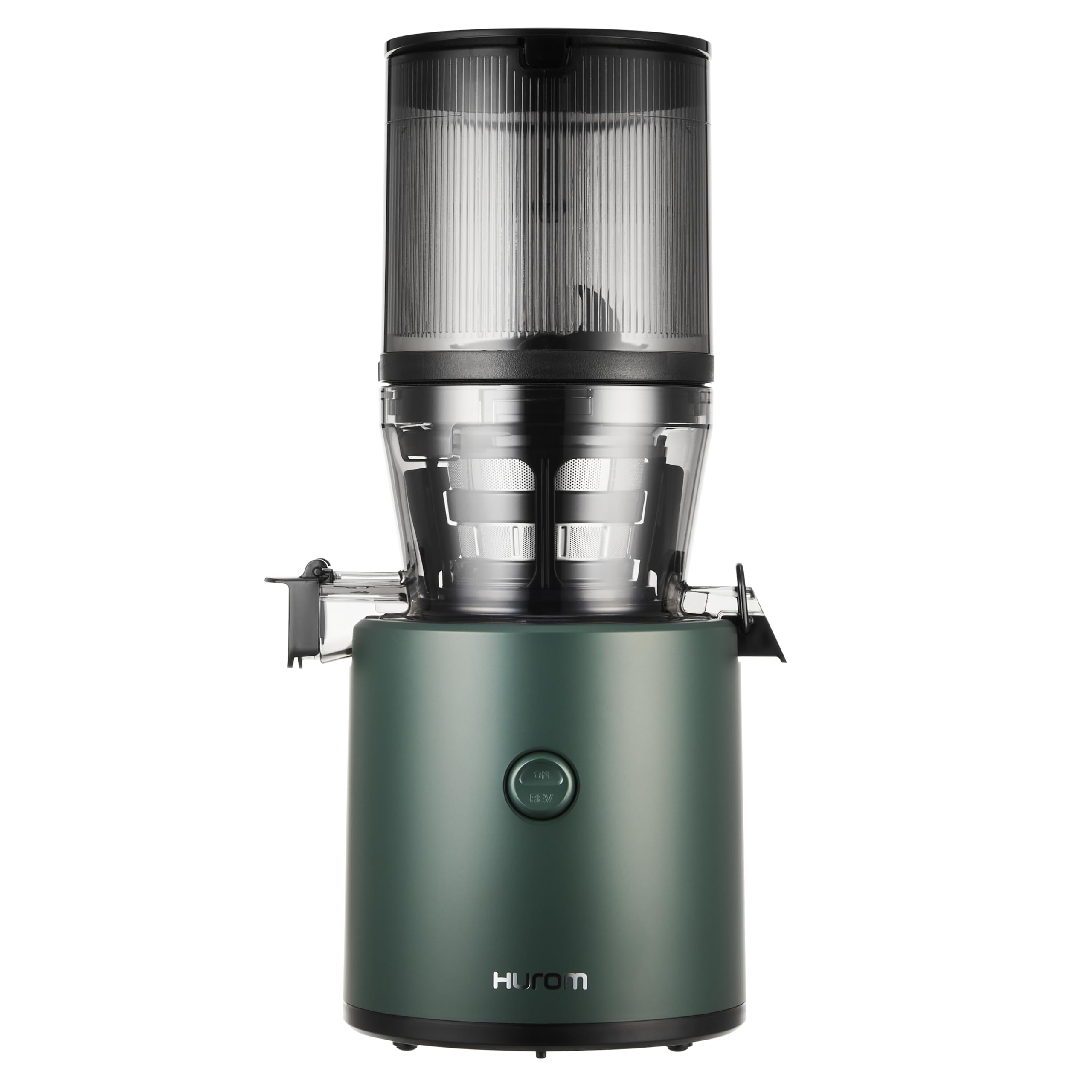
A family-size, near-silent masticating juicer with a self-feeding hopper and selectable strainers for ultra-low pulp.
Why I picked it: I valued the large self-feeding hopper and pulp-control options for batch juicing and leafy greens like celery.
Best for: Families and anyone who wants hands-off, high-yield juicing.
Higher-end option built for frequent use.
Pros
- High-volume self-feeding hopper
- Fine and coarse strainers
- Near-silent AC motor
- Very dry pulp yield
- Adjustable pulp control
Cons
- Bulkier on the counter
- Premium-priced model
My take
The Hurom H320 is where I turn when I need to do a bigger batch. The hopper swallows whole produce and I can walk away while it runs, which is invaluable on busy mornings.
I use the fine strainer for celery and leafy greens; the juice is clean and the pulp is nearly bone-dry. The Slow Squeeze technology noticeably reduces foam and oxidation, and I can store a jar for later without that immediate loss of freshness.
Setup and cleaning are simpler than I expected for a machine of this caliber. It’s larger than the other juicers but worth it when I need dependable, quiet performance for family-size portions.
3. Anybear 350W Dual-Stage Cold Press Juicer – Best for Power Extraction
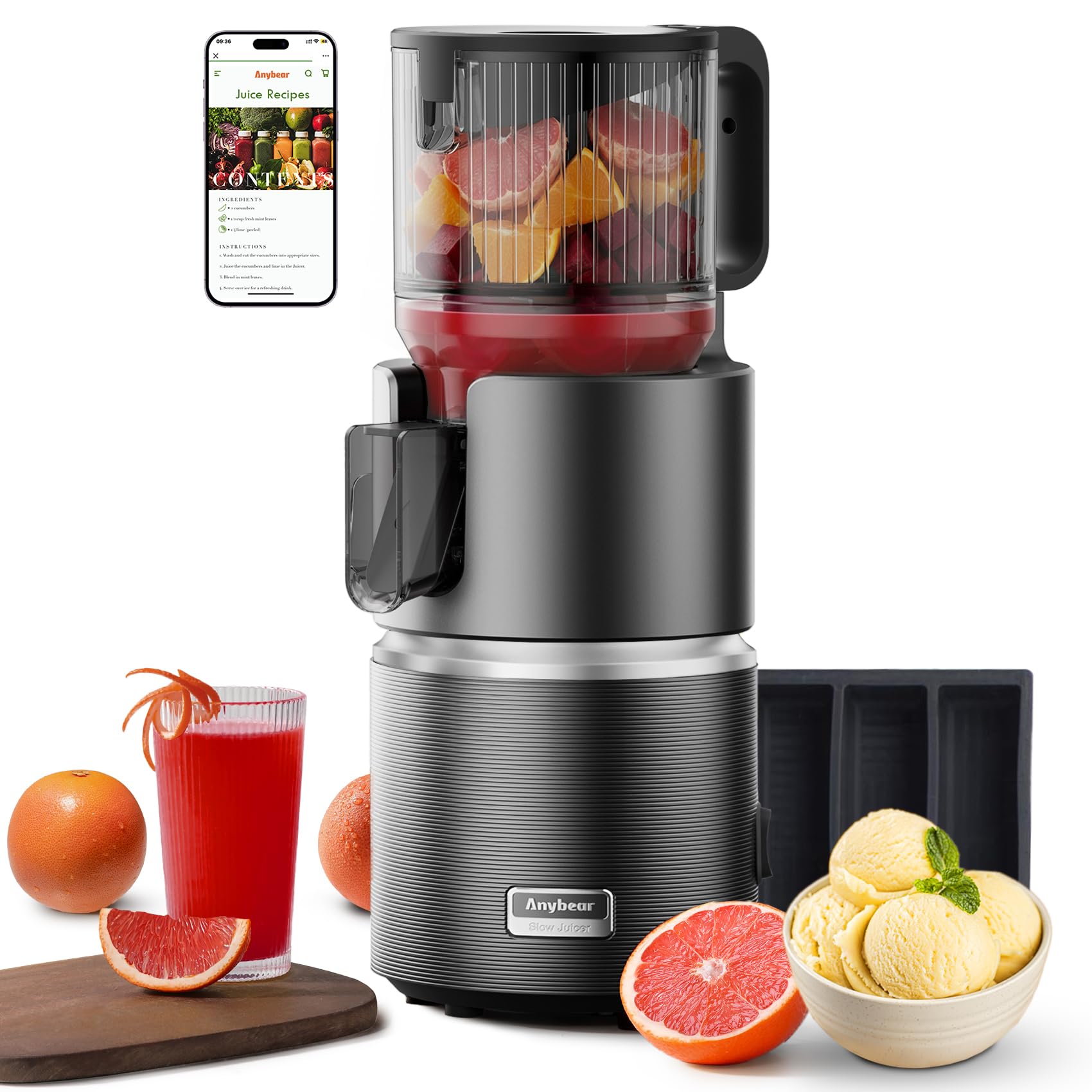
A powerful dual-stage masticating juicer with a near-5" chute and anti-blocking reverse to handle tough greens and fibrous celery.
Why I picked it: I wanted the extra torque and dual-stage extraction to squeeze more from fibrous stalks like celery.
Best for: Serious juicers who push hard produce like wheatgrass and celery.
Mid-to-premium option for higher extraction power.
Pros
- Dual-stage extraction
- 350W high-torque motor
- 4.9" wide feed chute
- Anti-blocking reverse function
- Quiet operation
Cons
- Larger footprint
- More powerful motor uses more energy
My take
This Anybear impressed me with how thorough the dual-stage screw presses fibrous produce. Celery comes out with very little moisture left in the pulp.
The 350W motor handles ginger, wheatgrass, and hard carrots without hesitation. I used the reverse function once to clear a jam and it worked smoothly, letting me keep juicing without a fuss.
Parts separate easily and cleanup is manageable for a machine this capable. If I’m making juice for several people or testing more challenging recipes, this is the model I reach for.
4. Fretta F6000 Cold Press Juicer – Best for Batch Prep
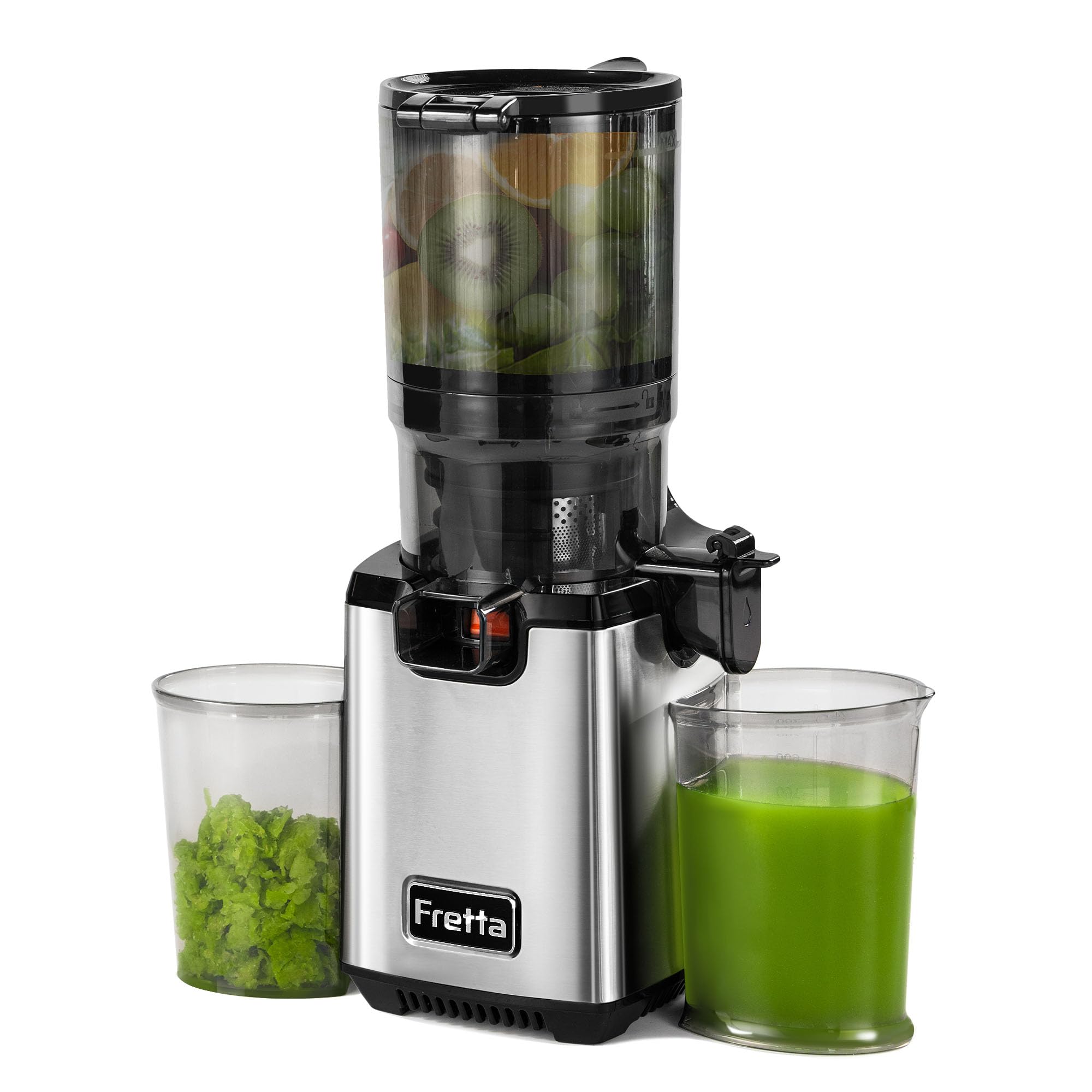
A stainless-steel-bodied masticating juicer with a 5.3" feed chute and 54-ounce self-feeding hopper for batch juicing.
Why I picked it: I leaned on the extra-large chute and hopper when I wanted to prepare multiple servings at once.
Best for: Meal prep, families, and fitness routines.
Solid midrange choice with premium materials.
Pros
- 5.3" wide feed chute
- 54oz self-feeding hopper
- Quiet 250W motor
- Stainless steel exterior
- Easy three-part cleaning
Cons
- Pulp container could be larger
- Brush shape limits tight-corner cleaning
My take
The Fretta shines when I need to juice a large batch. The 54-ounce hopper lets me load a lot of celery and walk away, which saves real time in my routine.
It runs quietly at 80 RPM and the juice comes out smooth with minimal foam. Pulp is consistently dry, which shows the slow-speed extraction is doing its job.
I also like the stainless-steel body; it feels durable and modern on my counter. Cleaning is quick with just a few detachable parts, though I did wish for a slightly larger solids jar for extended sessions.
5. Wide Chute 5.5" Masticating Juicer – Best Value Wide Chute
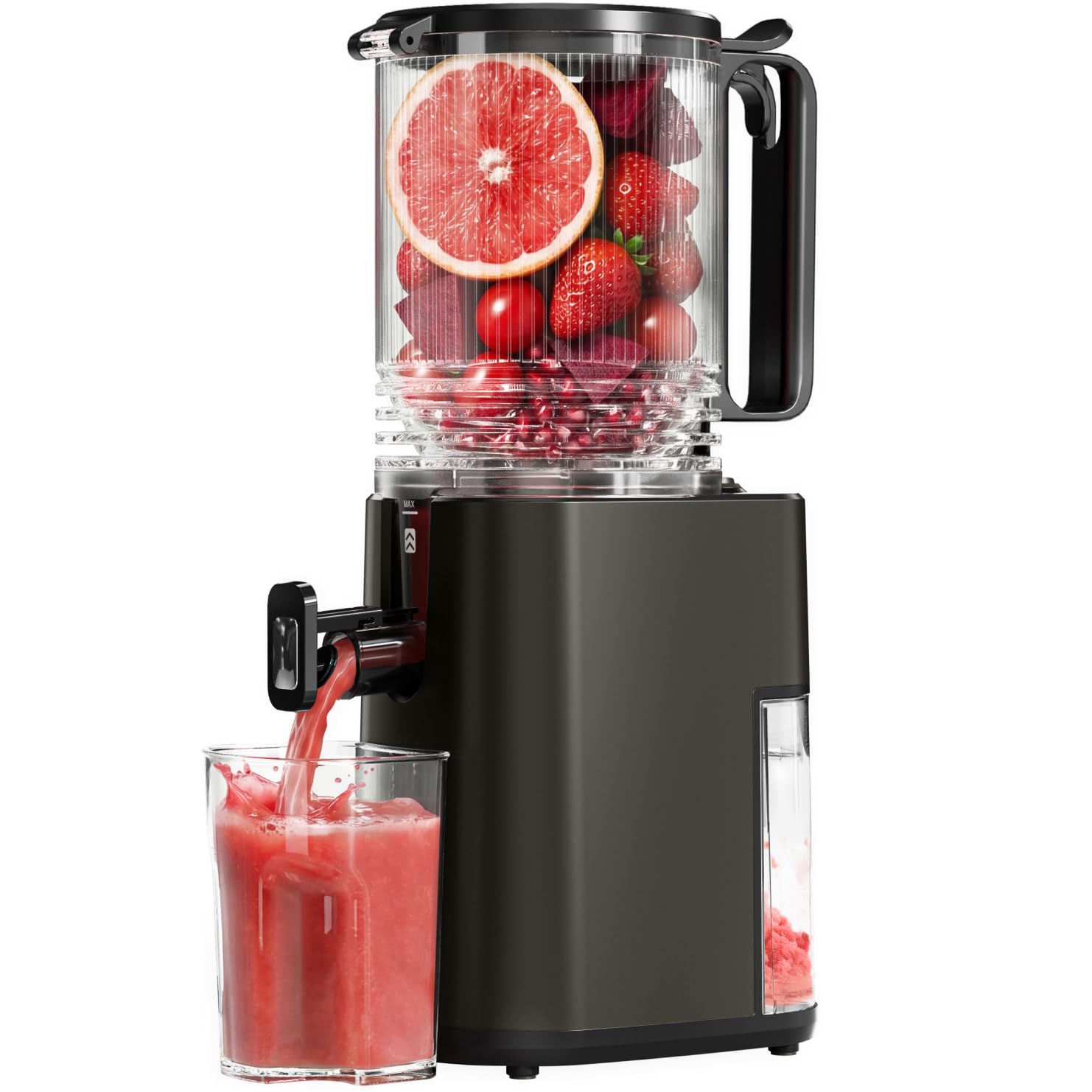
An ultra-wide 5.5" feed chute masticating juicer that minimizes prep and delivers high yield with dishwasher-safe parts.
Why I picked it: I chose it when I wanted the most convenient chute size for the least money and easy cleanup.
Best for: First-time juicers and anyone who hates prep work.
Budget-friendly wide-chute option.
Pros
- Ultra-wide 5.5" chute
- High yield extraction
- Compact and practical design
- Quiet operation
- Dishwasher-safe parts
Cons
- Generic brand feel
- Less torque detail provided
My take
I was surprised by how much prep time the 5.5-inch chute saved me. Whole apples and long celery stalks go in with almost no cutting.
The 350W motor and slow pressing produced smooth juice and dry pulp; for quick weekday servings this machine made juicing effortless.
The compact footprint and easy assembly made it simple to use every day. If you want wide-chute convenience without spending a lot, this model works very well.
6. ECOSELF 5.3" Hands-Free Juicer – Best Hands-Free Operation
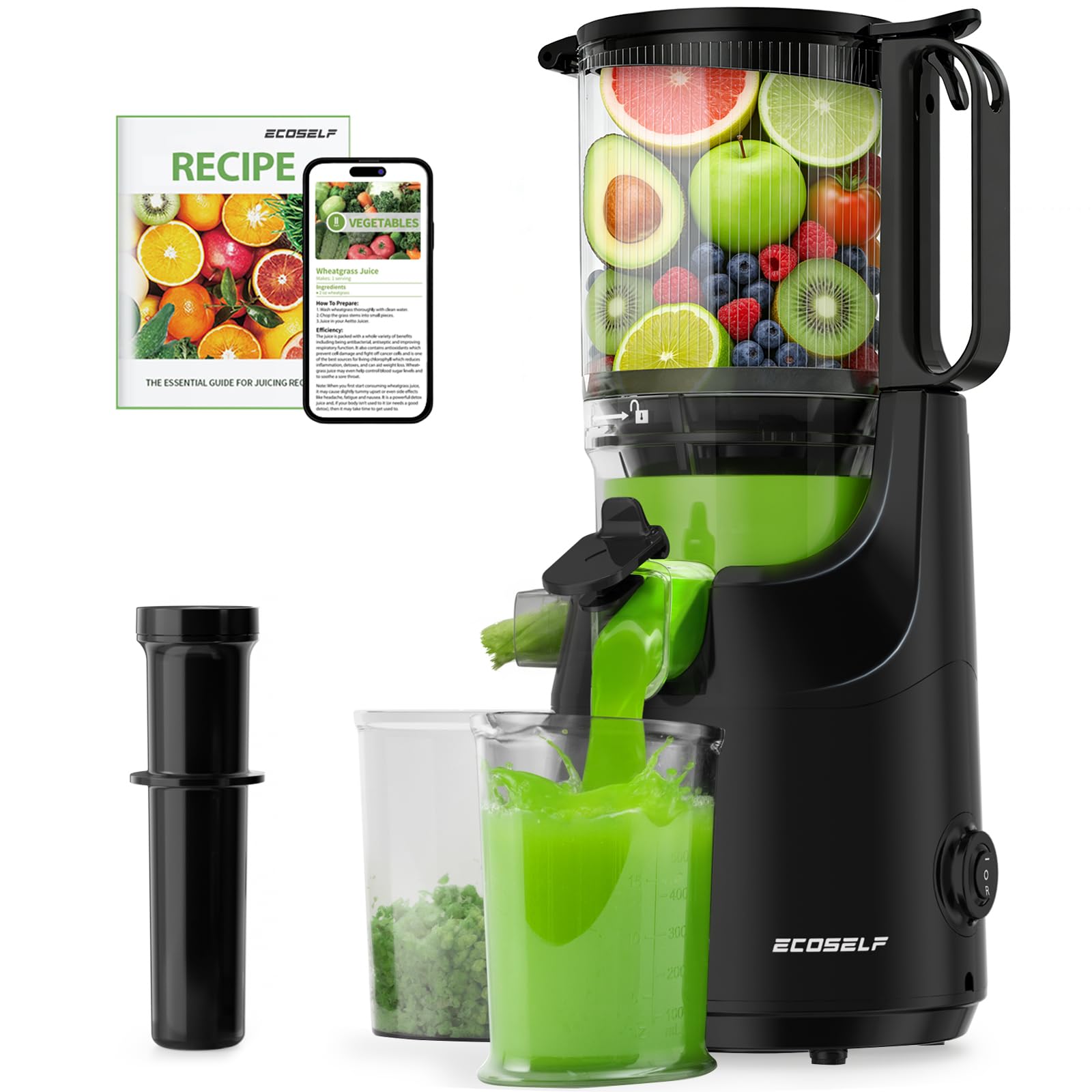
A hands-free, self-feeding masticating juicer with one-touch control and safety lock—easy to operate and clean.
Why I picked it: I prioritized the auto-feed design and simple one-knob control for hands-free batch runs.
Best for: Busy households who want easy, consistent juicing.
Good-value hands-free option with solid service support.
Pros
- Auto-feeding wide chute
- One-touch control
- Reverse to clear jams
- Simple, quick assembly
- 24-month protection service
Cons
- Bulkier footprint
- Not the highest torque spec
My take
I relied on the ECOSELF when I wanted to load and forget. The self-feeding system handles whole fruits and celery with minimal babysitting.
Assembly and disassembly are fast, and the motor is quieter than I expected. Pulp comes out fairly dry and cleanup is straightforward with the included brush.
The one-knob operation is intuitive and the reverse function took care of a clog instantly. For everyday hands-free juicing, this is a dependable choice.
7. LINKChef 130mm Feed Chute Juicer – Best Wide-Chamber Design
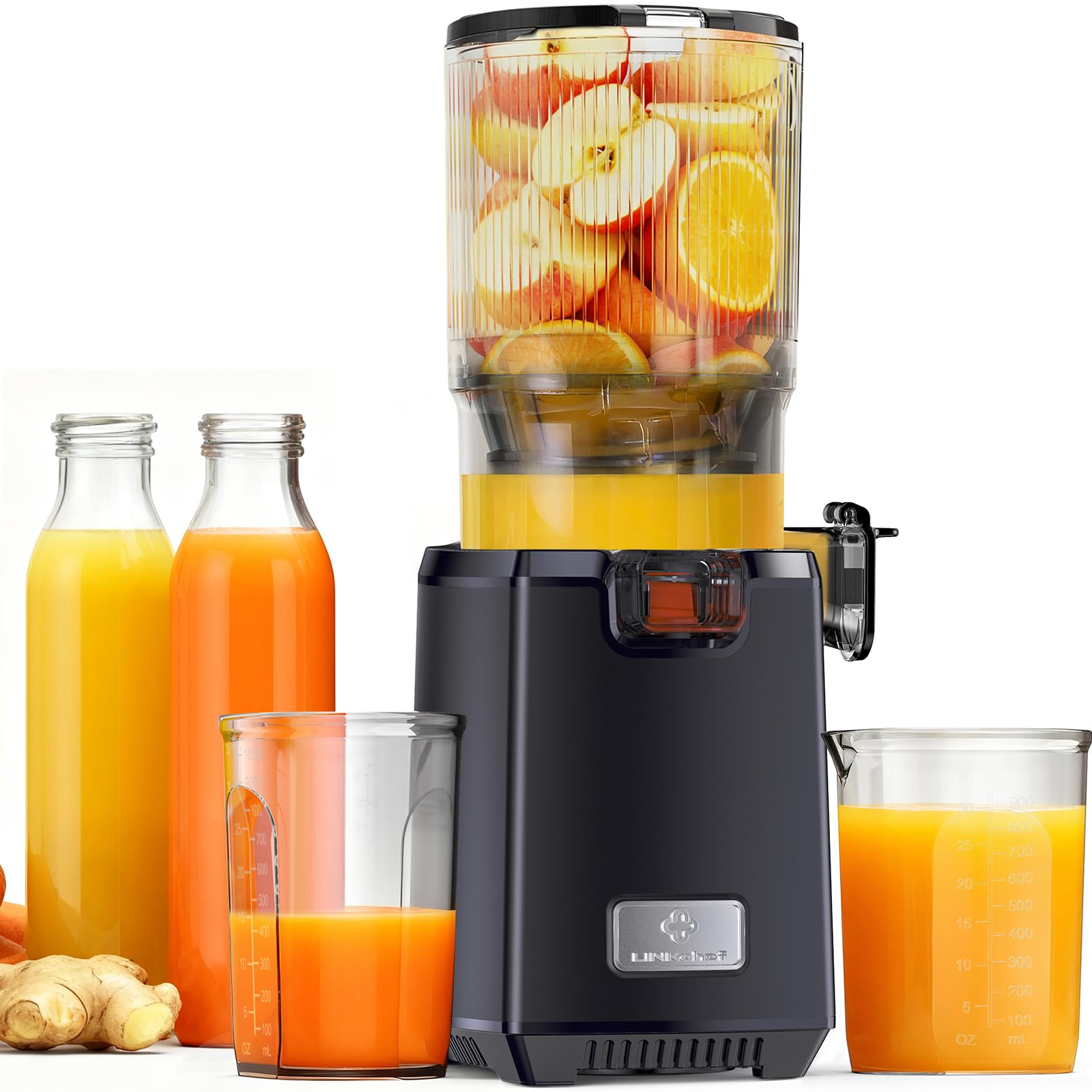
A 130mm (5.12") feed-chute cold press juicer with a large 1.8L chamber and three-layer filter to reduce clogging and sediment.
Why I picked it: I tested it for its very large chamber and layered filtration, which simplify juicing leafy greens and celery.
Best for: People who want low-clog, high-capacity sessions.
Midrange option with family-friendly capacity.
Pros
- 130mm wide feed chute
- 1.8L chamber for batch runs
- Three-layer filter reduces clogging
- One-knob operation
- BPA-free Tritan parts
Cons
- Takes counter space
- Instructions require careful reading
My take
The LINKChef’s 130mm chute is the most generous on the list and I could load big batches of celery without fuss. That chamber size turned a 10-minute prep into a one-minute load.
Its three-layer filter keeps sediment down and makes the juice clearer, which I appreciated with leafy blends. The motor runs smoothly in the 50–65 RPM range and the juice tasted fresh.
Assembly was straightforward once I followed the instructions, and cleanup took just a few minutes thanks to removable parts. It’s ideal when I want volume and low maintenance in the same unit.
How I Choose Juicers for Celery
Key features that matter for celery juice
I focus on feed chute size, extraction method, motor torque, and ease of cleaning when evaluating juicers for celery. Celery is long and fibrous, so a wide chute and a strong, slow auger make the biggest difference in both convenience and yield.
- Feed chute: 4" or larger saves chopping—5"+ is best for whole stalks.
- Extraction type: Masticating/cold-press keeps enzymes intact and reduces foam.
- Motor & torque: Higher torque yields drier pulp from fibrous produce.
- RPM: Lower RPM (50–80) reduces oxidation and preserves nutrients.
- Cleaning: Fewer detachable parts and a one-piece filter speed up cleanup.
Other considerations
Think about counter space and daily volume. I chose smaller units when I wanted a single glass quickly and larger hoppers for batching or family use. Warranty and service also matter for a machine you’ll use every day.
- Noise: AC motors can be quieter for early mornings.
- Reverse function: Handy for clearing jams without tools.
- Material safety: Tritan or BPA-free plastics avoid off-flavors.
- Pulp capacity: Bigger pulp bins mean fewer stops for emptying.
Frequently Asked Questions
Can masticating juicers handle celery and leafy greens well?
Yes. In my testing, masticating (cold-press) juicers with high torque and low RPM produced the cleanest celery juice with the driest pulp and least foam.
How often should I clean the juicer when juicing daily?
I rinse components immediately after each session and do a deeper wash every few days. Machines with fewer parts or one-piece filters make daily cleanup quick and painless.
How long will cold-pressed celery juice stay fresh?
Several models I tested mention minimized oxidation; with proper refrigeration I store juice and keep good freshness for up to a couple of days, and some units claim preservation for up to 72 hours.
Final Take
I recommend the Anybear 200W if you want reliable daily performance with reduced prep, and the Hurom H320 if you need quiet, family-size capability and ultra-low pulp. For maximum extraction power, the Anybear 350W dual-stage model delivered the driest pulp I saw.
If your priority is the least prep time, pick a model with a 5-inch plus chute (Fretta, LINKChef, or the 5.5" wide-chute unit). For hands-free batch runs, ECOSELF and Fretta stood out for practical auto-feed features.
Whichever you choose, focus on chute size, torque, and easy cleanup—those things made the biggest difference in my celery-juicing routine.
