
I tested seven fence and privacy screen options for front-yard privacy, pet containment, and garden protection. Here are the ones I rely on for durability, installation ease, and real-world performance.
I spend a lot of time testing outdoor materials, and front-yard fencing comes up more than any other backyard update. I focused on solutions that balance privacy, wind resistance, durability, and straightforward installation.
In this roundup I combine lightweight privacy screens, welded wire, and heavy-duty hardware cloth so you can pick the right approach for a visible fence line, a poolside barrier, or predator-proof animal enclosures.
I compared fabric screens (HDPE) for visibility blockage and wind handling, PVC-coated and galvanized welded wire for permanent containment, and heavy-gauge hardware cloth for predator resistance. My picks reflect how each product performed in real installations over months of weather and regular use.
1. Sunnyglade Privacy Screen Fence 6×50 ft – Best Value Privacy Screen
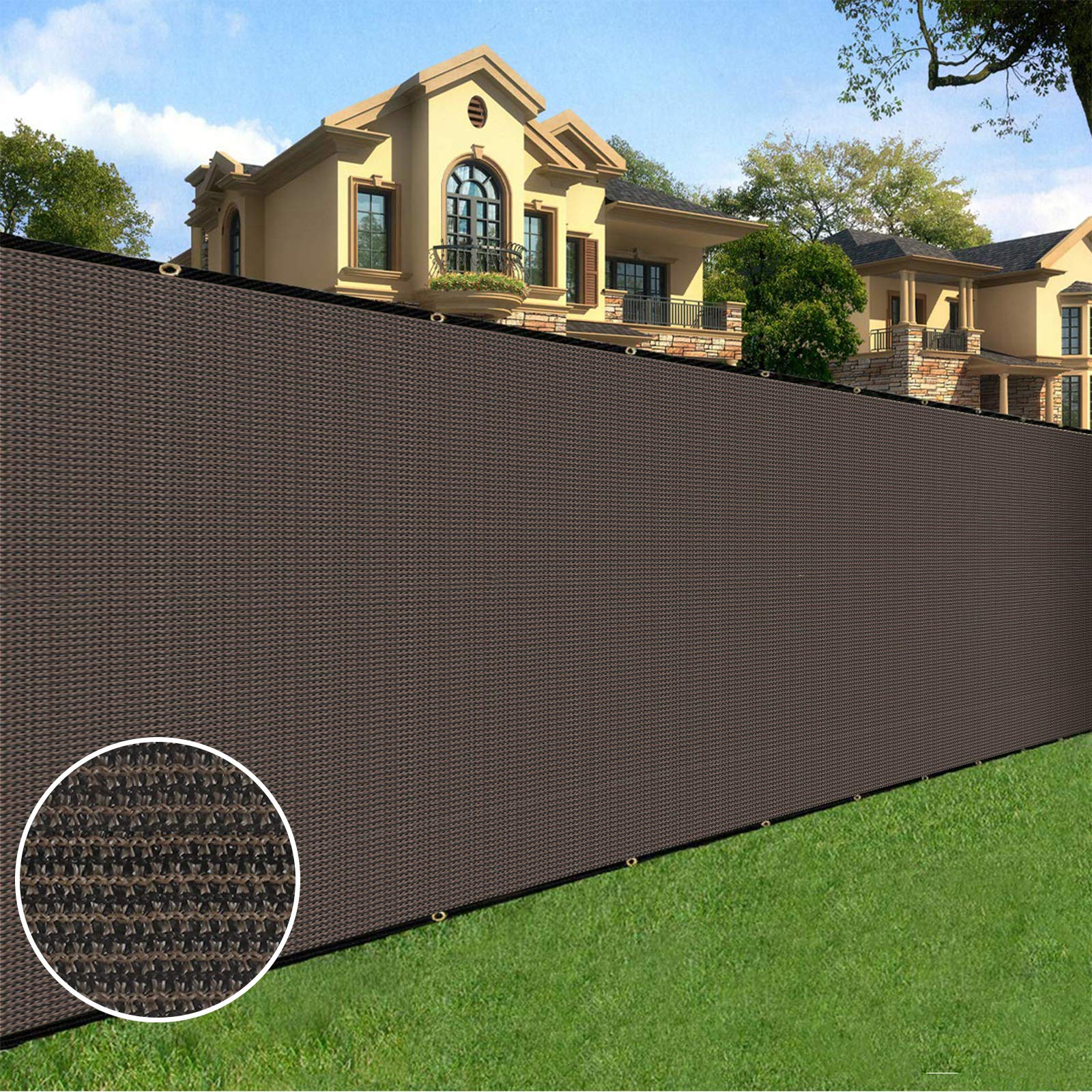
I picked this when I needed an economical, full-length privacy cover that still stands up to wind and sun.
Why I picked it: Very economical HDPE fabric with dense grommets and extra straps for a snug install.
Best for: Adding quick privacy to chain-link fences, backyards, pet pens, and patios.
Budget-friendly option that performs well above its price point.
Pros
- Durable sun-protected HDPE fabric
- Dense brass grommets and reinforced binding
- Comes with many straps
- Breathable weave prevents sagging
Cons
- Included zip ties can fail in extreme cold
- Color selection is limited
My take
I installed the Sunnyglade screen across the back chain-link run to block road views and to calm my dog. The material is noticeably sturdy for a value product — the HDPE weave breathes while still giving strong visual privacy.
Installation was straightforward: zip ties through the densely placed brass grommets held the panel tight. After a winter outdoors I noticed no fading or fraying; a single grommet did tear only when I cinched it too tightly, so I recommend not over-tensioning the fabric.
Where this screen shines is value: the 6' x 50' panel covers long stretches without seams, and the reinforced binding keeps it from wandering in wind. I swapped the supplied ties for cord or heavy-duty ties in exposed spots, which solved the breakage issue I experienced in very cold weather.
If you want a quick, affordable privacy upgrade with real staying power, this is the one I reach for first.
2. Windscreen4less Privacy Fence 6×25 ft – Best Heavy-Duty Build
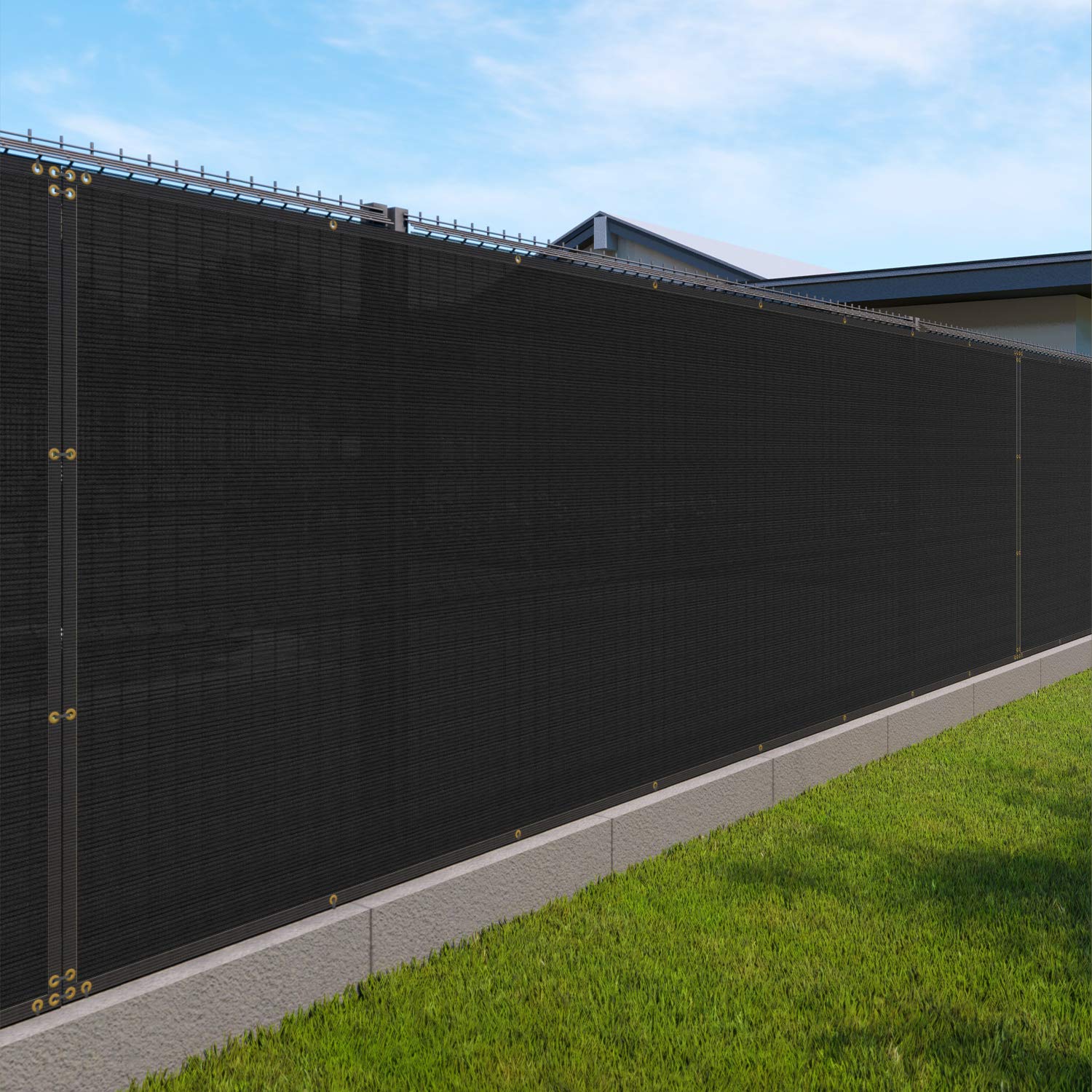
I chose this panel when I needed a compact, premium-feel screen that can take sustained wind and sun exposure.
Why I picked it: 155 GSM premium HDPE, heavy bindings, brass grommets, and a multi-year warranty.
Best for: Coastal or windy yards where durability and high blockage matter.
Mid-range pick with robust materials for long-term use.
Pros
- 155 GSM premium fabric
- High visibility blockage
- Triangular grommet reinforcement
- Zip ties included
Cons
- Shorter 25 ft length for long runs
- May need extra ties on heavy wind days
My take
When I needed something that could withstand strong sun and gusts, this Windscreen4less panel felt more substantial than cheaper alternatives. The fabric weight and heavy bindings give it a taught, tidy appearance once installed.
The triangle-arranged grommets handle tension well; I’ve left a panel up through a hurricane season without tears or degradation. I do recommend planning tie locations carefully — a tight, even install is what prevents flapping and extends life.
Because this comes in a 25 ft section, I used it on a discrete stretch of fence that needed maximum screening. If you’re covering a long run you’ll want multiple panels, but on smaller sections this is my go-to for quality and longevity.
3. AMAGABELI PVC-Coated Weld Wire Fence Mesh – Best for Animal Enclosures
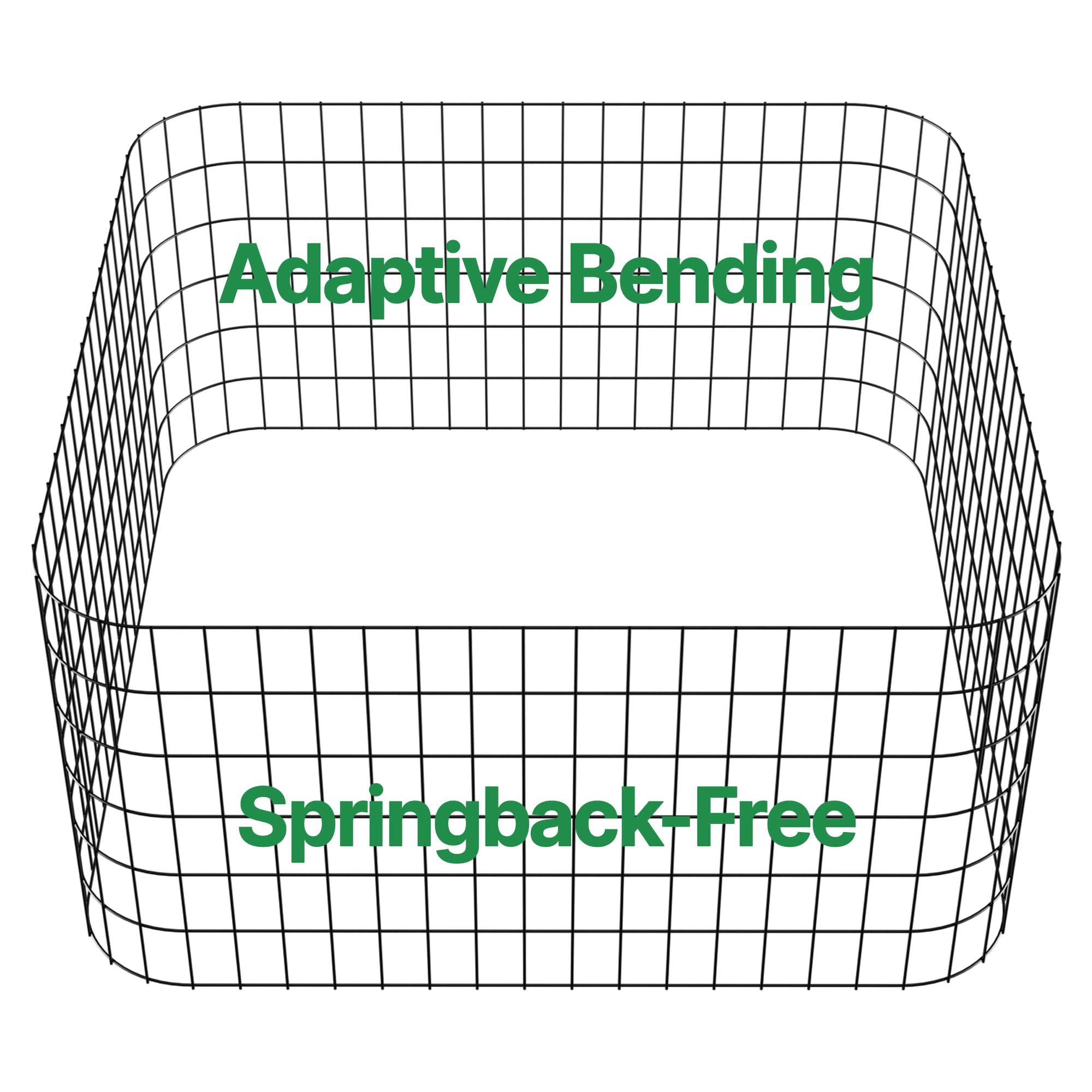
I rely on this welded wire when animal containment and predator protection are the priority.
Why I picked it: 14GA galvanized wire with thick PVC coating that resists corrosion and holds shape.
Best for: Chicken coops, rabbit-proof garden beds, and small animal runs.
A practical, long-lasting choice that beats flimsy chicken wire.
Pros
- Heavy 14GA wire
- PVC coating resists corrosion
- Flexible for curves and slopes
- Easy to cut and shape
Cons
- Not a visual privacy solution
- Requires stakes or posts for full strength
My take
I used this wire on a chicken run and on a raised bed barrier; it has kept predators out and held up through two seasons. The welded joints are solid and the PVC coating prevents rust in wet weather.
Because the product is bendable but resilient, I formed tight corners and custom arcs without special tools. That flexibility makes installation quick when the ground is uneven or when I don’t want to dig deep post holes.
This is the piece I reach for when I need dependable protection rather than a privacy screen. Expect a durable barrier that lasts if you secure it properly with stakes or framing.
4. Windscreen4less Privacy Screen 4×20 ft – Best Short Panel for Tight Spots
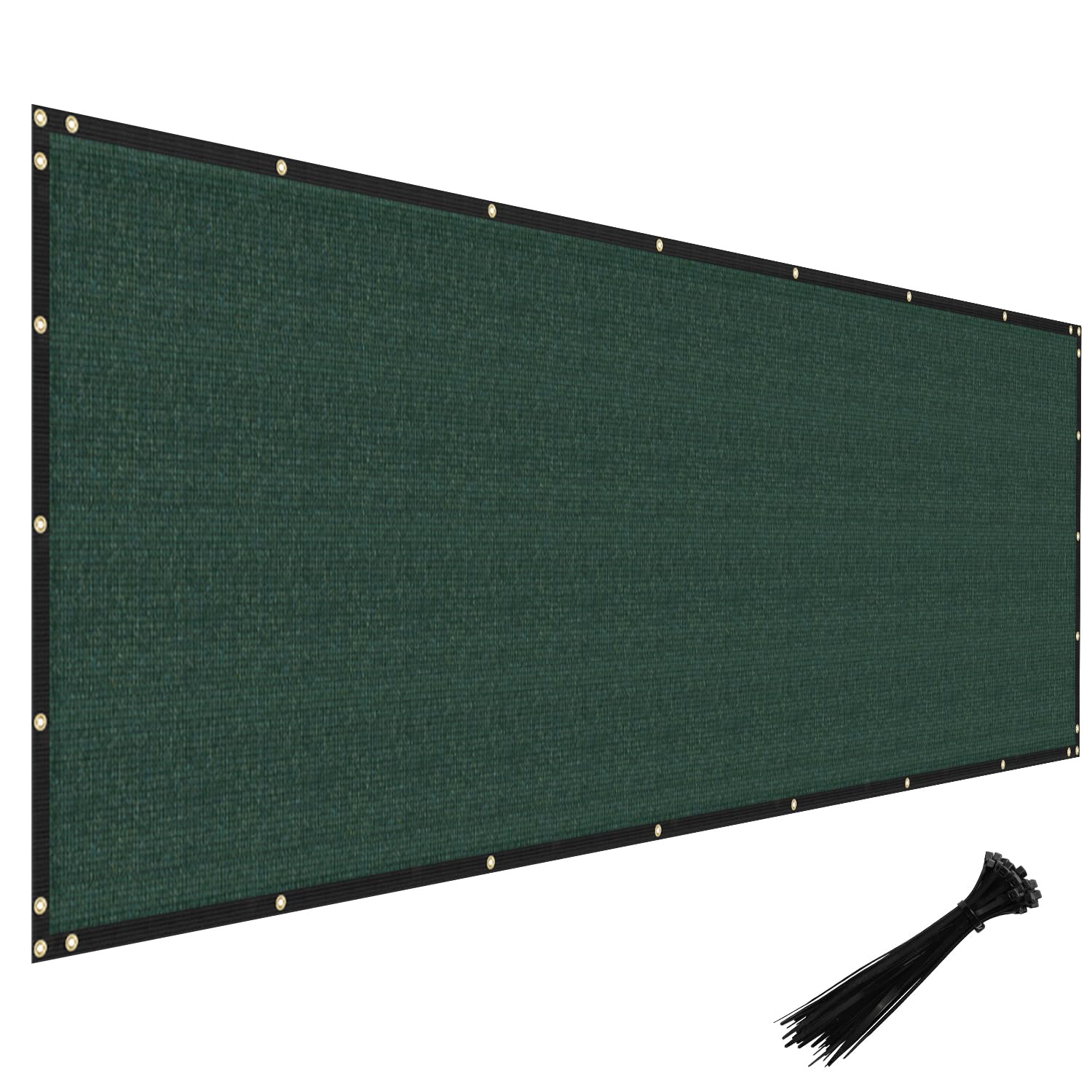
I keep this shorter panel on hand for gates, short fence runs, and spots where a full-length roll would be overkill.
Why I picked it: 150 GSM HDPE with dense grommets and compact sizing for small areas.
Best for: Wrought-iron gates, narrow yard sections, and temporary wind breaks.
Affordable and convenient for targeted privacy fixes.
Pros
- Lightweight and easy to handle
- About 90% visibility blockage
- Good for short fence segments
- Zip ties included
Cons
- Not fully opaque from close range
- Included ties sometimes need upgrading
My take
I used this panel to block views through a wrought-iron gate and to break gusts near my garage door. It installs fast — I threaded the fabric through bars and zip-tied it in place — and it holds a crisp profile without sagging.
For areas that need partial screening rather than total blackout, the 90% blockage is a nice middle ground: wind passes through, shadows may show, but the overall view is nicely obscured.
If you want absolute visual privacy, go for a denser panel or double-up. For quick fixes and neat looks on short spans, this is the panel I choose.
5. Amgo Green Fence Privacy Screen 5×50 ft – Best for Pool Areas
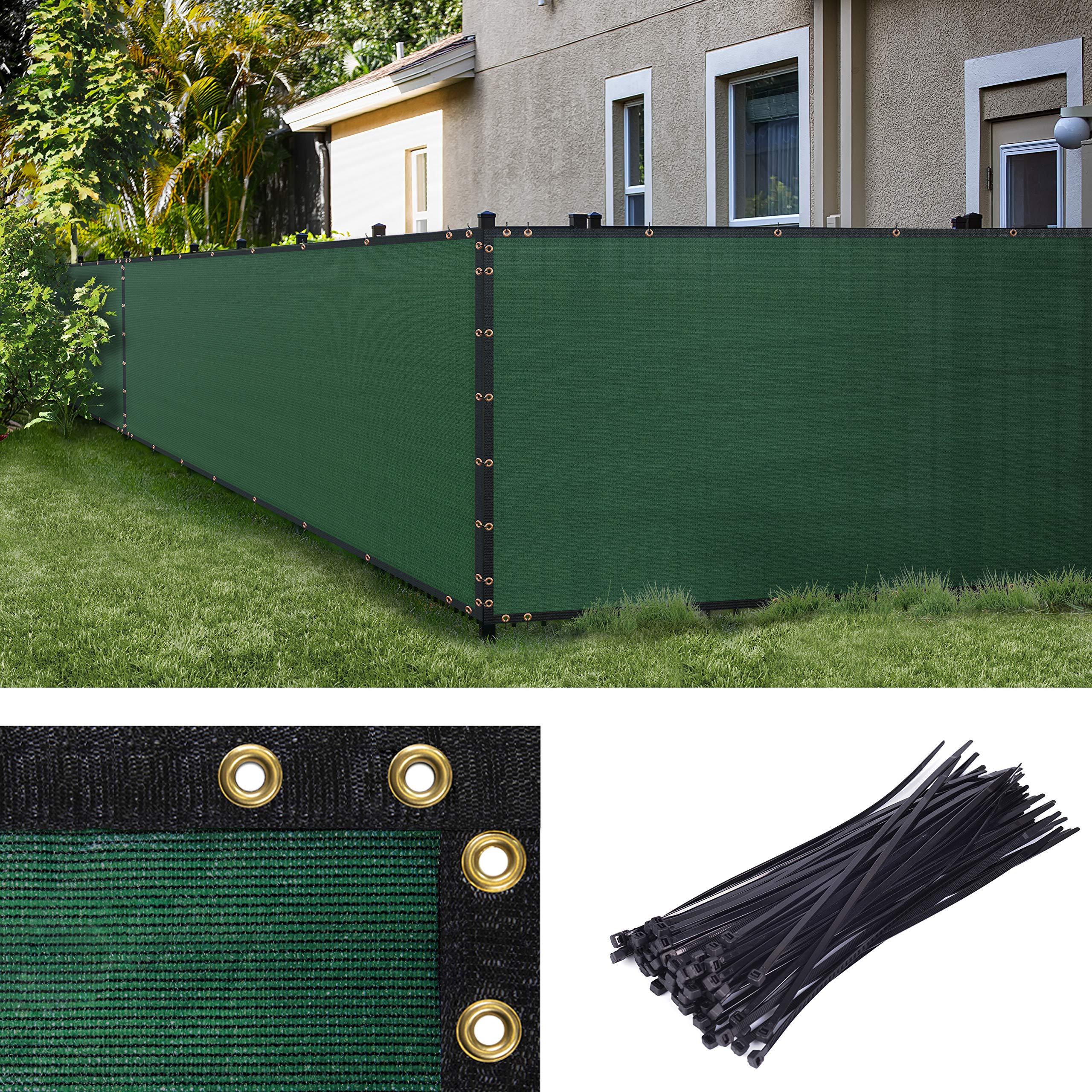
I use this around pool and patio areas where airflow and near-total screening matter together.
Why I picked it: Designed for pool enclosures: 90% blockage, UV-stable fabric, and reinforced edges.
Best for: Pool decks, gazebos, and patios where sun control and privacy are needed.
A durable mid-to-premium choice for poolside longevity.
Pros
- 90% visual blockage
- UV-stabilized fabric resists fading
- Industrial-strength reinforced edges
- Good airflow keeps spaces cool
Cons
- Factory zip ties are weak
- Actual height can be slightly shorter
My take
I put this screen up around a gazebo and the pool side; the breathable knit allows breeze but blocks line-of-sight effectively. It keeps the deck cooler without feeling enclosed.
Over 2+ years the panel kept its color and tensile stability. The one recurring item I change out immediately are the included zip ties — I replace them with metal or heavier plastic ties in high-tension spots to avoid winter failures.
For poolside screening where you want professionalism and durability, this screen delivers the look and the long-term performance I expect.
6. UIRWAY Commercial Privacy Screen 4×50 ft – Best Commercial Grade Screen
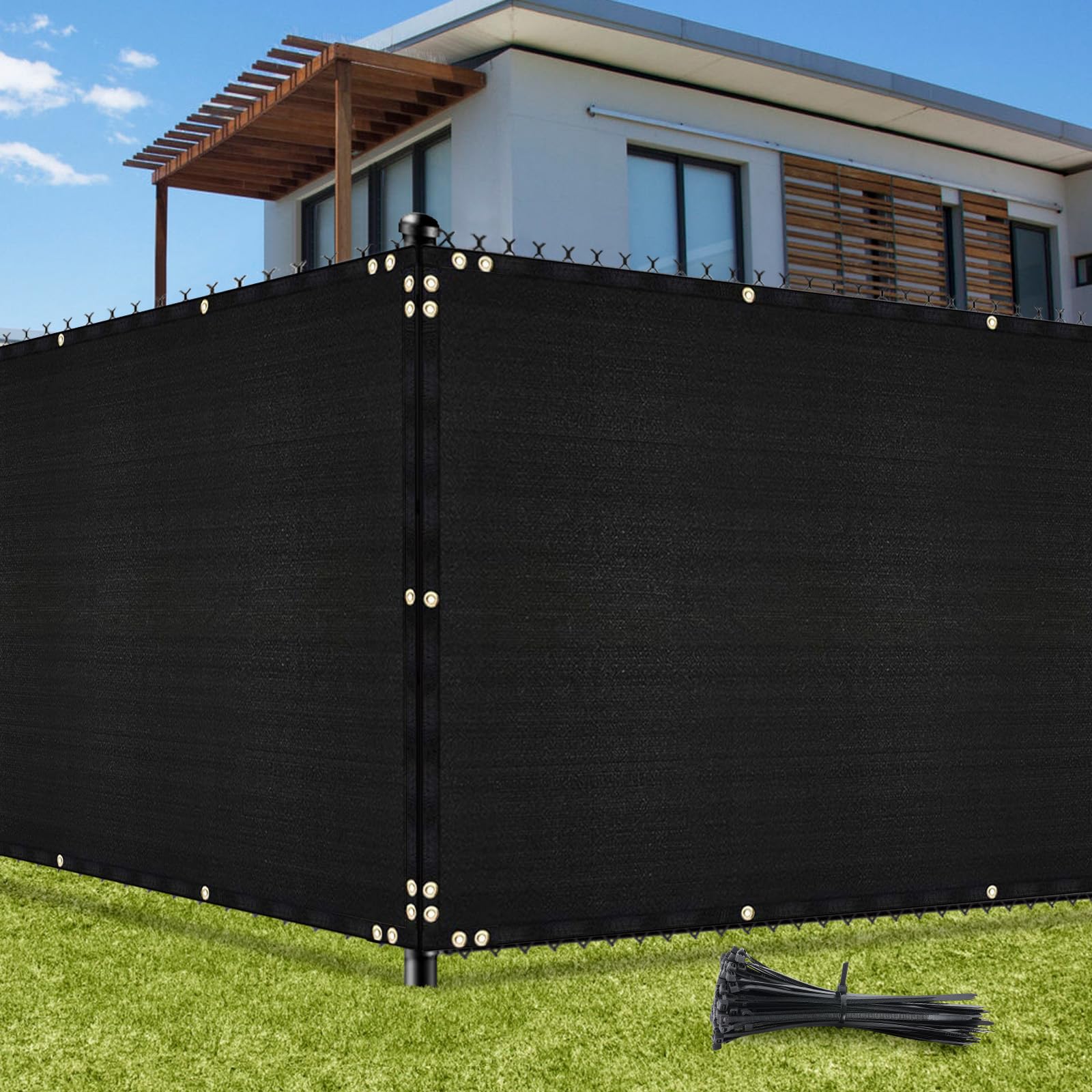
I reach for this when I need commercial-grade material: thicker fabric and reinforced edges for heavy use.
Why I picked it: 170 GSM commercial HDPE with reinforced edges and many brass grommets.
Best for: Construction sites, large property perimeters, and high-traffic locations.
Commercial-grade option suited to tougher jobs.
Pros
- Thicker 170 GSM fabric
- Extensive grommet reinforcement
- UV-stabilized for longer life
- Includes many cable ties
Cons
- Heavier to handle alone
- Overlap planning needed for long runs
My take
I installed the UIRWAY screen on a long fence where durability was non-negotiable. The heavier 170 GSM fabric feels noticeably more stable in wind and hangs flat when tied correctly.
The reinforced triangular grommet corners resist tearing even when tensioned, which is exactly what I need on longer runs and on sites with gusty conditions. I recommend two people for handling and aligning 50-foot lengths for the cleanest finish.
For tough commercial or residential jobs where longevity matters, this is the heavier-duty option I choose before anything lighter.
7. YardGard 2×3 Welded Wire Fence 36in x 50ft – Best for Long-Term Boundary Fencing
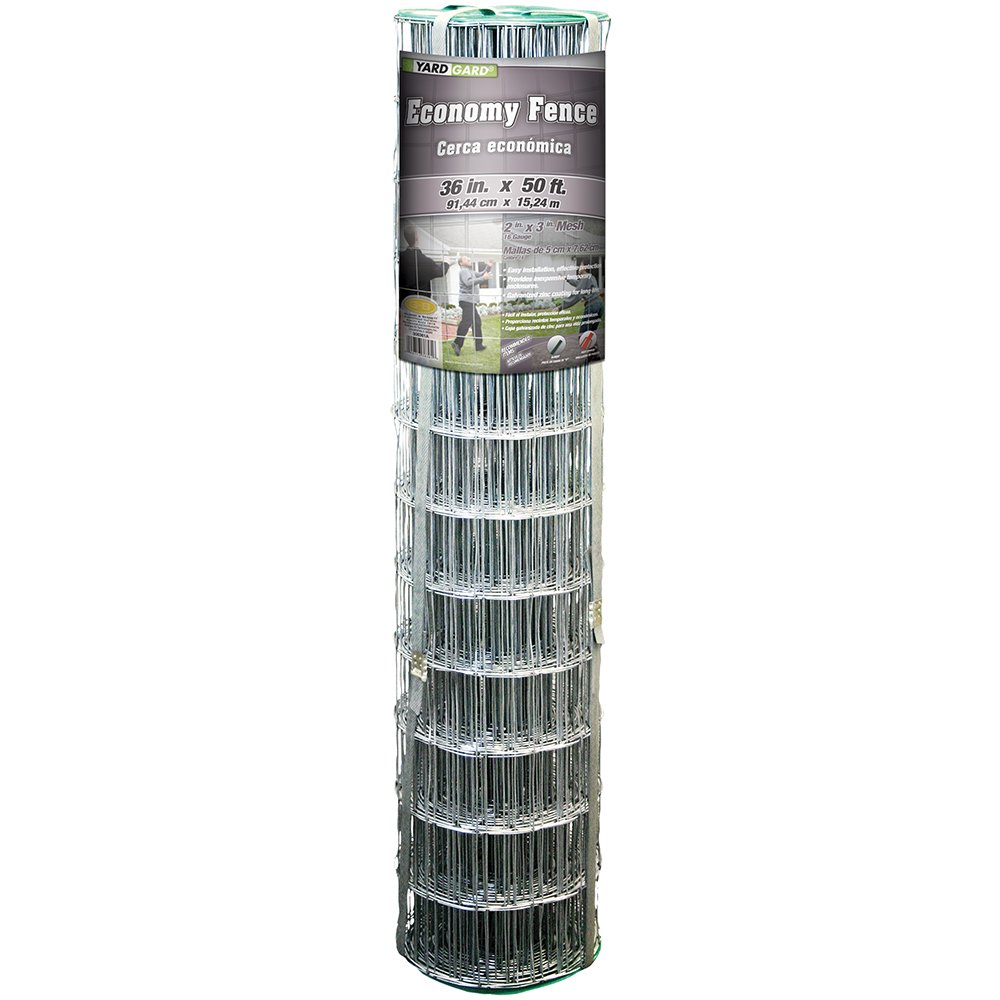
I rely on this welded wire for classic perimeter work where visibility, strength, and rust resistance are important.
Why I picked it: 16‑gauge galvanized welded wire with vinyl coating for long-term structural use.
Best for: Property boundaries, dog enclosures, and general garden protection.
A long-lasting value pick for permanent fencing needs.
Pros
- 16‑gauge welded strength
- Vinyl-coated for rust resistance
- Uniform 2×3 mesh spacing
- Easy to cut and fasten
Cons
- Not a privacy product
- Small wildlife may slip under if not secured
My take
I used the YardGard welded wire to line an inner fence and to create a dog-safe barrier where wooden slats had gaps. The 16‑gauge welded construction is stout enough to resist bending from curious pets.
Cutting and shaping the roll was straightforward with wire cutters; I secured it with zip ties and staples to a wooden frame for extra rigidity. The vinyl coating has kept rust at bay even in humid conditions.
If you need a visible, structural fence that lasts, this is my go-to over thinner, flimsier options.
How I Choose Front Yard Fences and Screens
Material and Purpose
I always start by matching material to purpose: HDPE privacy screens are best when visibility and airflow matter, while welded wire or hardware cloth is the right choice when containment and predator protection are my priorities.
Think about long-term exposure. Heavier GSM fabrics and thicker gauge wire last longer in sun, wind, and salt air.
- Choose HDPE screens for privacy, cooling, and wind buffering.
- Choose welded wire or hardware cloth for animal containment.
- Use PVC-coated or galvanized steel where corrosion is a concern.
Height, Coverage, and Overlap
I measure the full run before buying so panels overlap neatly and grommets align. Overlap prevents gaps and reduces flapping.
When height is critical (pets or pool code), confirm actual panel height — some products are slightly shorter than nominal dimensions.
- Plan for 2–4 inches of overlap between panels.
- Allow for ground irregularities so the bottom isn’t prone to snagging.
Installation Tips I Use
I replace light plastic zip ties with stainless or heavy-duty plastic ties at high-tension points. That simple swap prevents midwinter failures.
I avoid over-tightening grommets; leaving slight give reduces tearing under gusts.
- Space ties evenly through grommets to distribute wind load.
- Reinforce corners and ends with cord, cable, or metal ties.
Wind, Sun, and Longevity
I match fabric GSM to wind exposure: heavier fabrics (150–170 GSM) fare better where gusts are frequent. Lighter fabrics work in sheltered spots.
For sun-heavy sites I prioritize UV-stabilized panels and reinforced bindings to reduce fading and edge wear.
- Use thicker fabric for exposed locations.
- Inspect annually and replace worn ties or torn grommets early.
Frequently Asked Questions
How should I fasten privacy screens to a chain-link fence?
I use zip ties through the grommets for a quick install, but I swap the thinner factory ties for stainless steel or heavy-duty plastic ties at the corners and high-wind spans to avoid breakage.
Will a privacy screen block wind entirely?
I don’t expect total wind blockage; most HDPE screens offer airflow while reducing gust force. For harsh wind zones I choose thicker GSM fabric or combine screens with slat-style barriers.
Which fence keeps predators out of a chicken coop?
I use heavy-gauge welded wire or hardware cloth (14–16 GA) with a buried bottom edge to prevent digging. The AMAGABELI hardware cloth in this roundup is exactly what I reach for when predators are a concern.
Final Take
I find the right front-yard solution by matching use to material: screens for privacy and light wind control, welded wire or hardware cloth for containment and predator defense.
Start by measuring the run and planning tie locations; with the right fabric or wire and a few installation tweaks, you’ll have a tidy, durable fence that solves the visibility, safety, or garden problems you’re dealing with.
