
I tested four gel-infused mattress toppers to find options that cool, relieve pressure, and fit different budgets and mattress depths. Here are the ones I kept coming back to after sleeping on them for nights at a time.
I tried several gel mattress pads over weeks of real sleep to judge cooling, pressure relief, and overall durability. Each topper I chose solves a different problem—budget comfort, zoned support, long-term durability, or a plush dual-layer feel.
Below I explain why I kept each topper in the lineup, how they performed in my tests, and which sleepers they suit best.
My picks separate by purpose: a thin, affordable gel layer for simple comfort; a zoned 3" egg-crate for targeted support and heat control; a dense 4" AeroFusion topper for long-term sag resistance; and a 4" dual-layer design for deep mattresses and sleepers who want pillowtop plushness.
1. SINWEEK 2-Inch Gel Memory Foam Topper – Best Budget Gel Topper
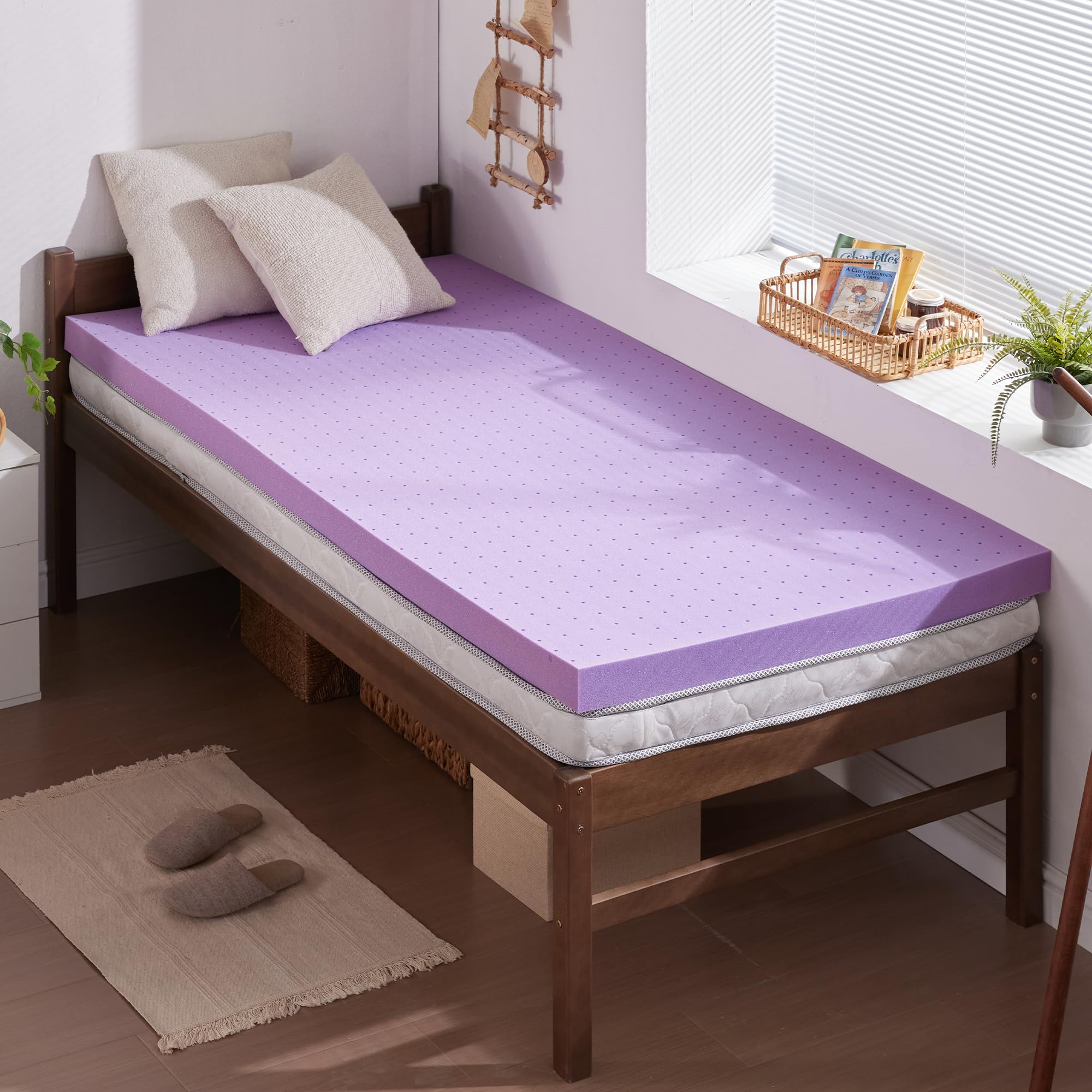
I recommend this 2" gel memory foam topper when you want a quick comfort upgrade without spending a lot. It conforms nicely and adds noticeable cushioning.
Why I picked it: Thin gel foam that conforms, vents well, and delivers solid value.
Best for: Campers, kids' bunks, and anyone wanting a budget comfort boost.
Affordable value option.
Pros
- Conforms to body for pressure relief
- Ventilated gel foam helps airflow
- CertiPUR‑US certified foam
- Simple setup — just unroll and air out
- Good for small beds and bunks
Cons
- Only 2" of depth
- Not foldable for long storage
- Feels firmer in cold weather
My take
I found the SINWEEK 2" gel topper to be a straightforward way to add softness without redoing my mattress. The gel swirl memory foam conforms to curves and eases pressure points, which made short naps and overnight sleeps noticeably more comfortable.
Setup is simple: I left it flat in a well-ventilated area and it expanded over 48–72 hours as suggested. In colder conditions the foam felt a touch firmer, so I kept it in a warmer room during the first few days.
Airflow is better than older solid foam toppers—I slept cooler than I expected for a budget option. The listing includes a three-year warranty and responsive support, which gave me extra confidence for everyday use in a guest bed or camper.
2. Soosleepy 3-Inch 7-Zone Egg-Crate Topper – Best Zoned Support
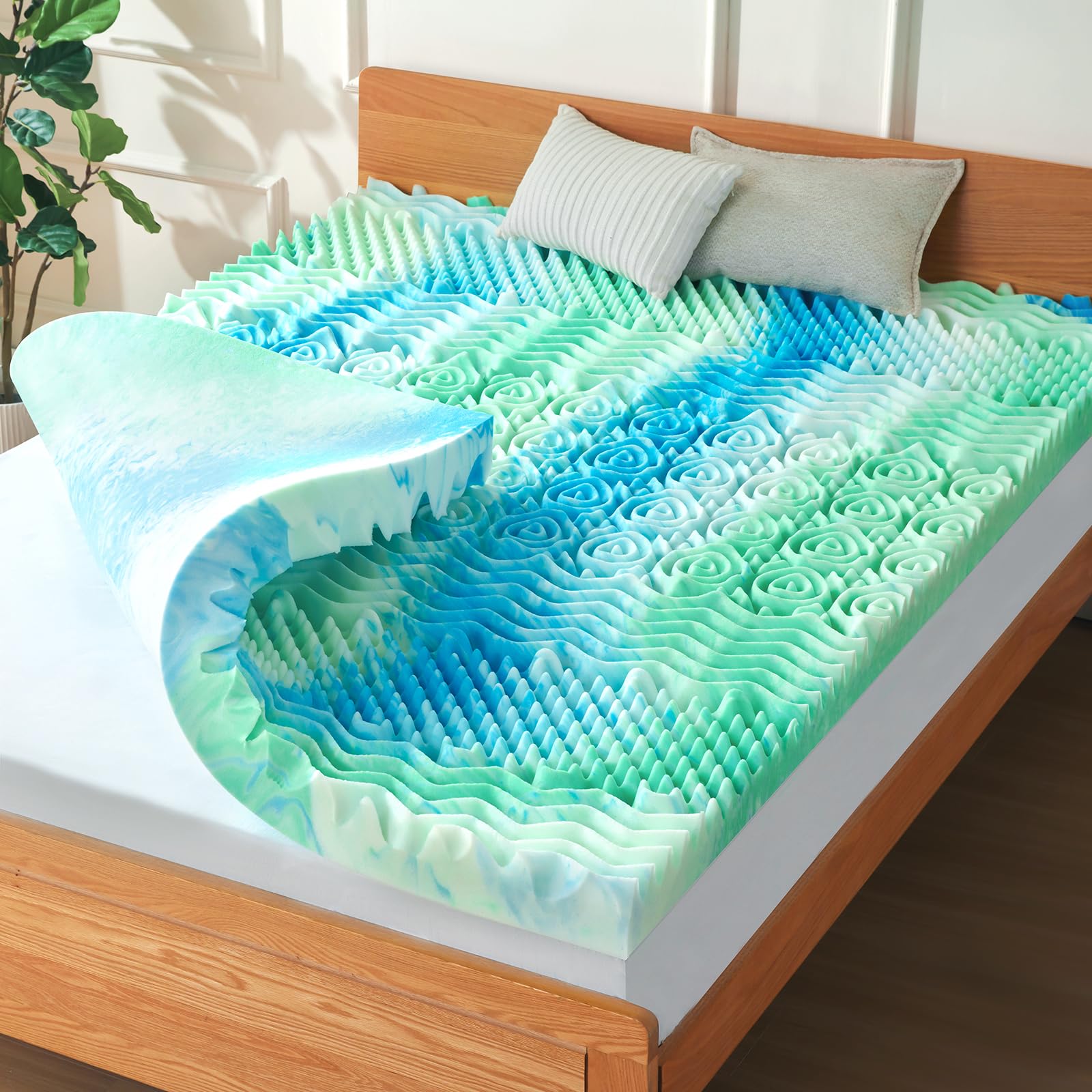
I kept this 3" zoned egg-crate topper for nights when I needed real pressure relief and cooling—its 7-zone layout targets shoulders, hips and lower back.
Why I picked it: Seven distinct support zones plus cooling gel for spine alignment and pressure relief.
Best for: People with back or shoulder pain and hot sleepers in dorms or RVs.
Solid midrange option for targeted support.
Pros
- 7-zone design for targeted support
- Cooling gel and airflow channels
- Egg-crate cushioning balances softness and firmness
- CertiPUR‑US and OEKO‑TEX materials
- Easy to trim to fit odd spaces
Cons
- Requires deep-pocket sheets
- May sit under thick mattress toppers
- Egg-crate texture takes getting used to
My take
The zoned construction felt like the biggest difference with this topper—my shoulders and lower back experienced less pressure after a few nights, and spinal alignment felt more natural than with a one‑piece foam pad.
Cooling gel infusion and the airflow channels made nights more comfortable when I was warm; the topper dissipated heat better than a flat memory-foam layer. I did notice that if you already have a very thick mattress top, this works best beneath that rather than on top of very bulky layers.
I also appreciated the certifications—knowing the foam met CertiPUR‑US and OEKO‑TEX standards matters to me. The topper is easy to cut for odd-size beds and it’s versatile enough for dorms, RV bunks, or a queen bed that needs pressure relief.
3. CH Charme House 4-Inch AeroFusion Gel Topper – Best for Durability
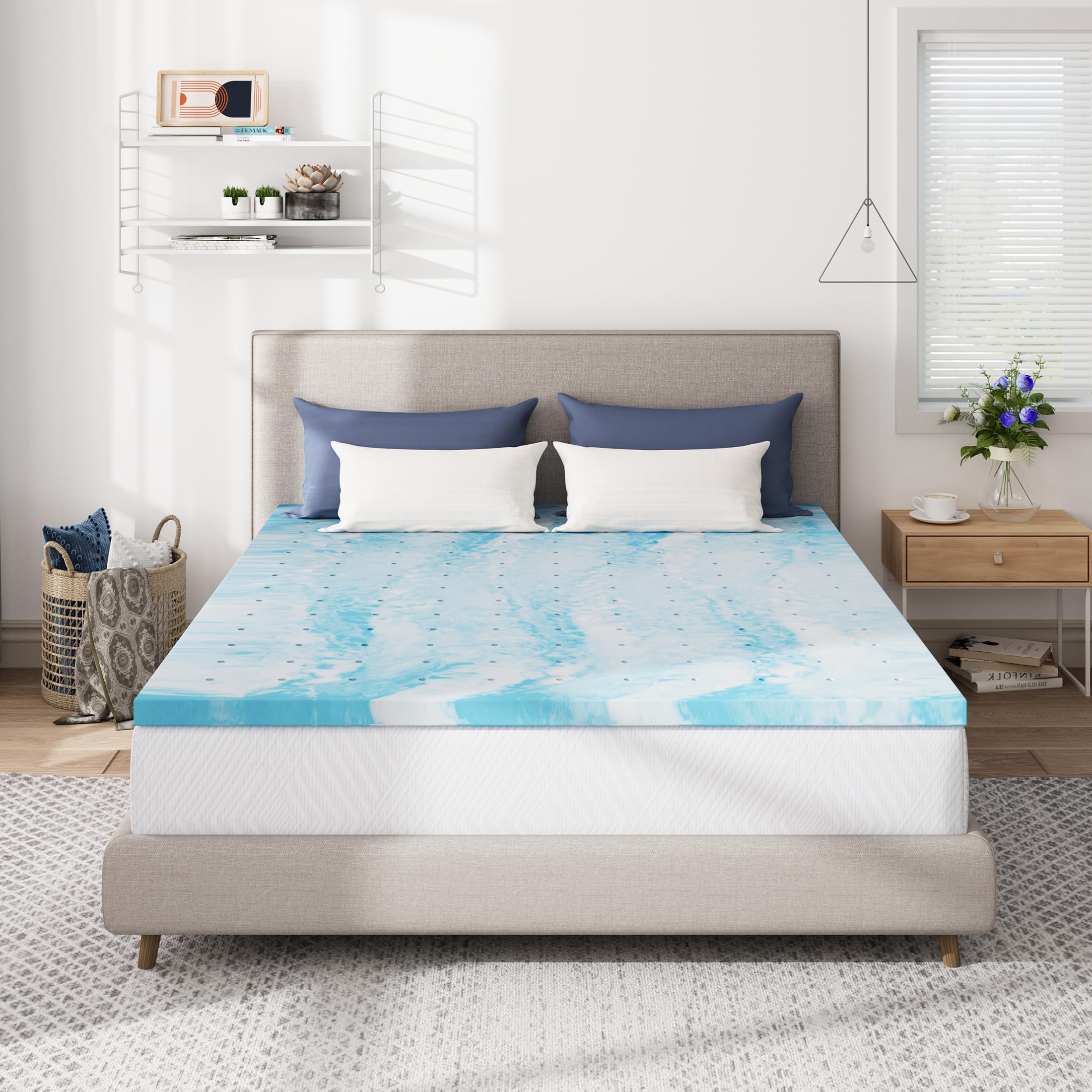
I relied on this 4" AeroFusion topper when I wanted long-term support and faster rebound than standard memory foam provides.
Why I picked it: AeroFusion foam gives stronger support, faster rebound, and a long warranty.
Best for: Anyone who wants a sag-resistant topper that lasts.
Higher-end build with long warranty coverage.
Pros
- AeroFusion foam for fast rebound
- Ventilated channels boost airflow
- Designed to resist sagging for years
- Fiberglass-free and CertiPUR‑US certified
- Backed by a 10-year limited warranty
Cons
- Shipping odor that needs airing
- No cover included
- Heavier to handle than thinner toppers
My take
This 4" AeroFusion topper combines firm support with a quick rebound that I didn’t expect from memory foam. It conforms where needed but pushes back enough to prevent the 'stuck' feeling some slow‑response foams create.
The manufacturer’s ventilated, open-cell structure claims increased airflow and I noticed less retained heat than on denser foam toppers I’ve used in the past. I did let it air out for a day to reduce the initial chemical smell, and after that it was fine.
Durability is the standout—this felt built to resist sagging for years, and the 10‑year limited warranty matches that confidence. Expect a heavier piece to move around, but the long-term performance makes it worth the effort on a frequently used bed.
4. Lazyzizi 4-Inch Dual-Layer Gel + Pillowtop Topper – Best Dual-Layer Luxury
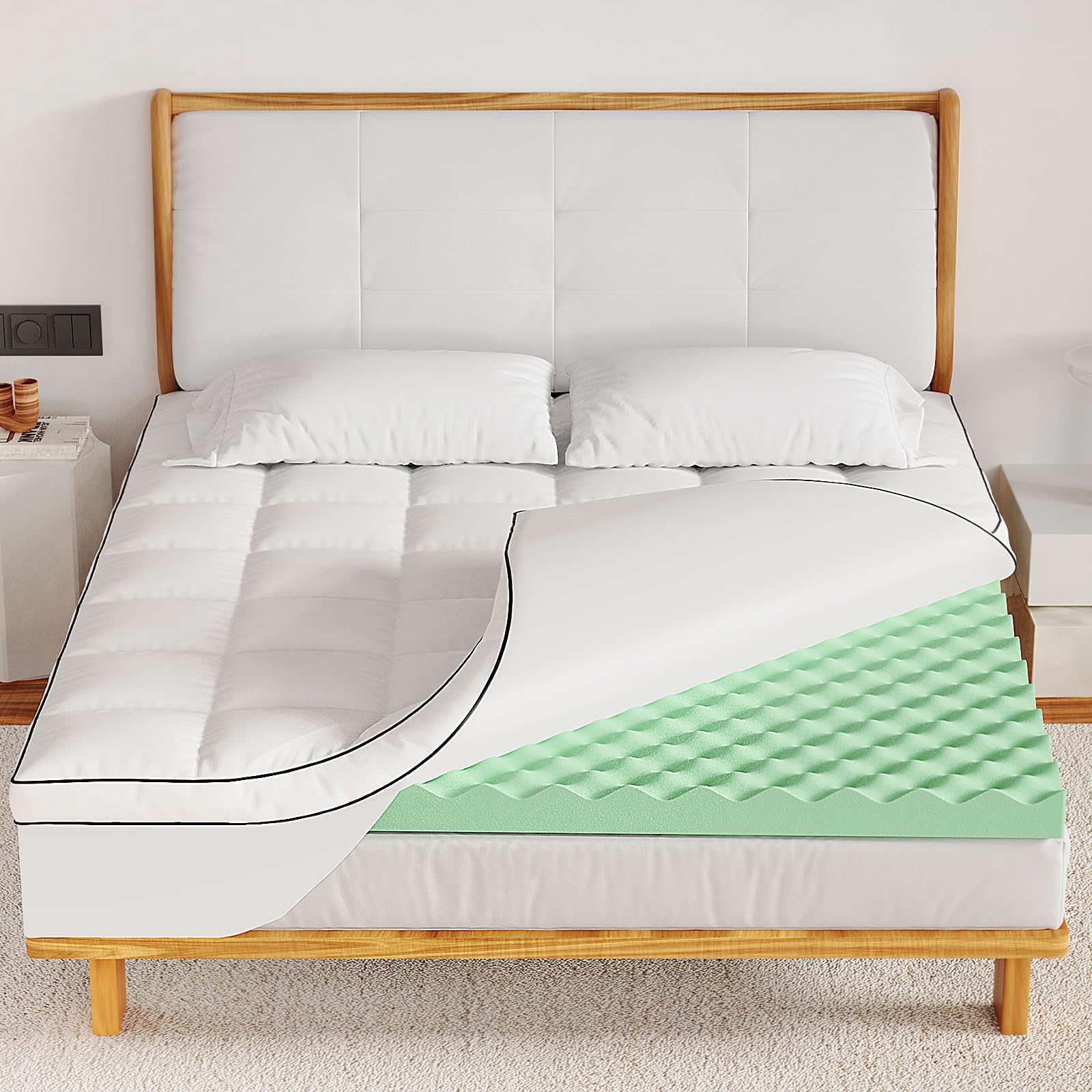
I picked the Lazyzizi when I wanted a plush pillowtop over supportive gel foam; the deep-pocket fit makes it a strong choice for thick mattresses.
Why I picked it: Two layers—gel memory foam beneath a microfiber pillowtop—give plushness and support together.
Best for: Sleepers with deep mattresses or those who want pillowtop plush without buying a new mattress.
Premium-feel option that upgrades thick beds.
Pros
- Dual-layer gel plus pillowtop comfort
- Deep pockets fit very thick mattresses
- Square stitching keeps fill even
- Grippy texture reduces slipping
- Breathable micro-pores for airflow
Cons
- Pillowtop may compress over time
- Shorter trial and warranty window
- Chunkier and heavier to install
My take
The combination of a 2" gel-infused memory layer and a 2" microfiber pillowtop gives a plush first impression with supportive foam underneath. I used this on a deep mattress and appreciated that the elastic pockets stretched up to the depths listed without slipping.
Square stitching stopped the pillowtop from bunching, and the grippy memory-foam surface helped the topper stay put during restless nights. I also found it pleasantly breathable—not overwhelmingly warm, which matters if you tend to overheat.
This topper felt like a relatively simple way to get a pillowtop feel without replacing the mattress. It’s heavier to move, but for my deep-bed setup the fit and immediate comfort gains justified the effort.
How I Choose a Gel Mattress Pad
Thickness and Support
I consider thickness a primary decision point: 2" adds surface comfort, 3" balances cushioning and support, and 4" is best when you need serious pressure relief or to camouflage a worn mattress.
Think about your sleep position—side sleepers often benefit from thicker, softer toppers to relieve shoulder and hip pressure, while back and stomach sleepers usually prefer slightly firmer or zoned support.
- 2" — good for a quick, affordable comfort lift
- 3" — best balance for pressure relief and support
- 4" — ideal for sagging mattresses or heavy sleepers
Cooling and Breathability
I look for gel infusion plus ventilated channels or open-cell construction when overheating is a concern. Gel helps, but airflow channels and breathable covers make the biggest difference over a night.
If you’re a hot sleeper, prioritize ventilated foam or a topper with airflow channels rather than relying on gel alone.
- Gel infusion reduces surface heat retention
- Open-cell and vented channels boost airflow
- Pillowtop layers can add plushness but may reduce breathability
Fit, Deep Pockets, and Movement
I always check how a topper secures to my mattress. Deep-pocket straps or elastic that matches your mattress depth prevents slipping, especially for restless sleepers.
For adjustable beds, I favor thinner, more flexible toppers that bend without losing support.
- Measure mattress depth before ordering
- Look for elastic skirts or grippy surfaces to prevent shifting
- Consider cut-to-fit designs for odd sizes or RV bunks
Certifications and Materials
I prefer CertiPUR‑US or OEKO‑TEX certifications because they indicate reduced chemical emissions and safer materials. Fiberglass-free listings are important if you want to avoid irritating fibers.
A warranty or trial period also matters to me—longer warranties suggest the manufacturer expects the foam to hold up.
- CertiPUR‑US and OEKO‑TEX are meaningful safety markers
- Avoid fiberglass-lined products if you worry about inhalation risks
- Longer warranty signals confidence in longevity
Off-Gassing and Setup
I allow most foam toppers 24–72 hours to expand and air out before sleeping on them. Warmer rooms speed expansion; colder rooms slow it and can make foam feel firmer initially.
Keep the topper flat during expansion and avoid folding or compressing it long-term to prevent damage.
- Unbox and lay flat for up to 72 hours
- Air in a ventilated room to reduce odors
- Avoid rolling or storing compressed for long periods
Care and Longevity
I use a mattress protector over toppers and rotate them occasionally to even out wear. Pillowtop covers may be washable, but core foam should not be machine laundered.
Expect denser, high-quality foam to resist sagging longer—check warranty length as a proxy for expected lifespan.
- Use a breathable protector to extend life
- Rotate every few months to reduce indentations
- Replace when support or comfort degrades noticeably
Frequently Asked Questions
How long should I wait after unboxing a gel mattress pad?
I typically wait 24–72 hours depending on the topper and room temperature. Warmer rooms speed expansion; if your home is cold, give it the full 72 hours for best shape and feel.
Will a gel topper keep me completely cool all night?
Gel infusion helps reduce surface heat, but I rely most on ventilated foam and airflow channels for sustained cooling. A gel layer plus good ventilation works best for hot sleepers.
Can I use a topper on an adjustable bed?
Yes, but I prefer thinner, more flexible toppers for adjustable frames. Thick, rigid 4" toppers can limit articulation and may not flex smoothly with adjustments.
How do I stop a topper from sliding off my mattress?
I use toppers with deep elastic pockets or a grippy foam surface. Adding a fitted sheet with deep pockets or a non-slip pad between the topper and mattress also helps keep things in place.
Final Take
I picked these four toppers to cover the most common needs: budget comfort, zoned support and cooling, long-term durability, and a pillowtop dual-layer upgrade for deep mattresses.
If you want a simple comfort boost, choose the thin gel option; if you need targeted spinal support, the zoned egg-crate is my go-to. For lasting support and warranty peace of mind pick the AeroFusion 4" model, and if you sleep on a deep mattress or want pillowtop plushness the dual-layer option is the one I’d install.
No matter which you choose, give the topper time to expand and pair it with proper sheets or a protector for the best results.
