
I tested six bamboo wind chimes in different sizes and styles so you can pick the one that actually sounds and looks right on your porch, patio, or garden.
I hung and lived with every wind chime on this list so I could hear how each one behaves in light breezes, strong gusts, and sheltered spots.
In my experience, bamboo chimes vary most by tone depth, how easily they catch wind, and how much weather care they need — I call those out for each model below.
I focused on three main differences: the depth of the tone (larger tubes give deeper notes), how easily a chime sings in a light breeze (lighter chimes need stronger wind), and build details like crown type, tube count, and weather protection. I also weighed gift-readiness and decorative touches when a chime would be hung where it’s seen as much as heard.
1. Nalulu Rustic Bamboo Wind Chime (Floral) – Best for Decorative Detail
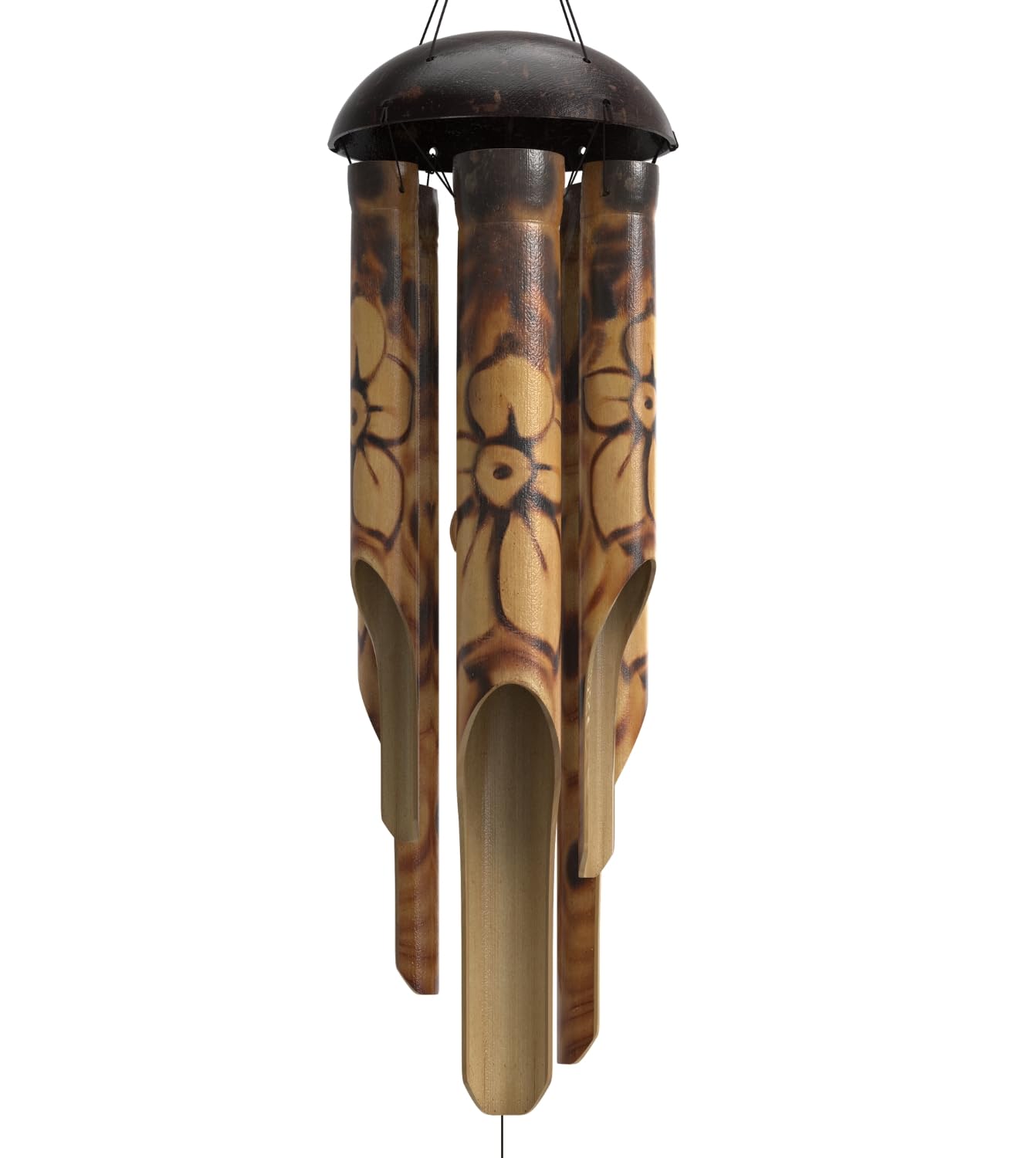
I chose this for its floral burned design and coconut crown; it looks like art on the porch and produces pleasing mid-deep notes.
Why I picked it: Striking floral burn design plus coconut crown makes it decorative and musical.
Best for: People who want a decorative chime that still sounds rich.
Moderately priced, good value for a handmade look.
Pros
- Handcrafted, unique finish
- Rich, deep-ish tones for its size
- Coconut crown adds visual charm
- Reinforced bamboo and stabilizer
- Eco-friendly gift packaging
Cons
- Small size can be too light
- Packaging occasionally insecure
- Natural bamboo can split
My take
I hung the floral Nalulu under my front eave and immediately noticed how much character the coconut crown and burned pattern add to the space. The sound is pleasantly low for a medium chime — not metallic, but a warm wooden clunk that I found calming while I sat on the patio.
Because I tried the smallest and medium sizes, I can say the medium sings better in light breezes; the smallest needs a fairly strong wind to move the tubes enough to strike. Build feels solid: the bamboo is reinforced and the thicker string gives confidence it won’t come apart after a season.
A couple of practical notes from my time with it: packaging can be hit-or-miss (I once received a tube with a hairline split that didn’t affect tone), and the natural bamboo will age if left in harsh sun or constant rain. For a decorative, handmade look with a comforting woody tone, this is a great pick — and I’d order a larger size if you want it to sing in light breezes.
2. Nalulu Rustic Bamboo Wind Chime (Floral) – Best Gift Option
I recommended this chime as a gift because it arrives nicely packaged and combines a pretty design with soothing tones.
Why I picked it: Gift-ready packaging and calming sound make it an easy present.
Best for: Gifts for birthdays, moms, or anyone who likes garden decor.
Affordable, attractive gift-level value.
Pros
- Attractive presentation box
- One-of-a-kind handcrafted finish
- Soothing, low earthy sound
- Reinforced construction
Cons
- Smaller sizes lack resonance
- Occasional packaging damage
My take
I gave this Nalulu chime to my mother and she loved the deeper sound and the way the coconut crown looks on her porch. The eco-friendly box made it simple to wrap and hand over without extra fuss.
In use it produced a pleasant, grounding tone — not piercing, and not overly delicate. I did notice that smaller versions can be too light to catch a breeze unless the wind is strong, so I warned my gift recipient to choose a larger size if her porch tends to be sheltered.
A caveat from my gifting experience: one package arrived with a split tube (not obvious unless you inspect closely) — it didn’t change the sound but it’s something to watch for. Overall, this is an easy, thoughtful gift that looks intentional and sounds peaceful.
3. Nalulu Classic Bamboo Wind Chime – Best for Deep, Soothing Tone
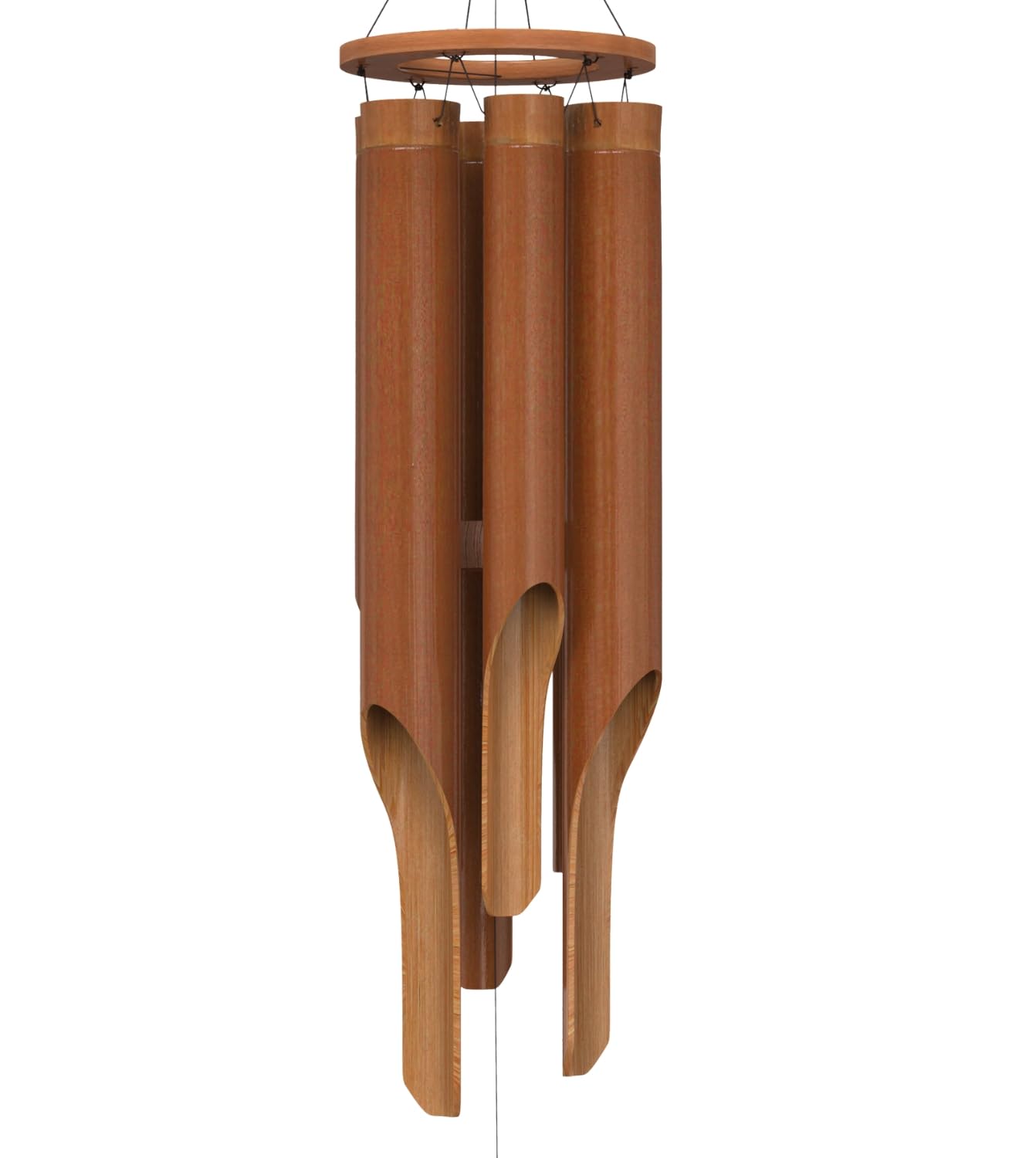
I picked this larger classic for its deep, gentle tone — perfect for a Zen garden or a quiet porch where the chime becomes part of the background calm.
Why I picked it: Large tubes deliver richer, deeper tones that don’t intrude.
Best for: Zen gardens and anyone who wants a gentle, resonant sound.
A bit more of an investment for a larger, fuller sound.
Pros
- Very soothing, deep tones
- Well-made craftsmanship
- Not intrusive like metal chimes
- Larger size increases resonance
Cons
- Needs occasional care to avoid cracking
- Can sun-bleach over time
- Heavier — needs sturdy mounting
My take
I bought a medium and liked it enough that I later added the large Nalulu Classic to my zen corner. The large version produces a noticeably deeper, fuller sound that sits comfortably in the background rather than demanding attention.
After a year with one hanging on an uncovered porch I learned the chime benefits from minimal maintenance — oiling or a sheltered placement prevents sun bleaching and small cracks. If you want that mellow, bamboo warmth and are willing to give it basic care, this is the chime that delivers the richest tone of the lineup.
Installation requires a solid hook: the larger tubes are heavier and I noticed better resonance once it was mounted from a secure beam rather than a lightweight bracket. For a quiet, calming atmosphere this one is the most musical pick I kept coming back to.
4. Nalulu Classic Bamboo Wind Chime – Best for Zen Gardens
I recommend this for landscaped spaces where aesthetics and gentle sound matter — neighbors noticed how mellow it is compared with metal chimes.
Why I picked it: Subtle look and sound that complements planted spaces.
Best for: Landscaped yards, Zen/Japanese gardens, and calm outdoor rooms.
Worth paying a bit more for larger, natural sound.
Pros
- Calming, non-intrusive tone
- Attractive natural finish
- Solid, handcrafted feel
- Pairs well with garden design
Cons
- Requires occasional upkeep
- Can show weathering over time
My take
I placed the Classic model in my Japanese-style garden and it blended into the design visually and sonically. The sound is gentle — neighbors mentioned it was pleasant and never sharp like some metal chimes.
From a durability standpoint I saw one chime age after a season in full sun: fading and a couple of surface cracks. That taught me to either hang them under some cover or apply a protective finish if you expect prolonged exposure. Despite the care needs, the craftsmanship and tone make it my go-to when I want sound that supports a meditative space rather than dominates it.
5. Afirst Sunflower Bamboo Wind Chime – Best Floral Design on a Budget
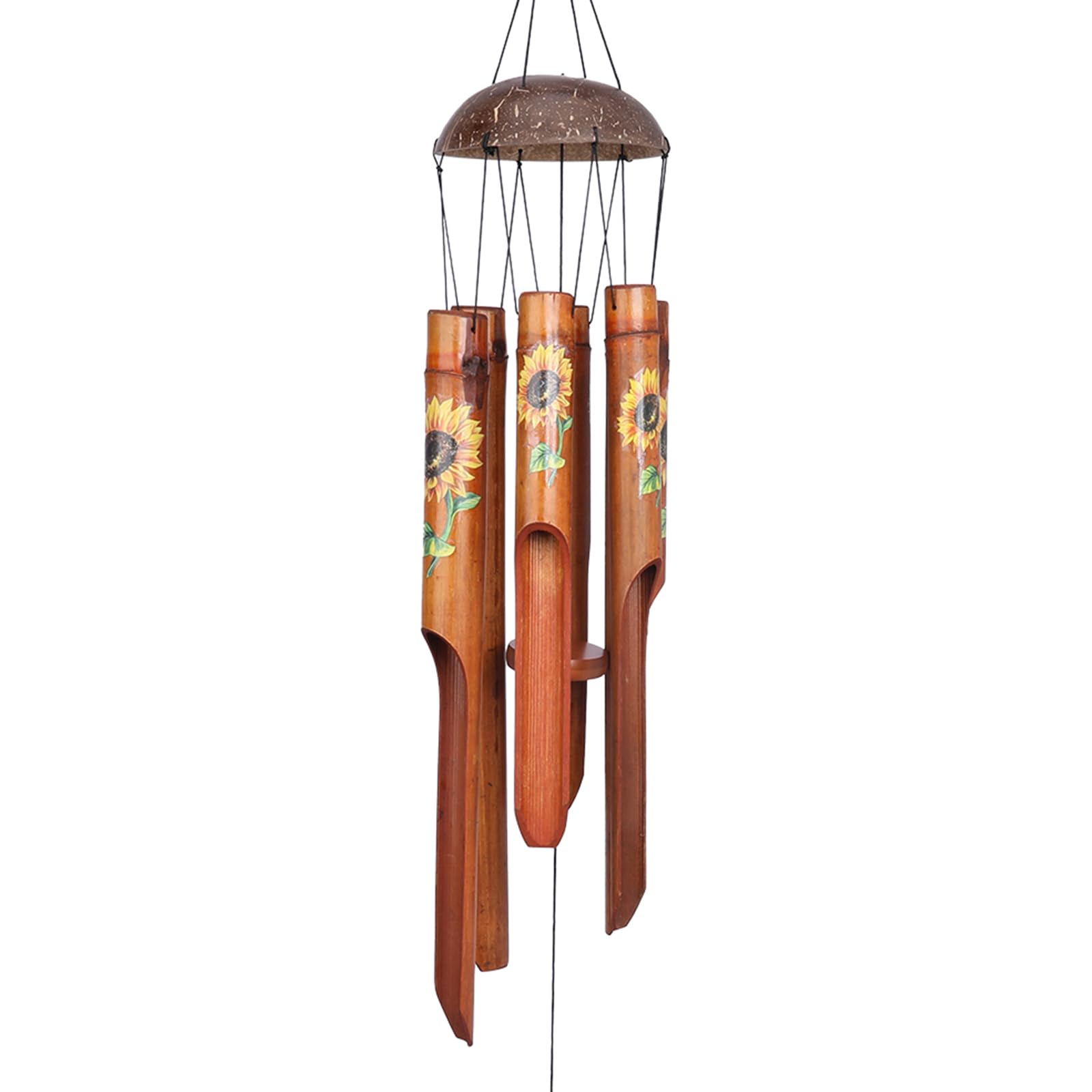
I liked this as a budget-friendly, decorative option — the sunflower print and 6-tube layout produced a pleasant, uncomplicated sound.
Why I picked it: Cheerful sunflower print and solid basic build at a lower cost.
Best for: Gazebos, apartments, or anyone wanting a pretty, inexpensive chime.
Budget-friendly and nicely presented.
Pros
- Pleasant, simple sound
- Attractive sunflower print
- Stainless steel hook included
- Eco-friendly packaging
Cons
- Keep away from rain to avoid mildew
- Smaller tubes, less resonance
- Natural material needs care
My take
I hung the Afirst sunflower chime on my gazebo and appreciated how pretty it looked against climbing vines. The 6 bamboo tubes produce a light, pleasant melody that’s unobtrusive and suited to small outdoor rooms or balconies.
This one felt like a solid bargain: the stainless steel hook and tougher string gave confidence it would last, but the company’s care note is accurate — bamboo does best if sheltered from constant rain to avoid mildew. I also used it near an apartment window where I wanted some gentle wind sound without strong volume; it performed perfectly for that role.
If you want a decorative, inexpensive chime that sounds good in light wind and won’t overpower a small space, this sunflower design is a reliable pick.
6. Astarin Bamboo Wind Chime – Best for Small Spaces (FSC Certified)
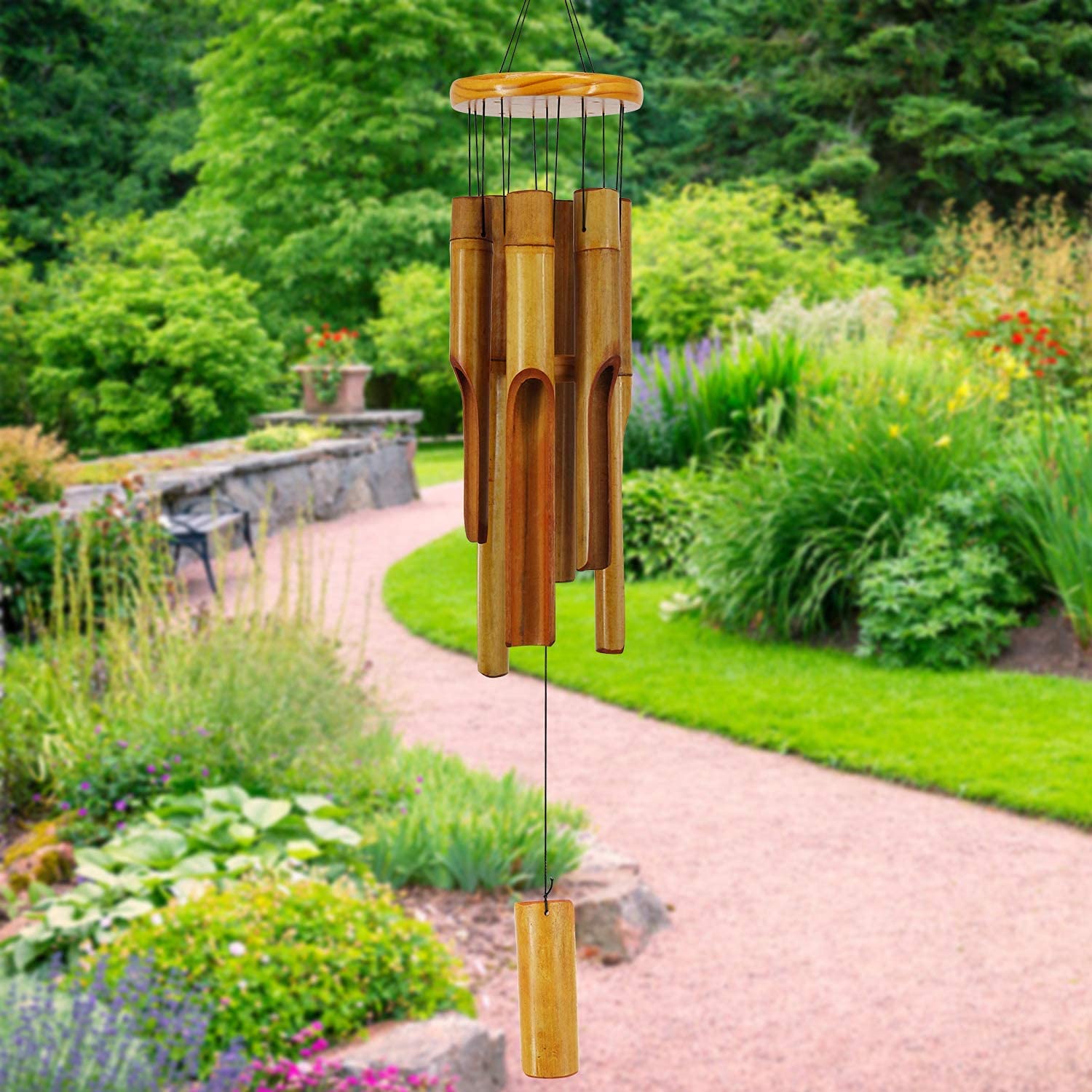
I picked this compact, FSC-certified chime for balconies and small patios where a lightweight, eco-friendly build is important.
Why I picked it: FSC-certified wood and a compact footprint suit small, eco-conscious spaces.
Best for: Balconies, small patios, and indoor-by-a-window use.
Lower-cost, eco-minded choice with solid materials.
Pros
- Natural, relaxing bamboo sound
- FSC-certified wood components
- Handmade feel and finish
- Durable metal hook
Cons
- Needs stronger wind to sing
- Strike may be too far for light breezes
- Lightweight — less resonance
My take
I tested the Astarin in a third-floor apartment where breezes are often light. It looks refined with beechwood pieces and a small footprint that doesn’t overwhelm a balcony. The tone is natural and calming, but in my experience the chime needs a firmer gust to get the tubes to strike consistently.
A few practical observations: the strike disk sits a bit far from the tubes, so in marginal wind the chime is quieter than I expected. On the plus side, the metal hook and protective layer on the bamboo give confidence for outdoor use, and I appreciated the FSC-certified wood detail.
For small spaces where you want an eco-friendly, handmade aesthetic and don’t need a loud chime, this was the most balanced compact option I tried.
How I Choose Bamboo Wind Chimes
What I look for in a bamboo wind chime
I prioritize tone, size, and build details. Larger diameter tubes and longer lengths give deeper notes; more tubes usually create a fuller, more complex sound. I also check the crown (coconut, wooden, or decorative) and whether the cords and hook feel durable enough for outdoor use.
- Size vs. tone: bigger = deeper, small = lighter and quieter
- Tube count: more tubes = fuller sound, but not always louder
- Crown material affects both looks and balance
- Check cord thickness and hook strength for longevity
Placement and weather care I recommend
I hang chimes where they will catch a consistent breeze but be sheltered from driving rain and harsh sun. Natural bamboo benefits from occasional maintenance: a coat of teak oil or a UV-protective finish if it sits in full sun for months.
If you want the sound to carry without disturbing neighbors, place larger chimes higher and smaller chimes where breezes are stronger.
- Shelter from constant rain to avoid mildew
- Move to a shaded area or apply protective finish for sun exposure
- Mount securely for larger chimes to avoid sagging or noise from movement
Tone preferences and testing
I listen for a warm, woody strike rather than a metallic ping. If you prefer a deep, meditative sound, choose a larger chime and mount it where wind hits it steadily; if you want gentle background ambiance, a smaller 30–38" chime usually fits the bill.
- Deep tone = longer, wider tubes
- Gentle ambiance = shorter, lighter chimes
- If possible, test in similar wind conditions to where you’ll hang it
Frequently Asked Questions
Will bamboo wind chimes withstand outdoor exposure year-round?
I leave most bamboo chimes outside but avoid constant driving rain and direct, harsh sun. With a little care — a sheltered location or an occasional coat of protective oil — they last far longer and keep their sound.
Which size should I choose for a light-breeze porch?
I’ve found medium-to-large sizes sing better in light breezes. Small chimes often need stronger wind to strike, so pick a larger length or heavier tubes if your porch is sheltered.
How do I clean and maintain bamboo chimes?
I wipe them with a damp cloth, let them dry fully, and apply a light coat of teak oil once or twice a year if they’re exposed to sun. I avoid harsh detergents and keep them out of standing water.
Do decorative crowns affect sound?
Yes. Crowns like coconut or thicker wooden pieces add visual interest and can change how the tubes strike and balance. I’ve noticed coconut crowns often help stabilize the chime’s movement and improve consistent strikes.
Final Take
I’ve lived with all these chimes and recommend picking by the sound you want first — then by size and weather protection.
If you want decorative charm and gift readiness, the Nalulu floral models are my go-to. For deeper, meditative tones choose the larger Nalulu Classic. For a budget-friendly decorative option, the Afirst sunflower performed well, and for small, eco-conscious spaces I’d pick the Astarin.
Whichever you choose, hang it where it gets a steady breeze and offer a little seasonal care — that will keep the sound warm and steady for years.
