
I tested a range of low-voltage pathway lights — from decorative solar roses to heavy-duty wired bollards — and I explain which I’d use where, how they install, and the trade-offs I ran into.
I spent time installing and running both solar and wired low-voltage pathway lights so I could compare how they perform in real yards. I focused on ease of install, light quality, weather resistance, and long-term reliability.
Below I break down the best options for decorative solar accents, solid wired connectors, long-range bollards, recessed deck lights, replacement bulbs, and durable cast-aluminum fixtures — with practical notes from hands-on use.
I judged each product against three priorities I care about: how it installs, the kind of light it produces at night, and how well it stands up to weather and time.
1. Brightown Solar Rose Garden Lights – Best Decorative Solar
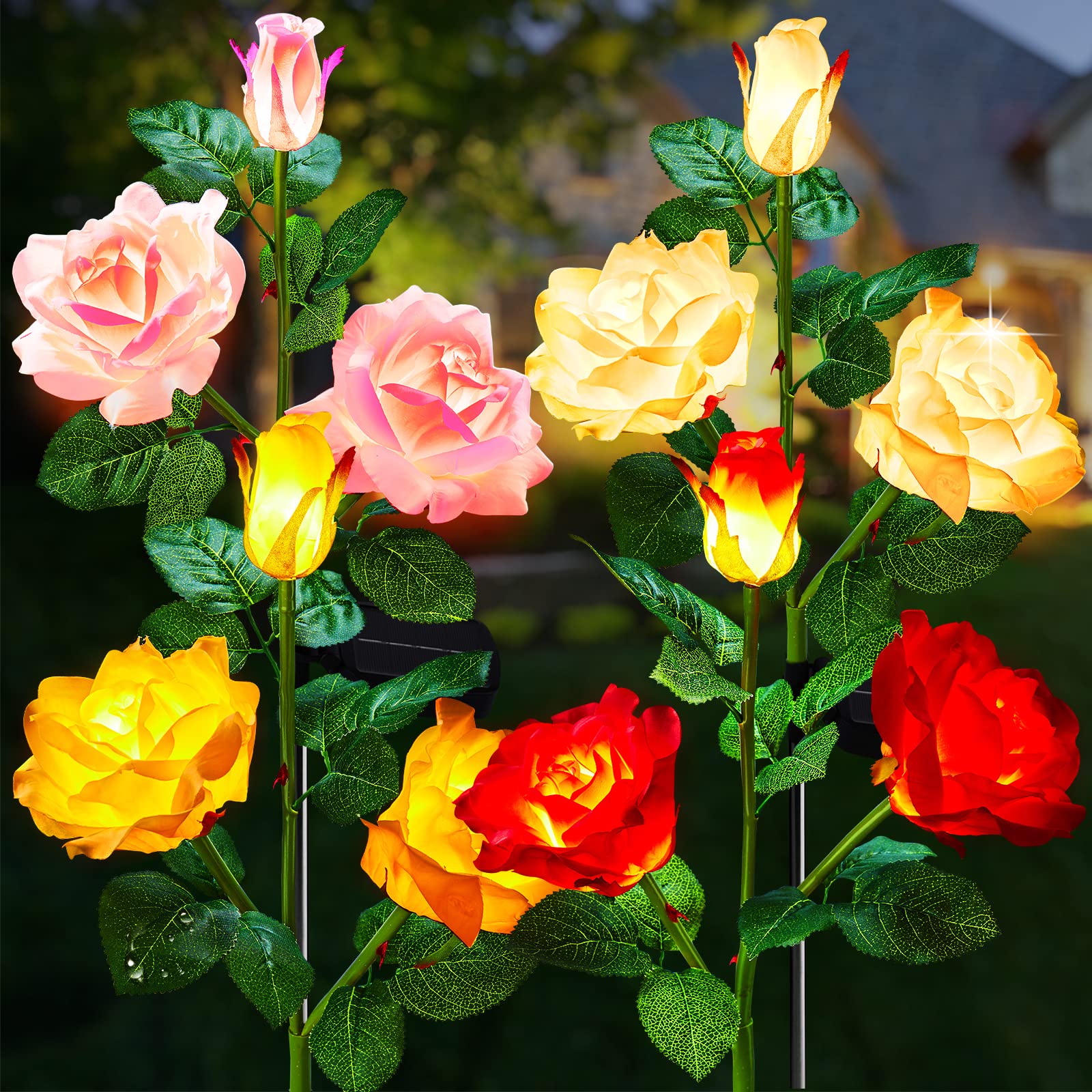
Realistic solar rose lights with adjustable iron-reinforced stems, IP65 weather resistance, 3.7V/500mAh battery, and automatic dusk-to-dawn operation.
Why I picked it: They blend daytime realism with warm center lighting and easy, wire-free placement.
Best for: Accent lighting for flowerbeds, patio decor, weddings, and low-effort pathway flair.
An affordable decorative solar option compared with wired fixtures.
Pros
- Very realistic daytime look
- Warm, attractive night glow
- Adjustable, bendable stems
- Auto on at dusk
- IP65 weatherproof
Cons
- Not as bright as wired fixtures
- A few units may fail early
My take
I use these when I want a no-wiring, decorative touch that looks good day and night. The rose heads are surprisingly lifelike in daylight and the warm LED in the flower centers creates a romantic glow after dusk.
Installation is truly effortless — stake them in sunlit spots and the built-in panel and 500mAh battery handle charging and run time. In typical sun they charged in a few hours and ran well into the night on my tests.
The iron-wire stems are a simple but useful feature: I bent and positioned them several ways to suit beds, stumps, and planters without the stakes leaning or the heads flopping.
For outdoor parties and short-run pathway accent lighting these are delightful. That said, I did see variability: a small number of units stopped working after a few weeks in long-term setups, so if you need mission-critical reliability I’d either rotate spares in or go wired.
2. SUNVIE Fastlock Low-Voltage Connectors – Best Connector
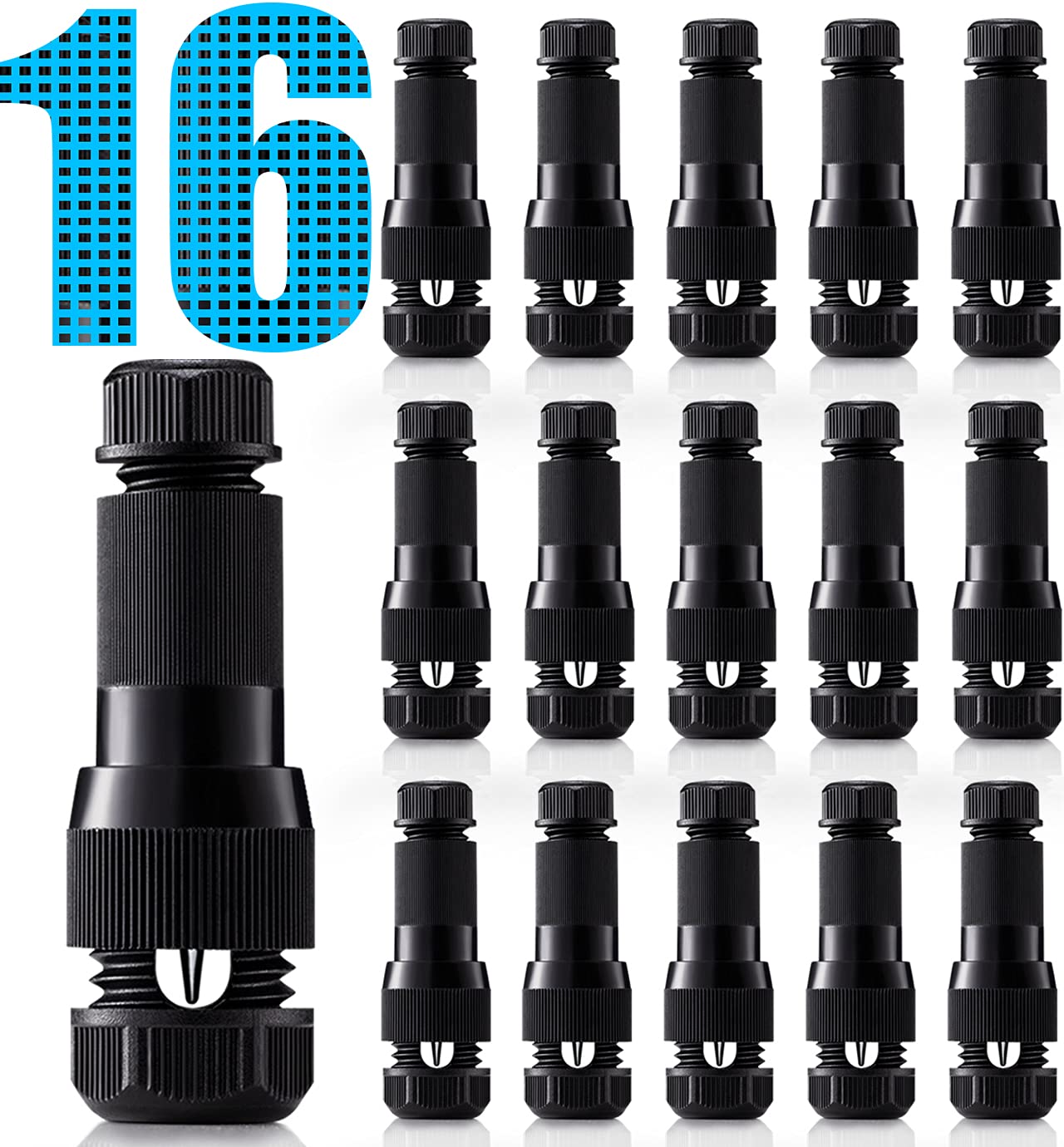
16-pack screw-tight wire connectors compatible with 12–14 gauge low-voltage wiring, made from nylon-fiberglass with nickel-plated brass pins for outdoor use.
Why I picked it: Screw-tight design and robust materials make wiring low-voltage lights quick and dependable.
Best for: Connecting landscape fixtures where sealing and long-term hold matter.
Budget-friendly way to replace flaky push-style connectors.
Pros
- Screw-tight, secure connection
- Fits 12–14 gauge wire
- Nickel-plated brass pins
- No crimping or splicing
- 16 connectors included
Cons
- Plastic housing can degrade under UV
- Not a sealed splice without extra sealant
My take
I keep a pack of these in my project kit because they eliminate the fiddly push connectors that loosen over time. The screw-tight approach made connections faster and more confident, and I never needed a crimp tool.
The housings feel tough — nylon with fiberglass — and the pins are machined nickel-plated brass, which gives me peace of mind against corrosion in buried or wet locations. On installations I’ve dug up after a season they looked clean and made rework easy.
For best results I install the lights first, then hook each fixture to the main line; that method made tightening the screws easier and ensured a snug fit every time. If you’ll bury connectors, I still add a bit of silicone or a purpose-made gel for a long-lasting sealed splice.
3. LEONLITE Bollard 12-Pack Landscape Lights – Best Overall
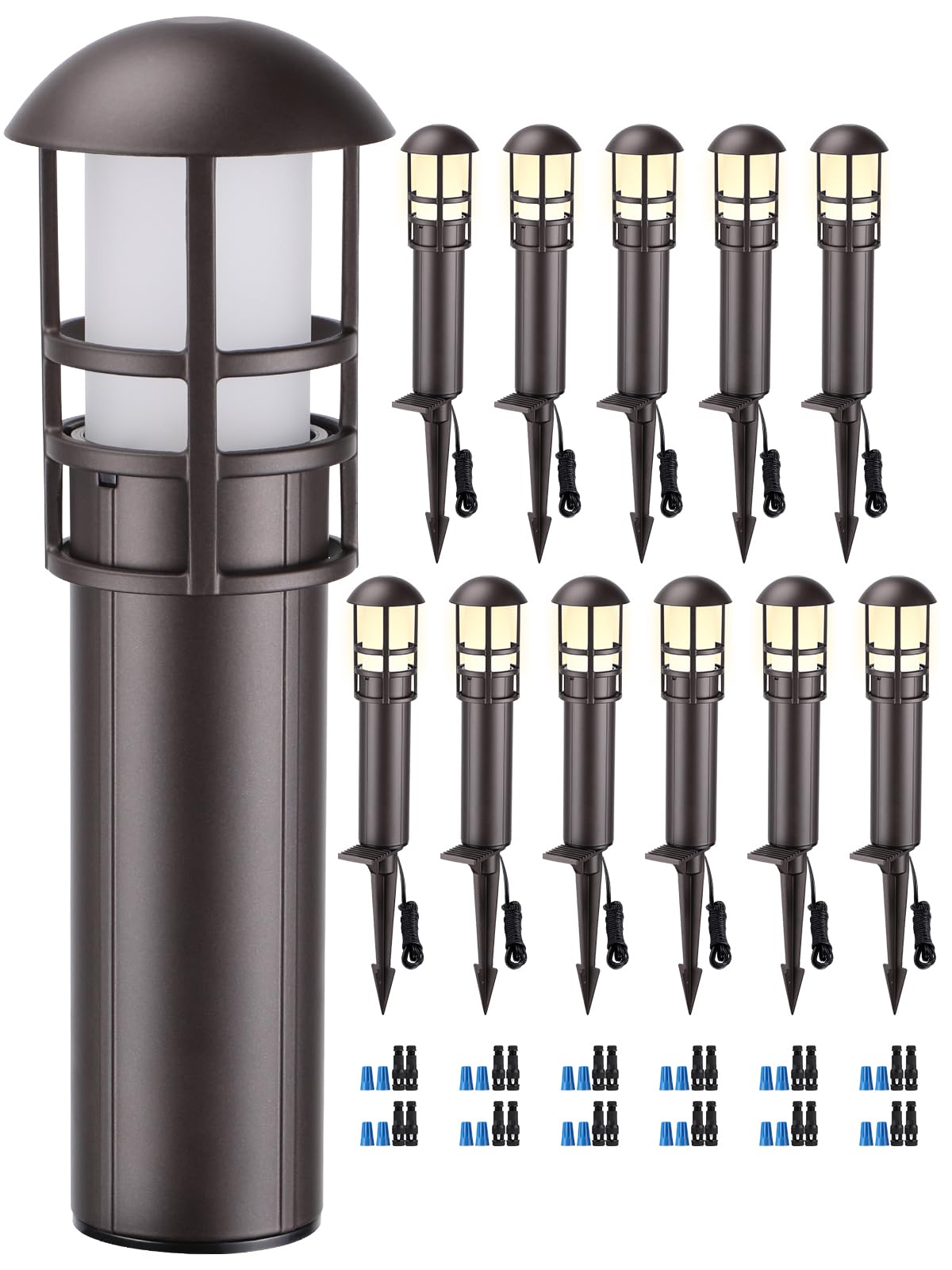
12 tall aluminum bollard lights with 360° coverage, 9-chip LEDs at 3000K, ETL listed, long lead wires, and a three-year guarantee for low-voltage systems.
Why I picked it: I liked the broad, even coverage and robust construction for high-traffic walkways.
Best for: Bright, even illumination along driveways, courtyards, and large pathways.
A mid-range investment that replaces multiple directional fixtures.
Pros
- 360° wide illumination
- Uniform 3000K warm glow
- Sturdy aluminum and glass
- Long 59" lead wire
- ETL listed and guaranteed
Cons
- Integrated LEDs are not user-replaceable
- Can be quite bright for small yards
My take
These bollards are the unit I reach for when I want fewer fixtures to light bigger spaces. The 360° dome creates an even pool of warm light that eliminated dark spots along my test walkway.
Assembly and wiring were straightforward — the long lead wire and included waterproof nuts simplified placement — and the fixtures feel substantial thanks to the thickened aluminum body and quality glass.
I appreciated the 9-chip LED approach; the glow is softer and avoids hot spots you get with single-chip designs. One trade-off is the integrated LED: when the light ages you replace the whole unit rather than a bulb. Given the build quality and the three-year guarantee, I accepted that compromise for the strong output.
4. hykolity Cast Aluminum Path Lights – Best for Durability
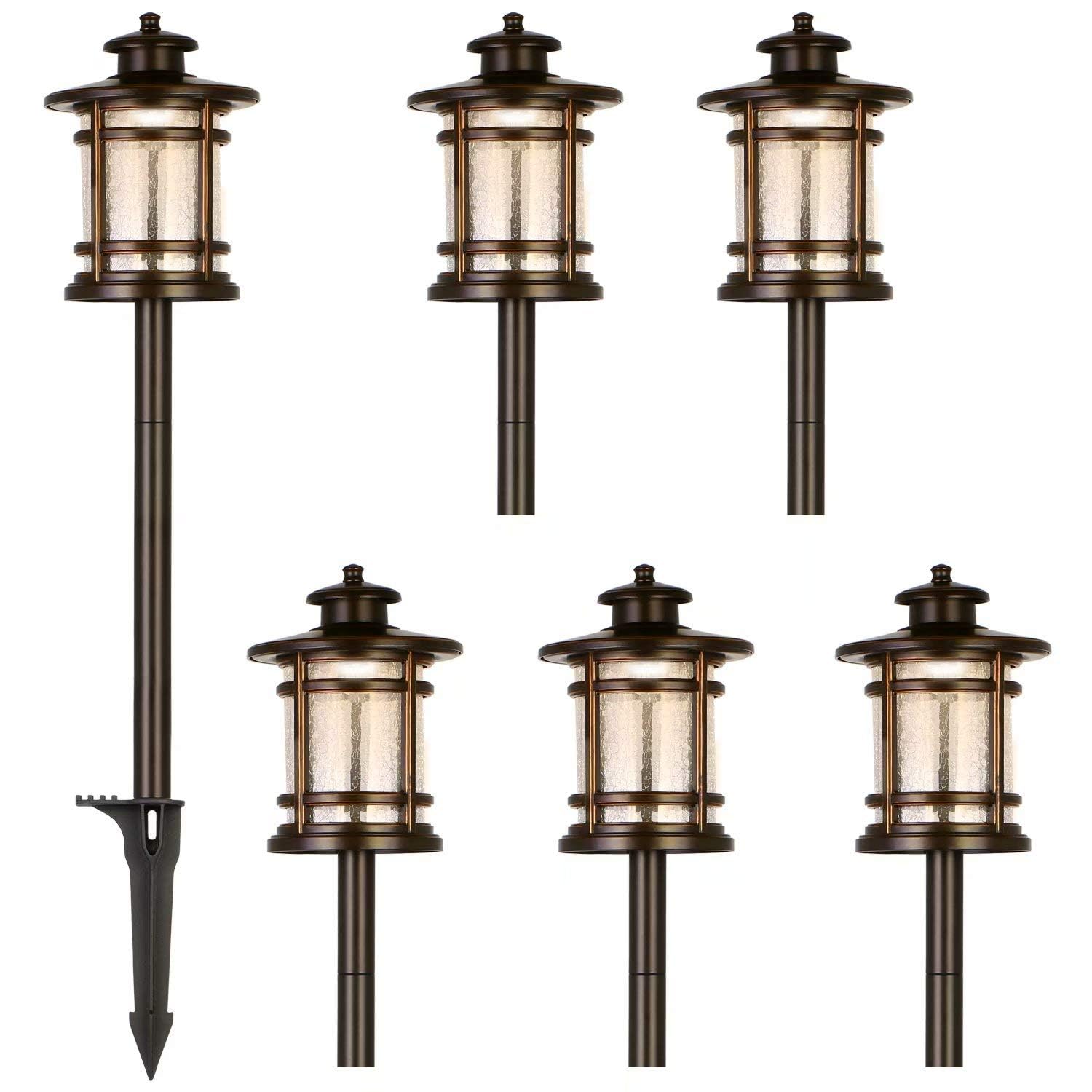
Die-cast aluminum path lights with a crackled glass-style lens, inner diffuser for soft patterns, quick-install wire connector, and a five-year warranty.
Why I picked it: Cast-aluminum construction and a diffuser produce a durable, pleasant glow for long-term installs.
Best for: High-durability walkway lighting and entrances that need consistent all-night illumination.
A sensible spend for durable, long-lasting fixtures.
Pros
- Heavy cast-aluminum build
- Soft, diffused light pattern
- Quick-install connectors
- Operates in wide temperatures
- 5-year warranty
Cons
- Requires transformer and wiring
- May need solder or custom connectors
My take
I installed these where I wanted something rugged and attractive. The cast-aluminum housing felt like a step up from lighter fixtures and the crackled-style lens softens the light into a pleasing pattern rather than a harsh spot.
The quick-install connector saved time, although for some complex installs I still soldered or used my preferred sealed connectors for maximum longevity. These lights handled months of weather without visible wear on the finish.
If you need solid, professional-looking path lighting that stays lit all night, these strike a great balance between durability and elegance. They’re not the cheapest, but the materials and the five-year warranty make them feel like a long-term solution.
5. 12V T5/T10 Low-Voltage LED Bulbs – Best Replacement Bulb
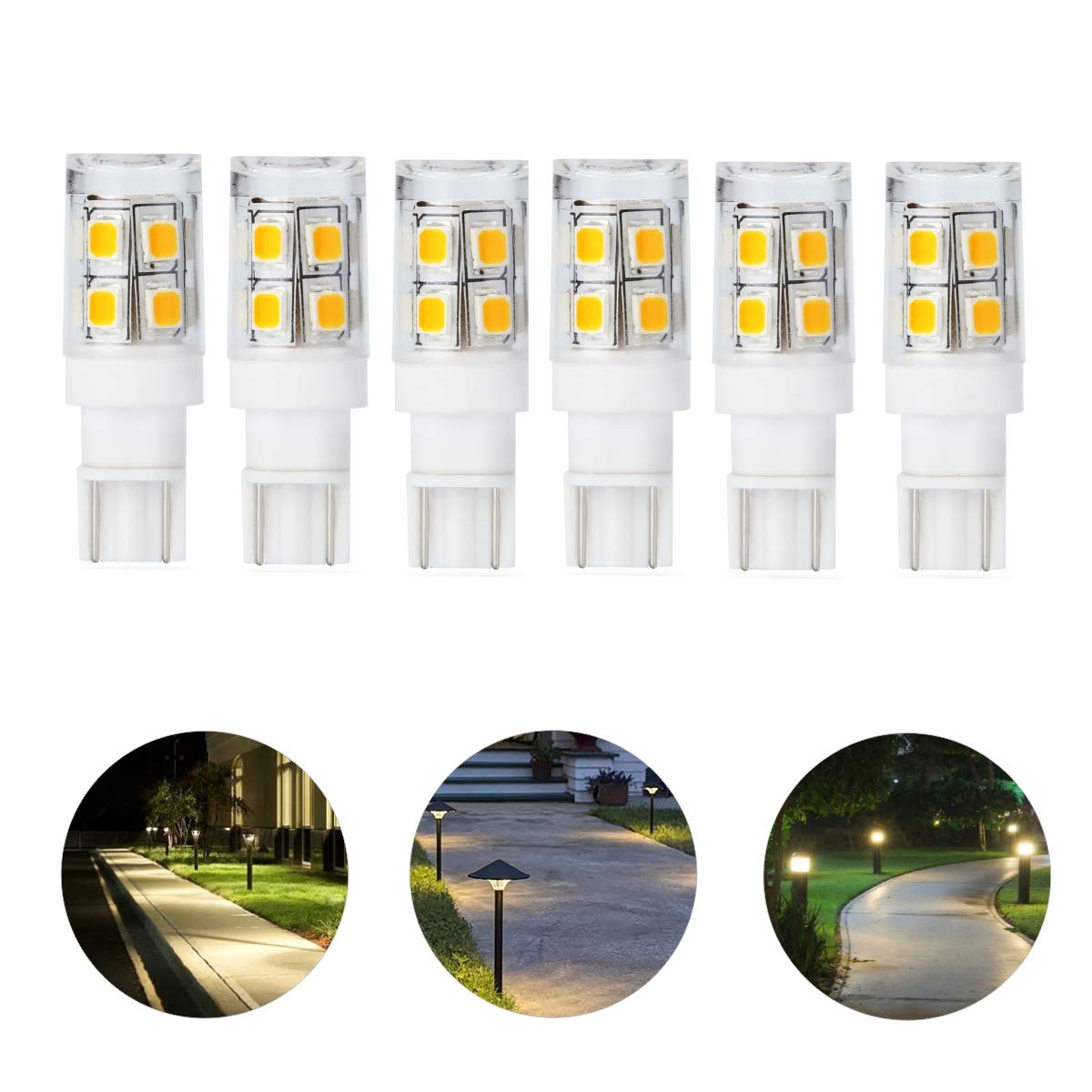
1.5W wedge-base T5/T10 bulbs producing ~240 lm, compatible with many 12–24V low-voltage fixtures, rated for 25,000 hours and suitable for under-cabinet and landscape lights.
Why I picked it: Compact, efficient wedge-base LEDs that retrofit older xenon or incandescent low-voltage fixtures.
Best for: Replacing inefficient xenon/incandescent bulbs in low-voltage path lights and under-cabinet strips.
An economical way to modernize existing low-voltage fixtures.
Pros
- Compact wedge base
- Polarity-insensitive
- 240 lm output per bulb
- Wide 12–24V compatibility
- Long rated life
Cons
- Non-dimmable
- Ballast incompatibility can cause flicker
My take
When I swapped these into older Malibu-style fixtures they fit where other longer bulbs would not, and the output was pleasantly bright and slightly warm compared with old xenons.
They run happily on 12V DC without getting hot, and I used them both in under-cabinet cove lighting and in landscape floods. Be mindful: when you install them into fixtures that have an electrical ballast, compatibility can be an issue — flicker or flashing can occur if the ballast doesn't play nice with an LED replacement.
For most low-voltage systems these are a straightforward energy-saving swap that noticeably reduces heat and power draw while keeping a clean, even light.
6. FVTLED Recessed Low-Voltage Deck Lights (Pack of 10) – Best for Steps & Decks
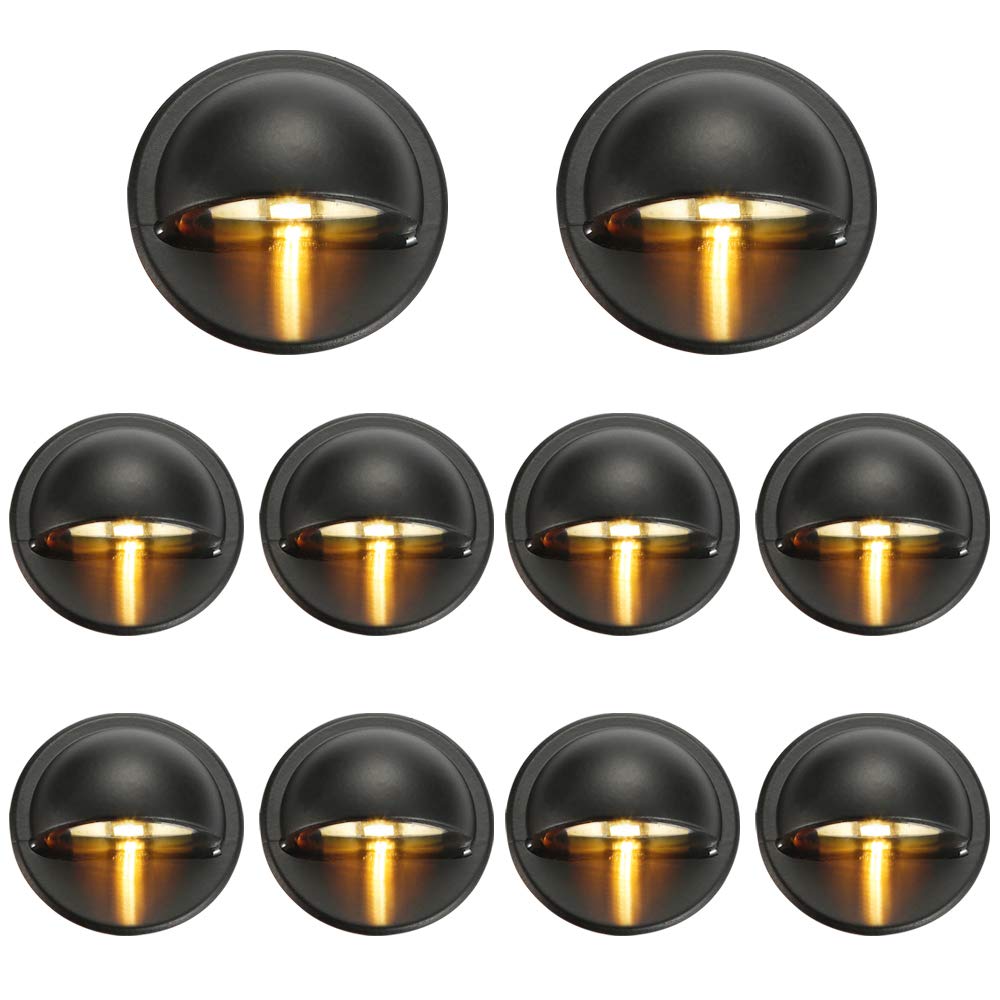
Low-profile recessed half-moon deck lights in warm 3500K, IP65 rated, designed for step, deck, and porch installations with male/female waterproof connectors.
Why I picked it: Low-profile recessed design gives subtle, safe step illumination without obtrusive fixtures.
Best for: Deck stairs, steps, and low-profile accenting where protruding fixtures aren’t wanted.
Good value for a complete recessed kit of ten lights.
Pros
- Very low profile
- Warm 3500K light
- IP65 waterproof rating
- Tight waterproof connectors
- Easy to install with correct bit
Cons
- Can be dim for large-area accents
- Requires correct drill bit size
My take
I used these on deck stairs and on a privacy panel. The lights are unobtrusive once installed and create a pleasant, warm wash that’s perfect for illuminating steps without glare.
Installation requires the right hole size — I used a 15/16" bit for a snug fit — and the snap-in design makes them low-profile and safe against trips. The connectors are very tight; that’s great for weatherproofing but took a bit of patience when I pulled everything together.
If you need bright accent illumination for plants or large features, these may be too subtle; they’re designed for safety and low-key lighting, and they excel at that. I’ve found them reliable over seasons when they’re installed with good connections.
7. Lumina Cast Aluminum Path Lights – Best Replaceable Bulb Option
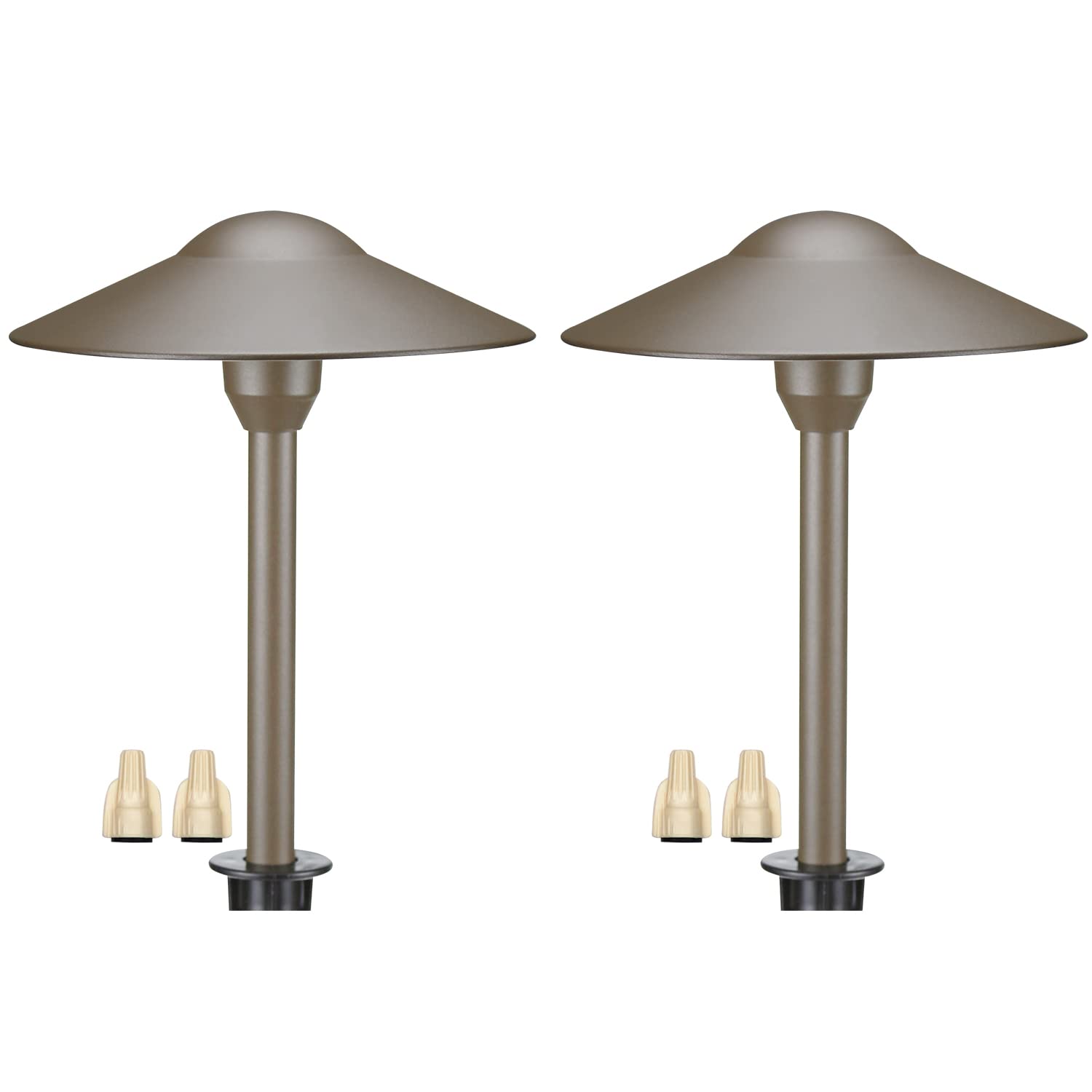
Classic bronze-finish path lights with cast-aluminum bodies, replaceable G4 LED bulbs, two height options, IP65 protection, and rugged spikes for secure placement.
Why I picked it: I favor fixtures with replaceable bulbs and a classic look that integrates into many landscapes.
Best for: Historic or classic-looking landscapes where bulb replacement is important.
A sensible choice if you want replaceable-bulb fixtures without high cost.
Pros
- Replaceable G4 LED bulb
- Two height options
- Sturdy metal top
- Good light output
- Classic bronze finish
Cons
- Replacement bulbs can fail prematurely
- Plastic spikes instead of metal
My take
These are my pick when I want a traditional look but don’t want to toss an entire fixture when the LED ages. Unscrewing the top to change a G4 bulb is quick and painless.
The extension post is handy — I used it to raise lights above plantings so the glow cleared foliage and lit the path better. The metal top and shade stand up to a lot of handling during install.
I did experience a couple of bulb failures in longer-term service, so I keep spare G4 bulbs on hand. Overall I still appreciate the replaceable aspect and prefer this approach if you expect to maintain or tweak light levels over years.
How I Choose Low-Voltage Pathway Lights
Wired vs Solar
I choose solar when I want zero wiring, fast installation, and gentle accent lighting. Solar excels for decorative or temporary applications.
I choose wired low-voltage when I need consistent, bright output, long run times, and professional-looking installations that remain reliable night after night.
- Solar: easiest install, depends on sun and battery health.
- Wired: needs transformer and cable, gives consistent brightness.
Light Pattern and Color
Think about coverage: bollards and 360° fixtures light big areas with fewer posts, while directional spike lights concentrate light at the base.
Color temperature matters — 3000K is warm and welcoming; 3500K is slightly crisper but still comfortable for pathways.
- 360° fixtures reduce dark spots.
- Diffusers and multiple LED chips prevent hot spots.
Installation and Wiring
For wired systems I plan conduit runs, choose the right gauge wire, and match fixtures to a properly sized transformer.
Connectors: screw-tight connectors or sealed splices are worth the extra effort to avoid recurring failures in buried connections.
- Use 12–14 gauge wire for most low-voltage runs.
- Install fixtures first, then connect to main line for easier connections.
Durability and Weatherproofing
I look for cast metal or thick aluminum bodies and IP65 or better ratings for exposed locations. Plastic can work but may fade with long-term UV exposure.
Where connectors are buried, I add sealant or gel to keep moisture out — the connector quality matters more than you think.
- Metal housings resist impact and wear better.
- Add silicone or gel for buried splices.
Bulbs and Replaceability
Fixtures with replaceable bulbs extend service life and let you change brightness or color later. Integrated LEDs simplify design but require replacing the whole unit if the LED fails.
When retrofitting bulbs, watch for ballast compatibility and whether the replacement is dimmable if you plan to use dimmers.
- Replaceable G4/T5 bulbs give flexibility.
- Integrated LEDs give uniform light but can be non-replaceable.
Frequently Asked Questions
Do low-voltage path lights require a transformer?
Yes — for wired 12V fixtures you need a low-voltage transformer between mains power and the light run. I always size the transformer to handle the total wattage of the fixtures plus a small buffer.
Can I mix solar and wired lights on the same project?
You can mix them visually, but they operate independently. I use solar as accent points and wired fixtures for dependable, continuous pathway illumination.
How many fixtures can I run on one transformer?
Count the wattage of each fixture and add them up. I leave a margin (usually 10–20%) when selecting a transformer to avoid overloading and to accommodate voltage drop on longer runs.
Are these connectors safe to bury?
Connectors like the SUNVIE screw-tight types are designed for outdoor use, but I add silicone or a proper gel-filled enclosure before burying for long-term reliability.
Final Take
For decorative, zero-wiring accents I kept coming back to the Brightown solar roses — they’re effortless and charming.
If I need reliable, all-night pathway lighting I choose wired bollards like the LEONLITE or rugged cast-aluminum options from Hykolity for durability.
I always keep a pack of quality connectors and replacement wedge bulbs on hand so I can maintain whatever system I put in. Pick the option above that matches how much time you want to spend wiring versus enjoying the yard.
