
I tested seven popular keyboard benches across home practice, duet setups, and gigging. Here are the ones I kept and why each earned a place in my studio.
I spent time sitting, adjusting, and carrying every bench on this list so I could recommend seats that actually work when you play.
My picks focus on comfort, adjustability, build quality, and useful extras like storage or included lessons so you can match a bench to how you play.
I compared cushions, frame stability, height range, portability, and any extras (storage or lesson access). For gigging I prioritized locking mechanisms and nonslip feet; for home use I looked at storage and finish.
1. RockJam Adjustable Padded Keyboard Bench – Best Overall
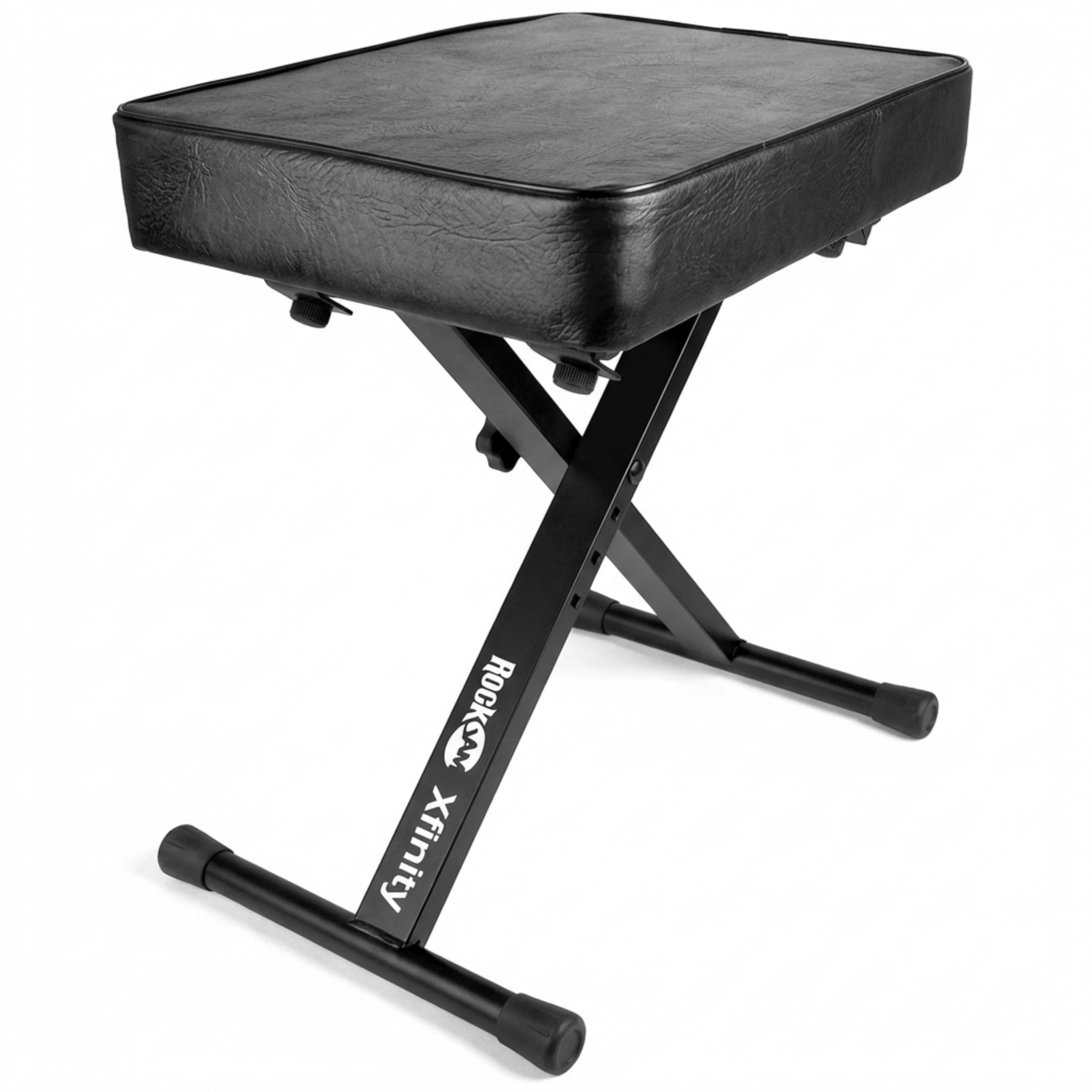
Comfortable padded seat, sturdy metal A-frame, four fixed heights, and included Simply Piano lessons make this my go-to all-around bench.
Why I picked it: Great balance of comfort, portability, and the added value of lesson access.
Best for: Beginners and gigging keyboardists who want comfort plus learning resources.
Affordable option with a value-added lessons bundle.
Pros
- Thick, comfortable padding
- Four fixed height positions
- Folds for easy transport
- Supports heavier players
Cons
- Fixed height steps, not infinitely adjustable
- A-frame can feel bulky to store upright
My take
I found the RockJam to be the most versatile bench in my rotation. The high-density padding kept me comfortable through practice sessions, and the four height settings covered my needs for both a digital piano and a stage keyboard.
The A-frame metal construction felt solid underfoot and supported my weight without wobble. Folding it up for transport was quick, and I appreciated the bonus access to Simply Piano lessons—handy when I wanted structured practice after a long session.
If you want a straightforward, comfortable bench that travels and still feels sturdy at home, this one delivers.
2. Yamaha PKBB1 Keyboard Bench – Best for Everyday Use
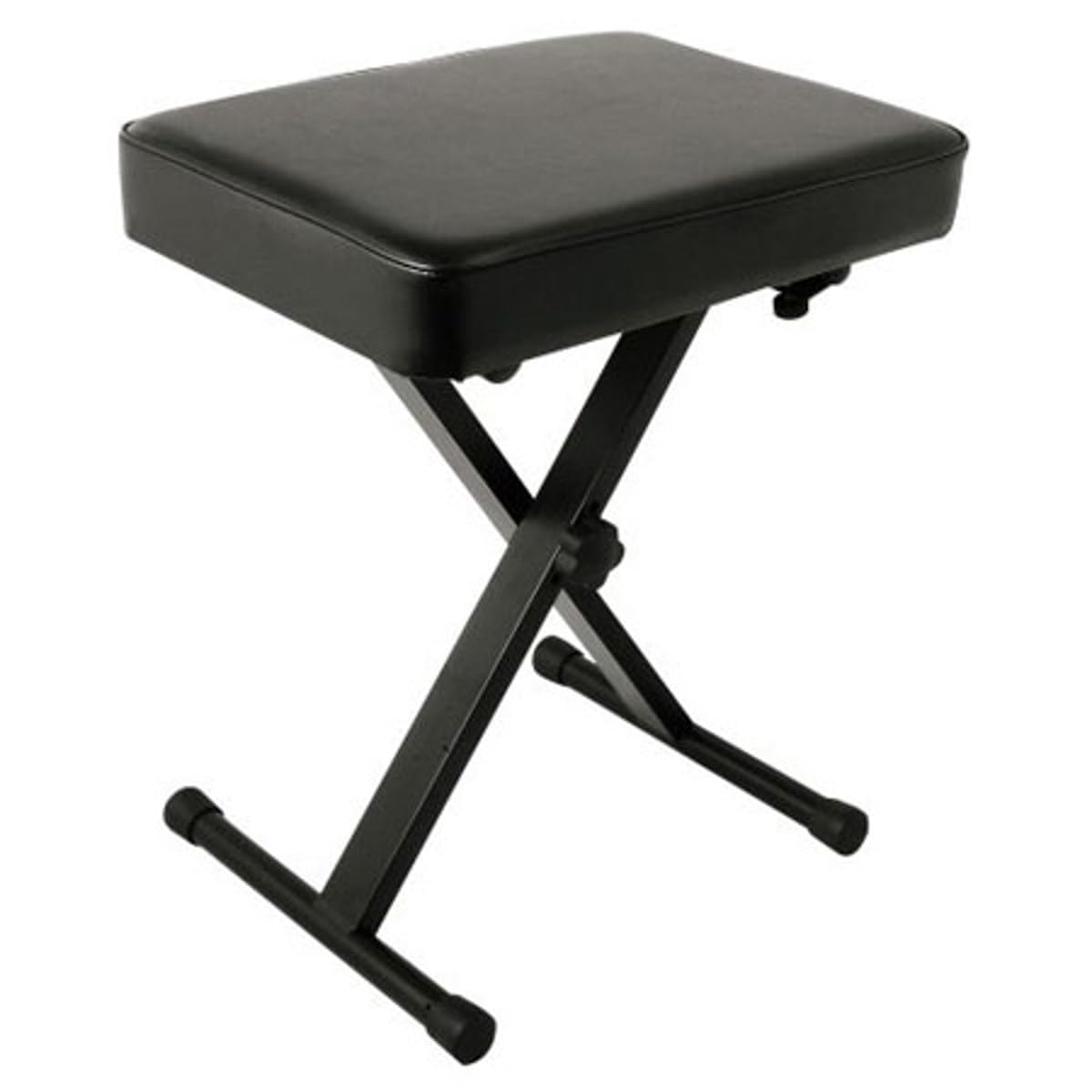
A simple, extra-wide padded bench with a reliable folding and locking system that works well for daily practice.
Why I picked it: Classic padded seat and easy fold-flat portability make it ideal for regular home use.
Best for: Players who want a comfortable, no-fuss bench for everyday practice.
A mid-range option that feels durable for the money.
Pros
- Extra-wide padded seat
- Folds flat for transport
- Simple locking mechanism
- Feels sturdy in use
Cons
- Limited height range for very tall players
- Branding can be inconsistent on units
My take
This Yamaha-style bench gave me reliable padding and a roomy seat that reduced fatigue during long practice sessions. The padding is firm in a supportive way and the folding mechanism collapses flat with a satisfying lock.
I did notice the height tops out lower than some deluxe benches, so taller players may need to check the range before committing. That said, it’s a comfortable, compact bench I reached for repeatedly when I wanted a dependable, easy-to-store seat.
3. Bonnlo Duet Piano Bench with Storage – Best for Duets & Storage
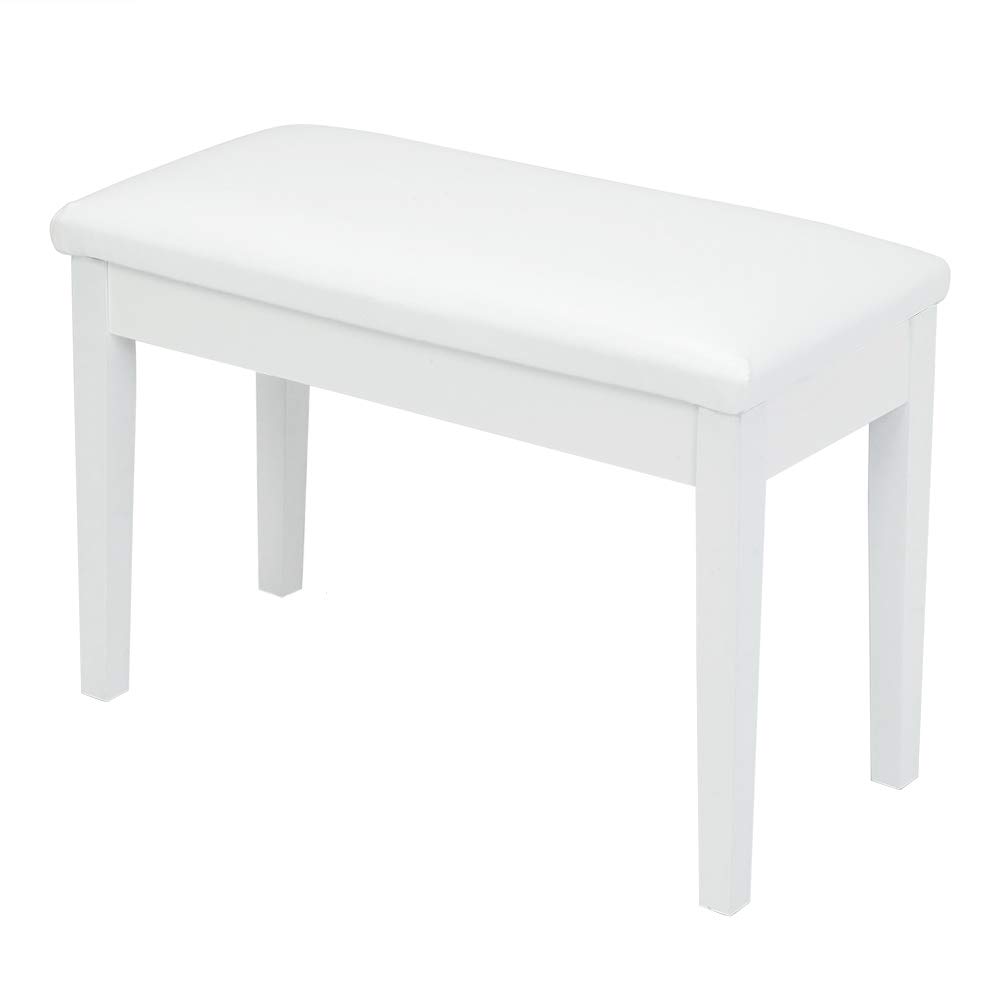
Wooden duet bench with a padded top and internal storage — elegant enough for living rooms and practical for sheet music.
Why I picked it: Combines a roomy duet seat with hidden storage and an attractive finish.
Best for: Home pianists who want a decorative bench with practical storage.
A mid-priced, stylish option that adds storage value.
Pros
- Flip-top storage compartment
- Thick, resilient cushion
- Attractive wood finish
- Good duet seating space
Cons
- Can arrive with small cosmetic flaws
- Not height-adjustable
My take
I liked how the Bonnlo looked next to my upright—clean lines and a cushion that felt plush right away. The lift-top storage is genuinely useful for stashing sheet music and lesson books so my practice area stays tidy.
Assembly was quick and the bench felt sturdy when two people sat on it. Be aware it isn't height-adjustable, so I treated it like a dedicated home bench rather than a gigging stool.
If you want a bench that doubles as furniture and storage, this one fit perfectly into my living room setup.
4. On-Stage KT7800+ Deluxe Keyboard Bench – Best for Performers
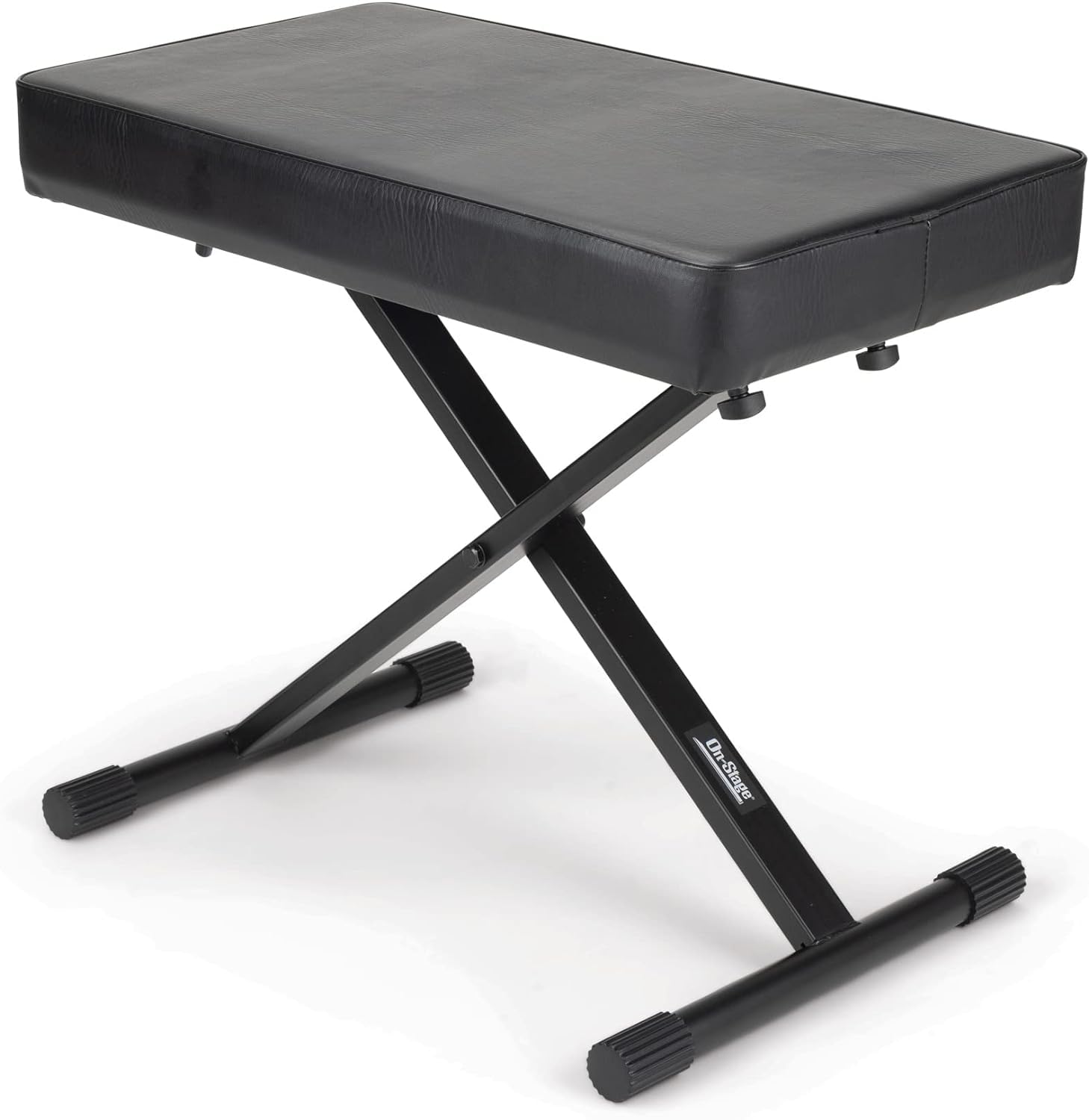
A long, thick-cushioned performer’s bench with a heavy-duty X-style frame, reinforced locking, and a wide height range for stage use.
Why I picked it: Top-notch stability and a large cushion that stays comfortable over long sets.
Best for: Gigging musicians and studio players who need a secure, adjustable seat.
A professional-leaning option with a premium build.
Pros
- Extra-long 23.5" seat
- Thick 2.5" cushion
- Secure multipoint locking
- High weight capacity
Cons
- Heavier than basic folding benches
- Minimal printed instructions in box
My take
The On-Stage KT7800+ felt like a bench built for hours on stage. The long cushion distributed my weight evenly and the thicker foam kept me comfortable through extended takes.
I relied on the reinforced locking and the nonslip feet during a few energetic sessions, and the bench stayed put. It packs down flat, but it’s heavier than the simplest folding stools—exactly what I wanted when stability matters more than featherlight portability.
For a performer who needs a professional, dependable seat, this one is a clear winner in my setup.
5. Donner Adjustable Padded Keyboard Bench – Best Budget Cushion
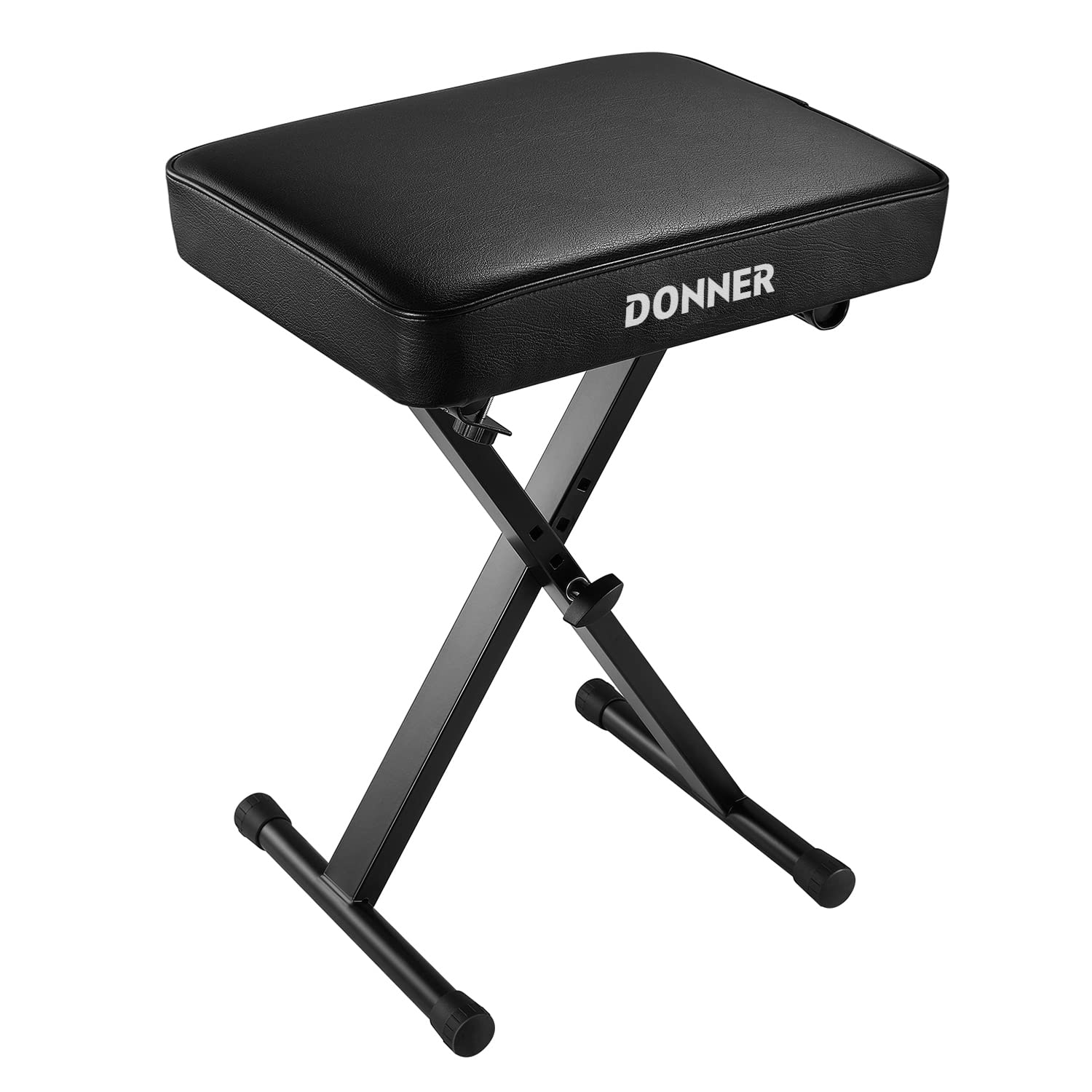
A compact, adjustable X-style bench with a high-density sponge cushion and rubber non-skid sleeves — great as a budget-friendly practice seat.
Why I picked it: Comfortable cushion and solid feels for a very accessible price.
Best for: Casual players, multi-instrument households, and practice rooms on a budget.
Very affordable and good value for occasional to regular use.
Pros
- High-density sponge cushion
- Non-skid rubber sleeves
- Foldable and adjustable
- Lightweight and portable
Cons
- Height changes require some effort
- Not as plush as premium benches
My take
I kept this Donner bench around because it’s a no-nonsense seat that feels more comfortable than many stools in the same price bracket. The cushion holds its shape and the non-skid sleeves keep the bench steady on hardwood.
Adjusting the height involves repositioning a bolt, which isn’t as slick as a knob system but it stays secure once set. It’s a great spare or studio bench when I need a stable, comfortable seat without spending much.
6. Donner Wooden Piano Bench with Storage – Best Wooden Storage Bench
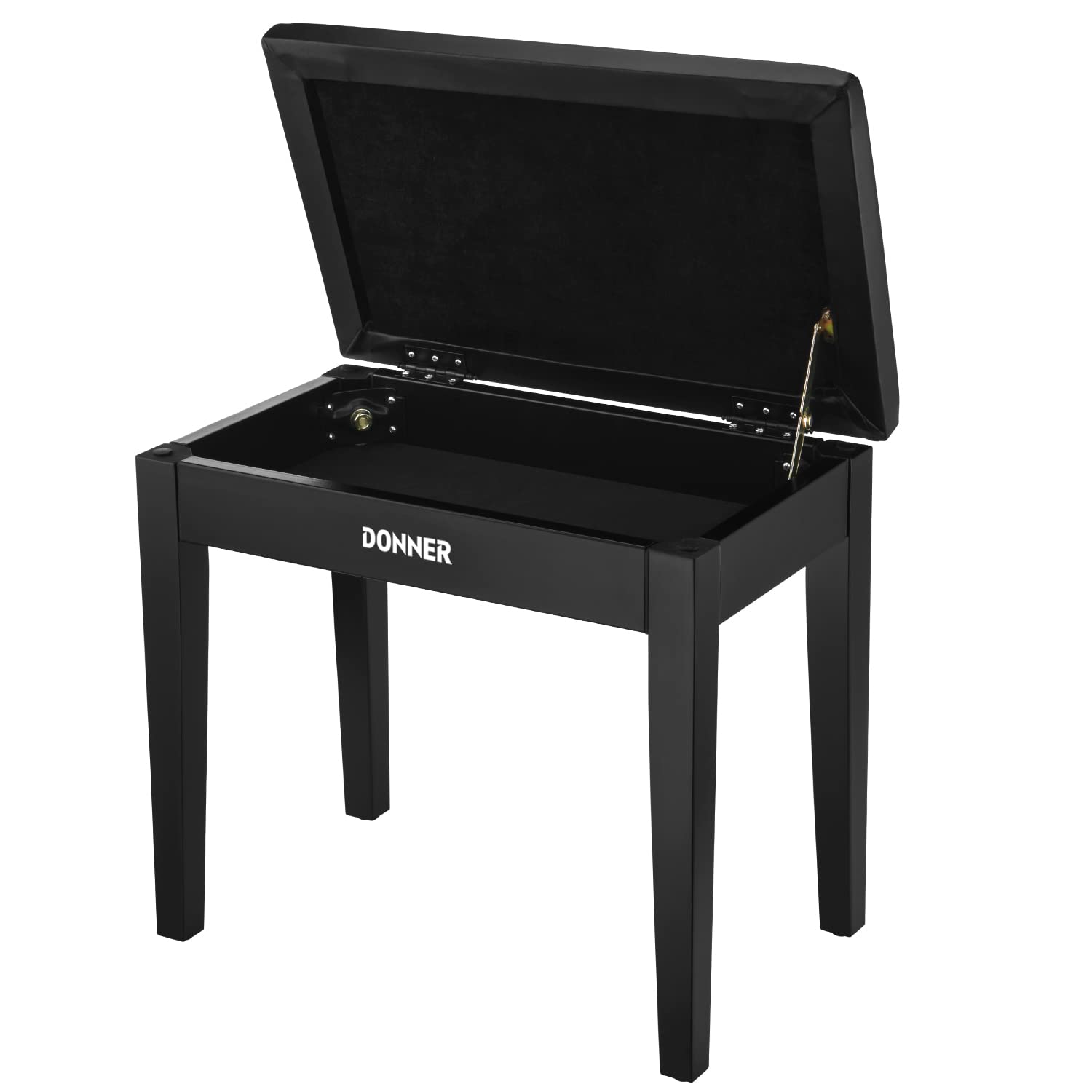
Solid wood construction with hidden storage and a soft padded seat — a nicely finished bench that feels like a proper piece of furniture.
Why I picked it: Solid construction and useful storage make it a lovely home bench.
Best for: Musicians who want a durable, attractive bench with storage rather than an adjustable stool.
A slightly higher-end, furniture-style choice at a reasonable cost.
Pros
- Solid wood build
- Hidden storage under the flip-top
- Soft, resilient padding
- Simple assembly
Cons
- Not height-adjustable
- May be shorter than expected for some users
My take
This Donner wooden bench felt like an upgrade to my practice corner. The flip-top opens smoothly and gives a roomy cavity for books and scores, while the padded seat is plush enough for long sessions.
I assembled the legs quickly and appreciated the rubber pads that protect floors. The one trade-off is fixed height—if you need a custom playing posture, measure first. Otherwise it’s a sturdy, attractive bench I enjoyed using.
7. Casio ARBENCH X-Style Keyboard Bench – Best Classic Budget
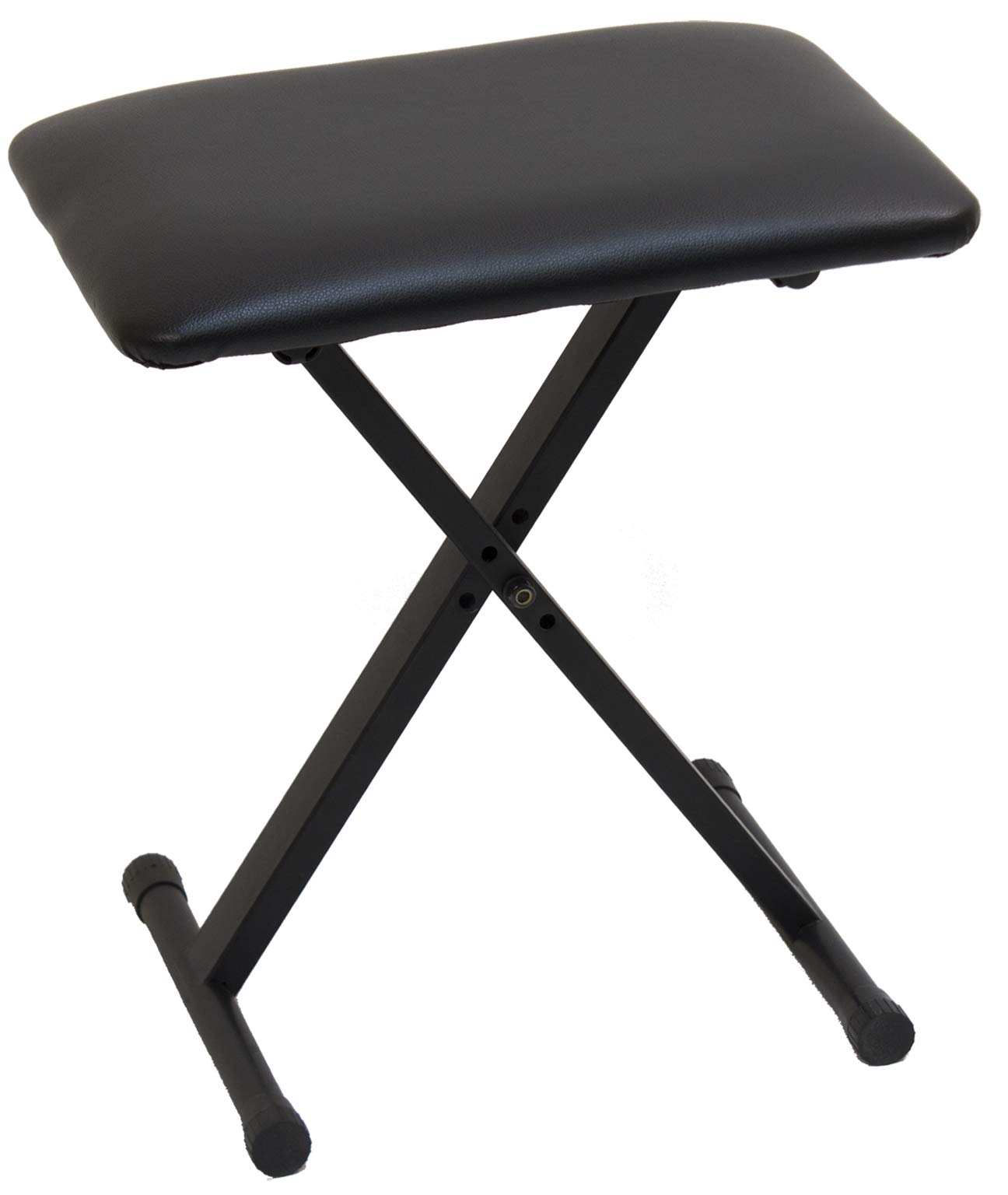
A compact, lightweight X-style bench that gives surprising stability and comfort for a very low price point.
Why I picked it: Extremely portable and dependable as a basic practice stool.
Best for: Beginners, kids, and anyone needing a simple, portable bench.
Very budget-friendly and practical for starters.
Pros
- Lightweight and portable
- Compact folding design
- Decent cushioning
- Good basic stability
Cons
- Feels rickety until weighted
- Seat may feel small for larger players
My take
I found this Casio bench to be a sensible starter seat—easy to set up, light to move, and adequately cushioned for short practice sessions.
It can feel a bit flimsy before you sit, but once loaded it settles into a stable position. If you need an ultra-portable, low-cost bench for lessons or travel, this one checked those boxes for me.
How I Choose a Keyboard Bench
Key features I always check
When I shop for a bench I make a quick checklist: cushion quality, height range, frame stability, and portability. Those four factors determine whether a bench works for practice, performance, or furniture use.
Weight capacity and locking mechanisms matter more than you might think—especially if I’m using a bench on stage or sharing it between players.
- Cushion: look for high-density foam that won’t flatten quickly.
- Height: adjustable benches cover more use cases; fixed benches suit home setups.
- Frame: X-style metal for portability, wood for a furniture look and storage.
- Locking & feet: secure locks and rubber feet prevent slipping on stage.
Choosing by use case
For gigging I prioritize a robust locking mechanism, nonslip feet, and thicker cushions that resist long sets.
At home I lean toward wooden benches with storage if I want neatness and a furniture look; for lesson rooms, a lightweight folding bench that collapses flat is more practical.
- Performers: reinforced locking, high weight capacity, thick cushion.
- Home practice: storage and finish that match your piano.
- Beginners/students: portable, affordable, and comfortable.
Comfort and posture tips
I always set the bench so my forearms sit roughly parallel to the floor when my fingers rest on the keys. If I can’t reach that position comfortably, I try a different bench.
A too-soft cushion will make your posture slump; a very firm cushion can cause pressure points. I aim for medium-firm density that supports long practice without bottoming out.
- Seat depth: make sure you have enough room to stabilize your torso.
- Firmness: medium-firm foam is my go-to for sessions over 30 minutes.
- Width: duet benches are useful if you play with another person or want extra surface area.
Frequently Asked Questions
What bench height should I use for proper posture?
I set the bench height so my forearms are nearly parallel to the floor when my hands are on the keys. If the bench is adjustable, test several heights and play scales for a few minutes at each to find what keeps my shoulders relaxed.
Is a folding X-style bench stable enough for gigging?
Yes—when it has a good locking mechanism and rubber feet. I prefer reinforced multipoint locks and heavier frames for stage work; lighter X-style benches are better for travel and quick setups.
Do I need a storage bench?
I like storage benches for home use because they keep scores and books out of sight. If you move venues often, a storage bench can be bulky, so I choose a folding or luggage-friendly option instead.
Final Take
After testing, I kept benches that matched real playing situations: a padded, portable seat for gigs, a wooden storage bench for the living room, and a couple of budget options for students and spare seats.
Think about where you’ll sit most: if you need portability, focus on foldability and locking; for home comfort and storage, prioritize wood construction and a plush cushion.
Pick the bench that makes it easy for you to practice comfortably—that’s the best way I’ve found to get more time at the keys.
