
I tested murals, non-woven rolls, and peel-and-stick papers to find options that transform living rooms—from dramatic 3D scenes to renter-friendly contact paper.
I shop for wallpaper with one goal: make a living room feel finished without surprises. Over multiple installs I’ve learned which materials behave, which require glue, and which give the biggest visual impact for the effort.
In this roundup I tried large printed murals, non-woven glue-applied papers, and removable glitter and contact rolls. I installed, trimmed, matched seams, and lived with each option so I could report what actually mattered—ease of installation, how the pattern met at seams, durability, and how forgiving the material was during positioning.
If you want a dramatic focal wall, a budget accent, or something renter-friendly that won’t scream ‘DIY,’ I’ll walk you through the right choices and the trade-offs I ran into.
I found two clear divides: peel-and-stick (fast, repositionable, better for renters and smooth walls) and non-woven/glue-backed murals (richer, more permanent finishes that require paste and patience). I call out which is best for impact, ease, and repeatability.
1. SIGNFORD 3D Removable Wall Mural – Best for Realistic Impact
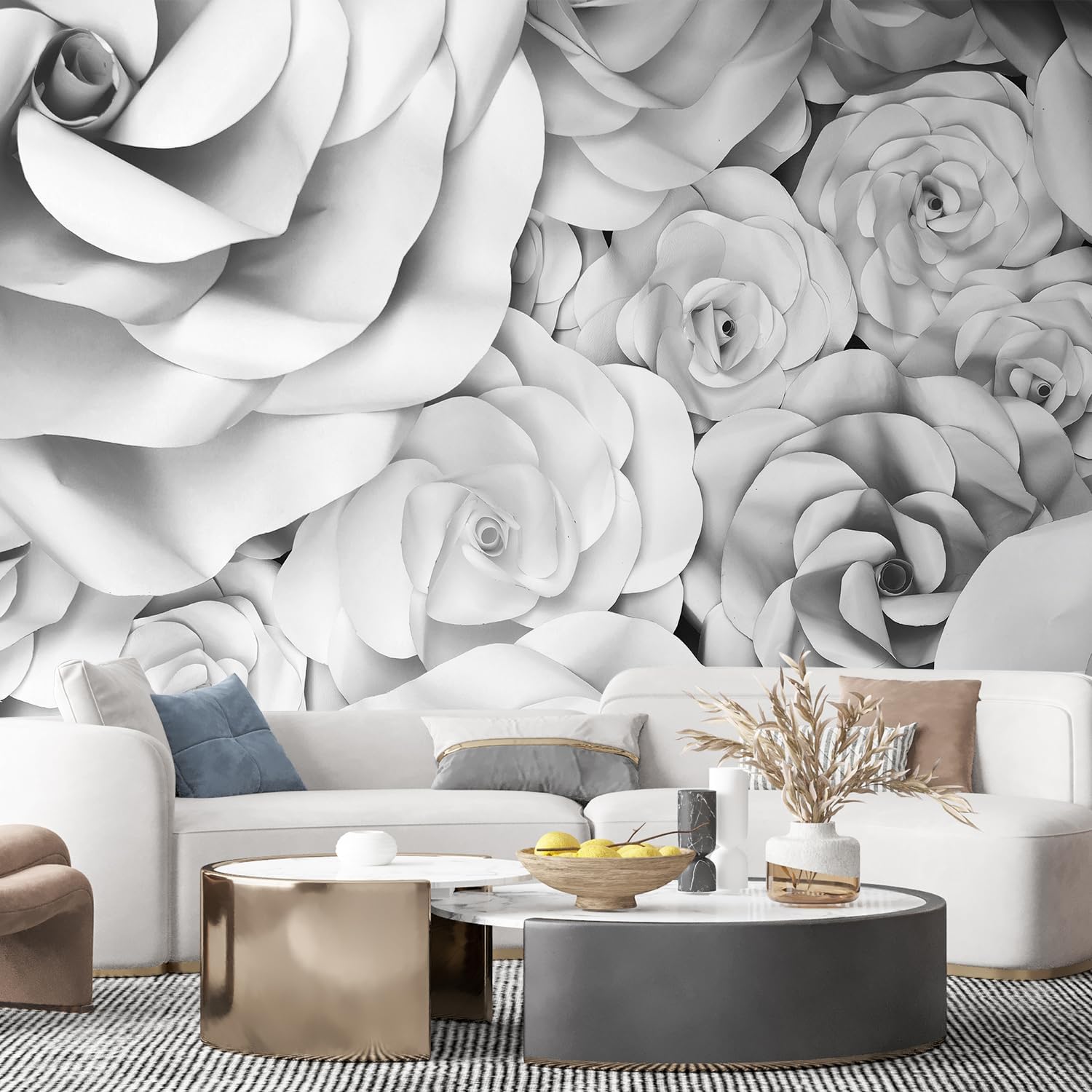
A large, peel-and-stick cloth-reinforced vinyl mural that delivers striking 3D realism and durable construction.
Why I picked it: Extremely realistic print and heavy-duty cloth vinyl gives the mural a lifelike depth.
Best for: Creating a dramatic focal wall or immersive scene.
Premium mural—more costly than basic rolls but worth it for realism.
Pros
- Stunning high-definition print
- Cloth fiber reinforced vinyl
- Peel-and-stick repositionable
- Comes pre-cut into 6 panels
Cons
- Seams can be visible on light patterns
- Installation is time-consuming
My take
I installed this SIGNFORD mural across a full wall and the first thing I noticed was the print quality—the image reads as three dimensional from across the room.
The material is noticeably thick and cloth-reinforced, so it handled textured walls and repeated repositioning without tearing. The mural ships cut into six panels, which made carrying and aligning manageable even when I worked alone.
Getting a perfect seam was the trade-off: I could see overlaps on lighter areas, so I centered the scene and accepted a slight overlap rather than risking misalignment. Installation took patience—plan for a multi-hour afternoon if you’re doing it solo.
Color may vary slightly from online images, so I checked panels together before committing to the layout. Once up, the mural reads like a very high-end install and holds up well to normal wear.
2. wall26 Vintage Bookshelf Non-Woven Wallpaper – Best for Vintage Style
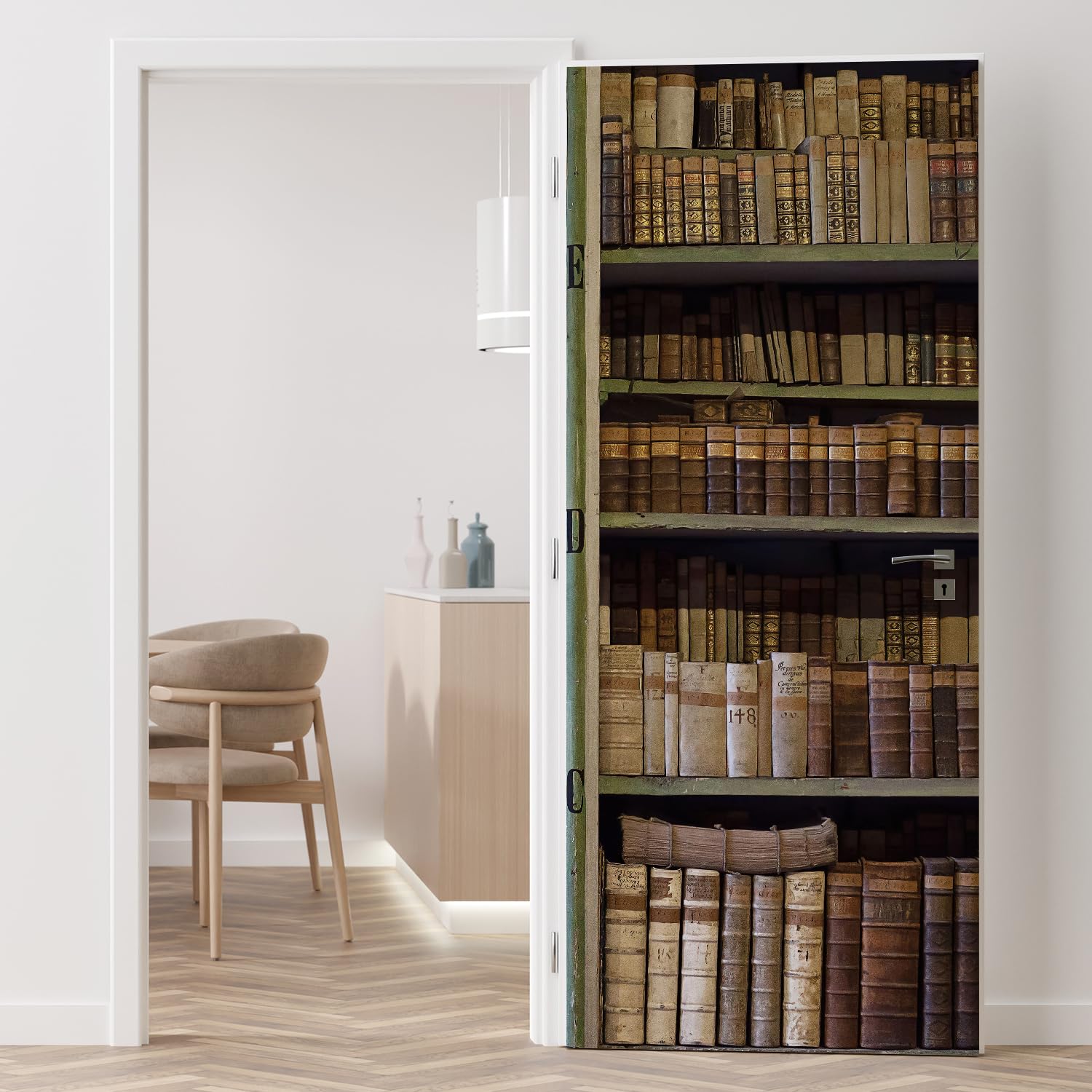
A non-woven, glue-applied wallpaper with a semi-matte finish that creates a luxe vintage bookshelf look.
Why I picked it: Semi-matte non-woven fabric gives a rich, wallpaper-quality finish suited to classic motifs.
Best for: Accent walls or rooms where you want a permanent, wallpaper-like finish.
Mid-range option—good value for a non-woven fabric finish.
Pros
- Durable non-woven fabric
- Semi-matte, upscale look
- Warp-proof and odorless
- Easy to clean with a dry cloth
Cons
- Requires wallpaper glue (not included)
- Two-piece format needs careful matching
My take
I used this wall26 bookshelf design to create a moody, vintage accent wall and the semi-matte surface instantly elevated the room.
Because this is non-woven, I applied wallpaper paste to the wall and positioned the panels; the result looked and felt more like traditional wallpaper than contact paper.
The pattern comes in two wide panels that you need to match carefully. I experimented with flipping and trimming panels to break up repeats and the fabric was forgiving enough to reposition during paste application.
If you prefer a glue-free install, this isn’t the pick, but if you want a long-lasting, luxury look, the finish and durability make that extra effort worthwhile.
3. VEELIKE Teal Glitter Peel-and-Stick Wallpaper – Best for Sparkle Accents
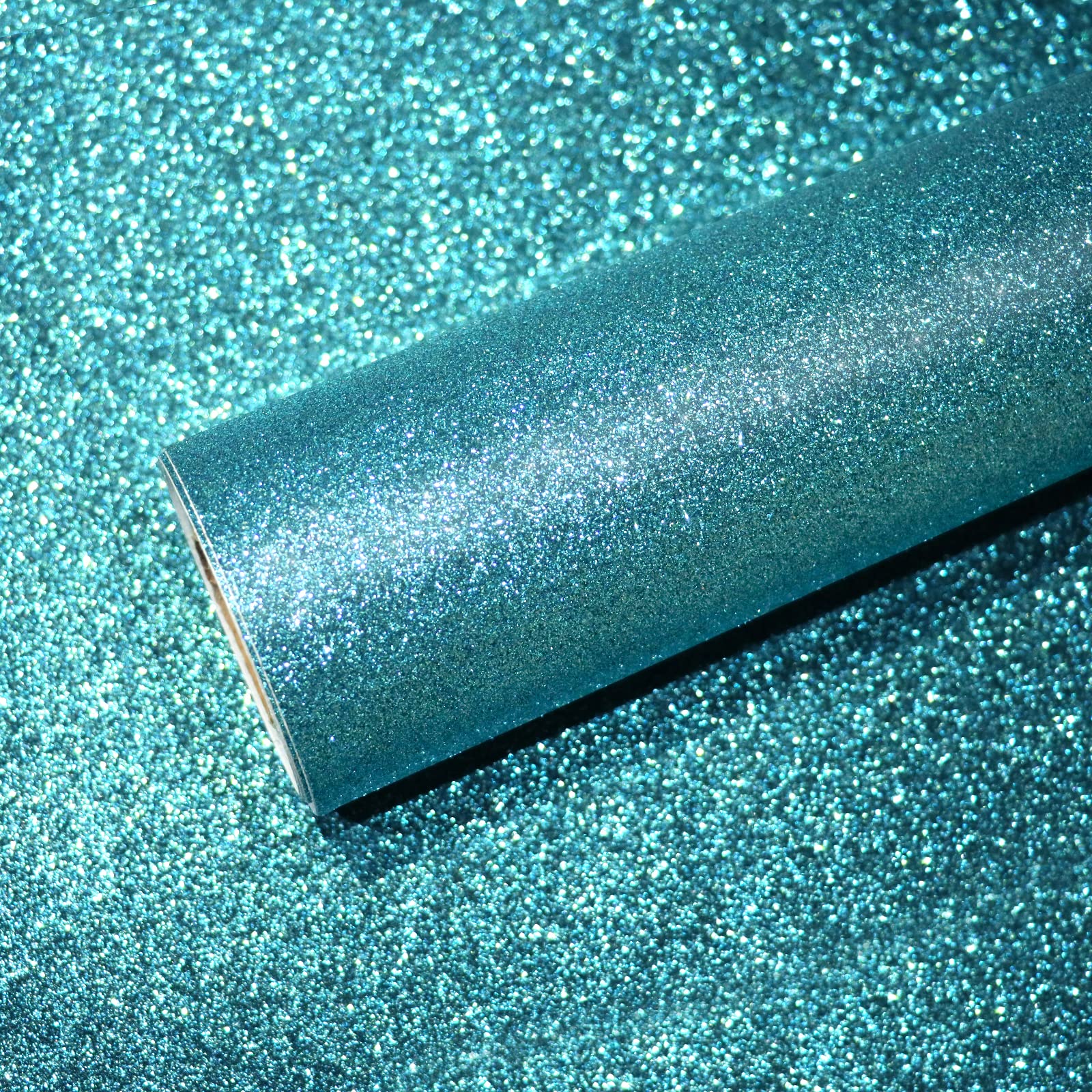
A self-adhesive teal glitter vinyl roll that’s textured, repositionable, and ideal for small accent areas.
Why I picked it: Affordable, sparkly peel-and-stick that’s thick and repositionable for accent walls or furniture.
Best for: Small accent walls, furniture, and crafty applications.
Budget-friendly for short-term projects or accents.
Pros
- Bold glitter sparkle
- Thick, fabric-style backing
- Peel-and-stick, repositionable
- Removes without residue
Cons
- Limited roll coverage per unit
- Can peel at edges if applied to rough surfaces
My take
I reached for the VEELIKE roll when I wanted a high-impact accent without a big expense—this roll delivers sparkle that shows up under both natural and artificial light.
Application was straightforward: peel, stick, and smooth. The backing is fabric-like so the sheet handled trimming and repositioning without tearing.
The roll covers a modest area, so I ordered extra to finish a larger wall. It’s great on smooth surfaces; I avoided textured walls because thin contact paper will lift at the edges there.
Sparkle stayed put and the product removed cleanly when I tested a strip, which makes this my go-to for temporary glam projects.
4. Laatse Black Floral Peel-and-Stick Wallpaper – Best for Dark Botanical Look
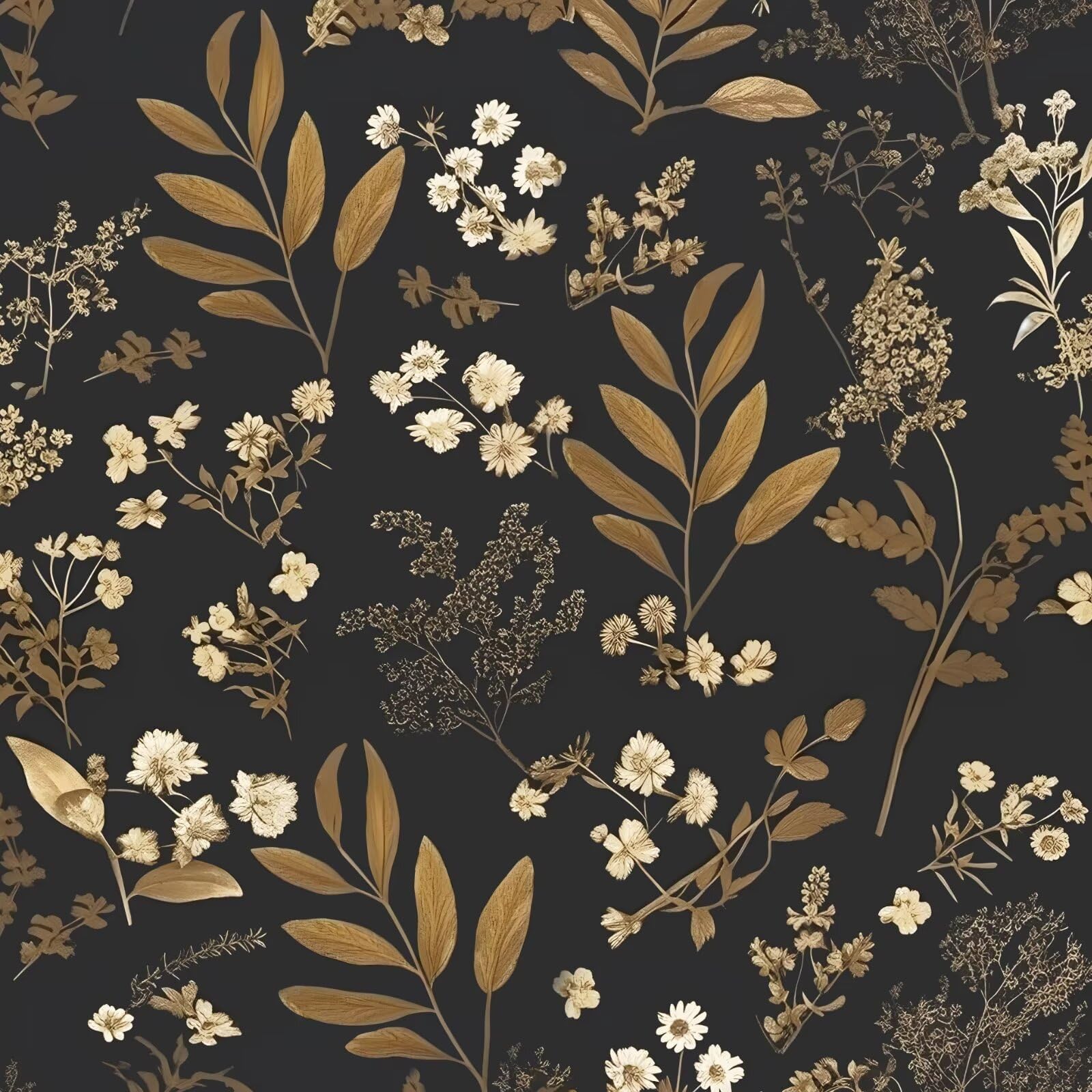
A waterproof black-and-gold floral contact paper with a grid backing for easy cutting and pattern matching.
Why I picked it: Striking dark botanical print with an easy-to-cut adhesive backing.
Best for: Renter-friendly dark feature walls or cabinet makeovers.
Affordable contact-paper alternative to traditional wallpaper.
Pros
- Waterproof and removable
- Grid-backed for precise cutting
- Gold detail lifts the pattern
- Large roll covers many small projects
Cons
- Works best on smooth surfaces
- Color may vary by screen and lighting
My take
I used this black floral contact paper on a narrow living-room alcove and the metallic touches gave the space a grown-up, boho edge.
The grid on the back made cutting and matching repeats simple, and the adhesive stuck well without excessive bubbling when I smoothed with a hard card.
Because it’s contact paper, it’s waterproof and renter-friendly—just bear in mind it adheres best to clean, smooth walls. I avoided textured plaster because there was a risk of lifting.
For cabinets or a statement strip of wall, this is an easy, dramatic option that installs much faster than traditional wallpaper.
5. wall26 Forest Non-Woven Wall Mural – Best Large Non-Woven Mural
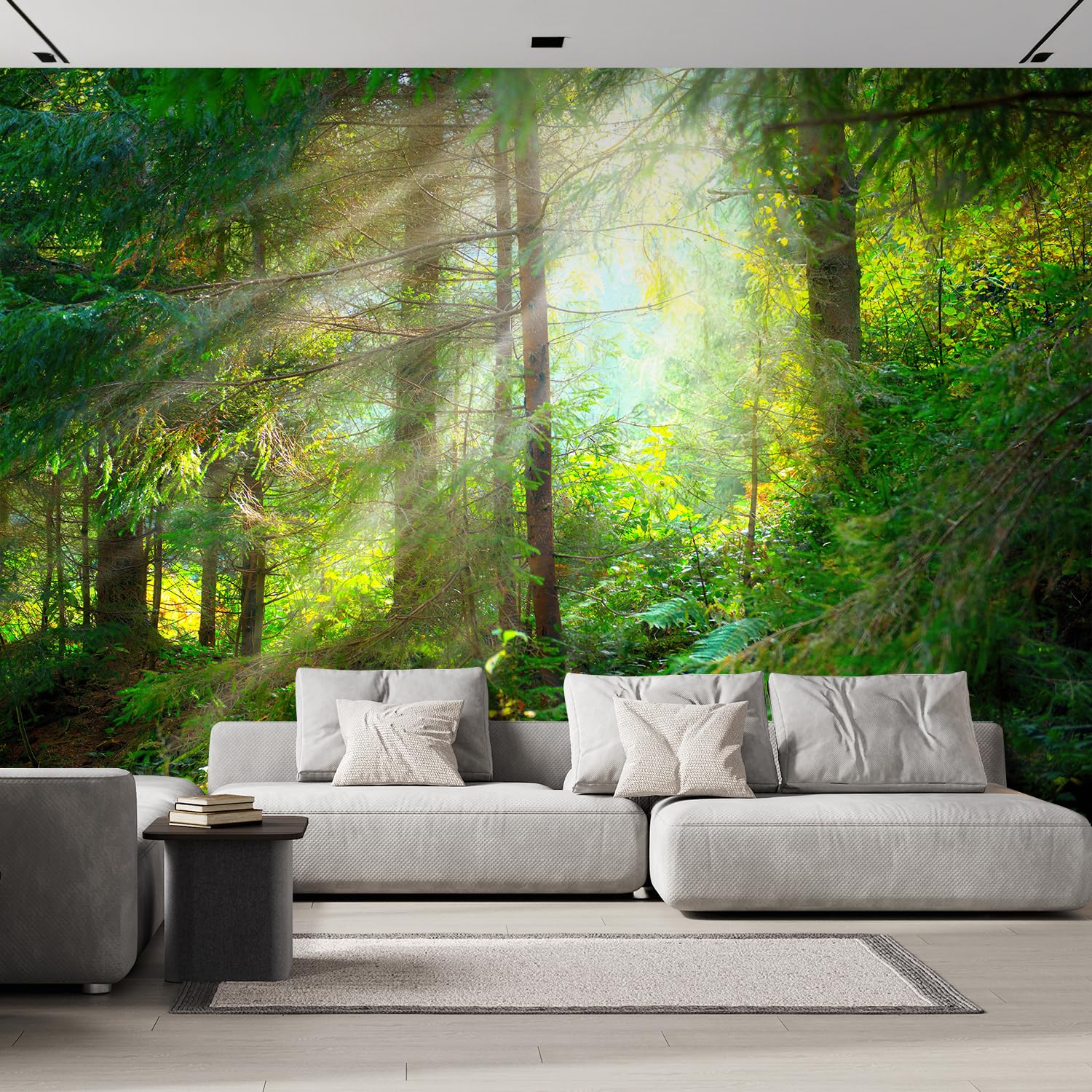
A large-format non-woven forest mural cut into six panels, designed for paste application and a seamless, matte finish.
Why I picked it: Large scale and semi-matte non-woven finish produce an immersive forest scene.
Best for: Full-wall installations where a realistic mural is the focal point.
Mid-tier mural—good value for large non-woven panels.
Pros
- Large 6-panel format
- Semi-matte, warp-proof finish
- Easy to reposition during paste application
- Cleans with a dry cloth
Cons
- Requires wallpaper glue (not included)
- Panels must be applied in order for best results
My take
I put this forest mural across an entire living wall and the scale makes the room feel like a different space—the semi-matte finish keeps reflections low and the image soft.
Panels arrive numbered, and following that order made alignment much easier; trying to center without the sequence created mismatched repeats for me.
This is glue-applied non-woven, so plan on paste, a smoother, and a helper for the first couple of panels. Once you get the top aligned the rest glides into place and is forgiving to adjust.
Light-colored panels do show overlaps if you’re obsessive about seams, but overall the material is durable and easy to work with for a high-impact install.
How I Pick Wallpaper for a Living Room
Material and Finish
I always decide material first because it dictates installation, longevity, and look. Peel-and-stick vinyl/contact papers are fast and renter-friendly; non-woven and paste-applied papers feel more permanent and typically look more like traditional wallpaper.
If I want low reflection and a painted look, I choose semi-matte non-woven. For high drama—metallics, glitter, or ultra-realistic photographic murals—I pick vinyl or cloth-reinforced prints.
- Peel-and-stick: quick, removable, best on smooth walls
- Non-woven/paste: more permanent, better for large seamless scenes
- Vinyl/cloth-reinforced: durable and forgiving during install
Measuring and Ordering
I measure wall height and width precisely, and always order a little extra. Roll coverage varies hugely between products, so calculate panel widths and overlaps before ordering.
When panels are cut into numbered pieces, I check that all panels for a wall are from the same batch if possible to avoid subtle color shifts.
- Measure twice—account for doors, outlets, and trim
- Order extra panels or rolls for matching repeats and mistakes
- Check batch numbers for large projects
Tools and Prep
Preparation makes or breaks an install. I clean walls, remove switch plates, and fill big imperfections. For non-woven I use paste and a seam roller; for peel-and-stick I use a hard card and utility knife.
I recommend a second pair of hands for the first few panels on large murals so the top stays square while you smooth downward.
- Clean, dry, and smooth surfaces give best adhesion
- Have paste, smoothing tool, sharp blade, and a level handy
- Work from the center outward on scenic murals for best composition
Seams and Pattern Matching
Seams are inevitable with large panels. I choose overlaps or butted seams depending on pattern and color—darker patterns tend to hide joins better.
Numbered panels and starting in sequence reduce alignment headaches on multi-piece murals.
- Expect visible seams on lighter prints
- Use slight overlap if you prefer safe alignment
- Match repeats vertically and horizontally for continuous scenes
Durability and Maintenance
I look at washability and whether the material is waterproof. Contact papers and vinyl tend to be more water-resistant; non-woven needs more care but cleans well with a dry cloth.
For high-traffic walls or homes with kids and pets, I favor thicker, reinforced vinyl or fabric-backed papers.
- Vinyl: water-resistant, easier to wipe
- Non-woven: breathable, less likely to warp with humidity
- Test a scrap in an inconspicuous spot before final install
Frequently Asked Questions
Will peel-and-stick wallpaper remove my paint?
In my experience peel-and-stick products removed cleanly from well-cured, smooth paint. I avoid applying them to freshly painted walls or textured plaster because adhesive can pull at imperfect surfaces.
Do I need wallpaper glue for non-woven murals?
Yes. I used paste for non-woven panels—glue is necessary for a proper bond and for the ability to reposition slightly during installation. Glue is typically not included, so I keep a paste kit on hand.
How much extra wallpaper should I order?
I order at least one extra panel or an extra roll’s worth beyond my calculations. That covers trimming, matching repeats, and any mistakes during install.
Final Take
Wallpaper for the living room is about choosing the right tool for the visual goal. I pick peel-and-stick for fast, renter-friendly updates and non-woven or cloth-reinforced murals when I want a high-end, permanent feel.
Measure carefully, prep thoroughly, and plan for seams—those steps made every install I did go much smoother. With the right material and a bit of patience, I transformed ordinary walls into true focal points.
