
I tested four compact fabric dressers that balance storage, portability, and style. These picks work well in closets, nurseries, dorms, and tight bedrooms where a full wooden dresser would overwhelm the space.
I live in a small apartment and have tried more fabric dressers than I care to count. For this roundup I focused on lightweight, steel-framed units with fabric drawers that are easy to move, quick to assemble, and actually useful for everyday clothes.
My picks prioritize usable drawer depth, stable frames, and a finished top that can hold a lamp or essentials. If you need a bulky, heirloom dresser, these aren’t that—but if you want practical, affordable storage that fits tight spots, these are the ones I reach for.
I leaned on drawer count, overall depth, frame strength, and whether the unit included anti-tip hardware or adjustable feet. The WLIVE 8-drawer gives the most capacity; the Sorbus 6- and 7-drawer units are best when floor space is limited; and the WLIVE 6-drawer is my go-to for a clean closet solution.
1. WLIVE 8-Drawer Fabric Dresser – Best Overall
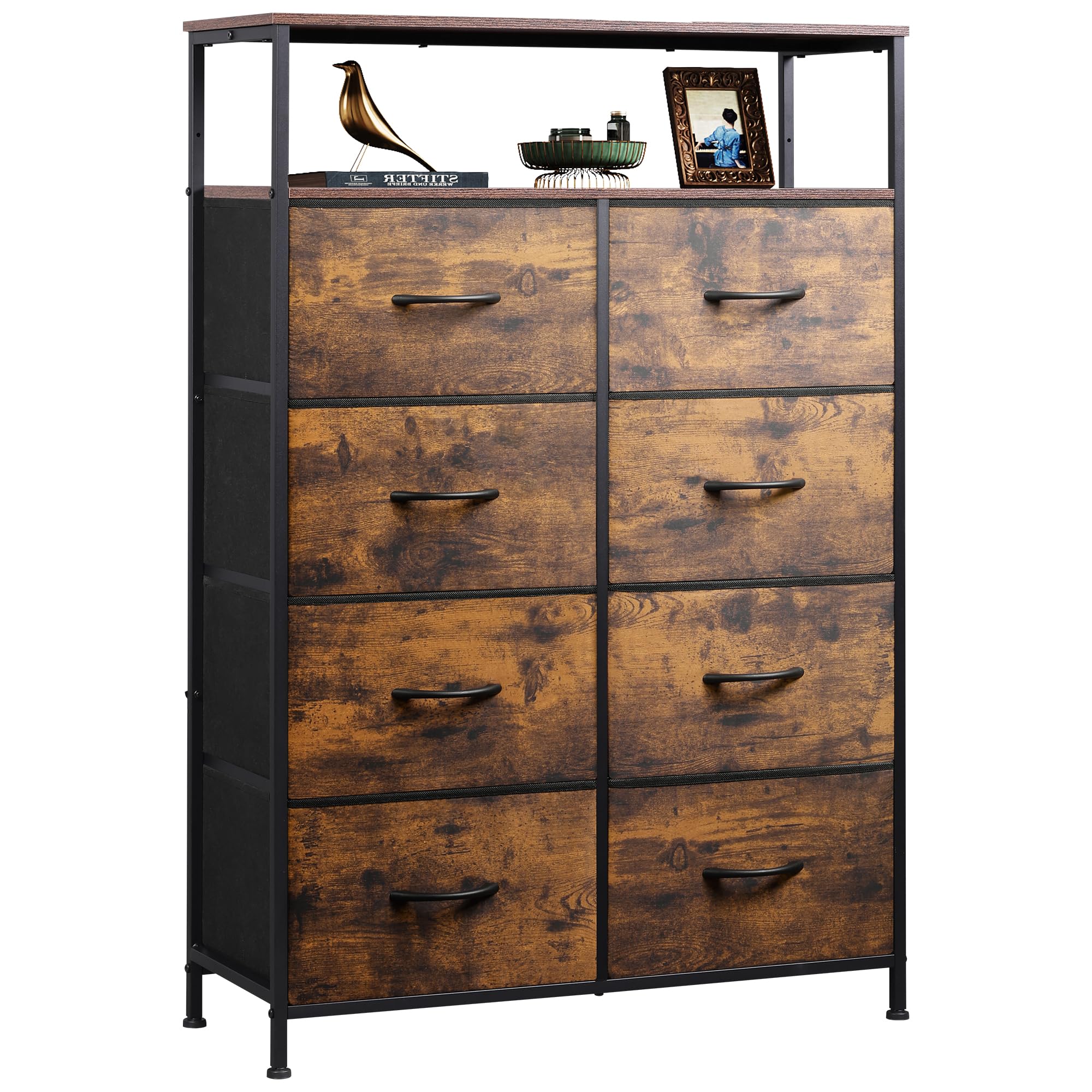
I chose this as my top pick because it blends lots of storage, a sturdy steel frame, and an attractive wood-grain top—perfect when I need maximum organization without bulky furniture.
Why I picked it: Generous drawer count and open shelves for balanced storage.
Best for: People who want high capacity in a compact footprint.
An affordable option that feels higher-end for the money.
Pros
- Eight deep drawers plus open shelves
- Strong steel frame and wooden top
- Adjustable feet for uneven floors
- Includes anti-tip hardware
- Straightforward assembly
Cons
- Fabric drawers can’t be overpacked
- Drawers are smaller than full dresser drawers
- Not suited for very heavy items
My take
I relied on this WLIVE tower whenever I needed to maximize storage in a narrow space. The eight drawers give me lots of separate bins for socks, tees, pajamas, and accessories, while the open shelves act as a landing zone for things I grab every day.
Assembly was easy and all required tools and parts were included. The steel frame felt solid once built and the wooden top is water-resistant and sturdy enough for a lamp and a small plant. I appreciated the adjustable feet—my floor is slightly uneven and the dresser sits level without rocking.
A few practical notes from using it: the fabric drawers work best for soft items and foldable clothes. Thicker items like jeans require careful folding to fit, and I avoid stuffing the bins because they will bulge. The anti-tip hardware gives me confidence when the drawers are open, especially in a home with pets or kids.
2. Sorbus 6-Drawer Fabric Dresser – Best for Kids & Nurseries
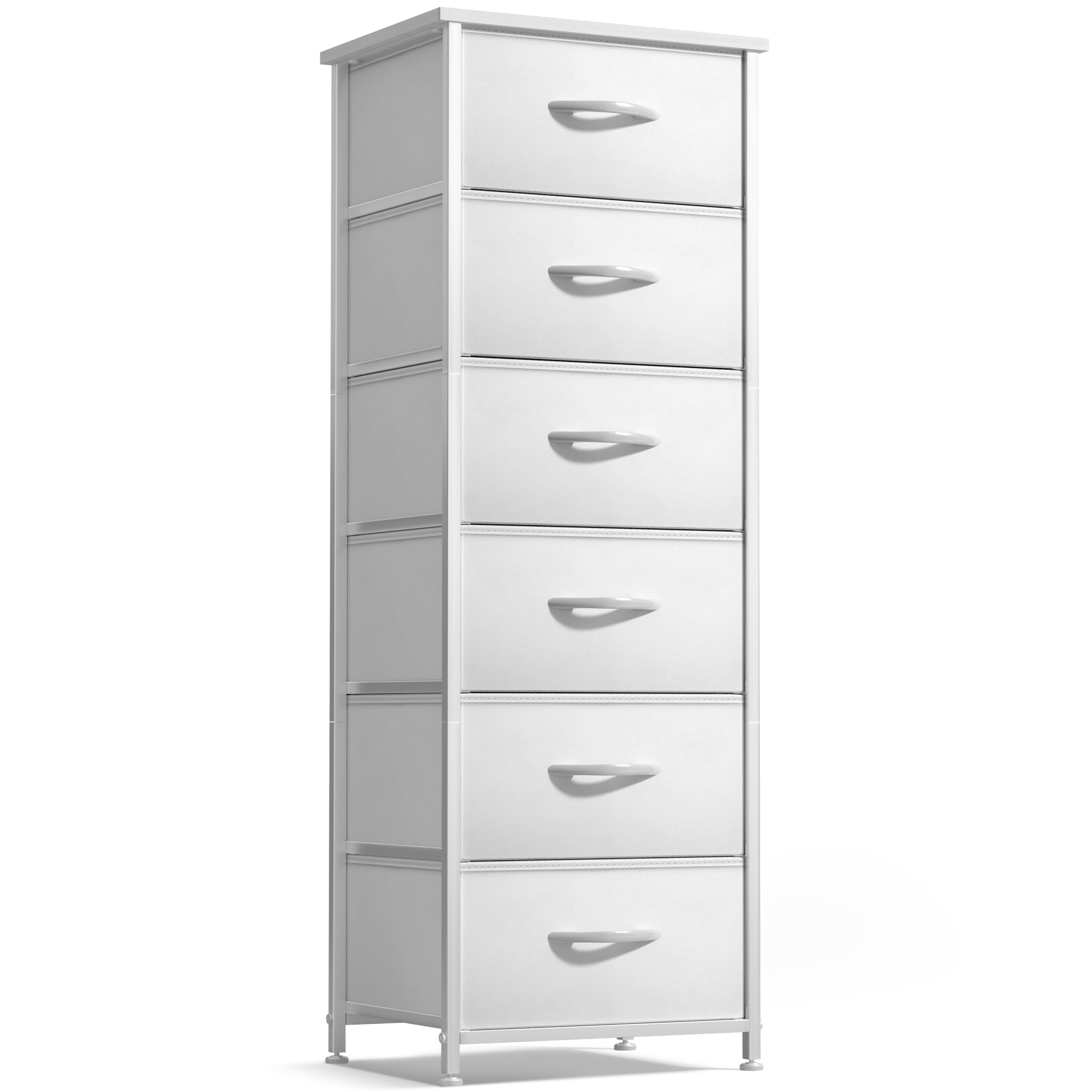
I picked this Sorbus unit for rooms where a compact, kid-friendly dresser is needed—it’s light, easy to assemble, and fits small clothing neatly.
Why I picked it: Compact dimensions and a waterproof wooden top make it versatile.
Best for: Nurseries, kids’ rooms, or bedside storage in small bedrooms.
A budget-friendly pick with good utility for kids’ storage.
Pros
- Six reasonably deep drawers
- Sturdy steel frame
- Waterproof wood top for easy cleaning
- Quick, tool-assisted assembly
Cons
- Fabric drawers will lose shape if overloaded
- Can get wobbly if heavily loaded
- Not meant for heavyweight items
My take
I put this Sorbus together in minutes and used it as a bedside dresser for children's clothes and toys. The drawers slide smoothly and hold a surprising amount; I fitted bulk items like rolls of toilet paper and several folded items per drawer without trouble.
The wooden top cleans up easily after spills, which has been helpful in a kids’ room. The frame is sturdy for its size, but I keep heavier objects on the lower drawers to avoid any wobble. Because the drawers are fabric, they can stretch and lose their crisp shape over time if packed tight, so I avoid overstuffing them.
3. Sorbus 7-Drawer Fabric Dresser – Best for Tight Spaces
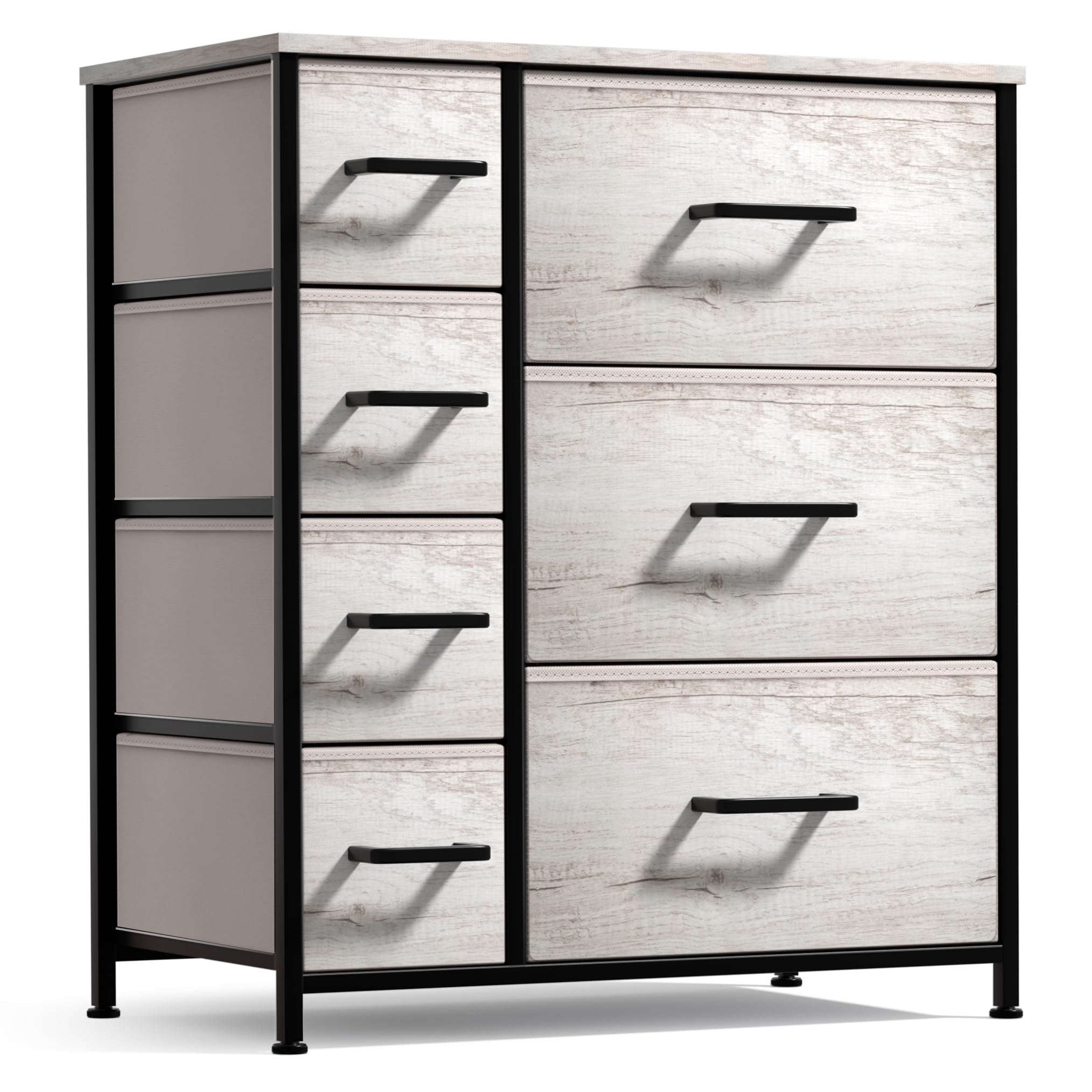
I recommend this when floor space is tight but you still want multiple small compartments—ideal for closets, dorms, or a narrow hallway.
Why I picked it: Slim footprint with a mix of large and small drawers for flexible organization.
Best for: Closets, dorm rooms, and narrow areas where width is limited.
A portable, inexpensive organizer that’s easy to move.
Pros
- Very narrow footprint
- Foldable drawers for storage when unused
- Wall mounts included for safety
- Lightweight and portable
Cons
- Cloth drawers can bulge under heavy load
- Not a replacement for a rigid dresser
- Smaller top surface area
My take
I used the 7-drawer Sorbus inside a closet where width was my main constraint. The mix of larger and smaller drawers helped me separate underwear, socks, and folded shirts without creating chaos.
The unit is exceptionally easy to move when empty and the drawers fold flat if I ever need to store the dresser itself. Assembly is straightforward and wall mounts are a nice touch for added stability. Be mindful that when drawers are full they’ll lose their boxy shape, so I reserve heavier items for other storage.
4. WLIVE 6-Drawer Fabric Dresser – Best for Closets
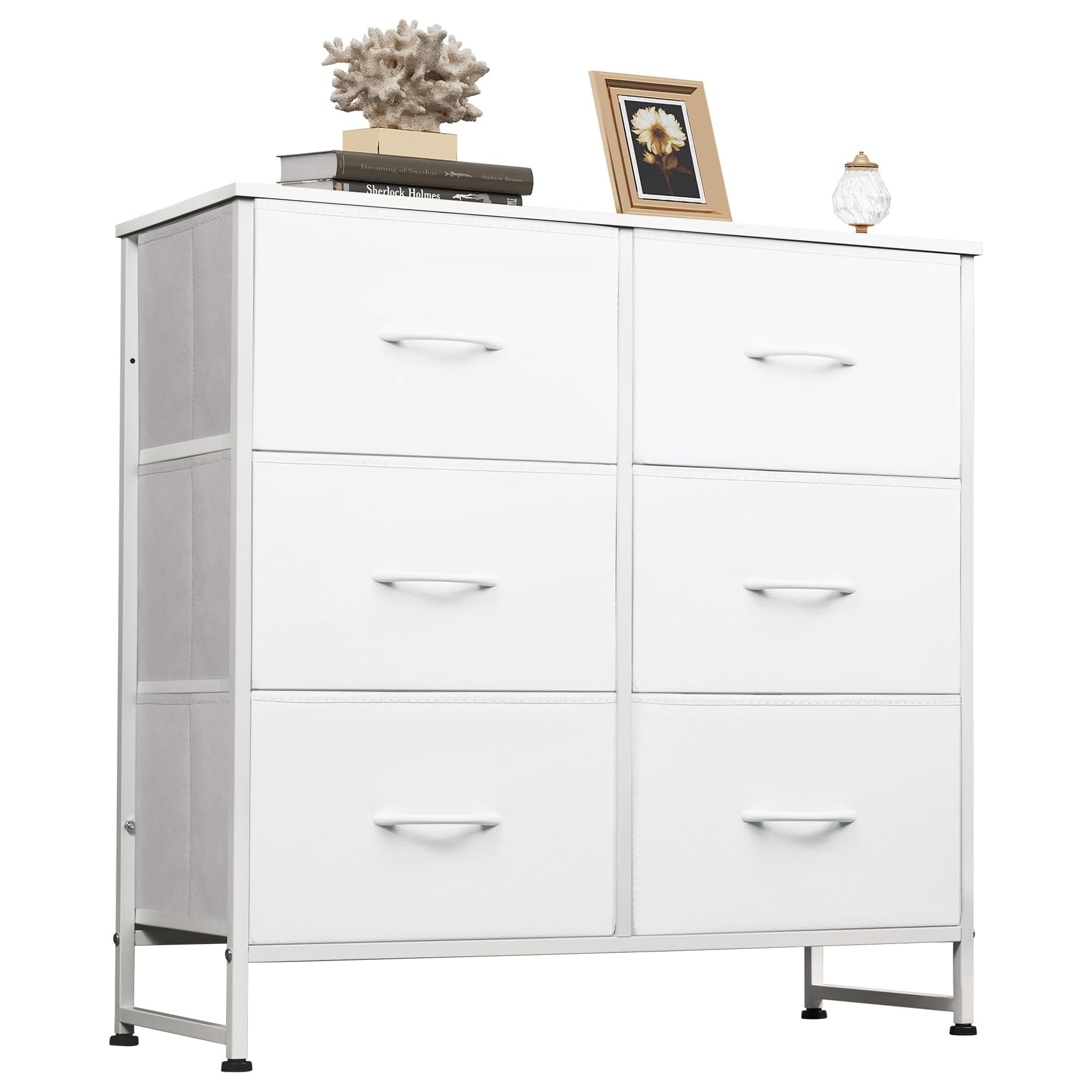
I like this WLIVE when I want a minimal, tidy look inside a closet or a simple chest for an entryway—clean lines and a dependable top surface make it versatile.
Why I picked it: Clean modern styling plus adjustable feet and anti-tip hardware.
Best for: Closet organization and small bedrooms needing a neat profile.
A cost-conscious choice that looks cleaner than its price suggests.
Pros
- Clean, modern appearance
- Water-resistant wooden top
- Adjustable feet and anti-tip hardware
- Easy to assemble
Cons
- Limited capacity for bulky garments
- Handle screws are soft—can strip if forced
- Not ideal for very heavy storage needs
My take
I placed this WLIVE dresser inside a closet and used it for underwear, socks, and a few folded shirts. It blends into the space and the drawers hold their shape better than I expected for fabric bins.
Assembly was quick, but I learned a practical tip: the screws that secure the drawer handles are on the softer side. I used an extra screw to pre-thread the handle holes to avoid stripping the screw heads. Once assembled the unit was stable and the wooden top handled a few heavier objects without issue.
For adult wardrobes I keep expectations realistic—this is best as supplemental storage rather than a primary dresser. For closets, kids’ rooms, and small apartments it solves a lot of day-to-day clutter efficiently.
How I Choose a Fabric Dresser
Key considerations before you buy
I evaluate frame strength, drawer depth, finished top material, and safety features first. Those factors determine whether a fabric dresser will survive daily use or sag after a few months.
Measure the space where the dresser will live. Width and depth matter more than drawer count when you're fitting units into closets, dorms, or hallways.
- Frame: I prefer a steel frame for rigidity and longevity.
- Drawer size: Check drawer depth for the items you plan to store (socks vs. jeans).
- Top surface: A water-resistant wooden top lets me put a lamp or alarm clock without worry.
- Stability: Anti-tip hardware and adjustable feet are non-negotiable in my book.
- Assembly: Look for clear instructions and included tools to avoid surprises.
Frequently Asked Questions
Can these fabric drawers hold jeans and sweaters?
I store jeans and sweaters in the larger fabric drawers, but I fold them carefully. Heavy or bulky stacks will cause the fabric drawer fronts to bulge, so I reserve thicker items for sturdier storage when possible.
Are these units difficult to assemble?
I assembled each unit by myself in under an hour; most took 20–40 minutes. The parts and instructions are straightforward, though I recommend pre-threading soft handle screws to avoid stripping them.
How do I clean the fabric drawers and wood tops?
I wipe the wooden top with a damp cloth and mild cleaner. For fabric drawers I vacuum or spot-clean stains; most non-woven fabric bins dry quickly if they get damp.
Final Take
I found each of these fabric dressers useful depending on my space and storage needs. The WLIVE 8-drawer is my go-to when I want maximum compartments; the Sorbus models shine when width is limited; and the WLIVE 6-drawer is ideal for closet tuckaways.
If you want durability and daily convenience, focus on a steel frame, a finished wooden top, and anti-tip hardware. Those three features have made these units practical staples in my home.