
I tested six palm and coconut sugars across texture, flavor, versatility, and packaging. Here are the ones I reach for when I need a less-refined, caramel-forward sweetener for coffee, baking, and Southeast Asian cooking
I spent time cooking and tasting six pantry palm sugars so I could recommend the right one for everyday use, baking, and traditional recipes.
Throughout testing I focused on texture, how they dissolve, how they behave in baked goods and sauces, and whether the flavor leaned caramel, earthy, or date-like.
Below I explain which option I reach for in different situations and why each made the cut.
I compared each sugar on texture (powder vs granules vs paste), flavor profile (caramel, earthy, fruity), ease of use in drinks and baking, sourcing claims, and packaging consistency.
1. Big Tree Farms Organic Coconut Sugar – Best Overall
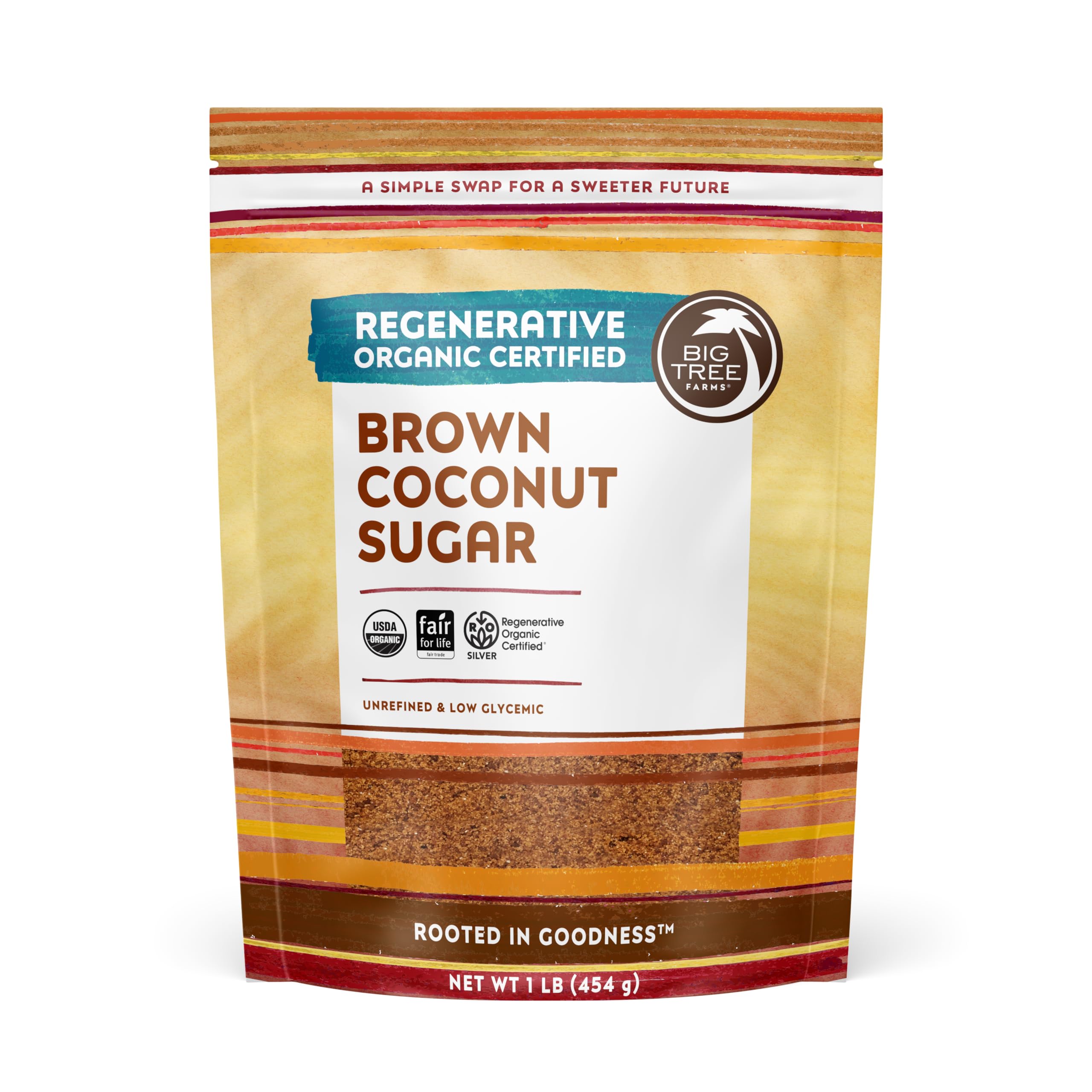
A fine-crystal, organic coconut sugar with rich caramel notes and usable as a straight swap for brown or cane sugar.
Why I picked it: Organic, unrefined flavor that works 1:1 for most recipes and tastes great in coffee.
Best for: Everyday coffee, oatmeal, and baked goods where you want a caramel dimension.
Mid-range—good balance of quality and pantry-friendly value.
Pros
- Rich caramel flavor
- Organic and unrefined
- Fine crystals that blend easily
- 1:1 substitution for sugar
Cons
- Listing weight information can be confusing
- Less sweet than refined cane sugar
My take
I reached for this coconut sugar when I wanted a simple swap that won’t overwhelm recipes. The crystals are fine enough to dissolve quickly in hot coffee and sprinkle into oatmeal without leaving grit.
Flavorwise it leans toward warm caramel with a hint of vanilla — not aggressively sweet, which I like in drinks and cookies. I used it interchangeably with brown sugar in two cookie batches and the texture and browning were nearly identical.
One practical note from my order: the listing information can be inconsistent with the package you receive, so I double-checked the bag sizes on arrival. Otherwise, this is the most versatile coconut sugar I kept on my shelf.
2. Urban Platter Palm Jaggery Powder – Best Powder
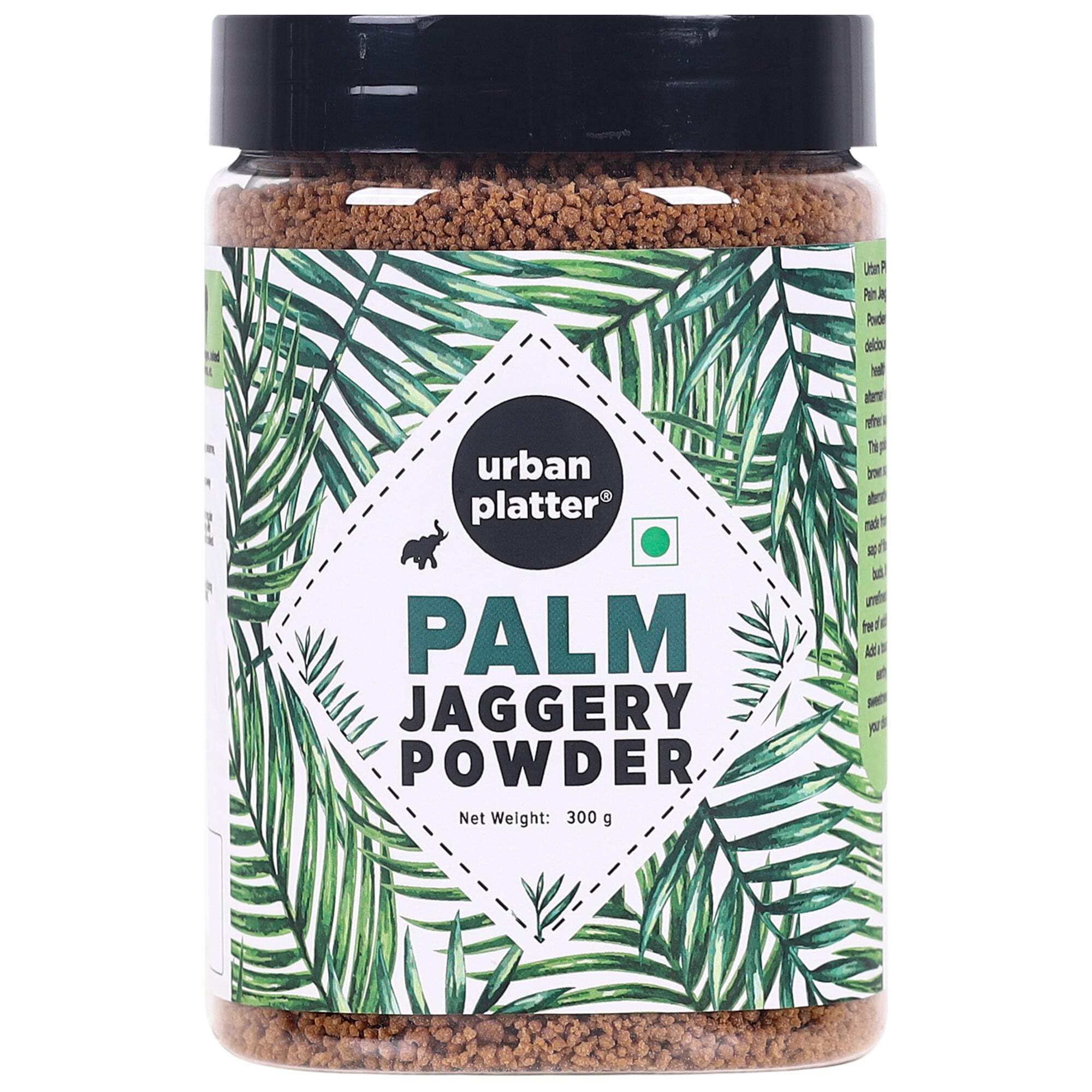
A fine jaggery-style palm sugar in powder form that’s easy to stir into drinks and traditional sweets.
Why I picked it: Powdered format and mineral-rich profile make it handy for beverages and Indo-Asian recipes.
Best for: Sweetening tea, coffee, smoothies, and traditional desserts where a powdered texture helps.
Affordable and convenient for frequent use.
Pros
- Fine powder dissolves quickly
- Unrefined, mineral-rich profile
- Versatile in sweet and savory dishes
Cons
- Packaging can arrive damaged
- Flavor can vary between batches
My take
I liked the convenience of this jaggery powder for drinks — it dissolves faster than blocks and integrates cleanly into hot beverages.
The flavor is deep and earthy with a caramel backbone that lifts chai and masala-style baking. Because it’s minimally processed, I noticed a richer, almost molasses-like note compared with plain coconut sugar.
I did encounter one package that had been damaged in transit and a batch that tasted slightly different from a palm sugar I’d bought in Thailand, so I recommend inspecting the bag on arrival and storing it airtight.
3. Food to Live Organic Coconut Sugar (Bulk) – Best Bulk
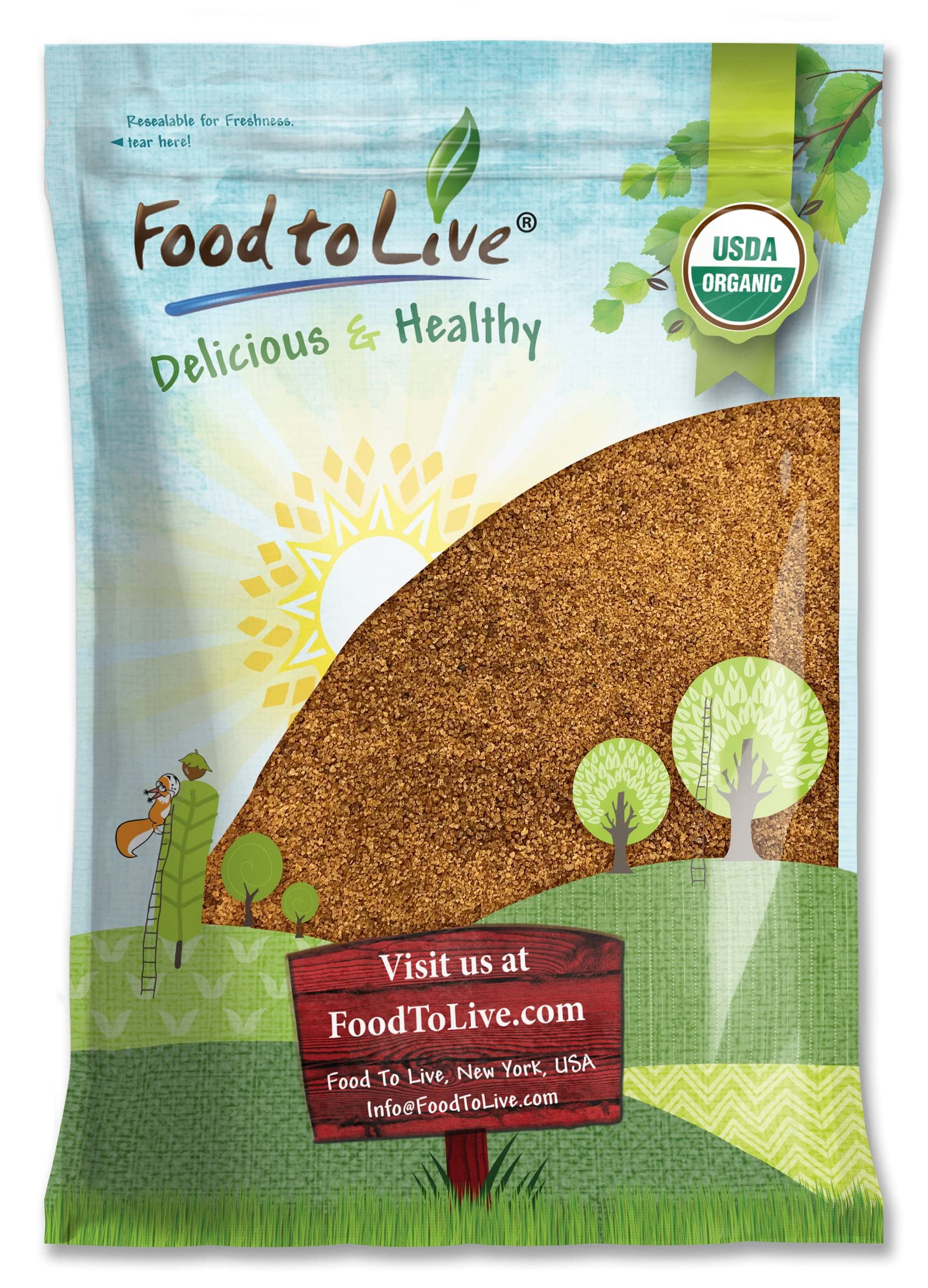
A large-format organic coconut sugar with a mild caramel taste and low-glycemic positioning suited to high-use kitchens.
Why I picked it: Great for bakers and households that go through sweeteners quickly—organic and low-GI.
Best for: High-volume baking, bulk meal prep, and anyone who prefers buying in larger bags.
Best value if you use a lot of sugar regularly.
Pros
- Bulk size saves trips
- Organic and non-GMO
- Mild, versatile caramel flavor
Cons
- Confirm bag size before ordering
- Takes up pantry space
My take
This bulk coconut sugar became my go-to for weekend baking because it’s easy to measure and mixes well with dry ingredients.
Texture is granulated but not clumpy, and I didn’t see issues when mixing it into batter. The flavor is mild enough to play nicely with spices and chocolate without stealing the show.
Because it comes in large bags, I keep it in an airtight container once opened to preserve the aroma and prevent moisture from turning it hard.
4. Royal Palm Date Sugar – Best Date Alternative
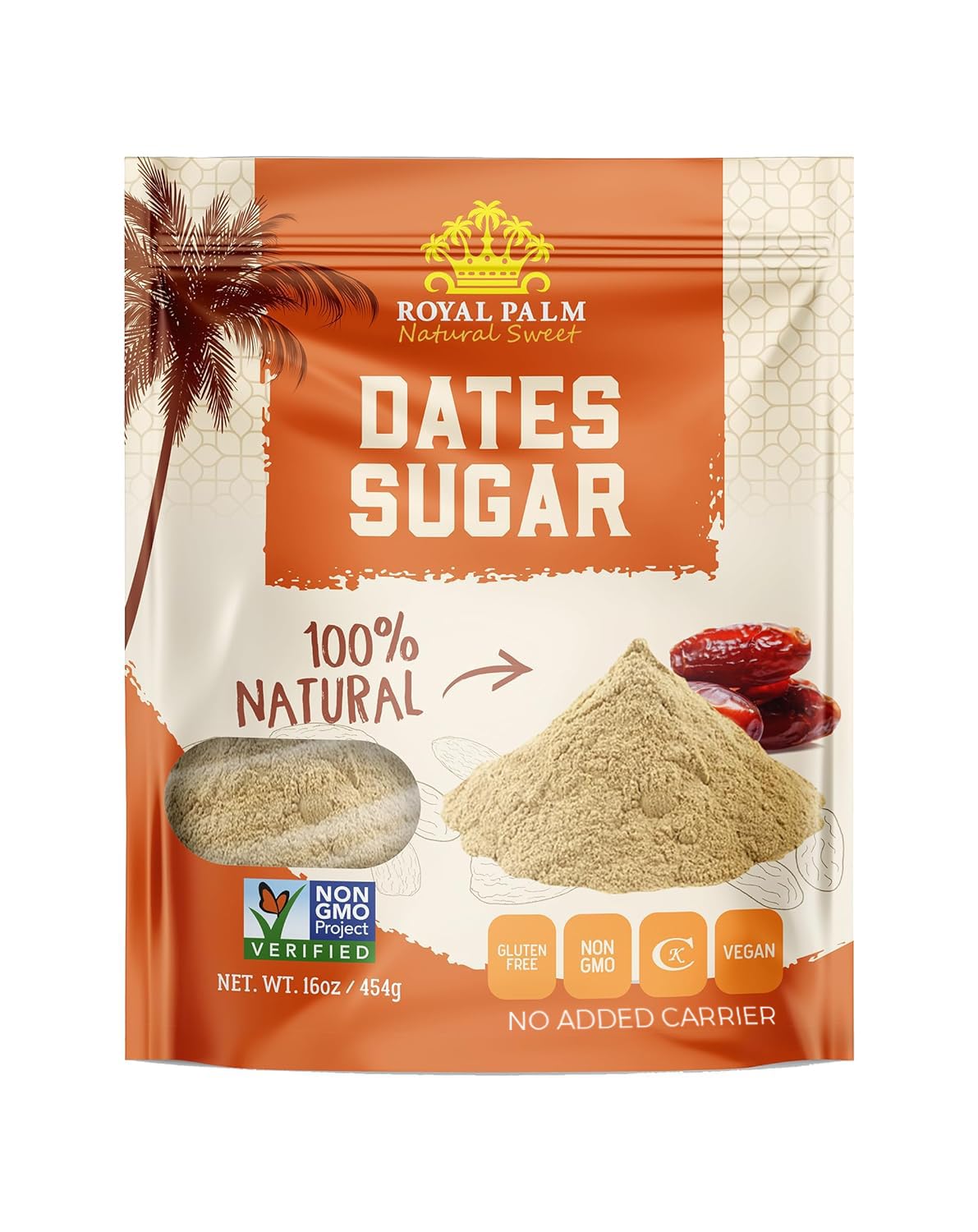
A 100% whole-date sugar that delivers fruity, earthy sweetness and some fiber for baked goods and beverages.
Why I picked it: Whole-fruit sweetness from dates gives a different, fruit-forward profile than coconut or palm jaggery.
Best for: Baking where you want a date-like depth and for anyone seeking a fruit-based sweetener.
More expensive option for specialty uses.
Pros
- Made from whole dates
- Natural fiber retained
- Works well in cookies and muffins
Cons
- Can be pricier than palm sugars
- Takes more stirring to dissolve in drinks
My take
This date sugar is noticeably different — it tastes earthier and less like traditional brown sugar, which I appreciated in spice cookies and banana bread.
Grain is fine but behaves more like a whole-fruit flour, so I needed to stir a bit longer to fully incorporate it into my coffee. In baking it adds a pleasant complexity and I didn’t miss refined sugar.
If you want a fruit-derived sweetener with retained fiber, I kept coming back to this jar for recipes where I wanted depth rather than pure sweetness.
5. Four Elephants Premium Palm Sugar – Best for Authentic Thai
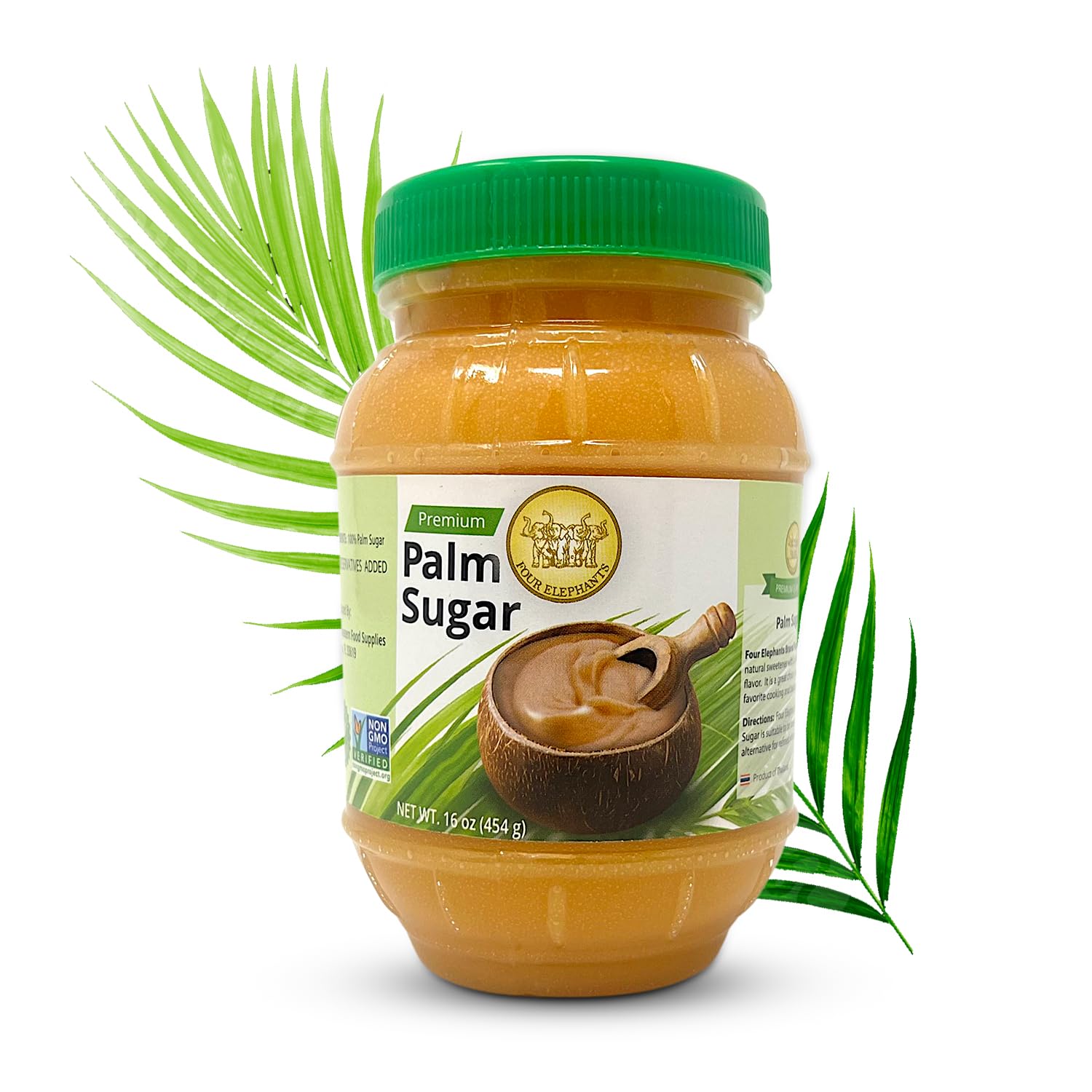
A Thai palm sugar in a sealed jar that brings an authentic, mild caramel note to curries, sauces, and desserts.
Why I picked it: Authentic flavor profile and sealed packaging make it reliable for Southeast Asian cooking.
Best for: Thai curries, pad dishes, and recipes that need a classic palm-sugar character.
Mid-to-premium—worth it for authentic flavor.
Pros
- Authentic Thai flavor
- Sealed jar for freshness
- Non-GMO verified
Cons
- Can be hard/granulated and needs softening
- Jar spooning can be awkward
My take
I used this jarred palm sugar for massaman curry and my sauces had the right caramel balance without becoming too sweet.
Because the product can arrive quite solid, I followed the package suggestion to soften a tablespoon in hot water before measuring; that step made it effortless to incorporate.
For anyone cooking traditional recipes, this is the one I grab first for authenticity and convenience when I don’t want to mess with block jaggery.
6. Health Garden Organic Coconut Sugar – Best Value
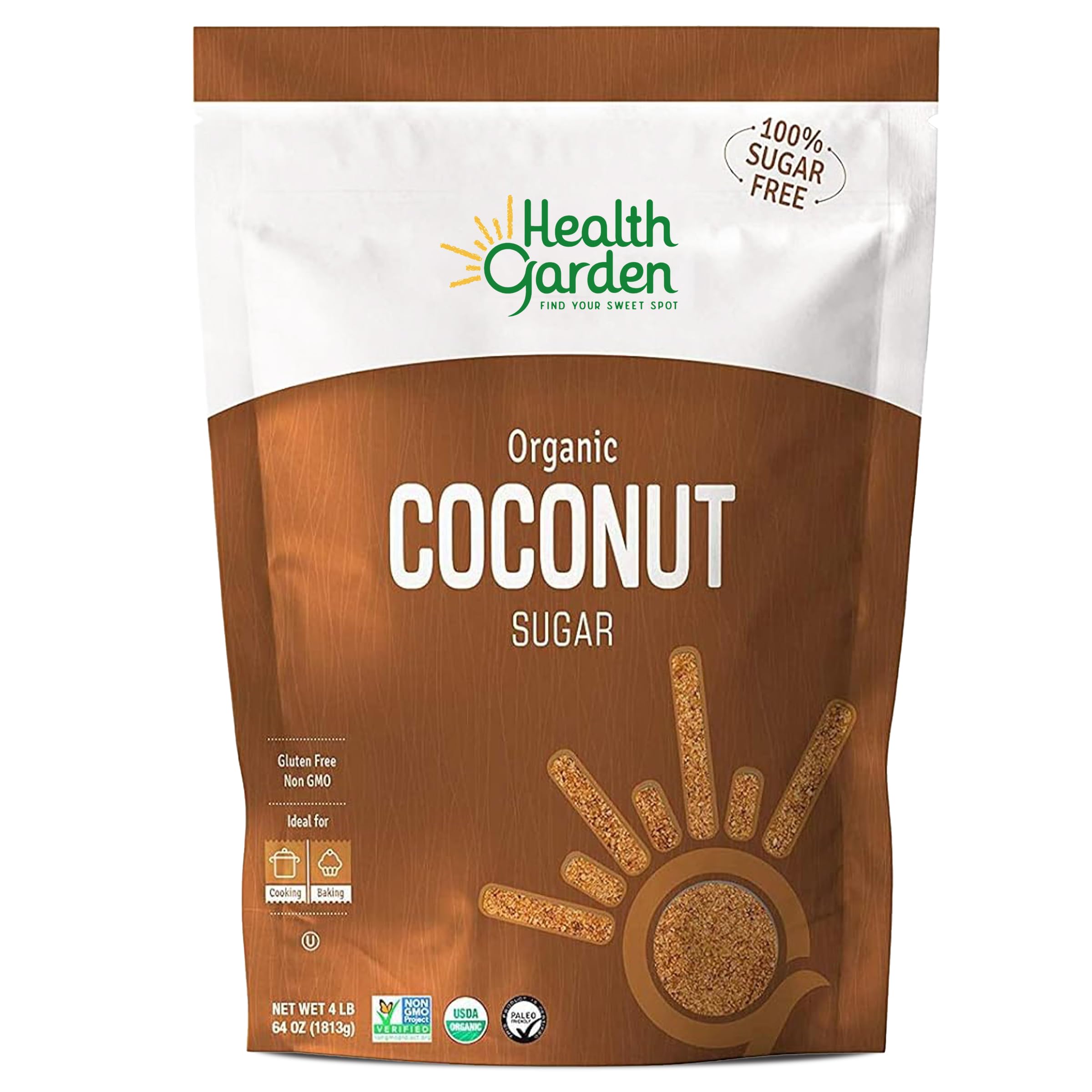
A larger organic pack with a straightforward coconut sugar flavor and an easy 1:1 conversion for recipes.
Why I picked it: Large pack and reliable flavor that works well across drinks and baked goods.
Best for: Everyday coffee and baking when you want a pantry-stable, organic option.
Good value for bulk shoppers who want organic certification.
Pros
- Large pack size
- Organic and kosher
- 1:1 conversion with sugar
Cons
- Some may prefer another brand's flavor
- Takes pantry space
My take
I keep this brand on hand for daily use because it offers consistent flavor and the 1:1 conversion makes recipe swaps painless.
In coffee it gives a mellow caramel tone without overpowering delicate notes. For baking, it browns nicely and keeps texture similar to brown sugar.
If you like buying in larger quantities to save trips, this one delivers reliable quality and a pleasant, familiar sweetness.
How I Choose Palm Sugar
Types and Texture
I look at whether the sugar is powdered, granulated, block, or jarred paste because that determines how I’ll use it.
Powders and fine crystals dissolve quickly in drinks; blocks or granular forms work well in sauces and curries once softened.
- Powder/formatted jaggery: best for beverages and quick mixing
- Granulated coconut sugar: versatile for baking and sprinkling
- Block palm sugar or jarred paste: ideal for authentic Southeast Asian sauces
Flavor Profile
I taste for caramel, earthy, or fruity notes. Coconut sugars tend to be caramel-forward, jaggery/palm sap is deeper and earthier, and date sugar is fruitier.
Match the sugar to the recipe—use coconut sugar for neutral caramel notes and jaggery or date sugar when you want a stronger, rustic character.
- Coconut sugar: caramel and vanilla hints
- Palm jaggery: molasses-like, earthy depth
- Date sugar: fruity, whole-fruit sweetness
Label Claims and Practicalities
I check for organic, unrefined, and low-glycemic claims and confirm weights and packaging before ordering.
Always inspect for damaged packaging on arrival and transfer large bags to airtight containers to keep texture consistent.
- Confirm bag size on the listing to avoid surprises
- Look for 'unrefined' and 'organic' if you want minimal processing
- Store in an airtight container away from heat and moisture
Substitution Tips
Most coconut sugars use a 1:1 substitution with cane or brown sugar, which makes recipe swaps simple.
Because flavor intensity varies, I often reduce other sweet components slightly or combine sugars to hit the exact taste I want.
- Start with 1:1 swap; adjust to taste
- Blend palm sugar with a neutral sweetener if you want less flavor impact
- Soften blocks with hot water before measuring
Frequently Asked Questions
Is coconut sugar the same as palm sugar?
They’re related but not identical. I treat coconut sugar as the blossom nectar product with a caramel note, while palm sugar (including jaggery) can come from various palm saps and is often earthier and deeper in flavor.
Can I substitute palm sugar 1:1 for cane or brown sugar?
In most recipes I use coconut sugar 1:1 with great results. With jaggery or date sugar, I still start 1:1 but taste and adjust because those have stronger, distinct flavors.
Will palm sugar spike my blood sugar?
I’m not a medical professional, but some coconut sugars claim a lower glycemic index than refined sugar. I still treat these as sugars and monitor portions if I’m managing blood glucose.
Final Take
My picks cover the most common needs: a go-to coconut sugar for everyday swaps, a powdered jaggery for drinks, a bulk option for bakers, an authentic Thai jar for curries, and a date-based sugar when I want whole-fruit sweetness.
If I had to recommend one for most people, the Big Tree Farms coconut sugar balances flavor, texture, and versatility. For specific uses—powdered drinks or authentic Thai cooking—choose the specialized option listed above.
Whichever you pick, store it airtight and let the flavor guide how you use it in recipes.
