
I tested a range of compost boosters, worm castings, and soil amendments so you can pick the right product for transplanting, composting, and improving soil structure.
I spent time using compost starters, liquid vitamin concentrates, bone meal, and several worm-casting options so I could compare how each product affects transplant success, compost heat-up, and soil structure.
In this roundup I explain which amendments I reach for when I want faster composting, stronger roots, or a clean, organic nutrient boost for pots and beds.
I compared products on three practical points: ease of use (mixing, spreading, or top-dressing), the specific purpose (transplant aid, compost accelerator, or long-term soil amendment), and packaging or volume for the garden size I work with.
1. SUPERthrive Plant Vitamin Solution – Best for Transplants
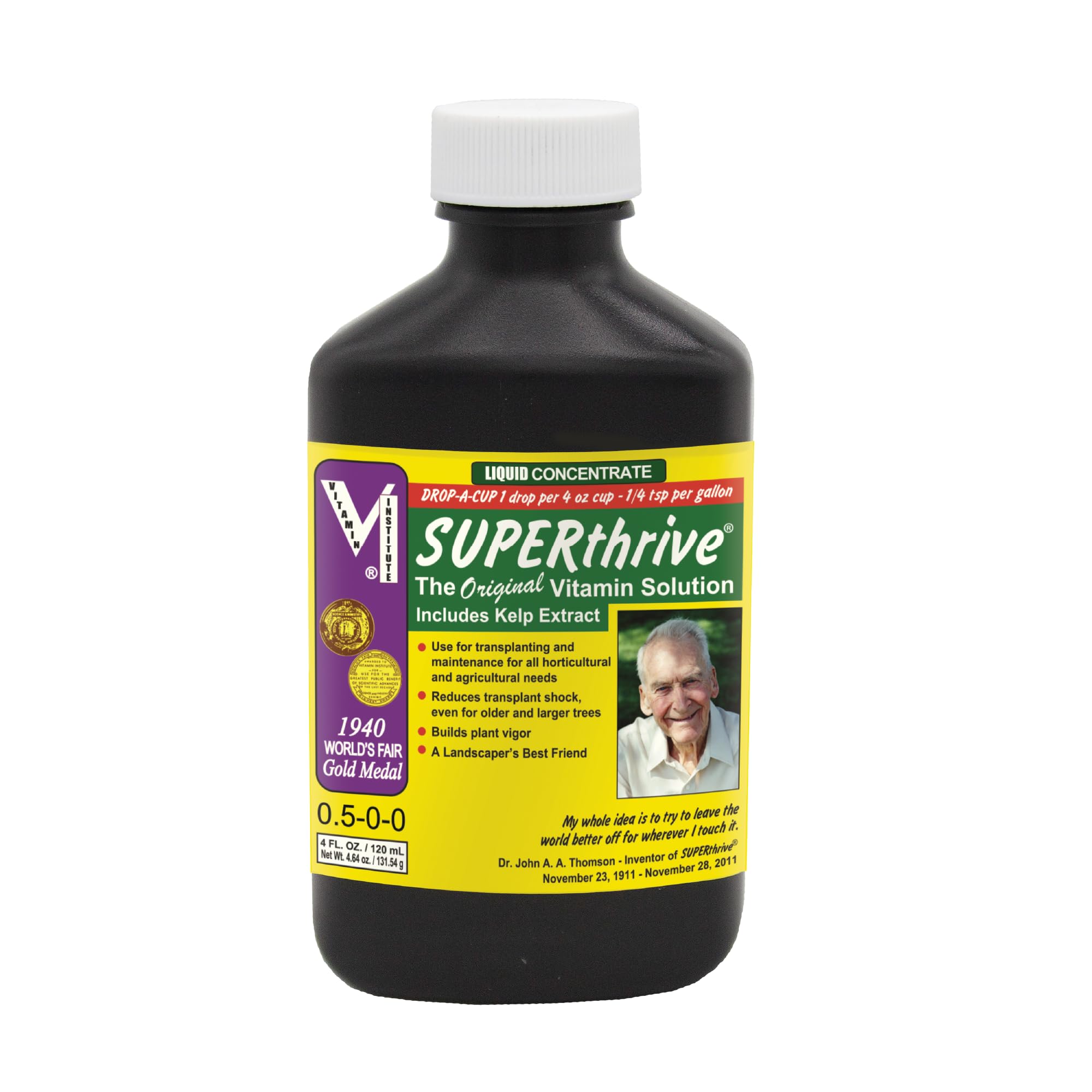
A concentrated liquid vitamin solution I use to ease transplant shock and perk up stressed plants.
Why I picked it: I picked it because the kelp‑enhanced concentrate reliably reduced transplant shock and stretches a little bottle a long way.
Best for: Transplanting, reviving stressed houseplants, seasonal transitions.
Concentrated; small bottle lasts a long time.
Pros
- Very concentrated—small doses go far
- Easy to mix with water
- Gentle, non-toxic formula
- Works on indoor and outdoor plants
Cons
- Not a standalone fertilizer
- Requires careful measuring
My take
I keep SUPERthrive on my shelf for any time a plant needs a reset: repotting days, new plant arrivals, and when seasonal changes stress foliage. The kelp-enhanced formula mixes cleanly into water without leaving residue or a strong smell.
A little goes a long way—following the bottle's dilution guidance I can treat many plants from one bottle. I noticed quicker root recovery after potting and brisk new growth on cuttings after a few treatments.
This is not a primary nutrient source, so I combine it with my regular feeding schedule. For transplanting and revives, though, it’s the first product I reach for.
2. Jobe's Organics Compost Starter (Granular) – Best Compost Accelerator
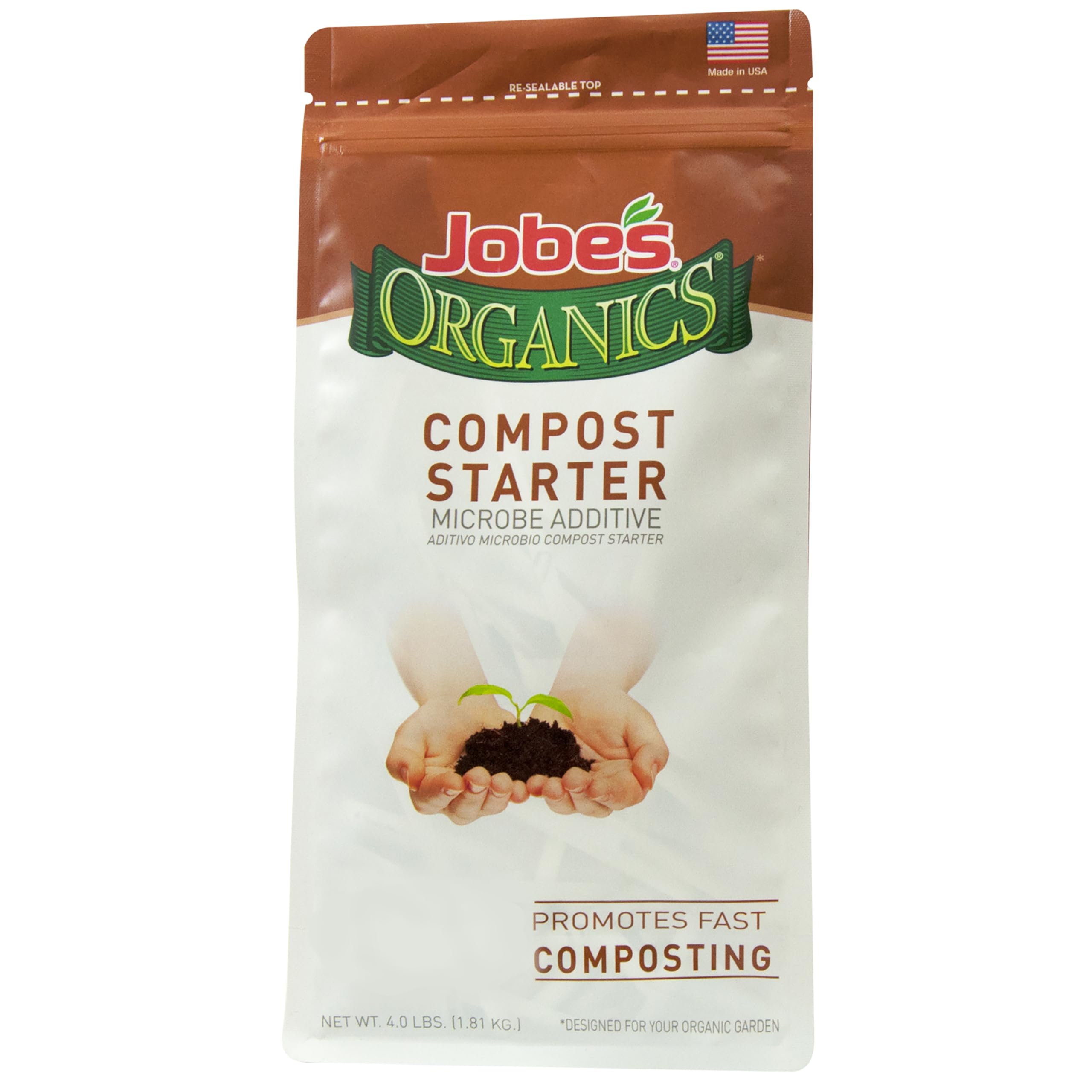
A granular, organic compost starter I use to jump‑start slow or cold compost piles.
Why I picked it: I picked it for fast activation of outdoor compost piles and its organic, OMRI‑listed formulation.
Best for: Speeding outdoor compost piles and breaking down tougher materials.
Good for small to medium compost piles; concentrated application.
Pros
- Speeds up compost heating
- Organic, OMRI‑listed
- Easy to apply granules
Cons
- Bag smell on opening
- Needs turning and moisture
My take
When a compost bin went cold for me, I sprinkled Jobe’s granules and the pile started heating within a day. It contains a mix of microorganisms that speeds the biological breakdown of kitchen and yard waste.
The bag does have a strong initial odor—expected because of the product’s organic base—but that dissipates once mixed into the pile. I found it especially useful when I couldn’t turn my bin frequently; it keeps decomposition active.
I follow the package application rates and keep the pile moist but not soaked. For gardeners who want usable compost faster without a lot of extra labor, this is a reliable accelerator.
3. Wiggle Worm Worm Castings (4.5 lb) – Best for Potting Mixes
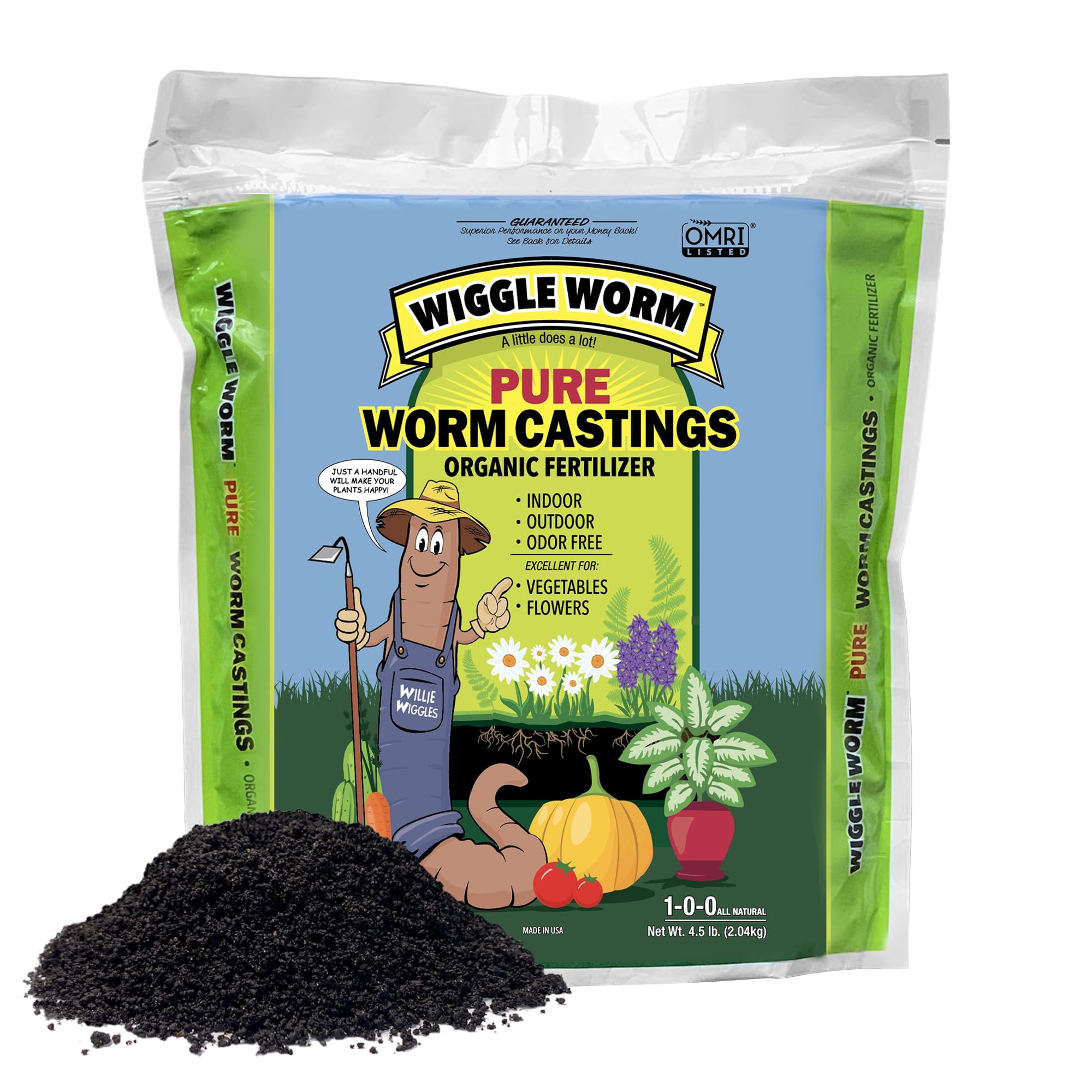
A small, resealable bag of OMRI‑listed worm castings I use as a nutrient‑dense potting amendment.
Why I picked it: I picked it because the pure castings are easy to add to pots and they noticeably improve soil texture.
Best for: Indoor pots, seed starting, transplant holes.
Compact, resealable pouch for clean indoor use.
Pros
- OMRI‑listed organic castings
- Odorless and non-toxic
- Resealable packaging
Cons
- Limited volume for larger beds
- A little goes a long way
My take
I like this 4.5‑pound pouch for indoor plants and small containers because the castings are clean, mineral‑dense, and easy to measure. A handful mixed into potting soil gives seedlings and houseplants a steady microbial boost.
It’s odorless and light in texture, so it blends without making the mix heavy. I use the castings for transplant holes and as an occasional top dress—my potted herbs responded with quicker leaf production.
The small bag is convenient for indoor storage and stays fresh thanks to the zipper pouch.
4. Burpee Bone Meal Fertilizer – Best for Root Development
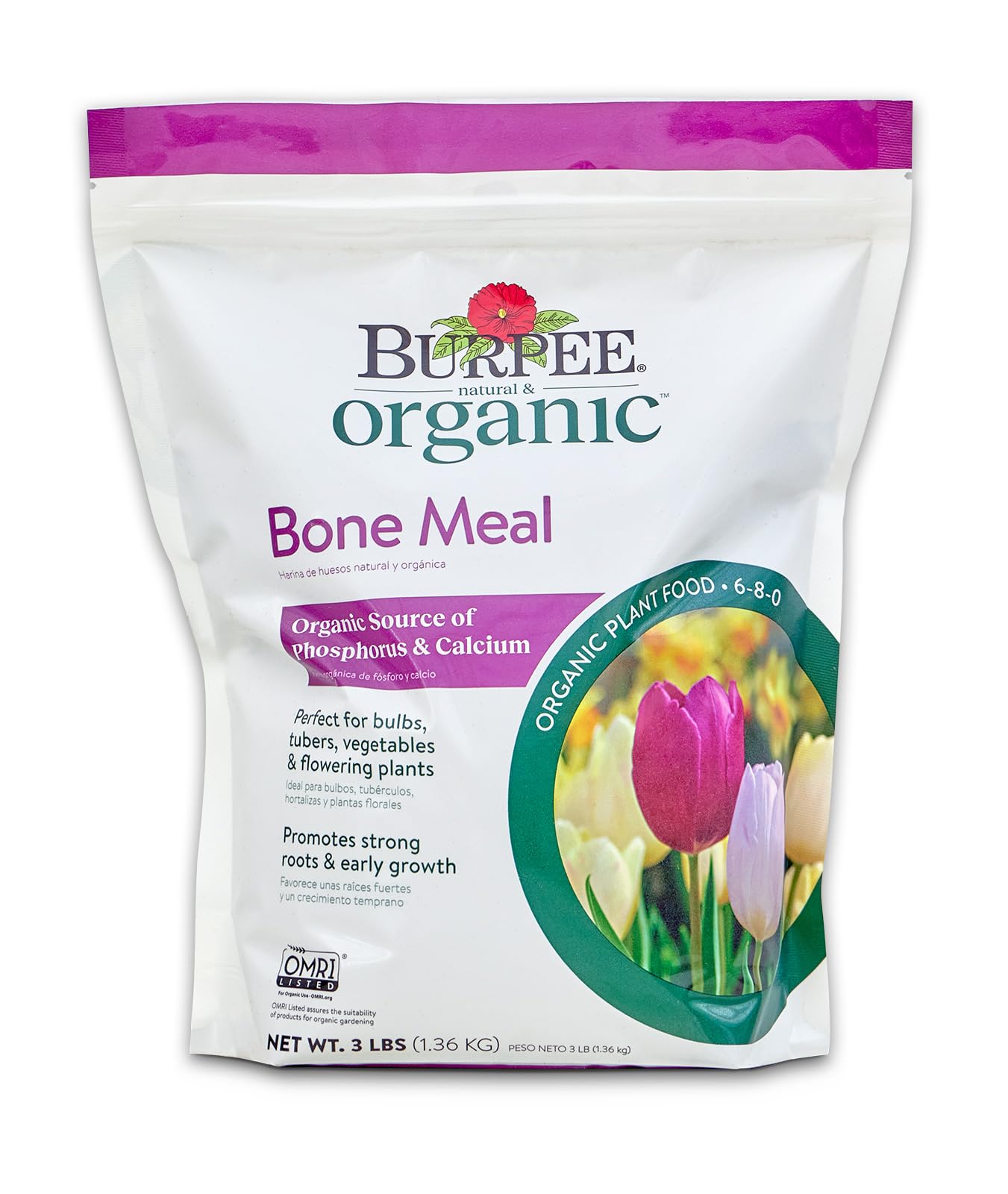
A classic bone meal formula I rely on when I want stronger root development and bigger blooms.
Why I picked it: I picked it because it supplies phosphorus and calcium for bulbs and vegetables that need early root strength.
Best for: Bulbs, tomatoes, peppers, and transplanting root crops.
OMRI‑listed organic option for root feeding.
Pros
- Promotes strong root growth
- Slow‑release phosphorus
- OMRI‑listed for organic use
Cons
- Can burn if overapplied
- Slow to break down
My take
I add bone meal when planting bulbs and new tomato starts: it’s an easy way to give roots available phosphorus and calcium without burning plants if I follow the directions.
In my beds and pots it produced more vigorous roots and helped early-season growth. Because it breaks down slowly, I consider it a season‑long support rather than a quick fix.
I take care not to overapply—too much can stress plants—so I measure and incorporate it into the planting hole or mix it into potting soil before filling containers.
5. Worm Bliss Organic Worm Castings (8 qts) – Best Vegan Worm Castings
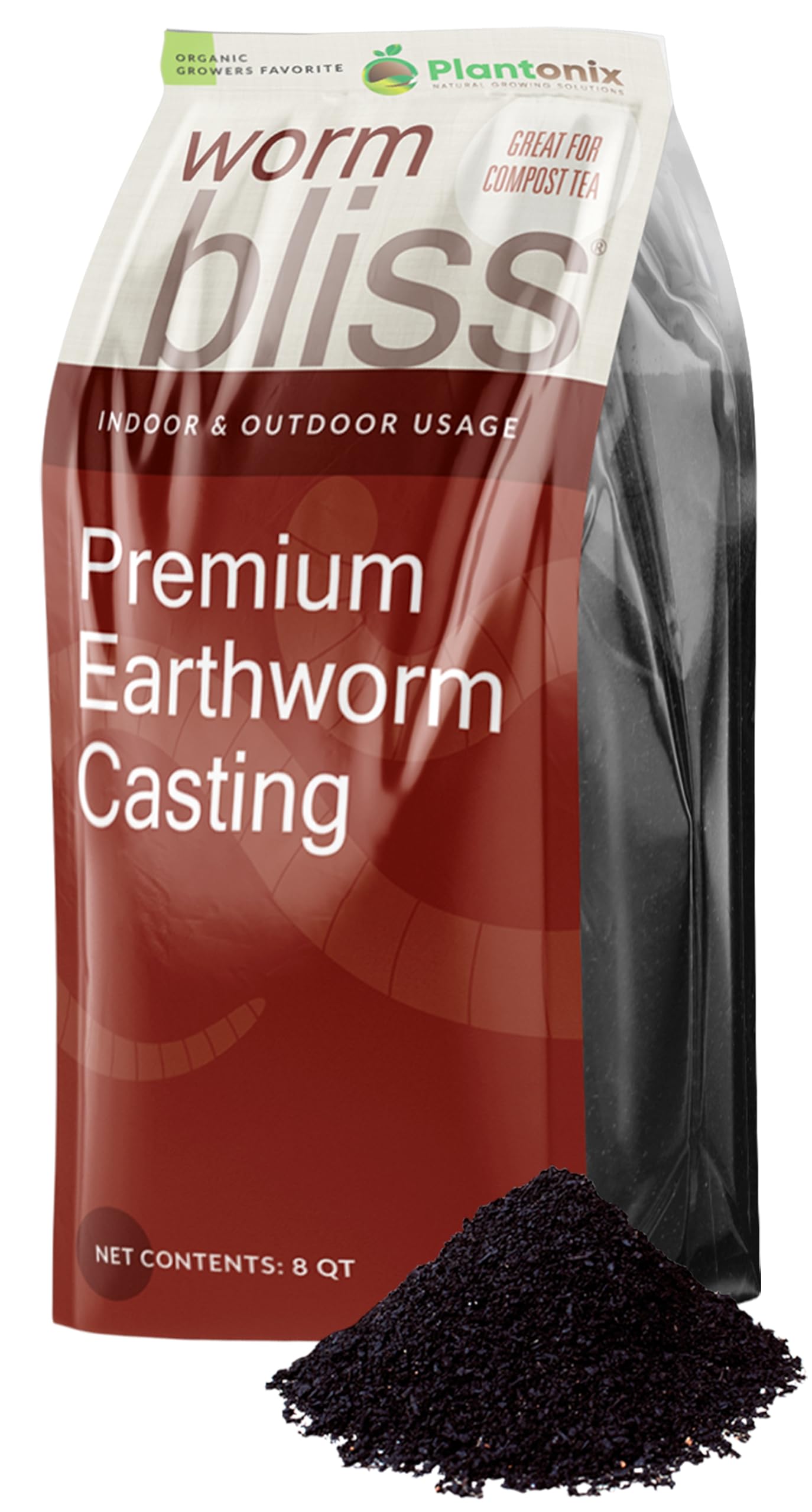
Vegan, manure‑free worm castings I use when I want a clean, screened amendment that improves moisture retention.
Why I picked it: I picked it for its vegan feedstock and consistent texture that mixes well into potting media.
Best for: Potting mixes, container gardening, water‑saving amendments.
Higher‑end, clean castings with consistent screening.
Pros
- Vegan and manure‑free
- Improves moisture retention
- Clean, screened texture
Cons
- Higher cost than basic options
- May be finer than some mixes
My take
I appreciate Worm Bliss when I need a tidy, screened amendment for indoor pots. The castings blend easily without gritty bits, so potting mixes stay consistent and drainage remains good.
Because the product is raised on a vegan diet and screened, I don’t find stray debris or strong odors. Plants respond well—seedlings develop steadily and containers hold moisture more evenly.
For hobbyists who want a premium, clean castings product, this is the one I pull out of my shed.
6. Wiggle Worm Worm Castings (15 lb) – Best Mid‑Size Bulk Castings
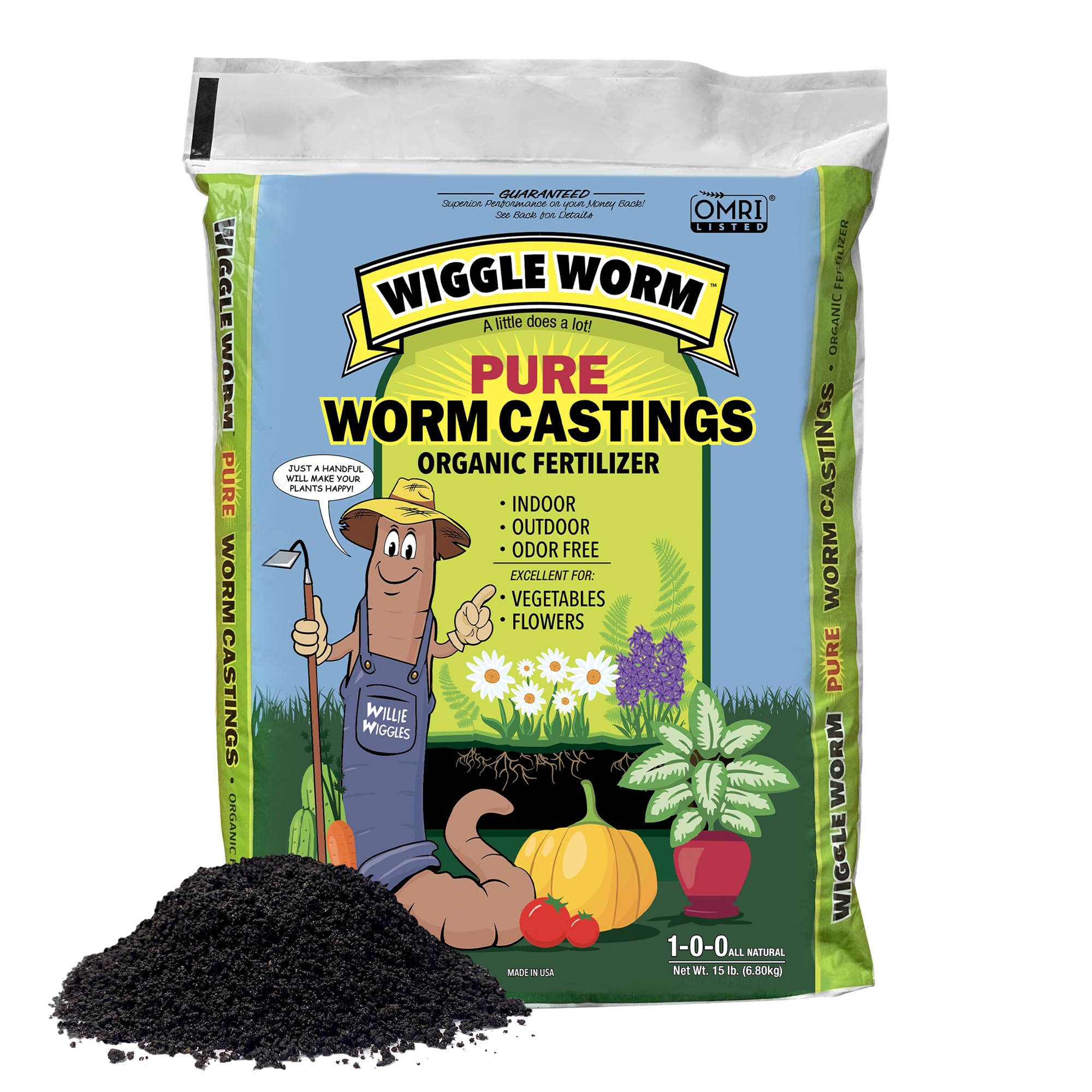
A larger bag of OMRI‑listed castings I use for top‑dressing and mixing into raised beds.
Why I picked it: I picked it because the 15‑pound bag is a practical balance of volume and storage for seasonal use.
Best for: Raised beds, vegetable gardens, repeat applications.
Bulk size that stretches across multiple seasons.
Pros
- OMRI‑listed organic castings
- Generous volume for gardens
- Improves soil aeration
Cons
- Heavier to handle
- Requires storage space
My take
This 15‑pound bag is the size I reach for when I’m amending several pots and a few beds—large enough to be economical but still manageable to store.
I mix it into my bed topsoil and also make a simple casting tea to drench seedlings. The plants respond with fuller roots and improved vigor without any harsh smell or salt buildup.
Because it’s OMRI‑listed, I’m comfortable using it in organic beds throughout the season as a gentle, long‑term soil builder.
7. Wiggle Worm Worm Castings (30 lb) – Best Bulk Supply
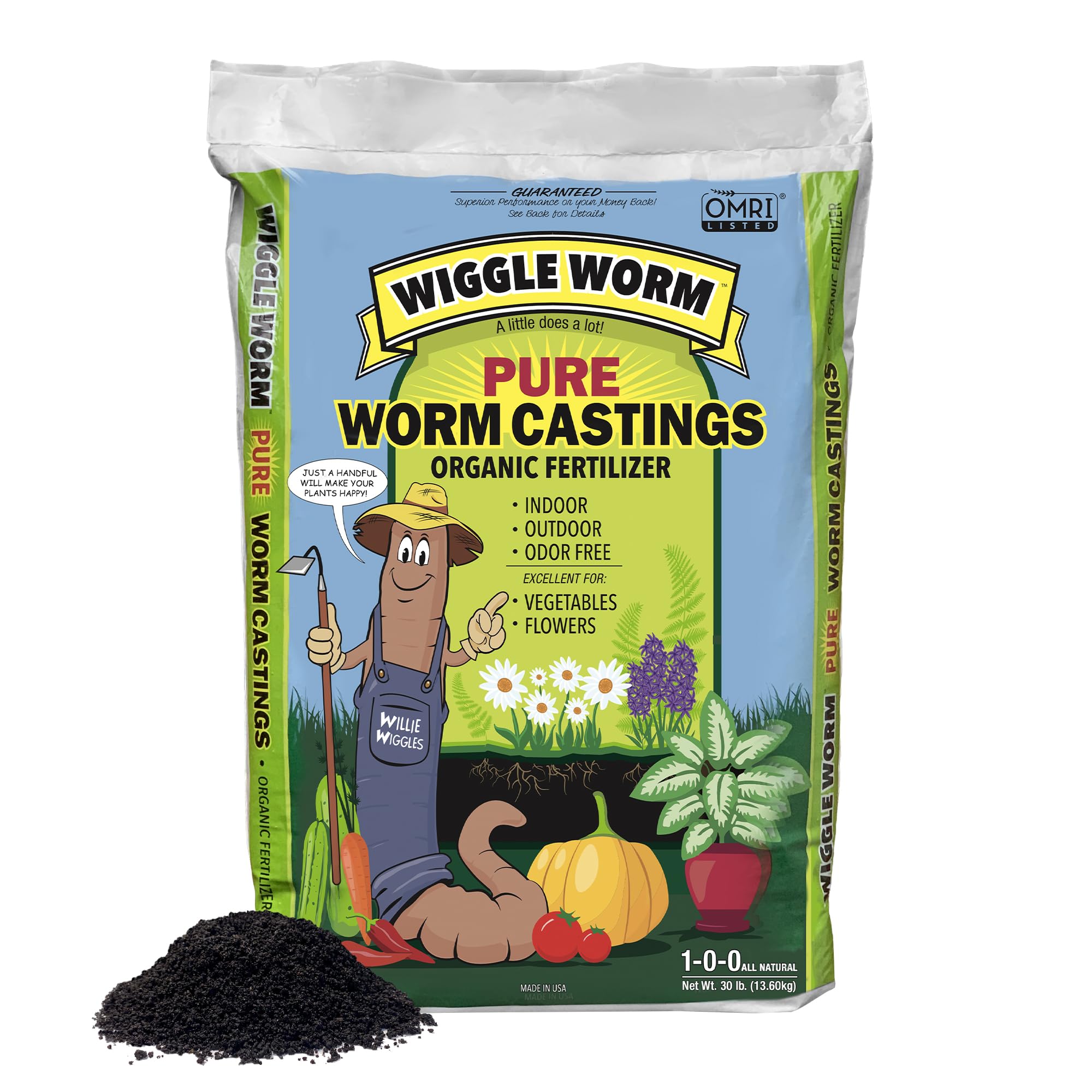
A true bulk bag for gardeners who need large volumes of pure castings for beds and large planting projects.
Why I picked it: I picked this for large plots and raised beds where a single smaller bag wouldn't be enough.
Best for: Large gardens, building soil fertility at scale.
Best value for large‑scale soil building.
Pros
- Large volume for big gardens
- OMRI‑listed organic castings
- Consistent, dark castings
Cons
- Bulky and heavy
- Not ideal for small indoor use
My take
When I upgraded several raised beds, the 30‑pound bag was the sensible choice: it allowed me to blend castings into large volumes of soil without multiple small purchases.
The texture is consistent and it spreads well in beds. Because it’s a bulk product, I use a wheelbarrow and spreader, then mix it in—plants in those beds established faster and looked healthier over the season.
If you garden at scale, this saves time and frequent ordering compared with smaller bags.
8. Brut Organic Worm Castings (5 lb) – Best Certified Organic
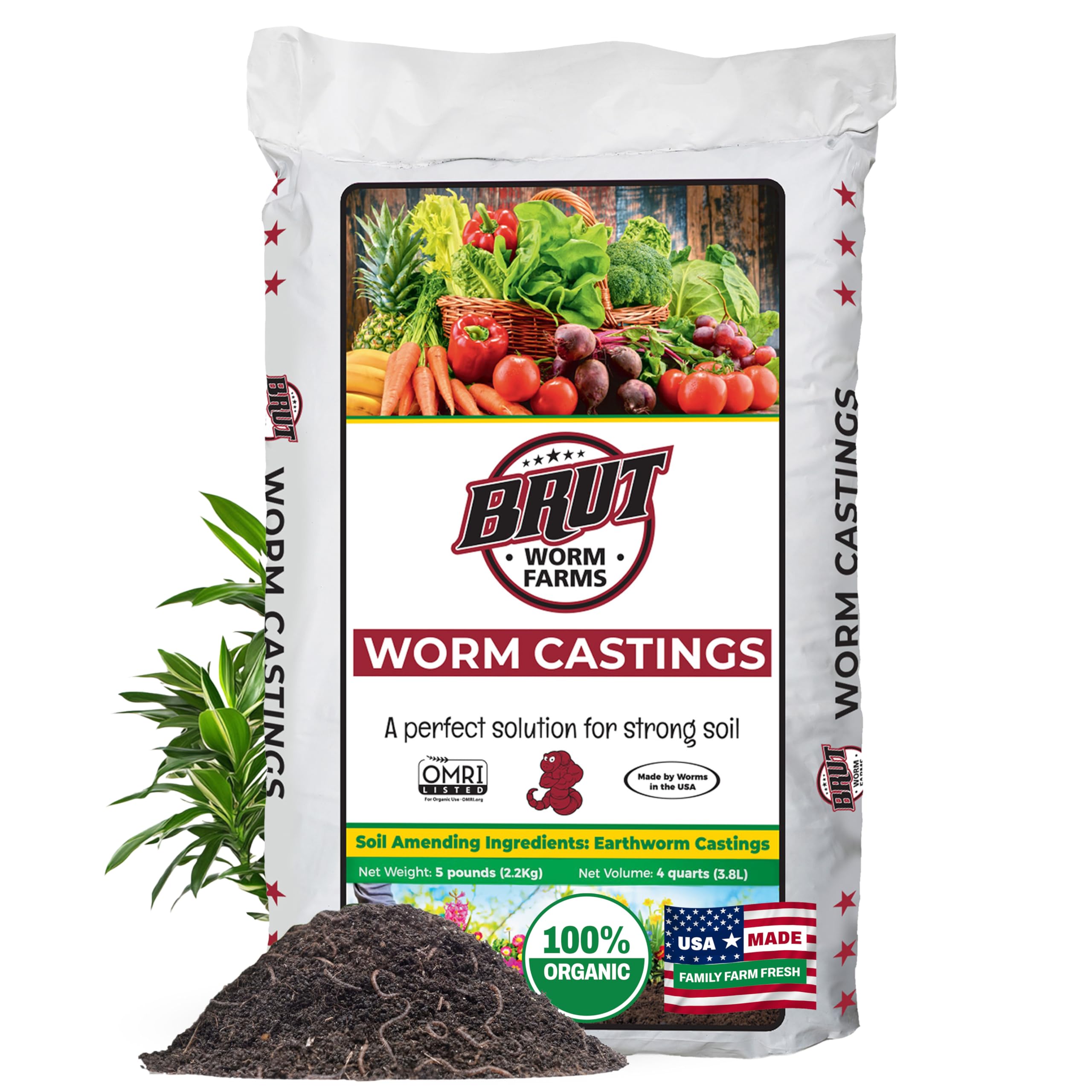
Certified organic castings I use when I want a verified organic amendment with family‑run sourcing.
Why I picked it: I picked it for its OMRI and CDFA listings and the consistent, dark castings that blend easily into soil.
Best for: Organic gardens, certified operations, potting and top‑dressing.
Certified organic product positioned as good value.
Pros
- OMRI and CDFA listed
- Pleasant earthy smell
- Clean, contaminant‑free
Cons
- Smaller bag for large projects
- Price can fluctuate
My take
I used the 5‑pound Brut bag for container mixes and small beds. The castings are dark, rich, and smell pleasantly earthy rather than foul.
Certification matters for many gardeners, and knowing this product is OMRI and CDFA listed gives me confidence when adding it to an organic potting mix.
For smaller projects and certified gardens, this is the tidy option I keep on hand.
How I Choose Compost and Soil Amendments
Match the product to the job
I pick compost starters when my pile is cold and I want faster heat and decomposition. For transplant shock or revives, I reach for a concentrated vitamin solution. For long‑term soil building I use worm castings or bone meal.
- Compost starter: use for outdoor piles and to speed breakdown.
- Liquid vitamin solutions: use for transplant and stress recovery.
- Worm castings: use for soil structure, microbes, and gentle feeding.
- Bone meal: use at planting for root and bloom support.
Watch packaging and volume
I consider how much I need—small resealable pouches work for indoor plants, bulk bags make sense for beds. Resealable packaging keeps castings usable season after season.
- Small bags: best for indoor growers and container gardeners.
- Medium bags: practical for mixed needs and seasonal top‑dressing.
- Bulk bags: best for large raised beds and long‑term soil building.
Check organic listings and ingredient transparency
I prefer OMRI or CDFA listings when I want to keep an organic program consistent. For compost accelerators, check the NPK and whether the mix contains manure or aggressive microbes.
- OMRI/CDFA: good for certified organic gardens.
- NPK on compost starters: indicates basic nutrient balance.
- Ingredient notes (manure, feedstock): informs smell and handling.
Application tips from my experience
I measure and follow directions carefully. For bone meal and concentrated solutions, follow package dilutions and rates to avoid burning or wasting product.
- Top‑dress castings a few times per year.
- Mix bone meal into planting holes; don’t overapply.
- Keep compost moist but not soaked when using accelerators.
Frequently Asked Questions
How often should I use worm castings?
I top‑dress or mix a small amount into potting soil three times a year, and I add a handful at transplant for an immediate microbial boost.
Will compost starter make my pile smell worse?
I find fresh compost starters can have a strong smell on opening, but once mixed and properly aerated the pile’s odor becomes earthy rather than unpleasant.
Can I use bone meal in containers?
Yes—I mix bone meal into potting mix or the planting hole before setting bulbs or seedlings, but I measure carefully to avoid overapplication that can stress plants.
Final Take
After testing these products, I know which amendment I reach for depending on the job: liquid vitamins for transplants, granular starters for cold piles, bone meal for root development, and worm castings for long‑term soil health.
Choose the size and certification that fit your garden—small pouches for indoor plants, medium bags for mixed needs, and bulk bags for large beds—and apply according to the directions for reliable results.
