
I tested four dried shiitake options for flavor, rehydration speed, texture, and pantry value—here's which I reach for and why.
I keep dried shiitake in my pantry for quick broths, ramen nights, and to stretch dishes with serious umami. Fresh mushrooms are great, but dried shiitakes bring concentrated flavor and long-term convenience.
In this roundup I focused on rehydration time, whether the pieces are sliced or whole, how they hold up in soups and stir-fries, and how practical each package is for everyday cooking.
I compared small whole pieces, whole mushrooms, and pre-sliced bulk bags by soaking them side-by-side, tasting the soaking liquid, and testing texture in soup, stir-fry, and ramen to see which format matched each use.
1. VIGOROUS MOUNTAINS Dried Shiitake (2–3 cm) – Best Quick-Rehydrate
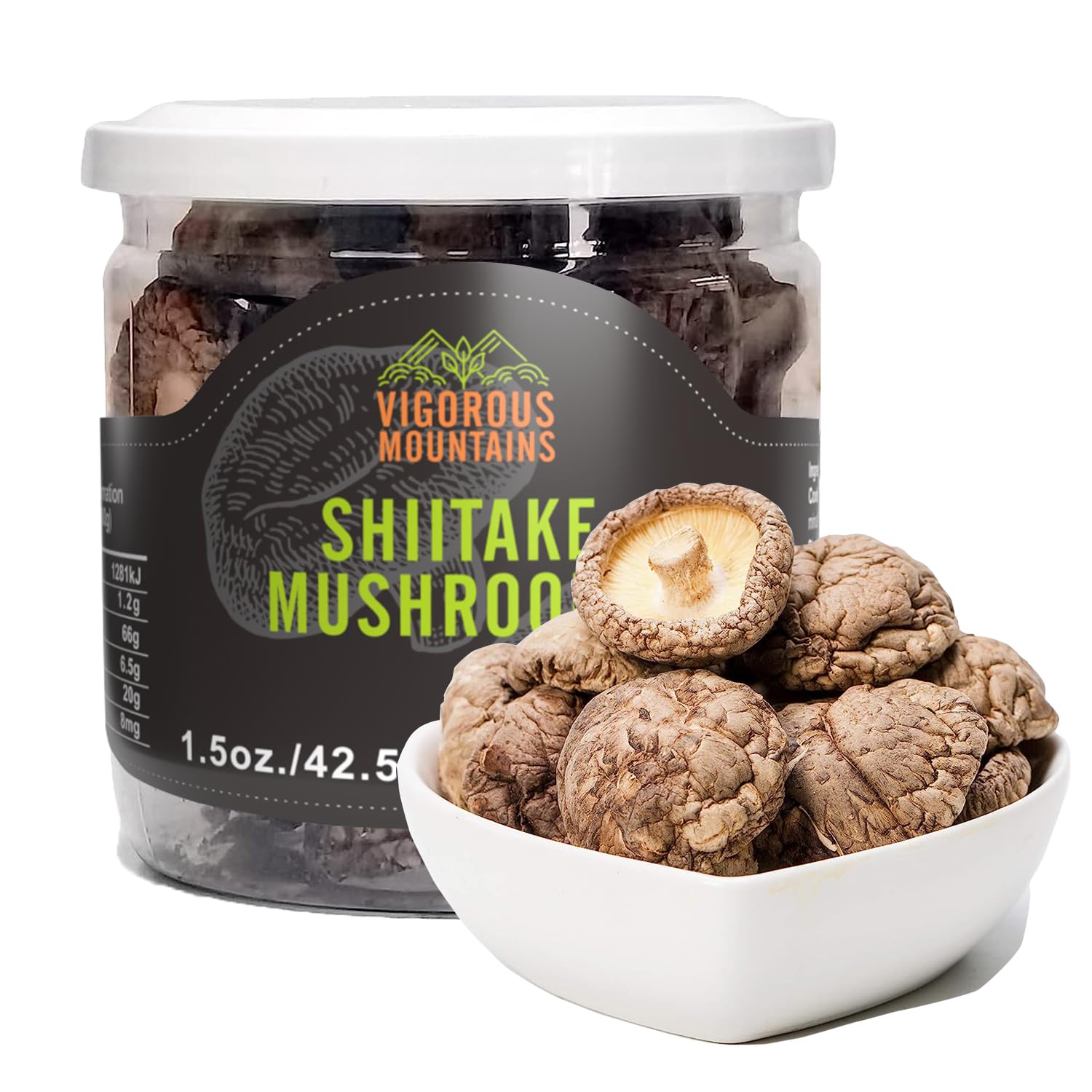
Small whole shiitakes that rehydrate very quickly and deliver concentrated umami—great when I need mushrooms fast.
Why I picked it: Rapid rehydration and surprisingly meaty flavor from small whole caps.
Best for: Quick soups, stocks, small-batch meals, and last-minute additions.
Small, trial-size pack—good for trying or occasional use.
Pros
- Rehydrates very quickly
- Concentrated umami flavor
- Sealed for shelf stability
- Meat-like texture when plumped
Cons
- Small piece size
- Not ideal for large-batch cooking
- Limited quantity per pack
My take
I like these when I want mushrooms without waiting forever. I usually pour warm water over the pieces and let them sit about 15 minutes; they plump up into a surprisingly fresh, meaty texture that lifts broths and stir-fries.
Because the mushrooms are small, they’re fast to rehydrate and easy to chop straight into a pot. The flavor is punchy—I’ll reach for these when I need a quick umami boost rather than snapping up a larger bulk bag.
Packaging kept everything dry and intact on arrival, and I’ve used the soaking liquid as an immediate stock base. If you cook a lot of large portions, the pack size feels limited, but for fast use and flavor these are dependable.
2. Dynasty Whole Shiitake – Best Pantry Staple
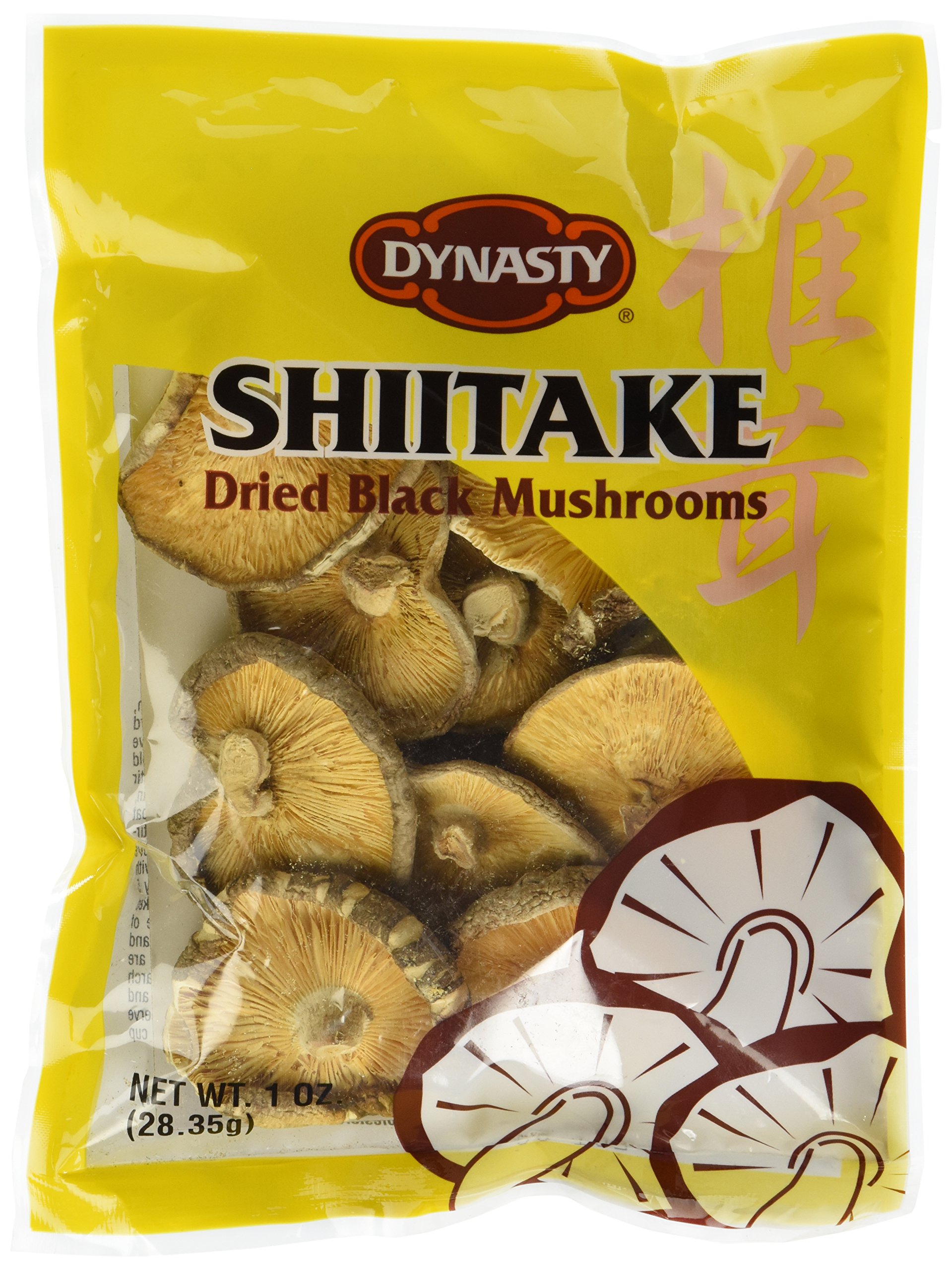
A classic small whole shiitake that rehydrates reliably and offers a sweet-savory note and snappy texture.
Why I picked it: Dependable whole mushrooms that rehydrate quickly and work in many dishes.
Best for: Soups, stir-fries, ramen, and even snacking when tossed with oil.
Single-serve pack—good to keep for occasional recipes or travel.
Pros
- Reliable rehydration
- Sweet-savory flavor
- Good whole-mushroom shape
- Versatile in recipes
Cons
- Thin caps, less meaty
- Small package size
- Not the richest flavor alone
My take
I soak these in warm water and they’re usually ready within 10–30 minutes depending on how I plan to use them. For quick cooking I often give them 10 minutes and then finish in the pan.
The texture after rehydration is pleasantly snappy rather than mushy, and the sweet-savory profile works well in ramen or tossed with a little olive oil as a savory snack.
They’re not the meatiest shiitakes I’ve used, so I pair them with stronger-seasoned broths or sauces. For a tiny pack that’s handy to keep on hand, these are my go-to.
3. Mushroom House Shiitake Slices (Sliced) – Best Bulk Sliced
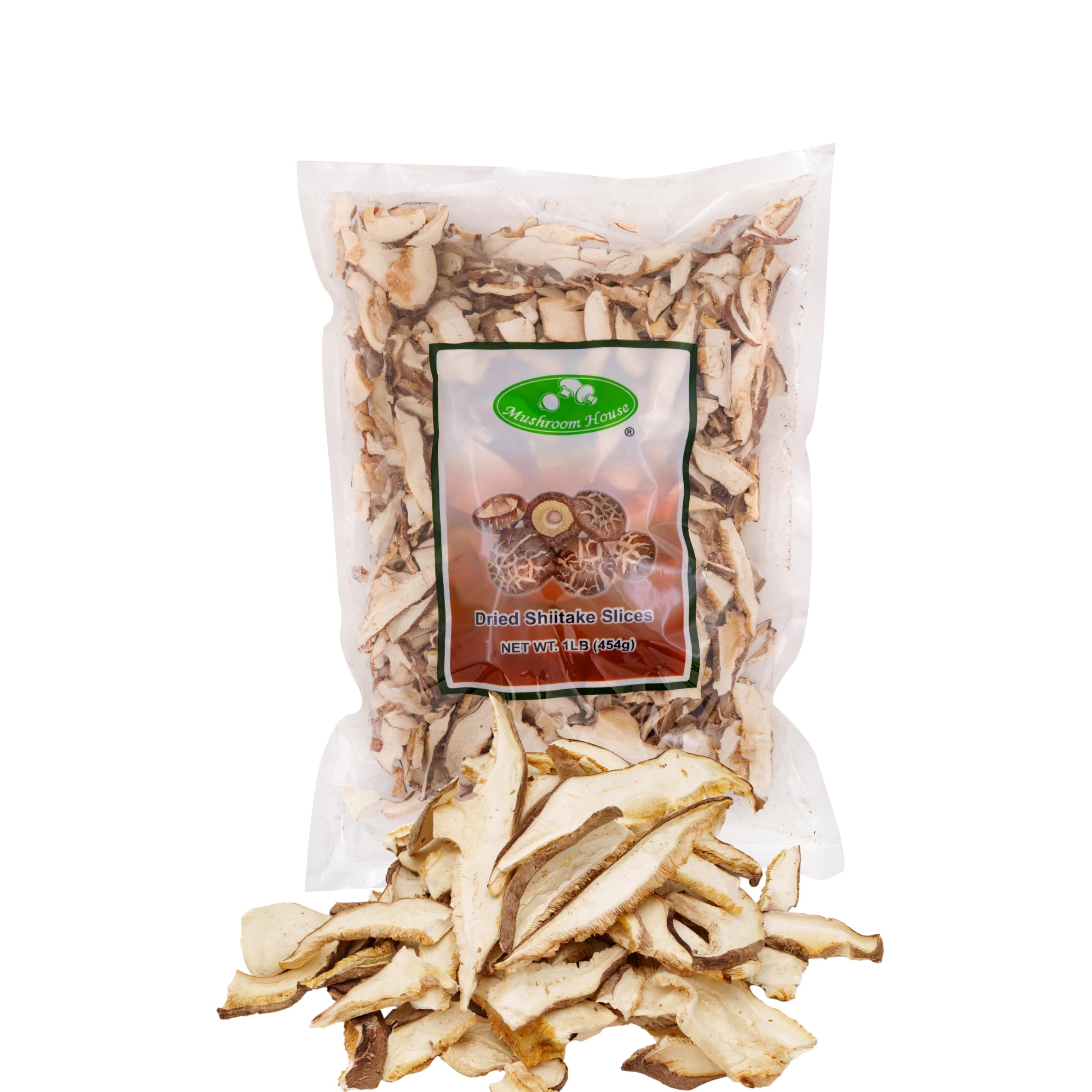
Evenly sliced shiitakes in a large resealable bag—ideal when I want consistent texture and fast, uniform rehydration.
Why I picked it: Pre-sliced consistency and bulk quantity for meal prep and frequent use.
Best for: Ramen, stir-fries, sauces, and making mushroom crisps or powders.
Bulk, resealable bag—better value if you use shiitake often.
Pros
- Even slices for uniform cooking
- Quick, predictable rehydration
- Large resealable bag
- Good for meal prep
Cons
- Some stem pieces remain
- Can taste bland without seasoning
- May need long soak for maximum tenderness
My take
I reach for the sliced bag when I’m prepping multiple meals. The even pieces rehydrate uniformly, which saves time when I want to add mushrooms to several bowls or a large pot.
For the softest texture I’ll soak them overnight in the fridge; for faster use a couple of hours or even hot-water soaking works fine. I’ve also added a splash of liquid smoke during soaking when I wanted a smokier note.
A minor snag: some larger pieces still have stem attached, so I either trim them or blend the stems into the broth to extract flavor. Overall the convenience and consistent texture make this my favorite for batch cooking.
4. Mushroom House Whole Shiitake (Whole) – Best Whole Value
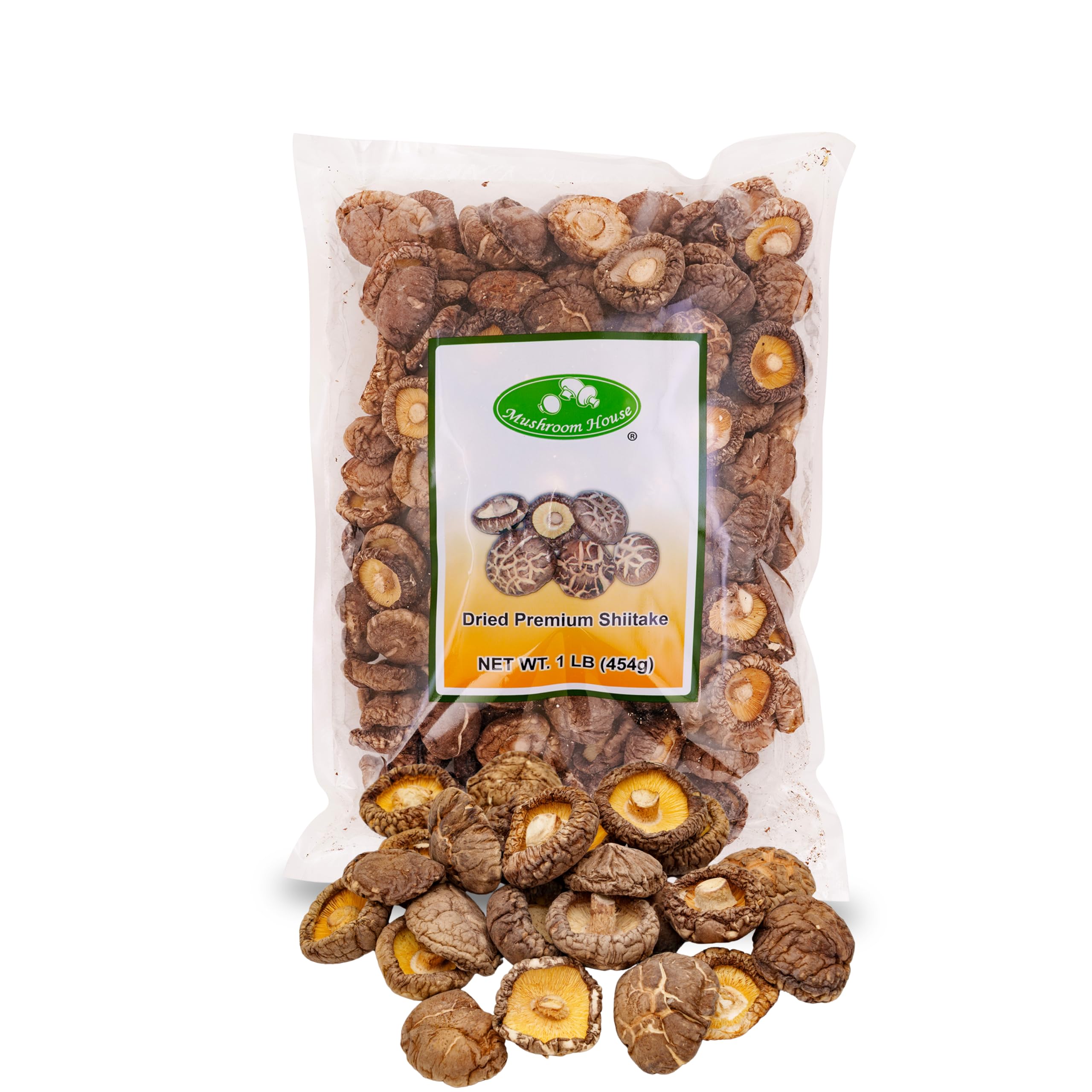
Generous bag of whole shiitakes that hold their shape and deliver bold umami—great for soups and dishes where texture matters.
Why I picked it: Whole pieces that give a meaty bite and make flavorful soaking liquid.
Best for: Stews, stocks, hot pots, and recipes where I slice or use mushrooms whole.
Generous 1 lb bag—good value for cooks who use shiitake regularly.
Pros
- Hand-selected whole pieces
- Hold shape in long cooks
- Deep, savory flavor
- Large package for frequent use
Cons
- Inconsistent sizes
- Stems can be tough
- Requires soaking time
My take
These whole mushrooms give me the meatiest texture of the bunch. I steep large pieces in hot water for 30 minutes to get them tender, then slice or toss whole into stews and hot pots.
I save the soaking liquid and strain it into my stock pot—the depth it adds is noticeable. For the stems, I either simmer them into broths or process them into the base to avoid waste.
Sizes vary across the bag, so I sometimes trim or remove the toughest stems, but the flavor and hold-up in long-simmered dishes are excellent. This is what I buy when I want a pantry-stable, chef-friendly supply.
How I Choose Dried Shiitake
Key factors I look for
I pick dried shiitake based on format, size, and intended use. Sliced mushrooms rehydrate evenly and speed up prep; whole pieces give more texture and are better for long cooks.
I always check whether the bag is resealable and how much stem is included—stems add flavor but can be tough if you want a tender bite.
Rehydration time matters to me. If I need mushrooms fast I choose smaller or sliced pieces; if I’m making stock I don’t mind a longer soak.
- Sliced vs whole: sliced = uniform rehydration, whole = better texture
- Bag type: resealable bags keep mushrooms fresher longer
- Soak times: 15–30 minutes in warm water, overnight for very soft results
- Use soaking liquid as mushroom stock—strain before using
- Trim stems for texture or simmer them into broth for flavor
Preparation tips I use
I typically soak in warm water for 15–30 minutes for most uses; if I want very soft mushrooms I soak overnight in the fridge.
I never boil dried shiitake straight away; simmering gently or letting them steep gives a better texture. Save the soaking liquid and skim or strain it before adding to recipes.
If stems are tough I simmer them in the broth or blend them into sauces so no flavor goes to waste.
- Use warm water, not a rolling boil, to rehydrate
- Squeeze excess water before frying to avoid splatter
- Store sealed in a cool, dry place—long shelf life
- Add dried mushrooms at the start of long simmering dishes
Frequently Asked Questions
How long should I soak dried shiitake mushrooms?
I soak most dried shiitake in warm water for 15–30 minutes; for a very tender texture I’ll leave them overnight in the fridge. Shorter soaks are fine if I cook them immediately after plumping.
Can I use the soaking liquid?
Absolutely—I always save and strain the soaking liquid as a flavorful mushroom stock. Taste it first and adjust salt or seasoning before adding to dishes.
Do I need to remove stems?
I trim tough stems when I want a tender bite, but I simmer stems into broths or blend them into sauces to extract their flavor rather than waste them.
What’s the difference between sliced and whole dried shiitake?
Sliced shiitake rehydrate consistently and are convenient for quick dishes; whole shiitake give a meatier texture and are better for stews and dishes where mushroom bite matters.
Final Take
I keep all four types in rotation depending on what I’m cooking. For fast meals I grab the quick-rehydrate small pieces; for batch cooking or meal prep the sliced bulk bag wins; for stews and stocks I prefer whole mushrooms.
If you only want one bag, pick the format that matches how you cook most often—sliced for speed, whole for texture. Either way, saving the soaking liquid and treating stems as flavor (not waste) will get the most out of every bag.
