
I tested five insulated food containers across capacity, heat retention, durability, and everyday usability. These are the jars and meal systems I reach for when I need piping-hot soup, cold salads, or organized meal-pre
I’ve carried soups on cold workdays, packed school lunches, and lugged meal-prep kits across city commutes. In this guide I focused on real-world use: how long containers keep food hot or cold, how easy they are to clean, whether lids leak, and how practical each design is for daily life.
Below I highlight the containers that performed best in my hands, from a massive family-size jar to a compact kid-friendly thermos and a full meal-prep kit with containers and ice packs.
I evaluated each product for insulation performance, capacity, durability, portability, ease of cleaning, and practical extras like inserts or spoons. My picks reflect hours of use in different conditions—commutes, outdoor work, and meal-prep routines.
1. Thermos Stainless King Food Jar – Best Overall
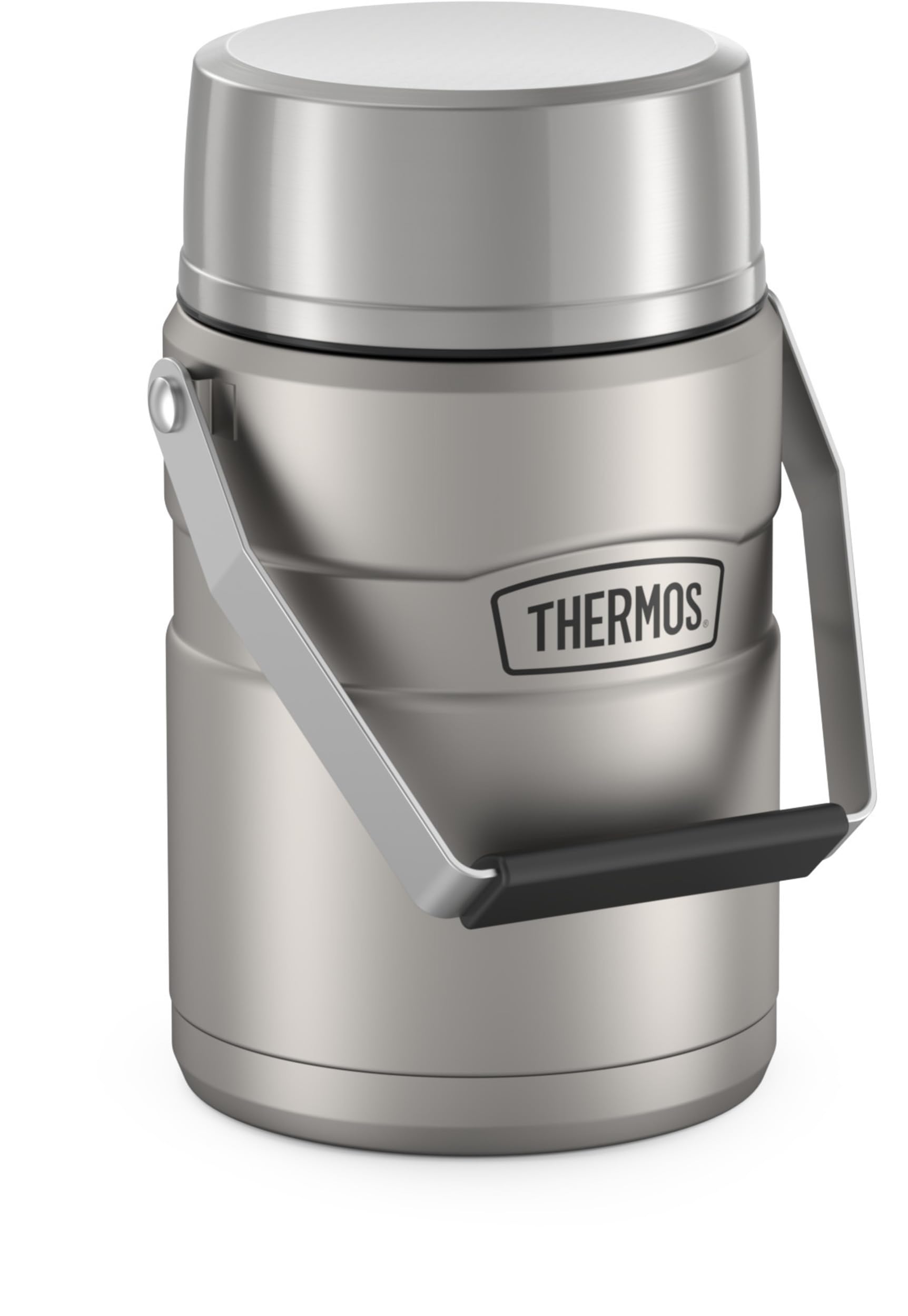
A large, durable food jar with two internal containers and a carry handle for long days away from home.
Why I picked it: Big capacity, reliable heat retention, and the built-in handle make it my go-to for family lunches and multi-meal days.
Best for: Feeding two people or packing several portions for a long day out.
Premium, high-performing option.
Pros
- Huge 47 oz capacity
- Includes two 20 oz storage inserts
- Built-in carry handle
- Keeps food hot many hours
- Stainless-steel durability
Cons
- Bulky for small bags
- Heavier than compact jars
- Matte finish can scratch
My take
I rely on this Thermos when I need a serious amount of hot food on the go. The 47-ounce body swallows stews, soups, and big rice bowls without fuss, and the two 20-ounce inserts are a smart touch for separating sides.
Heat retention was excellent in my testing: hot contents stayed comfortably warm for typical lunch windows, and the exterior never got uncomfortably hot to the touch. The lid seals tightly and I never had leaks when it was upright.
The built-in handle made it easy to carry on day hikes and school drop-offs, and the stainless construction feels like it will last for years. I put it on the top rack of the dishwasher during busy weeks and appreciated the easy cleanup.
2. DaCool 16oz Insulated Food Jar – Best for Kids
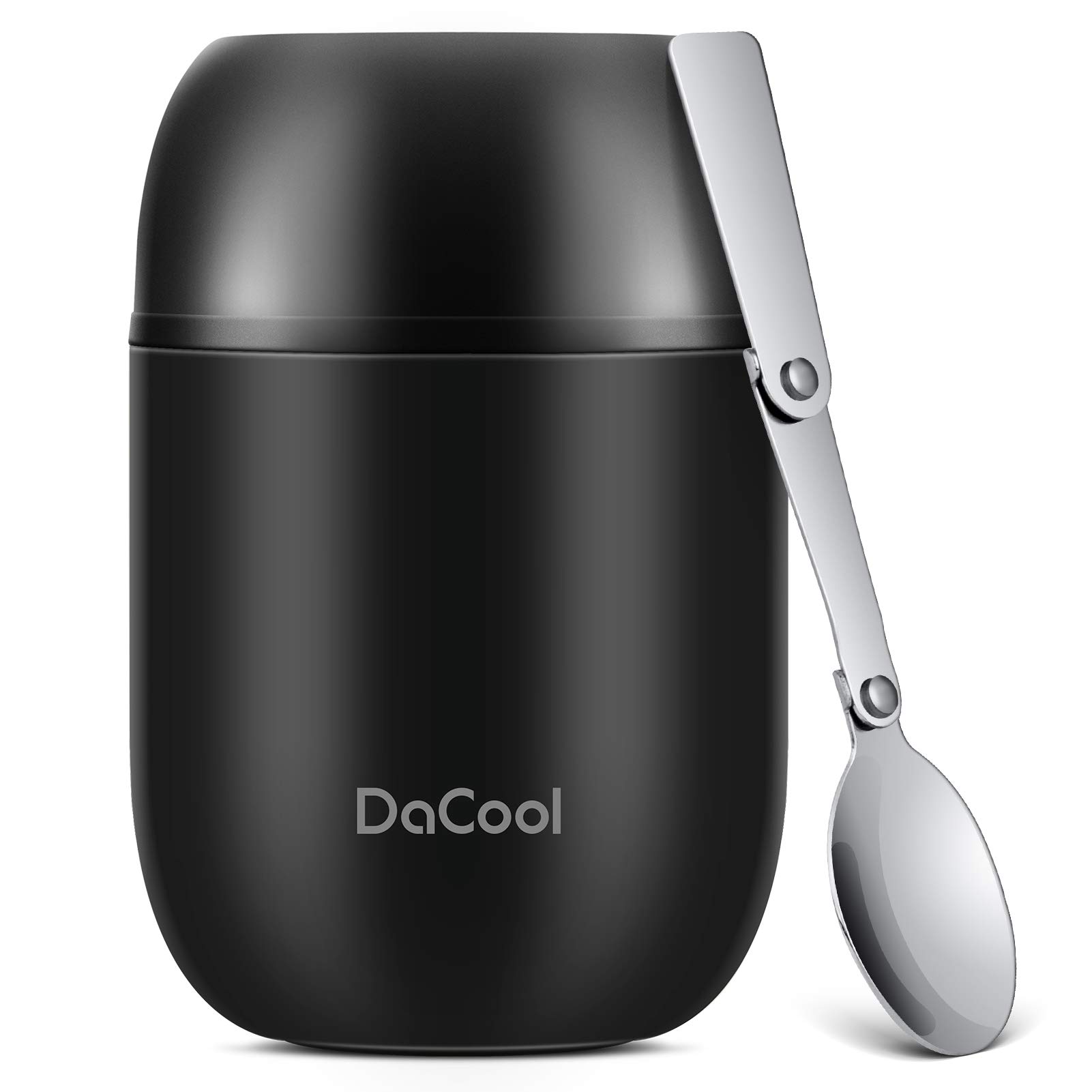
A compact, BPA-free vacuum jar with a wide mouth and a folding spoon—great for school lunches and short work shifts.
Why I picked it: Compact size, included spoon, and reliable warmth within a typical lunch window make it perfect for kids and commuters.
Best for: School lunches, short office shifts, and compact meal needs.
Budget-friendly compact option.
Pros
- Compact 16 oz capacity
- Wide mouth for easy eating
- Includes stainless folding spoon
- Vacuum insulation for hours
Cons
- Valve in lid can leak when inverted
- Plastic valve may loosen over time
My take
I used the DaCool jar for several school lunches and short workdays and found it hits a sweet spot: it’s small enough to tuck into a bag but big enough for a hearty soup or chili.
I always preheat with hot water as recommended; that step made a noticeable difference in keeping lunches warm through mid-day. The wide mouth and included folding spoon make it practical for kids who eat without extra utensils.
One caution from my use: the valve/pressure-release feature in the lid can allow slight drips if you turn the jar fully sideways or upside down. For upright transport it performed well, but I avoid tossing it loosely into a backpack.
3. Stanley Classic Vacuum Food Jar – Best Rugged
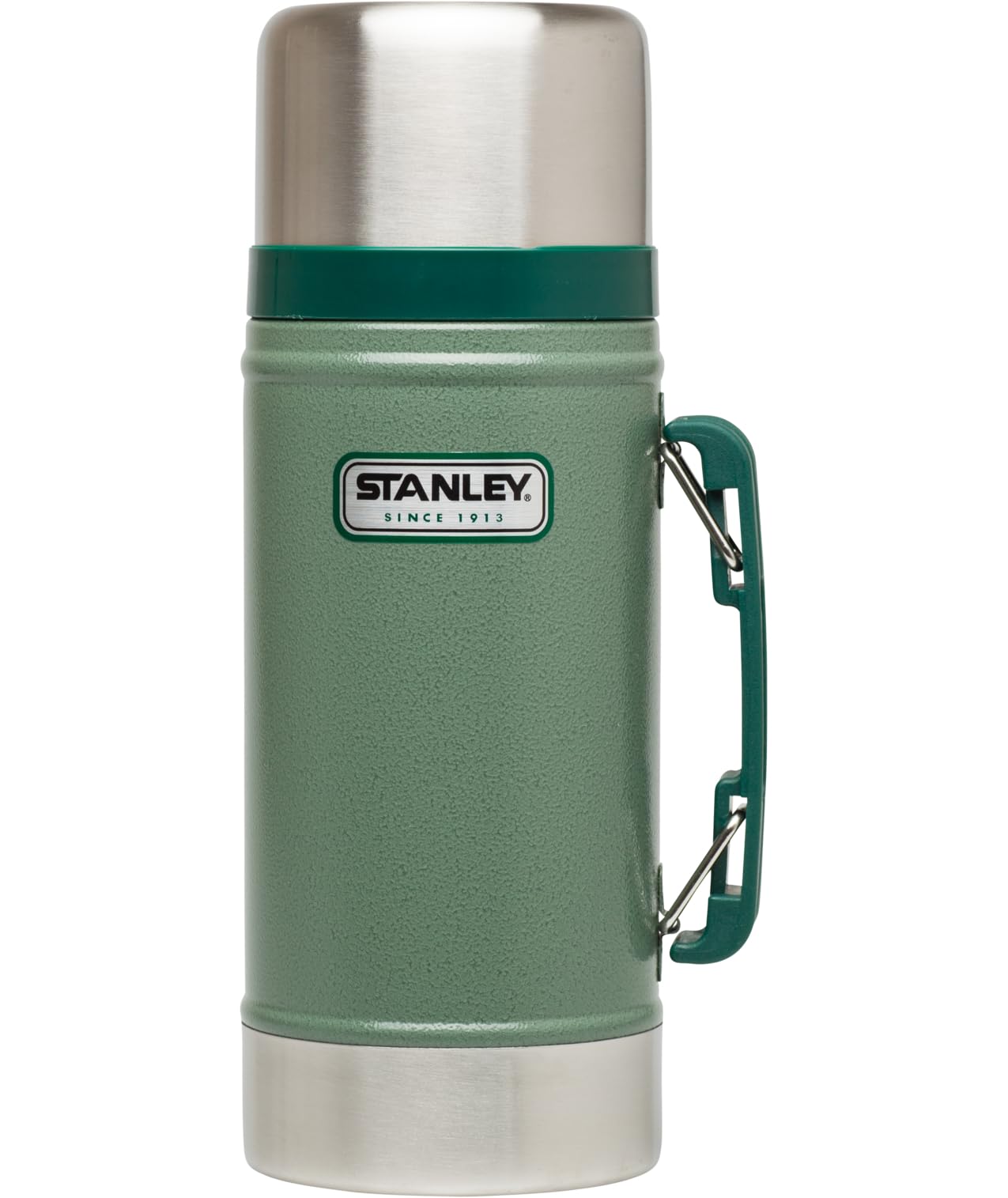
A bomb-proof, double-insulated jar built to last, with a wide mouth and lifetime warranty for heavy-duty daily use.
Why I picked it: Rock-solid construction and reliable insulation make it my pick when I need something that survives rough treatment.
Best for: Outdoor work, long shifts, and anyone who wants a lifetime-ready thermos.
Durable, long-term investment.
Pros
- Extremely durable build
- Double-wall vacuum insulation
- Wide mouth opening
- Lifetime warranty
Cons
- Heavier than slim jars
- Lid gasket needs careful cleaning
My take
The Stanley sits in my rotation when I head outdoors or need a no-nonsense jar for a long shift. It’s heavy in a reassuring way and handles drops and rough use without complaint.
I routinely got 8–10 hours of heat retention during cold weather tests and appreciated the wide mouth for spooning soup or adding hot water. Cleaning is straightforward, though I do spend a little extra time cleaning under the lid gasket so food doesn’t accumulate.
This is the jar I pick when I want something that will still be working years from now.
4. ThinkFit Insulated Meal Prep Lunch Bag – Best for Meal Prep
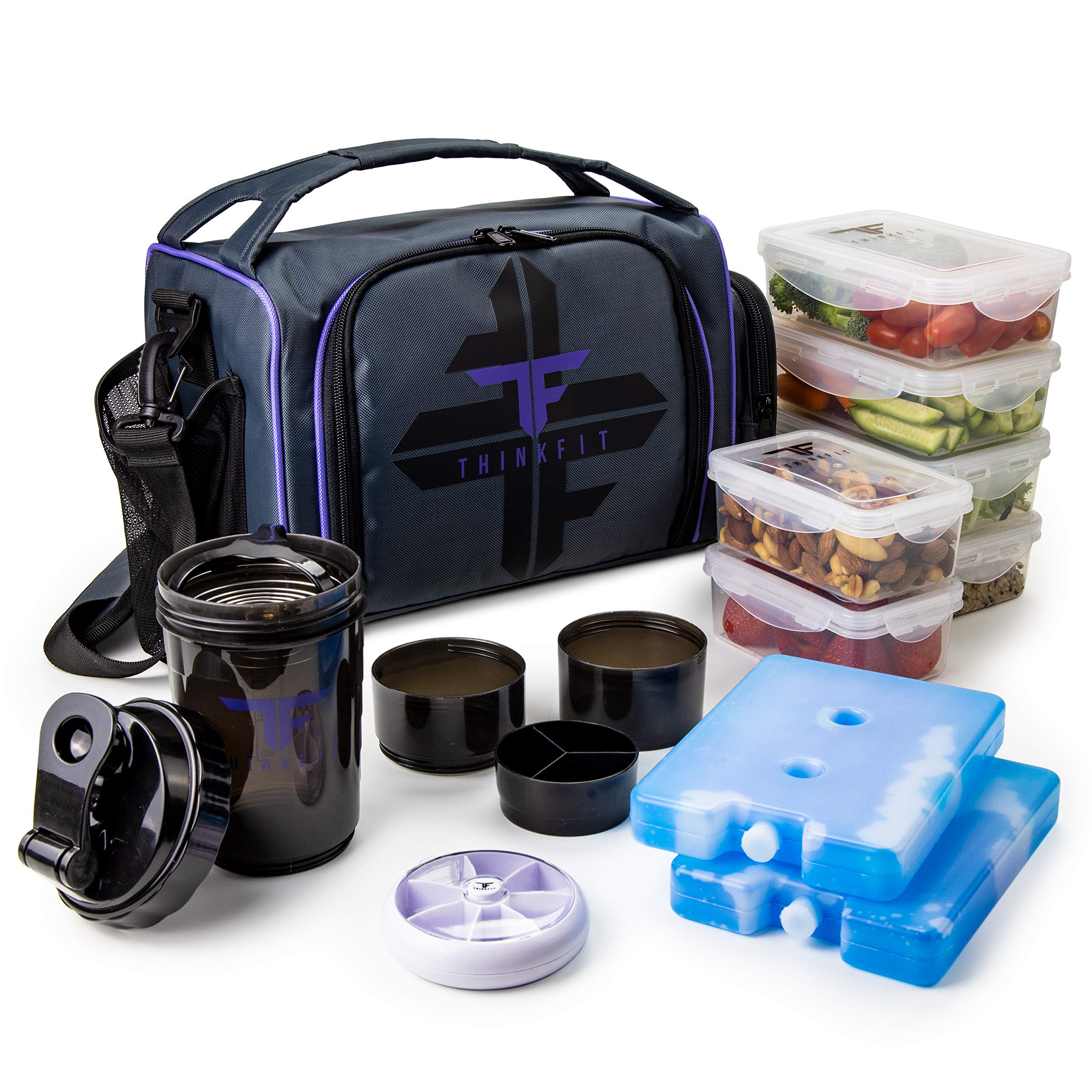
A full meal-prep system that includes six portion containers, ice packs, shaker cup, and a durable insulated bag.
Why I picked it: Everything I need for structured meal prep comes in one kit—containers, ice packs, and storage that travel well.
Best for: Meal preppers, gym-goers, and long workdays requiring multiple meals.
Mid-priced meal-prep system.
Pros
- Six portion-control containers included
- Comes with two large ice packs
- Microwave and freezer safe containers
- Durable bag with shoulder strap
Cons
- Bulkier than single jars
- Containers occupy a fair amount of space
My take
I use the ThinkFit system on days when I want everything organized: breakfast, snacks, and dinner all fit neatly into the six containers. The bag’s compartments and shoulder strap make it easy to carry a full day’s worth of food.
A nice bonus for me was that a Hot Logic Mini fits into the main compartment alongside a couple of containers, which extended meal flexibility on busy days. The containers themselves survived the microwave and freezer without warping, and the included ice packs helped keep salads crisp on longer shifts.
If you meal-prep regularly and like a single, organized solution, this bundle saves me time and keeps food fresher than loose containers thrown into a tote.
5. MAXSO 2-Pack Insulated Food Jars – Best Value
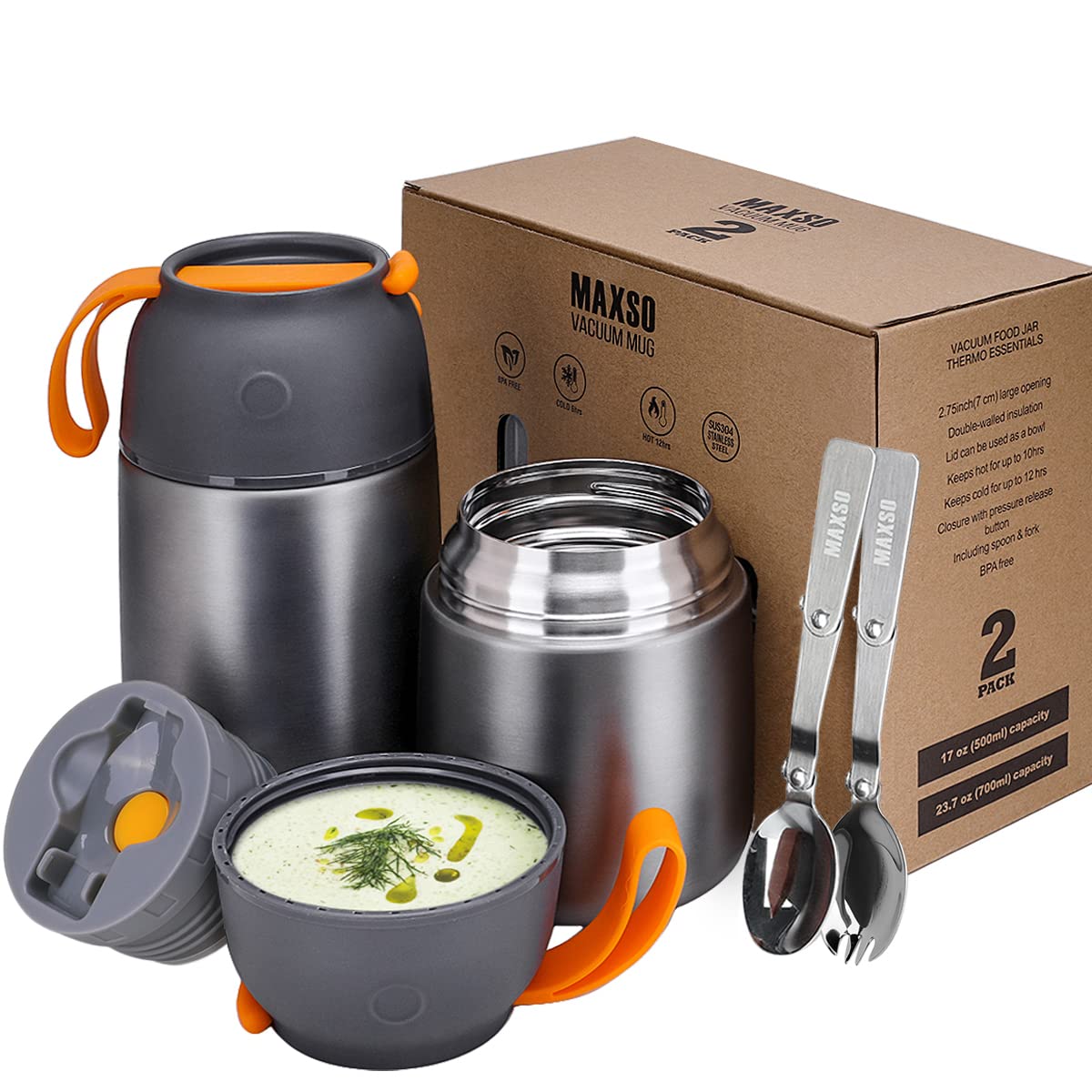
A two-jar set (17 oz and 24 oz) with a foldable spoon and strong insulation—great for travelers and outdoor use.
Why I picked it: Two useful sizes and strong heat retention give me flexibility without a big investment.
Best for: Travel, outdoor activities, and anyone who wants a spare jar.
Excellent value two-pack.
Pros
- Two sizes included
- Keeps food warm many hours
- Foldable spoon in lid
- Sturdy stainless-steel construction
Cons
- Folding spoon favors right-handed users
- Spoons can clank inside lids
My take
I kept a MAXSO jar in my car for a winter paddling trip and another in my work bag for hot lunches. Both handled rough use and stayed warm for many hours—I even found coffee still pleasantly warm the next morning after a cold overnight in my vehicle.
The two-size set is practical: the 17-ounce jar is ideal for a single lunch, while the 24-ounce jar covers heartier portions or sharing. The foldable spoons live in the lids so I don’t need to carry utensils, though the hinge is designed with right-handed use in mind.
For the price and durability, these jars are my go-to when I want reliable warmth without extra fuss.
How I Choose an Insulated Food Container
Key factors I test before recommending a jar
Capacity: I match jar size to typical portions. A 16–24 oz jar works well for single lunches; 40–50 oz is better for family meals or multi-portion days.
Insulation performance: I check heat retention over several hours, both at room temperature and in colder conditions. Preheating with hot water makes a measurable difference.
Mouth opening and usability: Wide mouths make filling, eating, and cleaning easier. Narrow openings are fine for sipping but frustrate me when scraping the last spoonfuls out.
- Choose capacity to match your meals—don’t oversize a jar you won’t fill.
- Preheat or precool containers for better temperature hold.
- Look for stainless steel interiors and a secure sealing lid.
- Consider extras: spoons, inserts, ice packs, and carry handles.
- Think about cleaning—removable gaskets and wide mouths simplify maintenance.
Practical tips I follow
I always preheat a thermos with boiling water for a few minutes when I need food piping hot at lunch. For cold items, I precool the jar with cold water or add an ice pack in the bag.
If I’m packing liquids, I keep the jar upright in a separate compartment. Some lids that perform well upright can drip if tossed sideways in a bag.
I clean lids and gaskets thoroughly after saucy meals to prevent odors and buildup—this keeps seals working longer.
- Preheat/precool for best results.
- Transport upright if the lid has a pressure valve.
- Hand wash lids and gaskets when possible for longevity.
Frequently Asked Questions
How long will food stay hot in these jars?
From my hands-on testing, most vacuum-insulated jars keep food comfortably hot for 6–10 hours in typical conditions; some designs maintain warm temperatures longer, and manufacturers sometimes claim up to 24 hours for cold retention.
Can I put these containers in the dishwasher?
I typically put stainless bodies on the top rack when permitted, but I hand wash lids and gaskets. Some makers recommend top-rack dishwasher use only; check the product directions and treat sealing parts gently for long life.
Are insulated food jars leak-proof?
Many are leak-resistant when kept upright, but I’ve seen pressure-release valves and certain lid designs allow slight drips if turned fully sideways. I transport liquid-packed jars upright to avoid surprises.
Final Take
I own and use at least one of these options for different days: Thermos for family-size meals, Stanley when I need something virtually indestructible, DaCool for kid lunches, ThinkFit for organized meal prep, and MAXSO when I want a practical two-pack.
Choose the one that matches how you eat and carry food most often, follow the preheat/precool tips, and you’ll get reliably hot or cold meals on the go.
