
I tested a range of ceiling medallions — from compact, budget-friendly discs to large decorative pieces — and picked options that balance detail, installation ease, and finishability.
I’ve installed ceiling medallions in multiple rooms and on a variety of fixtures, and I lean toward lightweight, paintable polyurethane pieces because they give deep detail without the weight of plaster.
In this roundup I focus on fit, surface detail, how the back sits against the ceiling, and whether the medallion needs extra fastening or sanding before paint. That’s what mattered most while I was putting these up.
My picks vary by diameter, depth, and canopy fit: the smaller medallions hide oversized holes, the mid-size ones balance scale and detail, and the large designs create a room-defining centerpiece. I note whether pieces are true flat-back, need sanding, or require longer screws or adhesive during installation.
1. Ekena Millwork Riley Ceiling Medallion – Best Overall
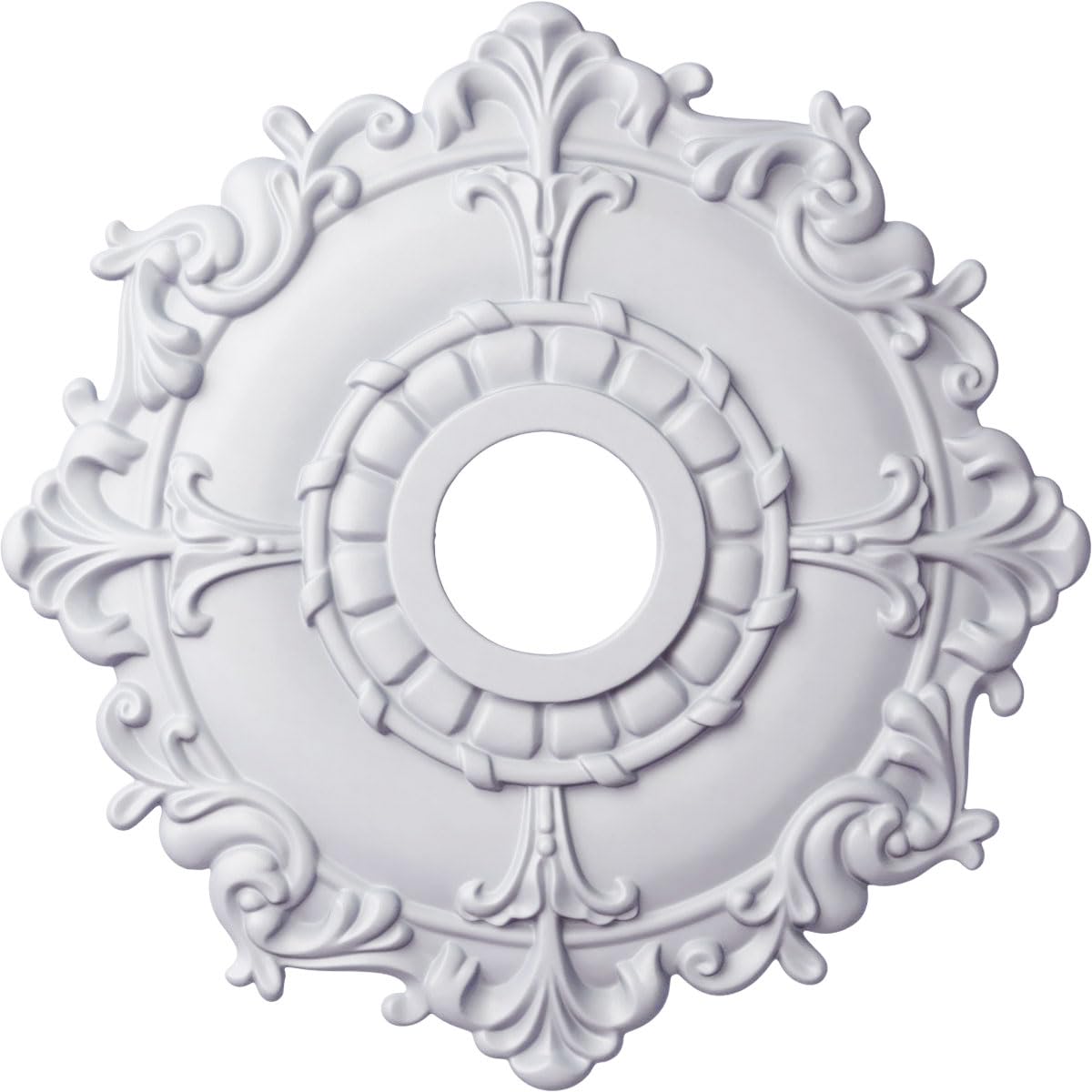
An 18-inch medallion with crisp, deep carving, a true flat back, and a lightweight polyurethane build that makes installation straightforward.
Why I picked it: I chose this for its defined detail, authentic look, and flat back that lays against the ceiling.
Best for: Mid-size rooms where you want an elegant focal point behind a chandelier or fan.
A cost-effective way to get a high-end look.
Pros
- Crisp, deep detail
- Flat back for easy mounting
- Very lightweight
- Paintable primed finish
Cons
- Primed finish can vary
- Requires paint for final look
My take
This 18-inch Riley medallion surprised me — the photos didn’t capture how defined the detail is in person.
The piece is lightweight, so I could hold it up by myself while aligning the fixture; that saved me a second set of hands during installation.
The back is reliably flat, which meant I had minimal gaps to fill on my ceiling and no heavy sanding to force it flush.
I did paint it after a light scuff; the primed surface accepted both latex and oil-based paints without fuss and the relief popped once finished.
2. Ekena Millwork Bradford Ceiling Medallion – Best Small
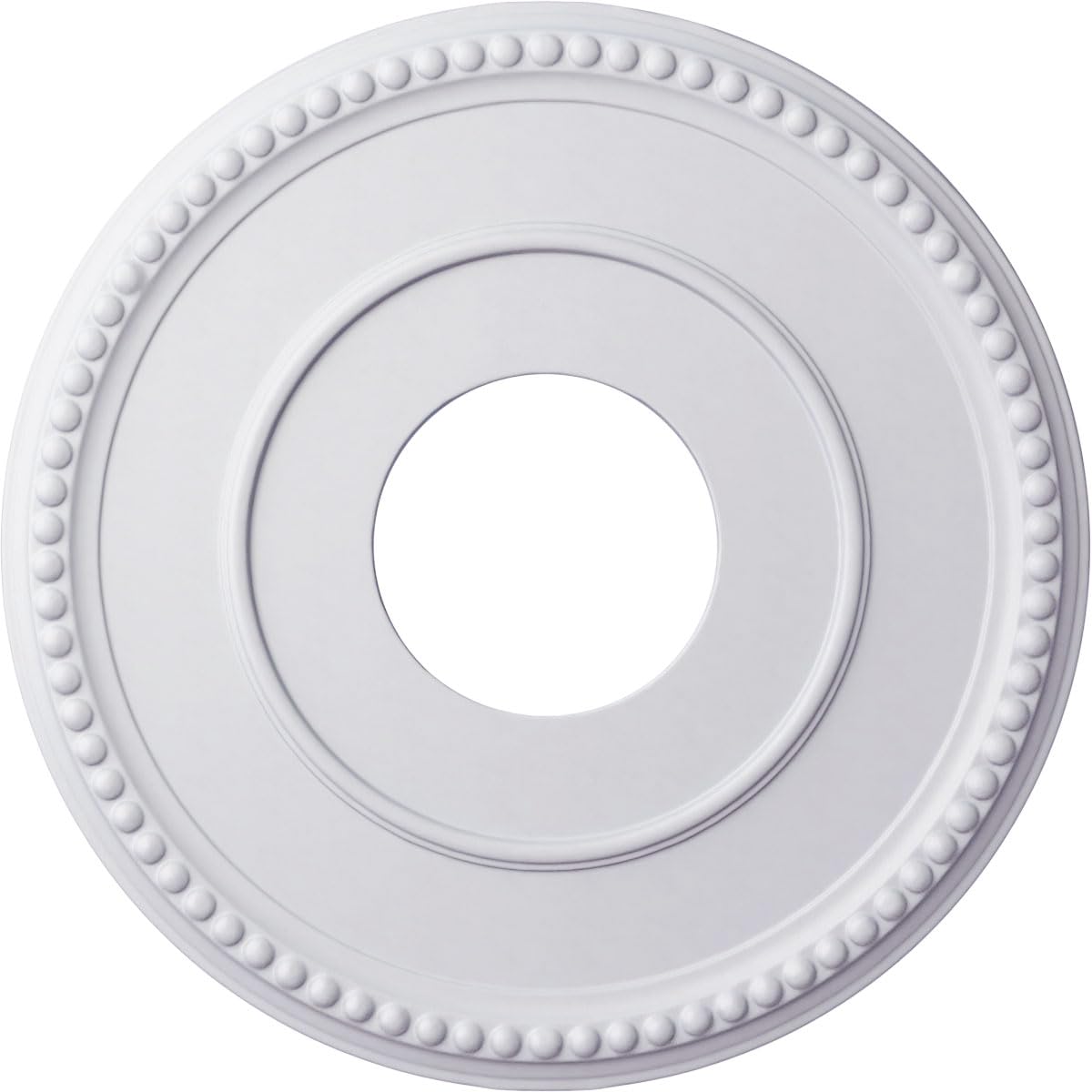
A compact 12-1/2-inch medallion with substantial thickness and refined detail — a good choice when ceiling space is limited.
Why I picked it: I picked this for small fixtures because it packs noticeable detail into a compact diameter and feels more substantial than thin plastic options.
Best for: Small entryways, bathrooms, and fixtures above bedside lamps or sconce areas.
Affordable without sacrificing perceived quality.
Pros
- Compact but detailed
- Substantial thickness
- Factory primed and paint-ready
Cons
- Requires longer screws if attaching through medallion
- Primed finish may need touch-up
My take
The Bradford’s 12-1/2-inch size hit the sweet spot for a small foyer light — it hid the rough opening and added classic character without overpowering the space.
I noticed it’s thicker and sturdier than the thin plastic medallions I’ve tried, which made it feel like the real deal.
A practical caveat: if you plan to fasten through the medallion, choose longer screws or glue it to the ceiling. The 3/4-inch projection is attractive but affects screw selection.
3. Westinghouse Smooth Ceiling Medallion – Best Budget
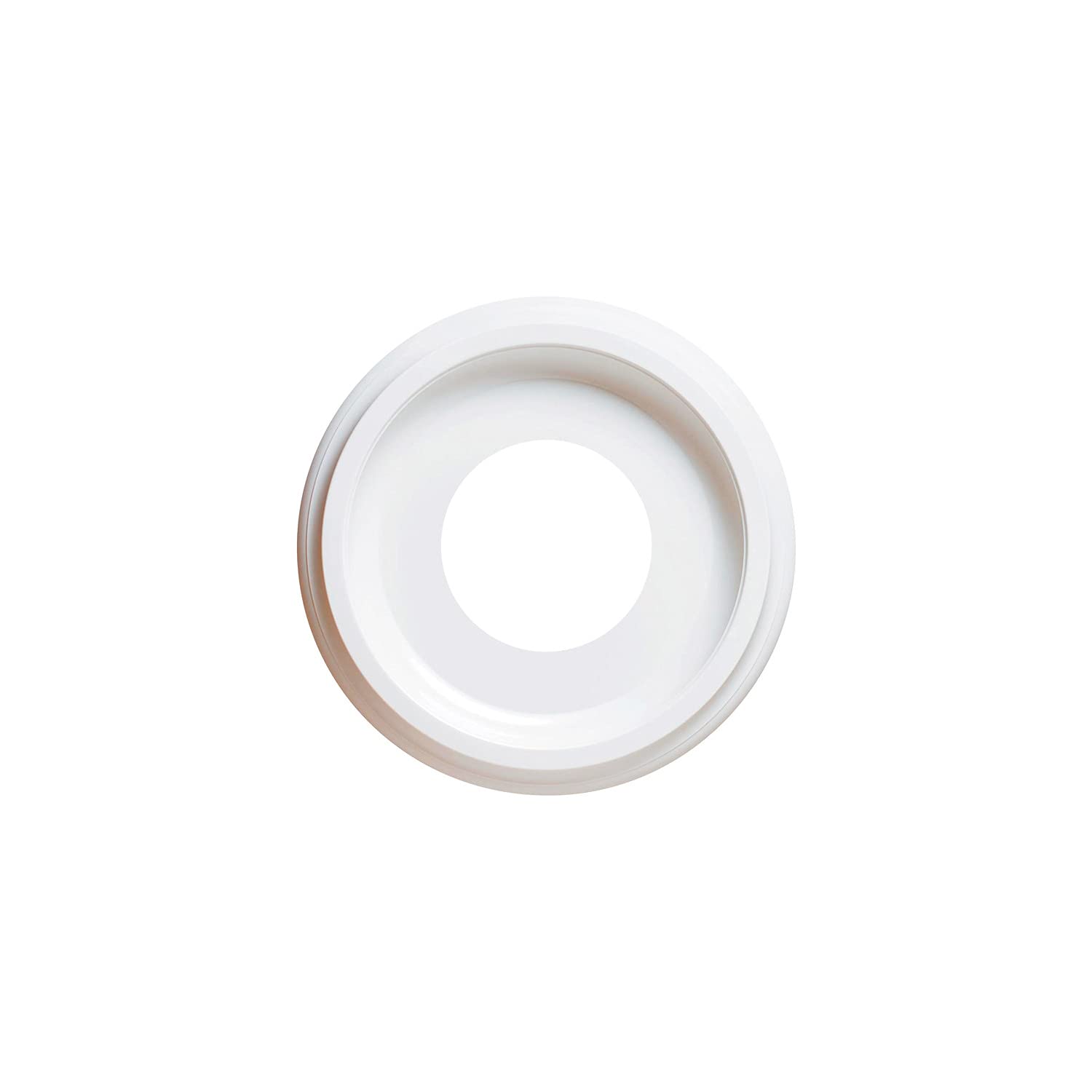
A simple, small medallion with smooth lines — inexpensive and useful for covering oversized junction-box cuts or sparking a quick refresh.
Why I picked it: I kept this on the list because it’s an economical, no-nonsense option that masks installation blemishes well.
Best for: Porches, garages, or any area where you want a quick, inexpensive tidy-up.
Budget-friendly choice for simple projects.
Pros
- Clean, simple profile
- Good for hiding large holes
- Easy to sand and paint
Cons
- Looks like plastic until painted
- Adhesive sold separately
My take
I used the Westinghouse medallion to cover an oversize hole left by rough construction, and it did exactly what I needed: quick, clean, and unobtrusive.
The molded plastic surface benefits from a light sanding before paint — that step turned a plain plastic look into a very acceptable finish.
Installation is straightforward, but remember to have a good adhesive on hand because it isn't included with the piece.
4. Ekena Millwork Rose Ceiling Medallion – Best Decorative
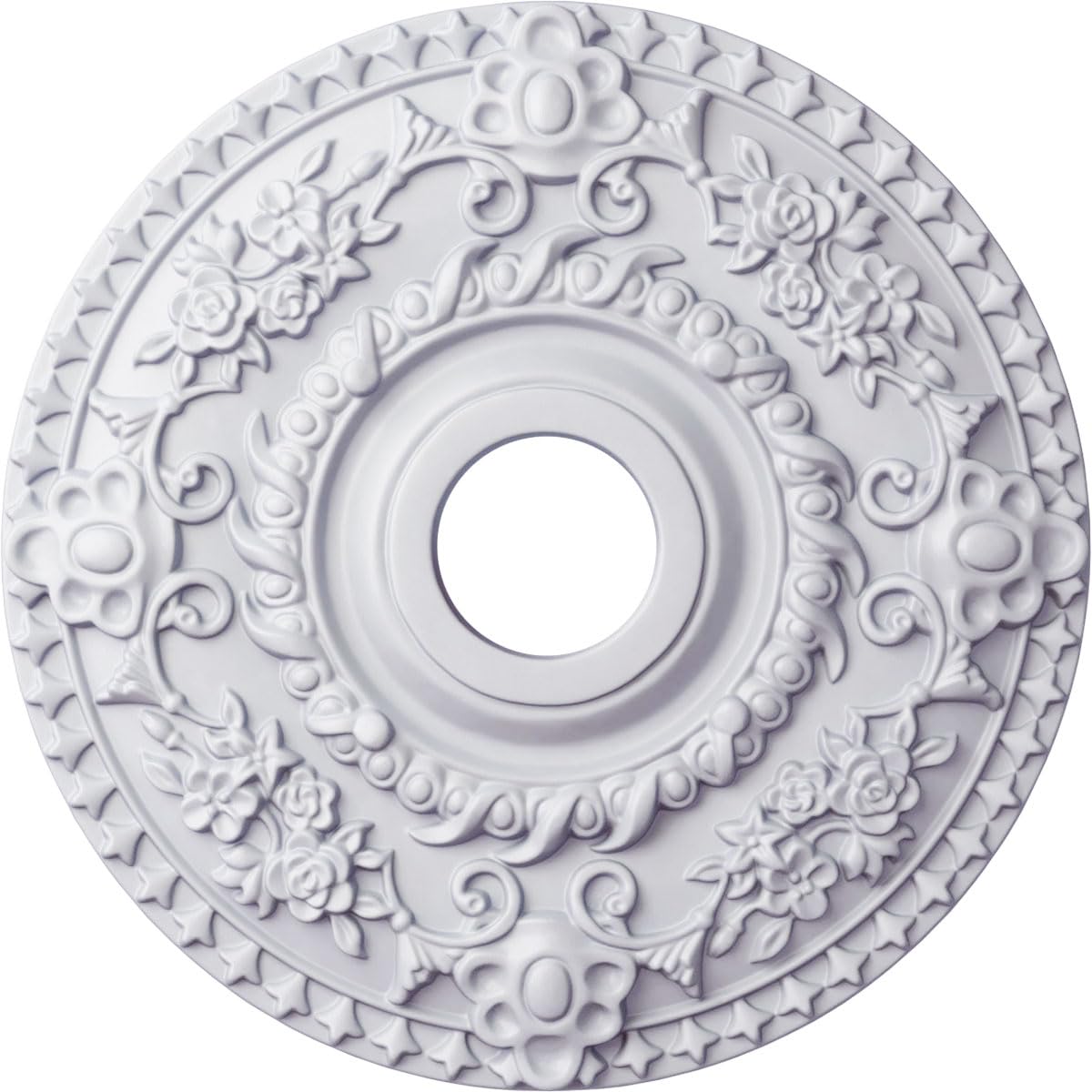
An 18-inch decorative medallion with ornate patterning and a smooth primed coating that takes paint well for a dramatic finish.
Why I picked it: I selected this for rooms where ornamentation should be the star — its pattern reads well from below and pairs nicely with ornate fixtures.
Best for: Dining rooms and formal spaces with decorative chandeliers.
A midrange option for a detailed, decorative look.
Pros
- Highly ornate pattern
- Smooth primer coating
- Lightweight for size
Cons
- May need minor sanding
- Primed finish can vary by piece
My take
The Rose medallion added instant formality to a dining room I was reworking; its detailing matched my ornate chandelier without competing with it.
I found the surface accepted both metallic and traditional paints well — a metallic finish in particular brought out the relief beautifully.
The piece installs easily because it’s light, and I appreciated that the pattern reads from across the room rather than getting lost.
5. Ekena Millwork Benson Ceiling Medallion – Best Large
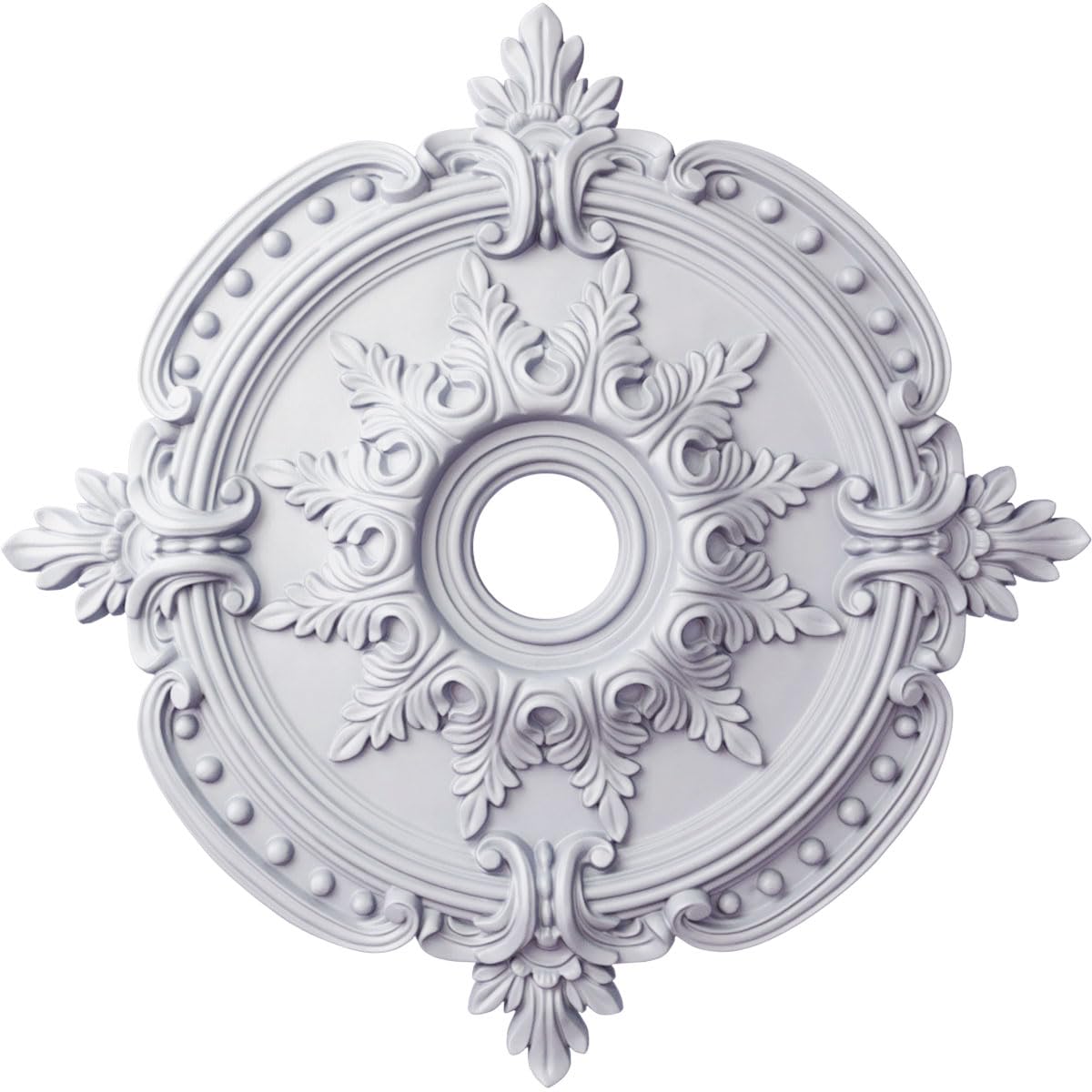
A striking 28-inch medallion that makes a bold statement in large rooms; lightweight construction keeps installation manageable.
Why I picked it: I picked the Benson when I needed scale — it fills a large ceiling and frames big chandeliers without the weight of plaster.
Best for: Large living rooms, grand dining rooms, and entry halls with sizable fixtures.
A larger, more premium-feeling option.
Pros
- Impressive, room-defining scale
- Lightweight for its size
- Good surface detail
Cons
- Back may need light sanding
- Color variation possible
My take
On a 14-foot ceiling the Benson medallion transformed the space; the 28-inch diameter created the focal point I wanted.
The medallion is surprisingly light for its size, which made it possible for two of us to manage the install without scaffolding.
I did sand a few high spots on the back so it would sit completely flush, and I recommend testing fit before attempting to reattach the fixture.
6. Attica Ceiling Medallion – Best for Canopies
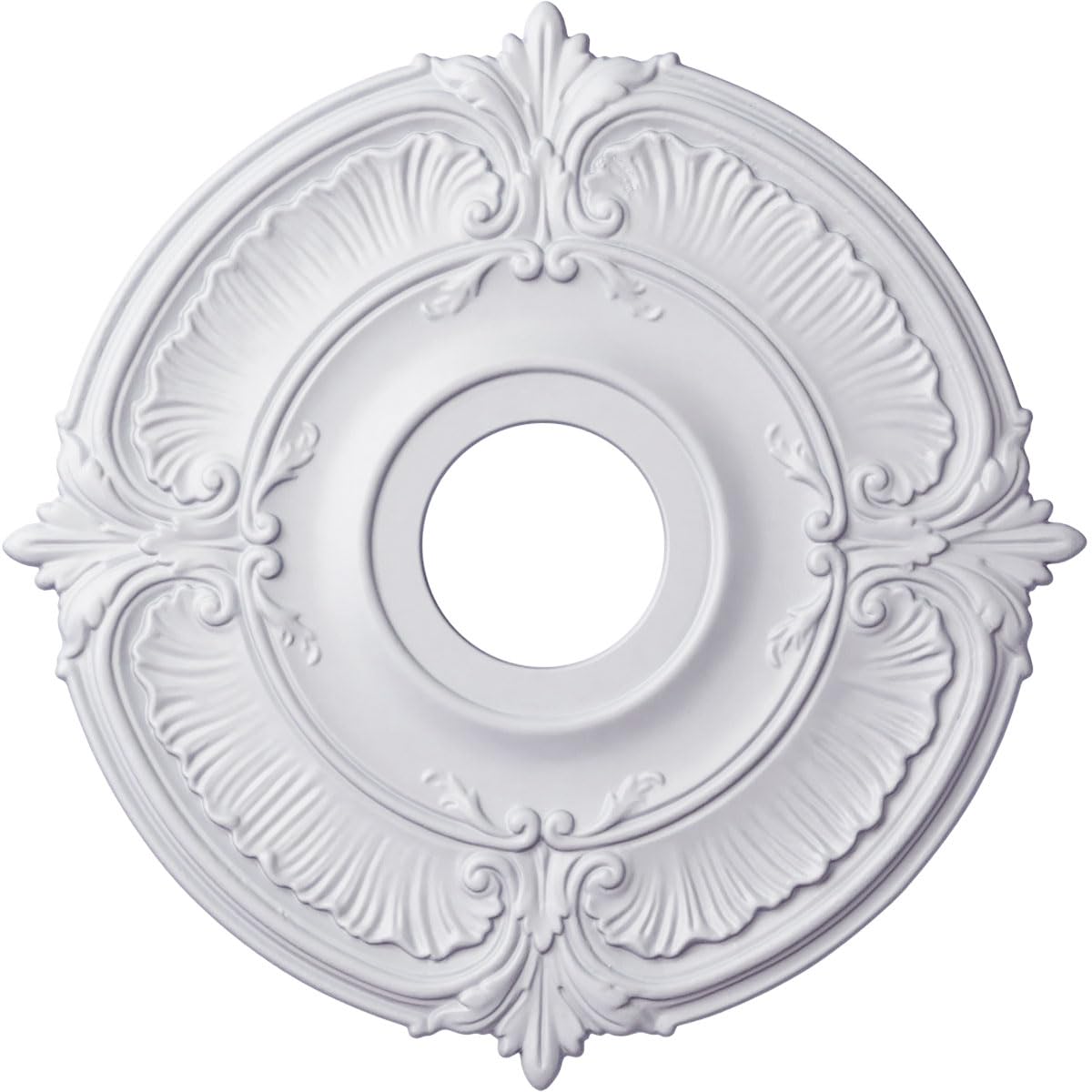
An 18-inch medallion designed with a 4-inch inner opening that accommodates common canopies — a practical choice for snug fixture fits.
Why I picked it: I kept this on the list because its inner opening and canopy compatibility made putting it over an existing light canopy simple.
Best for: Rooms where the fixture canopy must sit inside the medallion opening.
A practical, midrange option for canopy compatibility.
Pros
- Fits common canopies well
- Lightweight and easy to handle
- Paintable primed surface
Cons
- May look plastic until painted
- Might be small for very large rooms
My take
I used the Attica medallion over a fixture with a roughly 4-1/2-inch canopy and the fit was just right — the canopy sat neatly inside the opening.
Because it’s light, the fixture itself held the medallion in place without extra adhesive in my install, but I still dry-fitted everything first.
If your room is very large, I recommend sizing up; for average rooms it’s a tidy, effective way to dress up a light.
How I Choose Ceiling Medallions
Size and room scale
I always size a medallion to the room and the fixture. Small rooms and fixtures look best with 10–16 inch medallions; medium rooms with standard chandeliers are ideal for 16–22 inches; and large rooms benefit from 24 inches or larger.
- Measure fixture canopy and ceiling height before ordering.
- If in doubt, go slightly larger — an undersized medallion gets lost.
- Match medallion scale to fixture visual weight (delicate fixtures = smaller medallions).
Material and finish
I prefer lightweight polyurethane because it holds detail well and is easy to handle during installation. Plastic medallions often need more paint prep to avoid a plastic appearance.
- Look for factory-primed surfaces for an easier paint job.
- Sand glossy molded plastic lightly so paint adheres.
- Two coats of paint usually give the best, even coverage.
Installation tips I use
I check the medallion’s back for flatness before final installation, and I dry-fit the fixture so I know whether I’ll need longer screws, adhesive, or a few shims.
- Use construction adhesive plus a couple of brads for long-term hold when not screwing through the medallion.
- If attaching through the medallion, choose screws long enough to reach the junction box but not so long they protrude.
- Test-fit and mark high spots on the back if sanding is required to make it lay flush.
Frequently Asked Questions
Do ceiling medallions need to be painted?
I always paint primed medallions for the best result. The factory primer is usable, but I find sanding and applying two topcoats produces a durable finish that hides any plastic-looking sheen.
Can I install a medallion without removing the light fixture?
I prefer to remove the fixture when possible so I can seat the medallion flush and reattach the fixture with correct screw lengths. In some cases the fixture canopy will hold the medallion in place, but that’s a fit-specific call I always confirm with a dry-fit first.
How do I size a medallion for my chandelier?
I size medallions by room and fixture: small fixtures 10–16 inches, typical chandeliers 16–22 inches, and large or statement chandeliers 24 inches and up. I’ll go larger if the room is open and ceilings are high.
Final Take
I’ve installed every medallion in this roundup and stand by these choices: pick smaller medallions to tidy up fixtures and large, ornate pieces when you want the ceiling to be the centerpiece.
Plan for a light sanding, the right screws, and a couple of paint coats — those small steps are what make a medallion look custom and finished.
