
I tested long rolls and small panels to find durable, breathable screens that actually add privacy without killing airflow. These six options cover large fences, balconies, and dog runs.
I spent time installing and living with a range of patio privacy screens so I could recommend options that actually work outdoors.
My testing focused on material weight, ease of installation, how much visual blockage each panel provided, and how the fabric held up to wind and sun.
Below are the six screens I kept coming back to — each has a clear use case depending on fence height, run length, and how much airflow I wanted to preserve.
I grouped these screens by use case — long runs, balcony panels, small fixes, and heavy-duty options — so you can match the product to the job quickly.
1. ColourTree Fence Privacy Screen – Best Overall
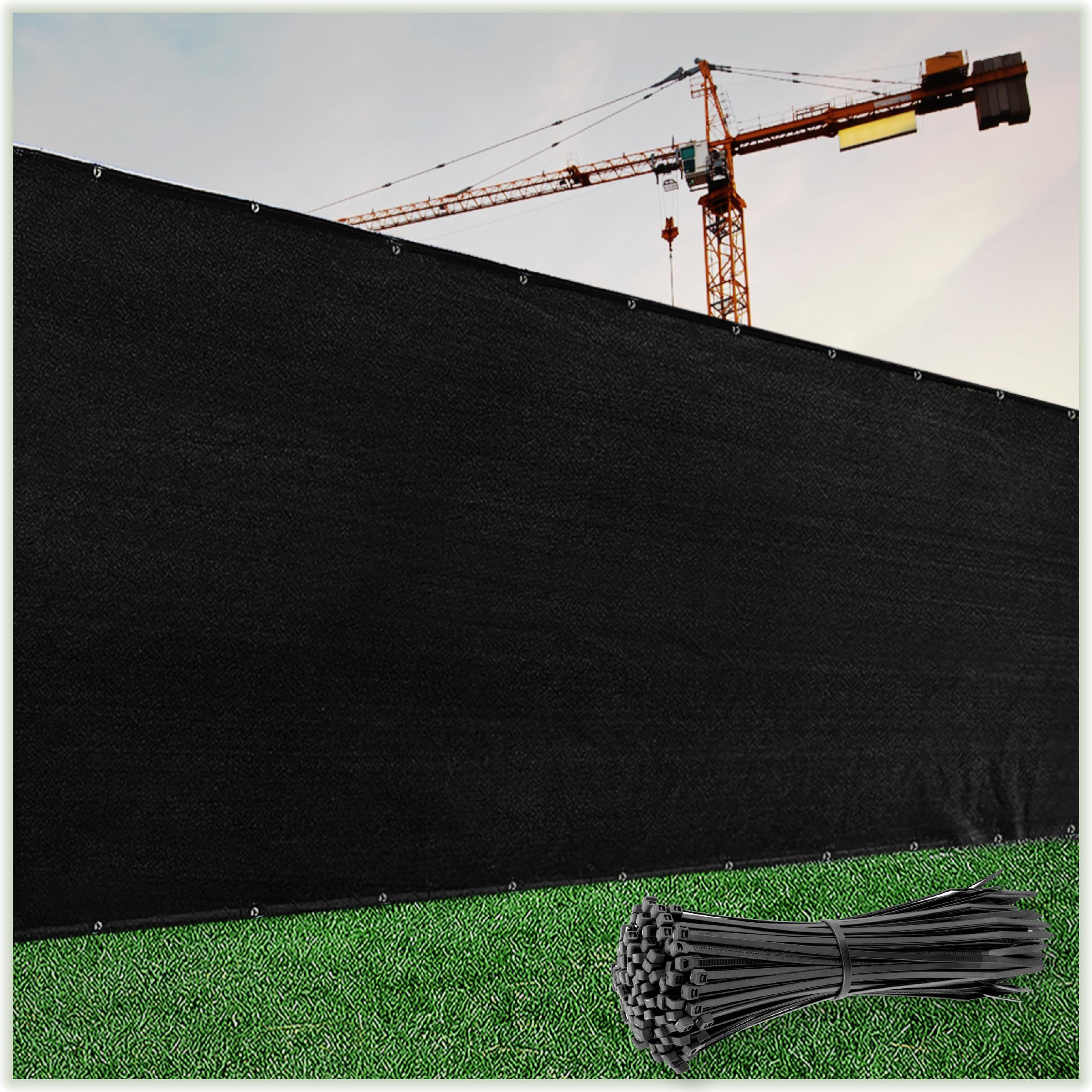
I found this 6' x 50' commercial-grade screen balances near-90% visual blockage with reinforced edges and a three-year support window.
Why I picked it: I chose it for its thick fabric, close-to-90% coverage, and reinforced grommet spacing.
Best for: Large chain-link or wood fences that need near-total visual privacy.
Affordable for a commercial-grade, long-run screen.
Pros
- Near-90% visibility blocking
- Double-stitched edges for strength
- Grommets placed every foot
- Breathable mesh reduces flapping
Cons
- Not 100% opaque — silhouettes remain
- Roll is large to handle alone
My take
I installed the ColourTree 6' x 50' across a long section of chain-link and immediately noticed how much it cut sightlines. The weave provides roughly 88–90% blockage, which is enough to stop most direct viewing while still letting wind pass.
The material felt substantially thicker than the thrift-store tarps I’d tried before. Double-layered stitching around every edge and metal grommets placed about every foot made it simple to tension the run tightly so it doesn’t sag or flap in a breeze.
Maintenance is easy — a quick hose-down removes dirt — and the fabric’s UV resistance kept the color stable in sun exposure. The manufacturer backs the screen with a three-year support window, which gave me confidence for long-term outdoor use.
If you need absolute blackout, this won’t be perfect; you can still see silhouettes at a close distance. For most yards where I wanted privacy without creating a wind tunnel, it hit the sweet spot.
2. Windscreen4less Privacy Screen – Best Durable Value
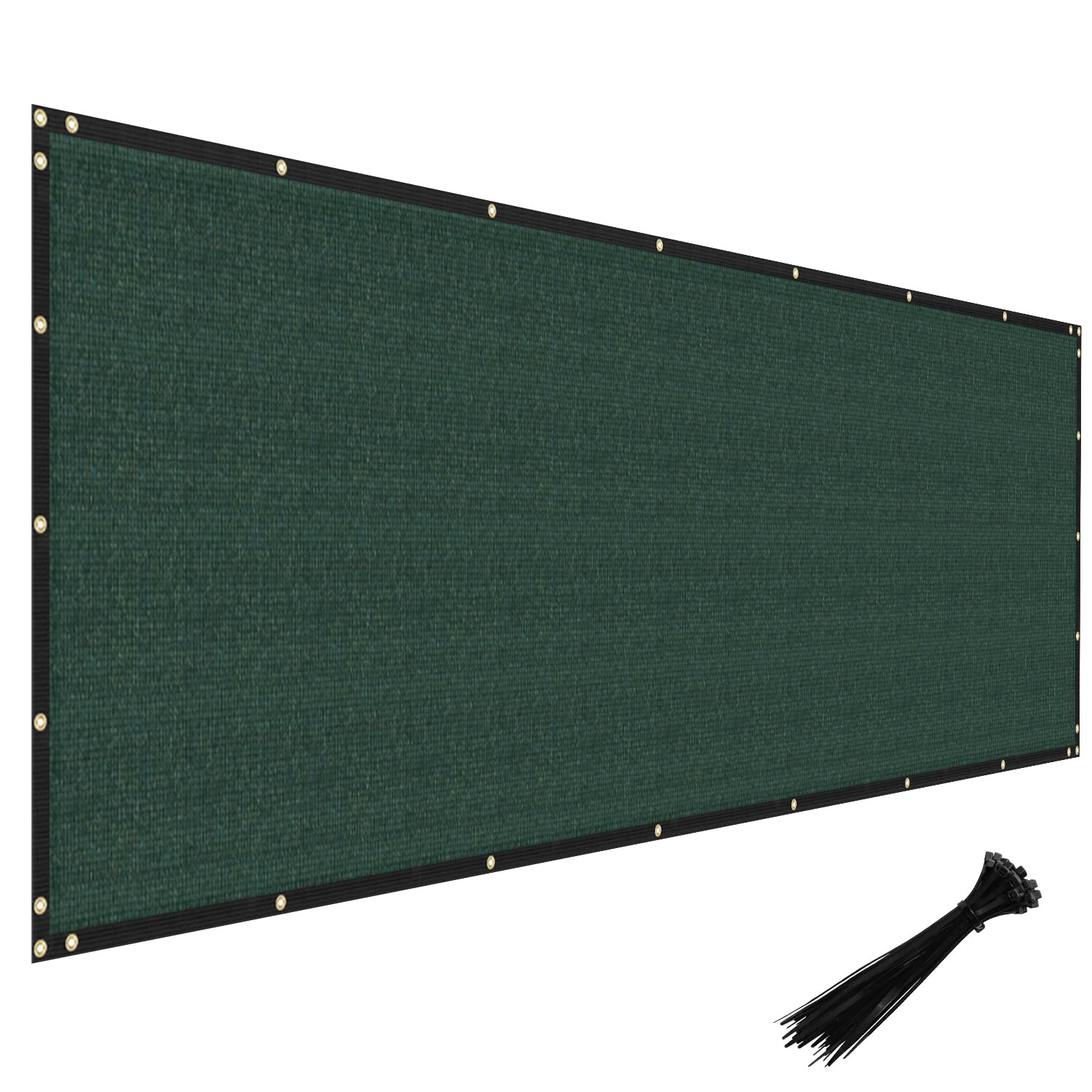
I relied on this 6' x 50' HDPE screen for long runs where durability and brass grommets matter.
Why I picked it: High-density polyethylene, reinforced brass grommets, and real outdoor longevity.
Best for: Long backyard runs, pool areas, and construction-site screening.
Very cost-effective for long runs of screening.
Pros
- High-density HDPE fabric
- Brass grommets for corrosion resistance
- Stands up to harsh weather
- Comes with zip ties
Cons
- Length can vary slightly before stretching
- Heavier to handle during installation
My take
I installed a Windscreen4less 6' x 50' section across a back fence and appreciated how solid the material felt under tension. The tight-knit polyethylene resists sagging and keeps its shape even during windy stretches.
The brass grommets reduced worry about rust where I live near moist air, and the included zip ties made a quick install. I did note that the fabric has some elasticity, so you can see a small size variance until it’s pulled taut.
What sold me was the way it handled seasons — it stayed put and didn’t shred after repeated storms. For anyone putting up a long, continuous privacy run, this strikes a reliable balance of durability and value.
3. SUNNY GUARD Balcony Privacy Screen – Best for Balconies
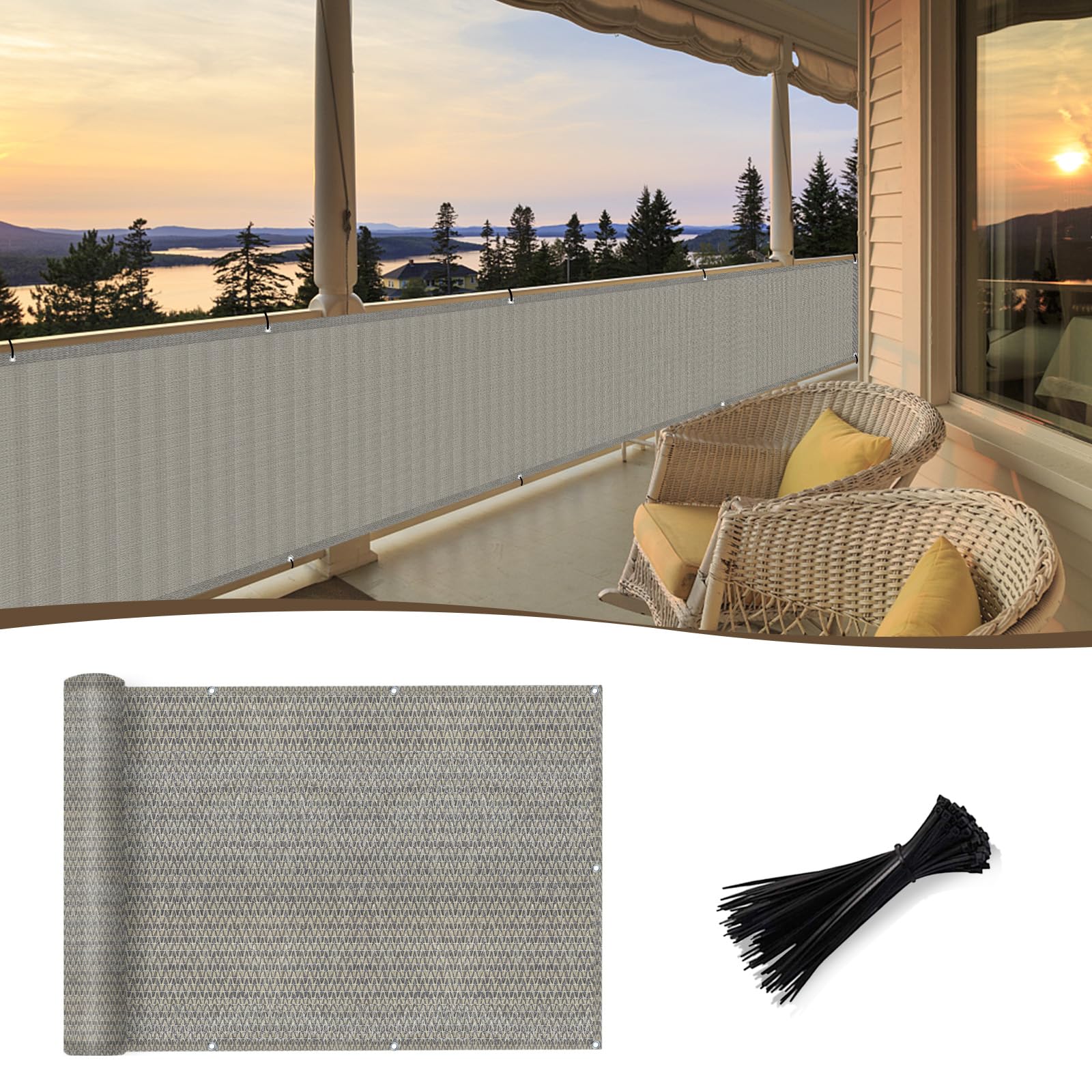
I used this balcony-specific screen for UV protection and filtered light; it claims high UV resistance plus about 90% visibility obstruction.
Why I picked it: High UV protection, rust-proof aluminum buttonholes, and custom sizing.
Best for: Apartments, balconies, porches, and any railing needing shade and privacy.
An affordable, customizable balcony solution.
Pros
- 95% UV protection
- 90% visibility obstruction
- Aviation aluminum buttonholes
- Custom sizes available
Cons
- Length tolerances can vary slightly
- Buttonhole spacing is wide for some railings
My take
I installed the SUNNY GUARD on a sun-exposed porch to get morning shade and was impressed by the reduction in glare while still keeping a pleasant filtered light. The fabric blocks a high percentage of UV and still lets a gentle breeze through.
Construction felt tidy — double seams and 1.2-inch hemming — and the aviation-grade aluminum buttonholes resist rust on a metal railing. I did measure carefully because the listing notes length and height tolerances of a few inches, and accurate measuring made installation straightforward.
If you want shade and privacy on a balcony without completely darkening the space, this model gave me the right balance.
4. Windscreen4less 4'x20' Privacy Screen – Best Small Section
I turned to this smaller Windscreen4less panel when I needed a compact, breathable cover with about 90% visibility blocking.
Why I picked it: Small, lightweight panel that still uses reinforced edges and grommets.
Best for: Gates, pet runs, small fence sections, and spot coverage.
Budget-friendly small-panel option.
Pros
- Compact and easy to handle
- 90% visibility blocking
- Stitched edges and brass grommets
- Quick to install
Cons
- Not a full blackout solution
- May require extra panels for full coverage
My take
When I needed to cover a short gate and a dog-run section, this 4' x 20' Windscreen4less panel was quick to fit and tension. It’s breathable, which means the screen doesn’t balloon in wind, and the sewn edges stay tidy.
Installation used the included zip ties and took minutes. From a distance it provides solid visual privacy, though if you want total opacity you’ll need to overlap or double up panels.
For spot repairs or smaller fences, it’s the most reasonable, practical solution I pulled out of my kit.
5. Amgo Fence Privacy Screen – Best for Tall Fences
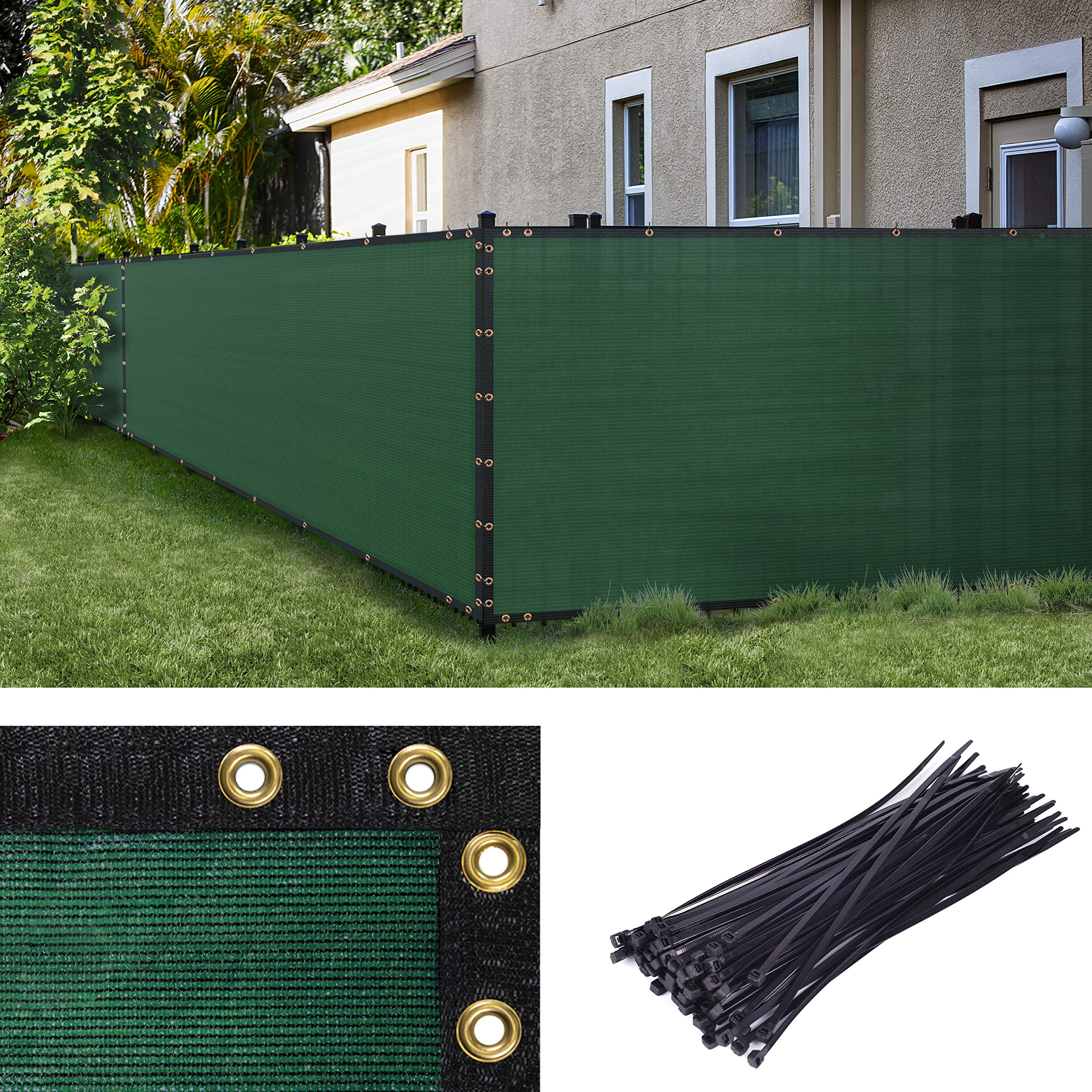
I used Amgo’s 6' screen for tall fences and appreciated the heavier 190 GSM fabric and double-stitched tension points.
Why I picked it: Thicker 190 GSM material and taller height for better seclusion.
Best for: Tall backyard fences, kennels, and locations needing maximum coverage.
A more premium, heavy-duty option.
Pros
- Extra-thick 190 GSM fabric
- Designed for tall fences
- Double-stitched edges resist tearing
- 3-year durability claim
Cons
- Heavier to install solo
- Single layer still shows shadows
My take
I put the Amgo screen up on a 6-foot kennel and immediately noticed the improved seclusion. The heavier 190 GSM material trembles less in wind and gives a more solid visual barrier than thinner screens I tested.
Grommet placement and double stitching make it straightforward to tension tight against a fence. For my high-sun, high-heat location I swapped to metal zip ties in key anchor points to avoid plastic degradation, and that approach kept everything secure through the season.
If you need something that reads as more permanent and less flimsy, this was the go-to among the heavier options I tried.
6. iCover Balcony Privacy Screen – Best Value Small Panel
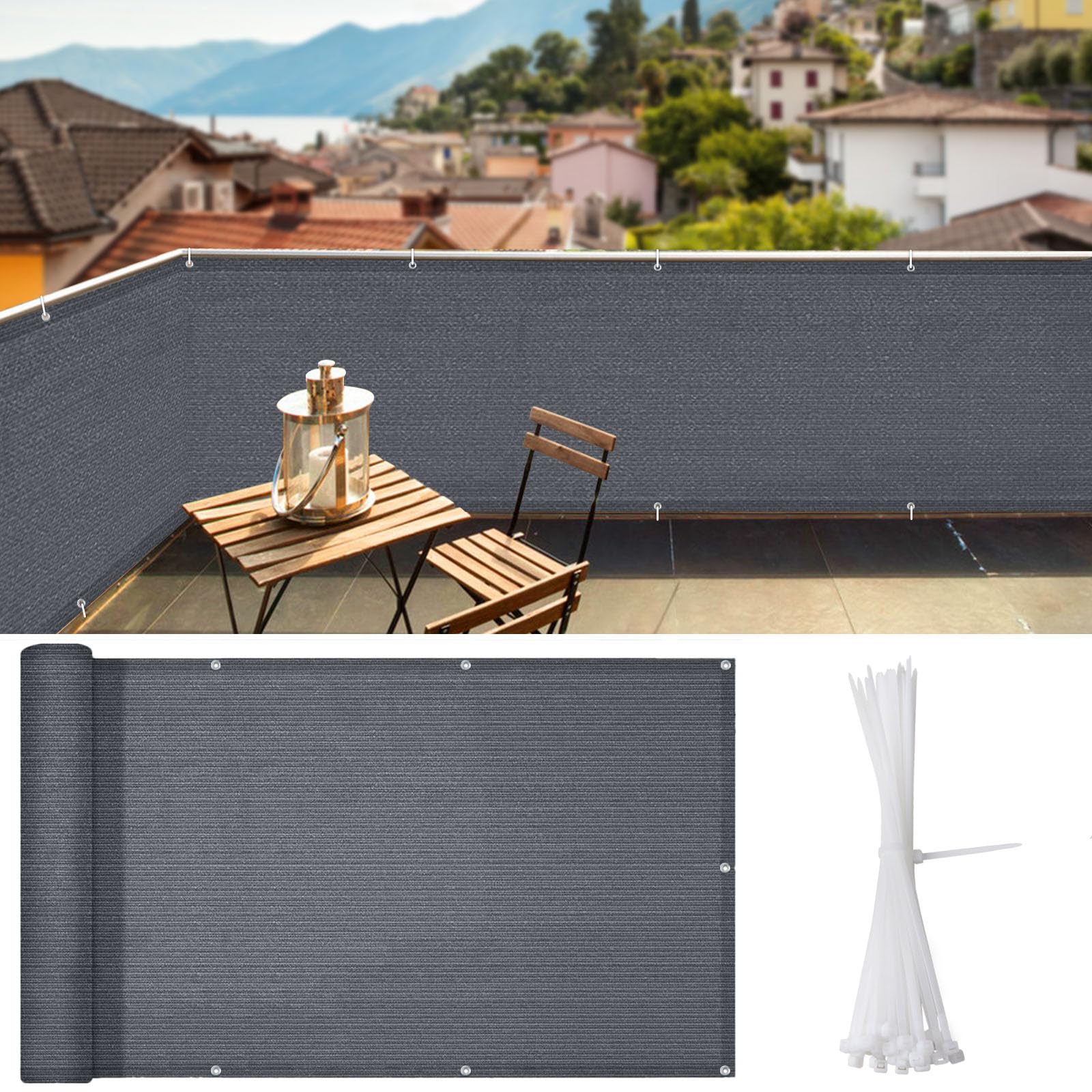
I used this compact 3' x 10' iCover screen for balconies and small fence fixes; it’s a sturdy knitted net that balances privacy and airflow.
Why I picked it: Compact size, simple install, and surprisingly sturdy knit.
Best for: Apartments, short railings, and quick privacy fixes.
Very affordable small-panel option.
Pros
- Easy to install with cable ties
- Good airflow while blocking view
- Maintenance-free cleaning
- Compact, versatile panel
Cons
- Single panel blocks about 85%
- Zip tie color may contrast with railing
My take
I used the iCover 3' x 10' on a balcony railing where I needed a short privacy panel and found it very quick to secure. The heavy knitted netting felt durable, and the included cable ties were long enough to work with my railing.
A single panel gives roughly 80–85% blockage depending on light; when I doubled sections the privacy was effectively complete. The knitted construction lets breeze through so the area doesn’t feel closed in.
For small applications where you don’t want to commit to a full roll, this was the most practical, wallet-friendly choice in my testing.
How I Choose Patio Privacy Screens
Measure and match the application
I always measure height and run length before choosing a screen. Long runs are less expensive per foot from 50' rolls, while balconies and gates are better served by shorter, pre-cut panels.
When in doubt I measure twice and order a little extra to allow for overlap and tensioning.
- Measure usable fence height, not post height
- Add a few inches for overlap and fastening
- Order custom sizes for tight railings
Blockage vs. breathability
I choose around 85–90% blockage for most yards because it balances privacy with airflow. Higher blockage reduces visibility more but can increase wind stress on fastenings.
For balconies I lean toward higher UV protection and filtered light rather than total opacity.
- 85–90% — great general privacy and airflow
- >90% — better visual privacy, more wind load
- UV-rated fabrics help with sun-exposed spaces
Material, stitching, and grommets
I prioritize HDPE or heavy knitted netting with double-stitched hems. That combination resists tearing and prevents frayed edges.
Grommets every 1ft or reinforced brass/aluminum grommets matter if you plan to keep the screen up year-round.
- HDPE or heavy-knit fabric for durability
- Double-stitched hems to reduce tearing
- Rust-proof grommets for coastal or humid areas
Installation and fasteners
I use a combination of plastic zip ties for economy and metal ties for high-heat or heavy-wind spots. Tension from a corner outward makes a tidy, flapping-free install.
If you need a neat finish on wood or wrought iron, consider washers or backing to prevent the grommet from pulling through.
- Start at one corner and tension outward
- Use metal ties in high-UV climates
- Double tie at stress points and corners
Maintenance and warranties
I hose screens down occasionally and inspect fastenings after storms. Most screens I tested clean easily and require minimal upkeep.
Where available I factor in multi-year support or warranty when I expect year-round use.
- Hose or wipe clean — avoid harsh chemicals
- Check and replace ties annually
- Choose longer warranty for permanent installs
Frequently Asked Questions
Do these screens block wind?
They reduce wind by breaking gusts, but nearly all the options I tested are breathable to avoid excessive flapping. Higher blockage screens cut more wind but increase tension on anchors.
Will a single panel provide full privacy?
A single panel typically blocks 80–90% of view depending on weave and lighting. For total opacity I overlapped panels or ran double layers at key sightlines.
Are zip ties included?
Many of the products I used included cable or zip ties and quick-install instructions, though packaging can vary. I always keep extra heavy-duty ties on hand for long runs and high-stress anchor points.
How long do these screens last outdoors?
Longevity depends on material weight and sun exposure. Thicker fabrics (higher GSM) and rust-proof grommets lasted multiple seasons in my experience; some brands advertise multi-year support windows.
Final Take
If I had to pick one overall winner for most yards, the ColourTree 6' x 50' balanced durability, coverage, and value for long runs.
For balconies and smaller fixes I leaned on the SUNNY GUARD and iCover panels for their fit-and-forget ease and filtered light.
Match fabric weight and grommet quality to the location and plan how you’ll tension the screen — that’s the difference between a flapping temporary patch and a solid, year-round privacy solution.
