
I tested pattern books and stencils so you can pick the right barn-quilt project for your skill level — from simple star blocks to full-size blue-and-white quilts and reusable stencils for walls and wood.
I’ve spent time working through pattern books and painting with stencil sets to figure out which options actually make barn-quilt projects easier and more enjoyable. My goal was to find straightforward pattern books for beginners, a deep reference for block ideas, practical reusable stencils, and a visually inspiring option for larger projects.
Below I explain what I used each product for, who it fits best, and the practical trade-offs I encountered while making quilts and painted barn blocks.
If you want quick, simple blocks I gravitated toward the Traditional Patchwork book; for block variety and design flexibility the Quilt Block Genius is the go-to resource; if you’re painting a barn block or wall, the FINGERINSPIRE stencil set saves time; and if you want inspiration and large projects in a cohesive colorway, Patches of Blue delivers.
1. Traditional Patchwork Quilt Patterns – Best for Beginners
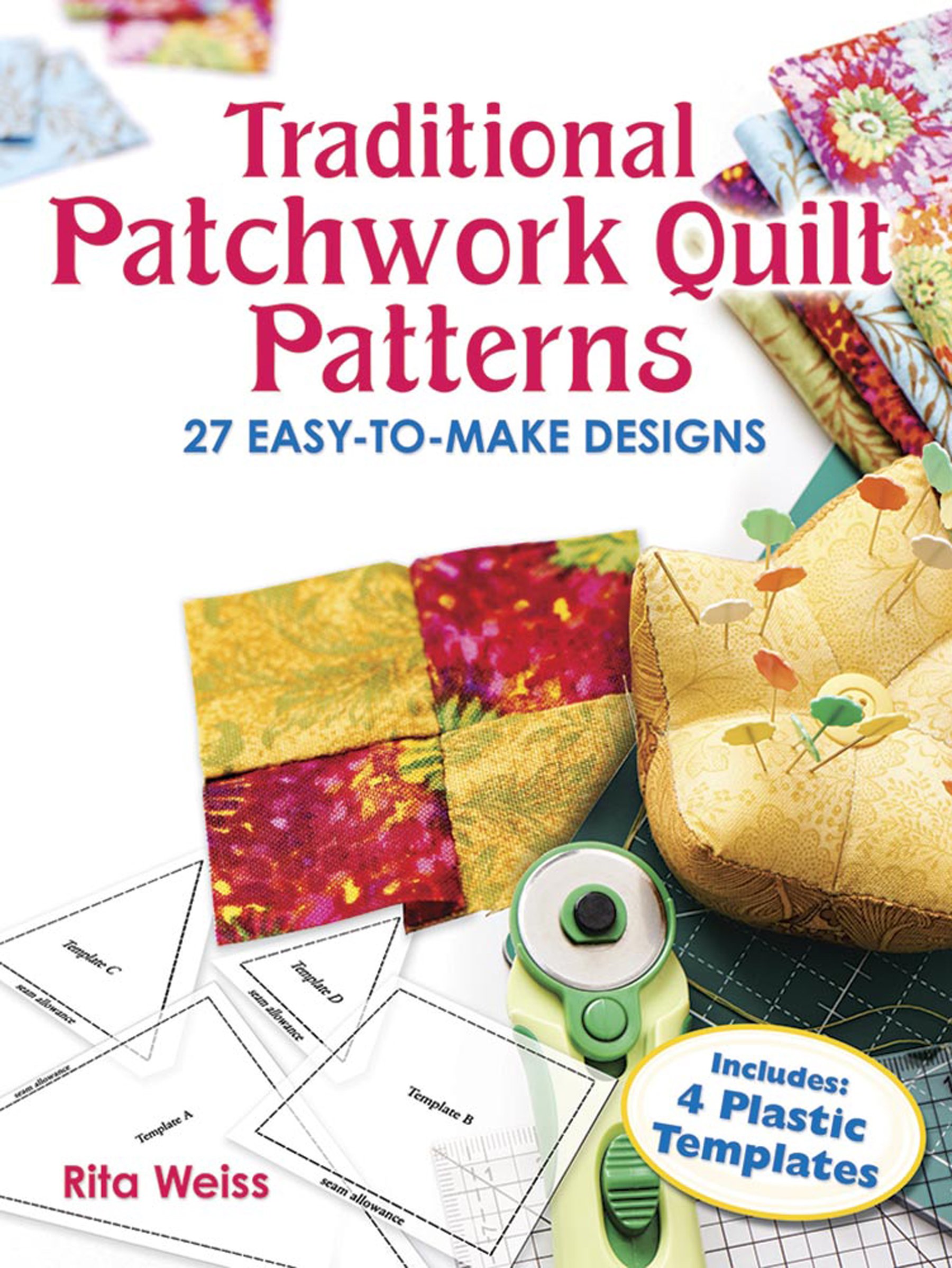
A straightforward paperback that ships with plastic templates and clear instructions; ideal for starting star and classic patchwork blocks.
Why I picked it: It includes physical templates and simple step-by-step instructions that helped me finish projects quickly.
Best for: New quilters and anyone wanting simple, classic barn-quilt blocks.
An affordable, entry-level pattern book.
Pros
- Plastic templates included
- Clear step-by-step instructions
- Classic, easy-to-follow patterns
- Good for small gift quilts
Cons
- Limited to traditional designs
- Not challenging for advanced quilters
My take
I appreciated how the included plastic templates got me sewing sooner — I didn’t need to draft complicated pieces and could start piecing star blocks the same day.
The instructions are plainspoken and easy to follow, which made my first attempts at Ohio Star and Evening Star blocks feel achievable.
This book kept the patterns simple and focused, so I used it to make small gifts and practice seams without getting overwhelmed by complicated piecing.
If you already design complex quilts, you might find the content basic, but for building confidence and finishing tidy, traditional blocks, this was one of the most approachable resources I used.
2. Quilt Block Genius (Expanded Second Edition) – Most Comprehensive
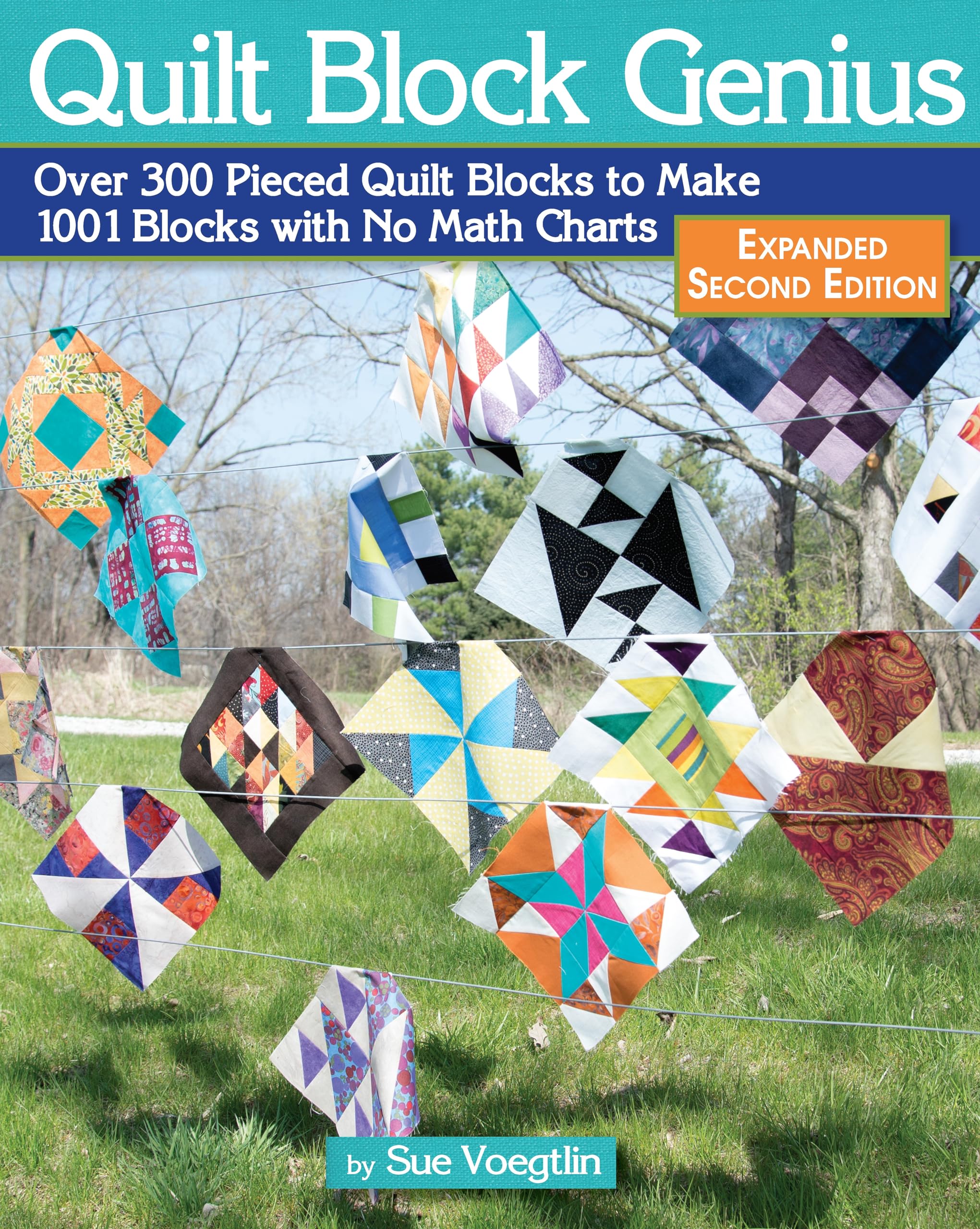
A massive reference with hundreds of pieced blocks in multiple sizes and clear diagrams — excellent for sampler quilts and creating your own settings.
Why I picked it: The sheer variety and pre-measured sizes gave me flexibility when planning sampler quilts.
Best for: Intermediate to experienced quilters who want a go-to block reference.
A solid midrange-value resource given the breadth of content.
Pros
- Huge variety of blocks
- Multiple block sizes included
- Helpful diagrams and photos
- Great for sampler quilts
Cons
- Can overwhelm beginners
- Less hand-holding on basic techniques
My take
I turned to this book when I wanted dozens of block options without doing math for each size — the pre-calculated sizes saved me layout headaches.
The diagrams and colored pictures made it easy to visualize settings and test combinations before cutting my fabric.
I made sample blocks first, which was essential; the book assumes you know basic piecing so I relied on my experience to stitch some of the more complex blocks.
Overall, this is the reference I reach for when I need variety and a starting point for sampler or mini-quilt projects.
3. FINGERINSPIRE Kaleidoscope Barn Quilt Stencil Set – Best Stencil Set
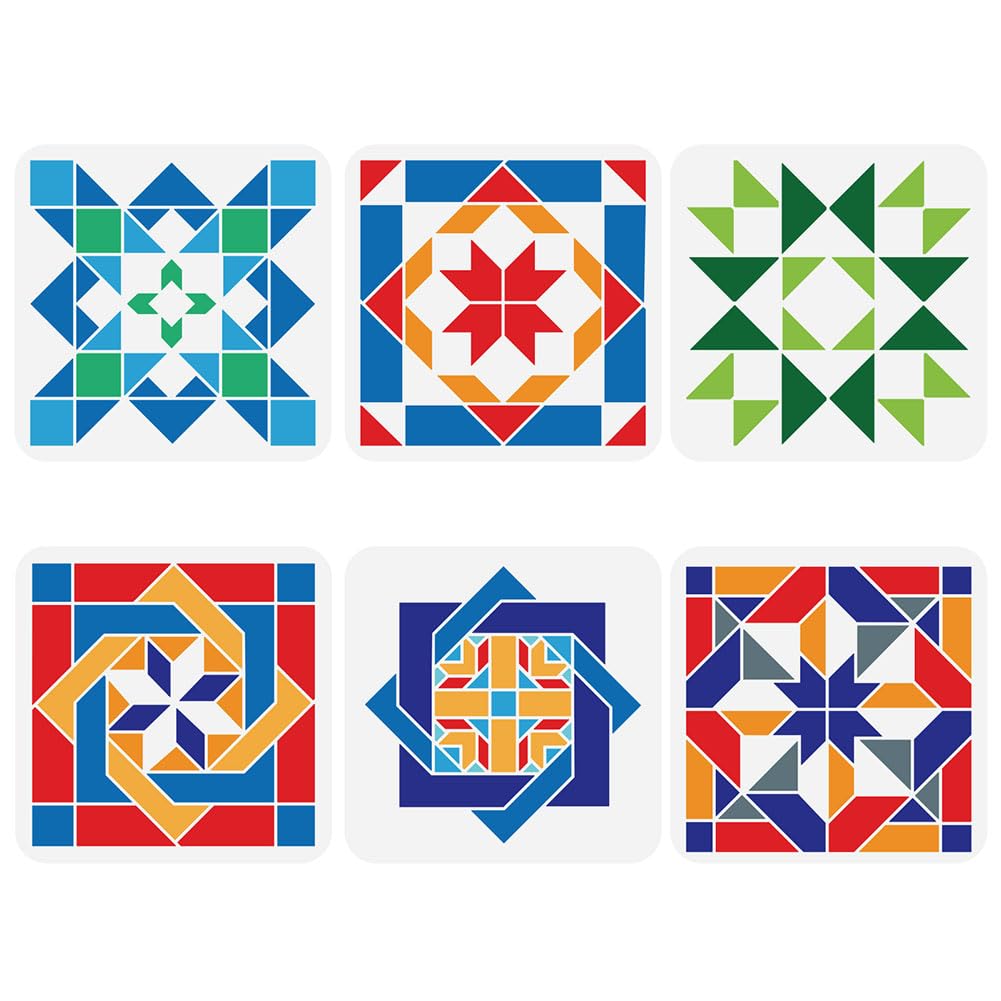
Six reusable geometric stencils sized for small to medium barn blocks; washable plastic, work on walls, wood, and canvas.
Why I picked it: They’re versatile, reusable stencils that sped up painting geometric barn-block designs.
Best for: DIY painters who want consistent geometric patterns on wood, walls, or craft projects.
A budget-friendly way to paint repeatable quilt blocks.
Pros
- Reusable and washable
- Good size for many projects
- Works on wood, canvas, walls
- Lightweight and easy to position
Cons
- Some paint bleeding possible
- A few stencils lack perfect alignment
My take
I used these stencils on a small wooden barn board and on interior plaster; taping them down and using a pouncer reduced paint bleed significantly.
The material cleaned easily with soapy water after use and held up to multiple sessions, so I kept reusing the same designs across projects.
A couple of stencil edges didn’t align perfectly on my first pass, so I adjusted technique and layered light coats of paint to tighten the lines.
For painted barn quilts where consistency and speed matter, these stencils are a practical, low-effort option.
4. Patches of Blue by Edyta Sitar – Best for Inspiration
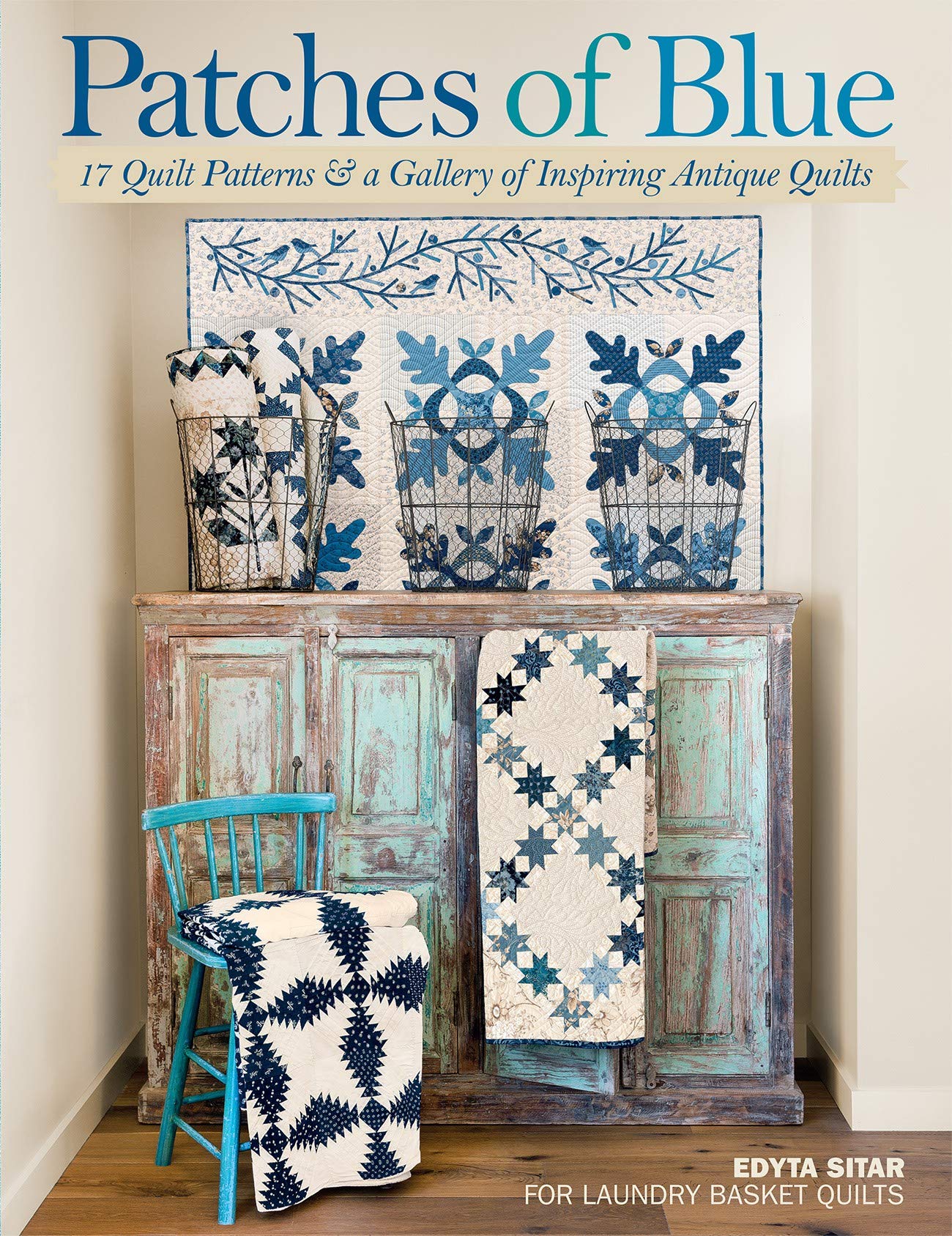
A visually striking collection focused on blue-and-white quilts, combining a gallery of antiques with clear project instructions for larger quilts.
Why I picked it: The photography and full-size project instructions inspired bigger, cohesive quilt projects for me.
Best for: Quilters seeking inspiration and polished, larger quilt projects in a unified palette.
A premium-feel book that doubles as inspiration and instruction.
Pros
- Stunning photography and layout
- Thorough project instructions
- Range from beginner to advanced
Cons
- Some pattern overlap with other works
- Primarily blue-and-white designs
My take
I kept this book on my worktable as a visual reference; the antique gallery pages gave me fresh layout ideas I translated into other colorways.
The project instructions are comprehensive, which made tackling larger quilts less intimidating than I expected.
If you already own many of the author’s individual patterns, you may spot repeats, but I still found value in the curated layouts and high-quality photography.
For anyone who wants a beautiful sourcebook that also supports actual project work, this was one of the most inspirational volumes I used.
How I Choose Barn-Quilt Patterns and Stencils
Skill level and scope
I always match the pattern source to my skill level. Simple pattern books with templates are where I start when I need quick, reliable blocks.
For sampler quilts or custom settings I look for reference books that provide multiple block sizes and clear diagrams.
- Beginner: look for templates and step-by-step instructions.
- Intermediate: choose books with multiple block sizes and diagrams.
- Advanced: select resources with many variations and design possibilities.
Using stencils versus pattern books
When I want painted barn quilts or quick décor pieces, stencils give a repeatable, fast result. For sewn quilts, pattern books give cutting and piecing accuracy.
I often combine both: use pattern books to plan a block design, then scale it and paint a matching barn block with stencils.
- Stencils: best for speed and repeated motifs.
- Pattern books: best for seam accuracy and fabric quilts.
- Combine both to unify painted and sewn blocks.
Materials and tools I rely on
I keep a small kit for painted barn blocks: painter’s tape, pouncers/daubers, level, and appropriate exterior paint.
For sewn quilts I prioritize a reliable rotary cutter, quilting ruler, and accurate templates or pre-printed measurements.
- Painter’s tape and pouncer minimize bleed on stencils.
- Washable stencils extend usability across projects.
- Pre-measured blocks speed up quilt planning.
Frequently Asked Questions
Can I use the stencils on exterior barn siding?
I have used similar plastic stencils on exterior wood when I properly prep and prime the surface; secure the stencil and use exterior paint in light layers to avoid bleeding.
Are the pattern books suitable for making full-size bed quilts?
Yes — books like Quilt Block Genius and Patches of Blue include full-size project instructions or block sizing that I used to scale up for bed quilts.
Do the included templates save time?
Absolutely. The plastic templates in the Traditional Patchwork book cut down on drafting and helped me begin piecing immediately.
Final Take
I found that each resource has a clear role: use the Traditional Patchwork book to get comfortable with classic blocks, turn to Quilt Block Genius when you want variety and size flexibility, pick the stencil set for painted barn blocks and fast decor, and keep Patches of Blue on hand when you need visual inspiration for larger projects.
Choose one to match how you like to work — sew, paint, or design — and you’ll speed up the creative part of making barn quilts.
