
I tested braided and chindi rag rugs across sizes and materials to find colorful, durable options that actually live up to everyday use. These picks balance handwoven character with practical care and slip-resistance.
I live with braided and chindi rag rugs in multiple rooms, so I focused on texture, colorfastness, care, and whether a rug stays put. The four rugs below represent the range I reach for when I want a handmade look without constant fuss.
Each selection reflects hands-on time unrolling, vacuuming, washing when recommended, and living with the rugs under chairs, at doors, and in front of sinks.
I compared the rugs by material (jute vs. cotton), weave density, reversible construction, and whether they needed a rug pad or special washing care.
1. Cotton Craft Jute & Cotton Chindi Round Rug – Best Overall
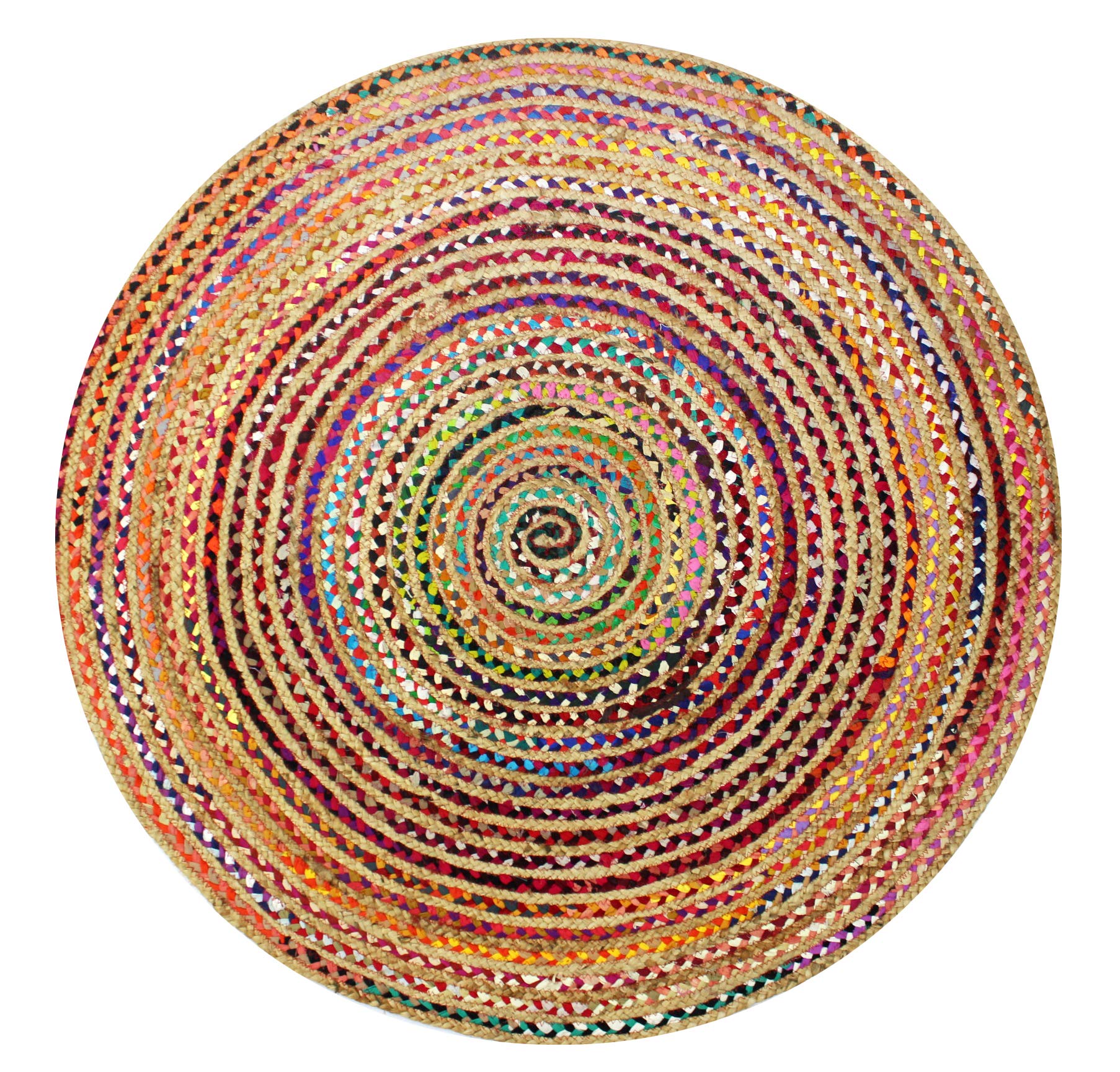
I picked this handwoven round rug for its lively multicolor braid and natural jute-cotton mix that adds texture without feeling bulky. Its low 0.35-inch profile makes it easy under chairs and doors while still offering a handcrafted look.
Why I picked it: Handmade jute and recycled cotton braid that combines durability with bright, warm color.
Best for: Small living areas, entryways, or as a statement round accent in a studio or reading nook.
An affordable way to add handcrafted, eco-friendly texture.
Pros
- Hand-woven jute and cotton blend
- Low 0.35-inch profile
- Reversible, natural fibers
- Vibrant, warm colors
Cons
- Initial shedding of loose fibers
- Not suitable for moist areas
- Color variation between pieces
My take
I appreciated how this rug brings color without bulk. The jute bands threaded between the cotton braids give the rug a rustic, earthy backbone while the recycled cotton yarns supply the pops of fuchsia and teal I like in my living room.
Out of the box it was slightly uneven in places—some handmade pieces sit a bit 'sombrero'—but regular use and a few days lying flat reduced that. I vacuum gently and clip stray ends instead of pulling them, which keeps the edge neat.
Shedding is normal at first. After a few light vacuums the amount of loose fibers dropped significantly. I keep this rug out of damp rooms and blot spills immediately, following the care guidance for natural fibers.
2. Handwoven Cotton Chindi Rug 2×3 – Best Small Entry Rug
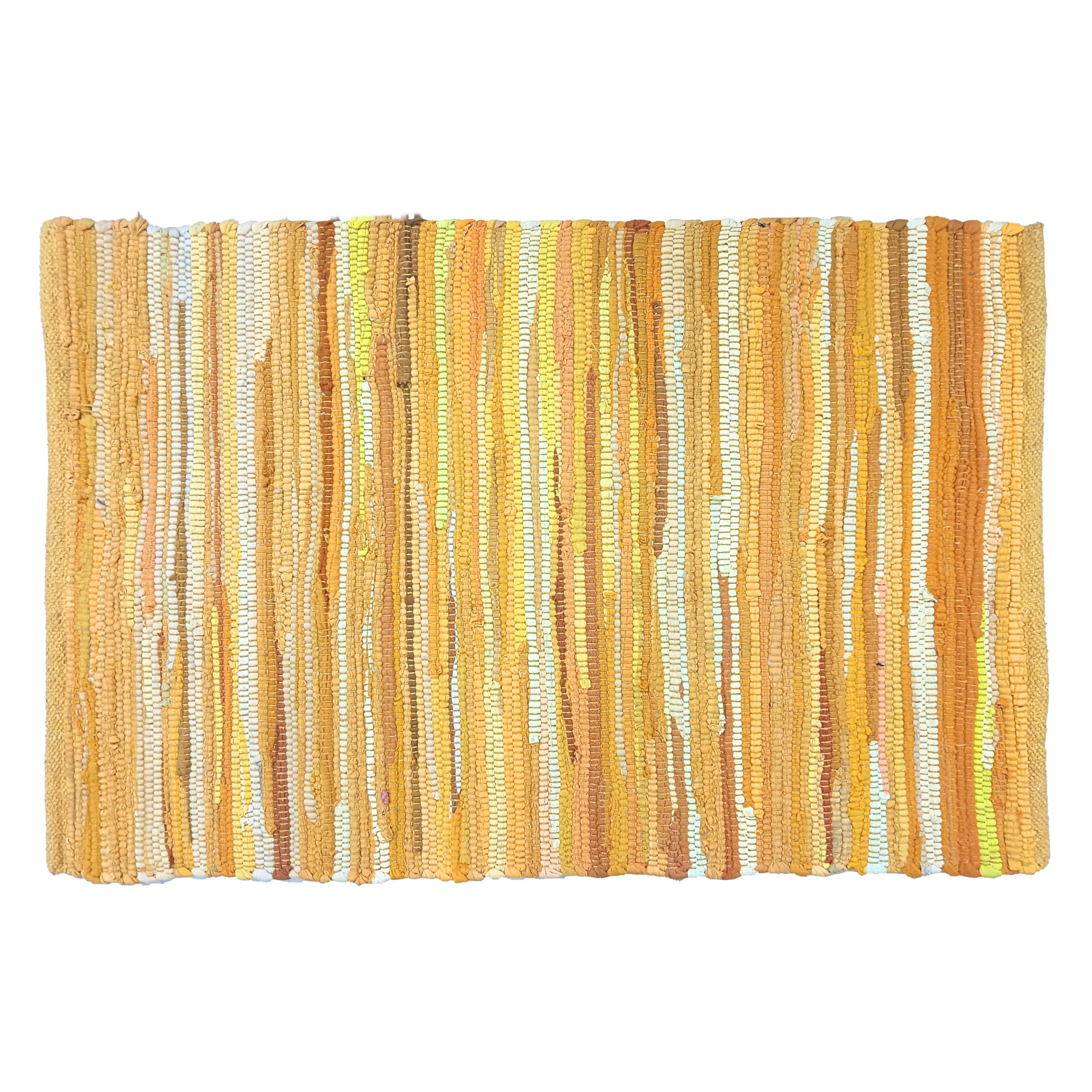
This compact 2×3 handwoven chindi rug is made from recycled cotton strips and feels soft underfoot. Its braided, double-sided construction makes it practical for a high-traffic doorway or a kitchen runner in a small space.
Why I picked it: Reversible, soft recycled cotton with a braided texture that holds up in doorways.
Best for: Entryways, kitchens, bathrooms, or tight bedside spots where a compact rug is needed.
A budget-friendly small rug that punches above its size.
Pros
- Soft recycled cotton
- Reversible design for longer life
- Compact, easy to move
- Washable with care
Cons
- Bold dyes can bleed if washed carelessly
- May need an underlay to prevent slipping
- Can take time to dry after washing
My take
I like this rug when I want color without a lot of fuss. The textured braid hides minor dirt and scuffs, so it keeps a tidy look between washes in a kitchen or mudroom.
The double-sided weave is genuinely useful—flipping it extends the time between deeper cleanings. I’ve machine-washed a similar chindi with care, but I always expect some color transfer on the first wash, so I pre-wash separately and air-dry.
Because it’s cotton, it’s softer than jute and more forgiving on bare feet. I still recommend a non-slip pad underneath on hard floors to keep it from migrating.
3. Hausattire Jute Cotton Braided Rug 4' Round – Best Large Round
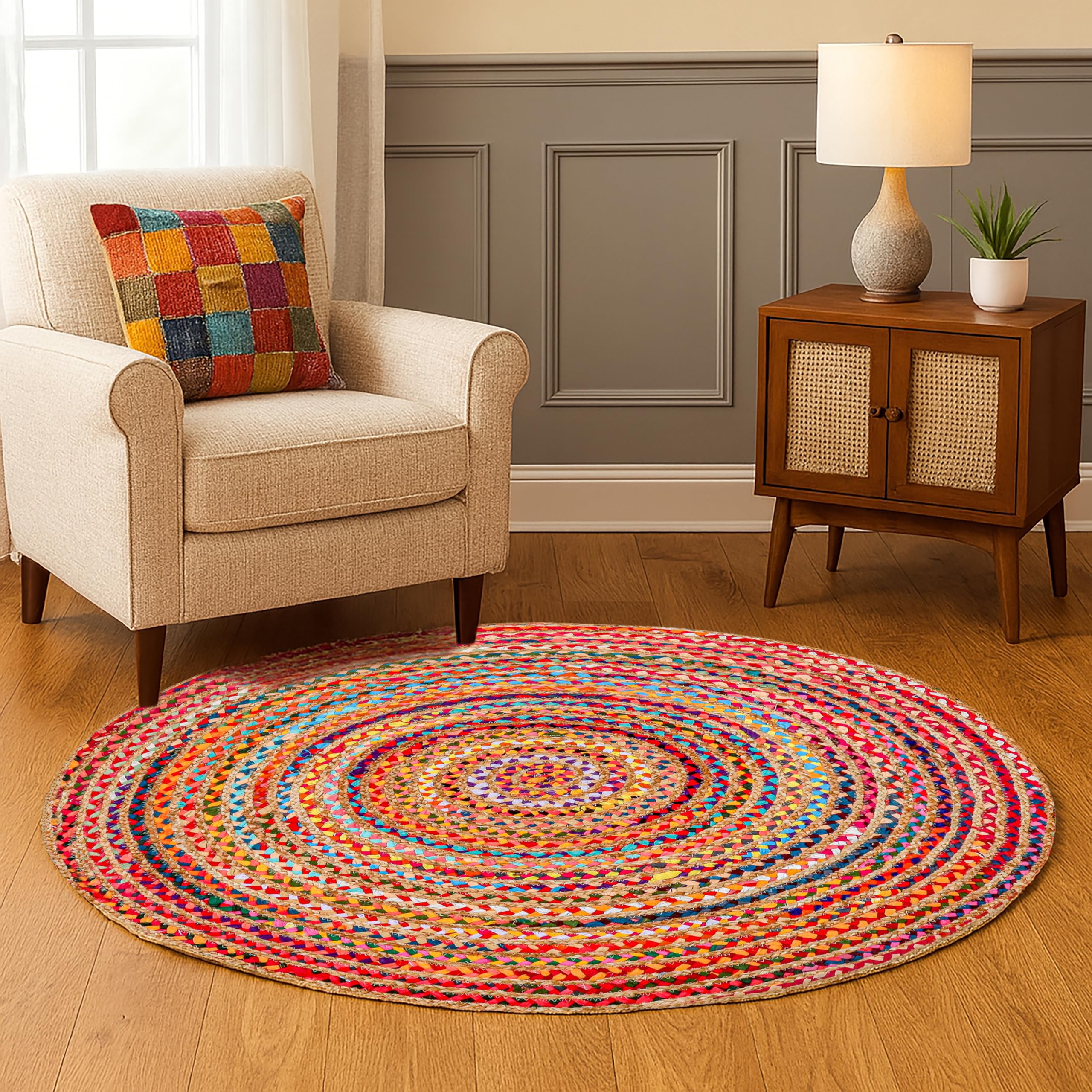
The Hausattire 4-foot round blends jute and cotton into a substantial hand-braided mat that reads farmhouse or coastal depending on the room. It’s the piece I reach for when I want natural fiber presence on a wood floor.
Why I picked it: Large, handcrafted jute-cotton braid that feels substantial and natural.
Best for: Under small tables, in entryways, playrooms, or a cozy reading nook.
A mid-range pick that balances natural materials with visible craftsmanship.
Pros
- Generous 48-inch diameter
- Durable jute-cotton blend
- Reversible, rustic aesthetic
- Holds shape after unrolling
Cons
- Jute can feel rough on bare skin
- Not ideal for wheeled chairs
- May need a rug pad for grip
My take
This 4-foot braided rug added the exact natural texture my kitchen needed. It arrived folded but settled flat within a few days; a light vacuuming smoothed the braid without damaging the weave.
Because it contains jute, the surface is a touch coarse compared with pure cotton chindi rugs—great for visual appeal, less ideal if you plan to sit on it for long stretches. My robot vacuum navigates it fine and I noticed no excessive fuzz after the break-in period.
I set a few chairs on it and found a slight resistance to rolling; that actually stabilized the chairs in place, which I liked. I still use a felt pad under heavy furniture to protect the weave.
4. USTIDE Black & Cream Cotton Runner 4×6 – Best Washable Runner
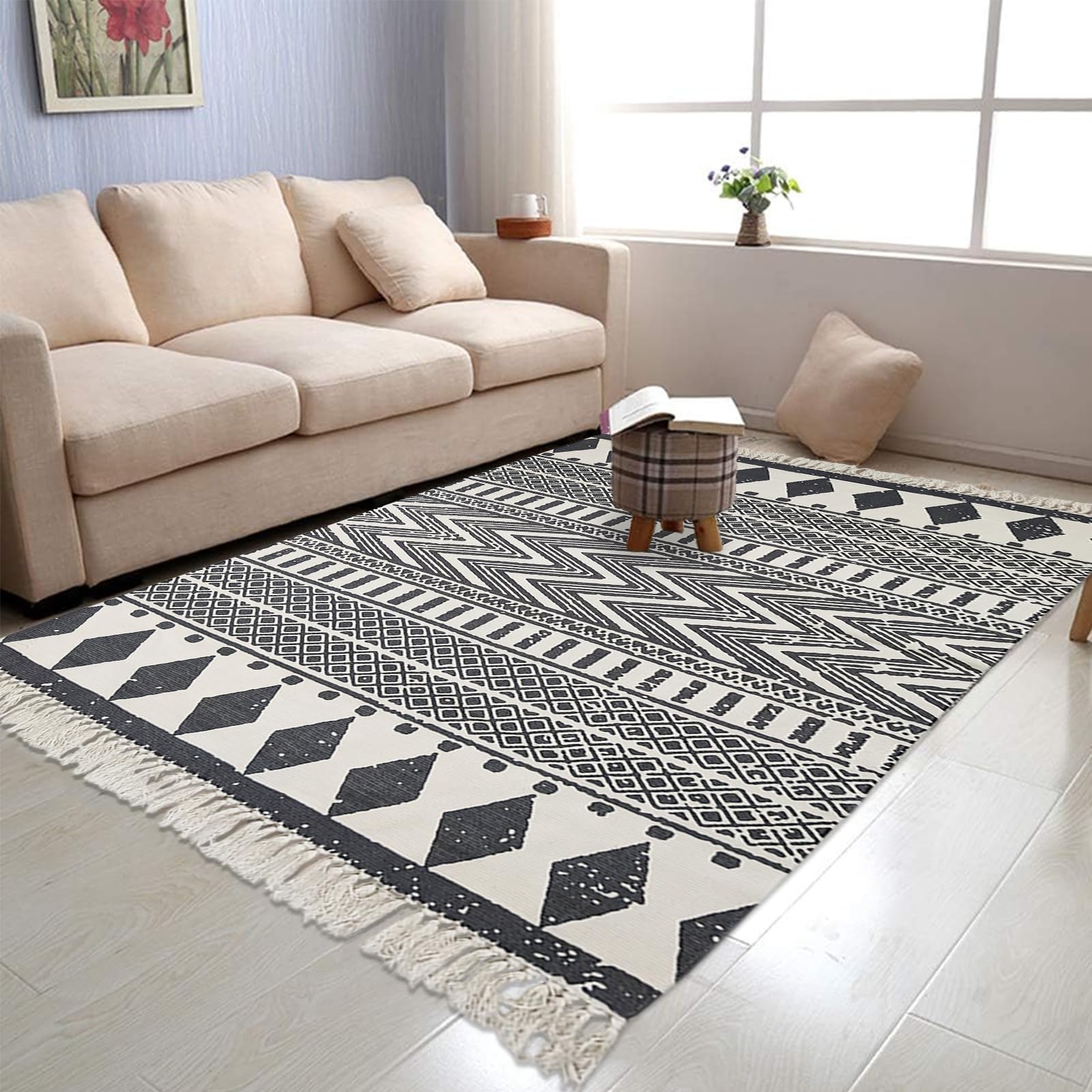
I chose this 100% cotton runner when I needed a thin, washable option with a bold graphic pattern. The low 4–5mm thickness slides under doors easily and fits well in narrow hallways and in front of vanities.
Why I picked it: Machine-washable cotton with a bold black-and-cream pattern that cleans easily.
Best for: Bathrooms, laundry rooms, entryways, or anywhere you need an easy-to-clean runner.
A practical, washable runner that’s inexpensive to replace or rotate.
Pros
- 100% cotton, machine-washable
- Thin 4–5mm profile
- Bold, reversible pattern
- Odorless natural fabric
Cons
- Very thin—needs a gripper pad
- Ivory reads darker in person
- Pattern can clash with some floors
My take
I reach for this runner when I expect spills or heavy foot traffic. The cotton construction survives regular machine washing when I follow the gentle temp guidance, and it tends to come out looking refreshed.
Because it’s so thin it moves on bare floors without a non-slip pad; I always pair it with a rug gripper. The color is a darker ivory than some product photos suggest, so I planned placement accordingly.
This rug has been durable in heavy-use spots—my version has handled pet beds and repeated washing with no disintegration—so it earns practical points in my household rotations.
How I Choose Rag Rugs
Material and Feel
I decide between jute, cotton, and blended options based on where the rug will live. Cotton rugs are soft and easier to wash; jute gives rustic texture but can feel coarse against bare skin.
Blends offer a compromise: visual warmth from jute with softer cotton highlights.
- Cotton: softer, usually machine-washable, may bleed on first wash.
- Jute: very natural-looking, more durable visually, can feel rough.
- Blends: balanced appearance and moderate comfort.
Size, Shape, and Placement
I match rug shape to the focal point: rounds under bistro tables, small rectangles at doors, and longer runners in hallways or in front of sinks.
Measure the area and allow furniture to sit partly on the rug if you want an anchored look.
- Round rugs: cozy centers and entry spots.
- Small rectangles: perfect for tight kitchens and bathrooms.
- Runners: use a gripper pad to prevent slipping.
Care and Washing
I always check whether a rag rug is safe for machine washing. Many cotton chindi rugs tolerate gentle cycles, but vibrant dyes can bleed during the first wash.
For jute and mixed-fiber rugs I rely on vacuuming, spot cleaning, and occasional professional cleaning.
- Pre-wash dark or bold rugs separately to reduce color transfer.
- Avoid soaking jute; blot spills and dry promptly.
- Use gentle vacuuming to reduce shedding.
Slip Resistance & Rug Pads
I never leave a thin rag rug on a hard floor without a non-slip pad. Even reversible rugs benefit from a thin gripper to keep edges from curling and to protect the weave.
Choose a rug pad sized to the rug so it supports edges without peeking out.
- Thin runners need a full-width gripper pad.
- Thicker braided rugs still benefit from an anti-slip layer.
- Use felt pads under heavy furniture to prevent damage.
Frequently Asked Questions
Can I machine wash a chindi rag rug?
I machine wash some cotton chindi rugs on a gentle cycle, but I always pre-test for colorfastness and wash bold colors separately. For jute or jute blends I avoid machine washing and stick to spot-cleaning.
How do I deal with initial shedding?
I vacuum with a gentle setting several times during the first few weeks and clip any loose ends rather than pulling them. Shedding drops off as the rug settles.
Do rag rugs need a rug pad?
Yes—especially on hardwood or tile. I use a thin non-slip pad for runners and a thicker anti-slip under larger braids to keep them stable and protect the floor.
Are jute rugs comfortable for bare feet?
I find pure jute a bit coarse compared with cotton. If barefoot comfort is a priority, I choose a cotton or jute-cotton blend.
Final Take
After living with these rugs, I reach for cotton chindi for soft, washable spots and a jute-cotton braid when I want natural texture and visual weight. Each of the four options has a clear place in my home depending on traffic, washing needs, and the look I want to achieve.
If you want color and softness, pick a cotton chindi. Choose a braided jute-cotton rug for an earthy centerpiece. And always use a rug pad to keep your choice looking its best.
