
I tested a range of vase fillers—from glass marbles and acrylic 'ice' gems to faux florals, pampas stems, and craft sand—to recommend reliable options for centerpieces, long-stem stabilization, and themed displays.
I treat vase fillers like accessories: the right choice finishes a centerpiece and the wrong one fights with the flowers. Over many projects I’ve tried marbles, acrylic gems, faux blooms, pampas stems, crushed-ice pieces, and unity sand to see which actually perform.
In this roundup I focus on real-world use: how fillers stabilize stems, how they look under light, whether they shed or leach color in water, and which options give the biggest visual impact for events or everyday decor.
If you want sparkle and weight, I reach for clear acrylic diamonds or glass marbles. For organic texture I use faux pampas stems or artificial rose heads. For volume and economy I pick bulk acrylic ice rocks. For ceremonies and tight color coordination I prefer fine, non-clumping unity sand.
1. DomeStar Acrylic Diamond Gems – Best Overall
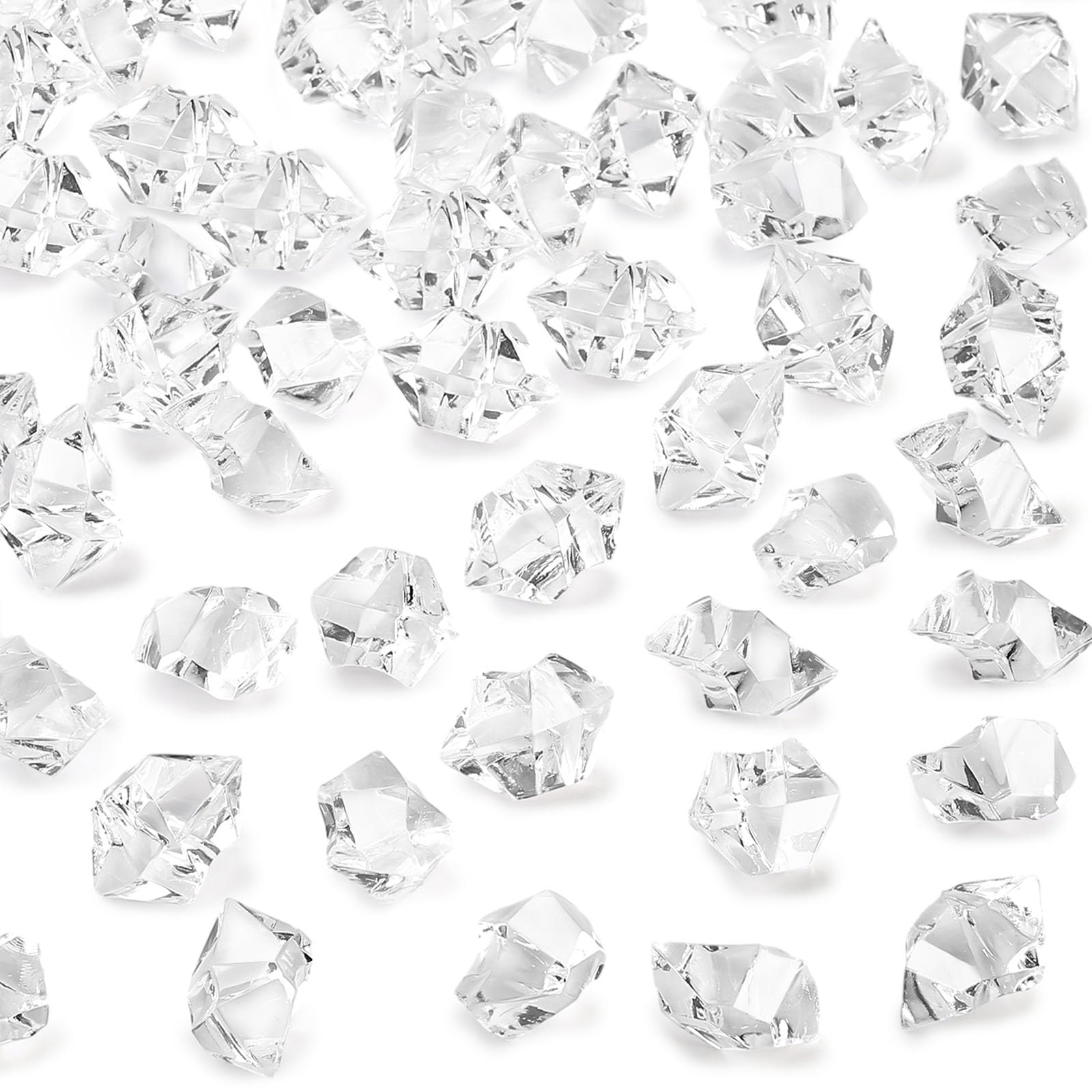
Large clear acrylic gems that catch light and add weight to tall vases.
Why I picked it: They combine refractive sparkle with enough weight to stabilize long-stem arrangements.
Best for: Wedding centerpieces, aquarium accents, minimalist modern displays.
Affordable pack for occasional event use.
Pros
- Big pieces refract light dramatically
- Adds real weight for long-stem vases
- Easy to clean and reusable
Cons
- Not suitable for very small children
- Can look plastic up close
My take
I use these acrylic gems when I want a high-impact, diamond-like sparkle without the expense of real crystal. The pieces are larger than typical mini gems, which gives them the weight I need to anchor tall stems and prevent tipping.
Under spot or string lights they throw multi-directional reflections that lift a simple arrangement into something more luxurious. They’re water-resistant and rinse clean easily after events, which makes them a reliable reusable option.
For craft work I’ve also mixed them into resin and used them as display bases for jewelry props—the clarity holds up well. I avoid them where kids might access them because the pieces are sizable and hard plastic, so I keep them in adult-only event settings.
2. Juvale Silk Rose Flower Heads – Best Faux Flowers
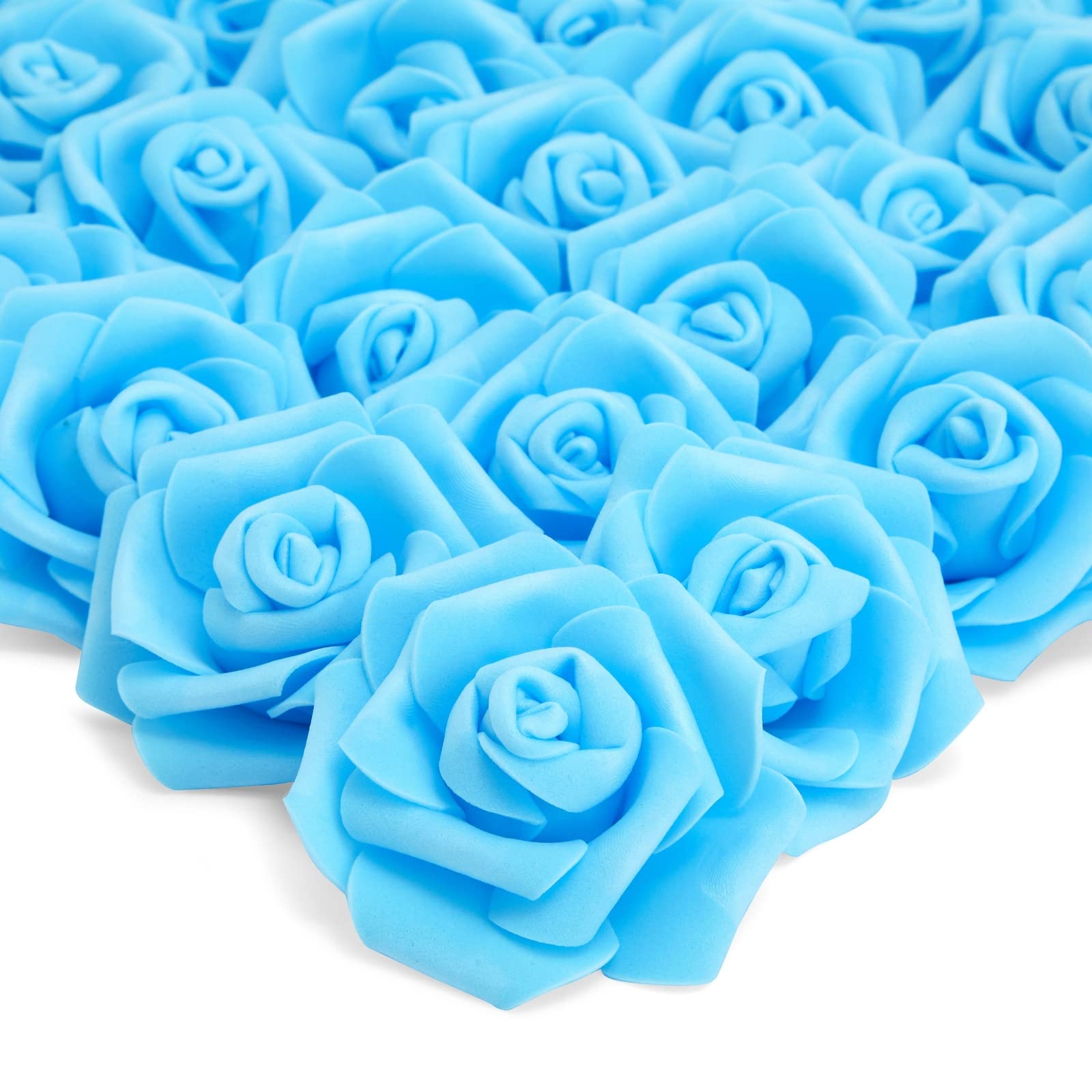
Flat-based silk rose heads sold in a large pack for mass decorating and crafting.
Why I picked it: I like the stemless, flat base for glue-on centerpieces and bulk event decor.
Best for: DIY centerpieces, bouquets on flat surfaces, event crafts.
Cost-effective for large DIY projects.
Pros
- Realistic petal shape
- Flat base simplifies gluing
- Water-resistant and durable
Cons
- May require extras for large projects
- Occasional color variation
My take
These stemless silk roses are my go-to when I need a consistent, glue-on flower head for place settings or a DIY garland. The flat base makes attachment straightforward and keeps stem trimming out of the job.
The fabric feels soft and holds shape well under hot glue or adhesive without fraying. Because the set comes in bulk, I typically order a little extra so I’m not short when assembling multiple centerpieces.
They stand up to being moved and photographed under event lighting; I’ve used them outdoors briefly without color bleed, and the water-resistant construction gives me flexibility for mixed-media arrangements.
3. ZIFTY Pampas Grass Stems – Best Boho Look
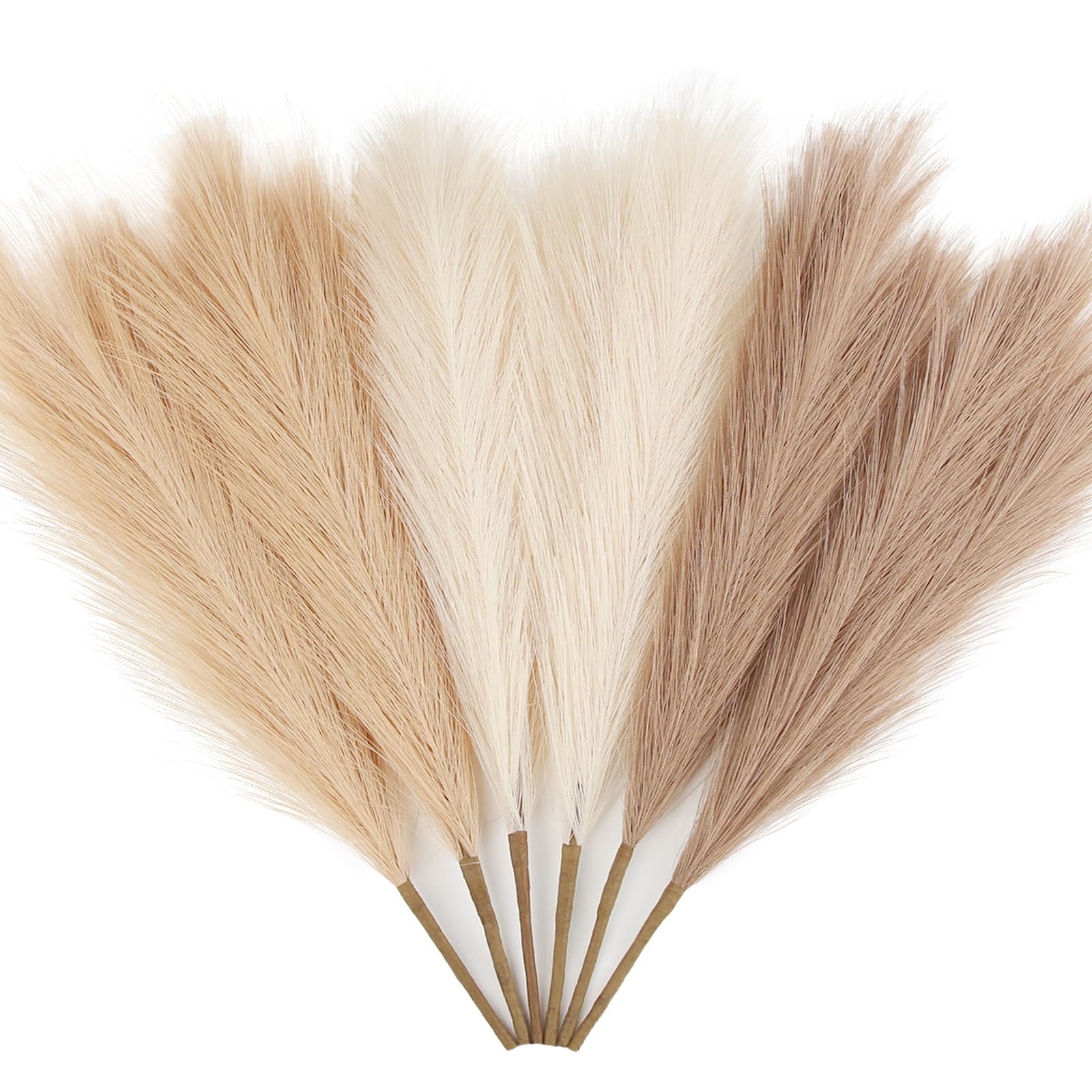
Six 17-inch faux pampas stems with full plumes and bendable wire stems.
Why I picked it: The stems are full, non-shedding, and easy to shape for boho arrangements.
Best for: Floor vases, boho table displays, seasonal decor.
Good value for a decorative accent bundle.
Pros
- Fluffy, full plumes
- No shedding or maintenance
- Iron wire allows shaping
Cons
- May need multiple packs for large vases
- Handmade color variation possible
My take
When I want an instant boho or modern-minimal statement, these ZIFTY stems give the right scale and texture. Each plume fluffs up into a generous profile that fills a medium-to-large vase without looking sparse.
I particularly appreciate that they don’t shed like natural pampas—no mess to vacuum after an event. The internal wire makes it easy to bend and arrange the stems so they sit exactly where I want them.
If you’re styling a very large floor vase I usually add two packs, but for tabletops and accent vases one pack delivers a tasteful, durable look that photographs well.
4. Serwalin Black & Grey Pampas Grass – Best Dramatic Look
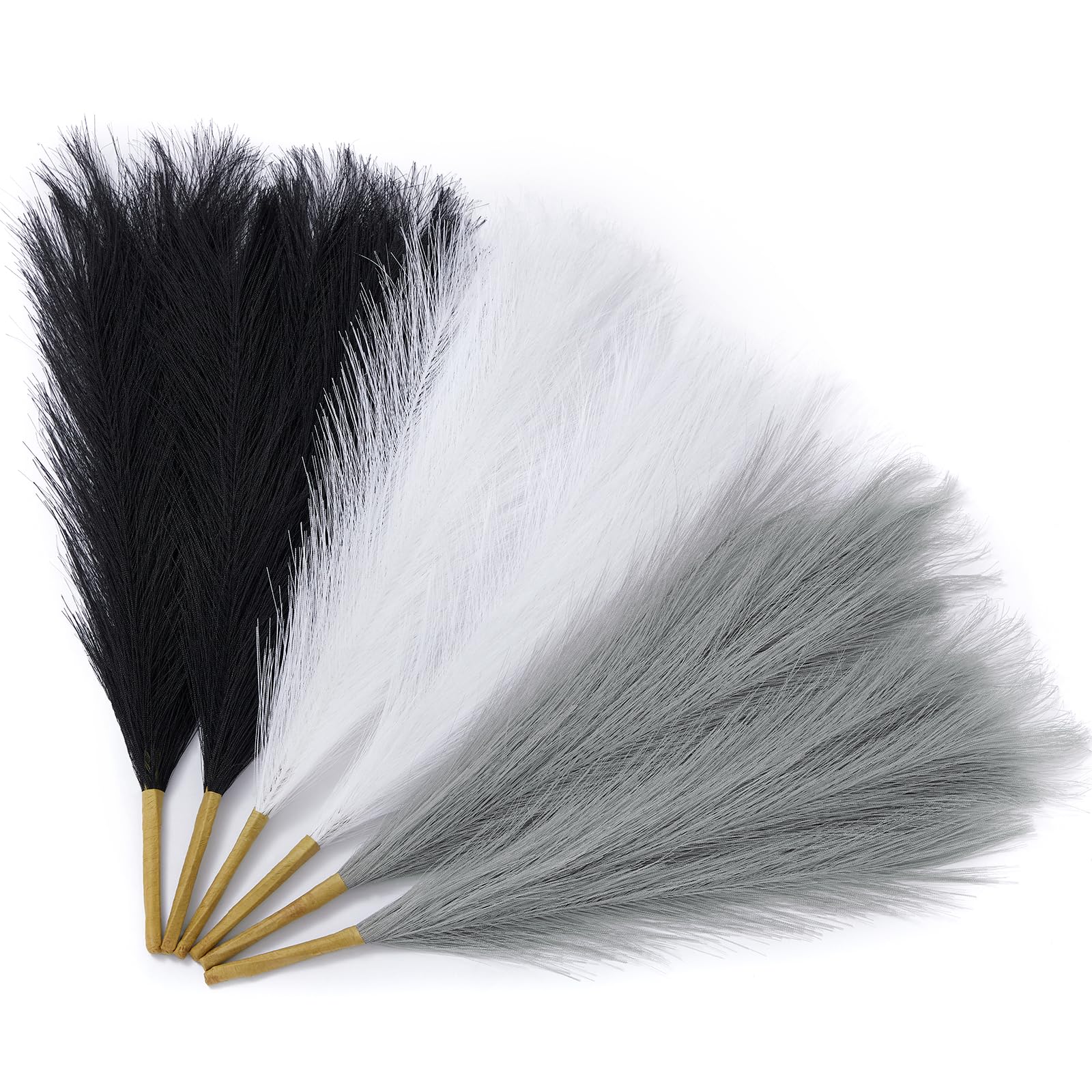
Stylized black, white, and grey faux pampas stems for bold, modern displays.
Why I picked it: The color palette creates a dramatic, gothic-modern statement without maintenance.
Best for: Halloween, gothic or high-contrast decor, event accents.
Midrange option for statement arrangements.
Pros
- Striking color mix
- Fluffy, non-shedding plumes
- Flexible stems for shaping
Cons
- Handmade color may slightly vary
- Shorter stem length than large floor options
My take
I reach for Serwalin when I want bold contrast—black and grey plumes lift neutral rooms or play well with metallics for party displays. The colors feel curated rather than gimmicky, which makes them useful beyond seasonal setups.
They’re compact enough for tabletop bouquets yet full enough to read clearly from across a room. As with other faux pampas, the lack of shedding makes placement around textiles effortless.
I’ve used these in themed photo backdrops and small installations; the wire stems let me flare or compress the bunch so it fits different vase openings.
5. Houseables Clear Glass Marbles – Best Weighted Option
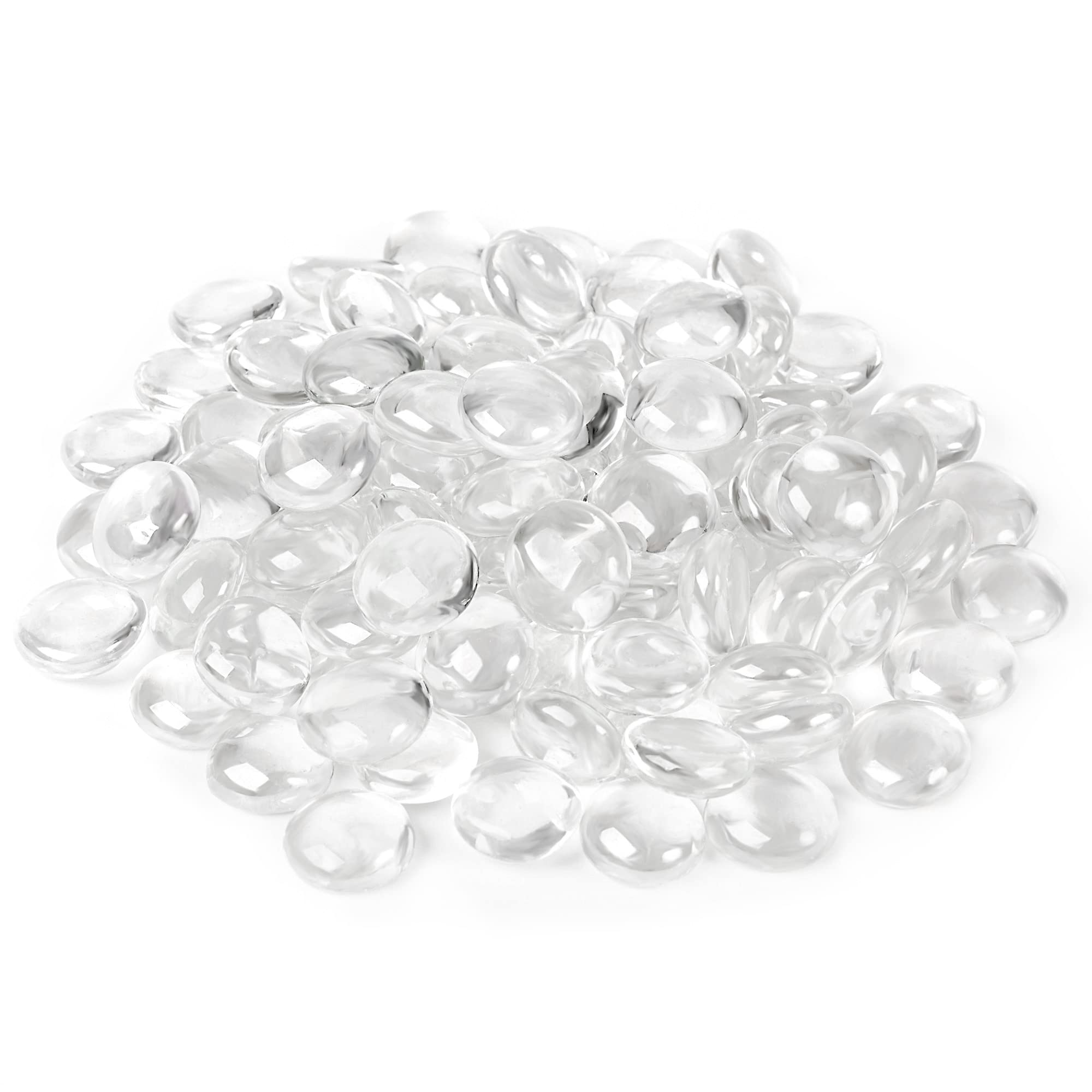
Flat-bottom clear glass marbles that provide weight and clarity for vases.
Why I picked it: They offer a heavier, glass finish that stabilizes stems better than plastic alternatives.
Best for: Top-heavy arrangements, mason-jar centerpieces, light-transmission setups.
Higher upfront bulk cost but durable and reusable.
Pros
- Solid weight for stability
- Classic clear glass finish
- Illuminates with light sources
Cons
- Heavier to move once arranged
- Recommended to rinse before use
My take
For arrangements that need real ballast I prefer glass marbles. Their flat bottoms make them settle neatly in jars and they give stems a solid anchor, which is especially helpful with fuller bouquets.
Glass also creates a much cleaner light effect than most plastics—when I light a table with candles or string lights the marbles transmit and soften the glow beautifully.
I always give them a quick rinse before staging to remove manufacturing dust. They’re my long-term go-to for reusable, elegant filler that won’t look cheap under event lighting.
6. PMLAND Acrylic Ice Rocks Bulk Pack – Best Bulk Fillers
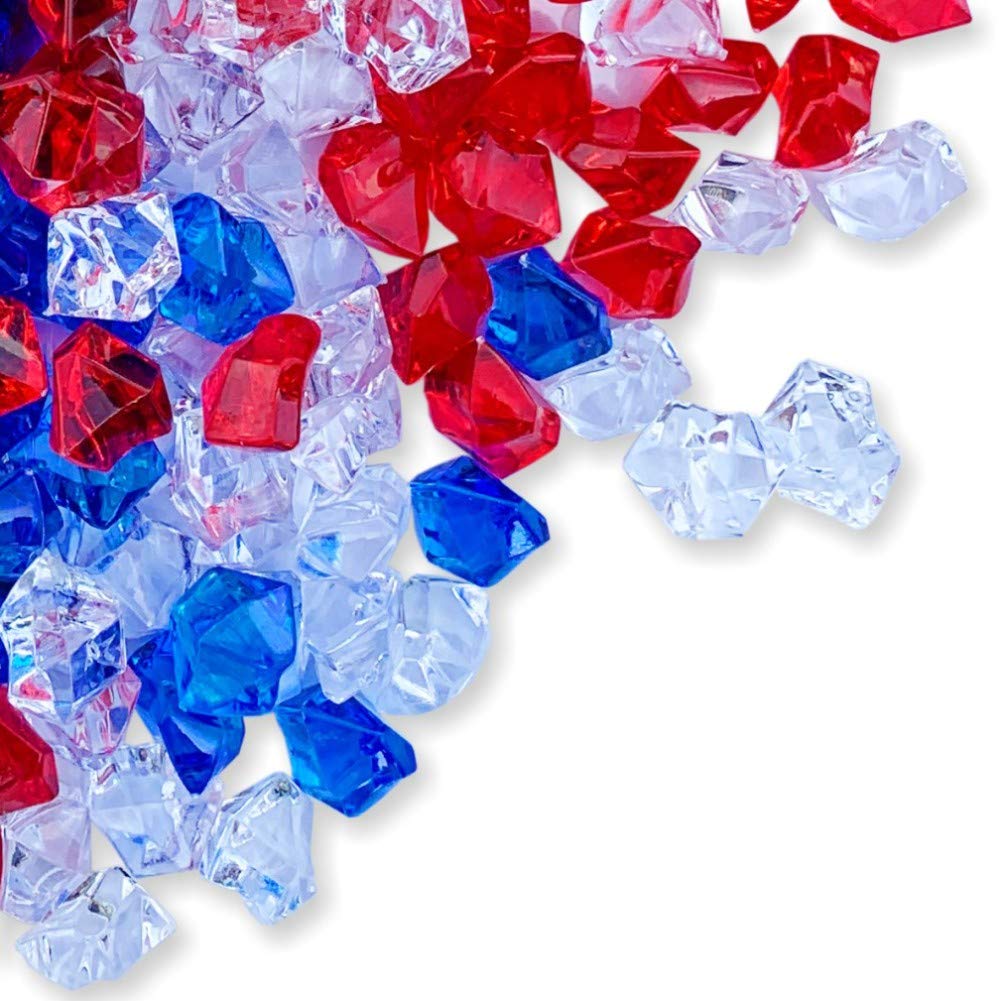
Large bulk pack of polished acrylic 'ice' rocks in patriotic colors and clear variants.
Why I picked it: Massive volume and polished finish make fast work of multiple centerpieces.
Best for: Large events, themed displays, mixed-color tabletop designs.
Bulk-oriented value for event or multi-vase work.
Pros
- Huge quantity per pack
- Smooth, polished pieces
- Sinks naturally in water
Cons
- Choking hazard for children
- Plastic look in close-up shots
My take
When I need to fill many vases for an event I reach for this PMLAND bulk pack. The sheer volume covers multiple jars and larger centerpieces without running out mid-setup.
The pieces are polished and smooth, so they sit well in water and don’t trap grime. I’ve mixed colors for seasonal themes—red, white, and blue packs are especially handy for patriotic displays.
They’re practical, long-lasting, and much easier to stash between events compared with perishable fillers. As with any small decor element, I avoid using them where children could access them.
7. Sandsational Ivory Unity Sand – Best for Ceremonies
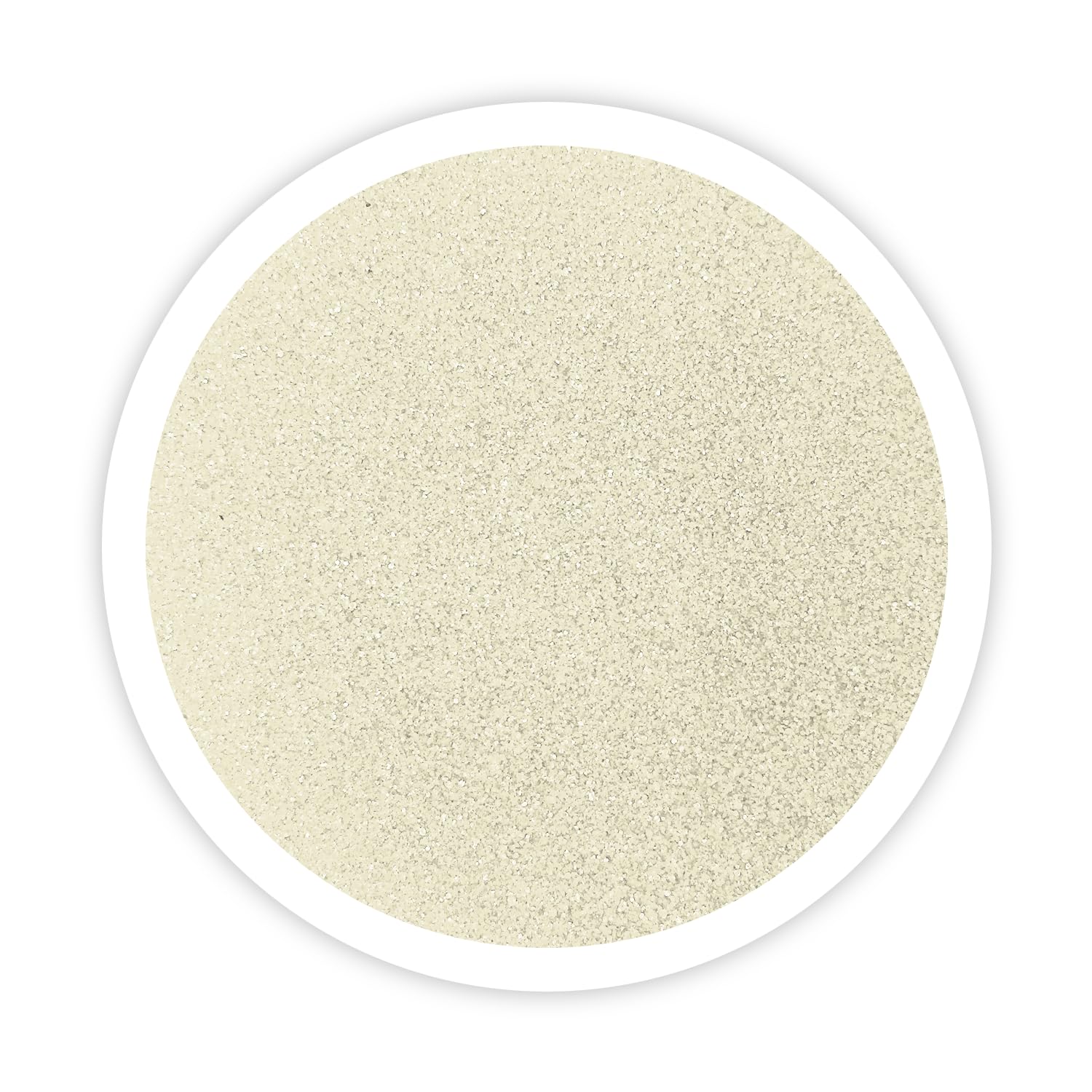
Fine, non-clumping ivory craft sand designed for unity ceremonies and detailed accents.
Why I picked it: Fine grain and colorfastness make it ideal for poured ceremonies and floating-candle displays.
Best for: Unity sand ceremonies, terrariums, floating candles, precise color work.
Premium craft sand with tested color stability.
Pros
- Fine, smooth pouring texture
- UV-stable, colorfast formulation
- Works in water for candles
Cons
- Small bag for very large projects
- Requires careful pouring control
My take
I choose this unity sand when a ceremony or tabletop needs elegant, precise color. The fine #30 mesh pours cleanly and layers without clumping, which is essential for those split-second ceremonial pours.
Because it’s tested for water use, I’ve used it under floating candles and in succulent terrariums without worry of bleeding or clouding the water. The ivory tone reads neutral and pairs with most palettes.
If I’m doing large installations I plan my quantities ahead, since the bags are intended for detail work rather than filling huge vessels. For weddings and keepsakes it’s one of my most reliable craft supplies.
How I Choose Vase Fillers
Material & Weight
I prioritize material depending on function: glass for weight and refined light transmission, acrylic for bulk sparkle and lower cost, and sand for precise layering or ceremonies.
If stabilizing tall stems is the goal, heavier materials like glass marbles or larger acrylic gems are non-negotiable in my setups.
- Glass = weight + clean light refraction
- Acrylic = lightweight sparkle and bulk value
- Sand = precise pouring and color control
Color & Theme
I match filler color to the overall palette rather than the flowers alone. Clear fillers pick up surrounding tones; colored fillers can make a centerpiece feel themed or festive.
For minimalist or modern displays I favor clear or neutral fillers; for seasonal or patriotic designs I use colored acrylics.
- Clear for versatility and light play
- Colored pieces for themed decor
- Neutral sand for ceremonies and keepsakes
Size & Vase Fit
I measure vase openings and consider stem thickness before choosing filler size. Large gems look great in wide vases but can overpower narrow-neck vessels.
For mason jars and narrow vases I use small marbles or sand; for open bowls I choose bulk acrylic or larger marbles.
- Large pieces stabilize tall arrangements
- Small pieces or sand fill narrow-neck vases
- Bulk packs work best for multiple arrangements
Safety & Maintenance
I always factor in safety: small acrylic or glass pieces are choking hazards, so I avoid them around young children.
For maintenance I prefer non-shedding materials and items that rinse clean easily—glass and polished acrylic meet that standard.
- Rinse glass marbles before first use
- Avoid small pieces where kids are present
- Store reusable fillers dry between events
Frequently Asked Questions
Can I use acrylic gems in water with live stems?
Yes—I regularly use polished acrylic rocks with water and live cut flowers. They’re water-resistant and won’t leach color, but I recommend rinsing them before use to remove any packing dust.
How do I stabilize tall stems in a narrow vase?
I add heavier fillers—glass marbles or larger acrylic gems—until the stems are snug. Layering sand or smaller beads at the base first can help lock stems in place for extra stability.
Will colored fillers bleed in water or ruin floral foam?
I avoid any filler that doesn’t explicitly state colorfastness in water. For floral foam I use neutral glass or tested sand; for decorative water use, I select fillers labeled as colorfast or water-safe.
Final Take
I choose fillers to serve a clear purpose: weight, texture, color, or ceremony. Clear glass marbles and acrylic gems give me sparkle and stability; pampas stems and silk flower heads bring organic texture; and fine unity sand delivers precise color control.
Plan by vase size and intended use—then pick the material that matches that function. I keep a small stock of one or two trusted fillers so I can style quickly without scrambling on event day.
