
I tested a range of clear bins, compartmented caddies, adhesive hooks, and cord straps to find compact, durable solutions that keep a camper tidy without drilling or excess weight.
I organize campers for short trips and long hauls, and I’ve learned that small decisions—bin size, handle placement, removable dividers, and how something mounts—make the biggest difference on the road.
In this roundup I focused on clear plastic storage, tool-free hanging options, compartmented caddies, and heavy-duty straps that I actually use in my rig. Everything below has been tested for fit in shelves, ease of access while driving, and simple cleaning between trips.
If you want fast wins for a cramped galley, shallow bathroom cabinets, or a jumbled utility locker, these picks cover the practical range I reach for when packing a camper.
I compared footprint, visibility, portability, and cleaning ease so you can pick by how you store (snacks, produce, tools, or toiletries) instead of guessing from measurements alone.
1. ClearSpace Plastic Storage Bins – Best Overall
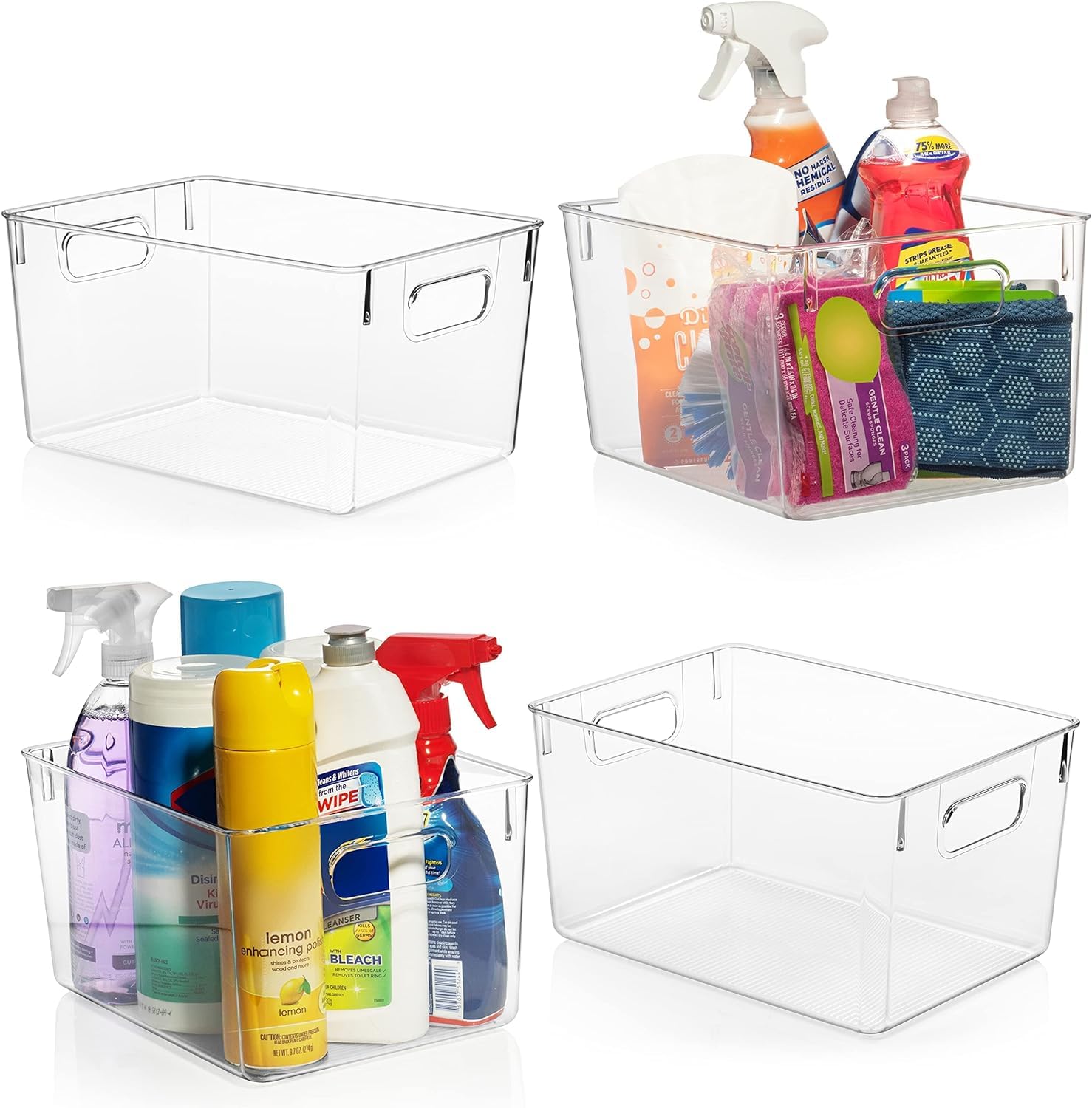
My go-to clear bins for pantry, fridge, and craft storage—sturdy, stackable, and easy-grab.
Why I picked it: I value full visibility and built-in handles for quick access in tight camper cabinets.
Best for: Pantry shelves, fridge organization, and craft or tool storage in a camper.
A practical mid-range choice for long-lasting clear storage.
Pros
- Crystal-clear sides for instant visibility
- Sturdy, shatter-resistant plastic
- Built-in easy-grip handles
- Stackable to save space
- Food-safe materials
Cons
- Can chip if dropped
- Not the cheapest option
My take
I use these ClearSpace bins in my camper pantry and on a bookcase in my craft corner. The clarity makes it fast to find packaged snacks or small gear at a glance, and the handles mean I can pull a full bin out with one hand while balancing a coffee with the other.
The construction feels solid—thicker than basic tubs—so I’m comfortable using them for food and tools. They stack well when empty and clean up easily with soap and water. My only hesitation is that they’re not designed to survive a hard fall, so I keep them stowed when the road gets rough.
2. Command Medium Utility Hooks (20‑pack) – Best for Hanging
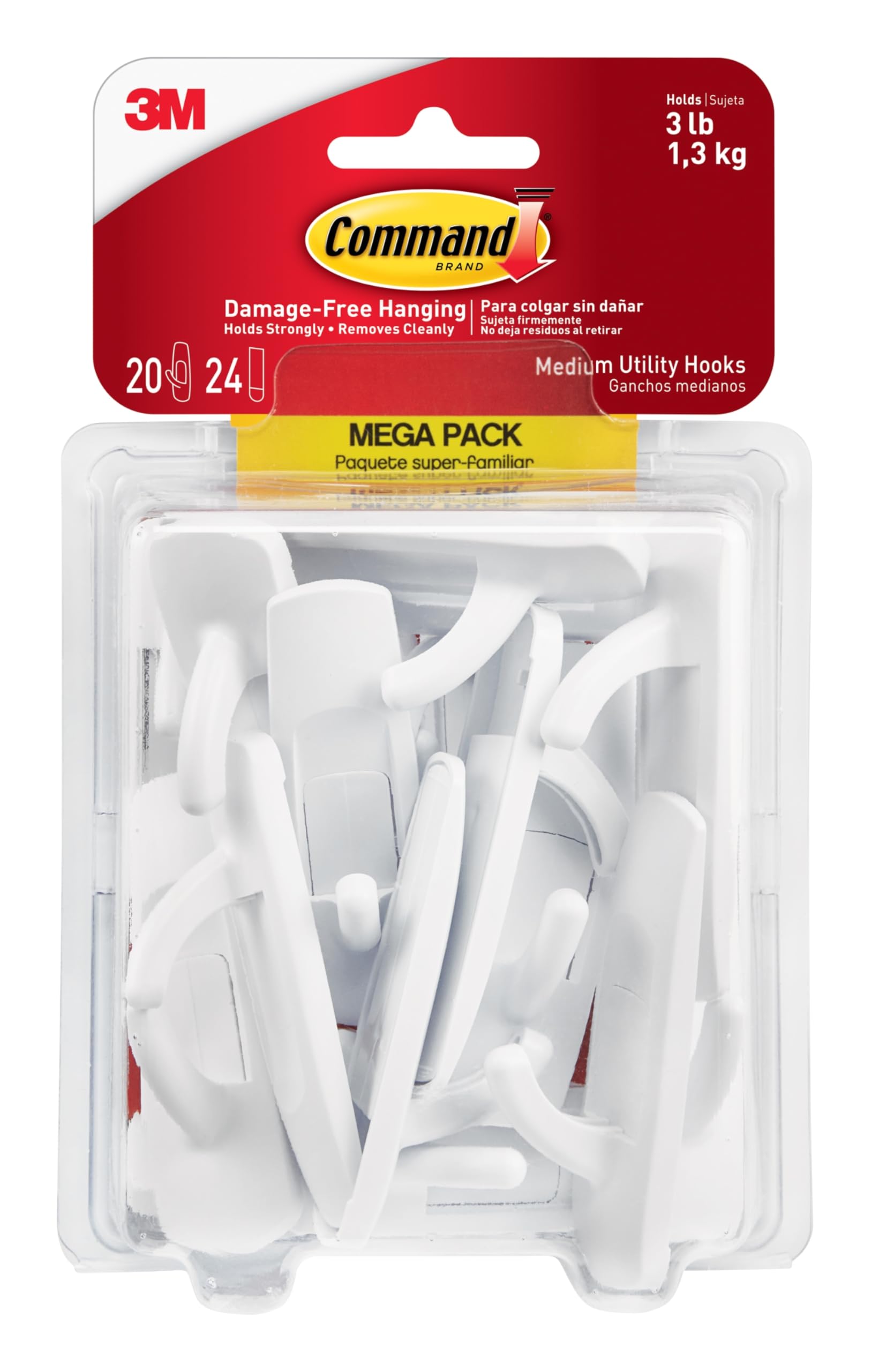
Damage-free adhesive hooks I use to hang things without drilling—ideal for renters and campers.
Why I picked it: They let me add hanging spots quickly without tools or wall damage.
Best for: Keys, leashes, utensils, lightweight organizers, and hanging cords in a camper.
Large packs offer good value for frequent reconfiguration.
Pros
- Tool-free installation
- Removes cleanly when done
- Works on many smooth surfaces
- Neat, low-profile look
Cons
- Needs correct surface prep
- Limited to light-to-medium loads
My take
I rely on these adhesive hooks for everything from hanging dish towels near the sink to making a quick utensil station inside a cabinet door. They stick to painted and finished surfaces cleanly when I follow the prep steps and give the wall adhesive time to set.
A couple of practical lessons: I let the strip cure before loading it and avoid textured paint. When used properly these hooks save me from drilling holes and let me relocate storage in minutes—perfect for a rented site or a seasonal camper setup.
3. mDesign 3‑Compartment Storage Bin – Best for Snack Packs
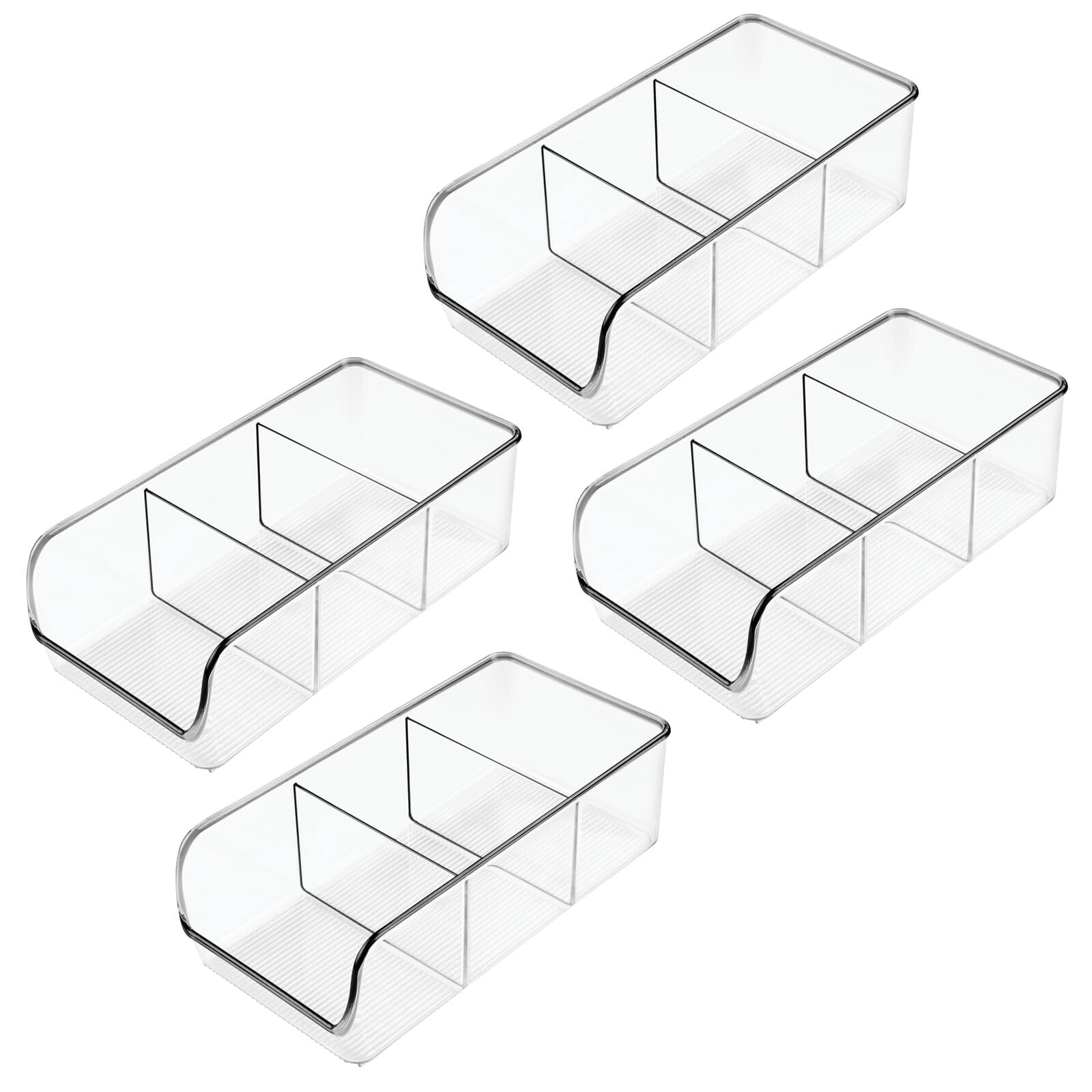
Compact, compartmented caddy with a sloped front—great for packets, bars, and small supplies.
Why I picked it: The three compartments and sloped opening make grabbing single servings fast on the go.
Best for: Snack bars, tea/coffee packets, and small toiletries in shallow shelves or drawers.
Small, budget-friendly set that multiplies usefulness across the camper.
Pros
- Three distinct compartments
- Front slope for easy access
- Lightweight yet sturdy
- Fits shallow shelves
Cons
- Front compartment low for tall items
- Not dishwasher safe
My take
These mDesign caddies live on my pantry shelf where I keep bars, instant coffee sachets, and small spice packets. The slope and open front let me slide out one packet without pulling the whole tray.
They’re light, durable, and the footprint is ideal for cramped cabinet depths. I do keep them out of the dishwasher and wouldn’t use them for anything very tall, but for grab-and-go snacks they’re exactly what I need.
4. Vtopmart Clear Plastic Storage Bins XL – Best Large Bins
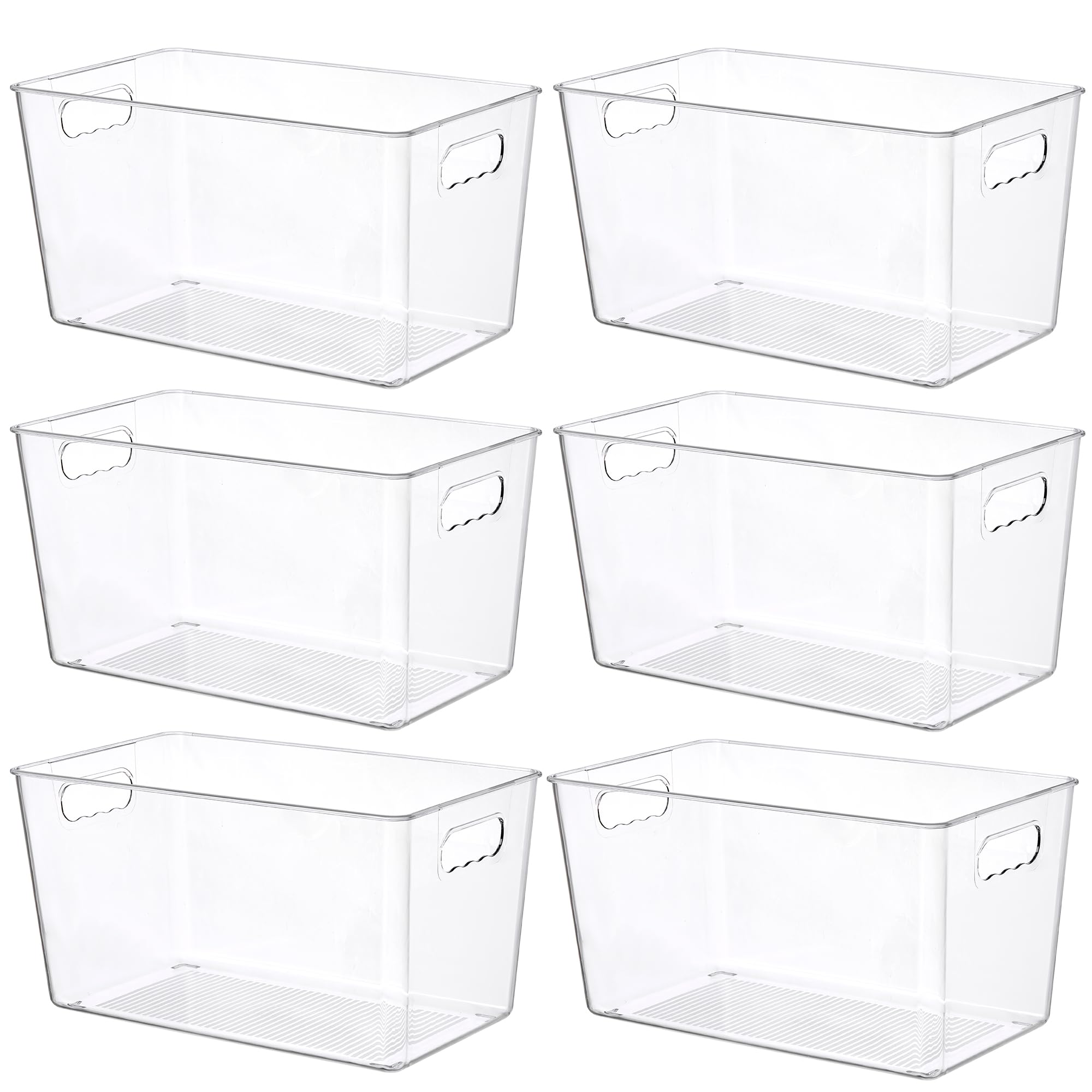
Roomy XL bins I use for larger pantry items, produce, and bulky gear that won’t fit in tiny caddies.
Why I picked it: Their larger capacity works well for drink bottles, cans, and fresh produce in a camper fridge.
Best for: Fridge storage, large pantry items, and bulky supplies in a camper galley.
Good value for larger-capacity clear organizers.
Pros
- Generous capacity
- Clear for quick identification
- Built-in handles for easy removal
- Durable polyethylene
Cons
- Can be hard to separate stacked
- Occasional residue on delivery
My take
When I need to stash juice bottles or larger snack packs in the fridge, these XL bins are my first choice. The handles make extraction simple, and the clear sides mean I can rotate perishables without guessing.
They’re lightweight but feel robust, and I keep a couple in the lower galley shelves for produce. One minor annoyance: they tend to arrive nested tightly, so I separate them carefully to avoid scuffs.
5. Vtopmart 4‑Compartment Food Storage Bins (8‑pack) – Best Value Dividers
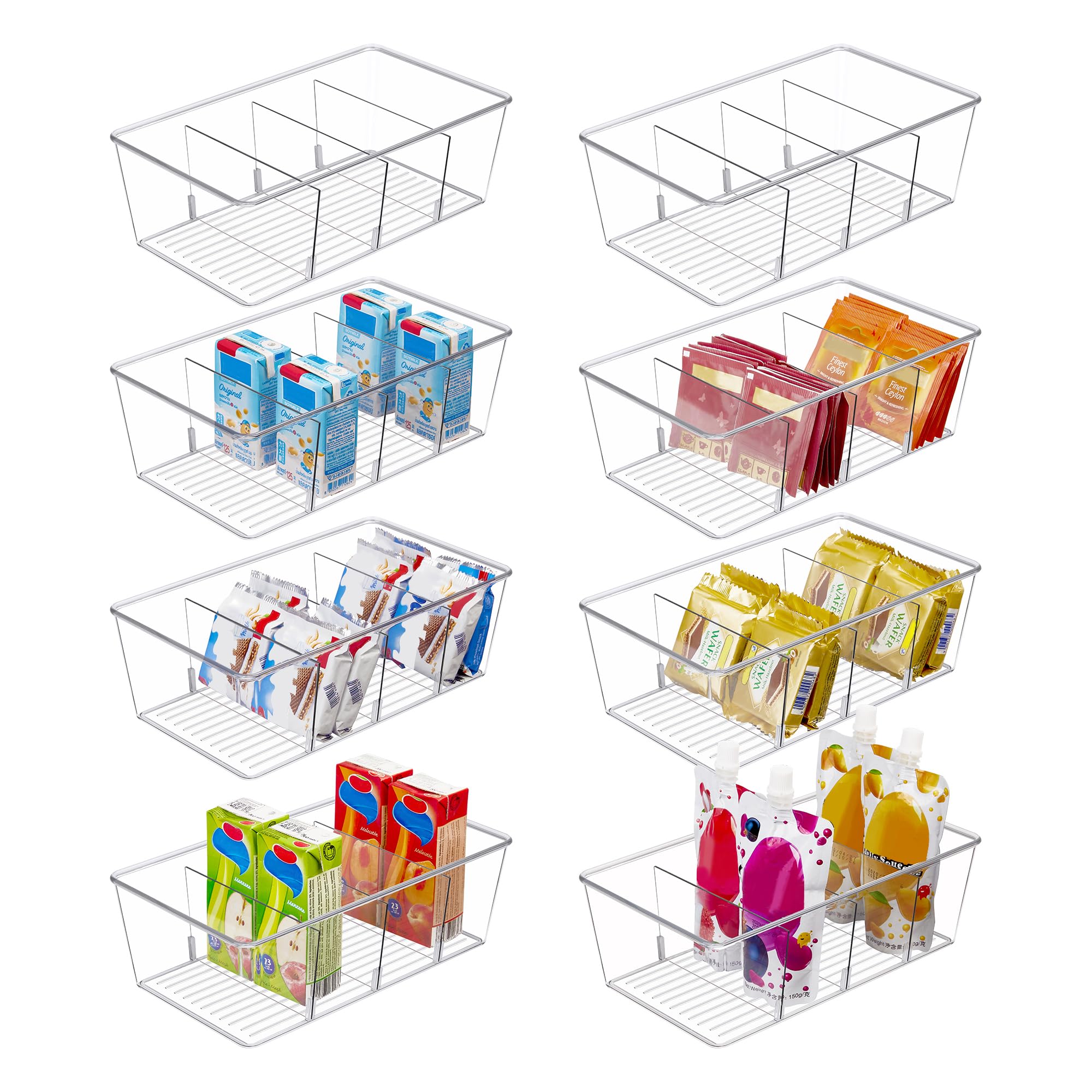
Multi-compartment bins with removable dividers that I use to customize storage by item.
Why I picked it: Removable dividers let me tailor each bin to what I’m storing that week.
Best for: Tea bags, single-serve packets, small snacks, and electronics in a camper.
High-value multipack for flexible organization.
Pros
- Removable dividers for customization
- Crystal-clear visibility
- Sturdy construction
- Tall sides prevent spillage
Cons
- Overall footprint is fairly small
- Not for oversized items
My take
I keep several of these in my pantry and in a small utility drawer. The removable dividers let me change each bin’s layout—one week for tea, the next for charging cables and adapters.
They’re a smart way to cut down on clutter while keeping like items together. For larger boxes or tall bottles I use the XL bins instead, but for packets and small kit these are extremely useful.
6. YIHONG Clear Pantry Organizer Bins – Best Multipack
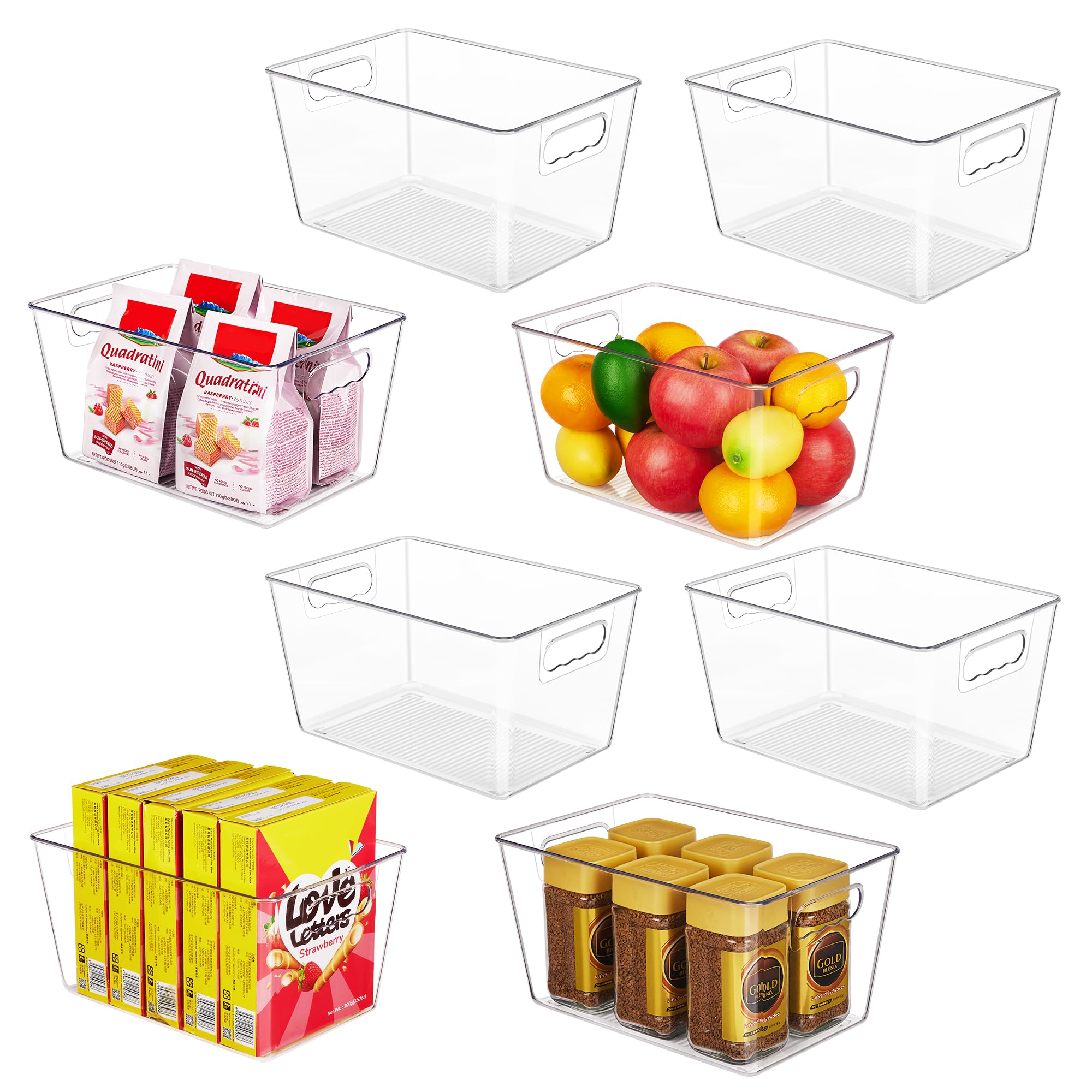
A multi-piece set I use across pantry, closet, and bathroom—stackable, handled, and versatile.
Why I picked it: They’re a flexible multi-pack that fits a range of storage needs in a camper.
Best for: Pantry shelves, bathroom cabinets, under-sink storage, and clothing drawers.
Solid multipack for outfitting multiple spaces at once.
Pros
- Stackable for compact storage
- Easy-grip handles
- Clear for quick scanning
- Durable polyethylene
Cons
- Bottom narrows, limiting neat box fits
- Nested bins can stick together
My take
I use these YIHONG bins everywhere from the pantry to the linen closet. They’re the practical choice when I need several identical containers to tame multiple shelves at once.
They wash up well and the handles make routine rearrangement effortless. One quirk: the base is narrower than the top, which sometimes prevents perfect stacking of boxed items, so I reserve them for loose packages or produce.
7. mDesign Low‑Profile Storage Bins – Best Low‑Profile
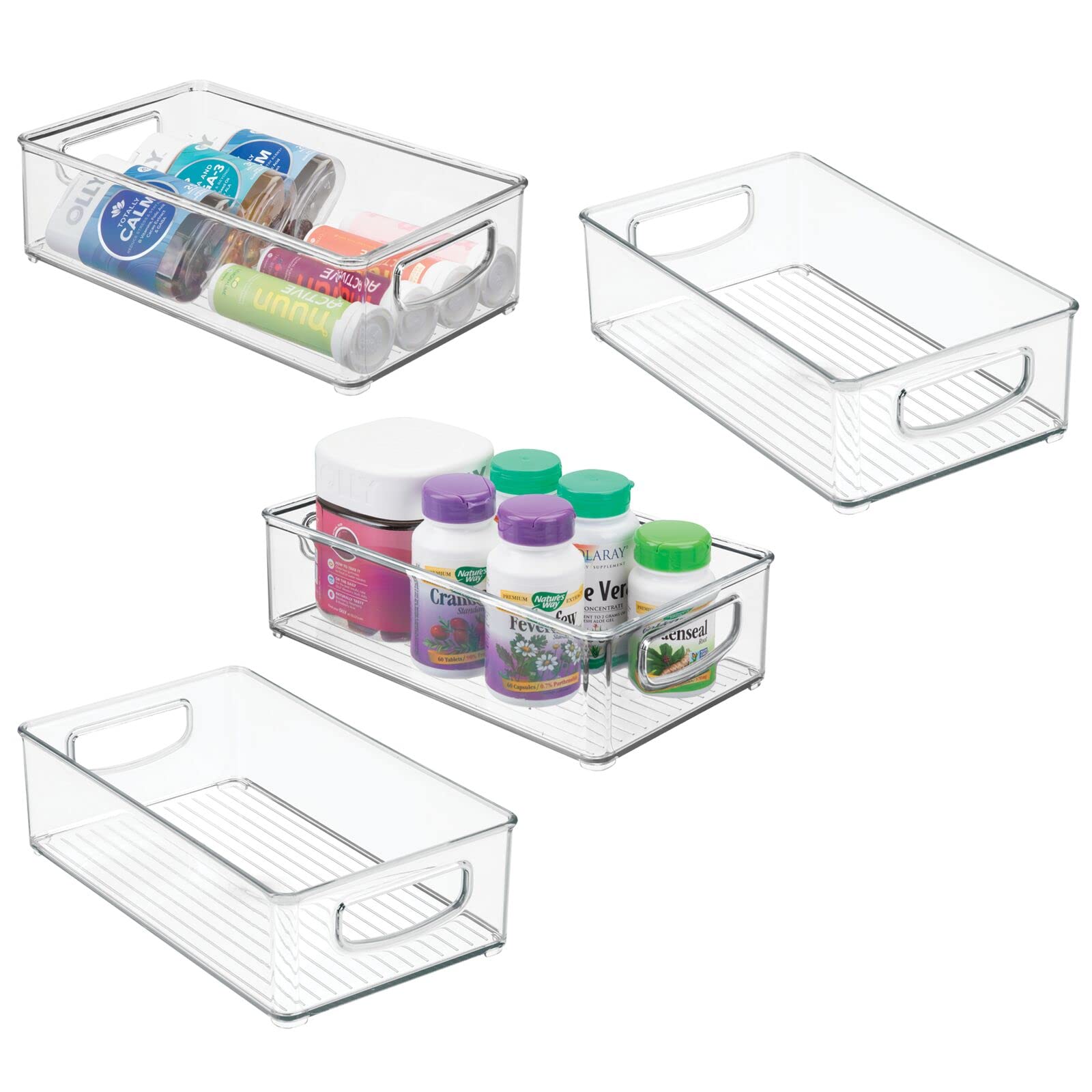
Shallow, flat-bottom bins that fit drawers and low shelves—ideal for meds and daily essentials.
Why I picked it: Their low profile fits shallow spaces better than taller caddies.
Best for: Bathroom cabinets, shallow drawers, and vanity storage in a camper.
Reasonably priced for drawer-friendly organizers.
Pros
- Flat bottom prevents tipping
- Low profile fits shallow drawers
- Built-in handles
- Attractive, clear finish
Cons
- Not ideal for tall bottles
- Limited capacity per bin
My take
I prefer these mDesign bins for the bathroom cabinet because they let me pull a single tray of daily meds and toiletries without taking everything out.
The flat bottom keeps small bottles upright and the shallow height fits behind cabinet doors. For tall shampoo bottles I use a taller tote, but for daily essentials these are my go-to.
8. Extension Cord Holder Storage Straps – Best for Cords
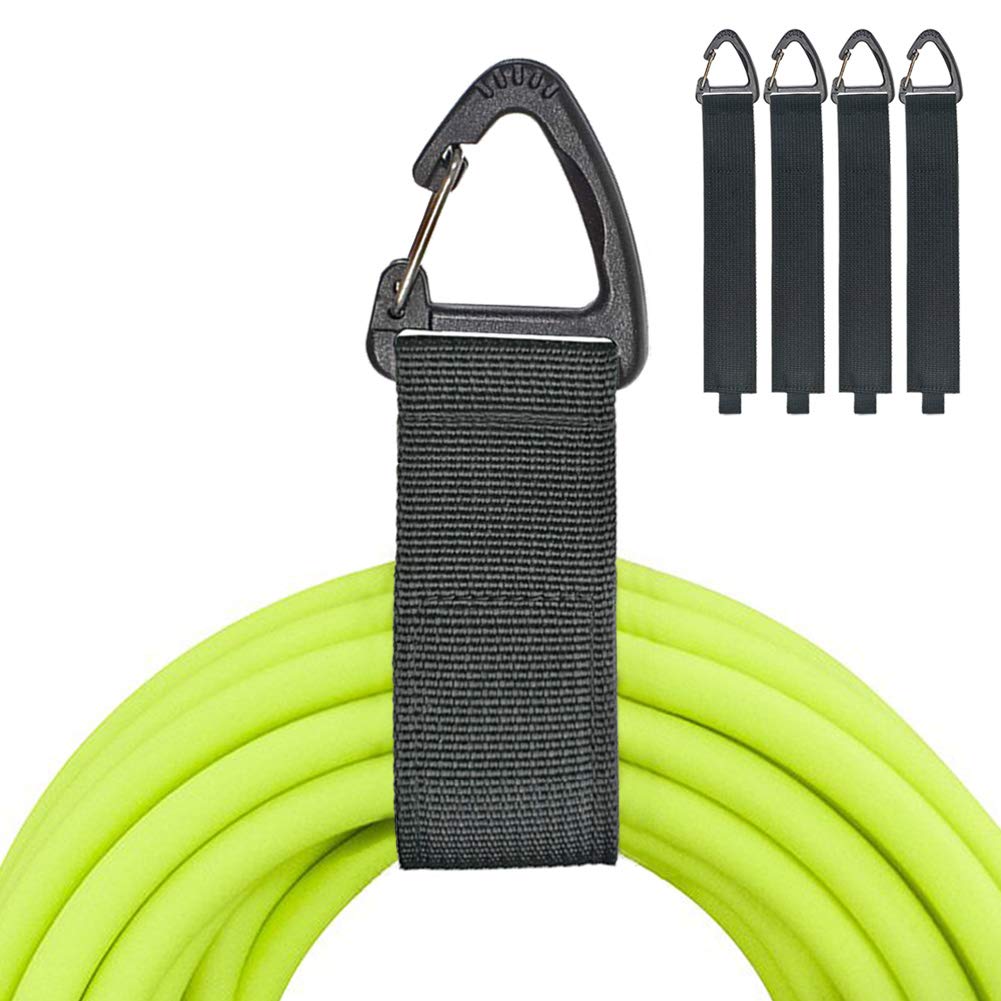
Heavy-duty nylon straps with a buckle and clip that I use to wrap and hang cords, hoses, and tarps.
Why I picked it: They bundle and hang long cables without tangling and save floor space in my camper storage bay.
Best for: Extension cords, generator cables, hoses, and rolled tarps in a camper garage or bay.
Very affordable and rugged for heavy use.
Pros
- Durable 900-denier nylon
- Holds large coils securely
- Easy to hang on hooks
- High load capacity
Cons
- Clip is polymer, not metal
- Fixed strap length for very large coils
My take
I use these straps to corral extension cords, a generator cable, and rolled tarps. The Velcro grip is aggressive and reliable, and the triangle buckle lets me hang coils on existing hooks in seconds.
They’ve been a game-changer for keeping the storage bay tidy—no more tangled cords or buried hoses—and they hold up under repeated use. For very large generator cables I use two straps to spread the load.
How I Choose Camper Organization Gear
Size and fit first
I always measure shelf depth and door clearance before I buy. A bin that’s a millimeter too tall can make a cabinet useless once it’s loaded.
Think about how you open the cabinet while the camper is in motion. I favor handles or an open-front design so I can access items without removing the whole bin every time.
- Measure shelf depth, height, and door swing
- Choose open-front bins for frequent access
- Pick stackable pieces if you need spare space when empty
Material and durability
I prioritize shatter-resistant plastics that are thick enough to handle repeated removal. Thin clear tubs look good but don’t survive road vibration as long.
For straps and hangers I look for heavy-denier nylon and secure buckles rather than thin webbing that stretches or frays.
- Prefer BPA-free, shatter-resistant plastics
- Check strap denier and buckle quality
- Avoid flimsy lids or thin walls for road use
Mounting and damage-free options
Adhesive hooks are my go-to when I can’t drill. I always prep the surface, let the adhesive cure, and avoid textured paint to prevent lift-off.
When planning permanent installs I use mechanical fasteners in reinforced areas, but for renters I rely on command-style strips and straps.
- Prep and cure adhesive strips for best hold
- Use hooks for hanging light items, not heavy loads
- Reserve drilling for permanent, reinforced spots
Cleaning and food safety
I use food-safe, easily washable bins in the galley. Most clear plastic organizers wipe clean with warm soapy water—avoid dishwasher heat unless the item explicitly allows it.
Labeling and clear visibility cut down on cross-contamination because I don’t have to rummage for ingredients.
- Choose food-safe plastics for edibles
- Hand-wash when dishwasher use is not recommended
- Keep like-items together to avoid spills and cross-contamination
Frequently Asked Questions
Will these clear bins fit standard camper shelves?
I always check dimensions against my shelf depth and door clearance. Many of these bins are designed for shallow shelves and will fit most camper cabinets, but measure before you buy to be certain.
Can I use adhesive hooks on camper walls?
I use adhesive hooks on finished, smooth surfaces inside campers—painted metal or laminated cabinets work best. I prep the area, follow the cure time, and avoid textured panels for reliable hold.
Are removable dividers worth it?
Yes. I swap dividers to adapt a bin for snacks one trip and charging cables the next; that flexibility reduces the number of containers I need.
Final Take
I pack my camper with a mix of clear bins, compartmented caddies, adhesive hooks, and heavy-duty straps to balance visibility, access, and secure storage.
Start with measurements, pick a few multipurpose pieces, and add task-specific organizers where needed. With the right small changes your storage will go from chaotic to functional on the next trip.
