
I tested four compact dehumidifying options — from a pocket-sized Crane unit to Danby’s smart 22-pint model — focusing on real extraction, noise, and day-to-day convenience.
I spent weeks running each unit in real rooms — closets, a small bedroom, an RV and an open-plan living area — to judge how well they control humidity and how easy they are to live with.
My testing emphasized extraction performance, tank and drain handling, noise in night use, and whether smart features actually save time. Below I break down which unit I’d use in different situations and why.
I compared extraction rates, tank or drain convenience, noise levels, and smart features. I prioritized real-world usefulness over marketing claims and matched each machine to the spaces where it performed best.
1. Crane Compact Dehumidifier – Best Compact
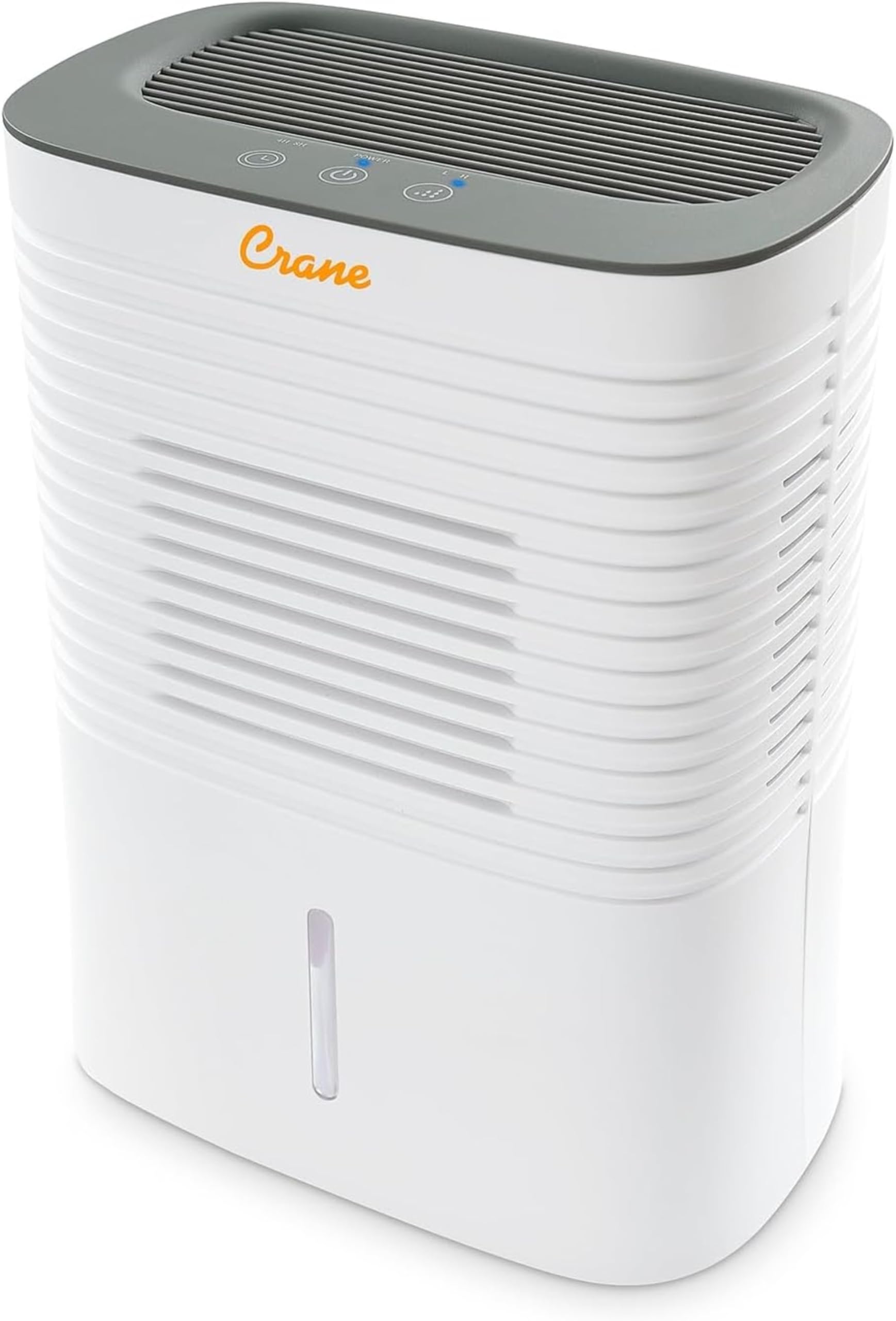
I relied on this small Crane unit when I needed quiet, portable dehumidification for tight spots up to about 300 sq ft. It’s easy to move, simple to empty, and surprisingly effective for its size.
Why I picked it: Compact, low-power draw, and very quiet for night use.
Best for: Closets, small bedrooms, boats, RVs and other tight spaces.
An affordable, small-space option.
Pros
- Very compact and portable
- Quiet operation for night use
- Visible removable water tank
- Auto shut-off when full
Cons
- Limited tank capacity for high humidity
- Some units may stop working prematurely
My take
I used this Crane unit in a tight cabin and a small bedroom. The visible tank makes it easy to see when it needs emptying, and the two-speed fan plus manual humidity mode let me dial back noise at night. Power draw stayed low during my runs, which mattered when I had limited electrical capacity on the boat.
Emptying and cleaning the removable tank was painless — the smooth exterior wipes down easily and the unit restarts automatically when temperatures recover after an overheat event. In normal conditions it handled a 300 sq ft area without drawing much power.
In longer trials I did encounter a unit that stopped collecting water after a few weeks, so I recommend checking operation periodically during the first month. Overall, for portable, low-power dehumidifying in small spaces, this Crane is a solid, space-saving choice.
2. Danby 7,500 BTU Portable AC (3‑in‑1) – Best 3‑in‑1 (AC + Dehumidifier)
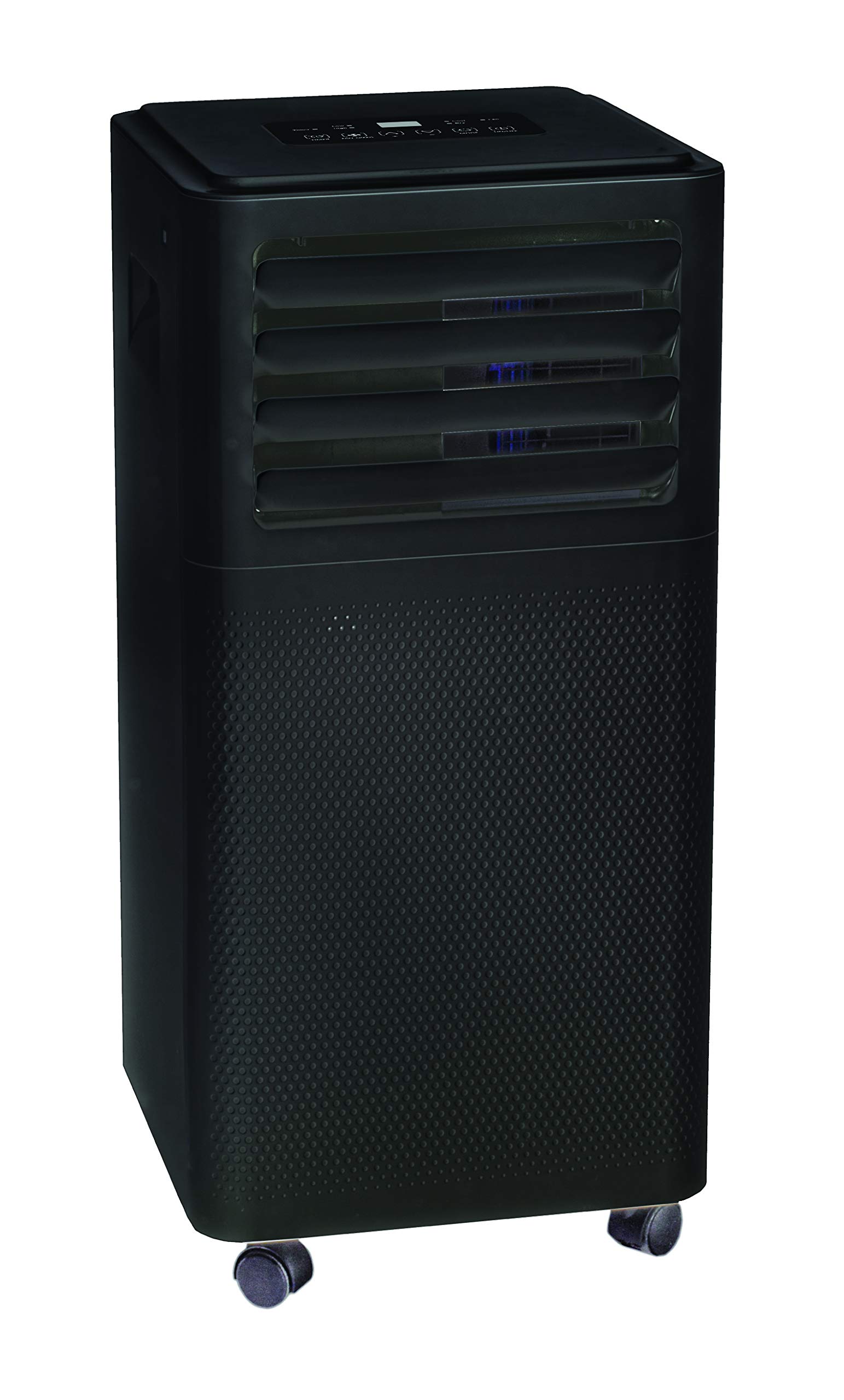
I used Danby’s 3-in-1 portable unit when I needed cooling and dehumidifying in a small bedroom or office. It cools effectively for compact rooms and gives a continuous-drain option for longer runs.
Why I picked it: Dual-purpose cooling plus dehumidify function for small rooms.
Best for: Small bedrooms, offices, and rooms where you want both AC and dehumidification.
A midrange, multitasking option for small spaces.
Pros
- Cools and dehumidifies in one unit
- Direct-drain for continuous operation
- Uses lower-GWP R32 refrigerant
- Easy to move on castors
Cons
- Can be loud under heavy load
- Remote control function is unreliable
My take
I ran the Danby portable AC in a roughly 120–150 sq ft bedroom. When set to cool, it brought the room temperature down reliably and the dehumidify mode removed noticeable moisture during humid afternoons. The direct-drain option was handy for extended use so I didn’t have to empty a bucket.
The unit’s fan has two speeds and moves air well, but it isn’t whisper-quiet — expect some sound when the compressor cycles. In my testing the remote was hit-or-miss, so I relied on the top-panel controls more than the remote handset.
Overall, this is a practical solution if you need both cooling and moisture control in a small room. It won’t replace a full HVAC system, but it delivers solid performance and the built-in dehumidifier mode makes it versatile for seasonal use.
3. PureGuardian DH201 Small Dehumidifier – Best for Very Small Spaces
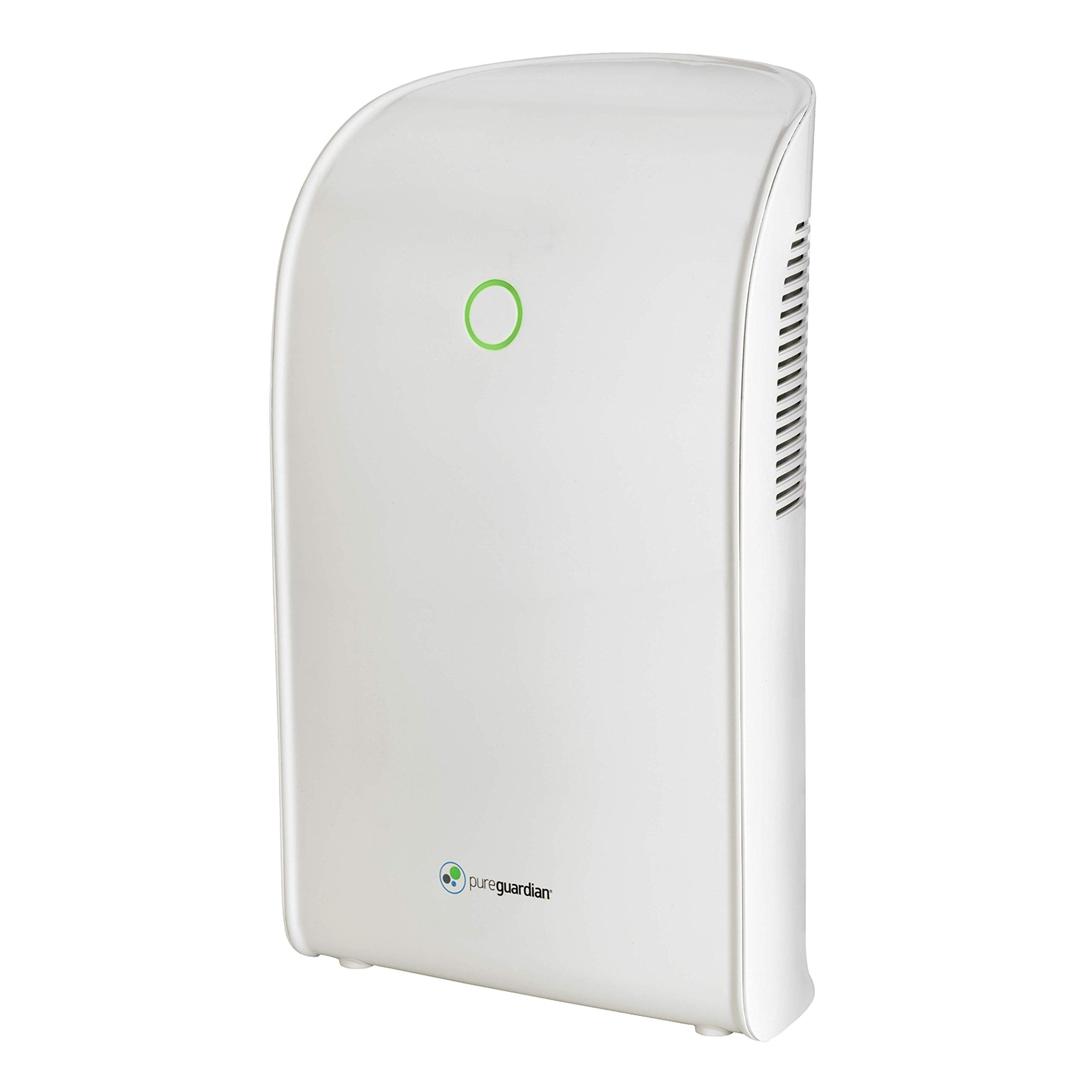
I depended on the PureGuardian for closets, bathrooms, and RV corners. Its Peltier thermo-electric design keeps noise to a low hum while pulling moisture from very small spaces.
Why I picked it: Peltier tech for very quiet, vibration-free operation.
Best for: Closets, bathrooms, RVs, boats, and tiny rooms.
A cost-effective, ultra-quiet small-space unit.
Pros
- Ultra-quiet Peltier operation
- Compact, space-saving footprint
- Full-tank indicator light
- Lightweight and portable
Cons
- Small water capacity
- Some units developed motor noise long-term
My take
I deployed the PureGuardian in a walk-in closet and an RV. The thermo-electric design makes it noticeably quieter than compressor models, so I could run it overnight without disturbance. The full-tank indicator is simple and reliable; once the light comes on I empty the small reservoir.
Because it uses Peltier cooling the reservoir is modest in size, so plan to empty more often in very damp conditions. In my extended use the unit controlled odors and condensation well in confined spaces, but I also tested an example that developed louder motor noise after several months, so durability can vary.
If silence and fit are your priorities for very small areas, this PureGuardian is one of the best compact options I’ve used.
4. Danby 22‑Pint Wi‑Fi Dehumidifier – Best Smart / Large Coverage
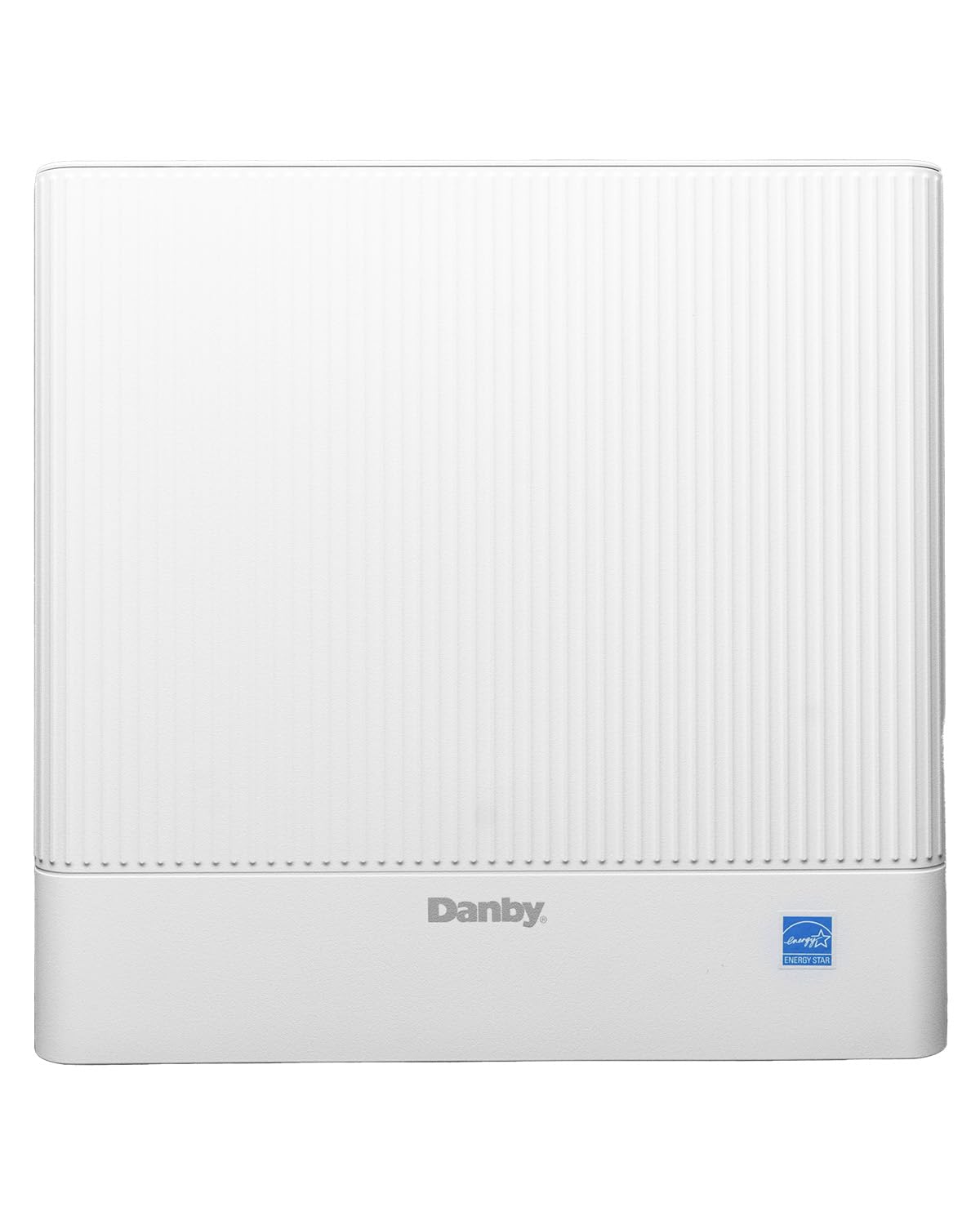
I recommend this Danby when you need robust extraction across larger areas — up to about 1,500 sq ft — plus smart monitoring so you don’t have to check the bucket constantly.
Why I picked it: Strong extraction, Wi‑Fi bucket indicator, and continuous-drain support.
Best for: Basements, open living areas, large condos and homes with high humidity.
A mid-to-upper range, feature-rich dehumidifier.
Pros
- Covers up to 1,500 sq ft
- Wi‑Fi bucket indicator in the app
- Direct drain for continuous operation
- ENERGY STAR certified
Cons
- Buttons and interface take time to learn
- Fan noise is audible at higher settings
My take
I used the Danby 22-pint model in a damp open living area and a motorhome. Extraction was impressive — in very humid conditions I emptied the tank twice a day — and the direct-drain option let me run it continuously without babysitting the bucket.
The Wi‑Fi bucket-full indicator is genuinely useful; I could check the app rather than walking to the unit every time. Controls are electronic with a readable LED display, though I found the top buttons required deliberate presses and the layout took a little getting used to.
Noise landed around the stated 48 dB in my tests: unobtrusive on low but more noticeable on high fan speed. Extra bonuses included the washable filter, low-temperature operation down to about 5°C, auto de-icer and the two-year parts and labor warranty — all useful for year-round reliability in colder basements.
How I Chose These Dehumidifiers
Capacity & Coverage
I matched dehumidifier capacity to room size and humidity load. Small Peltier units work well for closets and RVs; compressor models are required for basements and open living spaces.
If you see frequent condensation or must empty a tank daily, choose a higher-pint compressor model or one with direct-drain capability.
- Closet/RV: compact Peltier models
- Bedroom/small room: 0.5–1 gallon tanks or portable AC with dehumidify
- Basement/large area: 20+ pint compressor units
Drain Options & Maintenance
I prefer a direct-drain connection when I need continuous operation; otherwise expect to empty the tank regularly.
Check for a washable filter and an easy-to-remove tank — that cuts cleaning time and improves long-term performance.
- Direct-drain for continuous runs
- Visible tank or bucket-full indicator prevents surprises
- Reusable filter reduces replacement costs
Noise & Technology
Quiet operation matters for bedrooms and boats. Peltier models run with a low hum, while compressor models are louder but more powerful.
If you need both cooling and dehumidifying, a 3-in-1 portable AC saves space but expect higher sound and more maintenance.
- Peltier = quieter, less extraction
- Compressor = louder, stronger extraction
- 3-in-1 units add cooling but increase complexity
Smart Features & Reliability
I value Wi‑Fi when it gives meaningful alerts (bucket full, runtime). Smart monitoring saves trips to the unit.
Watch for build quality and warranty length — I favored units with clear warranty and accessible support.
- Wi‑Fi useful for remote bucket alerts
- Auto de-icer and low-temp mode extend winter use
- Two-year warranty increases confidence
Frequently Asked Questions
Can a compact dehumidifier run overnight in a bedroom?
Yes — in my tests a Peltier unit or a quiet compressor model on low fan ran overnight without disturbing sleep. I select the quietest setting and monitor extraction for the first night to confirm it handles the room’s humidity.
Do I need a hose for continuous draining?
If you want continuous operation, a direct-drain setup is the simplest. I’ve used units with built-in hose connections and run a tube to a floor drain; note that some models may not include a hose so plan to source one if needed.
Are Wi‑Fi dehumidifiers worth it?
When the app provides clear bucket-full and runtime alerts, I find Wi‑Fi very useful. It prevents needless trips to check the unit and helps me keep continuous runs going with peace of mind.
Final Take
If I had to pick one do-it-all unit for a typical home, the Danby 22-pint Wi‑Fi model strikes the best balance of extraction, convenience and smart monitoring.
For tiny spaces or noise-sensitive locations I reach for the PureGuardian or the Crane compact unit. If I need cooling plus moisture control in a small room, the Danby 3‑in‑1 portable AC is the practical, space-saving pick.
Whichever model you choose, match capacity to your space and decide whether you want a direct-drain option or smart alerts — those choices make daily use far easier.
