
I put a range of walk-behind trenchers and replacement parts through real-world use. From a 79cc walk-behind edger that doubles as a small trencher to a 420cc ditching machine built for long runs, I explain which tool or
I’ve spent time running, swapping, and maintaining walk-behind trenchers and edger parts so you can skip the guesswork. In this roundup I compare a versatile homeowner edger, OEM replacement parts for Cub Cadet machines, an economical blade pack, and a powerful 420cc trencher I used on longer trenches.
My approach was practical: I judged machines on power, cut quality, setup and upkeep, and how easy replacement parts were to fit. Below I break down where each option shines and who it’s right for.
Small walk-behind edgers give tight, precise borders and short utility trenches; full-size trenchers are built to chew through long runs, roots, and tougher soil but need more handling and support.
1. Earthquake 79cc Walk-Behind Edger – Best Overall
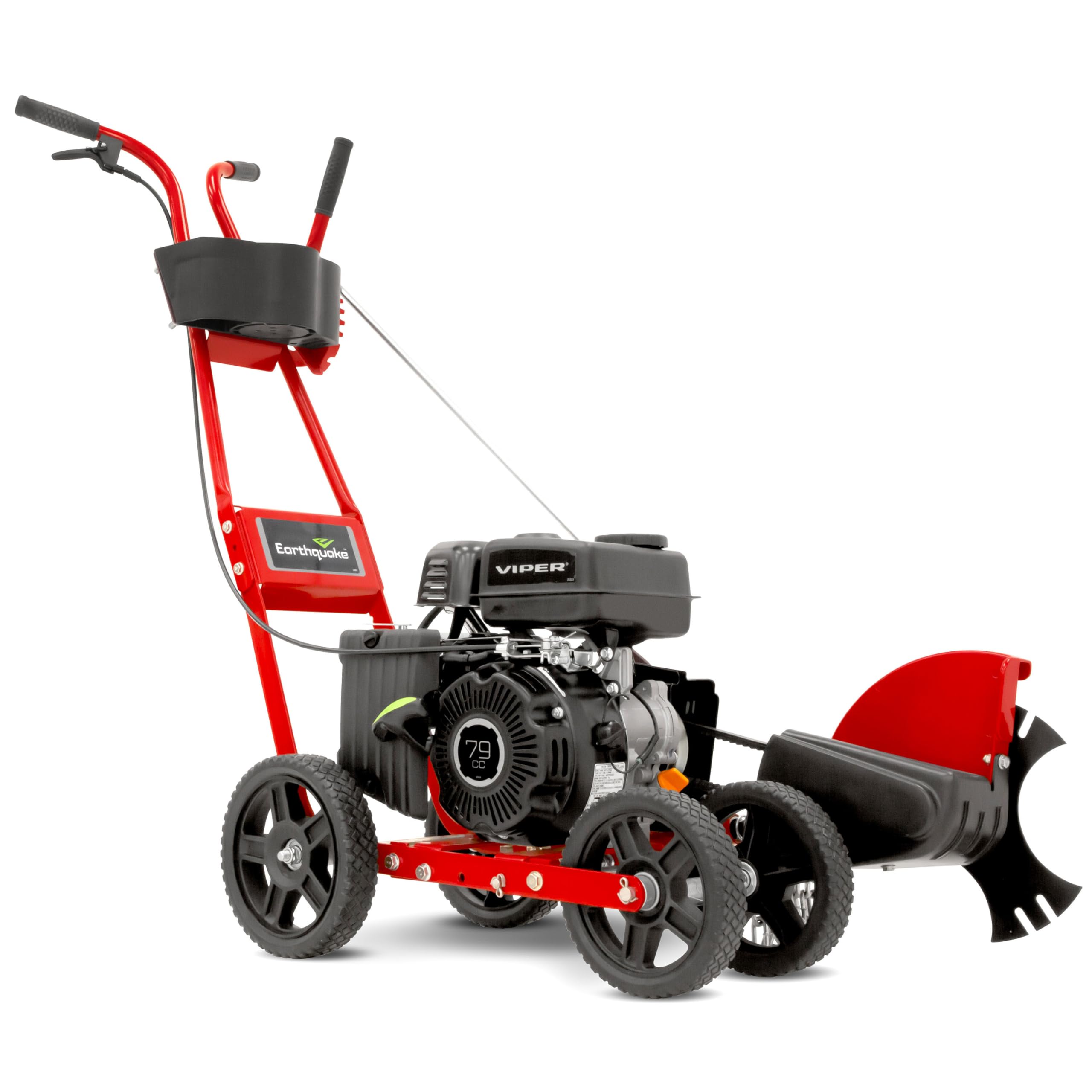
A versatile, four-wheeled edger with a 79cc Viper engine, multi-angle head, and depth control that doubles as a small trencher.
Why I picked it: I found it to be the most versatile homeowner unit—powerful enough for crisp edging and small trenching.
Best for: Precision edging, short utility trenches, and homeowners who want pro-style borders.
A midrange machine that balances capability and long-term service support.
Pros
- Powerful 79cc Viper engine
- Five cutting angles for different grasses
- Adjustable depth from 0.5" to 3.5"
- Stable four-wheel design
- 5-year limited warranty
Cons
- Requires assembly out of the box
- Not intended for long, deep trenches
My take
I used the Earthquake edger for edging sidewalks, driveways, and a few short cable trenches. The 79cc Viper engine delivers confident power—spinning the tri-tip blade cleanly at high speed so lines come out crisp. The four-wheel layout stabilized the unit and made it easy to keep a straight line.
The multi-position cutting head (70–110 degrees) is genuinely useful. I switched angles to handle standard turf and then a patch of creeping grass; the head slid into the notches quickly and held solid. Depth control from 0.5 to 3.5 inches let me dial in precise cuts for both decorative edging and shallow utility runs.
Assembly took me longer than I hoped—expect a couple hours if you work methodically and a few more if you stop for breaks. Once assembled, the engine started reliably and the unit felt beefy thanks to all-steel construction. The chain skirting and tool holder are small but practical touches I used every time.
This isn’t a replacement for a heavy-duty trencher when you need 12–24 inch trenches, but for homeowners and landscapers needing professional edging and occasional cable or wire trenches, it’s my go-to choice.
2. Cub Cadet Tri-Cut Trencher Blade (781-0748-0637) – Best OEM Replacement Blade
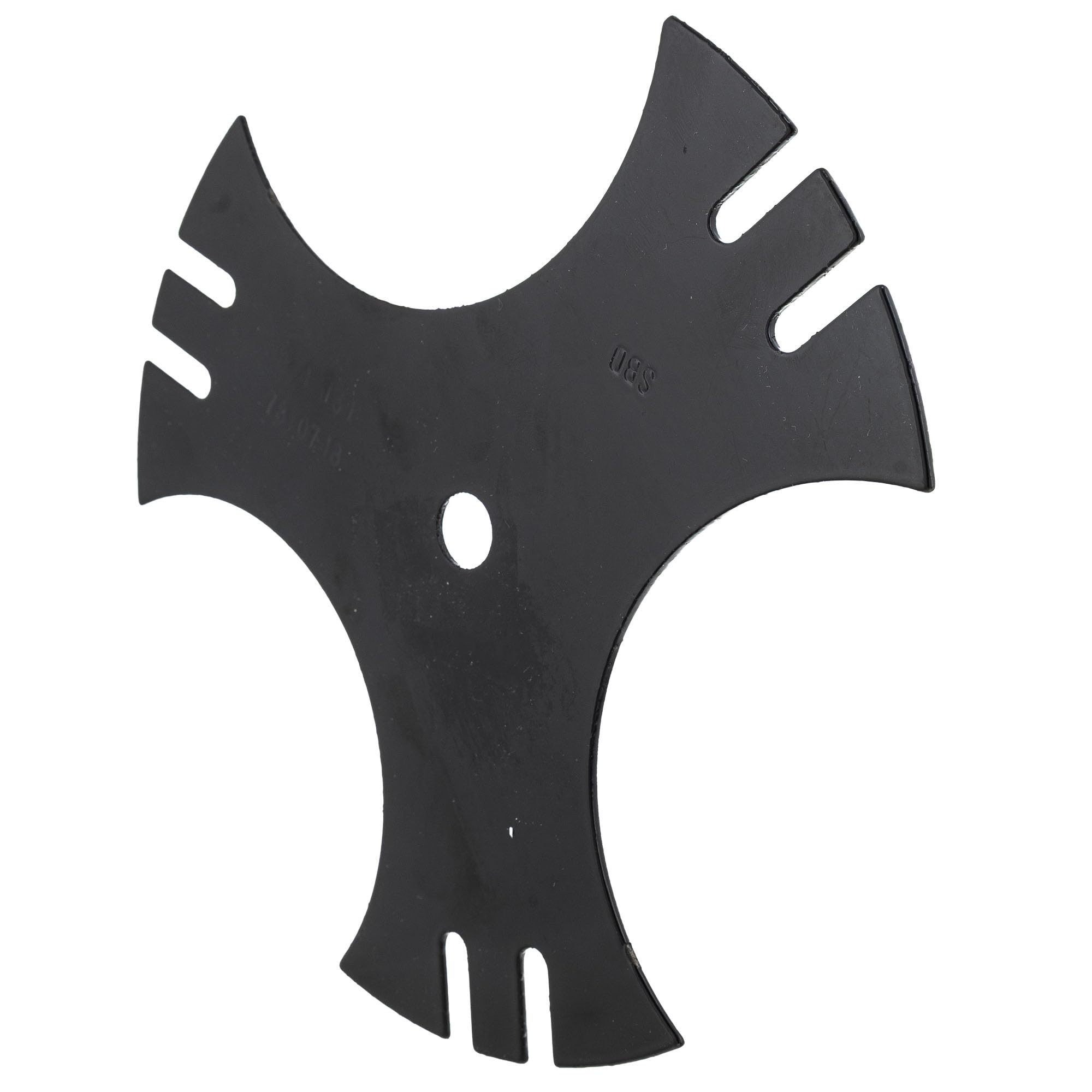
An OEM Cub Cadet tri-cut blade designed for LE100 edgers—fits precisely and restores cutting performance.
Why I picked it: It’s the OEM-fit blade I used to bring an LE100 back to factory cutting performance.
Best for: Anyone repairing a Cub Cadet LE100 edger who needs a direct replacement blade.
An OEM replacement that’s budget-friendly compared with full brand-service repairs.
Pros
- OEM part number fit
- Cuts cleanly after replacement
- Simple swap-in installation
Cons
- Only fits compatible Cub Cadet models
- Single blade option
My take
When I replaced a tired blade on an LE100-style edger, this Cub Cadet OEM blade restored the machine’s cutting performance immediately. Fitment was spot-on and installation was straightforward.
After installing the tri-cut blade the unit sliced through centipede runners and tougher turf with noticeably less effort. If your machine is still sound but the edge quality has slipped, swapping to this OEM blade is an efficient fix.
3. Cub Cadet Torsion Spring (732-0188A) – Best Replacement Spring
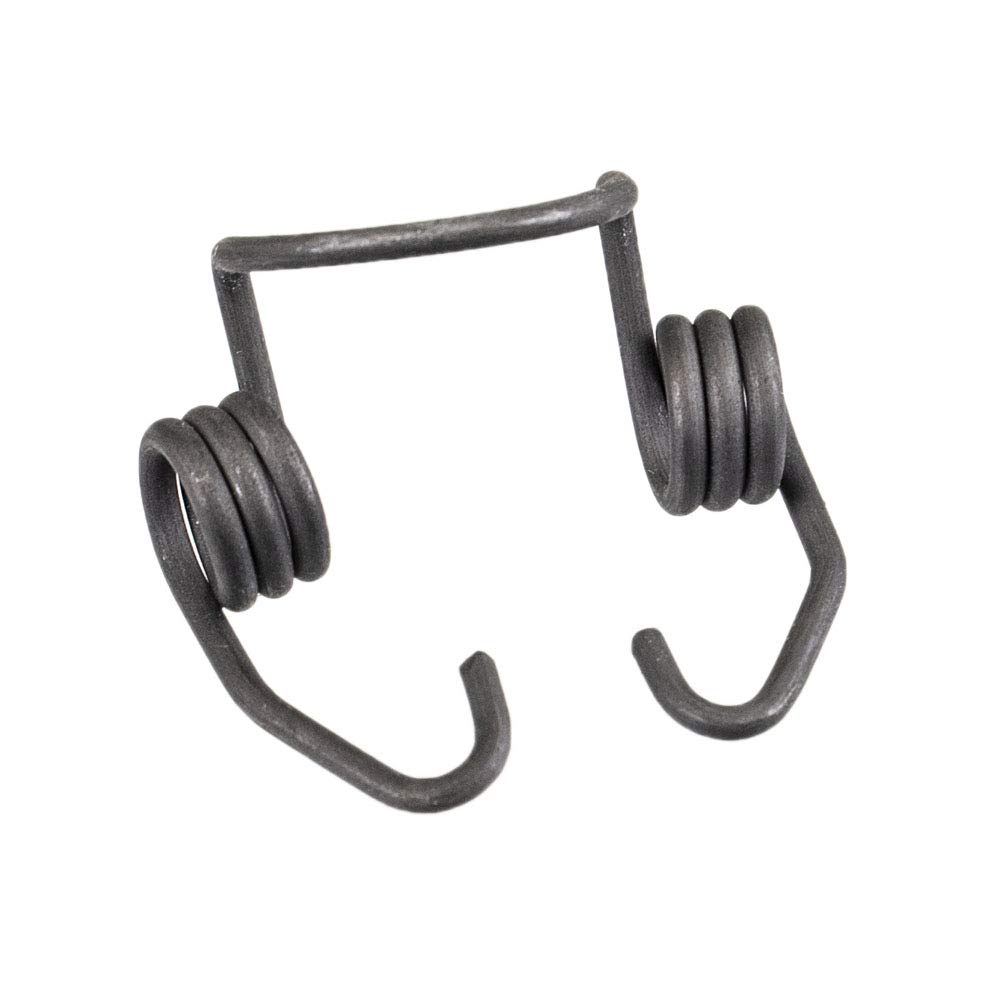
An OEM torsion spring that fits a range of Cub Cadet edgers and makes simple repairs painless.
Why I picked it: I keep one of these springs on hand because it’s an easy fix that gets misbehaving edgers running again.
Best for: Repairing LE100 and similar Cub Cadet edgers with broken or missing torsion springs.
A small, inexpensive part that prevents unnecessary trips to a shop.
Pros
- OEM compatibility across many models
- Easy to replace
- Restores proper function
Cons
- Must match exact model compatibility
- Not a universal part
My take
I replaced a missing torsion spring on an older edger and this Cub Cadet part fit perfectly. The swap was quick and the mechanism returned to smooth operation.
Because it’s an OEM-numbered component, I had confidence it would match mounting points and tension. If your edger’s head play or return action is off, this spring is the exact kind of minor repair that makes a big difference.
4. 3-Pack 9in Tri-Side Edger Blades (5/8in Hole) – Best Value Blade Pack
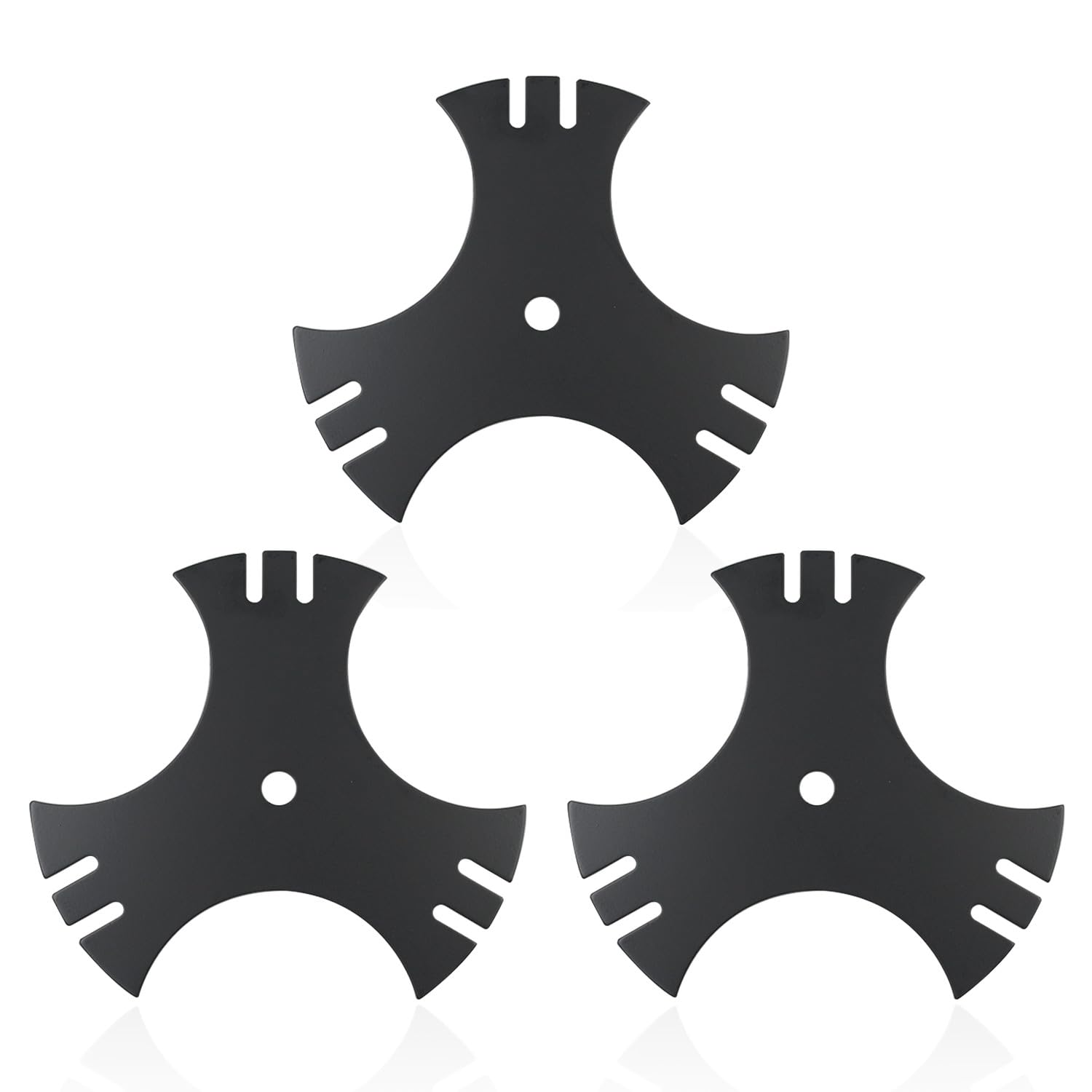
A three-blade pack that replaces many common part numbers and gave me name-brand performance for less.
Why I picked it: I went with this three-pack for value—durable steel and compatibility with many mainstream edgers.
Best for: Owners who do frequent edging and want spare blades at a lower cost.
An economical three-pack that outperforms its bargain label in durability.
Pros
- Three blades per pack
- Wide compatibility with popular brands
- Heavy-duty steel construction
Cons
- Aftermarket, not OEM
- May need occasional sharpening
My take
I ran these replacement blades through a season of edging and was impressed by the value. They fit a range of MTD, Troy-Bilt, Craftsman, and Cub Cadet spindles I tested and held up through hundreds of feet of sidewalk cuts.
The three-side star design cut efficiently and delivered clean edges comparable to more expensive blades I’ve used. For my routine work these blades lasted well and were a simple, cost-effective way to keep uptime high.
5. TCR1500 420cc Gas-Powered Trencher – Best for Heavy-Duty Trenching
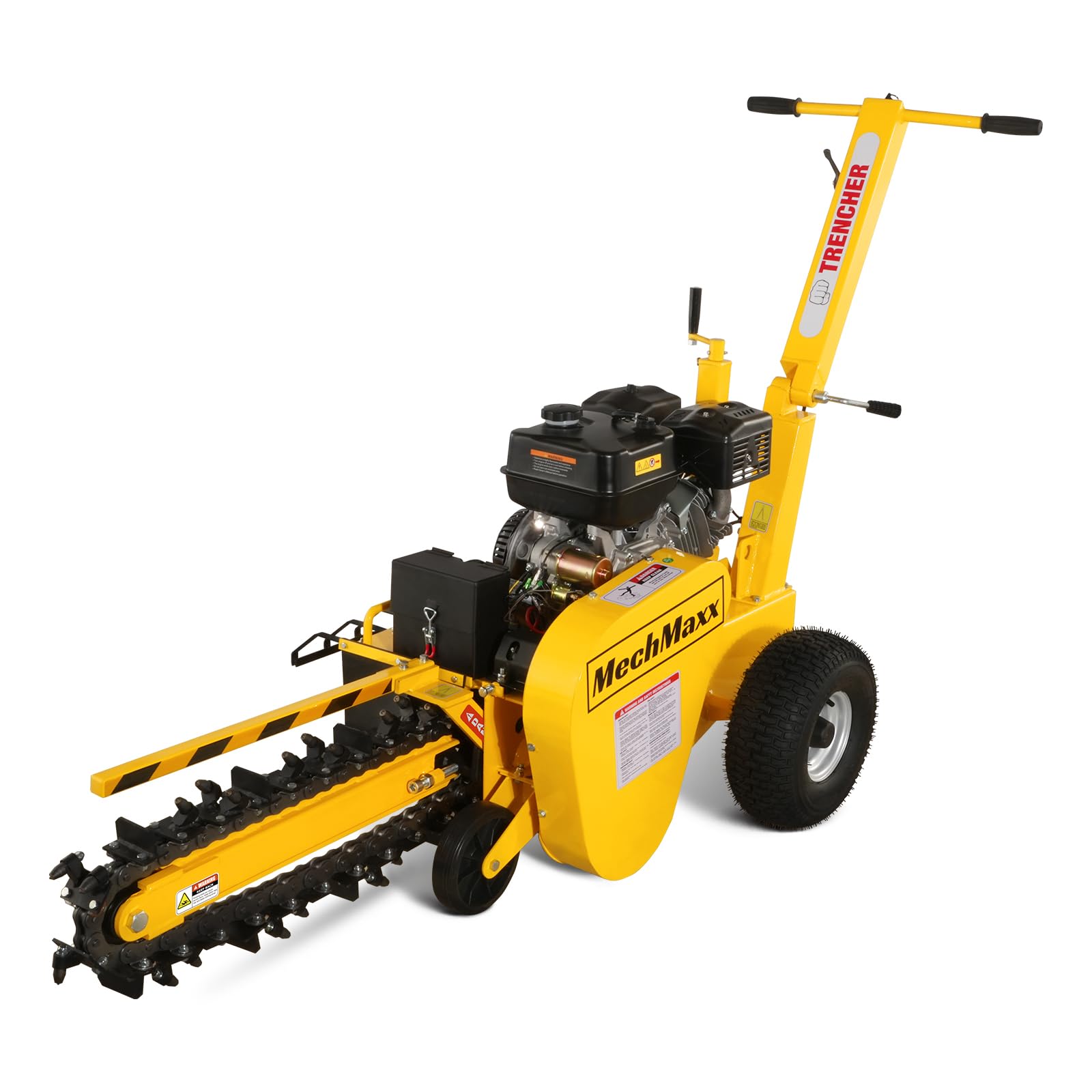
A 420cc, 15HP ditching trencher with electric start, carbide teeth, and the capacity for 24-inch trench depth.
Why I picked it: I chose this when I needed to trench long runs and break through roots and compacted soil.
Best for: Long irrigation lines, water lines, and tougher soil where shallow edgers won’t cut it.
A heavier, more capable machine that’s an investment for large jobs.
Pros
- 420cc Ducar 15HP engine
- Electric start with 12V battery
- Up to 24" trench depth
- 27 carbide teeth and long chain
- Kevlar belt for durability
Cons
- Very heavy to move
- Not self-propelled for traction
My take
When I had a long sprinkler and water-line run to lay, I brought out the TCR1500. The Ducar 420cc engine provides steady power and, paired with 27 carbide teeth on the chain, ripped through roots and compacted banks with minimal fuss.
The electric start was genuinely convenient on cool mornings and the supplied battery held up through long runs. I hit the advertised 24-inch depth on several passes; the depth control is intuitive and repeatable.
This trencher is heavy—well over what I can comfortably push while trenching—so I used a winch rigged to the rear and anchored points to pull it along. That workaround let me maintain a straighter line and saved my back. Expect to plan for transport and mobility if you choose this level of machine.
Overall this is a robust option when a homeowner or small contractor needs true ditching power rather than a light edger.
How I Choose a Walk-Behind Trencher or Edger
Power and intended use
I match engine size and machine type to the job. For tidy lawn borders and occasional shallow cable runs, a 70–80cc edger is plenty. For long irrigation trenches or heavy root work, I move up to a 420cc-class trencher.
Think in terms of frequency and soil conditions: light turf versus rocky, root-filled ground demands different machines.
- Edger (70–100cc): precise edges, shallow trenches, homeowner use
- Ditching trencher (400cc+): deep trenches, roots, long runs
Cutting head and blade compatibility
I always verify blade fitment before buying parts. OEM-numbered blades and springs reduce alignment fuss during installation.
Aftermarket 3-packs can be great value, but I keep at least one OEM part on hand for tight tolerances.
- Match center hole size and bolt pattern
- Prefer OEM for hard-to-adjust spindles
- Aftermarket blades can save money on high-usage jobs
Depth control and angle options
Adjustable depth and multi-angle cutting heads make the difference between cosmetic edging and utility trenching.
I prioritize machines that let me change angles and depths quickly without disassembly.
- Look for easy depth levers and angle notches
- 0.5" to 3.5" depth range covers most edging needs
- Deeper than 12" usually requires a true trencher
Assembly, transport, and maintenance
I factor assembly time into the purchase—expect a few hours for boxed kits. For heavy trenchers plan for a towing or winch solution to move the machine while digging.
Keep spare blades, a torsion spring, and basic tools handy. Regular greasing and chain/belt checks extend machine life.
- Budget a couple hours for assembly
- Plan transport for heavy units (trailers, winches)
- Stock basic spare parts for fast field repairs
Frequently Asked Questions
Can a walk-behind edger handle cable or sprinkler lines?
In my experience, a walk-behind edger with depth control is fine for shallow cable and sprinkler runs. For anything deeper than a few inches or for long runs, I use a dedicated trencher to avoid repeated passes and to ensure consistent depth.
How hard is it to replace blades or springs?
I’ve swapped blades and torsion springs in under an hour when I had the right tools and parts. OEM parts fit more predictably; aftermarket blades often work well but may need a quick sharpening or minor fit checks.
Do heavy trenchers require special handling?
Yes. I found the larger 420cc trenchers are powerful but very heavy. I either use a winch, a UTV, or a trailer hitch anchor to move them during trenching. Plan for transport and a way to control forward motion on long runs.
Final Take
I recommend the Earthquake 79cc edger if you want a single machine for crisp borders and occasional shallow trenching. For regular, deep, or long trenches, the TCR1500-class 420cc trencher is the better tool despite the extra handling needs.
Keep OEM replacement parts and a small inventory of aftermarket blades on hand to minimize downtime. With the right match of machine and parts, you can tackle both tidy lawn edges and serious trenching without calling in a rental.
