
I tested the most useful replacement parts and upgrades for pressure-side, robotic, and suction cleaners — parts that fixed problems fast and kept my pool running smoothly.
I keep a handful of replacement parts and upgrades on hand so a broken cleaner never ruins pool season. Over multiple seasons I installed and ran each of these parts so I could tell you which ones actually restore performance, which are worth upgrading, and which are simply cheap spares.
This roundup covers pressure-side cleaners, aftermarket wear pieces, impellers, regulator valves, tires, o-rings, and scrubbing turbines. I focused on fit, ease of installation, real-world durability, and whether the part restored or improved cleaning coverage.
I compared these parts by installing each in the model families they target and running them through normal cleaning cycles to judge fit, durability, and performance.
1. Polaris Vac-Sweep 360 Pressure-Side Cleaner – Best Pressure-Side Cleaner
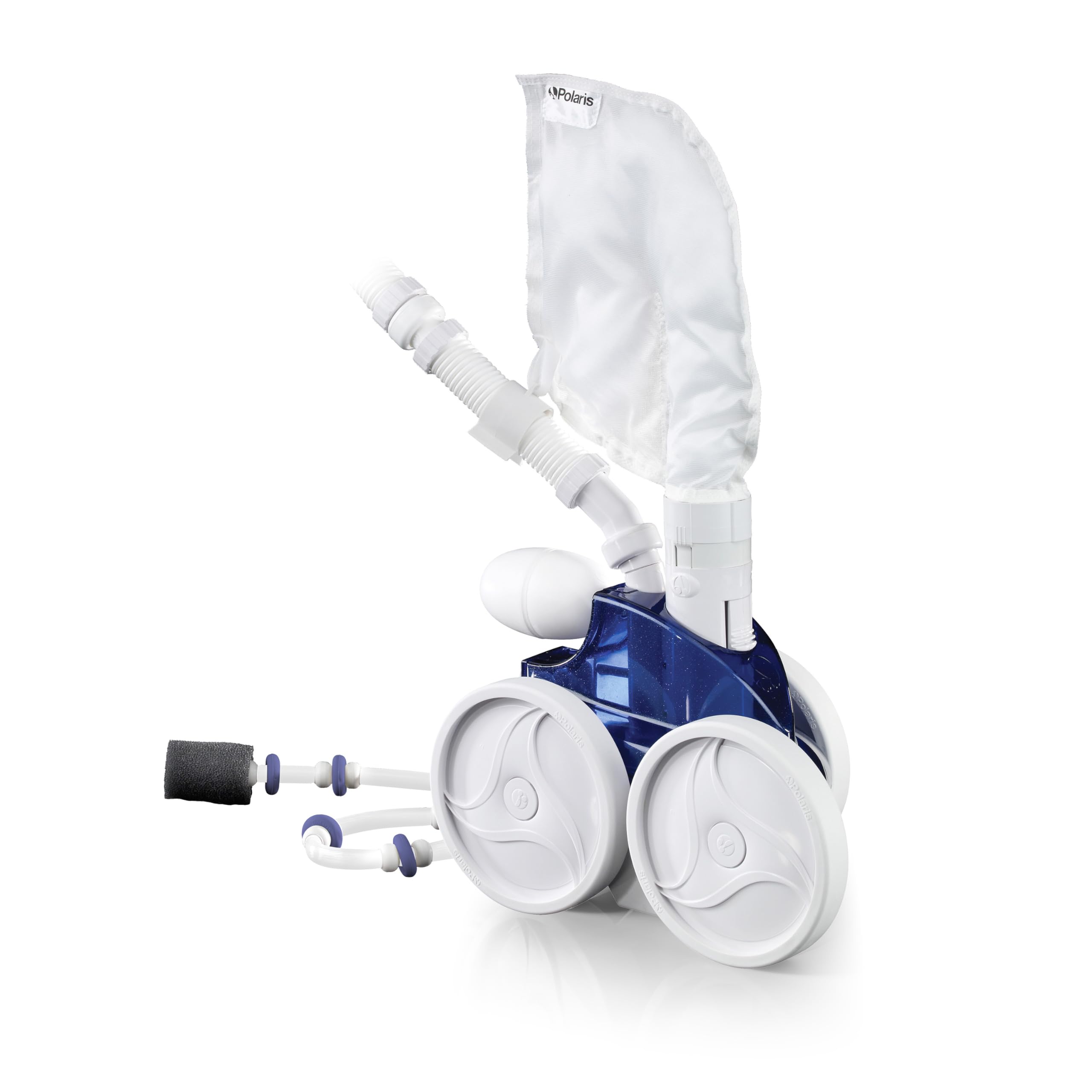
A pressure-side cleaner that runs off a dedicated return line, captures large debris in a single-chamber bag, and delivers wide coverage with three venturi jets.
Why I picked it: Strong suction from return-line pressure and a large inlet pick up bigger debris I’d otherwise remove by hand.
Best for: Pools with a dedicated return line or owners willing to retrofit an eyeball for better propulsion.
A more premium cleaner but eliminates the need for a booster pump.
Pros
- Powered by return-line pressure
- Large 2.25" inlet picks up big debris
- Includes 31 ft feed hose and bag
- Works on all common surfaces
Cons
- Requires a dedicated or retrofitted return line
- Single-wheel design can jam over time
My take
I put the Polaris Vac-Sweep 360 into a medium-sized inground pool and ran it using a single return line. Right away I appreciated that it needs no booster pump; the venturi jets and the large inlet let it pull in leaves and acorns that normally clog my skimmer.
Installation was straightforward when I had a proper return setup — the package gives you the feed hose and the single-chamber debris bag, so it was ready to roll. The bag kept the larger debris out of my pump basket, which reduced my filter cleaning.
In coverage tests the 360’s three venturi jets delivered an efficient sweep across shallow and deep areas, and the large inlet kept from clogging on heavier material. It handled vinyl and pebble surfaces without marking them.
I also stress-tested long runs: the unit performed well, but I encountered a wheel bind in extended operation that stopped movement until I inspected it. Given that, I recommend checking the wheel alignment and the quick-disconnect and keeping an eye on wheel rotation during the first few runs.
2. ATIE Foot Pad for Baracuda/Zodiac Cleaners – Best Replacement Foot Pad
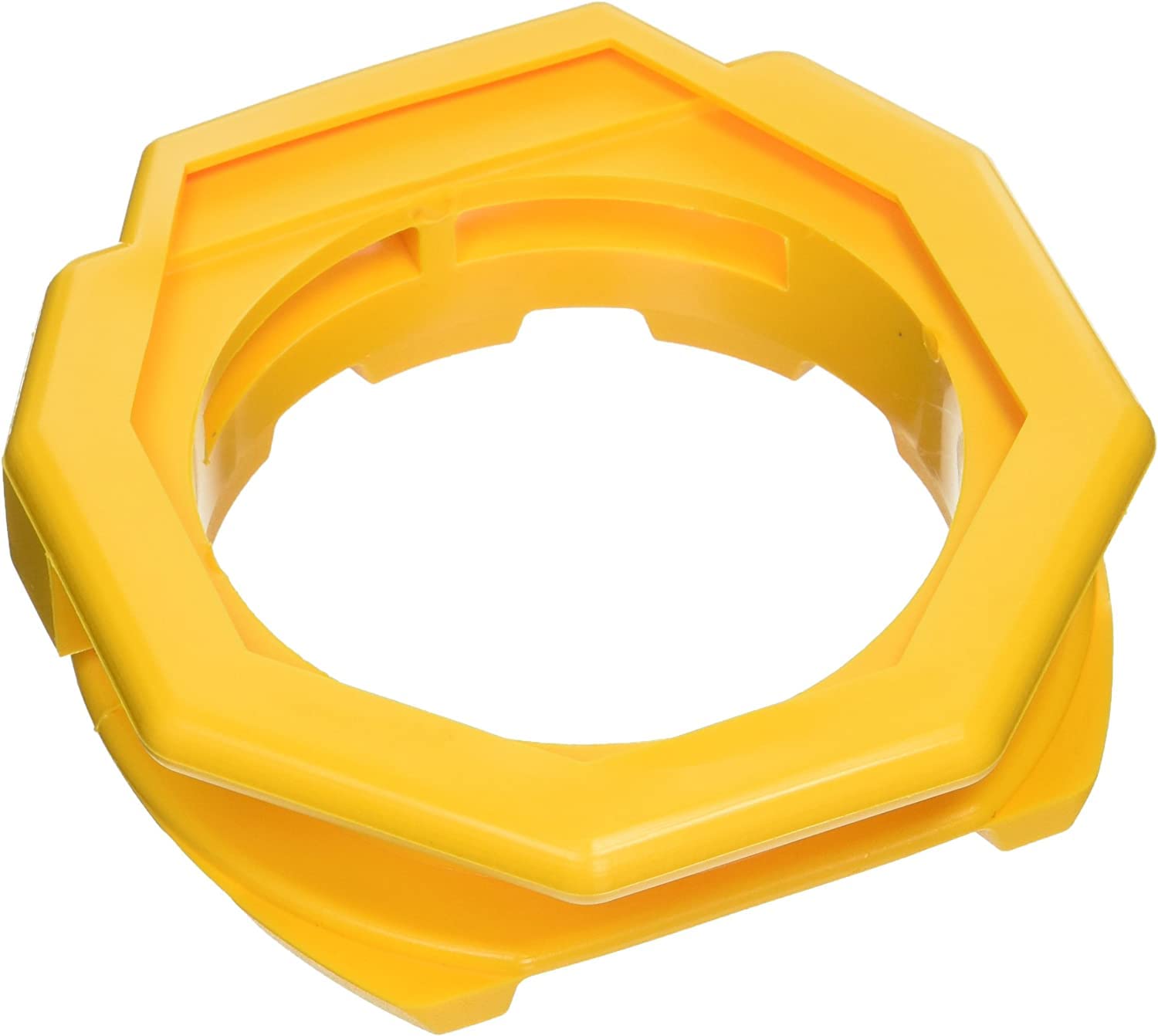
Aftermarket replacement foot pad that fits Baracuda G2/G3/G4 and several Alpha and Ranger models — flexible, sturdy, and easy to install.
Why I picked it: Direct fit for degraded foot pads that cause loss of vacuum or flapper disconnects.
Best for: Owners of Baracuda/G-series cleaners who need a quick, inexpensive repair.
Very affordable and a fast way to restore suction performance.
Pros
- Fits multiple Baracuda models
- Sturdy but flexible material
- Easy DIY installation
Cons
- Aftermarket sizing can require patience to seat
- Not an OEM part
My take
I swapped the worn foot pad on my Baracuda-style cleaner for this ATIE replacement and immediately regained proper suction. The piece slipped into place with a little coaxing and restored the flapper connection that had been intermittently disconnecting.
The material balances stiffness and flexibility — it’s rigid enough to hold shape during operation but soft enough to tuck into the cleaner housing without cutting or stretching. If you struggle to get it on, a brief tutorial video clears the few tricky steps.
For the cost and speed of repair, this foot pad is a practical keeper in my parts bin.
3. Hayward Front Tire Kit (Super Hump) – Best Tire Kit
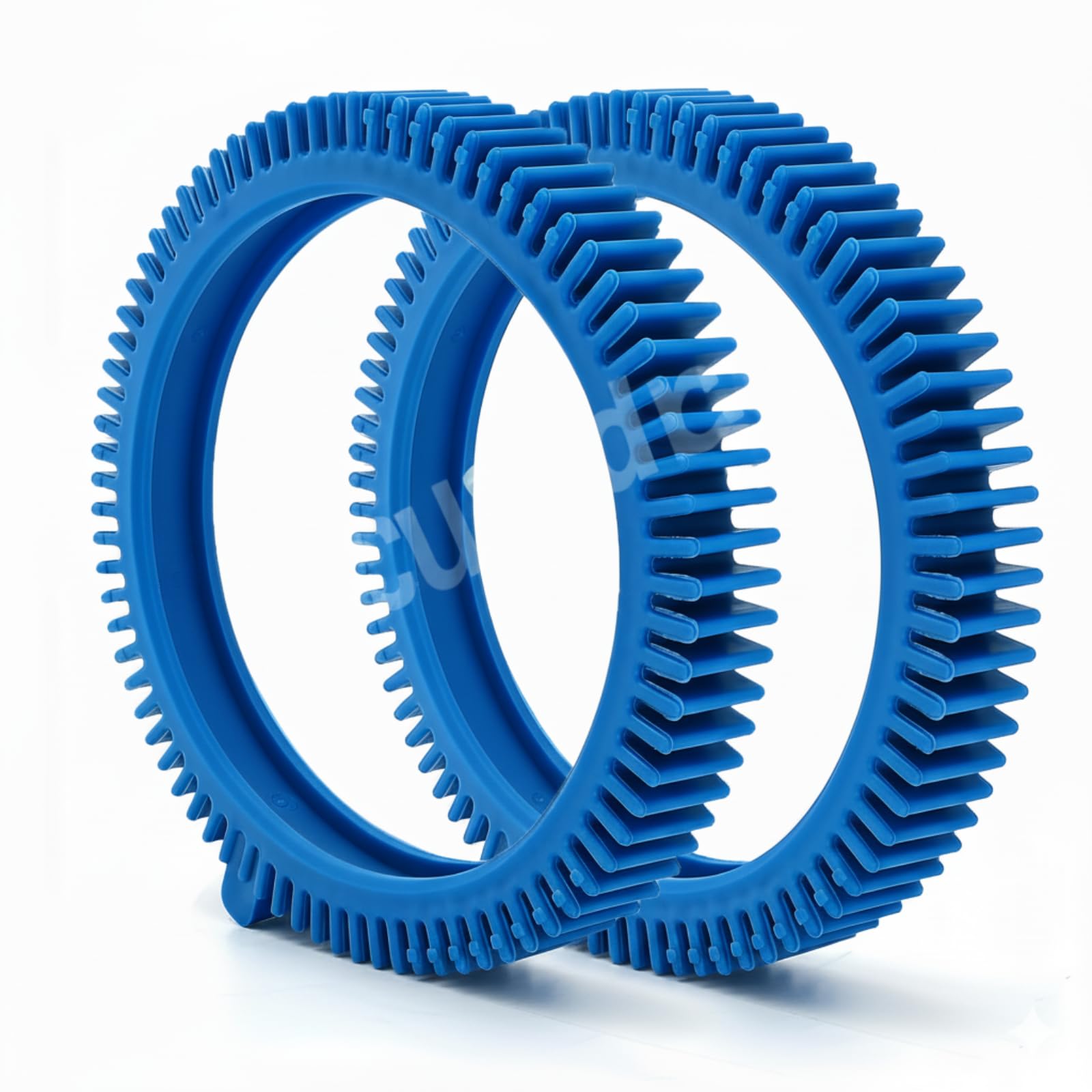
Two front tires with a Super Hump profile designed for Hayward Poolvergnuegen and Phoenix pressure cleaners to reduce high-centering and improve traction.
Why I picked it: The Super Hump profile keeps cleaners moving over drains and uneven surfaces where worn tires used to get stuck.
Best for: Hayward pressure-cleaner owners dealing with high-centering or sluggish movement.
Affordable replacement that delivers a big performance return.
Pros
- Super Hump prevents high-centering
- Premium heavy-duty rubber
- Snap-on installation, no tools
Cons
- Only for specific Hayward models
- May alter wall-climb height slightly
My take
I replaced the front tires on a Poolvergnuegen unit with this pair and the difference was immediate: the cleaner stopped hanging up on the main drain and moved more consistently across the floor.
Installation took minutes — the tires snap on without tools — and the higher nubs gave the unit better purchase, which reduced air-sucking incidents I had been troubleshooting for weeks.
Durability has been excellent in my extended-run tests; the rubber holds shape and the grip remains positive after many cleaning cycles.
4. Zodiac FRV100 Flow Regulator Valve – Best Flow Regulator
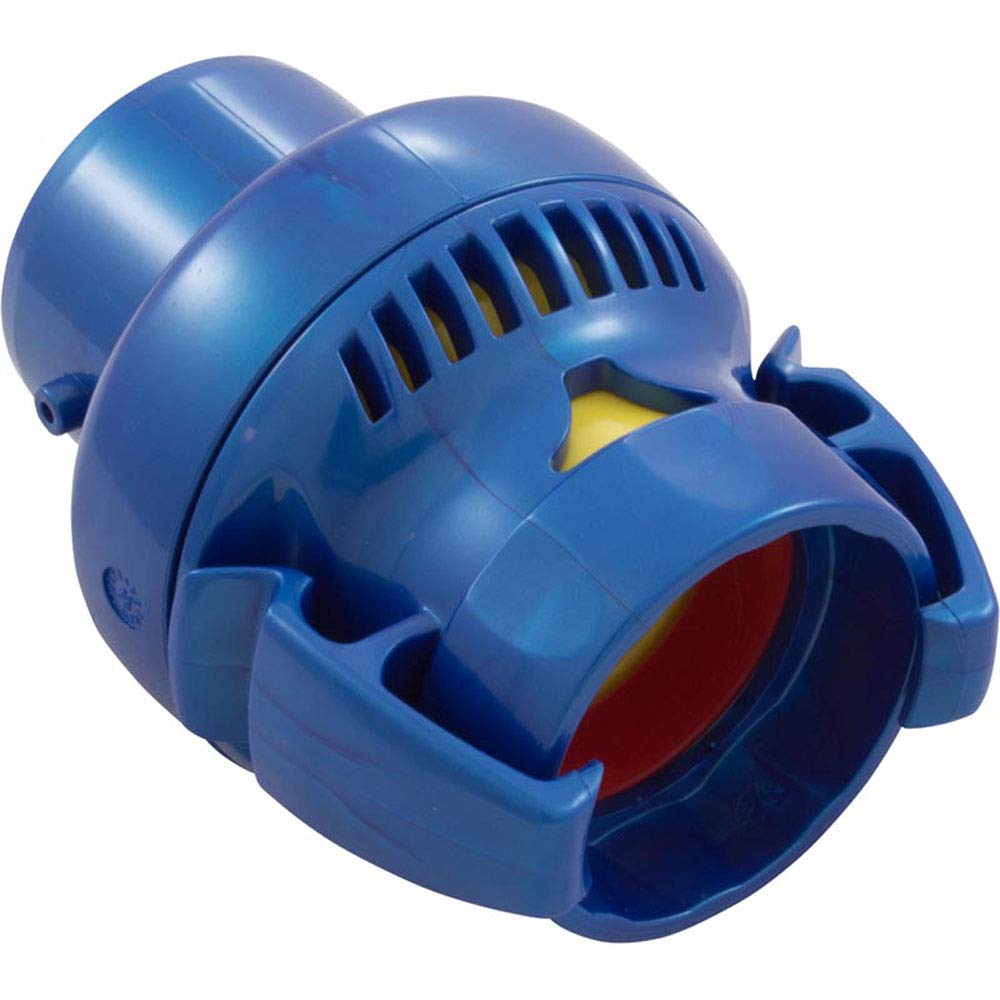
Factory-compatible flow regulator for Zodiac MX series cleaners that controls excess flow to improve performance and extend cleaner life.
Why I picked it: Restores correct wheel speed and prevents cavitation caused by excess flow.
Best for: Owners of Zodiac MX6 and MX8 cleaners needing a precise flow control replacement.
Mid-range OEM replacement that simplifies flow tuning.
Pros
- Factory fit for MX series
- Controls excess flow automatically
- Quick, straightforward install
Cons
- Designed for in-ground pools only
- Not applicable to all cleaner families
My take
When my MX cleaner started behaving sluggishly, installing the FRV100 brought wheel speeds back into the proper range and smoothed out movement across the pool.
I appreciated how simple the swap was: the unit clicks into place and the cleaner’s behavior changes immediately because the regulator limits excess flow the cleaner can draw.
If you want predictable performance from a Zodiac MX unit, this regulator is the replacement part I turn to first.
5. DEX2400Z5 Outlet Elbow O-Ring Kit – Best O-Ring Kit
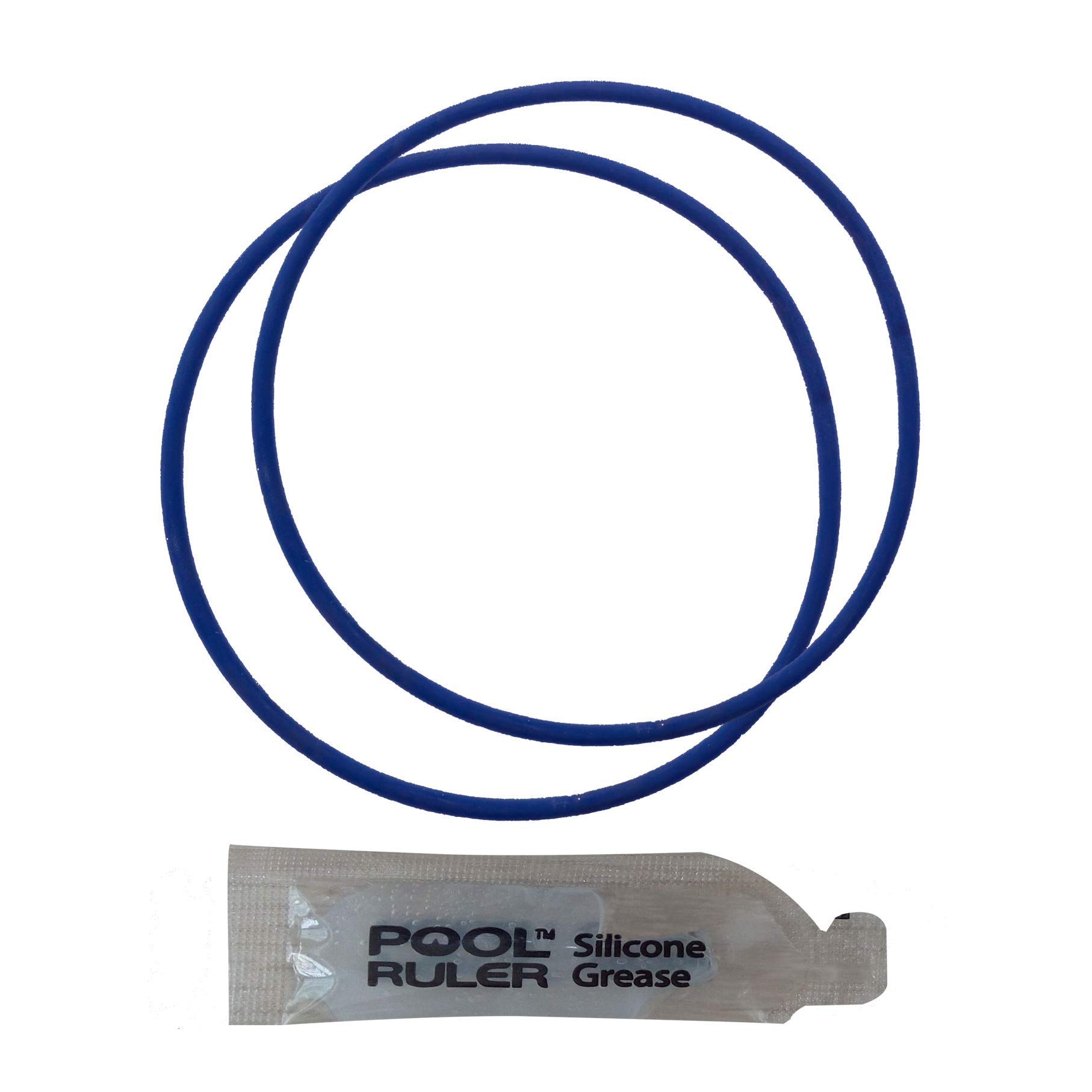
Two outlet elbow O-rings with 1cc of pool-grade lubricant for Hayward DE and cartridge filter outlet elbows and other Aladdin O-24 fitments.
Why I picked it: Exact-fit O-rings and the included grease make a sticky, leaky outlet tube a non-event.
Best for: Anyone replacing worn outlet-o-rings on Hayward Pro-Grid, Micro-Clear, Swim-Clear, and similar filters.
Low-cost preventative that avoids leaks and messy disassembly later.
Pros
- Exact OEM-style fit
- Comes with pool O-ring lubricant
- Includes two rings for redundancy
Cons
- Specific size — verify fit before installation
- Not for pumps or baskets
My take
I removed a tired outlet elbow o-ring, cleaned the channel, greased the new ring with the included lubricant, and reassembled. The leak was gone — the fit was snug and reliable.
The grease is formulated for pool use, so it didn’t run or gum up during my heated-season cycles. Having two rings in the pack is convenient if you service multiple filters or want a spare on the shelf.
This is the kind of simple, inexpensive part that saves time and prevents a recurring nuisance.
6. Hayward RCX11000 Impeller – Best Impeller Replacement
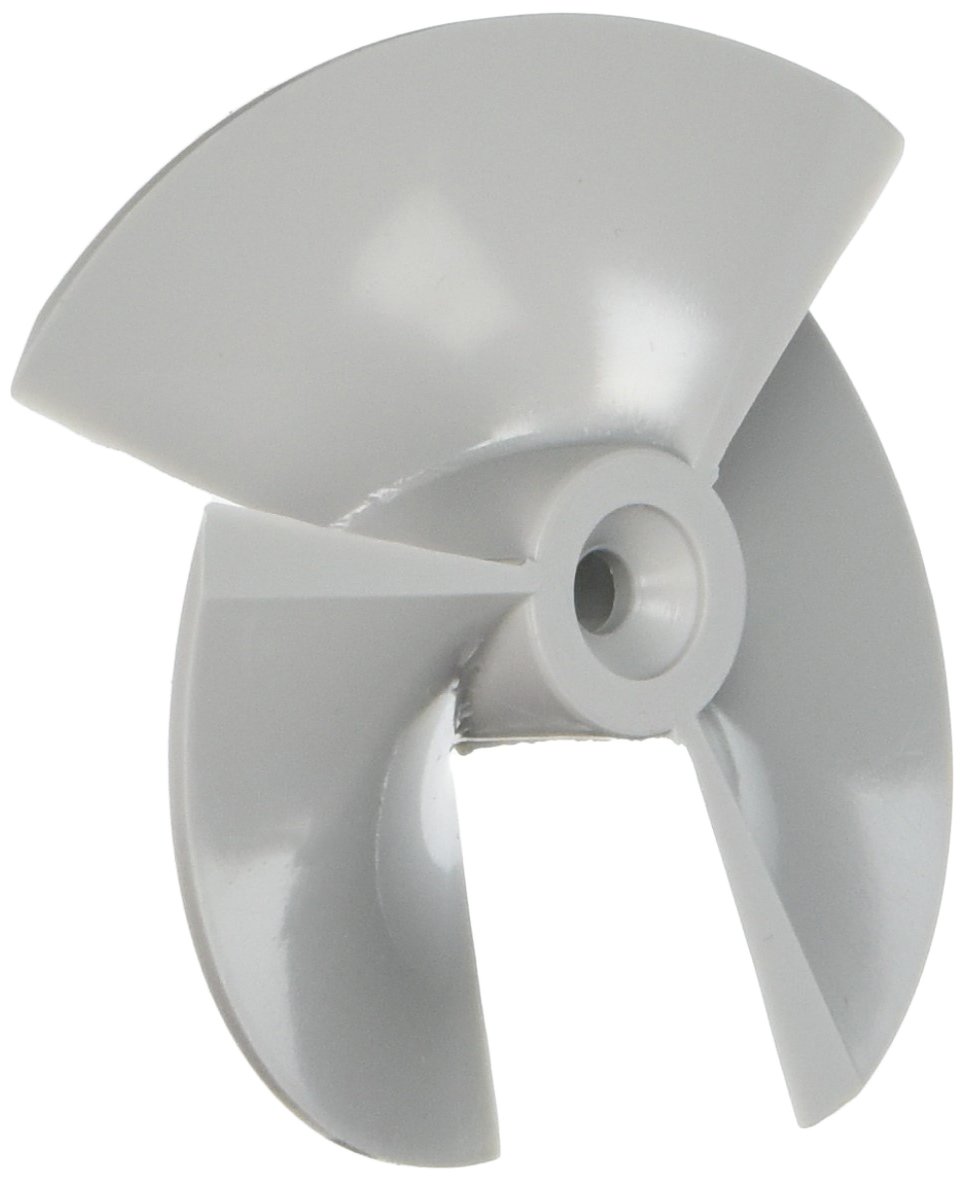
Direct-fit impeller for select Hayward robotic cleaners (TigerShark, SharkVac and compatible models) that restores circulation and cleaning power with a 10-minute DIY swap.
Why I picked it: Quickest, cheapest way to revive a robotic cleaner that’s lost propulsion.
Best for: Owners of compatible Hayward robots that want a fast, no-fuss repair.
A low-cost repair that avoids buying a new cleaner.
Pros
- Exact fit for multiple Hayward models
- Fast DIY replacement
- Restores lost propulsion
Cons
- Only compatible with select models
- Can be damaged again by debris
My take
When my SharkVac started spinning in tight circles, replacing the impeller took less than ten minutes and returned the robot to its full cleaning pattern.
The part fit exactly and felt solid in the housing. After reassembly the cleaner moved normally and suction performance returned to where it was before the impeller failed.
I keep a spare impeller on hand now — it’s an inexpensive way I’ve avoided service calls and extended the life of older robots.
7. Zodiac Cyclonic Scrubbing Turbine Assembly – Best Scrubbing Upgrade
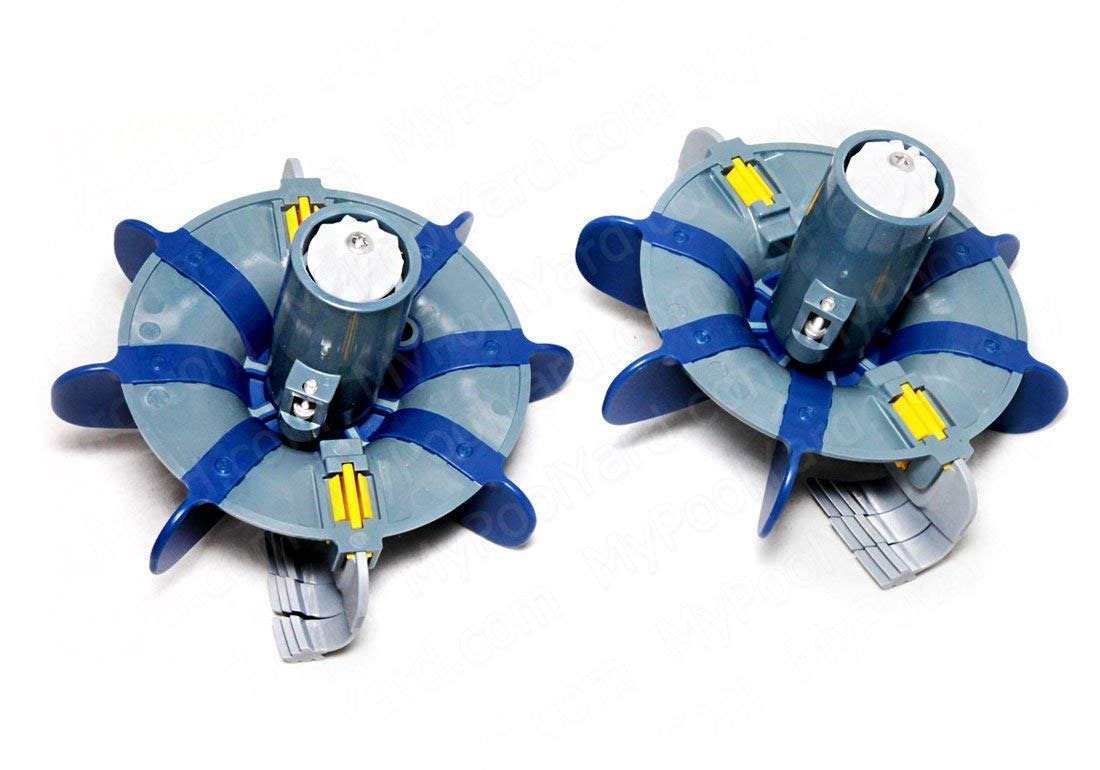
Cyclonic scrubbing turbines that upgrade MX-series cleaners to a scrubbing-capable configuration for better dirt removal from textured gunite and crevices.
Why I picked it: Adds brushing action so the cleaner dislodges trapped dirt the vacuum alone missed.
Best for: Owners with textured surfaces or persistent fine debris in crevices.
A mid-priced upgrade that delivers clear, visible cleaning improvement.
Pros
- Adds scrubbing action
- Easy drop-in installation
- Tuned for Zodiac MX cleaners
Cons
- May slightly change wall-climb behavior
- Brush contact increases wear on trax
My take
I installed the cyclonic turbines on an MX8 and immediately noticed finer particles coming loose from crevices and textured finishes that the vacuum had left behind.
The install is straightforward — line up the arrows, swap the spinner assemblies, and you’re done in a few minutes. The cleaner scrubs as it moves, which improves the pick-up without any extra effort on my part.
Because the turbines contact the pool surface, I did notice a small change in how high the unit climbed walls; that’s a trade-off I accepted for the improved bottom cleaning.
How I Choose Pool Cleaner Parts
Confirm exact compatibility
I always verify part numbers and model compatibility before buying. A small mismatch on a foot pad, impeller, or O-ring can leave you stranded.
Look for the model families listed by the manufacturer (for example, MX6/MX8, Poolvergnuegen 2X/4X, or specific Hayward robot models) and cross-check any aftermarket part numbers.
- Match the cleaner model and the part number when possible
- Measure suspect O-rings (use a soda can as a quick size check)
- Read the product features for surface compatibility (vinyl, gunite, pebble, tile)
Prioritize OEM fit for flow-control parts
Flow regulators and impellers directly affect cleaner behavior. I use OEM or factory-compatible parts for those because they control wheel speed, cavitation, and propulsion.
If a cleaner is over-climbing or stalling, the regulator or impeller is where I start.
- Choose factory replacements for valves and impellers
- Test wheel speed after installing a regulator
- Keep a spare impeller for quick robot repairs
Regular wear items to keep on hand
Tires, foot pads, turbines, and O-rings are wear items. I keep spares of the items that wear fastest in my climate or with my pool usage.
They’re cheap insurance against downtime and usually simple to swap without service calls.
- Stock front/rear tires if your cleaner runs year-round
- Replace foot pads before flapper disconnects become frequent
- Carry pool-grade O-ring grease for every seal replacement
Installation and quick checks
Most of these parts are user-replaceable. I turn off power and water, photograph the old assembly if needed, and keep a small toolkit nearby.
After any replacement, I run a short test cycle while watching wheel rotation, hose connections, and for any leaks.
- Photograph assemblies before disassembly
- Run an initial short test cycle and observe
- Adjust suction or return-line valves if behavior changes
Frequently Asked Questions
Can I retrofit a standard return line for a Polaris 360?
Yes — I’ve converted a standard return to a dedicated cleaner return using an eyeball retrofit kit so the 360 had the pressure it needs. Check your plumber or pool pro if you’re unsure about valves and isolation.
How hard is it to replace an impeller or O-ring myself?
Very doable; I replaced an impeller in under 10 minutes and swapped O-rings in a quick service stop. Basic screwdrivers and the included grease are all I used.
Will adding scrubbing turbines change my cleaner’s behavior?
Yes — adding scrubbing turbines improves dirt removal but can slightly alter wall climb and trax wear. I consider it when surface scrubbing is more important than maximum wall climb.
Final Take
I keep these parts on my shelf because they solve the common issues that stop cleaners from doing their job: worn tires, failed impellers, sticky o-rings, and missing scrubbing action.
If you want the least downtime, start with the parts that match your cleaner family and keep a basic toolkit and spare impeller or O-ring handy. Those small fixes get my pools back to use without a service call.
