
I tested a range of floral foams and a cutting knife so you can pick the right brick for dried stems, fresh flowers, big centerpieces, or quick DIY projects.
I work with floral foam regularly for home decor, event centerpieces, and craft projects, so I focused on durability, water absorption, cutability, and value when testing these options.
My selections cover dry foam for silk and preserved blooms, wet foam for fresh arrangements, economical multi-packs, and a handy cutting knife that makes shaping foam faster and cleaner.
Below I explain where each product shines and what to watch out for so you can choose the right foam for your next arrangement.
I tested these blocks for how they handle fresh stems versus artificial or dried materials, how cleanly they cut, and how well they hold stems without crushing or crumbling.
1. FloraCraft Desert DryFōM Brick – Best for Dried Flowers
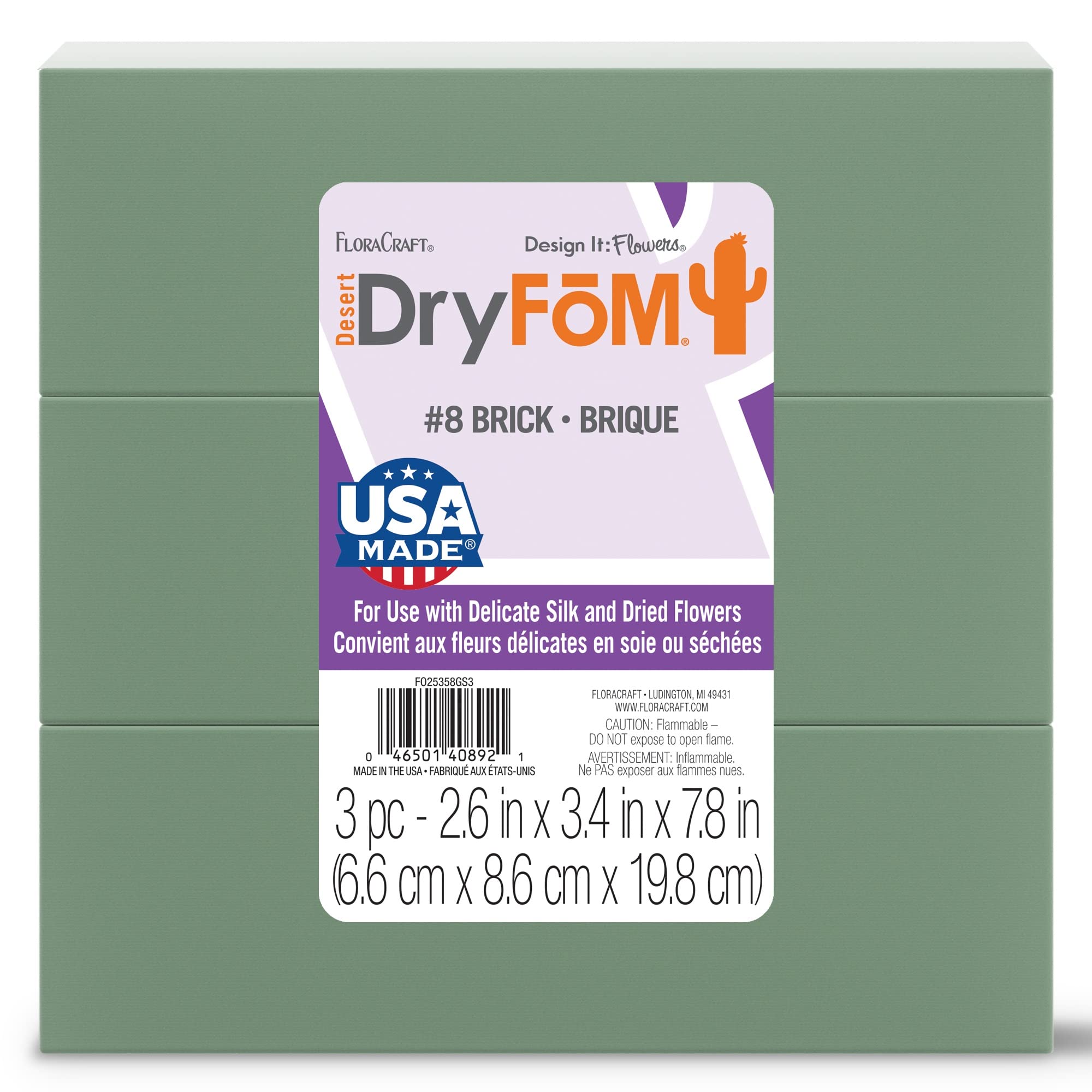
I reach for this soft, non‑porous FloraCraft brick when I'm arranging dried, silk, or delicate permanent botanicals.
Why I picked it: Soft texture holds fragile stems without shredding them and is easy to shape for small containers.
Best for: Silk and dried flower arrangements, fragile stems, lightweight displays.
Affordable single‑brick option for crafters and occasional arrangers.
Pros
- Soft, non‑porous structure
- Lightweight and easy to cut
- Green color blends with stems
- Good for delicate botanicals
Cons
- Not suitable for fresh flowers
- Softer texture can crumble
- Single brick only
My take
When I need a block that won't absorb water and that will accept wispy stems, this FloraCraft Desert DryFōM is my go‑to. Its soft, non‑porous structure makes inserting fragile dried stems and silk flowers effortless, and the green color hides under moss and foliage.
I find it straightforward to cut and shape to fit bowls and small containers; the lightweight foam is forgiving when I carve fine angles or inset pieces. That said, the softness is a double‑edged sword — it can imprint or crumble if I press too hard or glue it directly to cardboard.
I avoid this block for fresh flower work since it isn't made to hold water. For gift arrangements, seasonal decor, and craft displays where moisture isn't needed, it gives me a natural look without fuss.
2. Oasis Ideal Floral Foam MaxLife – Best for Fresh Flowers
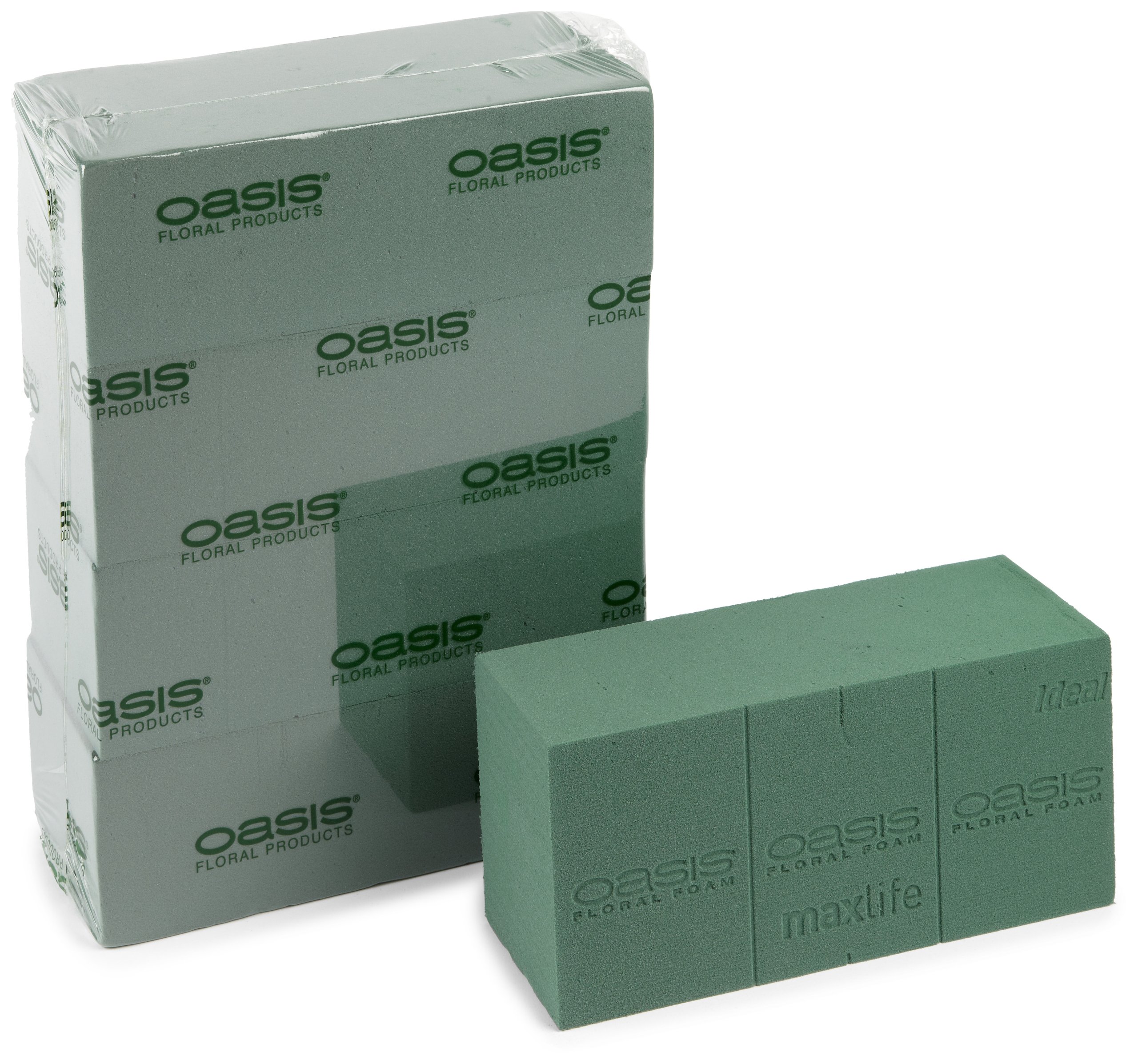
I rely on Oasis MaxLife when I need wet foam that soaks quickly, holds a lot of water, and extends the life of fresh stems.
Why I picked it: Industry standard wet foam that soaks quickly and stores significant water for longer flower life.
Best for: Fresh cut flower centerpieces, wedding installations, designs that need long hydration.
A professional‑grade choice; worth the investment for long‑lasting fresh arrangements.
Pros
- Fast water absorption
- Holds a large amount of water
- Designed to extend flower life
- Trusted brand for florists
Cons
- Can arrive damaged if not well packaged
- Single bricks are large for small projects
My take
For fresh arrangements I reach for Oasis MaxLife because it soaks quickly and stores a surprising amount of water, which keeps stems hydrated for much longer than standard wet foams.
The brick size makes it simple to cut patterns or slice down to smaller blocks, and the material holds stems firmly without letting them droop. In my larger designs I appreciated how secure roses and greenery stayed in place.
Packaging can be hit or miss in transit — I once received a crushed brick — so I check contents as soon as they arrive. When I get intact bricks, though, they perform exactly as expected for event work and long‑lasting centerpieces.
3. FLOFARE Floral Foam Blocks (6‑Pack) – Best for Versatility
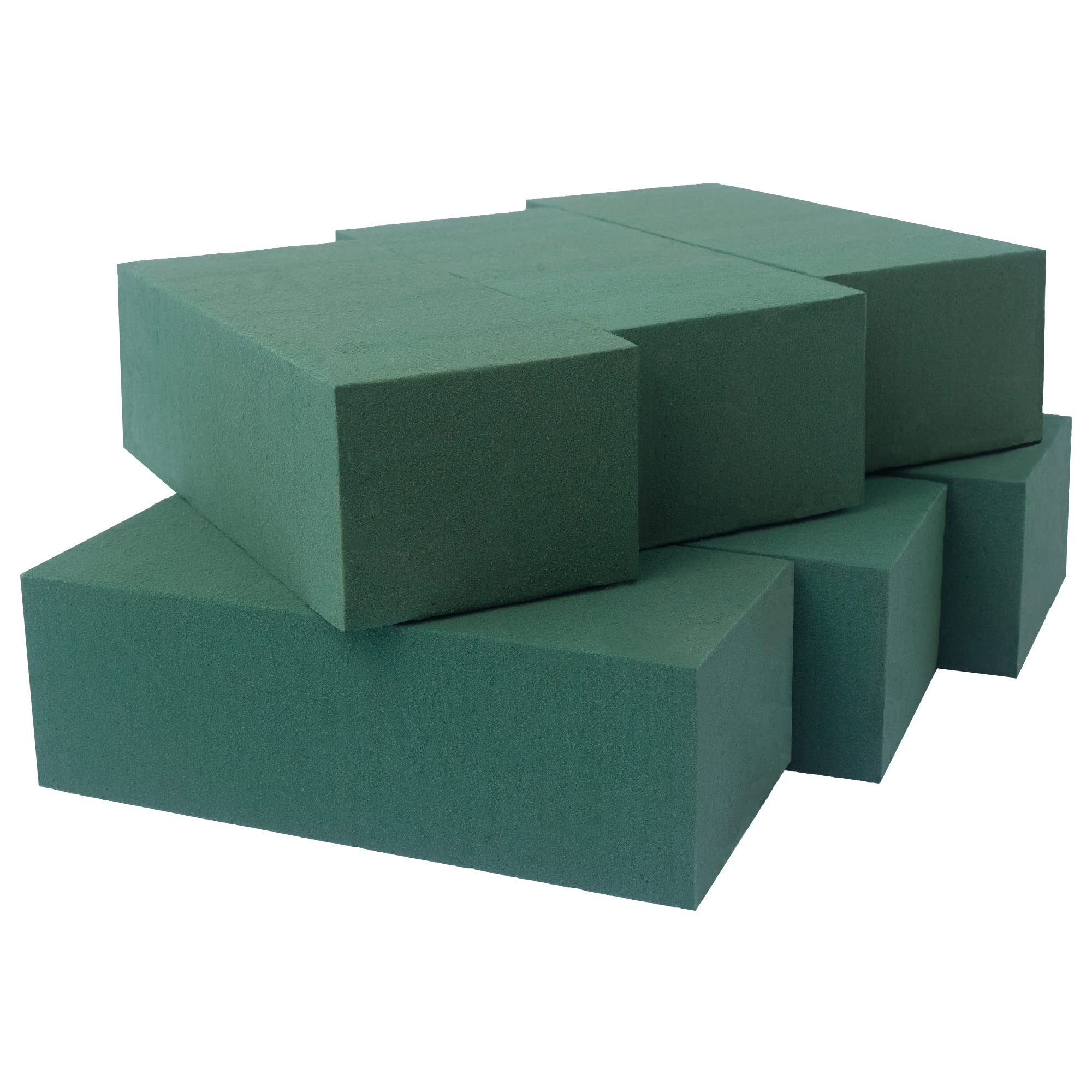
I keep this six‑pack on hand because it works well for both wet and dry uses and cuts cleanly for a range of projects.
Why I picked it: Versatile and easy to cut; good all‑purpose pack for mixed needs.
Best for: DIY centerpieces, event prep, mixed fresh and artificial arrangements.
Reasonable multi‑pack for hobbyists and event prep on a budget.
Pros
- Works for wet and dry arrangements
- Absorbs water quickly
- Cuts cleanly with a sharp knife
- Good multi‑pack convenience
Cons
- Can feel overpriced versus local store buys
- Air pockets if not soaked correctly
My take
I appreciate this FLOFARE six‑pack for its flexibility — the blocks absorb water fast for fresh stems and still accept silk flowers when I want a dry arrangement.
Cutting is straightforward if I use a serrated knife or a proper foam knife; the pieces slice cleanly without excessive crumbling and hold stems securely for events like funerals or weddings.
One caveat: I don't press the blocks into water. I let them soak to avoid trapping air pockets that can dry out stems, and when treated that way they kept blooms fresh for several days in my tests.
4. FLOFARE Floral Foam Blocks (6‑Pack) – Best Multi‑Pack Convenience
I pick an extra FLOFARE pack when I need multiple bricks for a series of arrangements or back‑to‑back events.
Why I picked it: Good supply for multiple projects; consistent performance across bricks.
Best for: Batch event builds, workshops, and multi‑piece displays.
Convenient multi‑pack for frequent arrangers and event work.
Pros
- Consistent texture across bricks
- Easy to trim to size
- Holds flowers in place well
- Useful for multiple arrangements
Cons
- May cost more than local craft store options
- Not pre‑cut for small vessels
My take
When I'm building multiple centerpieces, having consistent bricks makes my workflow faster — these FLOFARE blocks behave the same from one arrangement to the next.
They’re simple to resize for bowls, baskets, and typical vases, and they did a solid job holding stems in my funeral and event work. If you can source similar bricks locally more cheaply, that’s worth considering, but for convenience I often buy these online.
Overall, they do what I need for routine wet or dry projects and save me trips to the craft store.
5. Crafare Wet Fresh Floral Foam Blocks – Best Value
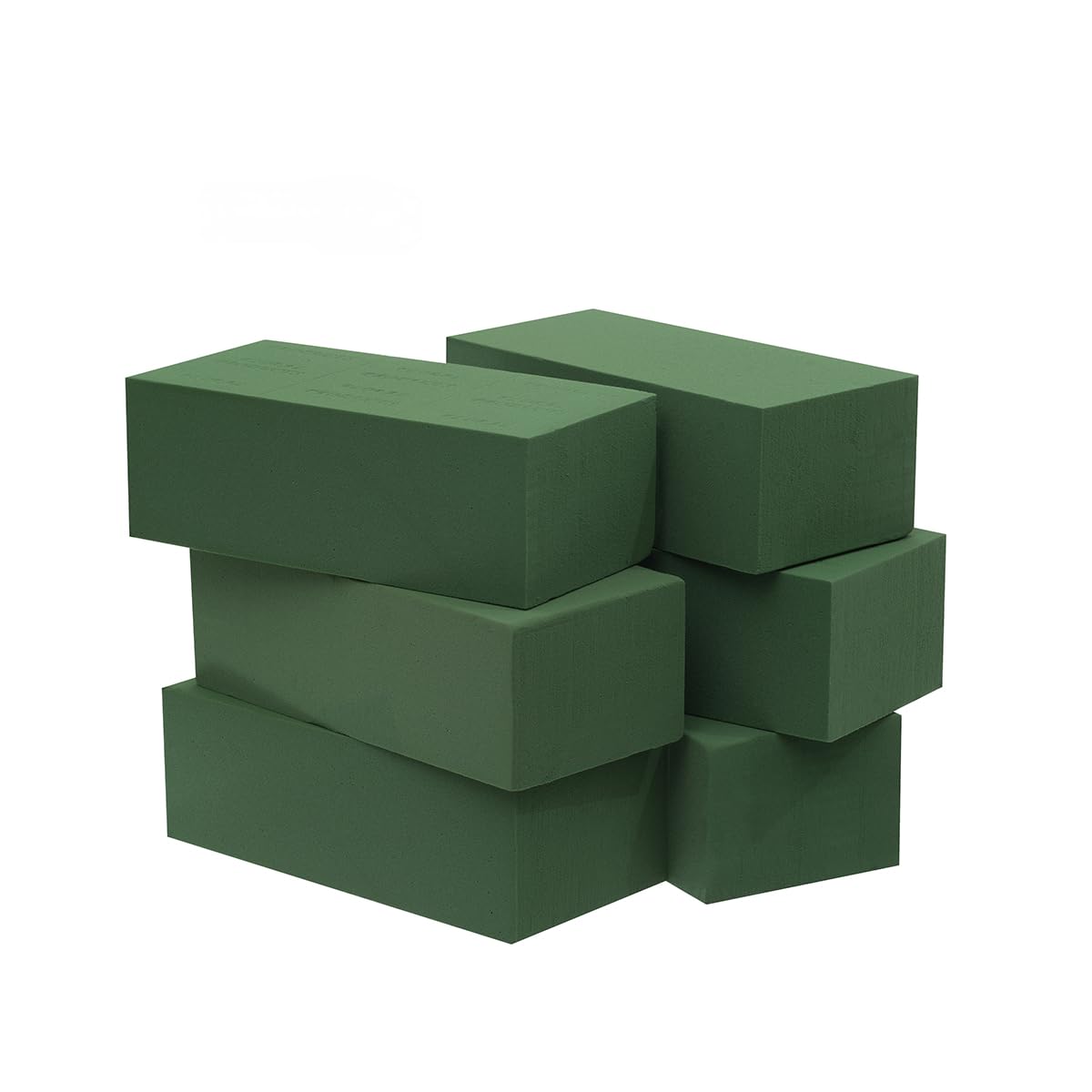
I recommend these Crafare bricks when I want a stiffer wet foam that creates less dust and holds stems firmly.
Why I picked it: Stiffer texture reduces crumbling and holds blooms strongly in place.
Best for: Outdoor displays, longer lasting centerpieces, budget‑minded bulk projects.
Economical multi‑brick option with good performance.
Pros
- Stiffer; less dust
- Soaks water readily
- Cuts cleanly
- Economical per brick
Cons
- May require pre‑drilled pathways for fragile stems
- Slightly smaller than some industry bricks
My take
I use Crafare blocks when I want wet foam that won’t shed a lot of crumbs. The firmer consistency makes cutting cleaner and storage neater compared with softer brands.
Because the foam is stiffer, I sometimes create a guide hole with a dowel or a firm stem before inserting delicate blooms like tulips, and that trick prevents bending at the stem base.
They soaked water quickly in my tests, held stems securely in outdoor displays (even in cold, wet conditions), and the ability to cut each brick into thirds gives me a lot of flexibility for smaller vessels.
6. Oasis Standard Floral Foam Bricks – Best Standard Option
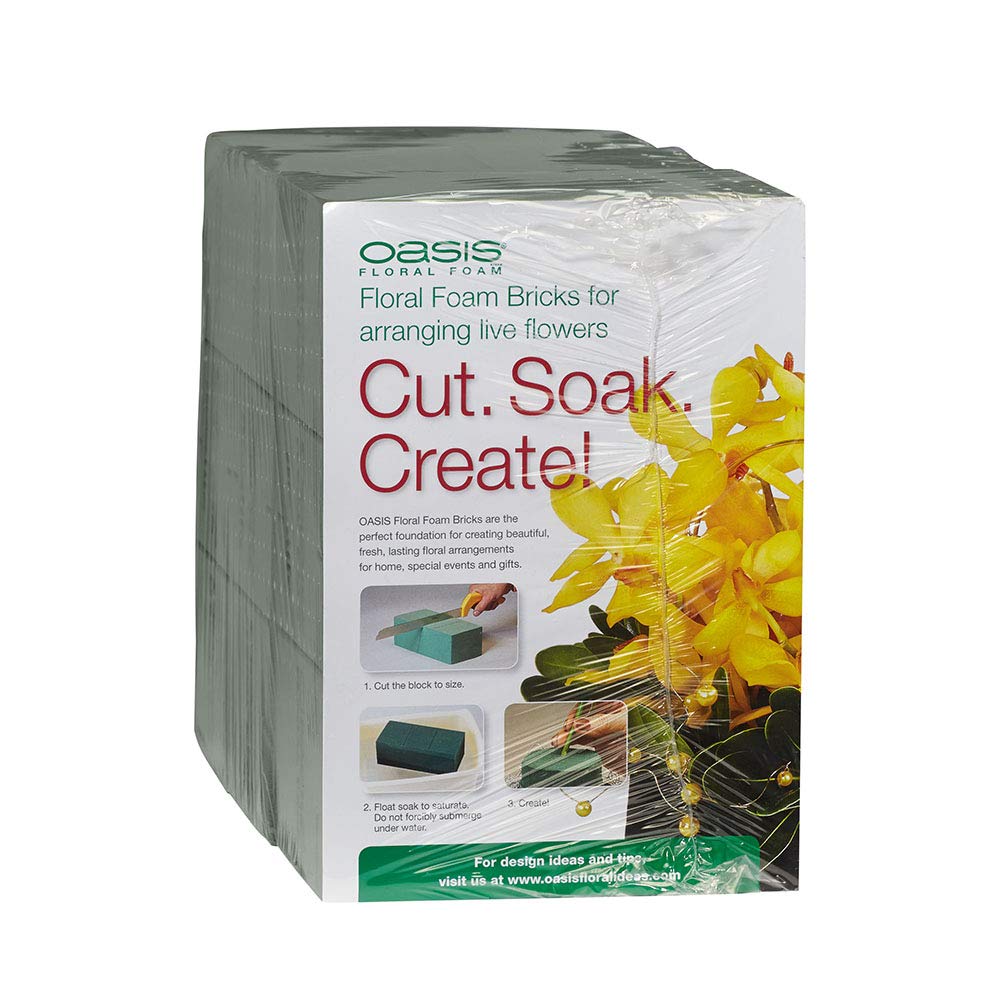
I keep Oasis Standard bricks stocked for everyday fresh flower work when I want reliable absorption and easy handling.
Why I picked it: Dependable standard wet foam that performs well for routine designs.
Best for: Everyday centerpieces, classroom projects, beginner arrangements.
Solid mid‑range choice for frequent fresh‑flower arranging.
Pros
- Reliable water absorption
- Holds stems firmly
- Pack size is practical
- Familiar florist standard
Cons
- Packaging can be imperfect
- Foam dust spreads if wrap not sealed
My take
Oasis Standard bricks are the ones I reach for on a regular basis; they’re easy to cut, soak predictably, and hold a variety of stems without slipping.
I used these in a kids’ flower‑arranging activity and they were forgiving — the kids could soak and place stems without frustration, and I still had enough left over for additional projects.
My one operational note is to check the plastic wrap at delivery, because loose packaging can create foam dust on other items. Otherwise, they deliver the dependable performance I require for day‑to‑day work.
7. Tinsow Floral Foam Knife – Best Tool
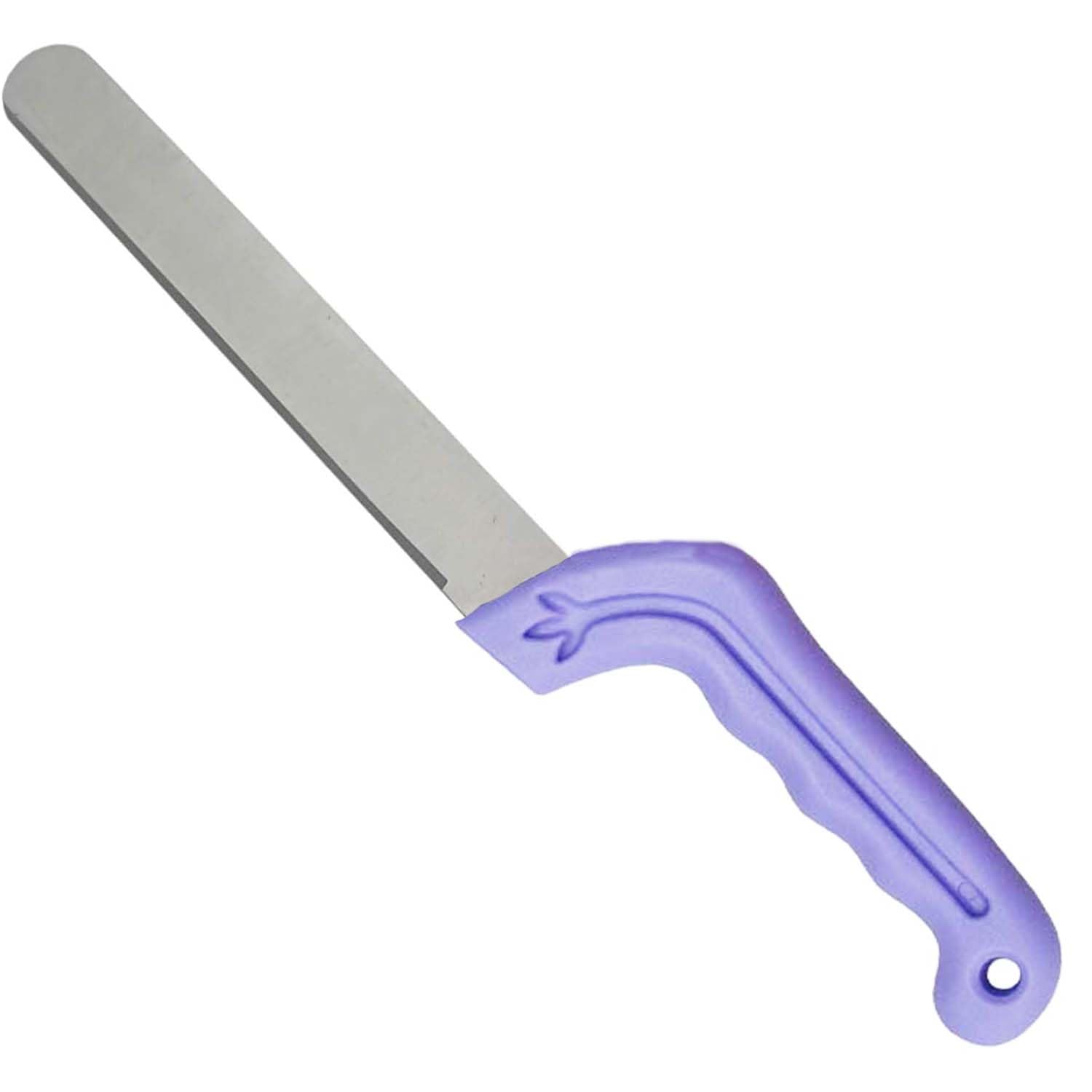
I use this foam knife to make cleaner slices and shaped pieces with less effort than a kitchen blade.
Why I picked it: Comfortable grip and a long blade that slices through foam cleanly.
Best for: Shaping bricks, trimming edges, cutting centerpieces to size.
Affordable tool that speeds cutting and improves finish.
Pros
- Comfortable anti‑slip handle
- Long blade for smooth cuts
- Good value for hobbyists
- Durable feel in hand
Cons
- Blade isn't razor sharp out of box
- Not a high‑end professional tool
My take
This Tinsow knife felt comfortable in my hand and made shaping foam much quicker than using a serrated kitchen knife. The anti‑slip handle keeps the blade steady for detailed cuts.
I didn't expect a mirror finish from a budget tool, but it sliced through standard floral foam like butter once I got used to the pace. For very dense or speciality foams I sometimes touch up the edge, but for most of my projects it’s been dependable.
If you do floral work regularly, the knife is a small investment that speeds prep and gives neater edges on arrangements.
How I Choose Floral Foam
Wet vs Dry Foam
I separate foams into wet (for fresh flowers) and dry (for silk and dried stems). Wet foam soaks and holds water; dry foam is non‑absorbing and better for permanent botanicals.
If I want flowers to last in a centerpiece, I reach for wet foam. For gift boxes, wreaths, or craft displays that won't get water, I use dry foam to avoid sogginess.
- Use wet foam for fresh stems and hydration needs
- Choose dry foam for silk, dried, and glued elements
Size, Shape, and Cutting
I think about the container first: a large shallow bowl needs a different brick layout than a tall vase. Most bricks are easy to slice into thinner pieces; I look for foam that cuts cleanly with minimal dust.
A proper floral foam knife makes a big difference in speed and finish when I shape blocks for nests, tiers, or inset arrangements.
- Measure your container before cutting
- Let wet foam soak — don't press it down
- Use a serrated or foam knife for smooth cuts
Hold‑and‑Support
I evaluate whether foam grips stems firmly without crushing them. Stiffer foams reduce sagging for heavy blooms, but very soft foams are kinder to fragile stems.
For delicate stems, I often pre‑drill a path with a dowel to avoid bending at the entry point.
- Choose firmer foam for heavy stems
- Use softer foam for delicate or skinny stems
- Pre‑drill holes for fragile flowers
Practical Tips
I always inspect packaging on arrival; poor wrapping can leave foam dust on other supplies. Store unused bricks in a sealed bag to reduce breakage and crumbs.
Avoid pressing wet bricks into the water — let them soak to eliminate air pockets that dry stems.
- Store foam in sealed plastic
- Soak wet foam; don't force it underwater
- Keep a dedicated cutting board and knife
Frequently Asked Questions
Can I use the same foam for fresh and artificial flowers?
I treat wet and dry foam differently. Wet foam will hydrate fresh stems and should be used for live flowers; dry foam won't hold water and is better for artificial or dried botanicals.
How do I soak wet floral foam correctly?
I place the brick on a flat surface and set it on water, letting it sink as it absorbs. I don't press it down because that can trap air pockets that leave stems dry in the center.
What's the best way to cut floral foam?
I use a long serrated knife or a dedicated floral foam knife for the cleanest cuts. For precise shapes, score the foam first, then finish with steady slicing motions to minimize crumbling.
Can I reuse floral foam?
I rarely reuse wet foam once it's been used with cut flowers because it can harbor bacteria. Dry foam can sometimes be reshaped if it's still intact, but performance declines after heavy use.
Final Take
I recommend choosing foam based on whether you need hydration or a dry support for artificial stems: Oasis MaxLife and Oasis Standard are my picks for fresh flowers, while FloraCraft DryFōM is the one I reach for with dried and silk botanicals.
If you need a reliable, economical multi‑pack for mixed projects, the FLOFARE and Crafare bricks give me the flexibility and clean cutting I need. Add the Tinsow knife if you want neater edges and faster prep.
With the right foam and a sharp cutting tool, arranging flowers becomes quicker and the final pieces last longer and look more professional.
