
I tested a range of wet and dry floral foams plus a plastic-backed wreath base so you can pick the right brick for fresh stems, delicate dried botanicals, or craft projects.
I work with both fresh and artificial flowers, so I tried wet bricks, dry foam and a plastic-backed wreath base to see how each handles cutting, water retention and stem support.
In this roundup I focus on real-world use: how easily a brick soaks, how firmly stems hold, how messy the foam is to cut, and any quirks I ran into while arranging for events and home displays.
I compared water-holding wet foams, soft dry foams for silk and dried stems, and a plastic Naylorbase so you can choose by material and use-case.
1. FloraCraft Desert DryFōM Brick – Best for Delicate Dried Stems
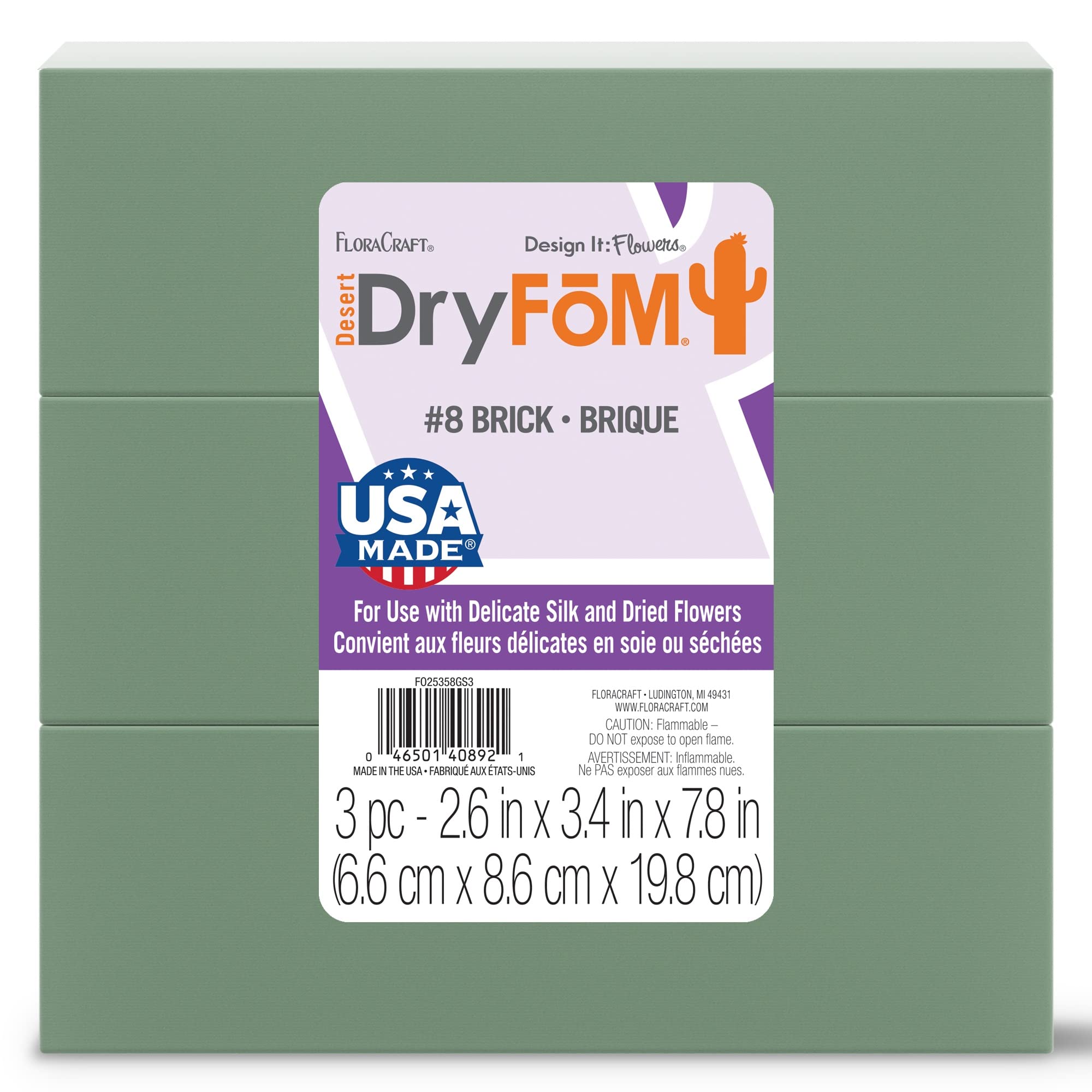
A soft, non-porous dry foam that shapes easily and blends visually with stems and moss.
Why I picked it: I chose this for fragile dried and silk stems because the foam is very soft and easy to shape.
Best for: Silk flowers, dried botanicals, and lightweight craft displays.
A cost-effective choice for hobbyists and seasonal projects.
Pros
- Soft, gentle on delicate stems
- Easy to cut and shape
- Green color hides mechanics
- Lightweight for portable displays
Cons
- Not water-absorbent—no fresh flowers
- Softer foam can crumble under heavy handling
- Can imprint or tear with glue
My take
I used this dry foam for several silk and dried arrangements and appreciated how gently it took delicate stems. The green color helps hide exposed foam when I tuck moss or fillers around the edges.
Cutting and sculpting was straightforward—I could trim with a sharp knife and shape pieces to fit bowls and small containers without fighting the material.
Because the structure is intentionally soft, it isn’t suitable for fresh flowers; I treated it as a craft-only medium. On a couple of projects the foam did show some tearing when I glued it down to cardboard, so I avoid heavy adhesive contact.
All in all, this is an economical, lightweight option when I need a non-porous brick that holds silk and dried stems without the mess and wetness of floral bricks.
2. Oasis MaxLife Wet Floral Foam – Best for Fresh Flowers
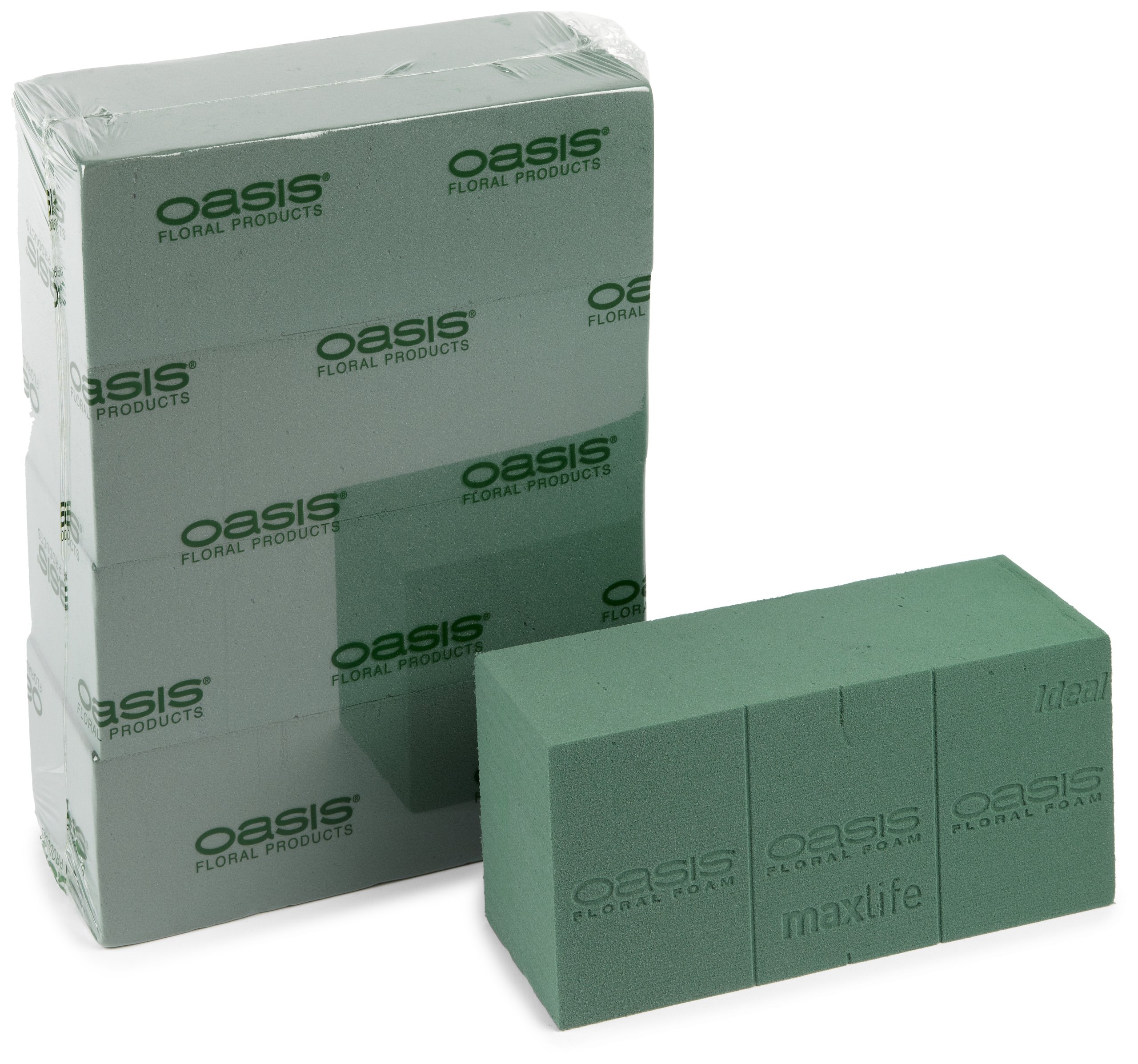
A professional wet foam that soaks quickly, stores lots of water and is designed to extend flower life.
Why I picked it: I relied on this because it soaks fast, holds plenty of water and gives stems firm, secure placement.
Best for: Fresh cut arrangements, ceremony work, and designs that need long-lasting hydration.
A professional-grade option for floral work where flower longevity matters.
Pros
- Soaks quickly and holds water
- Firm stem support
- Designed to extend flower life
- Trusted industry formulation
Cons
- Can arrive damaged if not boxed
- Heavier and wetter to handle
- Makes a wet workspace
My take
When I used Oasis MaxLife bricks for fresh arrangements the foam absorbed water quickly and gave stems a very secure hold—I could press flowers in without wobble.
The manufacturer notes its high water capacity and the bricks did live up to that in my tests; larger centerpieces stayed hydrated for longer stretches than with older foams I've used.
One practical note: I’ve seen bricks arrive broken or crushed when they weren’t packed in a box, so I check packages on arrival and reassemble any usable pieces for smaller designs.
For event work and any display where hydration matters, this is the wet foam I reach for first because it combines quick saturation with reliable stem support.
3. FLOFARE Wet & Dry Floral Foam Blocks (Pack) – Best Value Pack
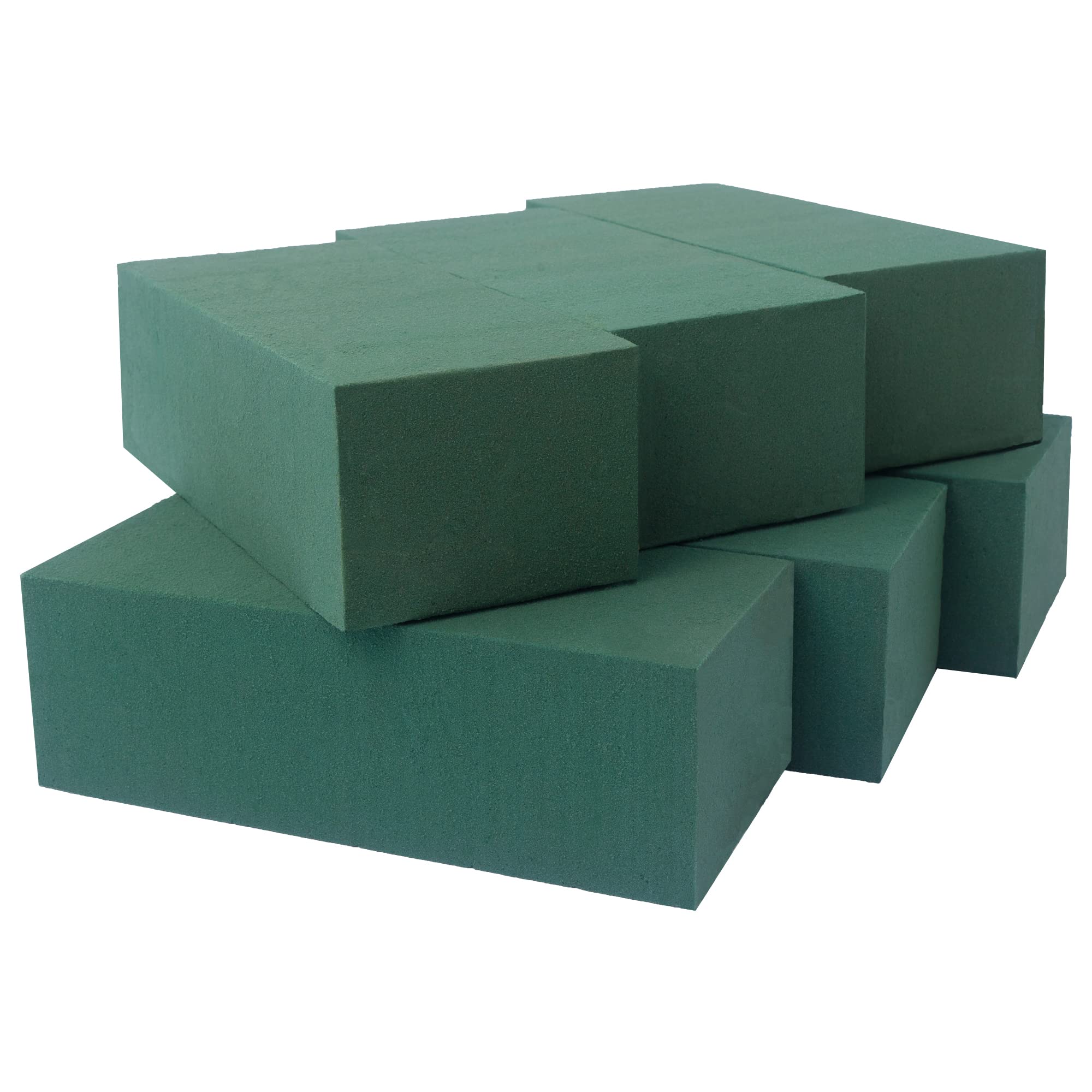
A versatile multi-pack that absorbs water well, cuts cleanly and suits both fresh and silk flowers.
Why I picked it: I picked this pack for versatility—these blocks soak, hold stems and cut with minimal fuss.
Best for: Mixed projects where you need wet foam for fresh stems and occasional silk work.
Convenient pack for hobbyists who want a reliable, multipurpose foam supply.
Pros
- Absorbs water quickly
- Cuts cleanly with a serrated knife
- Works for fresh and artificial flowers
- Good pack quantity for projects
Cons
- Amazon convenience can cost more than local shops
- Must avoid trapping air pockets when soaking
My take
These blocks proved to be reliable all-rounders in my arrangements: they soaked up water without fuss and kept stems firm over several days.
I cut them with a serrated knife and found the edges neat and crumb-free; that made fitting them into vases and baskets fast and tidy.
The listing warns against pushing the foam into water and creating air pockets—I've learned to let a block sink naturally so the center soaks through evenly.
If you need a straightforward wet foam that also handles artificial stems, this pack gives good flexibility and enough bricks to practice multiple designs.
4. Crafare Wet Floral Foam Bricks – Best for Stiffer Hold
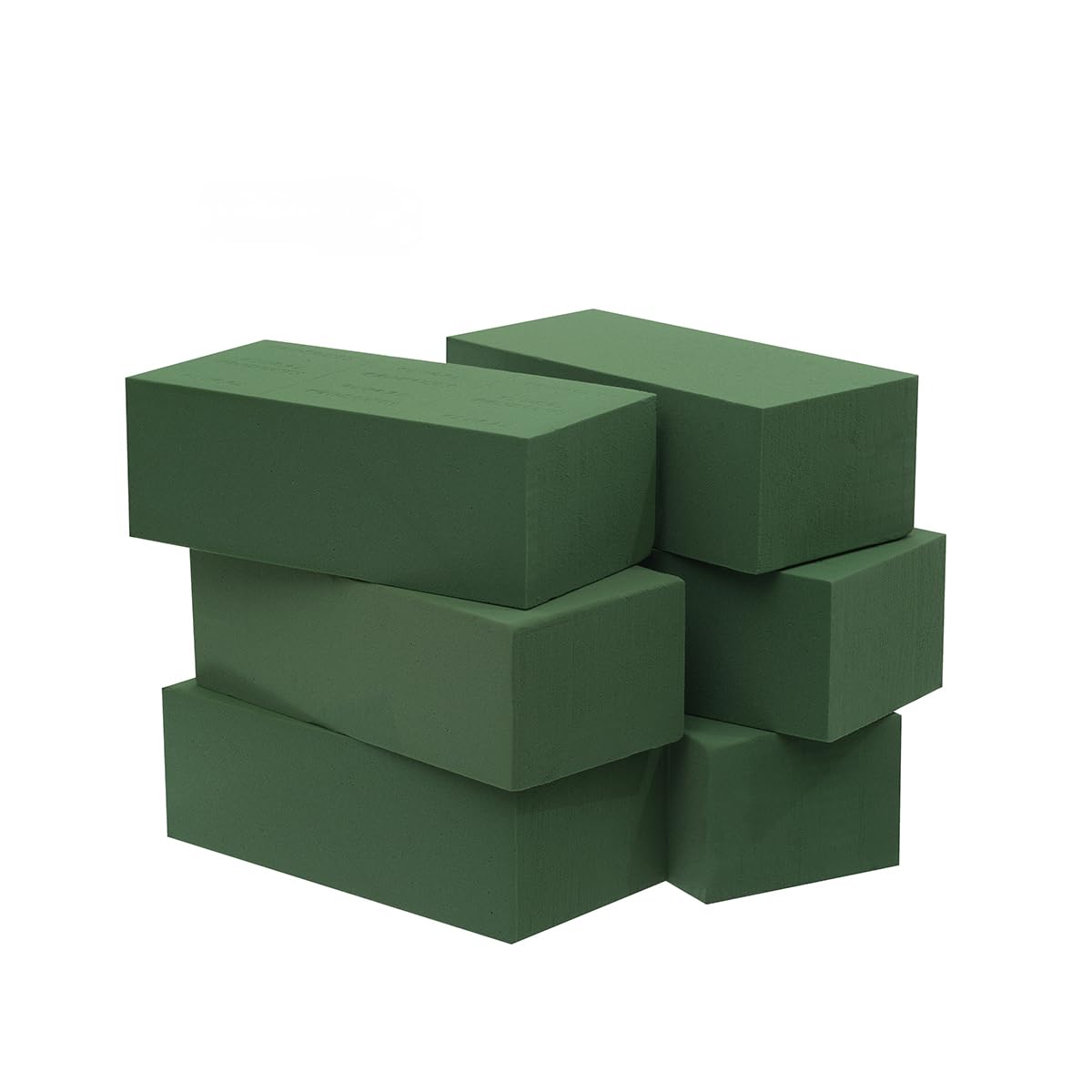
Stiffer wet foam with less dust that holds stems firmly and cuts cleanly—an economical choice for regular arranging.
Why I picked it: I picked these for the stiffer feel and lower crumb when cutting, which speeds up prep and storage.
Best for: Large displays and outdoor arrangements where firmer support matters.
An economical option that behaves like a higher-end brick in many ways.
Pros
- Stiffer—better stem support
- Less crumb and dust when cutting
- Cuts cleanly and stores well
- Economical per brick
Cons
- May need a dowel for fragile stems
- Occasionally smaller than expected
My take
I like these bricks when I want firmer bite—delicate tulips and dahlias benefited from a pre-made pathway so they didn’t bend on insertion.
They cut cleaner than some other wet foams I’ve used, leaving less dusty residue to clean up and making storage neater.
I tested them in an outdoor winter display and they held up well despite snow and ice, which convinced me they're solid performers for seasonal work.
For the price I found these to be a sensible middle ground: sturdy enough for larger stems, but still easy to shape for smaller containers.
5. Oasis Naylorbase Plastic-Backed Foam Ring – Best for Wreaths & Bases
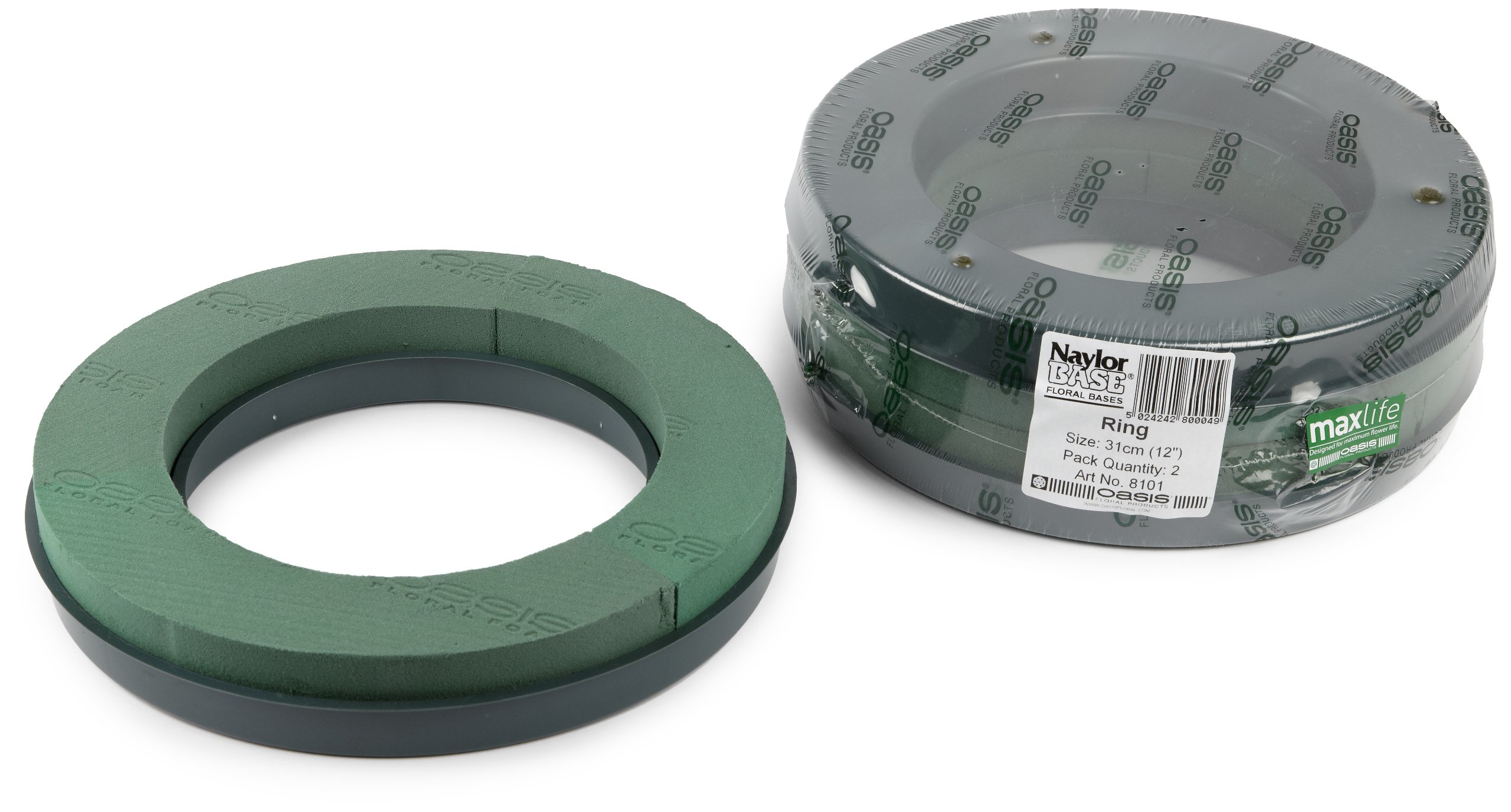
A plastic-backed foam ring built for wreaths and tray-style arrangements with good water retention and a drip-safe base.
Why I picked it: I used the Naylorbase for wreaths and tray arrangements because the plastic backing gives structure and catches excess water.
Best for: Wreaths, casket sprays, and large centerpieces that benefit from a supported wet base.
A specialty option for event work and wreath-making where a finished base is helpful.
Pros
- Rigid plastic base for stability
- Built-in lip supports foliage and ribbon
- Catches excess water—less mess
- Good diameter for large wreaths
Cons
- Bulky to store between events
- More specialized than a plain brick
My take
I used the Naylorbase for Advent wreaths and a larger memorial display; the plastic tray stopped water dripping onto surfaces and made assembly neater.
The injection-moulded base gives the foam a stable platform, so heavier greenery and ornamentation stayed where I placed it without slumping.
The plastic lip is handy when I want to tuck ribbon or foliage into a clean edge, and the anti-slip feet helped when I set the finished pieces on polished tables.
If you regularly make wreaths or large table pieces, the added structure and mess control make this a very practical choice.
How I Choose Floral Foam
Match foam type to the flowers
I separate wet and dry foams based on what I'm arranging. Wet bricks (Oasis, Crafare, FLOFARE) are for fresh cut flowers because they soak up and hold water. Dry foam (FloraCraft) is non-porous and better for silk, dried stems, and craft work.
- Use wet foam for fresh bouquets and centerpieces.
- Use dry foam for artificial or preserved botanicals and gift displays.
Think about firmness and stem support
I pay attention to how firm a brick is—stiffer foams hold heavy stems better but need a bit more force to insert fragile blooms. Softer foams are kinder to delicate stems but can crumble under heavy handling.
- Choose stiffer foam for large stems and outdoor displays.
- Choose softer foam for delicate silk or dried arrangements.
Cutting, soaking and handling tips
I cut foam with a sharp or serrated knife for clean edges. For wet foam, I let the brick sink into water rather than forcing it down so I avoid air pockets. If a foam feels dusty, try a firmer brick or slice carefully to reduce crumbs.
- Cut with a sharp knife or serrated blade for neat edges.
- Let wet foam absorb water naturally to prevent air pockets.
- Use a dowel or pre-made pathway for very fragile stems.
Packaging, quantity and convenience
I order bricks with care because some shipments can arrive crushed if they’re not boxed. Packs are convenient for regular arranging, but local craft stores can be cheaper if you can transport bricks yourself.
- Inspect bricks on arrival for breakage.
- Buy multi-packs if you arrange frequently.
Frequently Asked Questions
Can I use dry foam with fresh flowers?
No. I don’t use dry foam for fresh stems—the material won’t absorb water, so fresh flowers will wilt quickly.
What’s the best way to soak wet floral foam?
I lower the brick gently into water and let it sink on its own so the center fills without trapping air; I avoid pushing the foam down by hand while it’s absorbing.
How do I cut and shape floral foam cleanly?
I use a sharp or serrated knife and make deliberate, single cuts. For firmer bricks that resist, I create a pathway with a dowel for fragile stems before inserting them.
Final Take
After testing wet bricks, soft dry blocks and a plastic-backed ring, I keep a mix in my workshop: wet foam for fresh work, dry foam for silk and crafts, and a Naylorbase for wreaths and trays.
Choose the foam that fits the flowers you plan to use and the level of stem support you need—those choices determine how long an arrangement will look its best.
