
I tested compact cabinets and storage solutions that actually make tight spaces work. These six picks cover slim corner units, accent cabinets, stackable bins, and pest-control traps I trust in real homes.
I spent time assembling and living with a range of small storage cabinets so I could say which ones actually solve tight-space problems.
Across bathrooms, entryways, kitchens and closets I focused on footprint, build quality, practical storage layout, and how painless the setup was.
I compared slim corner cabinets, multi-drawer organizers, clear stackable bins and moth traps so you can match form and function to your space — from narrow gaps beside toilets to open shelving in entryways.
1. VASAGLE 2-Drawer Slim Storage Cabinet – Best Slim Corner Cabinet
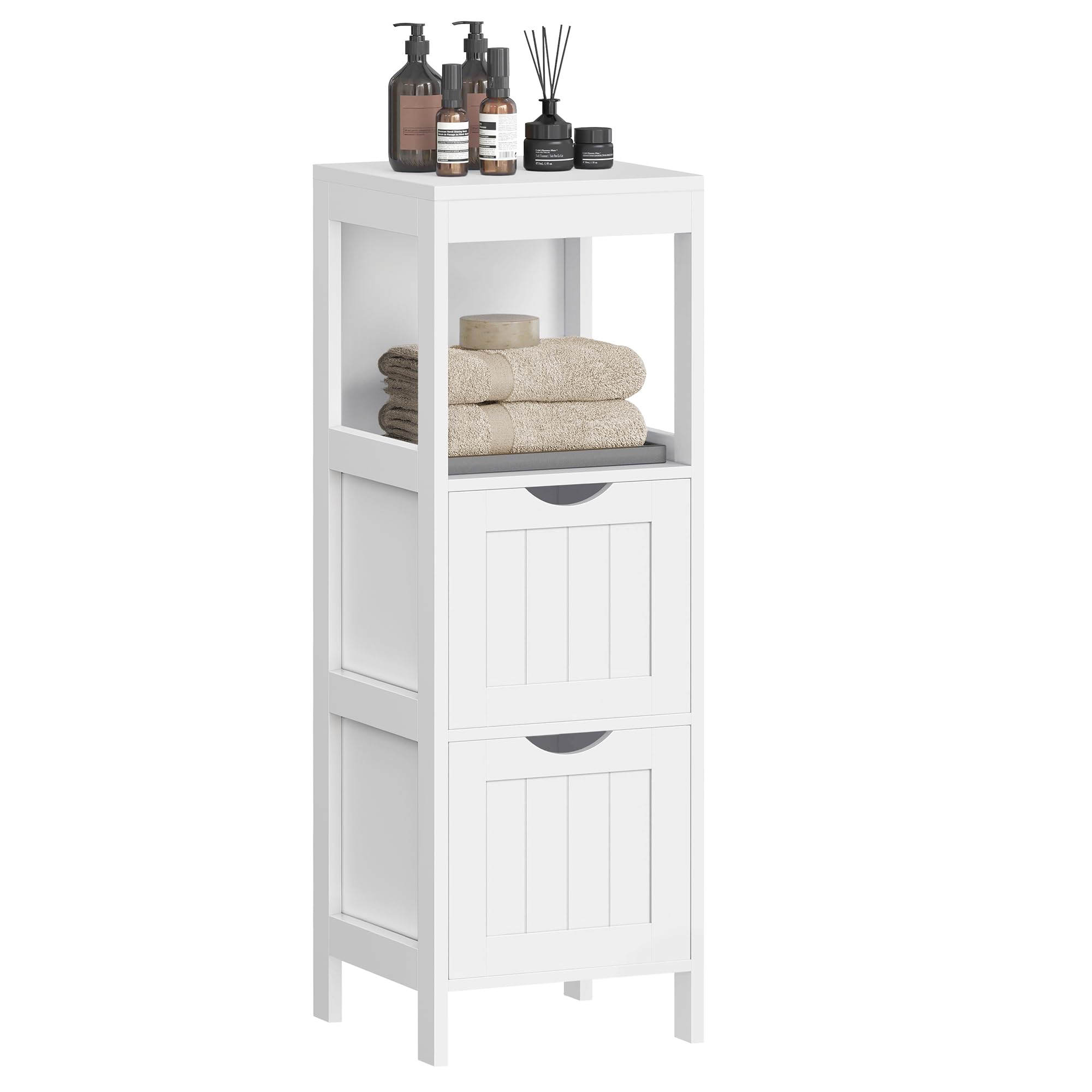
A narrow freestanding cabinet with an open shelf and two drawers that maximizes corner or tight-space storage without looking bulky.
Why I picked it: I chose it for its very small footprint and the open-plus-hidden storage layout that fits narrow spots.
Best for: Tight bathrooms, hallways, and apartments where floor space is at a premium.
Affordable option for corners and narrow gaps.
Pros
- Very slim footprint
- Open shelf plus two drawers
- Looks clean in multiple rooms
- Relatively quick to assemble
- Well-packaged for delivery
Cons
- May smell slightly of manufacturing odor at first
- Storage depth limits bulky items
My take
This is the cabinet I reached for when I needed usable storage in a narrow gap. The 11.8" depth and roughly 35" height let it slide next to toilets, radiators, or between a vanity and wall without crowding the room.
Assembly was straightforward thanks to numbered parts and clear instructions; one person can do it in a session. The engineered wood finish reads clean and modern, and the open shelf is perfect for an everyday item I want accessible while the drawers hide toiletries and cleaning supplies.
I appreciated the packaging — nothing arrived nicked — and the unit feels sturdy once assembled. Be aware there can be a faint factory smell on arrival that fades after a few days of airing out. Overall, it’s the slim, practical option I use when floor space is the main concern.
2. Bush Home Salinas Accent Storage Cabinet – Best for Style & Entryway
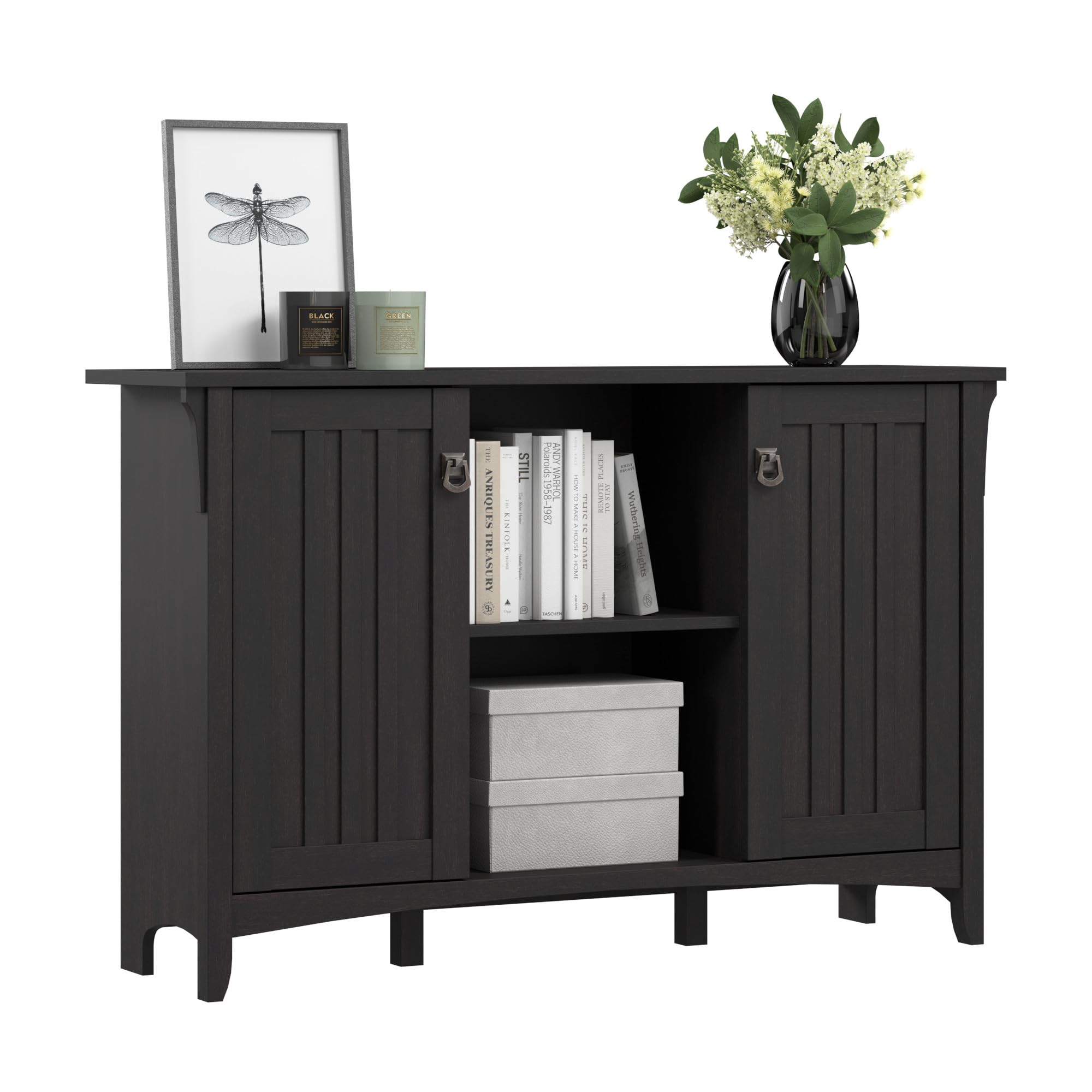
A mission-style two-door cabinet with open cubbies and adjustable shelves that lifts an entryway or living room with decorative details.
Why I picked it: I picked this for its styling and flexible concealed storage that suits a decorated entry or living room.
Best for: Entryways, living rooms, and office corners where appearance matters as much as storage.
Mid-range option with a decorative look.
Pros
- Timeless Mission-style details
- Two adjustable shelves behind doors
- Top surface for display
- Sturdy tapered legs and base rails
Cons
- Thin cardboard-style back panel
- Longer assembly time for some users
My take
This is the piece I used when I wanted storage that pulls a room together. The top provides a proper surface for a lamp or photos while the cubby spaces let me show off a plant or magazine. Behind the doors I relied on the adjustable shelves for concealed items.
Construction reads like engineered wood rather than solid timber, which keeps the weight manageable while still feeling substantial once built. Expect to spend more time assembling this than the slimmer units — patience pays off for the finished look.
I liked the finishing details and the range of distressed color options. If you need a statement cabinet that still offers practical storage, this is the one I’d pick for a living area or entry.
3. Yaheetech 1-Door 3-Drawer Floor Cabinet – Best for Multiple-Tier Storage
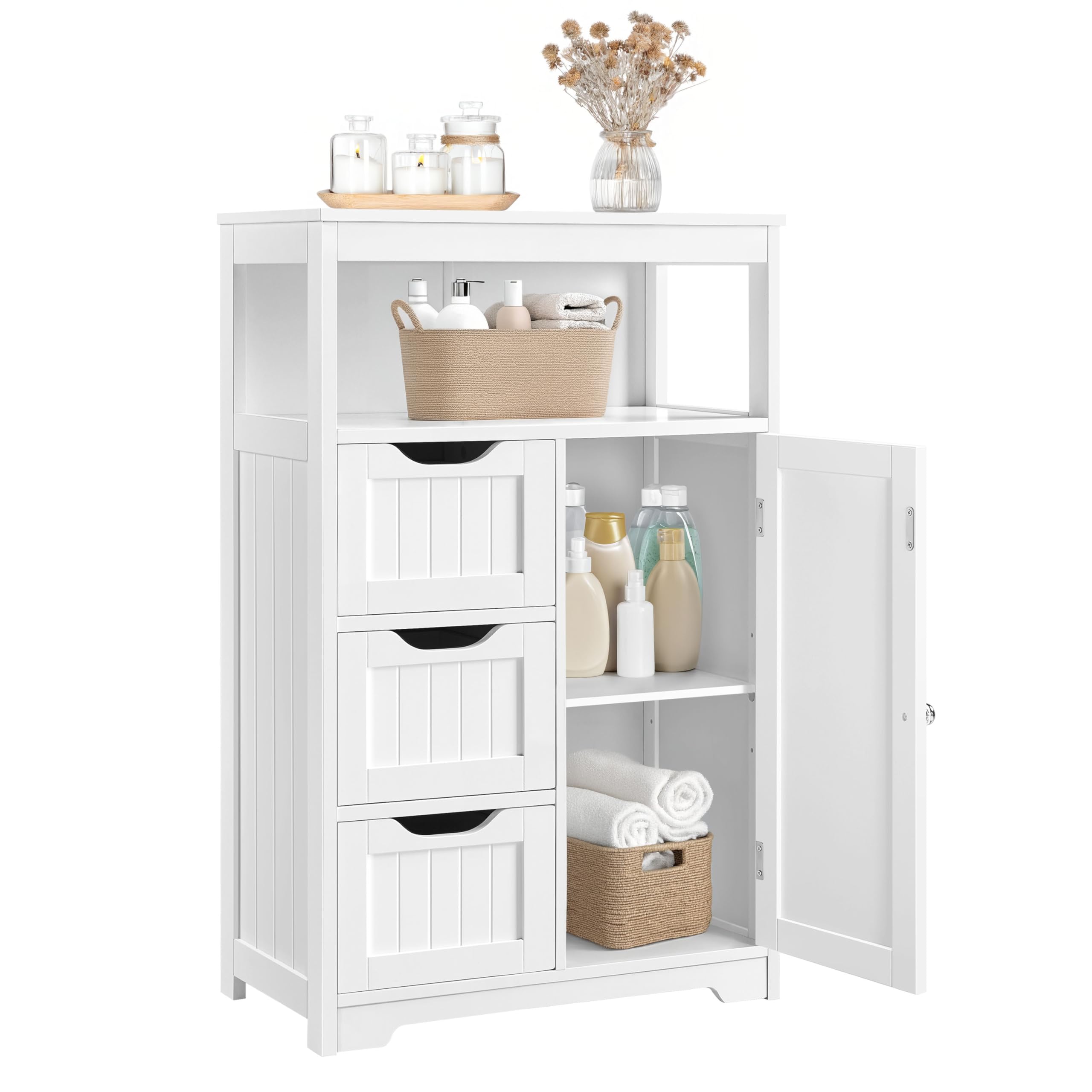
A versatile cabinet with a tabletop, open compartment, three drawers and a two-tier cabinet with an adjustable shelf and anti-tip hardware.
Why I picked it: I wanted a single unit that gave me drawers, a cabinet and an open shelf for mixed storage needs.
Best for: Bathrooms and kitchens that need a mix of hidden drawers, shelf space and tabletop storage.
Affordable choice with practical layout.
Pros
- Adjustable interior shelf
- Magnetic door catch
- Three deep drawers
- Includes anti-tip kit
Cons
- Requires a longer assembly session
- Can arrive with minor finish imperfections
My take
This was the multi-tasker I used when one type of storage wouldn’t cut it. The tabletop and open compartment work great for frequently used items while the drawers handle smaller toiletries and supplies. The adjustable shelf inside the cabinet gives me room to accommodate tall bottles or stacked towels.
Assembly takes time — plan a focused couple of hours — but the predrilled holes and labeled parts make the process methodical rather than mysterious. I did spot small chips or finish blemishes on a couple of pieces in one unit, so I recommend checking parts before you assemble.
The hardware feels reliable (magnetic catch, solid knobs) and the anti-tip kit gives me peace of mind in a busy bathroom. It’s the most flexible layout in my small-cabinet tests.
4. Rubbermaid Cleverstore 32 Qt Stackable Bins (6-Pack) – Best for Clear Stackable Storage
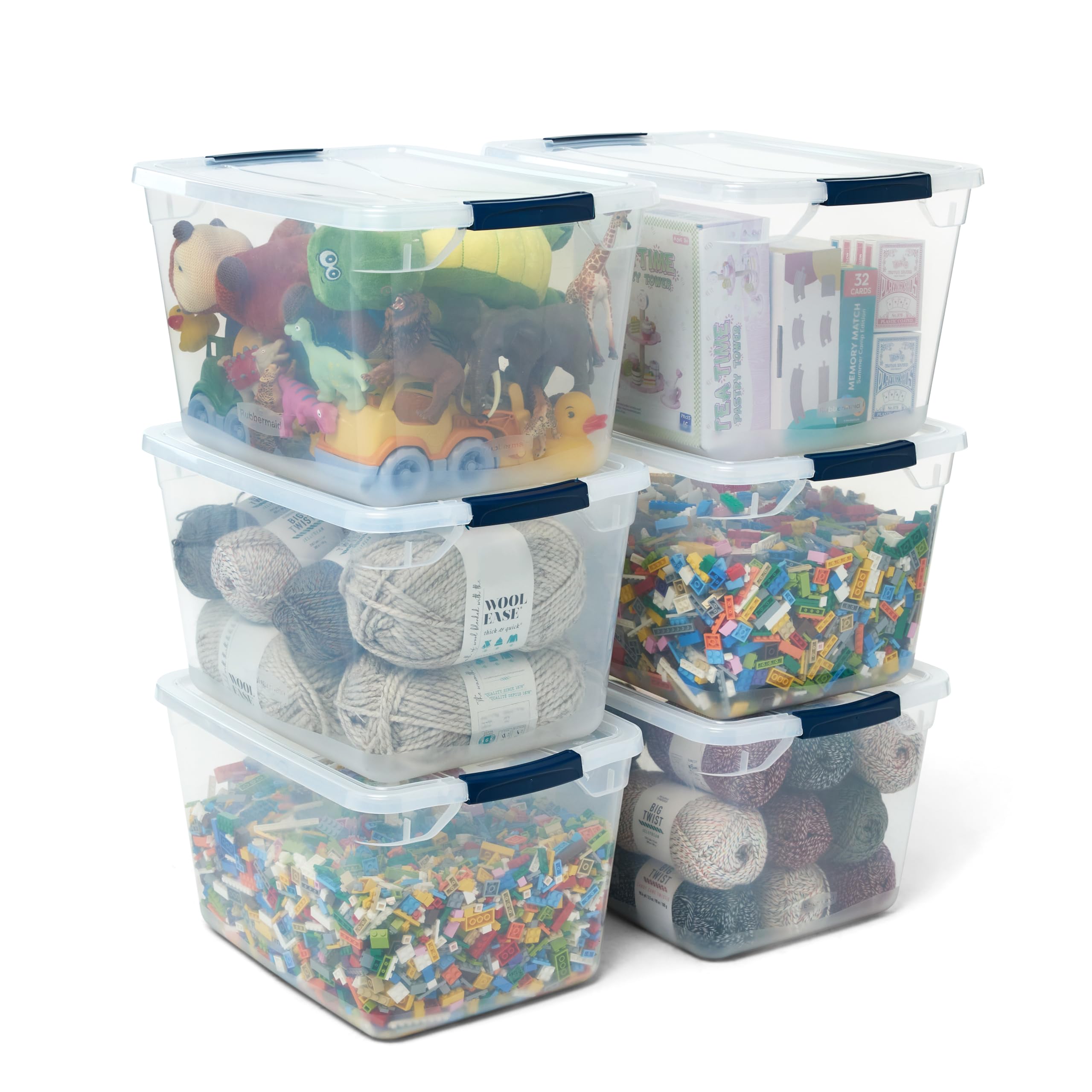
Clear, stackable plastic bins with tight-fitting lids and recessed handles that simplify closet, basement, and craft storage.
Why I picked it: I selected these when I needed transparent, stackable containers that are easy to move and store.
Best for: Closets, storage units, laundry rooms, and craft bins where visibility and stackability matter.
Budget-friendly bulk storage solution.
Pros
- Clear for quick identification
- Tight-fitting lids
- Recessed handles for carrying
- Lay-flat latches for stacking
Cons
- Lids can flex under very heavy loads
- Plastic handles may crack over long-term heavy use
My take
When I needed uniform containers for seasonal items and craft supplies, these were the obvious choice. The clear walls make finding things quick, and even when full I could still lift them comfortably.
Stacking works well thanks to the lay-flat latches and recessed handles — just be mindful to place the heaviest bins on the bottom if you stack multiple layers. The lids are secure for everyday organization, though I wouldn’t rely on the top lid to bear very heavy loads in a tall stack.
For accessible, affordable bulk storage these bins are the sort of reliable, lightweight solution I keep around for projects and overflow.
5. BugMD Pheromone Moth Traps (6-Pack) – Best for Protecting Pantry & Clothes
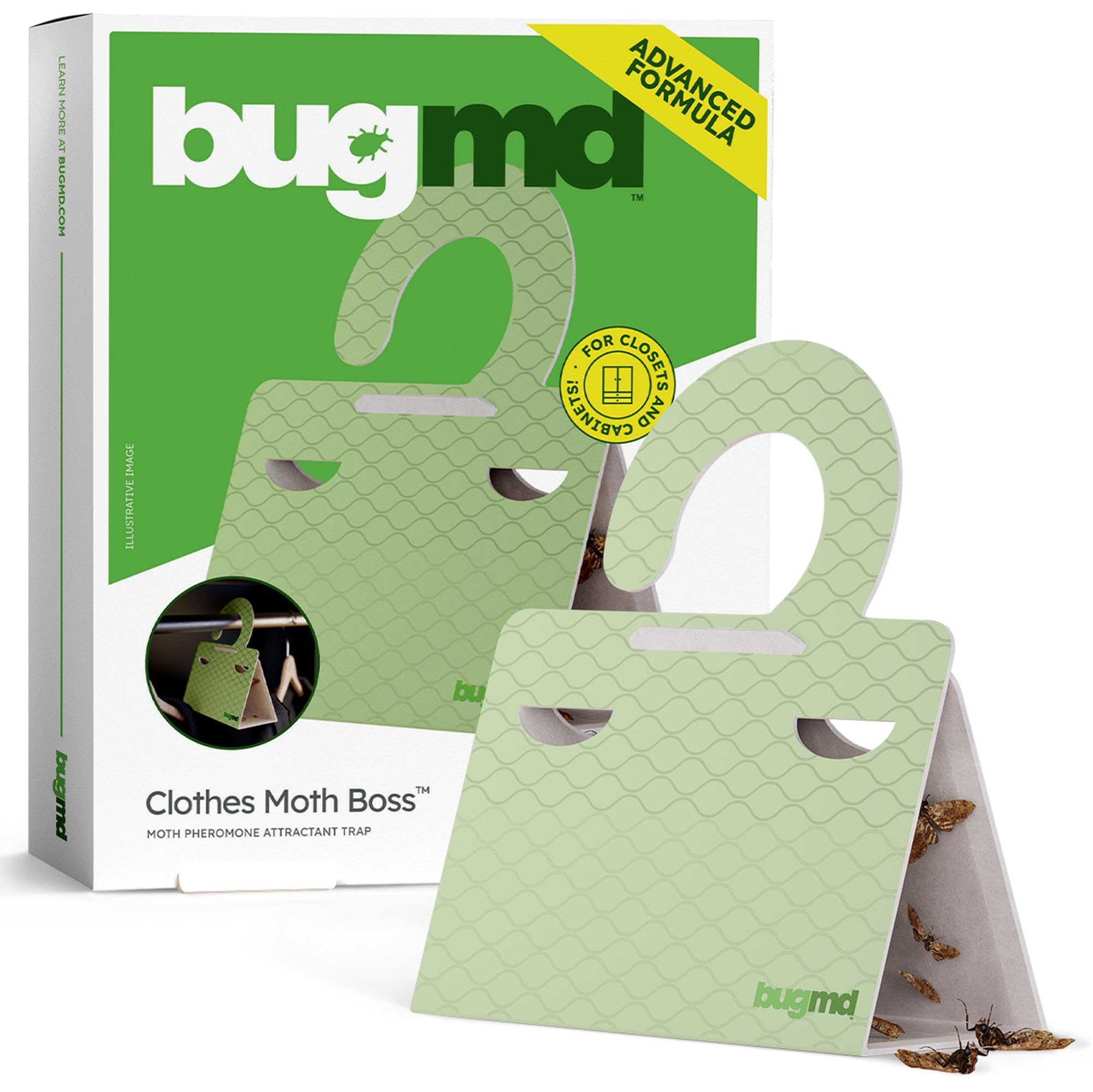
Pre-baited sticky pheromone traps designed to catch clothes and pantry moths without harsh chemicals — suitable for closets, cabinets and pantries.
Why I picked it: I used these when I wanted a non-toxic way to detect and reduce moth activity in storage areas.
Best for: Closets, wardrobe drawers, and pantry shelves that need passive moth protection.
Low-cost preventive pest control.
Pros
- Pheromone-baited and pre-ready
- Non-toxic for indoor use
- Sticky surface captures pests
- Works in closets or pantries
Cons
- Tabs don’t always hold tent shape
- Sticky surface can adhere to fabric if it opens
My take
I set these traps in a few cabinets and closets as soon as I suspected moth activity. They started catching moths quickly and gave me a clear signal that I had a problem to address.
The adhesive is effective and the pheromone lure is strong; I found the traps useful both for monitoring and for reducing numbers over time. They’re safe to use around people and pets, which is exactly what I wanted for a wardrobe and pantry.
Two practical notes from hands-on use: the triangular tent shape can spring open unless taped, and that sticky surface will cling if it accidentally contacts clothes, so I secured them carefully. Still, they are an easy, chemical-free step I rely on to protect stored fabrics and dry goods.
6. Yaheetech 2-Drawer Slim Bathroom Cabinet – Best Budget Narrow Cabinet
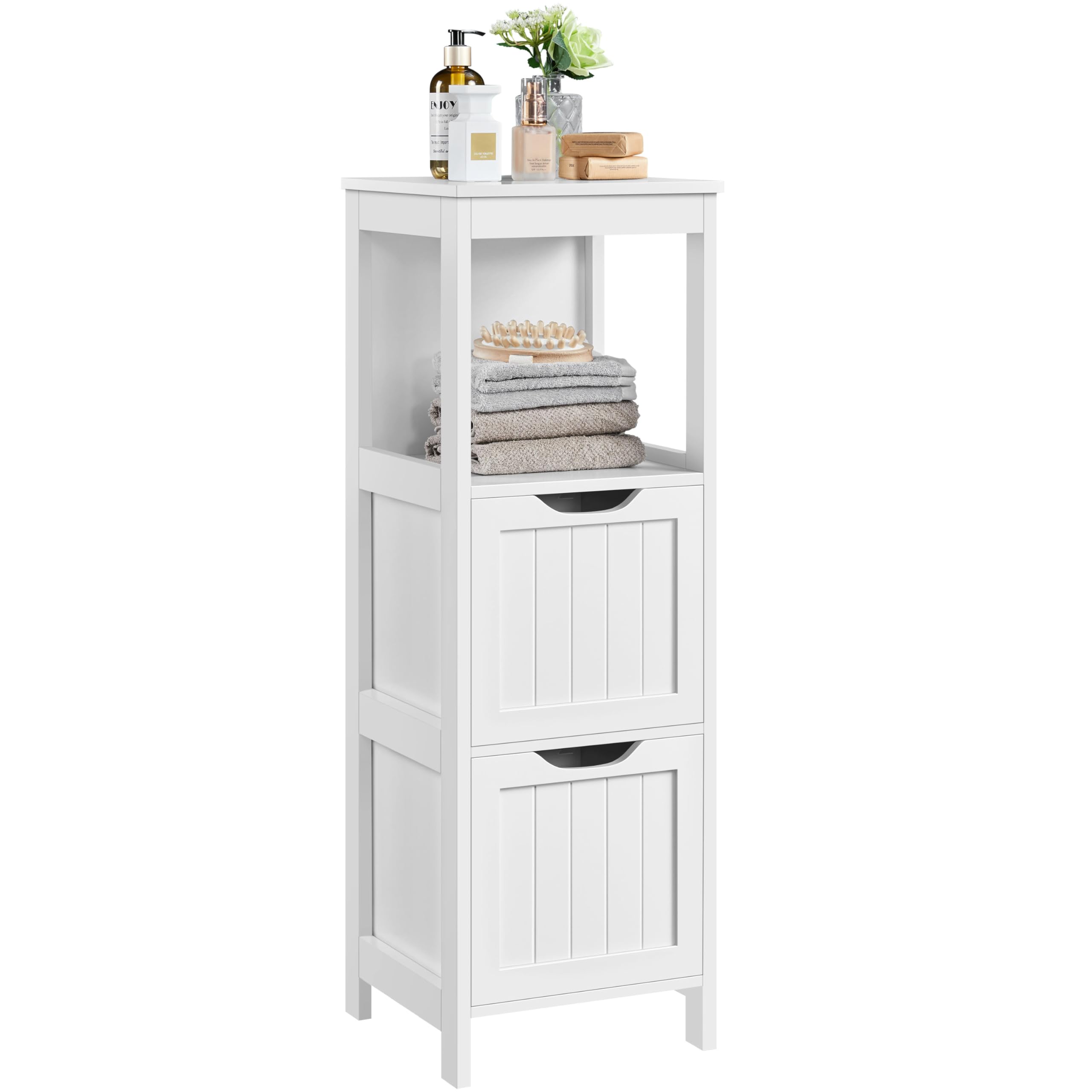
A narrow freestanding unit with two drawers, an open shelf, and water-resistant finish built for compact bathrooms and tight spots.
Why I picked it: I wanted the most compact functional cabinet for the smallest spaces that still felt sturdy.
Best for: Tiny bathrooms, between-toilet spots, and narrow laundry nooks.
Budget-friendly and space-focused.
Pros
- Very narrow footprint
- Water-resistant finish
- Elevated base to stay dry
- Cut-out drawer handles for smooth opening
Cons
- Assembly stickers can smudge finish
- Small drawers limit large-item storage
My take
This is the one I turn to when space is the top constraint. The slim footprint fits where larger cabinets won’t and gives me a usable top surface plus a shelf and two drawers for toiletries or toilet paper.
Material and finish are reasonable for the price, and the elevated base helps keep the cabinet dry in humid rooms. Assembly is straightforward, though watch for number stickers on the outside panels — removing them can leave slight smudges if you’re not careful.
If you need compact, practical storage that won’t overwhelm a small bathroom, this unit delivers the essentials without fuss.
How I Choose Small Storage Cabinets
Measure the tight spots first
I always measure the width, depth and clearance where the cabinet must fit before anything else. A one-inch difference can make the difference between usable storage and an awkward fit.
- Measure height, width and depth of gap
- Account for door swing and plumbing obstructions
- Leave clearance for inserting and removing items
Choose the right layout for your needs
I match cabinet layout to what I store: drawers for small items, open shelves for everyday access, and doors for hidden clutter. Mixed layouts are the most versatile in small spaces.
- Drawers for toiletries and small goods
- Open shelves for towels and decorative items
- Adjustable shelves for flexibility
Mind materials and moisture resistance
I prefer CARB P2-compliant MDF or well-finished engineered wood for bathrooms — these resist humidity better than unfinished particleboard. For laundry areas or basements, plastic bins are often more practical.
- Look for water-resistant finishes in bathrooms
- Choose plastic for basements or heavy-duty stack storage
- Check for anti-tip hardware on taller units
Plan for assembly and tools
I factor in assembly time and whether I’ll need power tools. Numbered parts and clear instructions speed the job, but larger accent cabinets usually take longer to build than slim units.
- Reserve uninterrupted time for assembly
- Have a screwdriver and cordless drill handy
- Inspect parts prior to assembly for damage
Extras that make daily life easier
Little details matter. Magnetic catches, recessed handles, and lay-flat latches on bins save frustration over time. I also keep moth traps on the radar if storing textiles or dry goods.
- Magnetic catches for smooth doors
- Recessed handles for better carry and stacking
- Pheromone traps for long-term fabric protection
Frequently Asked Questions
How do I reduce the factory smell on new cabinets?
I air the assembled cabinet outside or in a well-ventilated room for a few days; that usually dissipates most manufacturing odors. If it’s stubborn, a charcoal sachet or baking soda nearby speeds things up.
Are clear plastic bins safe to stack?
I stack them regularly, but I put the heaviest bins on the bottom. The recessed handles and lay-flat latches help stabilize stacks, though I avoid putting extreme weight on the top lid.
Will pheromone moth traps damage my clothes?
The traps themselves are non-toxic, but the adhesive can stick to fabric if the trap accidentally opens against clothing. I secure traps in a corner or use a small piece of tape to keep the tent closed so they don’t touch garments.
Final Take
I picked these six options because they solve specific small-space problems — from the slimmest gaps to stylish entryway storage, clear stackable bins for overflow, and a practical pest-control option for textiles and pantry goods.
Measure your space, decide the layout you need, and choose the material and finish that match room conditions. With those basics in mind I found each of these pieces useful for making small spaces work harder and look better.