
I tested a range of chair cups and leg protectors so you can protect floors, reduce noise, and stop furniture from sliding. These six picks cover non-slip pads, slip-on tips, silicone covers, and XL clear cups.
I spend a lot of time fitting chair cups and leg protectors to my own furniture, and this roundup brings together the options I reach for most often.
My goal was simple: protect hardwood and vinyl, quiet the scrape of chair legs, and keep furniture stable without creating visible blisters under the legs.
I tested non-slip rubber pads, carpet-bottom caster cups, slip-on tips, silicone covers, and XL clear protectors so you can match the solution to leg shape and movement needs.
I compared products on grip, fit range, bottom material (felt, carpet, rubber), durability, and how discreet the protector looks under chairs. I prioritized solutions that stayed put, cut noise, and protected floors without complicated installation.
1. CasterMaster Non-Slip Furniture Pads – Best Non-Slip Pad
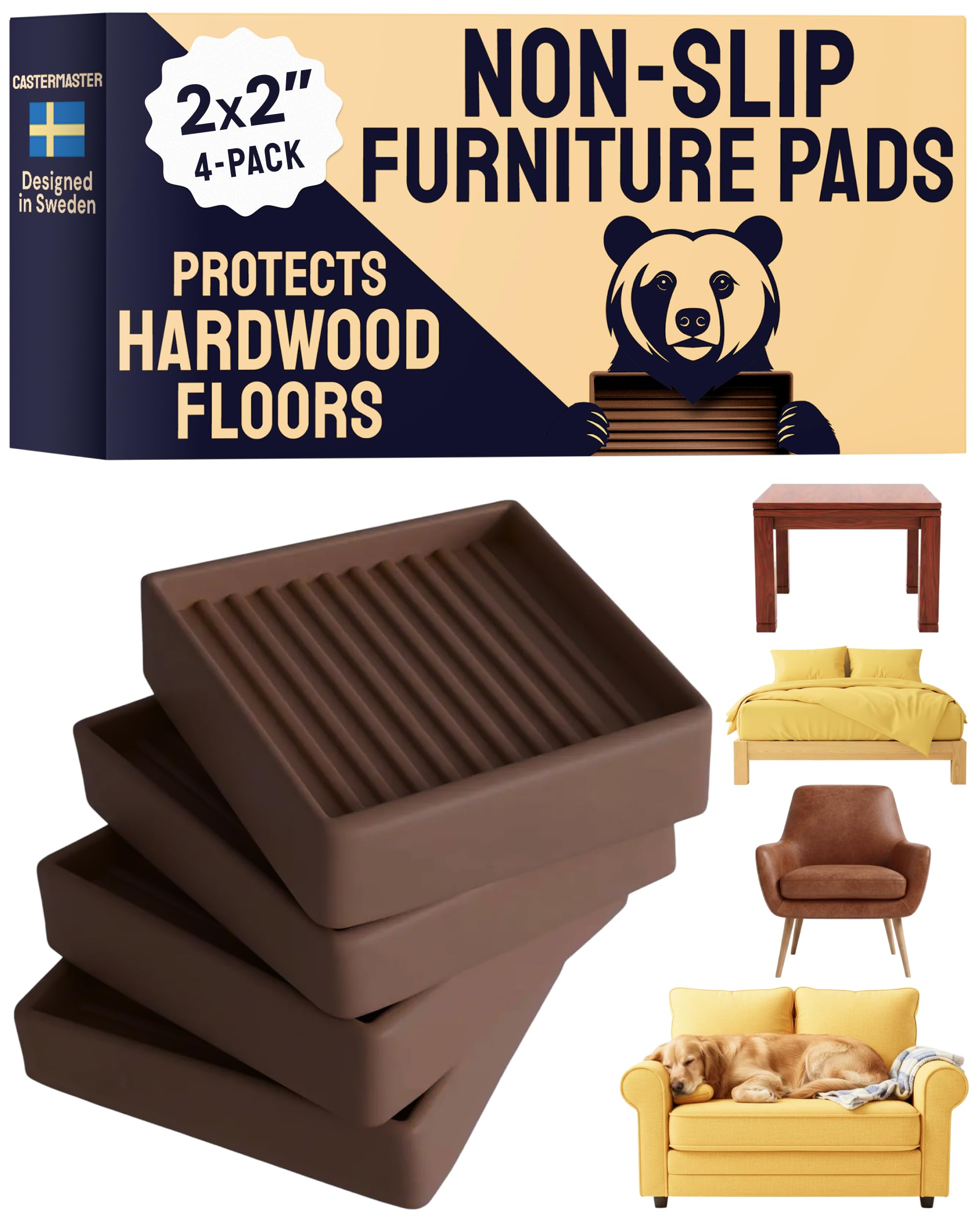
I used these square rubber pads when I needed something that truly stops sliding on hardwood and LVT.
Why I picked it: They provided firm non-slip grip for heavy couches and tables in my living room.
Best for: Stopping unwanted sliding on hardwood, vinyl, and tile floors.
Affordable, no-frills solution.
Pros
- Strong non-slip grip
- Protects hardwood and tile
- Reduces movement noise
- Durable under heavy loads
Cons
- Best for square feet only
- Limited color options
My take
I put these CasterMaster pads under my couch and a heavy side table to stop motion on my LVT floors, and they worked exactly as promised—no more creeping when I lean back on the couch.
The rubber is thick enough to dampen sound when furniture moves and it held up under a heavy coffee table without deforming.
Installation was instant: slip them under the feet and the furniture sits steady. They’re visible under very low-profile furniture, so expect a small aesthetic trade-off for the grip they deliver.
2. SoftTouch Square Carpet-Bottom Caster Cups – Best for Controlled Gliding
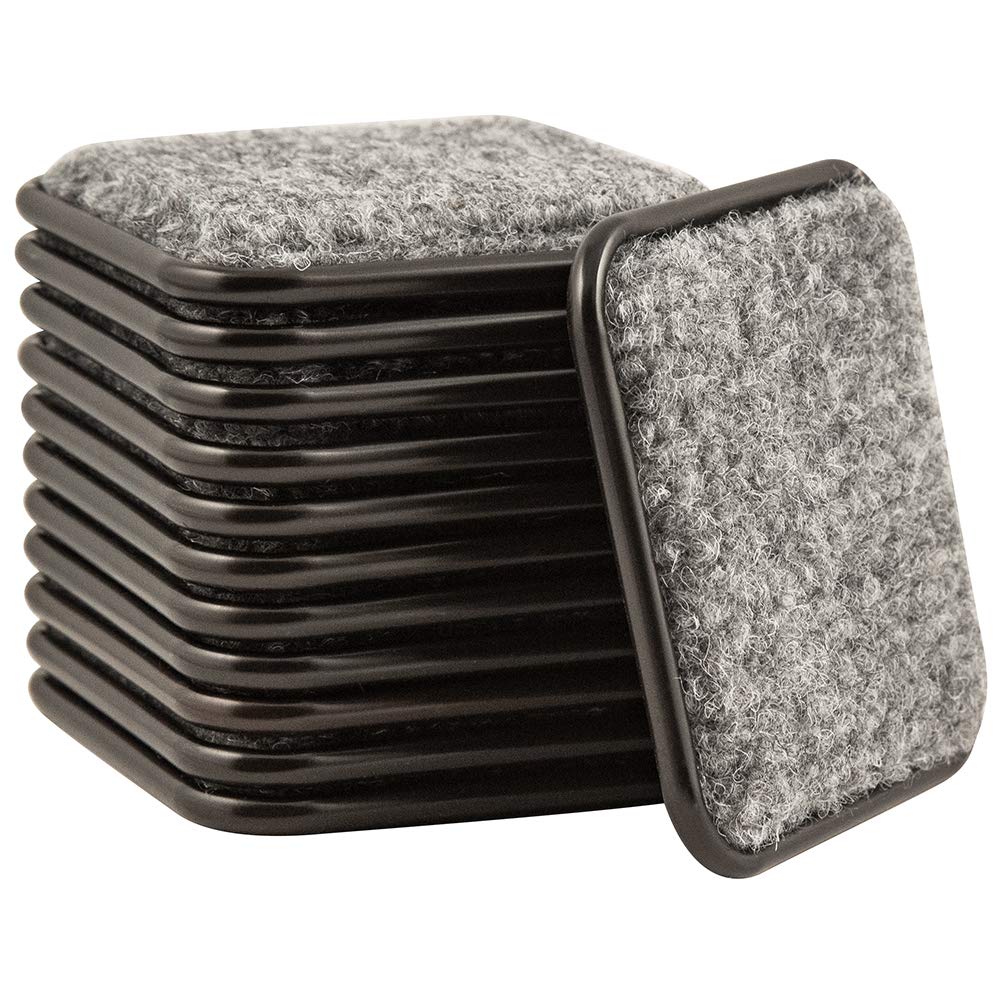
I rely on these 2½-inch cups when I want floor protection plus smooth, controlled repositioning of heavy pieces.
Why I picked it: The carpeted bottom lets furniture glide instead of gouging floors while keeping casters centered.
Best for: Office chairs, recliners, and heavy furniture with casters that still need occasional movement.
Reasonably priced for a 12-pack.
Pros
- Carpeted base for smooth glide
- Secure cupped design
- Reusable metal construction
- Large 12-pack
Cons
- Can slip out during aggressive sliding
- Bulky under small legs
My take
I placed a set of these under my 150-pound recliner and found they glide smoothly across hardwood while preventing scratches and dents.
The cupped design keeps casters centered, which reduced the wobble I used to get when moving the chair short distances.
One caveat: when I really shove furniture to reposition it, a cup occasionally slips out from under a caster, so they’re best when you need gentle, controlled movement rather than heavy-duty dragging.
3. SoftTouch 1-inch Rubber Chair Leg Tips – Best Slip-On Tips
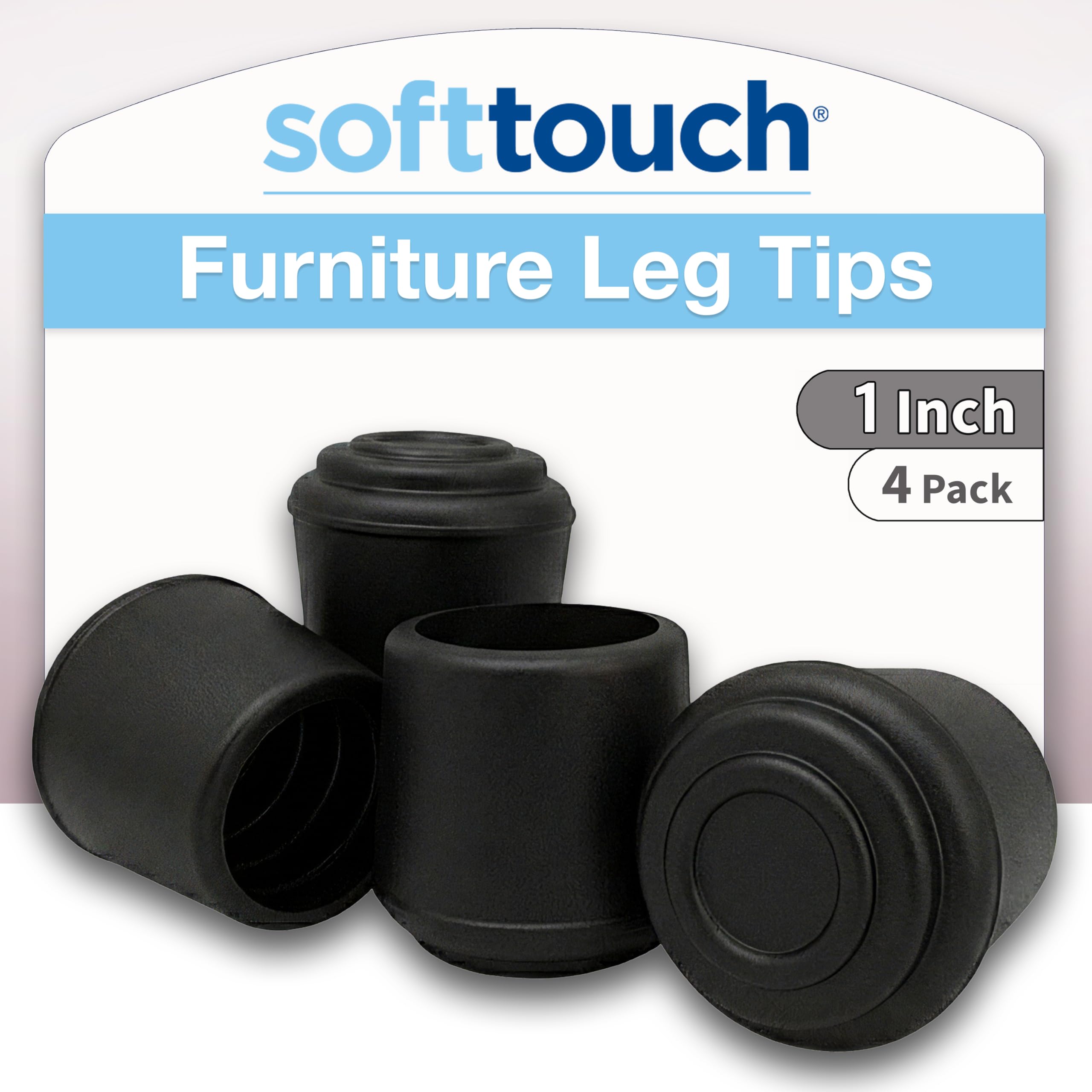
These slip-on rubber caps are my go-to for tubular or round legs that need a snug, noise-reducing tip.
Why I picked it: They fit tightly, cut noise, and protect floors without adhesives or tools.
Best for: Round chair legs, folding metal chairs, stools, and canes with 1-inch diameter.
Very affordable and simple.
Pros
- Snug slip-on fit
- Good grip on floors
- Noise-reducing rubber
- Easy installation
Cons
- Only fits 1-inch legs
- May prevent certain snap-fit connections
My take
I swapped out worn bumpers on my dining chairs with these SoftTouch caps, and the difference in noise and floor scuffing was immediate.
They stretch over angled and straight legs and stay put without glue; the rubber feels resilient and absorbed the daily knocks from chairs being pushed back.
A small downside: on a table where legs used to 'snap' into another piece, the thicker cap prevented the snap, so measure if you have interlocking parts.
4. CHWM Silicone Square Chair Leg Covers – Best Silicone Square Covers
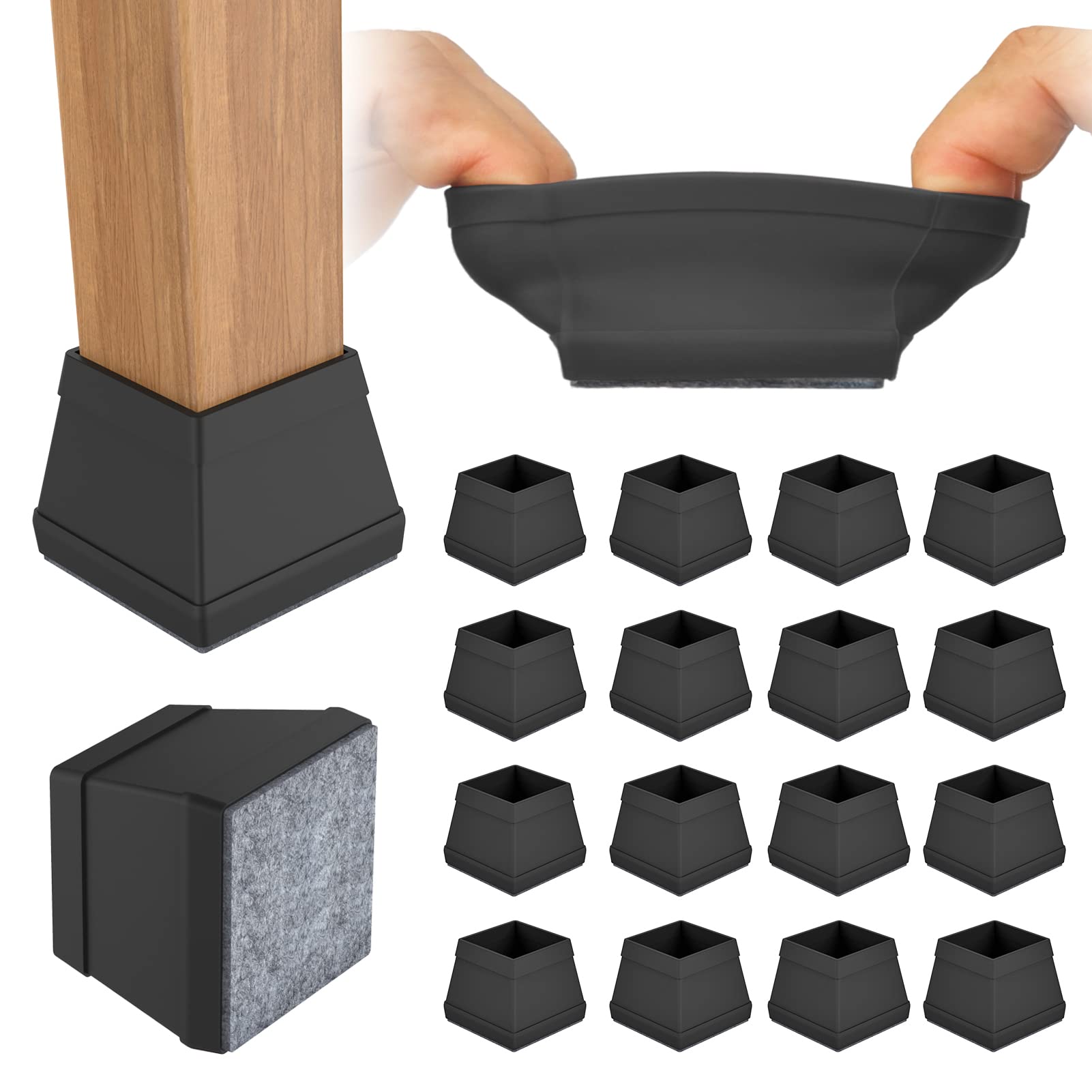
I like these silicone covers when I need a stretch fit for square or rectangular legs and a felt bottom that won’t fall off.
Why I picked it: Molded felt and thicker silicone gave me a secure, long-lasting fit across different leg shapes.
Best for: Square and rectangular wooden chair legs where a clean, low-profile cover is desired.
Midrange—good value for durable silicone.
Pros
- Molded felt won't detach
- Thick, stretchable silicone
- Fits multiple shapes
- Quiet, smooth slide
Cons
- Size range must be checked
- Transparent fit can reveal leg imperfections
My take
I tested these on both square front legs and rectangular back legs of my dining set and was impressed that one size stretched to fit both without slipping.
Because the felt is molded into the silicone, I never had pieces come loose and scratch the floor like the old stick-on pads did.
They’re easy to wash and have stayed in place through months of heavy use; they’re also transparent enough to disappear visually under most chairs.
5. Ezprotekt XL Clear Square Chair Leg Protectors – Best for XL Legs
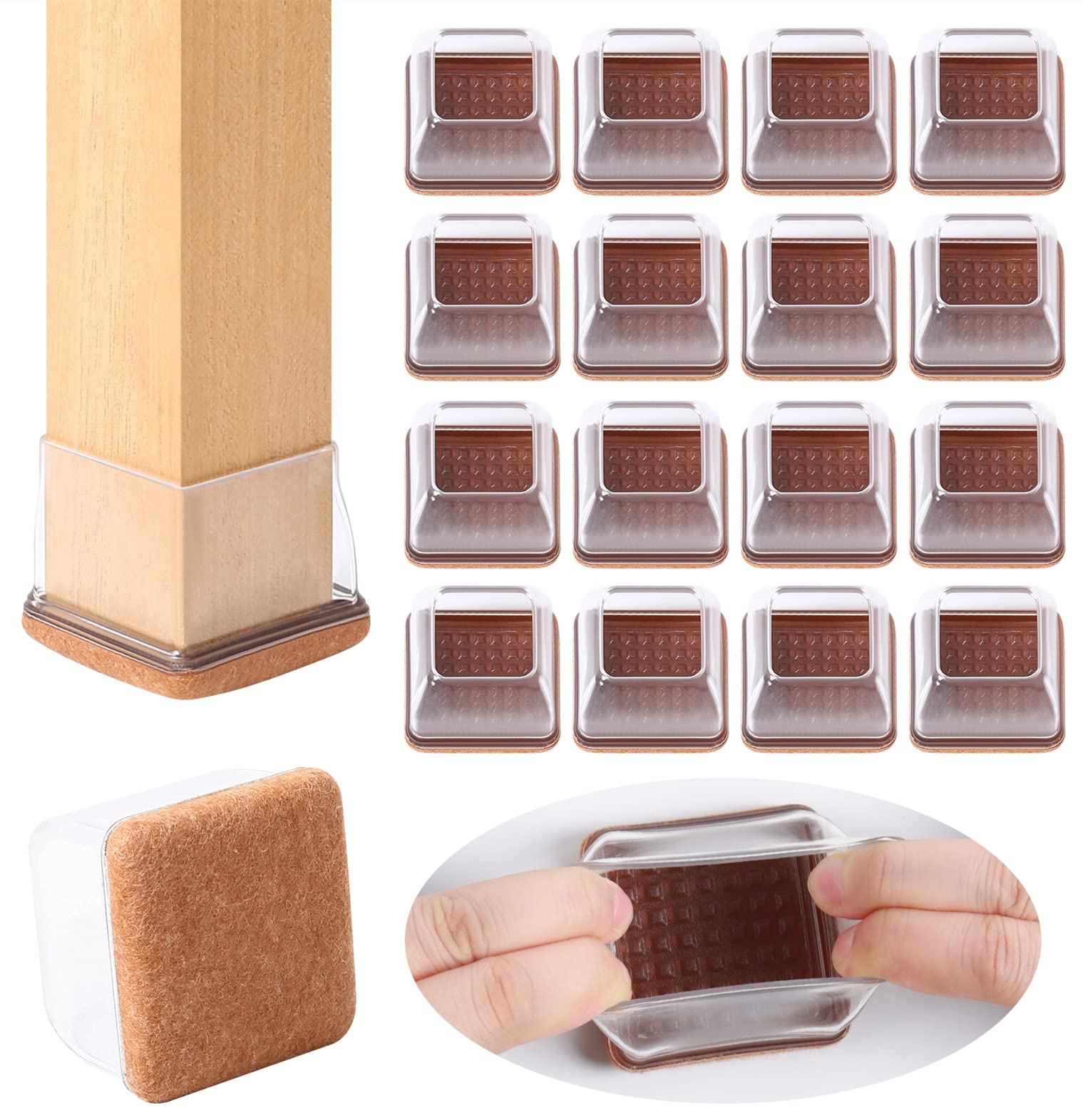
When I needed covers for large square and bar-stool legs, these clear XL protectors delivered a discreet, durable solution.
Why I picked it: The XL sizing and extra-thick felt stood up to heavier chairs and high-traffic use.
Best for: Barstools, large dining chairs, and outdoor metal furniture with thicker legs.
A bit pricier, but high-quality and discreet.
Pros
- Fits XL leg sizes
- Thick, wear-resistant felt
- Clear and discreet
- Strong, stretchable silicone
Cons
- Shiny finish can catch the eye
- Higher-cost option
My take
I used these on my bar stools and patio chairs placed on a Trex deck and appreciated how the clear silicone blended with the legs while the felt protected the surface.
The thicker 5mm felt feels more durable under frequent movement and the covers have not slipped off despite regular use.
They’re easier to install on larger legs than many alternatives, though the clear silicone can be a little shinier than I expected—still, they protect well and stay put.
6. 1-inch Rubber Chair Leg Caps (12-Pack) – Best Value Rubber Caps
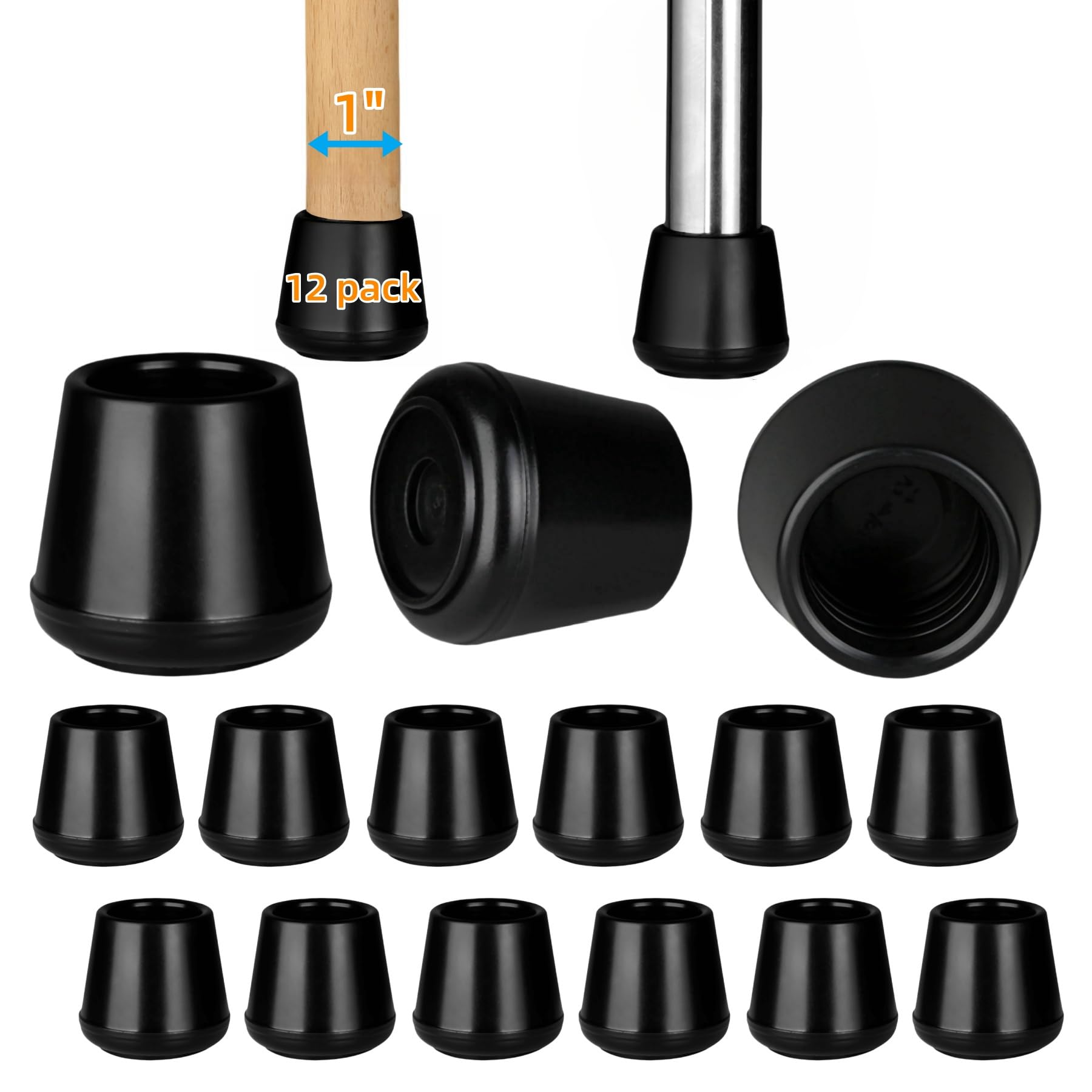
I keep a pack of these on hand for inexpensive, reliable replacement caps for folding chairs and stools.
Why I picked it: Twelve caps, solid rubber, and a snug fit make them a practical choice for multiple legs at once.
Best for: Replacing cracked tips on folding tables, stools, and smaller tubular legs.
Budget-friendly bulk pack.
Pros
- Snug, tight fit
- Thick rubber construction
- 12-pack for multiple legs
- Easy to install
Cons
- Can develop small tears with heavy daily use
- Only fits 1-inch outer diameter legs
My take
I replaced a dozen cracked feet on my folding chairs with this pack and found they fit snugly and restored smooth, quiet movement.
The rubber is sturdy and lays flat against the floor, though after many months of heavy daily use I did notice a couple of caps with small tears—reasonable for the price and heavy use case.
For anyone needing a straightforward, no-fuss replacement for 1-inch tubular legs, these are an efficient, economical option.
How I Choose Chair Cups and Leg Protectors
Match the protector to leg shape and size
I always measure the leg cross-section before buying—square side length or round outer diameter matters. Choosing the right size prevents slipping or overly tight fits.
If a listing gives a size range, I compare it to my measurement and allow a little stretch room for silicone or rubber covers.
- Round legs: use slip-on caps sized by outer diameter.
- Square or rectangular legs: choose square silicone cups or felted covers sized by side length.
- Casters: use cupped caster cups to contain wheels and protect floors.
Pick bottom material for the movement you want
I select felt or carpet bottoms when I want quiet, smooth gliding. Rubber or non-slip pads are my choice when I want furniture to stay put.
Thicker felt or carpet bases last longer and reduce friction on rougher surfaces.
- Felt/carpet: quiet glide, easier repositioning.
- Rubber/non-slip: prevents sliding, reduces impact noise.
- Thick felt: better for heavy furniture and high-traffic areas.
Durability and installation
I prefer molded or stretch-fit designs over stick-on pads because they don’t peel off or shed adhesive.
Look for thicker silicone or reinforced felt if you plan to move heavy furniture frequently.
- Molded felt eliminates the failure point of glued-on pads.
- Thicker silicone resists tearing and stretches to fit varied leg shapes.
- Buy multi-packs for sets of chairs to ensure consistent protection.
Aesthetics and indoor/outdoor use
I consider how visible a protector will be—clear silicone blends best, while colored pads can hide on darker furniture.
For outdoor use, choose materials that resist moisture and won’t stain decking; clear silicone or durable rubber usually performs better outside.
- Clear silicone for a low-visibility look.
- Opaque colors to match dark woods or metal.
- Check felt adhesion and washability for maintenance.
Frequently Asked Questions
Will chair cups stop my chair from sliding?
They can—rubber non-slip pads and tight-fitting silicone covers significantly reduce sliding. If you need mobility, choose felt or carpet-bottom cups instead for controlled gliding.
How do I measure my chair legs correctly?
I measure the outer diameter for round legs and the side length for square legs. Always compare that number to the product’s stated fit range and allow a little stretch room for silicone or rubber.
Can I use these protectors outdoors on a deck?
Yes—clear silicone and sturdy rubber types handle outdoor use well. I avoid glued felt pads outside since moisture can break down adhesives; washable silicone with molded felt or thick rubber fares better.
Will clear silicone yellow over time?
Clear silicone can take on a slight sheen or discoloration in very bright sunlight or with heavy outdoor exposure. For indoor use it generally stays unobtrusive and clear for a long time.
Final Take
After trying a range of options I keep a mix on hand: rubber non-slip pads for stability, felt-bottom cups for gentle gliding, and silicone covers when fit and longevity matter.
Pick the protector that matches your leg shape and how much movement you want—measure first, then choose felt for glide or rubber for grip.
I’ve found these six options cover the most common scenarios, so you can protect floors and quiet your space with confidence.
