
I tested handled, tapered, marble, and mini rollers so you don’t have to. Here are the rolling pins I kept coming back to for pies, pastries, pizza, and kid-friendly baking.
I spent time rolling everything from flaky pie crusts to pizza dough and fondant sheets to find the rolling pins worth keeping in my kitchen.
In this roundup I focused on materials, balance, rolling smoothness, and how easy each pin is to use and care for — the things that actually matter when you’re baking regularly.
Below I highlight the pins that performed best in specific roles, and I explain what I look for when choosing a rolling pin.
I compared handled pins, French tapered pins, marble pins, and mini silicone rollers for control, weight, and stick resistance to recommend the right tool for each task.
1. Farberware Classic Wood Rolling Pin – Best Overall
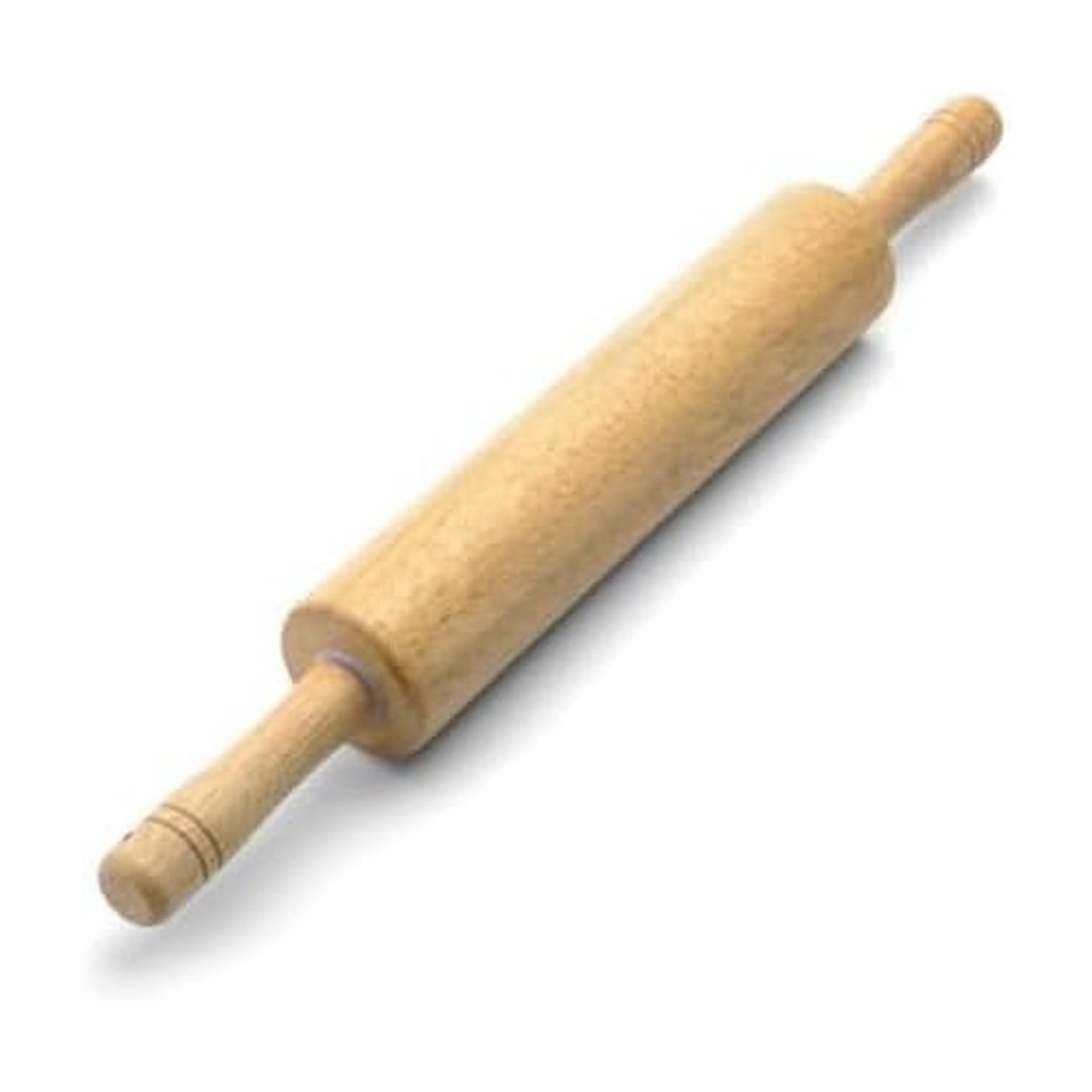
A balanced hardwood handled pin with smooth nylon bearings that works for nearly every home baking task.
Why I picked it: Because it blends a traditional handled design with smooth bearings and a comfortable grip, making it my go-to for most recipes.
Best for: Home bakers who want a reliable handled pin for pies, cookies, and pizza.
Affordable, excellent value for a durable hardwood pin.
Pros
- Moisture-resistant hardwood
- Ergonomic comfort handles
- Smooth nylon bearings
- Versatile for many doughs
Cons
- Handles can feel slightly loose
- Requires occasional oiling
My take
I reach for this Farberware whenever I need an all-purpose rolling pin. The barrel and handles are well balanced so I can roll an even pie crust without fighting the tool.
The nylon bearings make the rolling action glide instead of stick, which matters when I’m doing multiple batches. I appreciate that the wood is moisture-resistant, and a quick wipe and an occasional rub of mineral oil keeps it looking great.
This is the pin I recommend to people who want a dependable, traditional tool that will last a long time and handle pastry, pizza, and cookie dough with ease.
2. French Tapered Rolling Pin – Best for Thin, Even Sheets
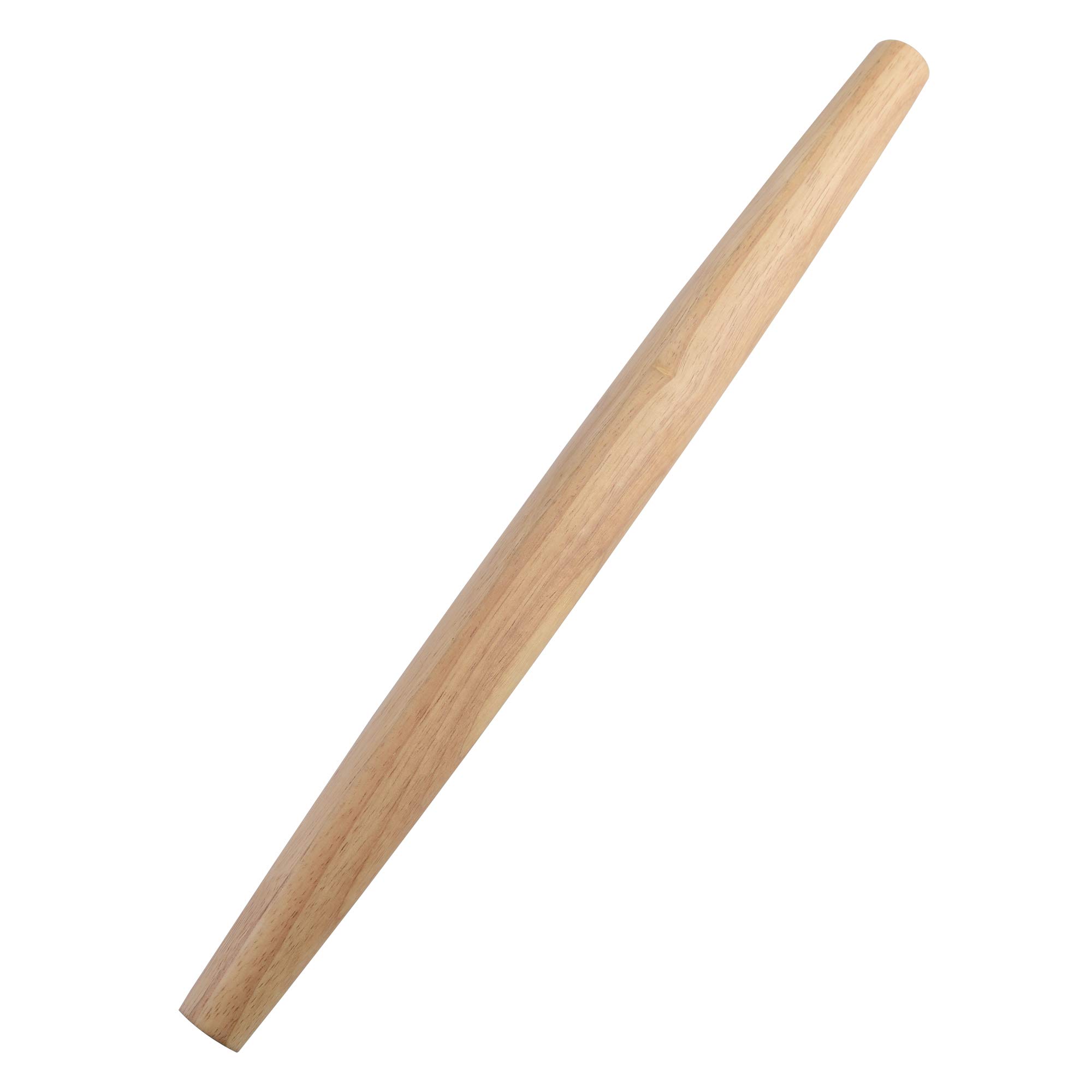
A solid rubberwood tapered pin that gives precise control for thin, uniform dough sheets and fondant.
Why I picked it: I picked this for the tapered profile that lets me apply pressure exactly where I need it, producing thinner, more consistent results.
Best for: Fondant, delicate pastry, and any time I want very thin dough.
Budget-friendly and simple to maintain.
Pros
- Tapered design for control
- Smooth non-stick surface
- Solid rubberwood durability
- Easy to clean
Cons
- Long length can be tight in small kitchens
- No handles for some users
My take
Switching to a French tapered pin changed how I roll. I can press and guide the barrel with my hands directly, which helped me get paper-thin sheets of pastry and fondant faster than with a handled pin.
The rubberwood is smooth and doesn’t have crevices for dough to hide in, and it wipes clean easily. I do keep it oiled occasionally to maintain the finish.
If you want more hands-on control and the ability to feather pressure across the dough, this style is worth learning and I use it for my most delicate work.
3. Fox Run Marble Rolling Pin – Best for Cold Dough
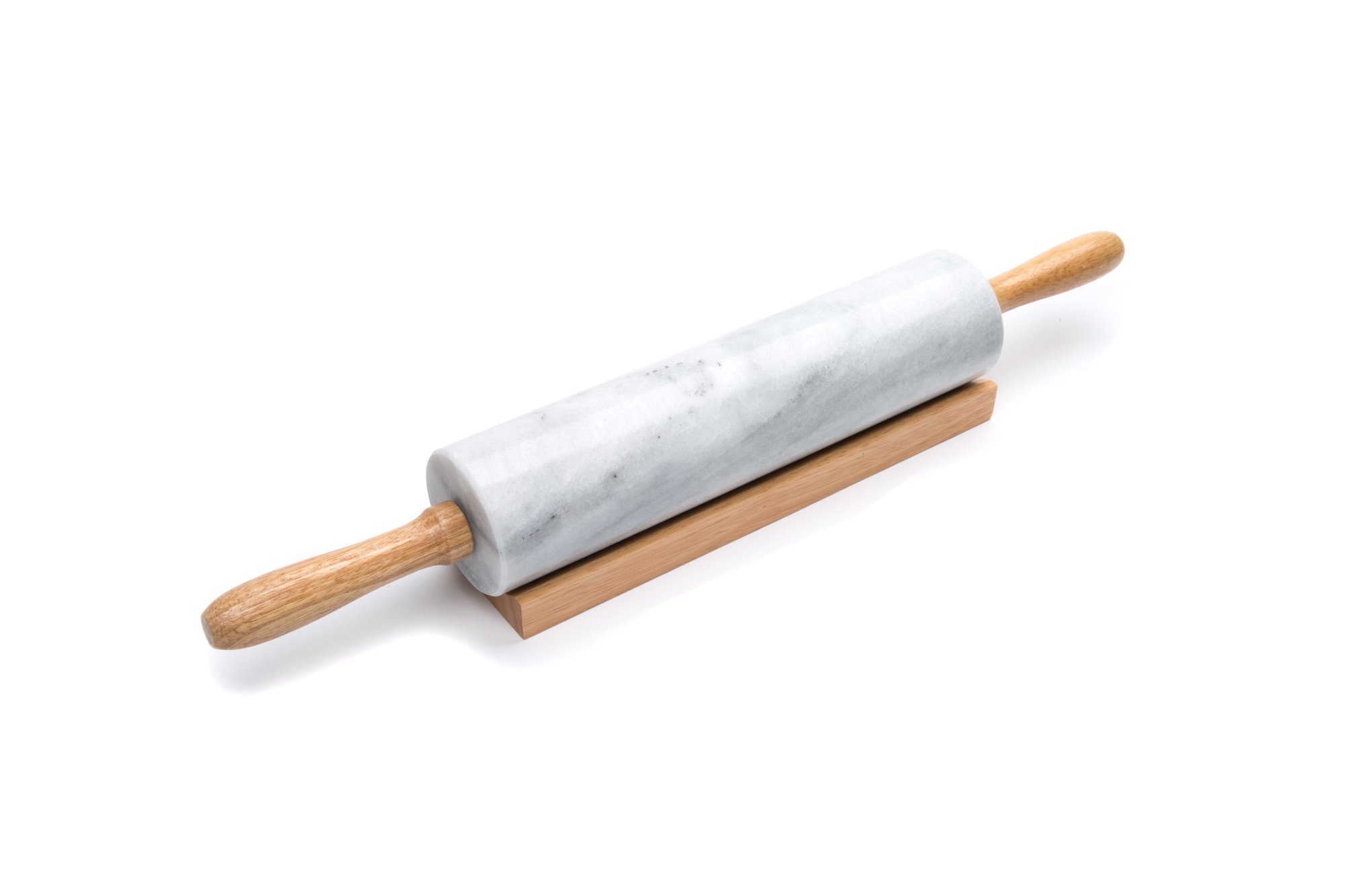
A heavy marble pin that stays cool and helps roll pastry without warming the dough — comes with a wooden cradle.
Why I picked it: I grabbed this when I needed a tool that keeps dough cold and resists sticking without constant flouring.
Best for: Pie crusts, puff pastry, and any recipe that benefits from a cool rolling surface.
A bit pricier than basic wood, but worth it for the cooling effect.
Pros
- Heavy for effortless rolling
- Natural cool surface
- Non-stick stone
- Includes wooden cradle
Cons
- Heavier to maneuver
- Barrel slimmer than expected
My take
The marble’s weight does most of the work — I use less pressure and still get an even roll, which cuts down on arm fatigue during big jobs.
Because the stone stays cool it’s great for pastry that needs a low temperature to keep the butter from smearing. I also like that it doesn’t cling to dough and wipes clean.
It’s a different feel from wood: prettier and more purposeful. I keep it for tasks where cool contact matters most.
4. Beech Wood Rolling Pin with Handles – Best Long Handled Pin
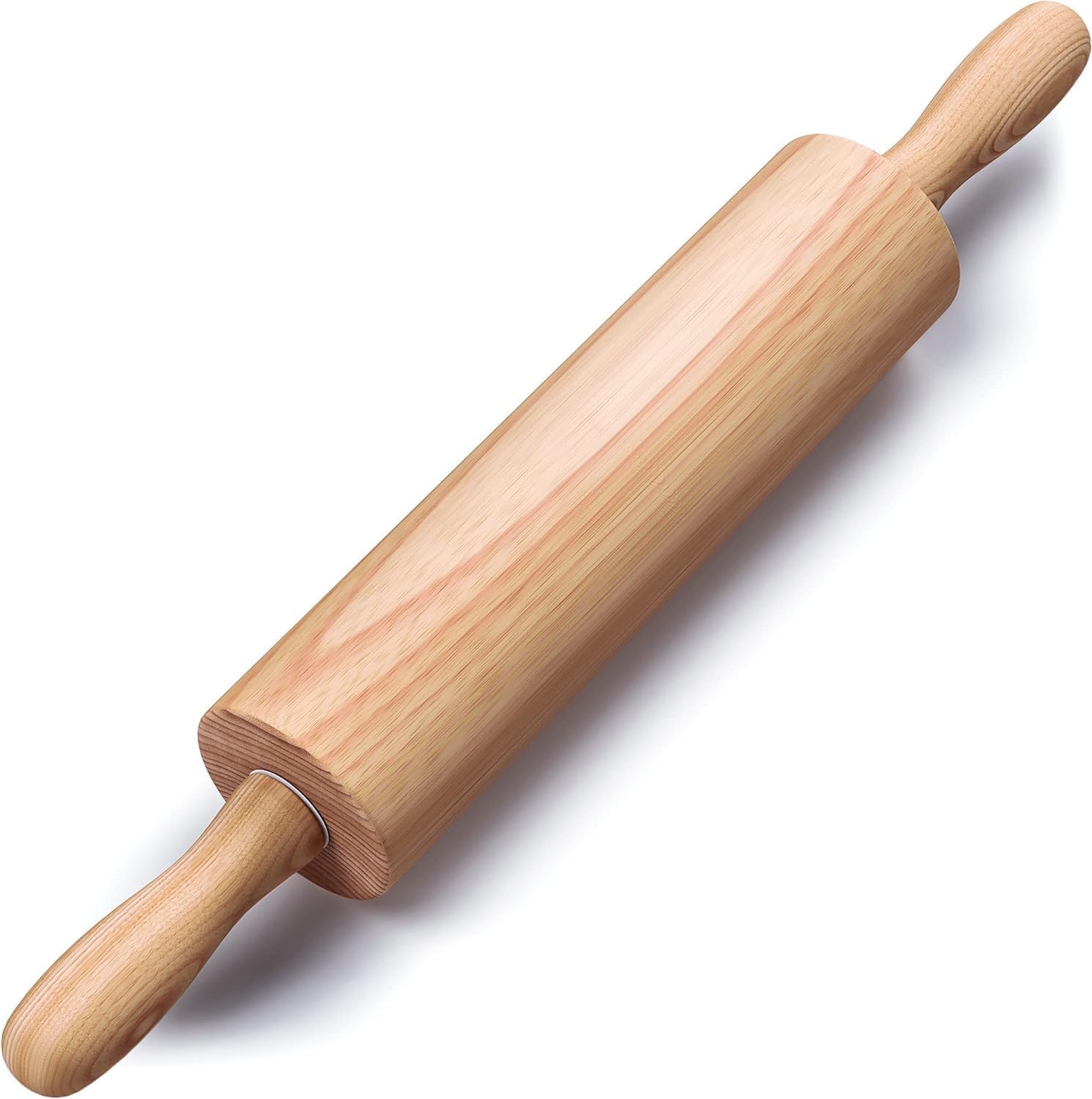
A long beech wood pin with ergonomic rotating handles for wide sheets and pizza-sized dough.
Why I picked it: I chose this for its extended length and comfortable handles that make rolling large-format dough effortless.
Best for: Large doughs, pizza, and batch baking where a longer reach helps.
Affordable option for a large, well-made handled pin.
Pros
- Extended 17.6-inch reach
- Ergonomic rotating handles
- Smooth nylon bearings
- Even rolling surface
Cons
- Lighter than some prefer
- Takes drawer space
My take
When I need to roll out a big pizza or a couple of pie crusts at once, this beech pin is what I grab. The length gives me coverage so I don’t have to keep shifting the dough.
The handles roll smoothly on nylon bearings and feel comfortable for repeated use. It’s lighter than a marble pin, which I actually like for faster, controlled rolling.
If you bake large items often, the reach and balance here make the task faster and less fiddly.
5. Beech Wood Rolling Pin with Handles – Best Everyday Classic
The same reliable beech-handled option that performs consistently for everyday baking chores.
Why I picked it: I kept a second entry for this model because its balance and finish make it a great all-day option for regular bakers.
Best for: Routine baking, classroom kitchens, and anyone who wants a dependable handled pin.
Solid value for a durable, versatile handled pin.
Pros
- Solid beech construction
- Comfortable handles
- Rolls smoothly
- Versatile for many recipes
Cons
- Not as heavy for some tasks
- Requires storage space
My take
I’ve used this beech pin as a daily workhorse. It rolls smoothly, cleans with a wipe, and gives consistent thickness without extra effort.
Because it’s not too heavy, I can do long rolling sessions without tiring. The finish is clean and the handles provide predictable control.
For someone who bakes often and wants a go-to handled pin, this is a model I reach for repeatedly.
6. GoodCook Classic Wood Rolling Pin – Best Reliable Classic
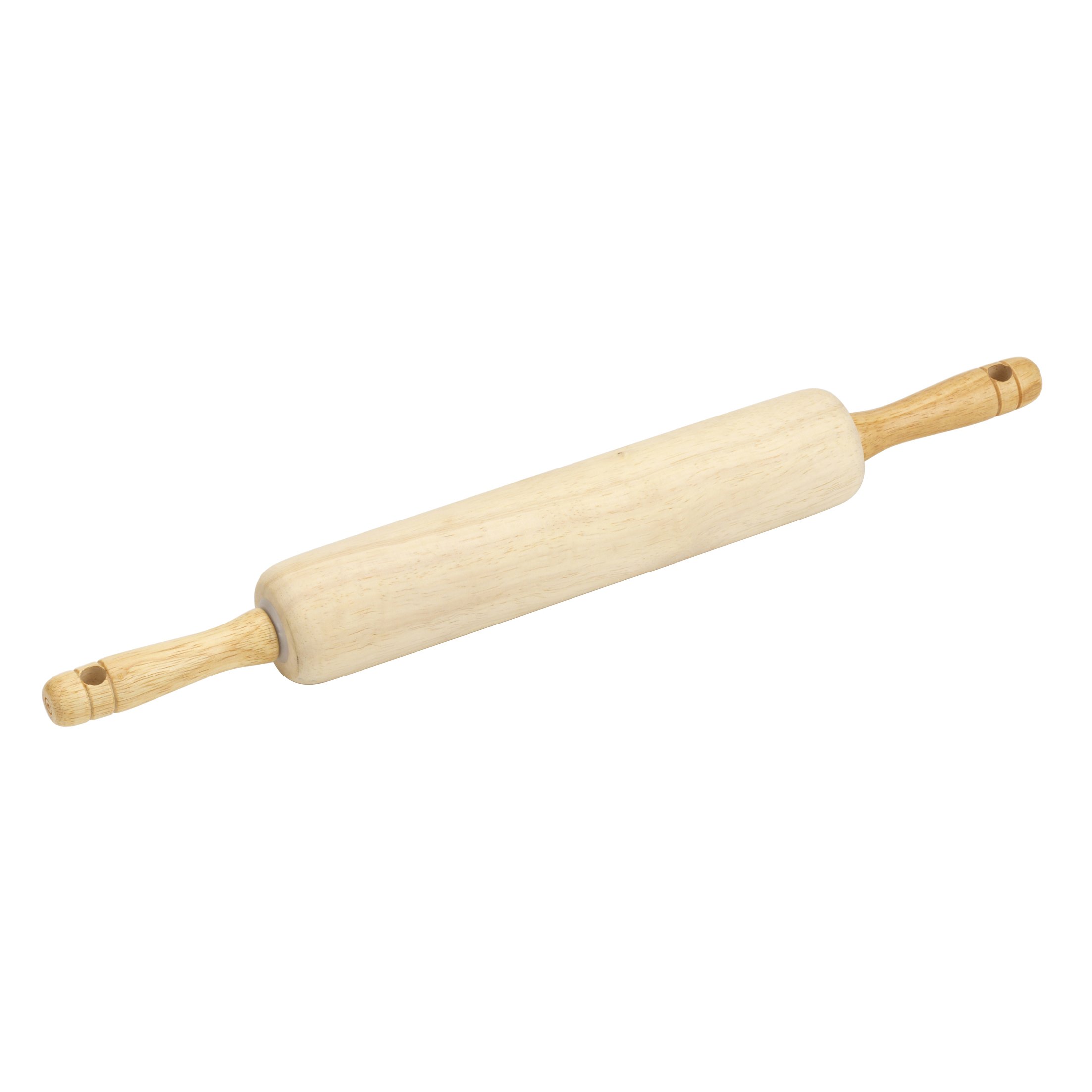
A single-piece hardwood pin with smooth bearings that’s dependable for everyday pastry and dough work.
Why I picked it: I included this because the single-piece construction feels solid, and it performs consistently across many dough types.
Best for: Everyday baking tasks, from cookies to pie crusts and light-duty crushing.
Budget-friendly and practical for frequent use.
Pros
- Single-piece hardwood build
- Smooth plastic bearings
- Comfortable grip
- Easy to clean
Cons
- Smaller diameter than some prefer
- Lightweight for heavy doughs
My take
This GoodCook pin is the dependable option I use when I want something fuss-free. The single-piece design feels sturdy and I can roll an even crust without applying excessive force.
It’s easy to wipe down after use and stores well in a drawer. I also find it useful for light crushing jobs like seeds or nuts when I’m prepping ingredients.
Overall, it does the job consistently and is the kind of tool that earns its place in my drawer.
7. Koogel 9-Inch Mini Silicone Rolling Pins (2-Pack) – Best for Kids & Crafts
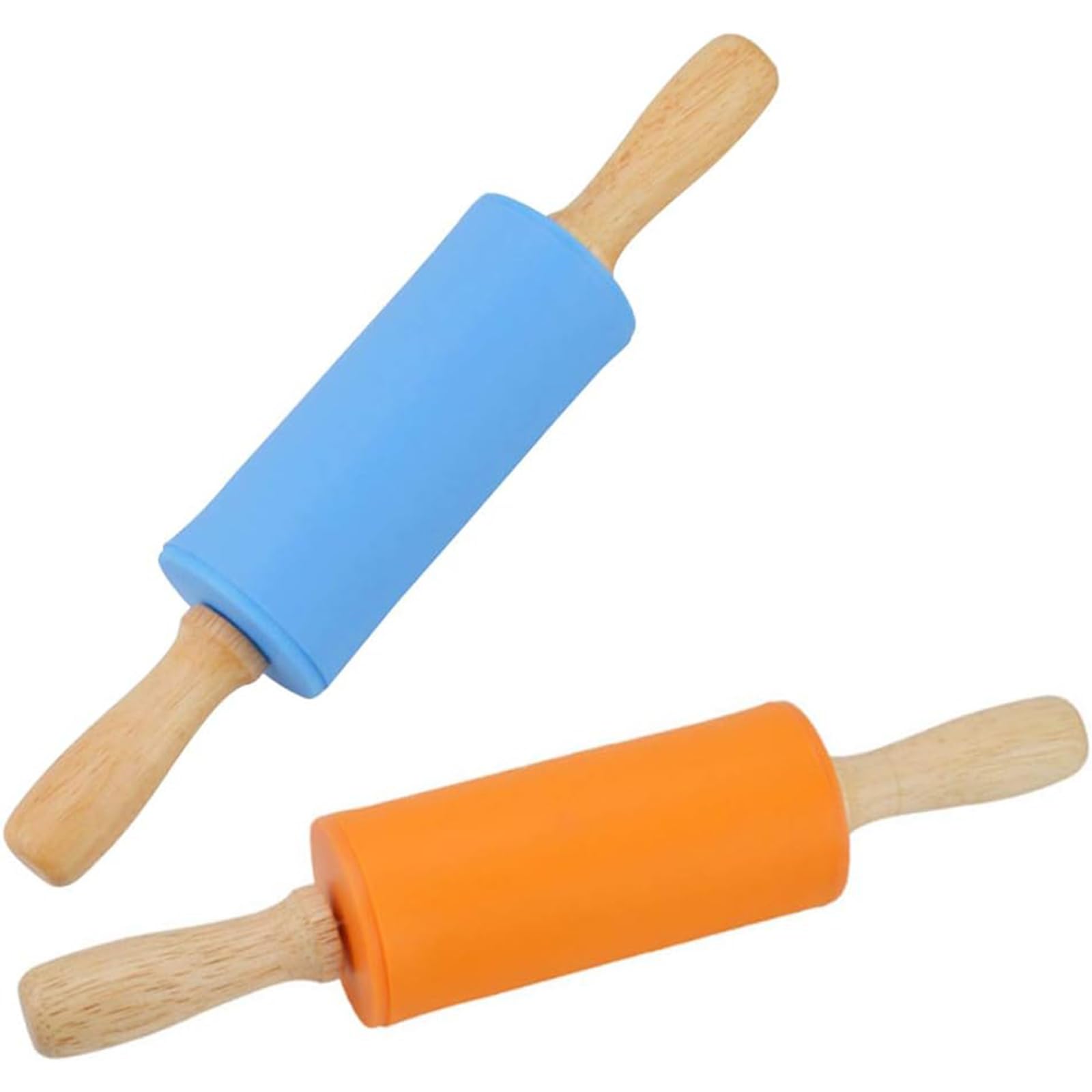
Two small, food-grade silicone rollers with wooden handles — perfect for kids, fondant, and craft projects.
Why I picked it: I wanted a kid-safe, easy-to-clean option for small tasks and family baking sessions, and this two-pack delivered.
Best for: Kids’ baking, fondant work, and small craft projects.
Inexpensive and practical for family use.
Pros
- Two-pack for parent and child
- Food-grade silicone
- Easy to clean
- Sized for small hands
Cons
- Not suitable for large doughs
- Less heft for firm doughs
My take
These mini silicone rollers are a staple when I bake with kids. The rolling surface is non-stick and the oak handles feel solid for little hands.
I keep one at home and one at my granddaughter’s for joint baking sessions. They work nicely for cookie dough, fondant trimming, and even craft clay.
They won’t replace a full-size pin for big jobs, but they’re perfect for hands-on family baking and small, detailed work.
How I Choose a Rolling Pin
Types of Rolling Pins
I look at four main styles: handled pins, French tapered pins, marble pins, and mini/silicone rollers. Each has a distinct feel and best-use cases.
- Handled pins: Best for general home baking and people who prefer a grip.
- French tapered pins: Give direct control for thin, precise work.
- Marble pins: Heavy and cool, ideal for pastry that must stay cold.
- Mini/silicone pins: Great for kids, fondant, and crafts.
What I Inspect Before Buying
I check material, weight, length, and whether the pin has smooth bearings. Those factors determine control, stick resistance, and how tiring rolling will be.
- Material: hardwood for versatility, marble for cool contact, silicone for non-stick small jobs.
- Weight: heavier pins roll with less effort; lighter pins offer speed and control.
- Length: 10–12 inch barrels suit most home tasks; 17-inch total length helps with pizza and large pies.
- Bearings: nylon or plastic bearings make handled pins glide smoothly.
Care and Maintenance I Follow
I never soak wooden or marble pins in water. I wipe them clean and treat wooden pins occasionally with food-grade mineral oil to preserve the finish.
- Wipe wood with a damp cloth, dry immediately.
- Oil wood occasionally to prevent drying or cracking.
- Avoid the dishwasher for any wooden or marble pin.
- Silicone rollers can usually be cleaned with soap and water.
Frequently Asked Questions
Should I oil a wooden rolling pin?
Yes — I rub food-grade mineral oil into wooden pins a few times a year or when the wood looks dry. That restores the finish and helps repel moisture.
Is a marble pin better than wood?
I use marble when I want a cool surface to protect butter in pastry; wood is more versatile and lighter for everyday tasks. Which is better depends on the job.
Can I put a rolling pin in the dishwasher?
I never put wooden or marble pins in the dishwasher. High heat and prolonged water exposure can warp or crack the wood and damage finishes.
When should I choose a French tapered pin?
I pick a tapered pin when I need very thin, even sheets or when I want fine control over pressure across the dough.
How do I prevent dough from sticking?
I flour the surface lightly, chill sticky dough, or use a silicone mat. For pins, a quick dusting of flour and an even rolling motion eliminate most sticking.
Final Take
After testing a variety of rolling pins I kept several in my kitchen for different tasks: the Farberware for all-around work, the French tapered pin for delicate sheets, and the marble pin for cold pastry.
If you bake mostly cookies and pies, start with a reliable handled wooden pin; pick up a tapered or marble pin if your recipes demand finer control or cooler contact.
