
I tested a range of bed curtains — from dreamy four‑corner canopies to pop‑up privacy tents and blackout panels — and narrowed the list to the options that delivered the best mix of fit, finish, and function.
I’ve spent nights under every style of bed curtain here — domes, four‑corner canopies, pop‑up tents, and window blackout panels — to see which actually improve sleep, privacy, and bedroom style.
In this guide I walk through what worked in real rooms: what mounted easily, what blocked light or bugs, and what felt like a lasting upgrade versus a one‑night aesthetic.
If you want a princess canopy, a mosquito shield for travel, or a privacy tent for a dorm, I’ll point you to the best fit and explain why I would choose each one.
I prioritized fit, fabric quality, and how easy each canopy was to install and live with.
1. South to East 4‑Corner Canopy – Best Luxe Canopy
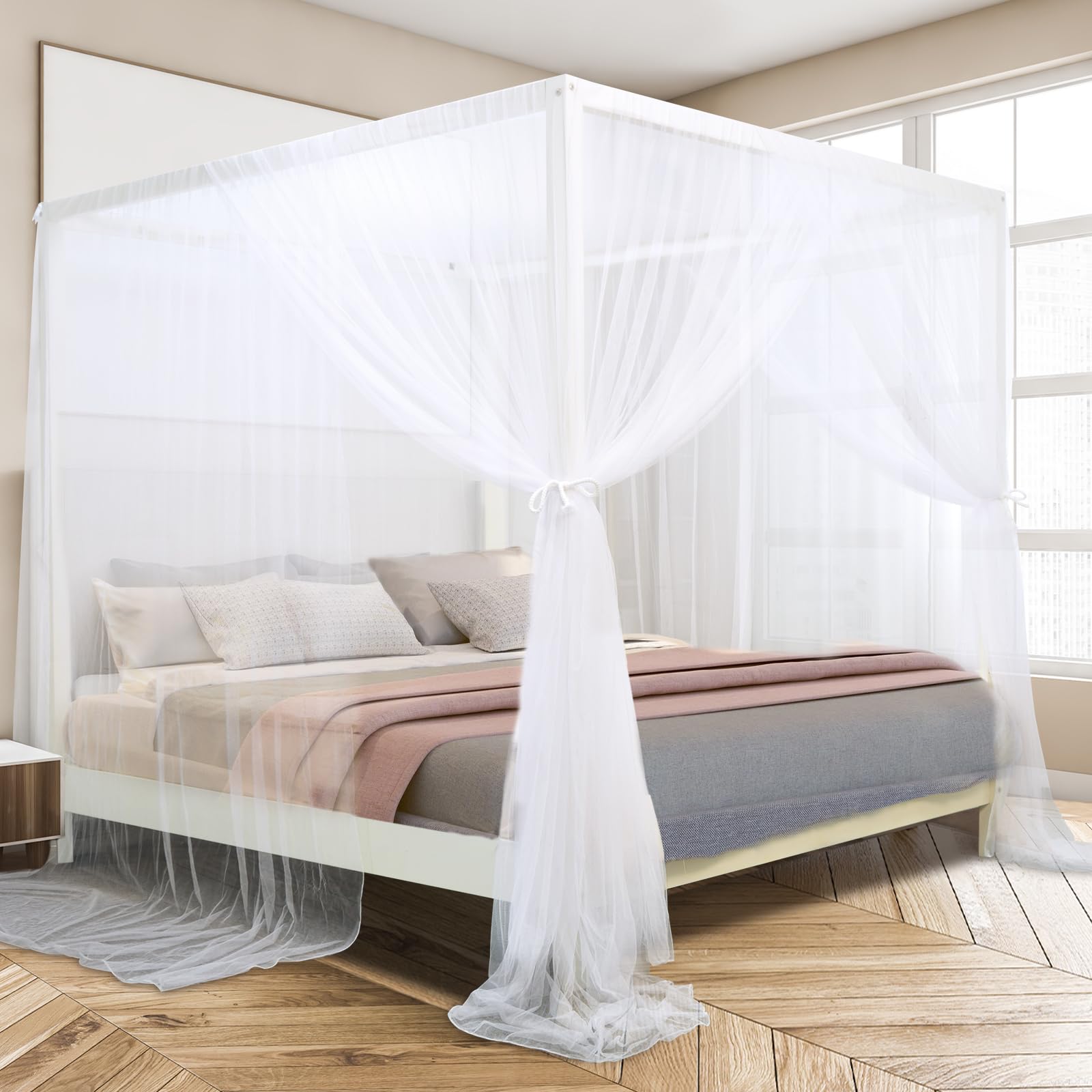
A room‑filling four‑corner canopy with ripstop polyester mesh and a full hanging kit for queen and king beds.
Why I picked it: Generous dimensions, ripstop polyester mesh, and an included hanging kit make it feel like a true bedroom upgrade.
Best for: Queen and king beds where you want a luxe, airy canopy that can double as a mosquito screen.
Affordable‑luxe option with more included hardware than basic nets.
Pros
- Very large, room‑filling dimensions
- Durable ripstop polyester mesh
- Comes with hooks, ropes, and ties
- Sheer yet substantial appearance
- Mesh fine enough to act as mosquito net
Cons
- Ceiling drilling required for full setup
- No frame or lights included
- Bulky to handle during installation
My take
I used this canopy on a king bed and appreciated how the generous 86.6 × 81.2 × 100 inch footprint creates a true canopy effect rather than a skimpy cover. The 100% ripstop polyester feels more substantial than the usual fishing‑net style canopies, and the 380 meshes per square inch gives real airflow while keeping tiny insects out.
Installation took me a little time because I chose the ceiling‑mounted look — the package includes four ropes, four screw hooks, and ties, so you get everything for a permanent install. Once the frame points were in place it was straightforward to drape and tie the panels; the final look is very luxe and dreamy.
In daily use the fabric held up well to gentle tugs and felt less likely to snag than cheaper nets. I wouldn’t call it heavy‑duty, but for a decorative canopy that also functions as a mosquito barrier it strikes a good balance between sheerness and durability.
2. Comtelek XL Mosquito Bed Net – Best Value Mosquito Net
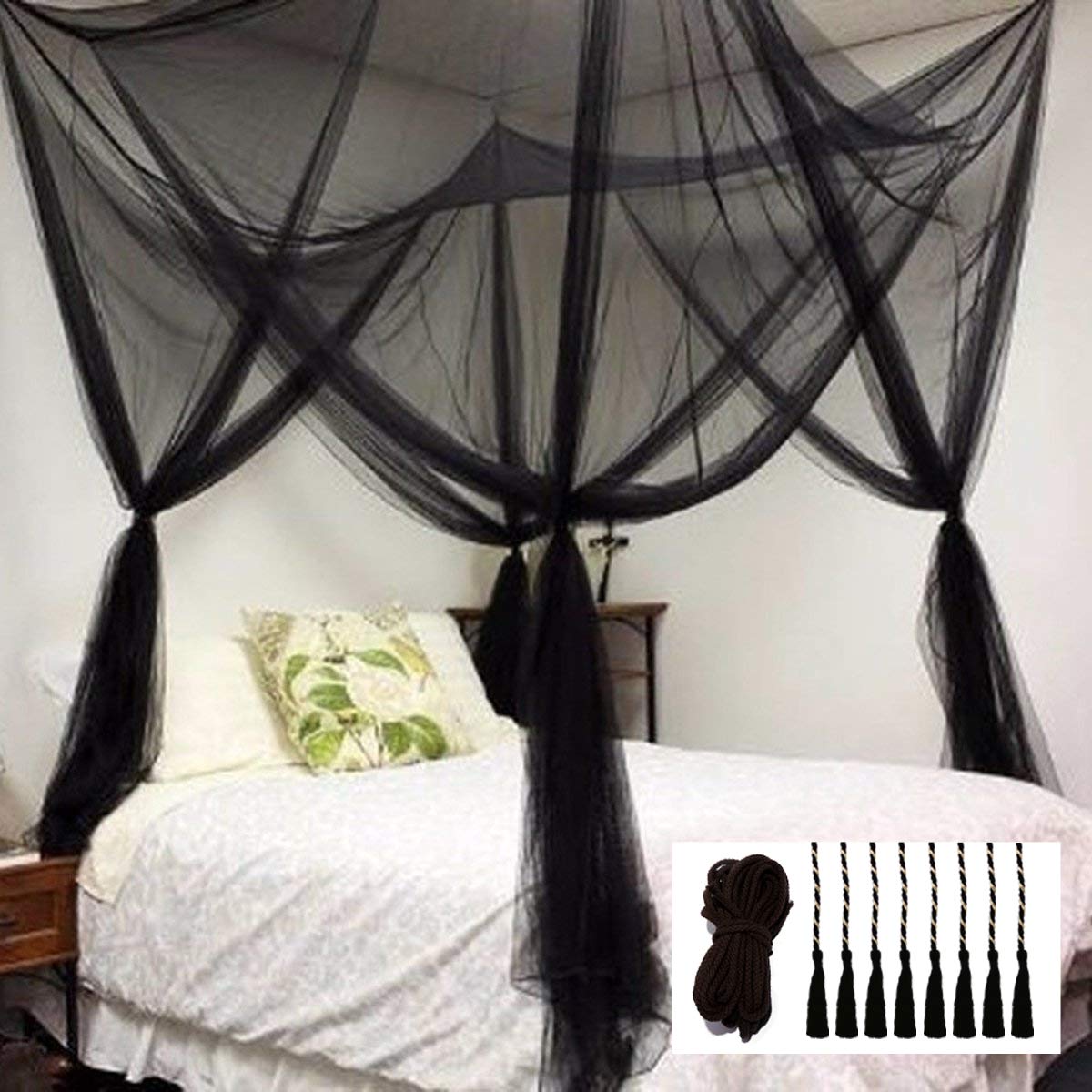
A big, breathable mosquito net with a full hanging kit and two installation methods for flexible use.
Why I picked it: XL sizing and a tiny‑hole mesh give dependable insect protection for a very accessible option.
Best for: Anyone who needs wide coverage and straightforward mosquito protection on a budget.
Budget‑friendly, great for indoor or outdoor use.
Pros
- Extra large coverage for most beds
- 256 holes per sq. inch — breathable
- Includes 8 hooks and hanging kit
- Two mounting methods (ceiling or four‑post)
- Lightweight and packable
Cons
- Minimal instructions included
- Mesh can feel floppy without proper tacking
- Not a decorative blackout option
My take
I found this net excellent for wide beds and for rooms where bugs are the main problem. The XL footprint covers single through king beds and the mesh balances visibility and airflow without feeling scratchy.
Setup is easy: you can mount with the provided eight hooks into the ceiling or hang from the corners of a four‑post bed. I used the ceiling method and liked that everything I needed was in the box, though the packet doesn’t do hand‑holding — a quick YouTube lookup helped me place the hooks neatly.
This is the net I reach for when I want fuss‑free protection that I can move between rooms or use outdoors. It’s not for block‑out light, but it’s reliable as a mosquito barrier and looks fine once draped.
3. Alvantor Pop‑Up Bed Tent – Best for Privacy & Light Reduction
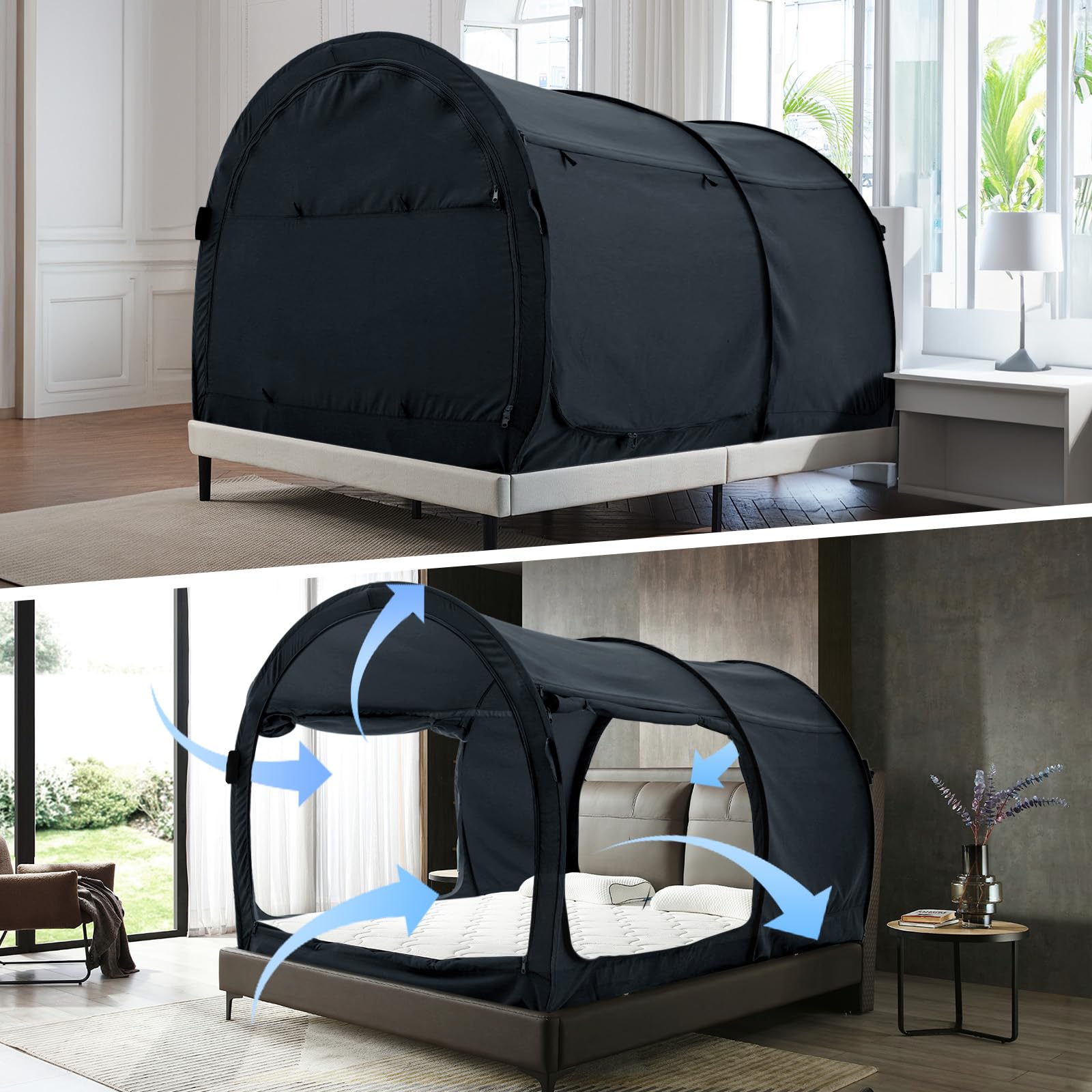
A pop‑up bed tent that creates a private, light‑reducing sleep space with a stable frame and zippered openings.
Why I picked it: Patented pop‑up ribs and pongee fabric deliver real privacy and light reduction without a metal frame.
Best for: Dorm rooms, shared spaces, or bright bedrooms where I want real light control and privacy.
Higher‑end option focused on durability and function.
Pros
- Instant pop‑up assembly
- Light‑reducing pongee fabric
- Zipped doors and mesh vents
- Floor slips under mattress — no slipping
- Washable and portable
Cons
- Takes up mattress space when storing
- Higher price than simple nets
- May be tight on very heavy mattresses
My take
I used the Alvantor tent on a full bed and was impressed by how quickly it pops into shape; assembly is far easier than fiddling with poles or multiple hooks. The fiberglass ribs keep the tent stable and it resists collapsing in a way flimsy pop‑ups don’t.
The pongee fabric noticeably reduces incoming light while still allowing me to see out when I want. Zippers on both sides give me flexible access and the mesh panels at the head and foot provide airflow. The whole‑floor design that tucks under the mattress prevents slipping and gives the tent a finished, secure feel.
This is the pick I reach for when privacy and light control matter. It’s not the cheapest option, but it’s the one I trust for longer‑term use in a dorm or a bright bedroom where true darkening makes a difference to sleep quality.
4. ChrisDowa 100% Blackout Curtains – Best for Windows/Blackout
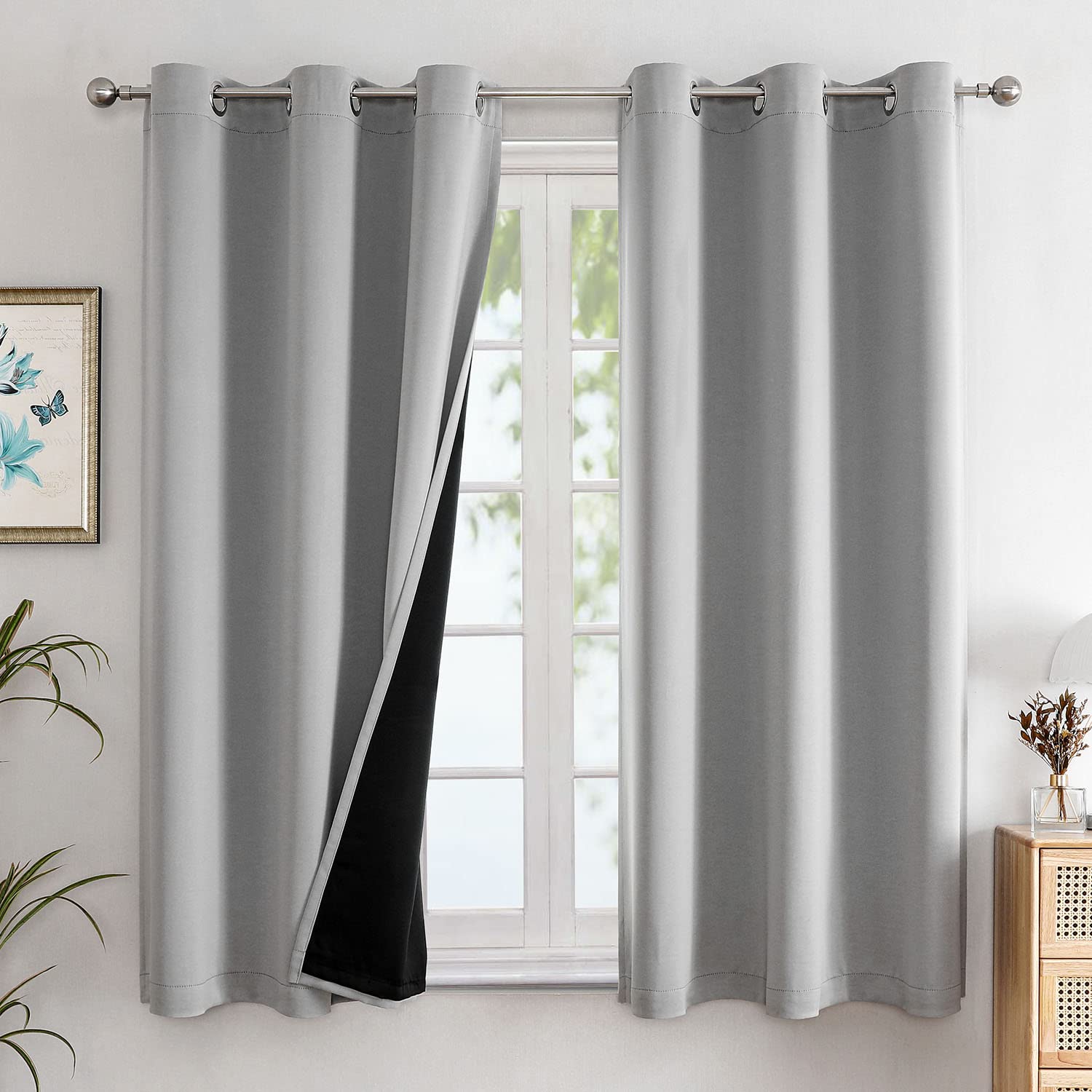
A two‑panel, double‑layer blackout set with grommets that blocks light, reduces noise, and adds thermal insulation.
Why I picked it: True blackout performance, solid fabric weight, and easy grommet installation make these my go‑to for darkening a room.
Best for: Bedrooms that need full darkening, better temperature control, and a neat, modern look.
Very good value for functional blackout panels.
Pros
- Complete light blocking
- Thick, double‑layer construction
- Energy and noise reducing
- Easy to hang with grommets
- Pleasant, modern drape
Cons
- Panels can be heavy to maneuver
- Limited decorative patterning
- Length options require careful measuring
My take
I use these curtains in my bedroom when I need full darkness for naps or shifts that start before sunrise. The double‑layer construction and black liner actually stop light; the room goes dark without the pinhole glow some curtains leave.
The fabric feels substantial and hangs cleanly from the grommet rod. I also noticed a thermally beneficial effect — the room stays a bit more temperate with the panels closed — and they smooth out street noise better than single‑layer curtains.
If you want a straightforward blackout solution rather than a decorative canopy, these are the most practical and dependable panels I’ve kept on hand.
5. Nattey Dome Canopy with Lights – Best with Lights (Kids)
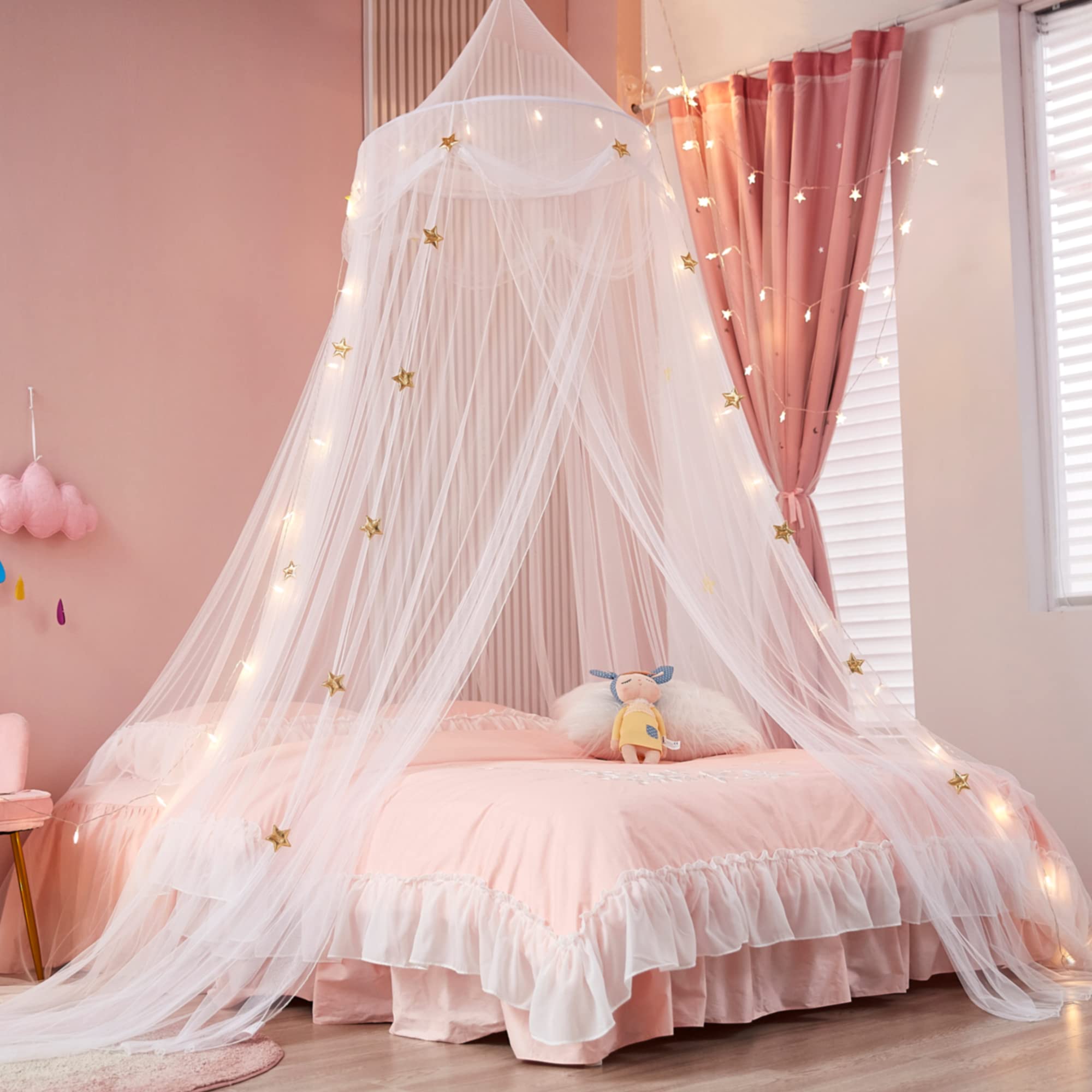
A hoop‑style dome canopy that comes with LED lights and a sticky hook for quick, whimsical installations in kids’ rooms.
Why I picked it: The included lights and single‑point hanging make it instant charm for a child’s room or reading nook.
Best for: Kids’ bedrooms, cozy reading nooks, and anyone who wants a decorative canopy with built‑in lighting.
Affordable, decorative option with playful extras.
Pros
- Comes with LED lights
- Instant single‑hook install
- Generous 98 inch height
- Creates a cozy, princess vibe
- Lightweight and washable
Cons
- Lights can be battery hungry
- No detailed instructions included
- Can pool on the floor if ceiling low
My take
I hung this canopy over a daughter’s bed using the sticky hook and the transformation was immediate — it gave the room that classic princess look and the lights added a cozy glow for bedtime stories.
The hoop and net are light enough for a single-hook install, which means no drilling if you prefer a non‑permanent setup. The lights work off battery or USB, which is convenient, though I did swap to USB for longer use since the batteries ran down faster than I liked.
This is the canopy I recommend when style and easy setup matter more than heavy duty insect protection. It’s playful, simple to move, and ideal for creating a snug, decorative nook.
6. VISATOR Dome Mosquito Net – Best Lightweight Dome
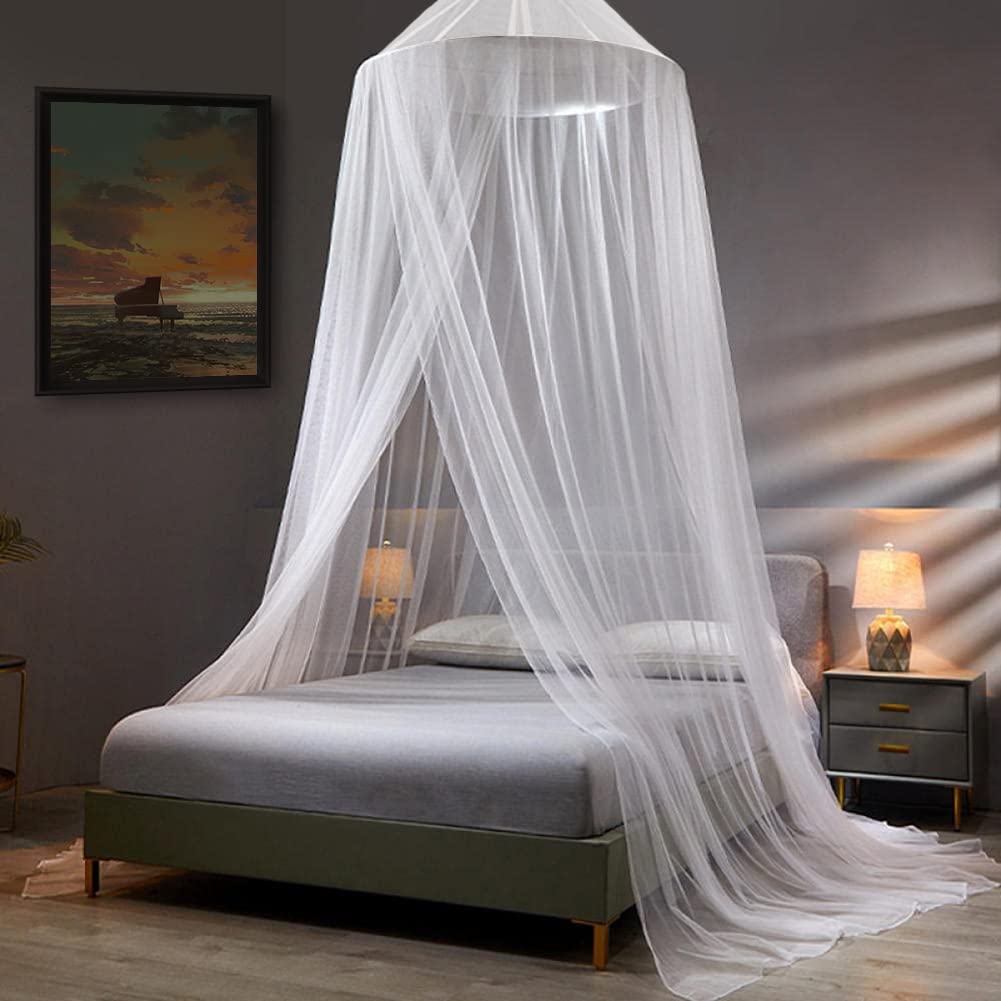
A foldable dome canopy with fine mesh, stainless steel ring, and a compact carrying bag for travel or home use.
Why I picked it: Fine 300‑holes/in² mesh and a sturdy ring make it both protective and portable.
Best for: Travel, tropical trips, and anyone needing a lightweight, packable mosquito barrier.
Very affordable and travel‑friendly.
Pros
- Fine 300 holes per sq. inch mesh
- Stainless steel ring for durability
- Comes with storage bag and hook
- Easy, seconds‑long install
- Versatile indoor/outdoor use
Cons
- Dome can be hard to orient flat initially
- Not decorative for formal bedrooms
- Ring may bend with rough handling
My take
I packed this VISATOR dome for a tropical vacation and it delivered exactly what I needed: reliable bug protection that still let air flow through. The 300 holes per square inch is noticeably finer than many cheap nets and kept even tiny mosquitoes at bay.
The stainless steel ring feels sturdier than the flimsy wire rings on other domes and the included storage bag made it practical to toss into luggage. Setup took seconds: hang the single hook, spread the fabric, and I had a secure barrier.
Beyond travel, I used this net at home over a playpen and once even as a garden cover for tomatoes — it’s versatile and very easy to move around, which is why I keep one in my kit.
7. Jeteventy Lace Dome Canopy – Best Decorative Lace Canopy
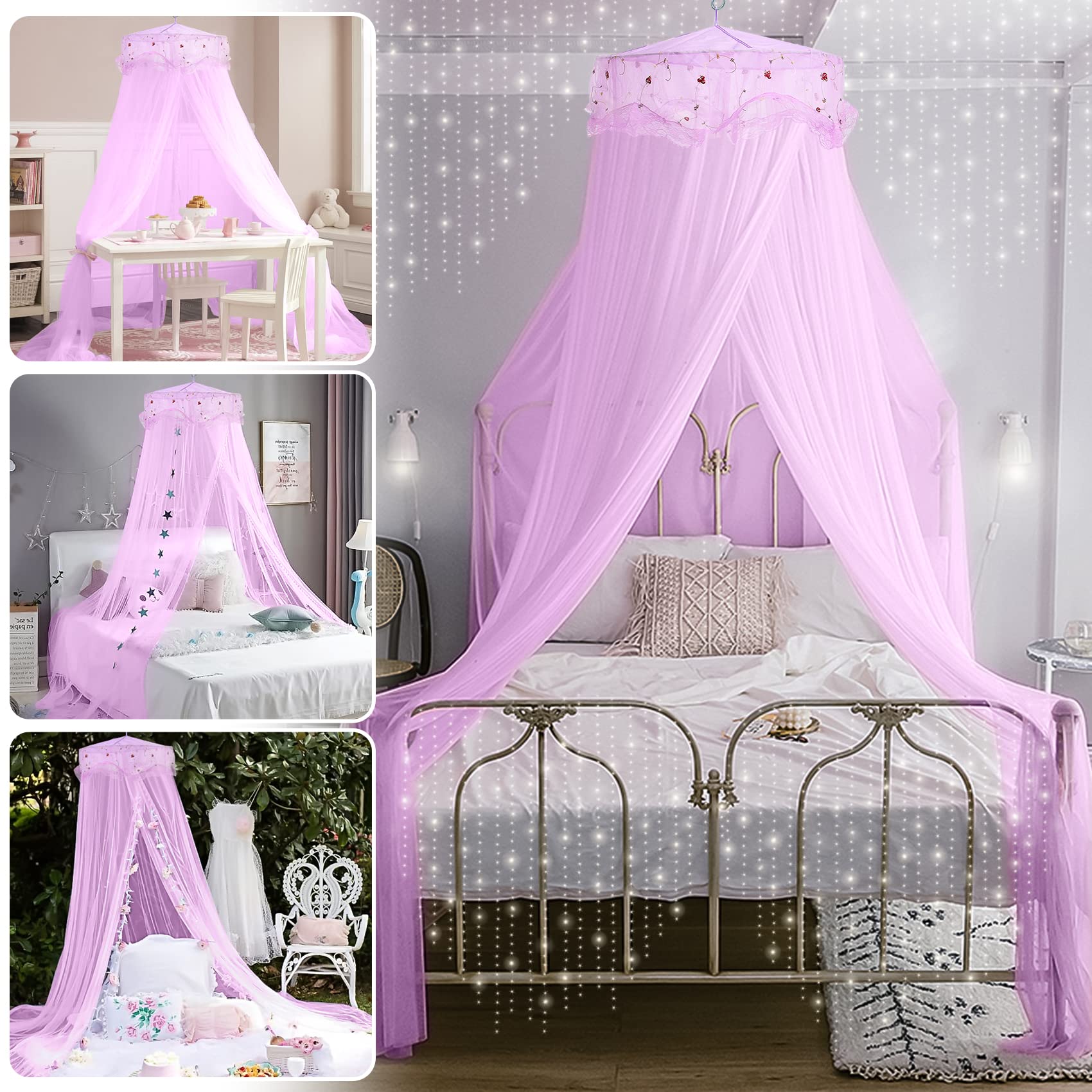
A tall, lace‑topped dome canopy that brings a whimsical, decorative look to a child’s room or single bed.
Why I picked it: Lace detailing and a pop‑up ring deliver an instantly whimsical, feminine look at a modest price.
Best for: Decorative use in kids’ rooms where the aesthetic is the priority over heavy insect protection.
Budget decorative choice for themed rooms.
Pros
- Pretty lace and floral detailing
- Tall profile for dramatic drape
- Pop‑up ring for quick hanging
- Comes with hanging hardware
- Lightweight and airy
Cons
- Very lightweight — can detach if tugged
- Lace top looks delicate
- May be too long for standard ceilings
My take
I used this lace canopy to style a daughter’s single bed and it instantly created a whimsical, fairy‑tale feel. The floral lace and tall drape look charming and photograph very well.
Because it’s so lightweight, I swapped the included adhesive for a small swag hook in the ceiling to ensure it didn’t pull free when my kid climbed in and out. That one small change made the canopy much more reliable in daily use.
If you want drama and charm rather than heavy mosquito protection, this is an inexpensive way to get that look — just plan for a more secure mounting method if the bed will see active use.
How I Choose Bed Curtains and Canopies
Pick the right style for your need
I separate canopies into four categories: decorative hoop domes, four‑corner canopies, pop‑up privacy tents, and window blackout curtains. Decide whether you want atmosphere (domes/four‑corner), insect protection (fine mesh), privacy and light control (pop‑up tents), or window darkening (blackout panels).
If you need bug protection for travel or tropical locations, prioritize mesh density and a complete hanging kit. If you want sleep‑improving darkness, go with thick, lined blackout curtains.
- Decorative domes: easy install, great for kids, limited insect protection
- Four‑corner canopies: dramatic look, often need ceiling fixing
- Pop‑up tents: best for privacy and light reduction
- Blackout curtains: for windows, not beds
Measure before you order
I always measure mattress width, bed height, and ceiling clearance. Canopy footprints vary: some pool on the floor by design; others are intended to hang just above the mattress. Make sure the listed dimensions match how you want it to sit.
For blackout curtains, measure rod width and panel drop; curtains that are a few inches longer will look better and block more light.
- Measure mattress width and ceiling height
- Check whether panels are designed to pool or stop at the mattress
- Confirm grommet inner diameter for your curtain rod
Check mesh density and materials
I look for mesh density measured in holes per square inch when insect protection matters — higher numbers mean finer protection. Fabrics like ripstop polyester and pongee balance durability and breathability.
If you want thermal or noise benefits, choose double‑layer blackout fabrics with a liner rather than sheer panels.
- 300+ holes/in² for tight mosquito protection
- Ripstop polyester resists snags
- Pongee fabric reduces light while staying breathable
Installation and hardware
I consider whether I want to drill for a permanent look or use a sticky hook for a temporary setup. Look for included hardware — hooks, ropes, and ties save a trip to the hardware store.
For heavy curtains and four‑corner canopies, use proper anchors in the ceiling and test stability before regular use.
- Single‑point hooks for domes — quick and non‑permanent
- Multiple hooks and anchors for four‑corner canopies
- Pop‑up tents often require no ceiling hardware
Care and longevity
I prefer washable materials so I can refresh canopies easily. Pop‑up tents that unzip for pole removal make laundering simpler. For lightweight domes, hand wash and air dry to avoid ring damage.
Store travel nets in their provided bags to prevent ring deformation.
- Machine‑washable if the design allows pole removal
- Hand‑wash delicate lace and lightweight mesh
- Store rings flat to avoid bending
Frequently Asked Questions
How do I measure for a canopy?
I measure mattress width, bed height, and ceiling clearance. For domes I allow room to pool on the floor if that’s the look I want; for four‑corner canopies I check the footprint and ceiling height to be sure the panels clear the mattress.
Will these canopies keep out mosquitoes?
Yes — I look at mesh density. Nets with around 300 holes per square inch keep even tiny mosquitoes out, while lower densities still block larger bugs but may let very small insects through.
Do I need to drill into the ceiling?
It depends. Four‑corner canopies and some decorative domes look best with ceiling hooks; sticky hooks work for lightweight domes or temporary installs. I use proper anchors when I want a permanent, secure hang.
Can I wash these canopies?
Most fabrics can be washed — pop‑up tents that allow pole removal are often machine‑safe, while delicate lace and fine mesh are best hand‑washed and air‑dried. I always check the care instructions before laundering.
Final Take
I picked the Alvantor pop‑up tent when I needed real privacy and light control, and I reach for the Comtelek or VISATOR nets when insect protection and portability matter.
For a decorative bedroom upgrade that still offers coverage, the South to East four‑corner canopy gives the biggest, dreamiest presence; for a functional window darkening solution, the ChrisDowa blackout panels deliver predictable results.
Whatever style you need — whimsical lights for a child, fine mesh for travel, or true blackout for sleep — I tested these options and can recommend the right pick for the role you want it to play.
