
I tested seven top bleach and bleach-free cleaners across toilets, showers, and multi-surface jobs. Here are the products I reach for when I want fast stain removal, dependable disinfection, or a gentler hydrogen-peroxy‑
Cleaning products are one of those household decisions I don’t leave to chance. I evaluated gel toilet cleaners, foaming sprays, multi-surface bleach sprays, concentrated liquid bleach, and commercial refills to see which actually make the chore easier.
In this roundup I focused on how each product performs on stains, how easy it is to apply, what surfaces I trust it on, and any scent or safety tradeoffs I encountered. I also included options for people who want bleach-free cleaning and options for heavy-duty bleach work.
I compared clinging gels, foaming sprays, standard bleach sprays, concentrated liquids, and commercial refills to highlight which product type works best for weekly maintenance, deep stains, commercial use, or laundry whitening.
1. Lysol Hydrogen Peroxide Toilet Bowl Cleaner – Best Bleach-Free Toilet Cleaner
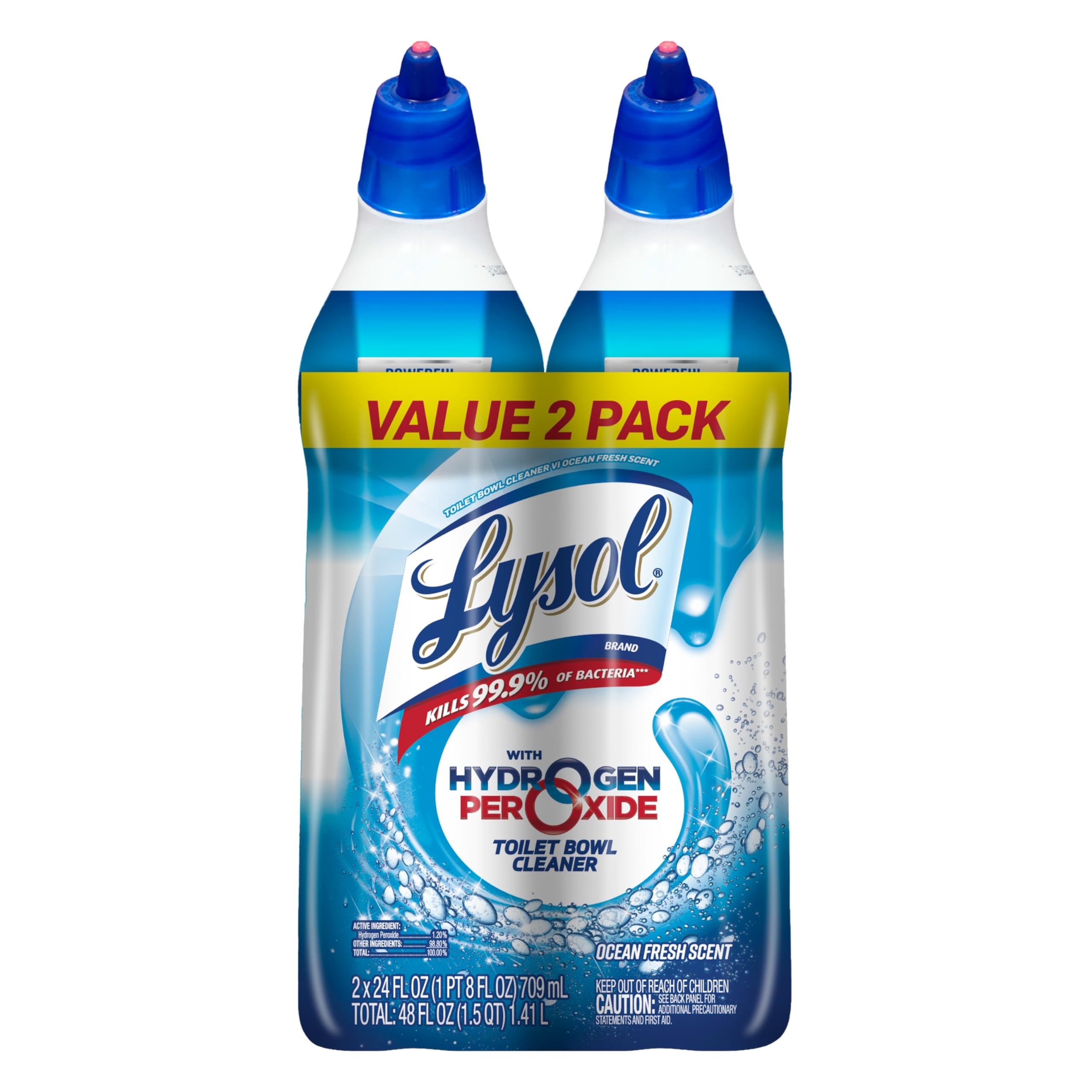
A thick, angled gel that uses hydrogen peroxide instead of bleach to tackle toilet rings and lime scale while leaving a fresh scent.
Why I picked it: Powerful stain removal without bleach; clinging angled bottle for under‑rim coverage.
Best for: Routine toilet maintenance when you want disinfecting power without bleach.
Affordable, good value for a multi-pack option.
Pros
- Bleach-free hydrogen peroxide formula
- Thick clinging gel that reaches under the rim
- Pleasant, non-overpowering scent
- Works on lime scale and toilet rings
Cons
- Still needs a brush for set-in stains
- Not intended for multi-surface use
My take
I like this Lysol gel because the angled bottle makes it easy to apply under the rim and the thick formula actually hangs onto vertical surfaces long enough to break down stains.
In my experience it releases micro-bubbles that help dissolve bowl rings and lime scale, so I only need a quick scrub after letting it work for a few minutes.
The hydrogen peroxide base means I can use it regularly without the harsh bleach smell, and the bowl stays brighter between cleanings.
If I’m dealing with very old, heavy mineral deposits I still give it a firmer scrub, but for weekly maintenance it’s become my go-to.
2. Clorox Clinging Bleach Gel Toilet Cleaner – Best Bleach Gel for Whitening
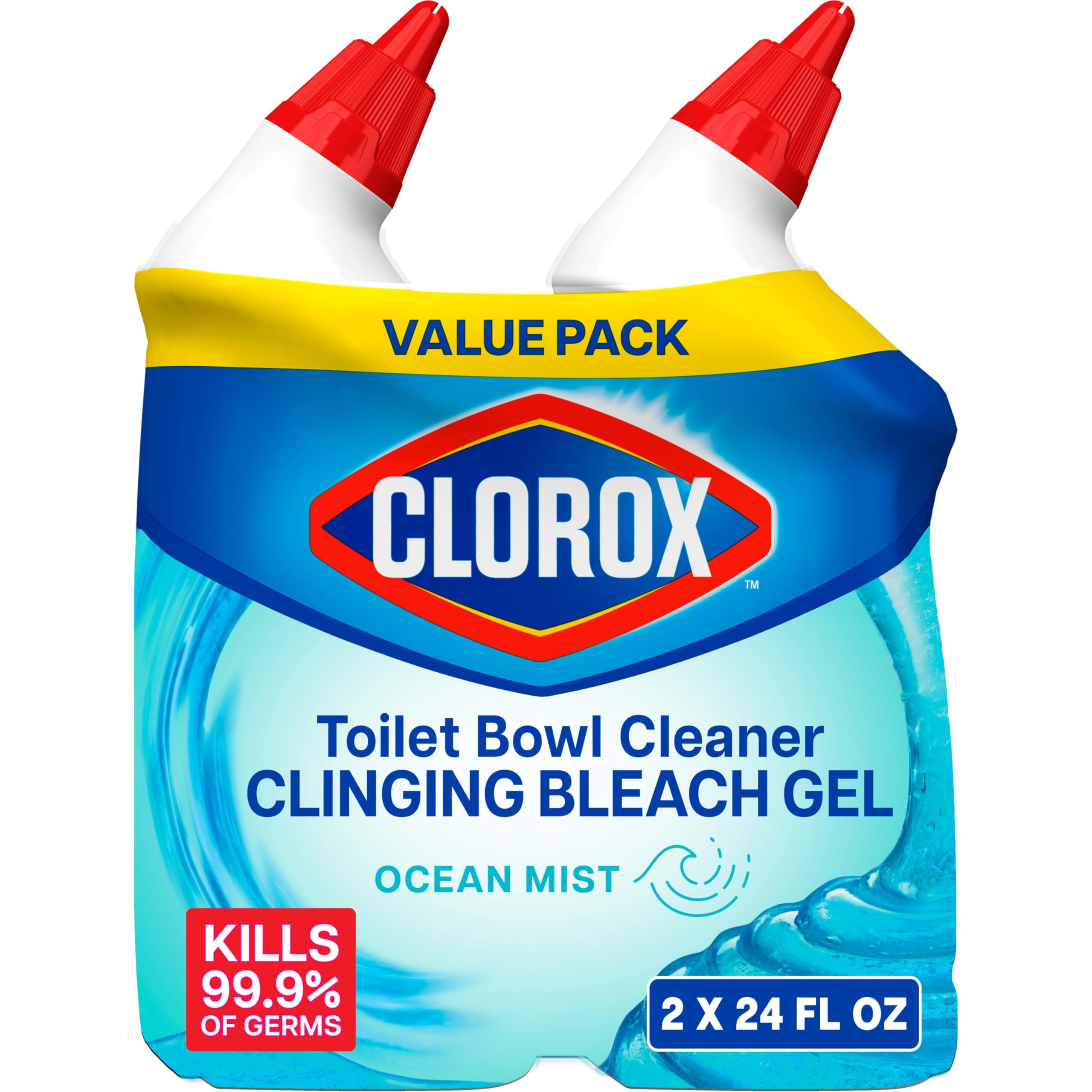
A thick bleach gel that clings longer for whitening and stain removal while deodorizing with an Ocean Mist scent.
Why I picked it: Bleach-powered whitening with a clinging gel that covers under the rim.
Best for: Heavy whitening and disinfecting when stains need stronger chemistry.
Moderately priced for a trusted bleach gel.
Pros
- Powerful bleaching and whitening action
- Clinging gel coats bowl thoroughly
- Deodorizes and prevents odors
- Wide dispensing bottle for better coverage
Cons
- Bleach scent can be noticeable
- Not suitable for all surfaces
My take
When I need visible whitening and fast stain removal, I reach for this Clorox gel because it clings 50% longer than thinner formulas and gives the bleach time to work.
The wide dispenser helps me coat the bowl and the rim without a lot of dripping, so stains and mold rings rinse away with a few swipes of the brush.
I keep this on hand for periodic deep cleaning; for weekly touch-ups it’s a bit stronger than my hydrogen-peroxide option but much more effective on stubborn discoloration.
I do take care to ventilate and avoid contact with colored surfaces since it’s a true bleach formula.
3. Lysol Power Foaming Bathroom Cleaner – Best Foaming Bathroom Cleaner
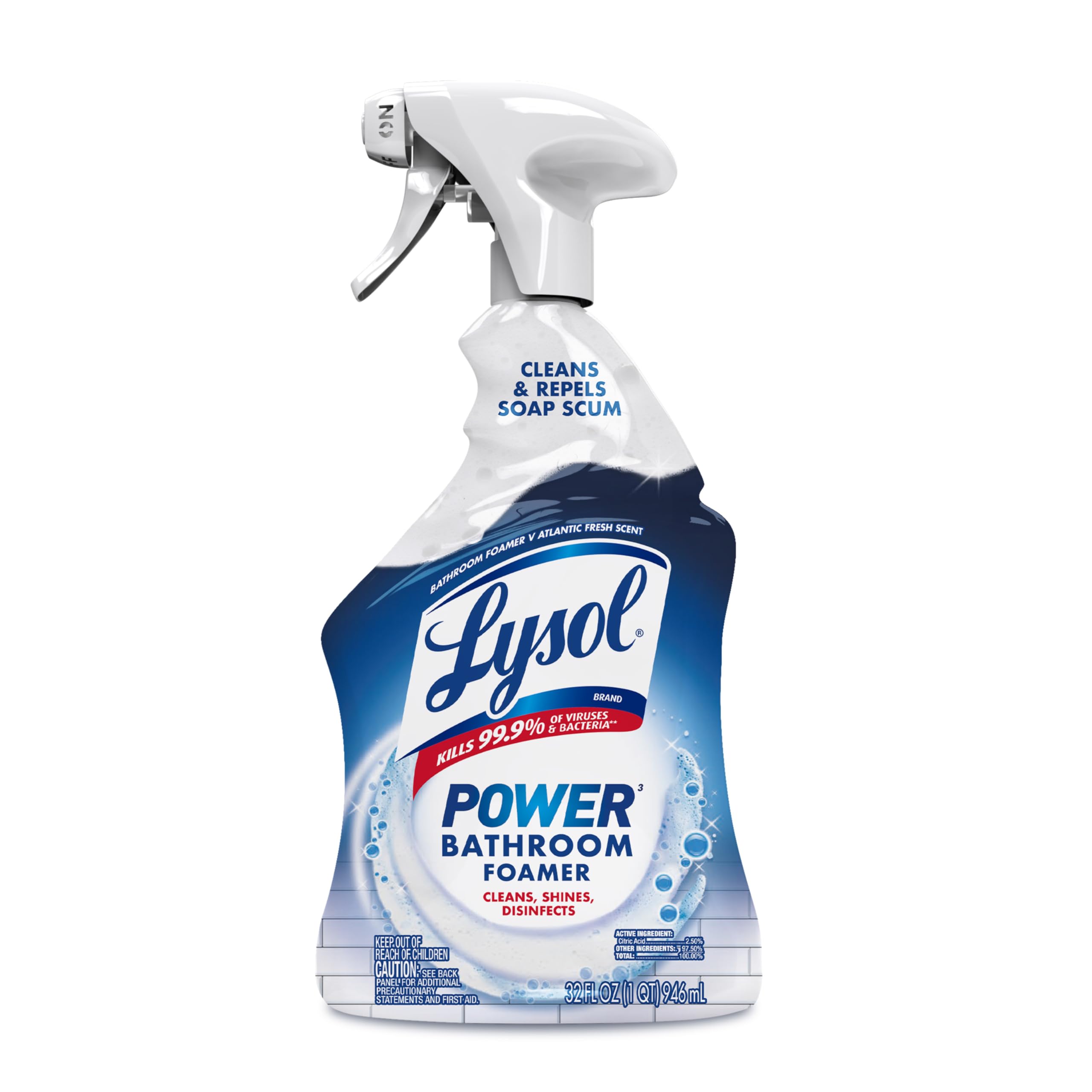
A bleach-free foaming spray that attacks soap scum, limescale, and mildew across showers, tubs, glass, and tiles with fast action.
Why I picked it: Foam clings to vertical grime and removes soap scum with minimal scrubbing.
Best for: Showers, glass doors, tubs, and multi-surface bathroom cleaning.
Reasonably priced for a multi-purpose spray.
Pros
- Foam clings to vertical surfaces
- Zero bleach — safer for more surfaces
- Works quickly on soap scum
- Fresh scent
Cons
- Not a bleach disinfectant
- May need repeat applications on heavy scale
My take
I was impressed with how the foam clings to shower doors and tiles, giving the cleaner time to lift soap scum so I can wipe it away with little elbow grease.
In just 30 seconds it sanitizes typical bathroom grime and leaves surfaces looking brighter without using bleach, which makes it safe on more finishes in my home.
I noticed that treated glass tends to repel water better after a few uses, which reduces future spotting and makes maintenance faster.
For mildew baked into grout or extreme limescale I still follow up with a more aggressive product, but for routine spray-and-wipe sessions this is my favorite.
4. Lysol Hydrogen Peroxide Toilet Gel (Single) – Best Single-Bottle Bleach-Free Toilet Gel
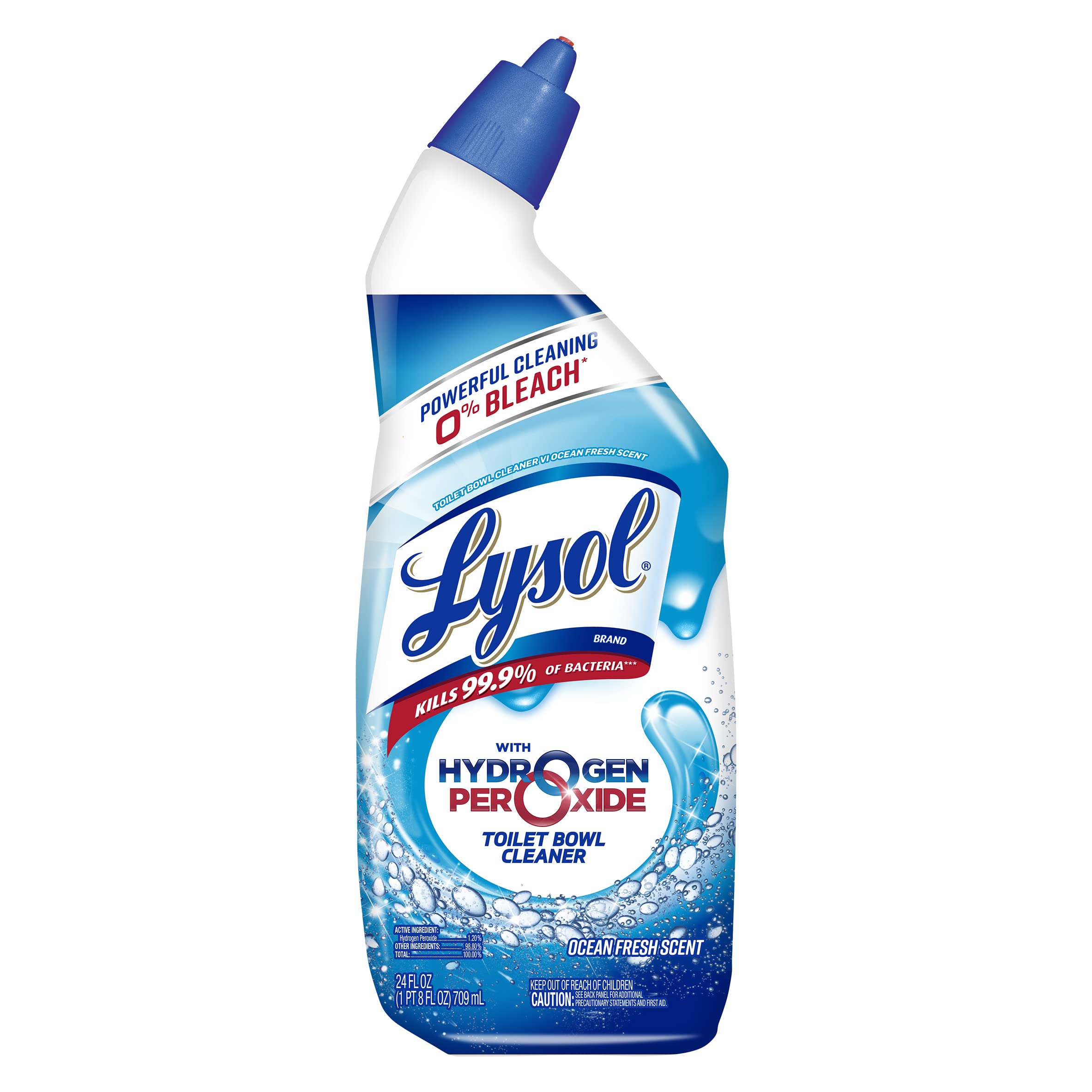
The single-bottle version of a hydrogen-peroxide toilet gel that clings to break down stains without bleach-based fumes.
Why I picked it: Same hydrogen-peroxide cleaning power in a single-bottle format for smaller households.
Best for: People who want the benefits of peroxide gel but only need one bottle.
Good value as a single-serve option.
Pros
- Bleach-free and gentle smelling
- Clings well under the rim
- Easy twist-top application
Cons
- Single bottle may require more frequent replacement
- Less whitening than bleach gels
My take
I keep a single bottle of this gel in my smaller bathroom because the bent neck makes precise application effortless and it doesn’t flood the water with bleach.
It handles fresh rings and mineral buildup well, especially when I let it sit for a few minutes before scrubbing.
For households that prefer to avoid bleach exposure, this delivers the disinfecting and deodorizing performance I want without harsh fumes.
5. CloroxPro Clean-Up Disinfectant with Bleach Refill – Best Commercial-Strength Bleach Refill
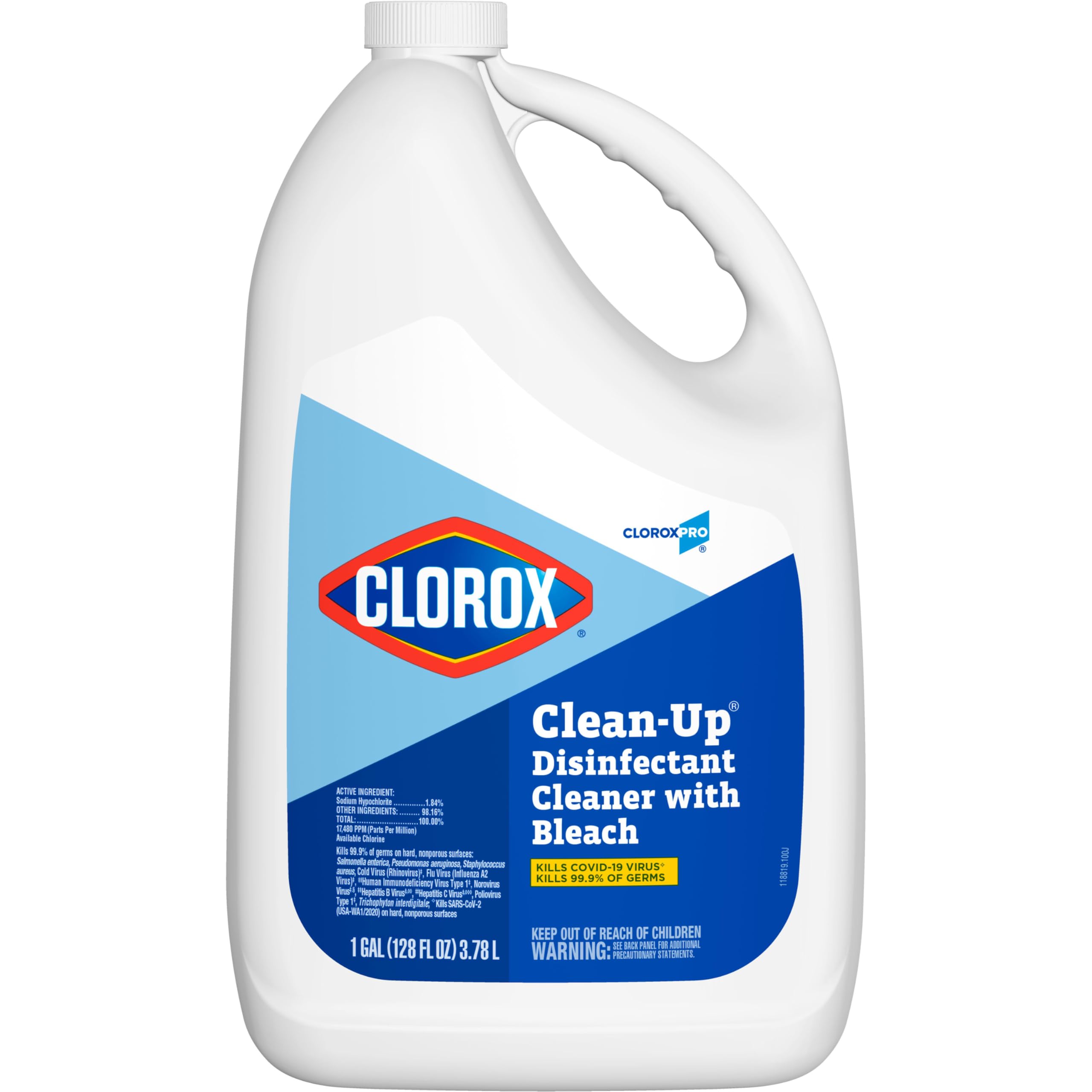
A concentrated, commercial-style bleach disinfectant refill that cleans, deodorizes, and removes mold and mildew across large jobs.
Why I picked it: Large refill size with powerful one-step disinfection for heavy-duty and commercial work.
Best for: Large spaces, commercial cleaning, and frequent disinfecting.
Cost-effective for bulk or frequent use.
Pros
- Powerful one-step disinfectant
- Great for large cleaning jobs
- Removes grease, mold, and mildew
- Includes corrosion inhibitor
Cons
- Strong bleach odor
- Requires careful handling and dilution
My take
When I tackle big jobs or refill sprayers, this CloroxPro bottle gives me consistent bleach strength and enough volume to keep multiple sprayers filled.
It’s excellent at cutting through grease, getting rid of stubborn mildew, and disinfecting high-traffic areas quickly.
The corrosion inhibitor helps me trust it on stainless steel and other common surfaces, though I still avoid prolonged contact on sensitive finishes.
I treat it like the industrial option: ventilate, wear gloves, and dilute per label directions for everyday tasks.
6. Clorox Clean-Up Multi-Surface Bleach Spray – Best Everyday Bleach Spray
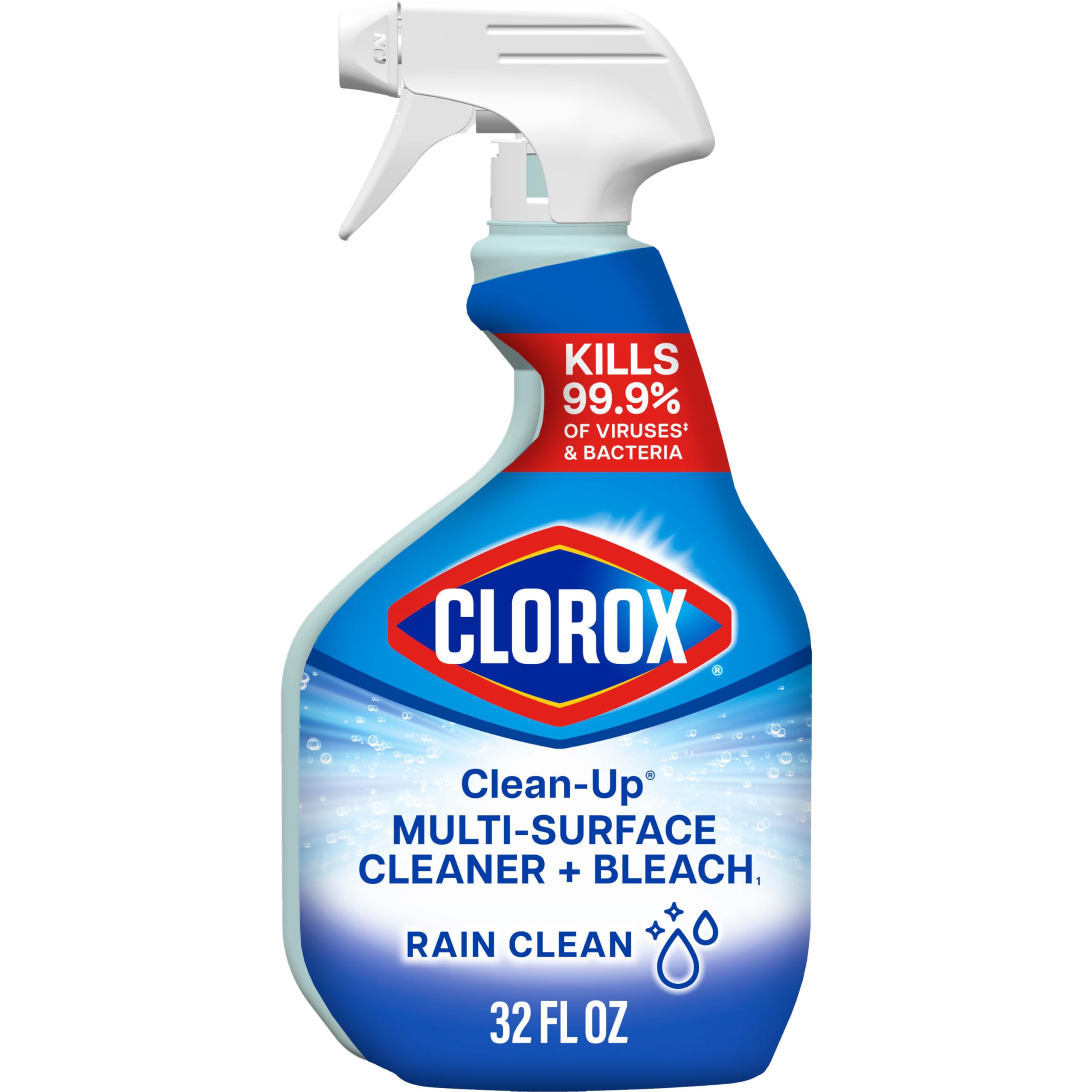
A versatile bleach spray for countertops, tubs, sinks, and more that disinfects and removes allergens and grime.
Why I picked it: Multi-surface convenience with fast contact time for disinfection.
Best for: Kitchens, bathrooms, and general hard-surface disinfecting.
Practical everyday spray; moderate cost for convenience.
Pros
- Multi-surface disinfecting spray
- Removes stains, grease, and allergens
- Kills common viruses quickly
Cons
- Bleach can damage some finishes
- Must avoid mixing with other cleaners
My take
I rely on this Clorox spray for quick disinfecting around sinks, counters, and tub surrounds because it cleans and kills microbes on contact.
It’s handy for spot treatments and for removing mildew from shower areas without the need for a refill jug.
I always wipe and rinse surfaces that might be sensitive to bleach, but for everyday heavy-duty cleaning it’s a dependable go-to.
7. Cloralen Concentrated Liquid Bleach – Best Budget Concentrated Bleach
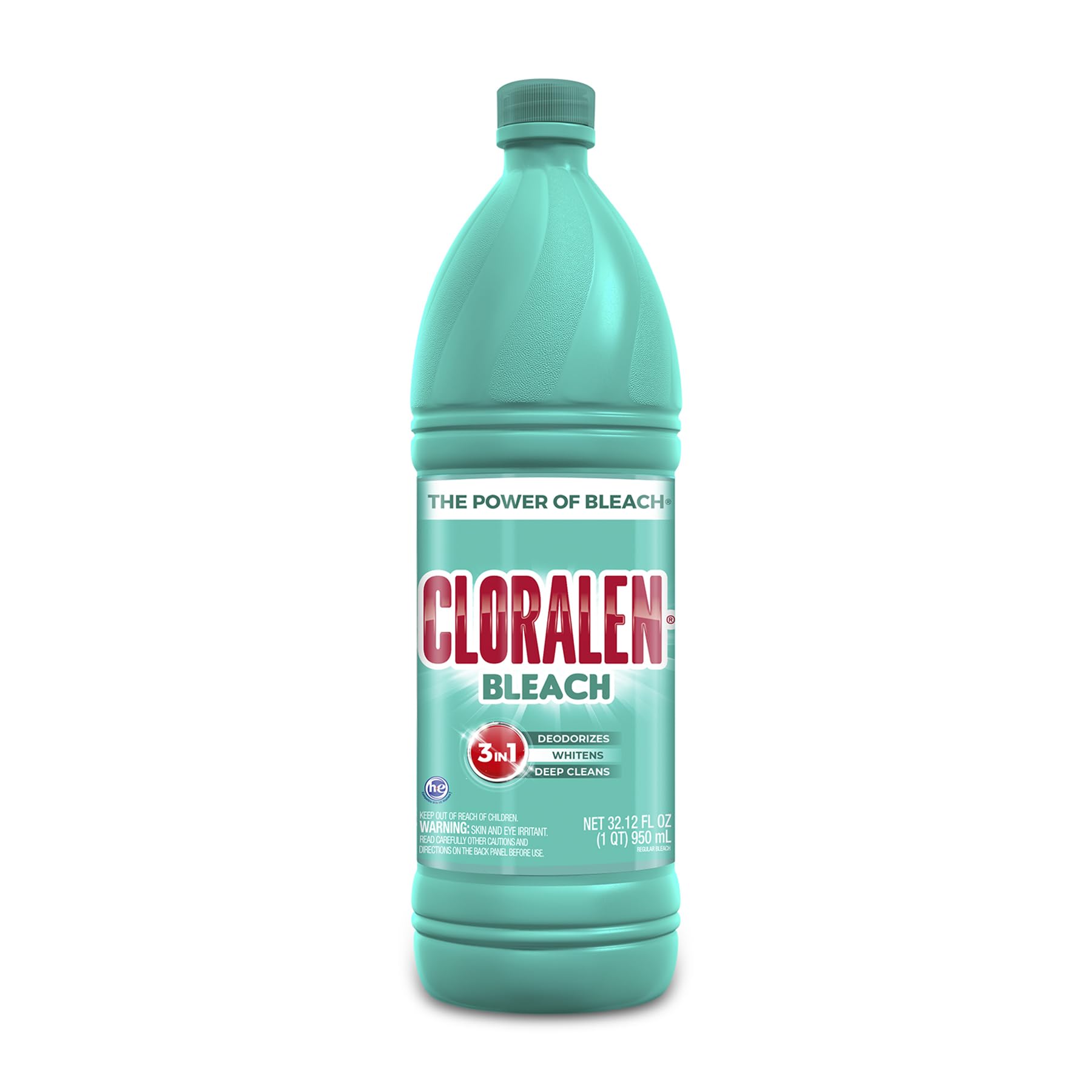
A concentrated, budget-friendly liquid bleach that brightens laundry, degreases kitchens, and deep-cleans bathrooms.
Why I picked it: High concentration stretches further and handles laundry, kitchen, and bathroom jobs.
Best for: Laundry whitening and multi-purpose household bleaching on a budget.
Very affordable concentrated option.
Pros
- Concentrated — uses less per job
- Works in HE and standard washers
- Versatile for laundry and surfaces
Cons
- Packaging can leak in shipping
- Strong bleach smell
My take
I appreciate that this bleach is concentrated: a little goes a long way in the laundry and for spot-cleaning tubs and countertops.
It brightens whites effectively and cuts through grease in the kitchen, so I treat it as a multi-use household staple.
My only complaint has been occasional issues with shipping packaging, so I store bottles upright and check seals when they arrive.
How I Choose a Bleach or Bleach-Free Cleaner
Decide between bleach and bleach-free
I pick bleach when I need whitening, mold remediation, or the fastest disinfection on hard nonporous surfaces.
I choose bleach-free hydrogen peroxide or citric-acid foams for regular maintenance when I want gentler chemistry and fewer fumes.
- Bleach: best for whitening, mold removal, and fast disinfection.
- Bleach-free: better for frequent use, delicate finishes, and lower odor.
Match formula to the surface
Not every cleaner is safe everywhere. I avoid prolonged bleach contact on colored or porous surfaces and always rinse when using bleach on countertops or fixtures.
Foaming cleaners and gels are better for vertical surfaces and under-rim toilet application; sprays are convenient for broad, quick coverage.
- Gels: cling under the rim and on vertical porcelain.
- Foams: cling to glass and tile soap scum.
- Sprays: good for counters and quick spot disinfection.
Think about scent and ventilation
I factor in ventilation—bleach products need fresh air and gloves. Hydrogen peroxide and citric-acid formulas are friendlier for indoor use with less odor.
If scent matters, test a small area first; some 'ocean' or 'fresh' scents can still be noticeable in small bathrooms.
- Bleach products: ventilate and protect skin.
- Bleach-free: lower odor, easier for frequent use.
Buying size and frequency
I buy concentrated or refill sizes if I clean frequently or manage a larger space; single bottles work well for occasional use.
A larger refill makes sense for commercial cleaning or when I keep multiple spray bottles at the ready.
- Refills are cost-effective for frequent use.
- Single bottles are convenient for infrequent cleaning.
Frequently Asked Questions
Can I mix bleach-based cleaners with other products?
No — I never mix bleach with ammonia or acid cleaners. Mixing can create hazardous gases. I always use one product at a time and rinse surfaces before switching chemistries.
Are hydrogen peroxide cleaners as effective as bleach?
Hydrogen peroxide cleaners work very well at breaking down stains and disinfecting for regular use. I find bleach still outperforms peroxide for heavy whitening and aggressive mold or deep-set stains.
Can I use concentrated bleach in HE washing machines?
Yes — concentrated formulas labeled safe for HE machines worked fine for me when used at recommended dilutions. I follow the product directions for dosing to avoid fabric damage.
Which option is best for commercial cleaning?
For high-volume or commercial work I prefer the large CloroxPro refill because it supplies consistent bleach strength, cuts grease, and lasts through many tasks.
Final Take
I keep at least two types of cleaners on hand: a bleach-free foamer or peroxide gel for regular maintenance and a bleach-based product for deep whitening or heavy mildew work.
If you want low-odor, everyday convenience, a foaming or peroxide option will make cleaning faster and gentler. For stubborn stains, whitening, or commercial demands, a concentrated bleach or professional refill delivers the extra power I rely on.
Whichever route you choose, I recommend matching the product to the surface and following safety guidance—ventilate, wear gloves, and never mix chemistries.
