
I tested a mix of capacitors, OEM motors, and full fan kits to find reliable condenser fans and capacitors that I’d use on my HVAC and refrigerator repairs.
I work on HVAC and appliance repairs regularly, so I evaluated both capacitors and condenser fan assemblies for real-world fit, fitment quirks, and ease of installation.
This roundup groups the parts I would reach for when I need a fast capacitor swap, an OEM fridge motor, or a complete condenser fan kit.
I compare capacitors by capacitance, voltage rating, and safety features, and I compare motors by fitment (OEM vs universal), included hardware, and ease of installation.
1. 25 µF Round AC Run Capacitor (370/440V) – Best Compact Capacitor
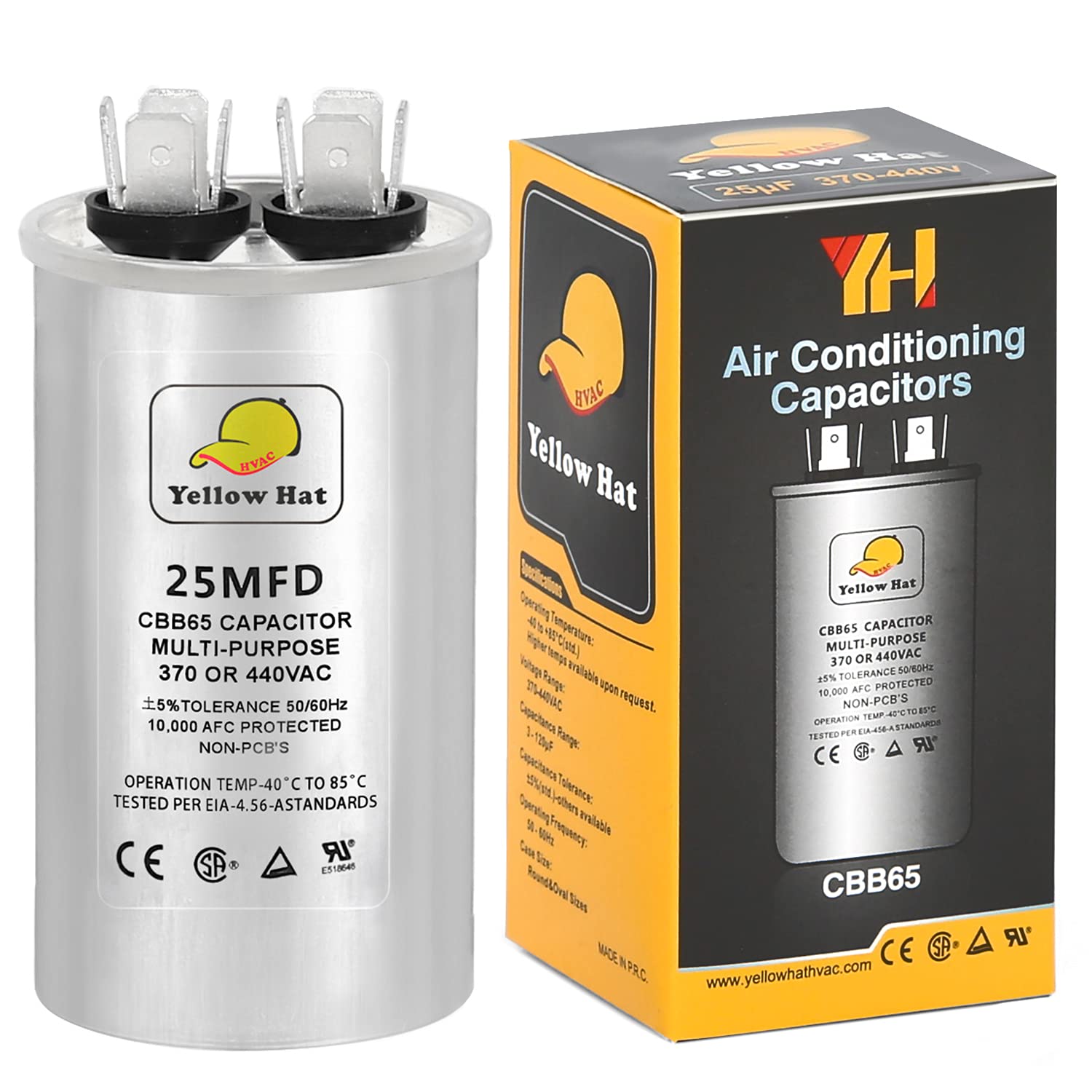
A compact, dual-voltage 25 µF run capacitor I used for fan and small compressor applications that fits tight OEM spaces.
Why I picked it: Small footprint and dual-voltage rating make it handy for tight condenser mounts.
Best for: Small to mid-size AC fan motors and quick on-site swaps.
Very affordable option for common capacitor failures and troubleshooting.
Pros
- Dual 370/440 volt rating
- Compact can fits OEM spaces
- Wide operating temperature range
- Built to EIA-456-A standards
Cons
- I always bench-test microfarads first
- Not for high-capacity compressor-only needs
My take
I installed this 25 µF capacitor on a 5-ton Rheem unit and the part fit the OEM space exactly and started the fan without fuss.
The dual-voltage label is convenient when you're swapping parts in the field — I didn’t have to hunt for a 370V or 440V specific unit.
Because I've seen capacitors out of tolerance, I test capacitance under load before final installation; that’s my standard practice with any inexpensive capacitor.
The metal can is small and easy to mount, and its terminals are spaced well for quick connections during a condensate-side service call.
2. 45/5 µF Dual Run Capacitor (370/440V) – Best Dual-Run Capacitor
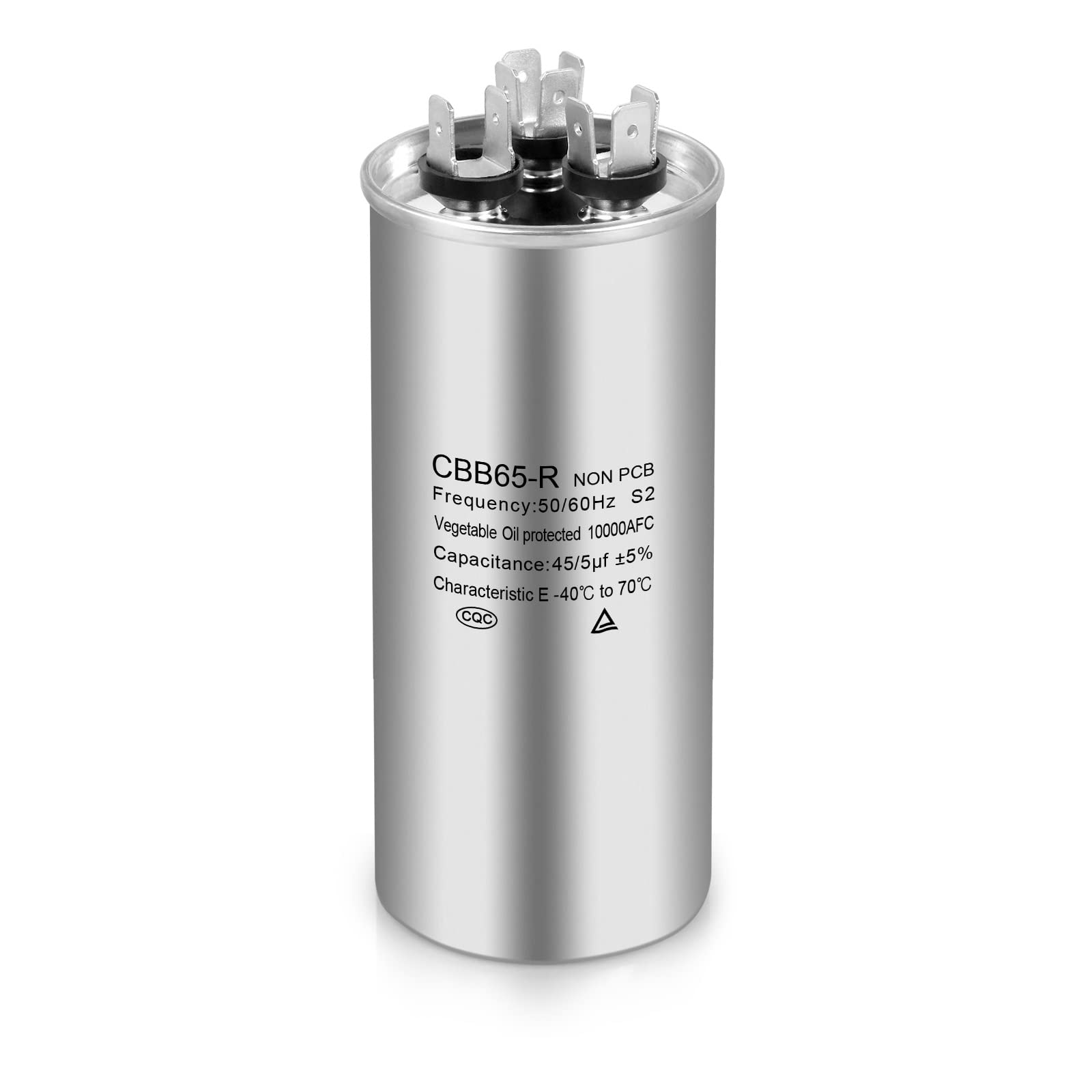
A beefy dual-run capacitor with safety devices, a vegetable-oil fill, and a five-year warranty that I used as a dependable compressor+fan replacement.
Why I picked it: Dual function plus UL/ROHS compliance and an explosion-proof device made it my go-to when replacing both compressor and fan capacitors.
Best for: Medium-to-large residential condensers that take a single dual-run cap.
Mid-range option with a longer warranty and safety features.
Pros
- Dual compressor and fan terminals
- UL approved and ROHS compliant
- Explosion-proof pressure isolation
- Five-year warranty
Cons
- Won’t fix a mechanically seized motor
- Larger can needs adequate mounting space
My take
I swapped this 45/5 dual-run capacitor into a home condenser that had dimming lights on startup; the unit started quicker and quieter after the change.
The aluminum shell and pressure-isolation device give me confidence during a replacement because the cap feels robust in hand.
Installation was straightforward — three labeled terminals make wiring faster. I still discharge and test every capacitor before touching terminals.
Note that a failed motor won’t be revived by a capacitor swap; in one case the cap was fine but the motor itself had seized and needed replacement.
3. GE WR60X10220 Condenser Fan Motor – Best OEM Fridge Motor (Single)
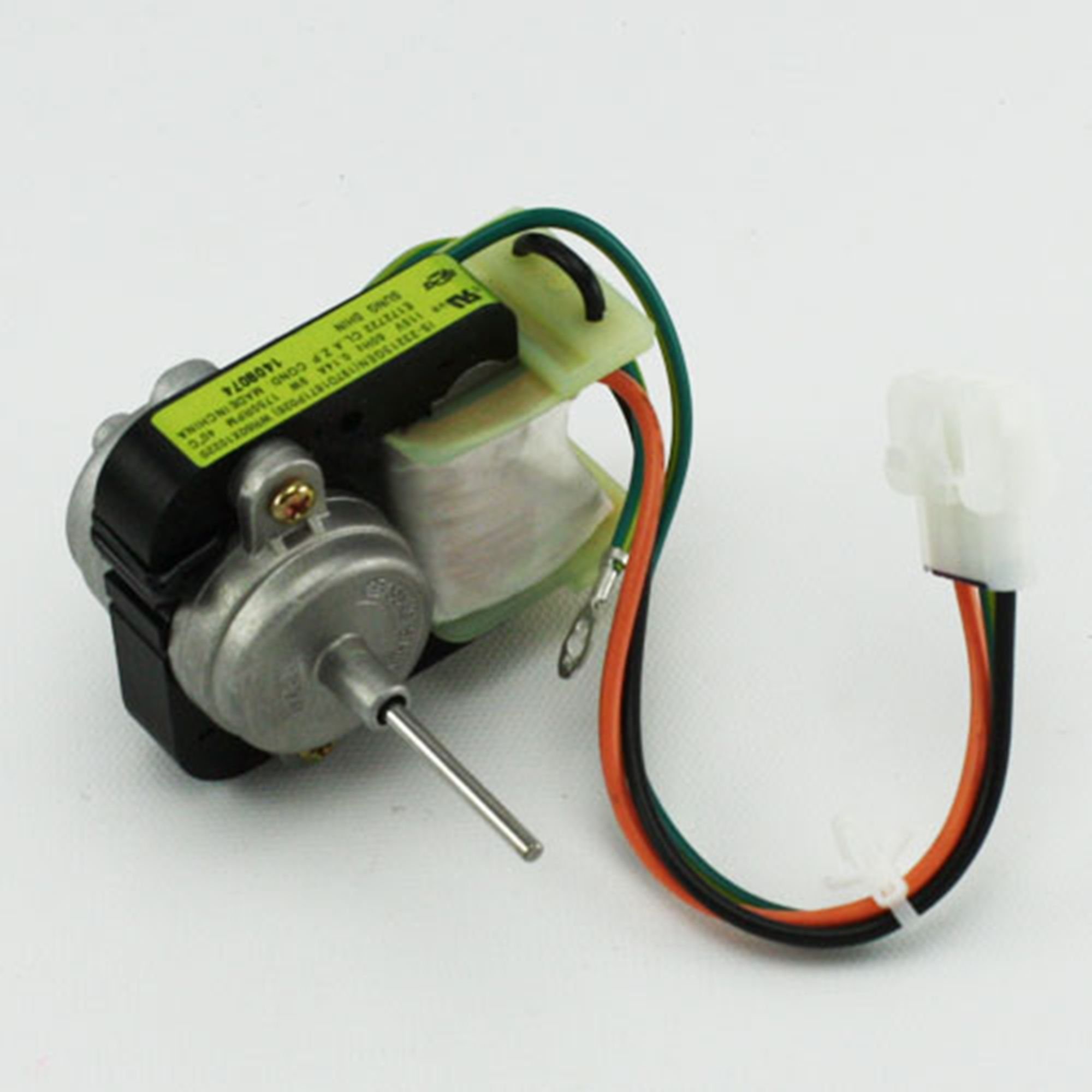
A genuine GE condenser fan motor I used as an exact-fit replacement, worth the extra cost when I wanted OEM fit and finish.
Why I picked it: I value an exact OEM replacement for tight refrigerator fitment and to avoid adaptation work.
Best for: GE refrigerators requiring a direct OEM condenser motor swap.
Higher cost than universal replacements but saves time on fitment.
Pros
- Exact OEM fit
- Moves air across condenser efficiently
- Built to manufacturer's specification
Cons
- Installation can be fiddly
- Instructions are sparse
My take
When my GE fridge developed a high-pitched squeak, I chose the OEM WR60X10220 and it dropped right in once I removed the assembly.
The trick is patience — I followed a teardown video to remove the fan housing and position the rubber mounts correctly before installing the new motor.
The OEM part runs quietly and fits the original tabs and ground point, which saved me from fabricating mounts.
Expect the actual swap to take longer than it looks; tight clearances require care but the end result is a reliable, manufacturer-fit motor.
4. 45/10 µF Dual Run Capacitor (370/440V) – Best Safety-Minded Capacitor
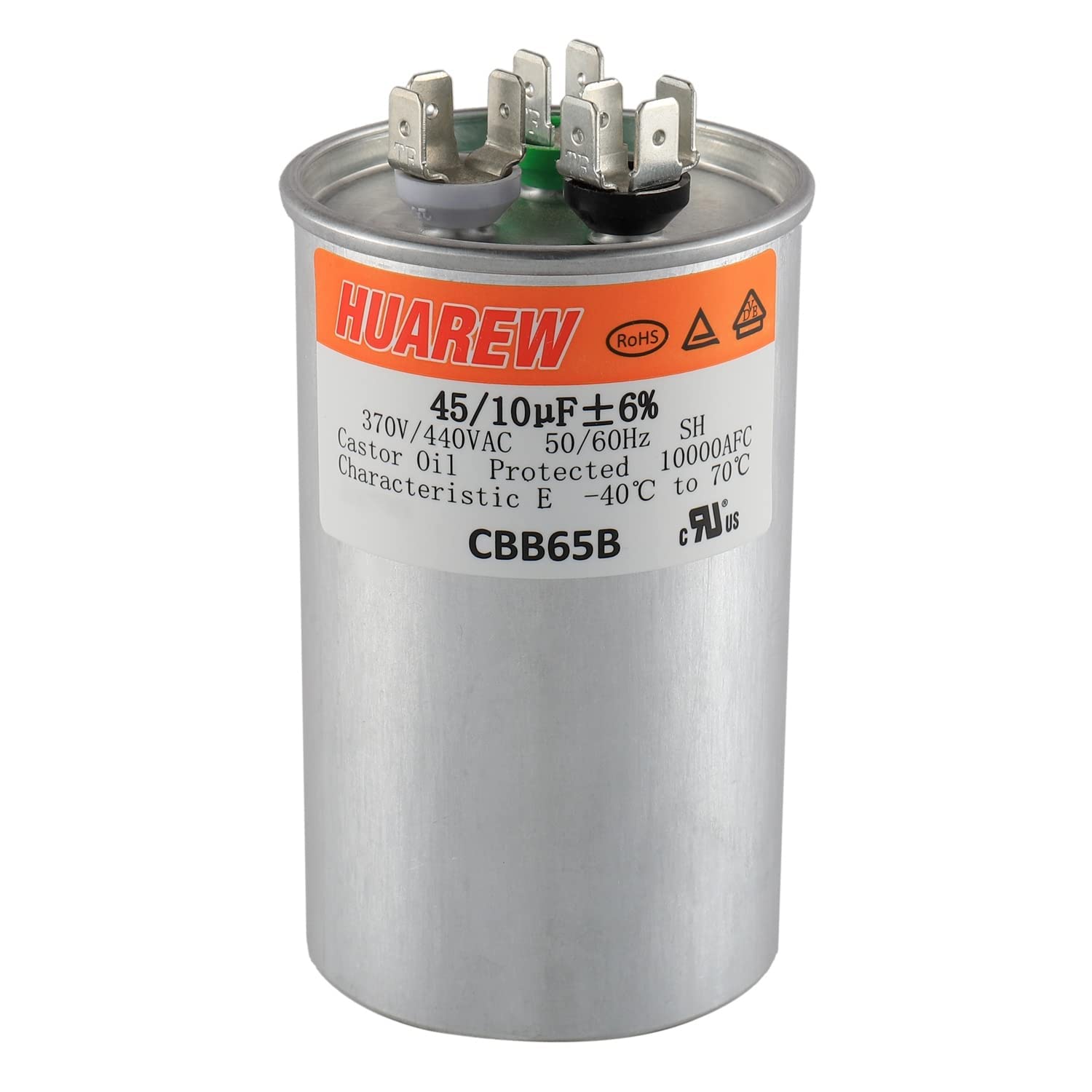
A CBB65B-style dual capacitor with ±6% tolerance and S1 safety rating that I used when I wanted a conservative tolerance and safety features.
Why I picked it: S1 safety protection and CBB65B construction made this a good replacement where safety margin matters.
Best for: Systems that need a 45/10 split and a capacitor with a safety rating.
Affordable, safety-focused replacement.
Pros
- S1 safety protection
- Solid ±6% tolerance
- Suitable temperature range
Cons
- Generic flange may need an adapter
- Diameter can differ from OEM
My take
I installed this 45/10 cap during a weekend troubleshooting session; the condenser started reliably afterward and the part behaved as expected.
One time the replacement can was slightly smaller than the OEM flange, so I used thin shims to seat the cap securely in the mounting hole — a common fitment quirk with generic caps.
If you need a safety-rated CBB65B construction, this one ticks the boxes and gives me peace of mind on long runs.
5. 45/5 µF Dual Run Capacitor (CBB65B) – Best Spare Capacitor
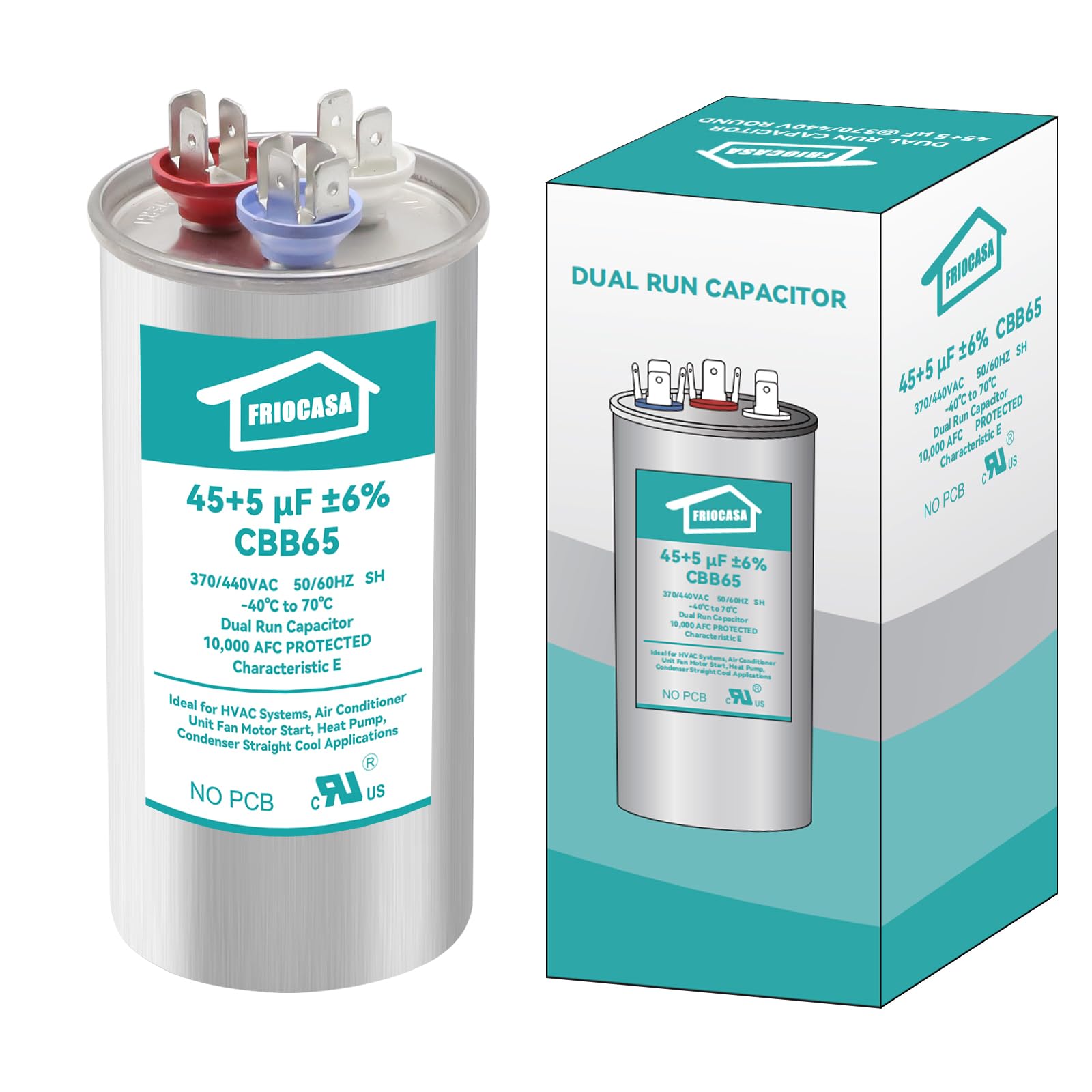
A labeled 45/5 dual-run capacitor I keep as a spare; easy to swap and clearly marked terminals reduce wiring mistakes.
Why I picked it: Clear HERM/FAN/C terminal labeling and reliable performance make it my choice for a home spare.
Best for: Homeowners who want a reliable spare on the shelf.
Budget-friendly spare part option.
Pros
- Labeled terminals for quick wiring
- Fits common condenser mounts
- Good temp and tolerance specs
Cons
- Generic fit may vary by OEM
- Some units slightly different shell sizes
My take
I keep one of these 45/5 capacitors in my parts bin and used it to get a downstairs unit back up the same day I found the fan stopped.
The labeling on H, F and C eliminated guesswork during the swap and cut my time at the condenser down significantly.
It’s a sensible spare — good tolerance and a size that fits most condensers, though I always compare can diameter to the OEM before final mounting.
6. GE WR60X23363 Condenser Fan Motor Assembly – Best OEM Fridge Assembly
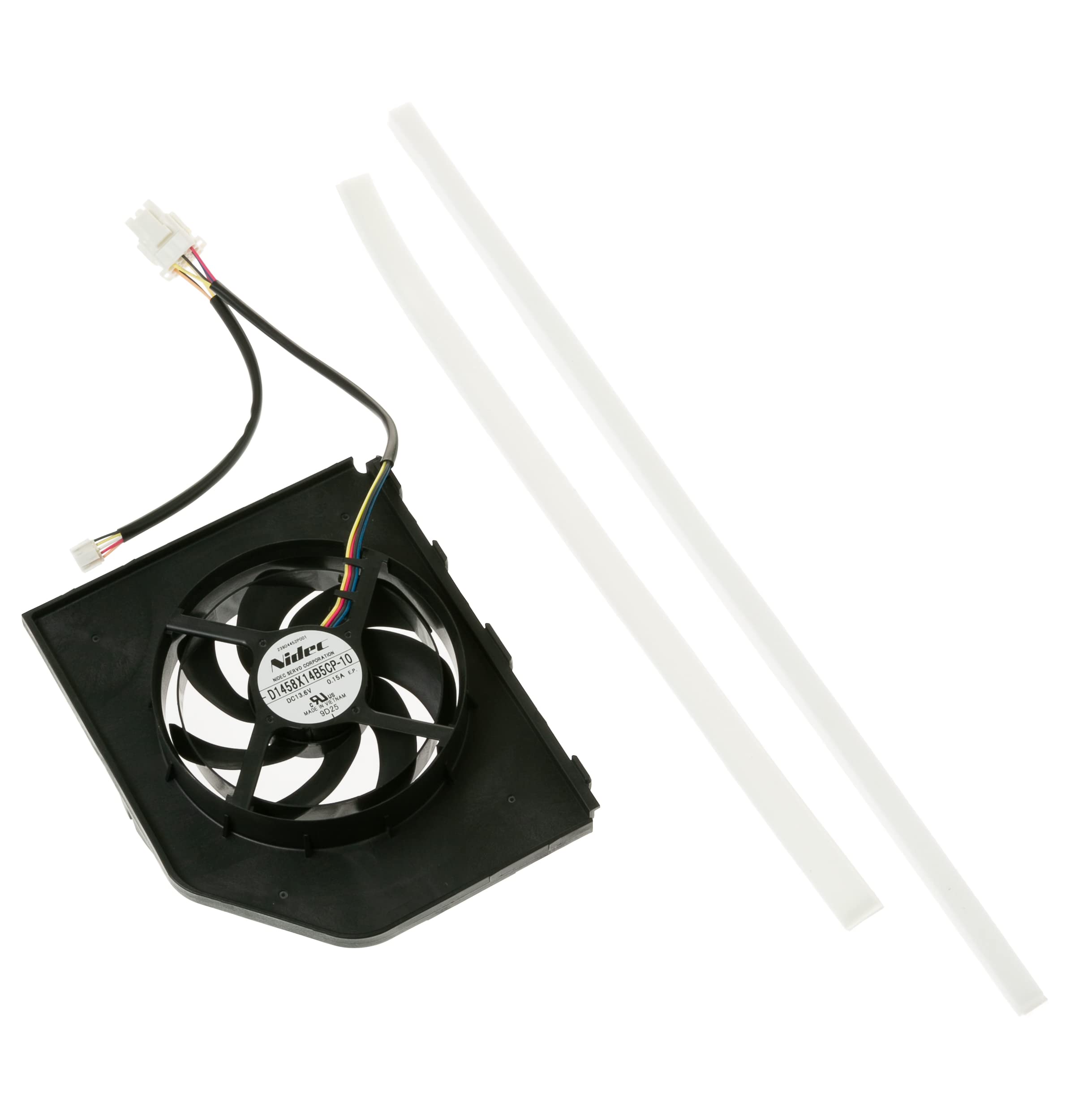
A complete OEM condenser fan assembly with blade and motor, which I installed when I wanted a no-hassle, like-for-like replacement.
Why I picked it: Complete assembly includes blade and motor, so I avoided scavenging old hardware.
Best for: Refrigerator repairs where the whole fan assembly is worn or noisy.
Higher upfront cost but saves time compared with separate parts.
Pros
- Includes motor and blade
- Exact replacement for GE models
- Quiet operation
Cons
- Higher cost than single motor
- May take time to source correct model
My take
I swapped the full WR60X23363 assembly into a fridge and appreciated that the blade and motor arrived matched — the replacement was quieter than the old unit.
Removing the old assembly was easier once I tilted and rotated the fan to free the mounting, so I recommend that trick the first time you pull one.
Because the assembly is OEM, I didn’t need to hunt for rubber grommets or worry about blade balance — it saved me a second trip to the parts bench.
7. Dorman Condenser Fan Assembly (Select Nissan) – Best Vehicle Condenser Fan
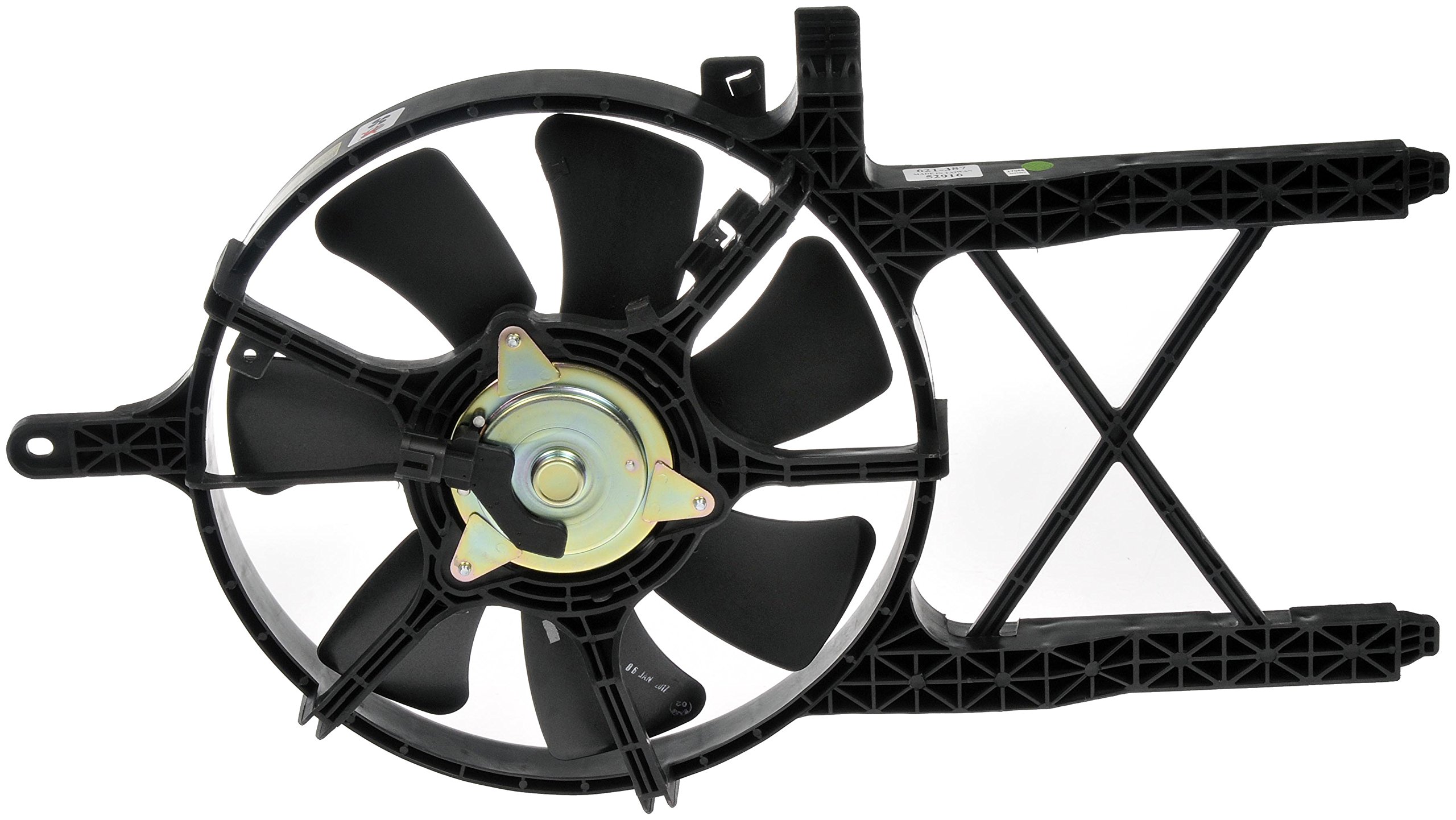
An aftermarket condenser fan assembly built to match OEM fit for select Nissan vehicles that I found to install easily and run reliably.
Why I picked it: Vehicle-specific fit and tested components make this a solid dealer-alternative for Nissan owners.
Best for: Owners of compatible Nissan models needing a direct-fit condenser fan assembly.
Cost-effective alternative to dealer parts.
Pros
- Good OEM-style fit
- Plug-and-play electrical connector
- Quality matches original
Cons
- Delivery packaging can be lacking
- Check fit against factory mounts
My take
I installed this Dorman assembly into a 2007 Xterra and the part fit the factory mounts exactly and plugged right into the truck harness.
Installation was straightforward — five bolts and one electrical connector — and I haven’t had issues after months of daily driving.
The build quality felt on par with the original, and it saved me from paying dealer prices while keeping factory alignment and airflow.
8. W10124096 Refrigerator Condenser Fan Motor Kit – Best Universal Fridge Kit
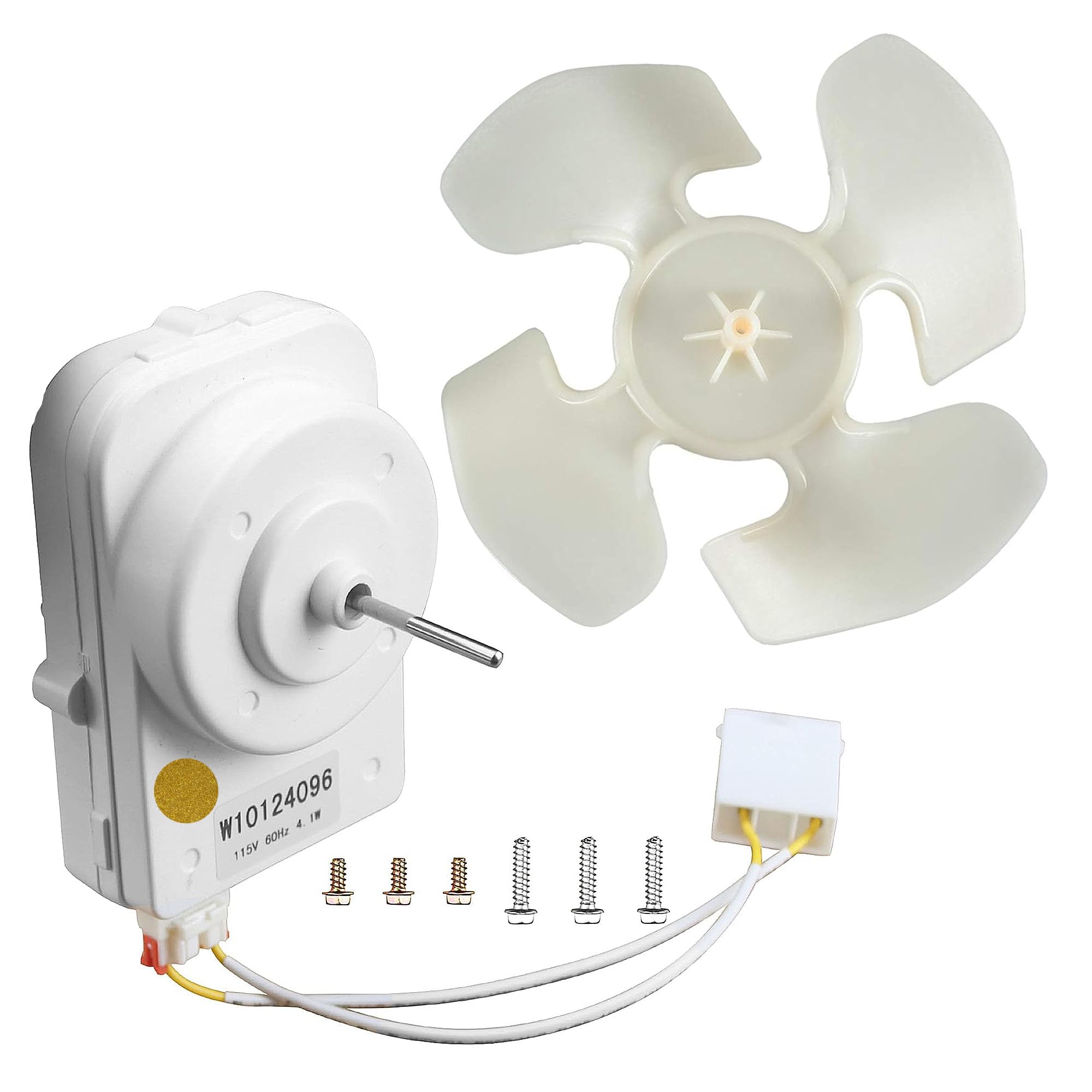
A complete condenser fan kit with motor, blade, harness, and hardware that I used to replace units across several Whirlpool-family models.
Why I picked it: Everything included — motor, blade, harness, screws — so I could finish the job without scavenging parts.
Best for: DIY fridge repairs across Whirlpool, KitchenAid, Kenmore, and similar brands.
Good value for a complete kit versus buying parts separately.
Pros
- Complete kit with harness and screws
- ABS blade for better airflow
- Designed for wide model compatibility
Cons
- May need to tap threads for smaller screws
- Wire colors and connectors vary by model
My take
I replaced a failed condenser fan with this W10124096 kit and appreciated having the harness and hardware included — that saved an extra trip to the shop.
The ABS blade is sturdy and moved noticeably more air than the tired original; after installation the fridge refrigerant temperatures stabilized faster.
Installation was easy once I checked screw sizes; in one case I tapped the threads for the new smaller screws but that only cost me a couple extra minutes.
How I Choose Capacitors and Condenser Fans
Diagnose before you replace
I always confirm whether the problem is a capacitor, a seized motor, or mechanical balance issues before buying parts.
A capacitor fault usually shows as a fan that struggles on startup or won’t start but spins freely when assisted; a seized or noisy motor demands a motor or assembly replacement.
- Check continuity and microfarad value under load if you can.
- If the motor shaft is stiff or noisy, replace the motor or assembly.
- Use a hard-start kit only when appropriate; don’t ignore an underlying mechanical failure.
Match capacitance and voltage
I match the microfarad rating and voltage exactly — a 45/5 or 45/10 dual cap must match the original spec for reliable operation.
Dual-run caps are convenient for systems that use one can for both compressor and fan; single caps are fine for fan-only applications.
- Keep the same µF numbers as the OEM part.
- Confirm 370V vs 440V rating, or use a dual-voltage unit if appropriate.
- Check can diameter and flange mount to avoid mechanical fit issues.
OEM vs aftermarket motors and kits
I choose OEM motors when fitment is tight and I don’t want to fabricate mounts; aftermarket kits and universal assemblies save money and often include needed hardware.
A full kit is my pick when the blade, harness, and mounting hardware are worn or missing.
- OEM motor: best for exact fit and original mounting.
- Universal kit: best when hardware or blade needs replacement too.
- Vehicle-specific assemblies: match make/model for hassle-free install.
Safety and installation tips I follow
I always cut power, discharge capacitors, and wear gloves and eye protection during work.
Label wires or take a photo before unplugging anything — it saves time when you’re reconnecting terminals.
- Discharge capacitors with an insulated screwdriver and verify voltage is zero.
- Take photos of wiring and rubber mount orientation.
- Use the correct torque on mounting screws and inspect grommets.
Frequently Asked Questions
How can I tell if a capacitor or motor is the problem?
I start by listening and observing: a capacitor issue usually prevents the fan from starting while a seized motor will have stiff shaft movement or loud grinding. I also test capacitor microfarads under load; if the cap reads low I replace it, but if the motor shaft is stiff I replace the motor or assembly.
Can I replace a capacitor or fan motor myself?
Yes — I replace many capacitors and motors myself, but I always cut power, discharge capacitors, and confirm wiring before touching terminals. If you’re unsure about electrical safety, I recommend calling a professional.
What’s the difference between 45/5 and 45/10 capacitors?
I look at the second number as the fan-side microfarads: 45/5 means 45 µF for compressor and 5 µF for fan; 45/10 uses 10 µF for the fan. Use the exact numbers your unit calls for to preserve motor starting torque and run characteristics.
When should I replace the whole fan assembly instead of the motor?
I replace the whole assembly when the blade is damaged, the housing is warped, or the mounting hardware is corroded — replacing the assembly avoids balance issues and gives a cleaner, longer-lasting repair.
Final Take
After swapping caps and motors across HVAC and appliance jobs, I reach for compact 25 µF caps for tight spaces, dual-run 45-series caps for residential condensers, and OEM or complete kits when fitment matters.
I prioritize safety-rated capacitors and complete kits when time and reliability matter, and I always keep a labeled 45/5 spare in my parts bin for fast turnarounds.
