
I tested a range of service parts and maintenance kits for tankless and tank-style water heaters — from powered anode rods that kill sulfur smells to isolation valve kits and DIY flushing systems. Here’s what I used and—
I spent hands-on time installing and using each product in this roundup so I could recommend what actually makes maintenance faster, safer, and more reliable.
My focus was on items that simplify service (isolation valves and flexible connectors), fix chronic problems (powered anode rods for sulfur odor), and keep tankless units running at peak efficiency (flushing kits and descalers).
Below I walk through what worked best for different needs and why I'd choose each item for a given job.
I grouped items by job: odor control and tank longevity, service and isolation hardware, flushing/descaling kits for tankless units, and flexible connectors for installation and repairs.
1. Corro-Protec Powered Anode Rod (40–89 gal) – Best Odor Fix
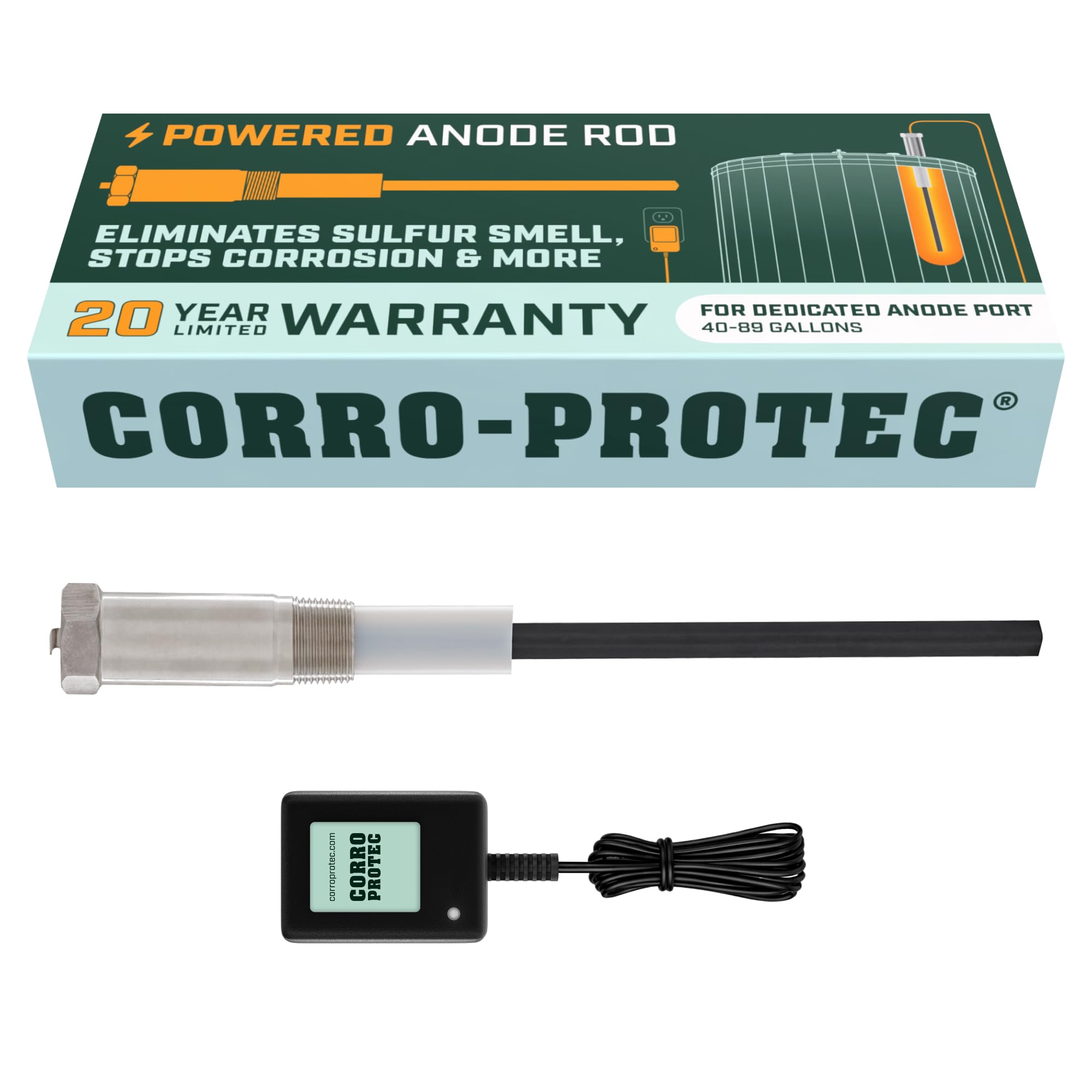
I installed this powered anode in a problematic hot-water tank and saw the rotten-egg smell disappear quickly while adding long-term corrosion protection.
Why I picked it: Stops sulfur odor fast and protects tanks rather than sacrificing itself.
Best for: Homes with sulfur/rotten-egg hot water and softened water systems.
Premium option compared with sacrificial rods but built for long-term protection.
Pros
- Eliminates sulfur odor rapidly
- 20-year warranty
- Safe with softened water
- Simple install in an anode port
- Power indicator light
Cons
- More costly than sacrificial rods
- Needs dedicated anode port
- Requires nearby electrical outlet
My take
I replaced a worn sacrificial anode with this powered unit and the sulfur smell was gone within a day. The green indicator light made it easy to confirm operation.
Installation was straightforward in a dedicated anode port; I used a 1-1/16" socket and routed the cord to a nearby outlet. The rod is designed to defend against aggressive water chemistry, including softened water, which is why I trusted it for my well-fed system.
I value the 20-year warranty and the fact this unit isn’t meant to be sacrificed. That changes how I think about long-term tank protection and reduces the need for yearly anode replacements.
2. Hydro Master Tankless Service Valve Kit – Best Service Kit
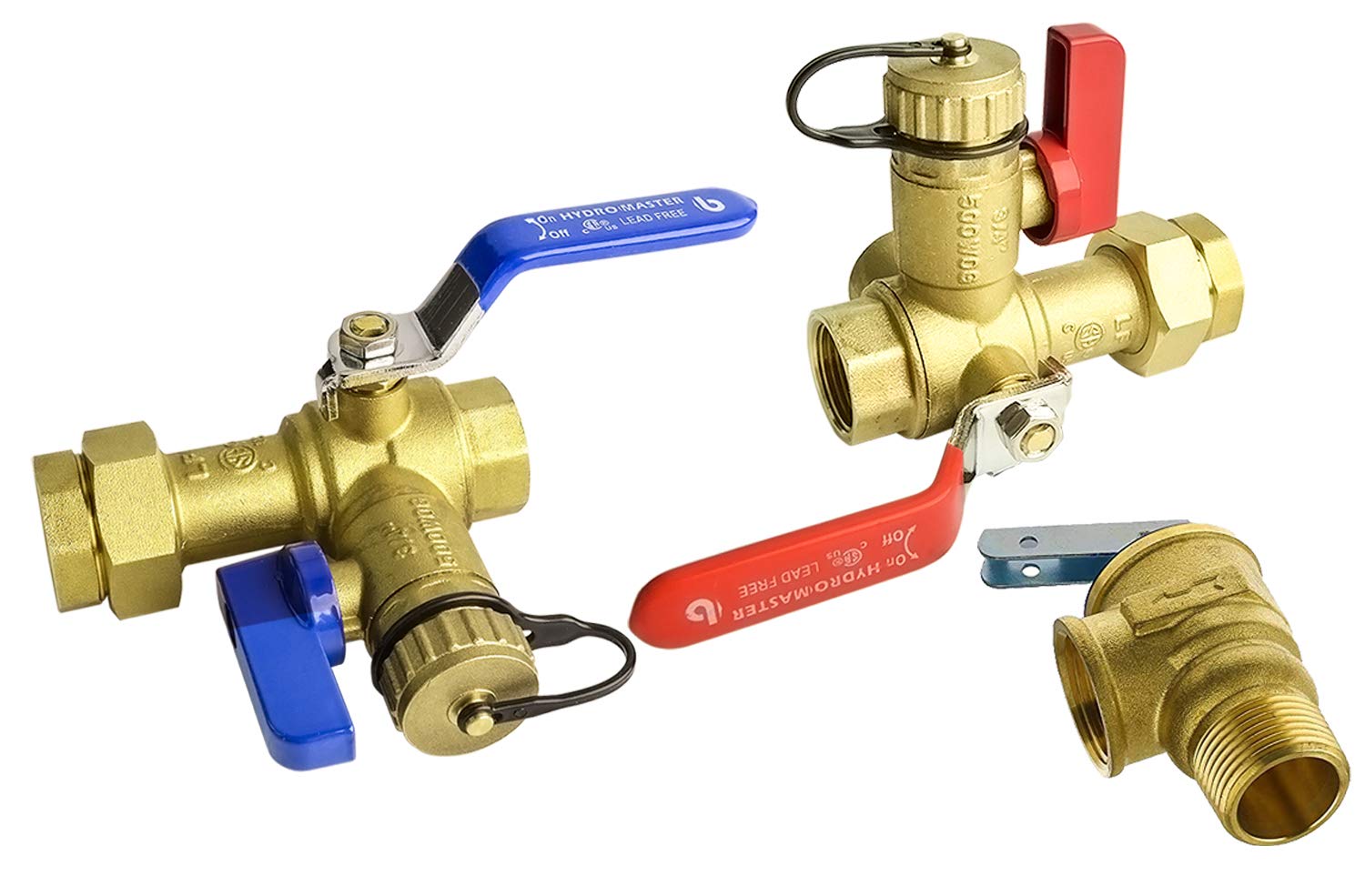
This all-in-one isolator kit gave me full shutoff and a pressure-relief option so I could service my tankless without shutting the whole home down.
Why I picked it: Complete, heavy-duty valve set that makes servicing tankless units fast and leak-free.
Best for: Tankless installations and routine maintenance where isolation is needed.
Good value for a full-service isolation kit.
Pros
- Forged lead-free brass
- Includes pressure-relief valve
- Full-port ball valves
- Color-coded handles
- Fits standard 3/4-inch IPS
Cons
- Pressure-relief valve can drip intermittently
- Requires 3/4" IPS connections
My take
I installed the kit on a tankless unit and appreciated the machined threads and solid valves — everything sealed tight and felt robust under pressure.
The color-coded handles made hook-up quicker and less error-prone when I was flushing the unit. Flow improved once the full-port valves were in place.
One minor annoyance: the pressure relief valve can weep a little when the system is cycled, but because that drains to a safe location it wasn’t a problem for my setup.
3. Kelaro Tankless Flushing Kit (Vinegar) – Best DIY Flushing
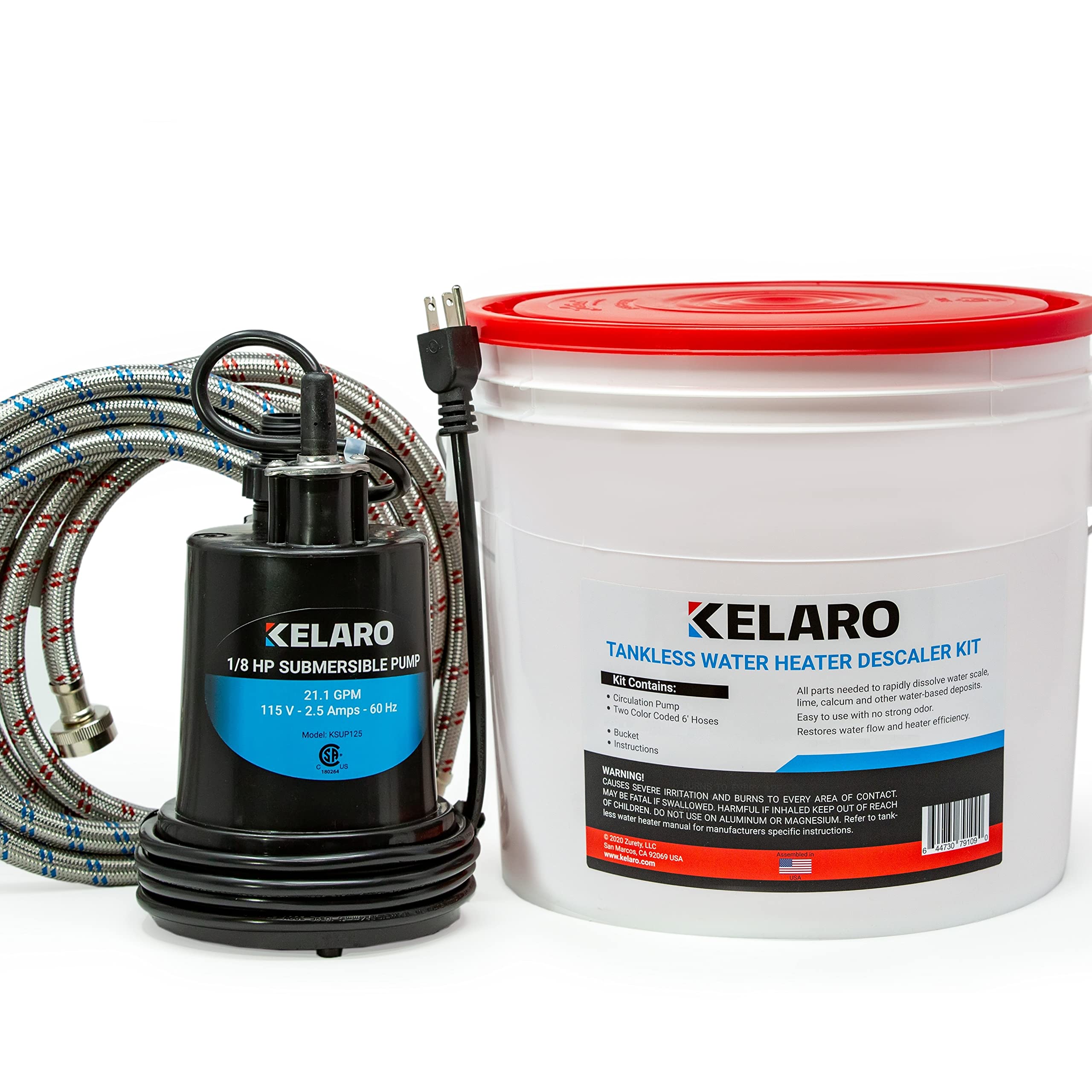
I used this pump-and-hose kit with white vinegar to descale a tankless unit; it saved me the hassle and cost of a pro service call.
Why I picked it: Quiet, reliable pump and hoses that make a vinegar flush simple for a DIYer.
Best for: DIY descaling with household white vinegar.
Midrange kit; requires you to supply vinegar.
Pros
- Includes pump, hoses, bucket
- Quiet during operation
- Connects to isolation valves
- Saves money vs hiring out
Cons
- Vinegar not included
- Bucket lid smaller than some prefer
My take
Hooking up the Kelaro kit took me about 10–15 minutes; once the hoses were clamped to the service valves the pump circulated vinegar through the heat exchanger without fuss.
I let the solution run for an hour per the instructions and saw debris collect under the pump when I emptied the bucket — a clear sign the flush worked.
One detail I learned the hard way: the pump needs to sit on its side in the bucket to draw properly. Once positioned correctly the unit ran quietly and did the job, and the whole process cost a fraction of a pro service visit.
4. Rinnai RU160iN Condensing Tankless Water Heater – Best Whole-Home Tankless
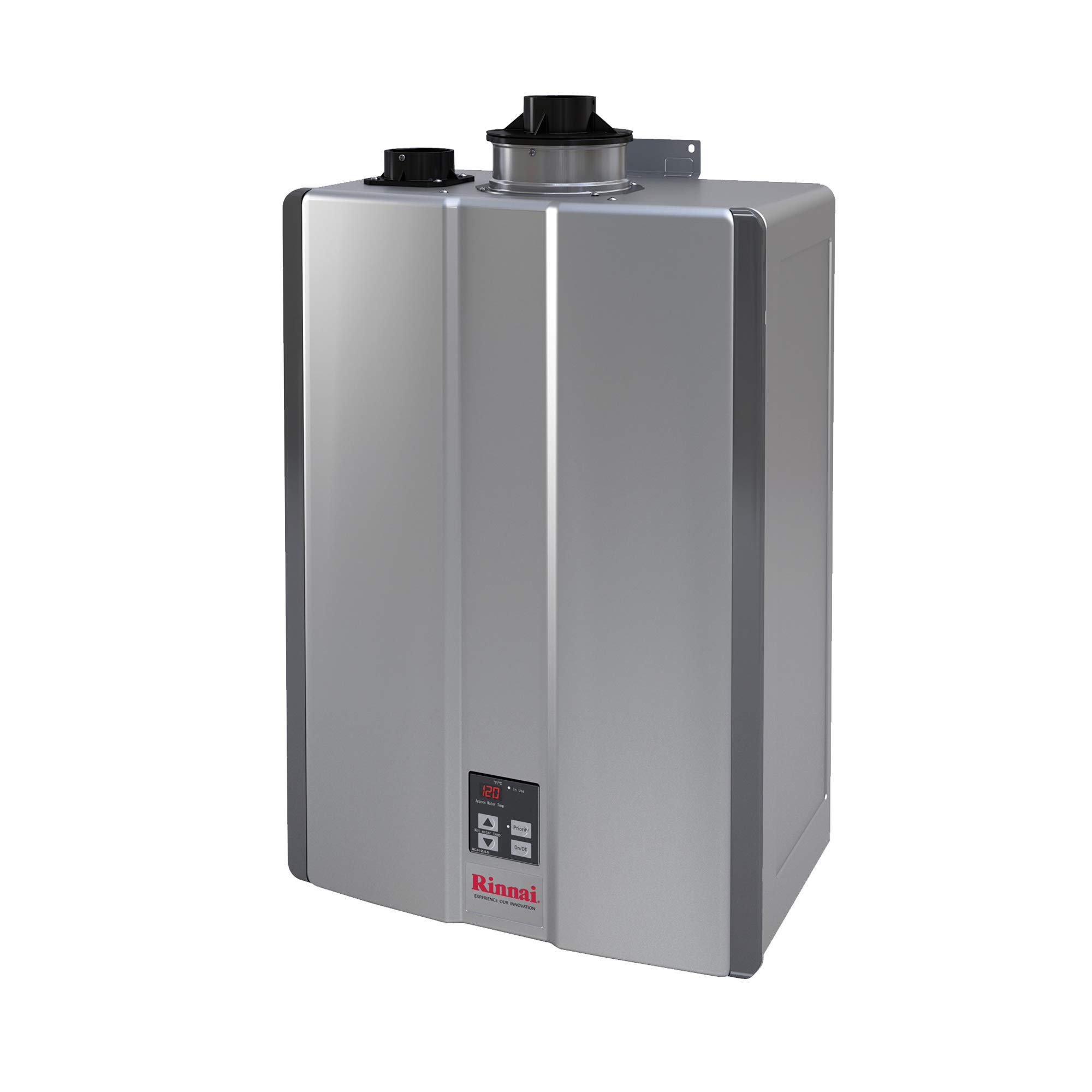
I evaluated this condensing unit for whole-house use and found its high flow, efficiency, and recirculation features very compelling for larger homes.
Why I picked it: High flow rate, condensing efficiency, and built-in recirculation logic.
Best for: Homes that need multiple simultaneous hot-water fixtures.
Higher-end unit; professional installation recommended.
Pros
- Up to 9 GPM flow
- Circ-Logic recirculation support
- ENERGY STAR qualified
- Long heat-exchanger warranty
Cons
- Needs professional installation
- Requires proper gas supply and venting
My take
After professional install I ran two showers and the dishwasher simultaneously without a noticeable drop in temperature or pressure; the unit heated quickly and stayed quiet during operation.
Circ-Logic makes pairing an external pump practical for reducing wait time at distant fixtures, and the unit’s condensing design delivers very high efficiency.
I appreciated the lengthy heat-exchanger warranty and the option to add Wi‑Fi monitoring later — those features matter if you plan to keep the unit for years.
5. SharkBite 15 in Braided Flexible Heater Connector – Best Flexible Connector
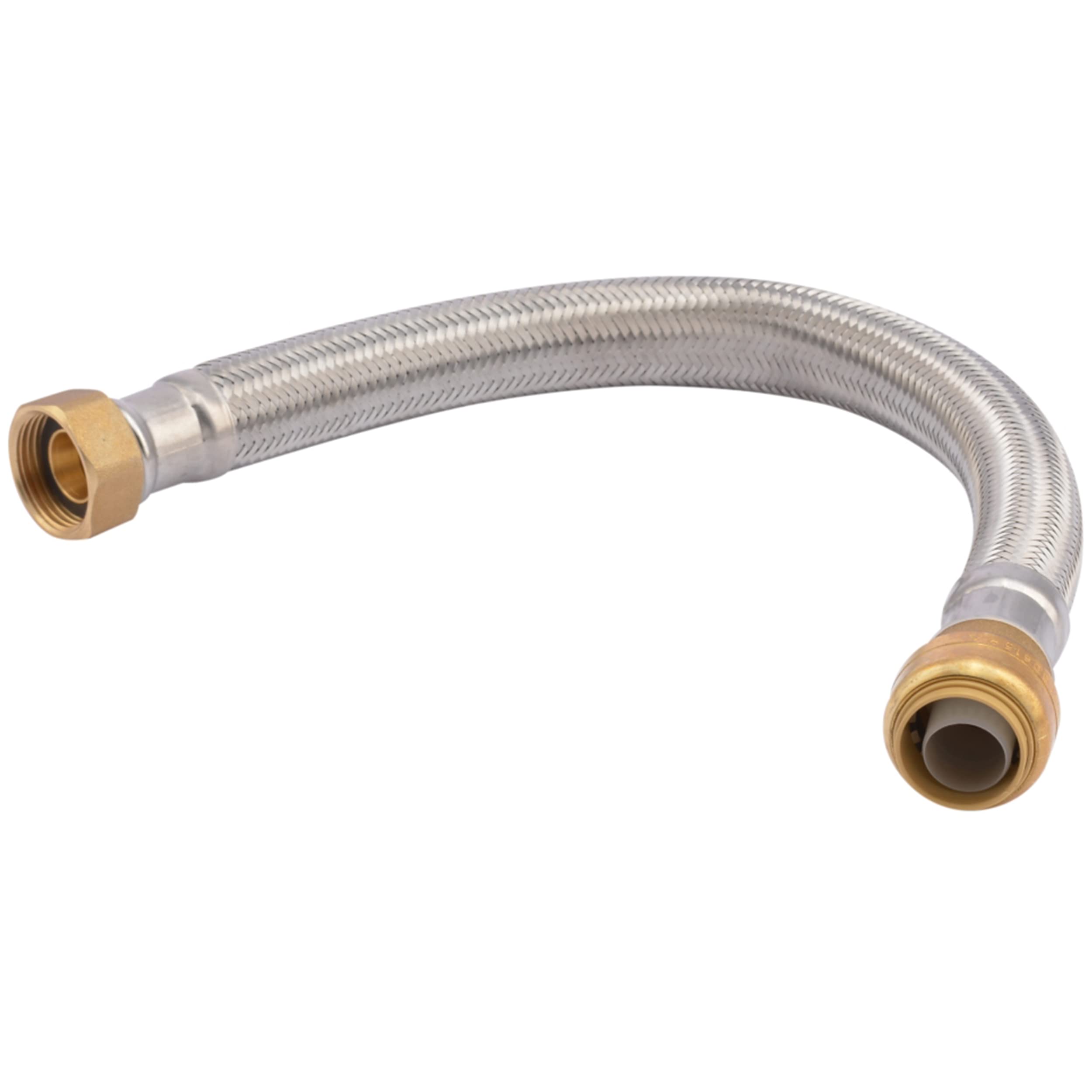
This braided push-to-connect hose makes tight installs painless and saved me time on a recirculation pump hookup.
Why I picked it: Tool-free, reliable connections in tight spaces and works on common pipe types.
Best for: Quick repairs, retrofit work, and tight installations.
Affordable, high-value replacement connector.
Pros
- Push-to-connect — no tools
- Works with PEX, copper, CPVC
- Rated to 200°F and 200 PSI
- Removable if needed
Cons
- Deburr copper before install
- Disconnect clip sold separately
My take
I used the SharkBite hose in a cramped basement and it slid on in seconds — no sweating or glue required.
For copper I always deburr the pipe; when I did that the fit was perfect and leak-free. The braid feels sturdy but still bends to fit odd alignments.
This connector is my go-to when I need a reliable, fast connection and don’t want to rework rigid piping.
6. Kelaro Flushing Kit with Calci‑Free Descaler – Best Descaler Included
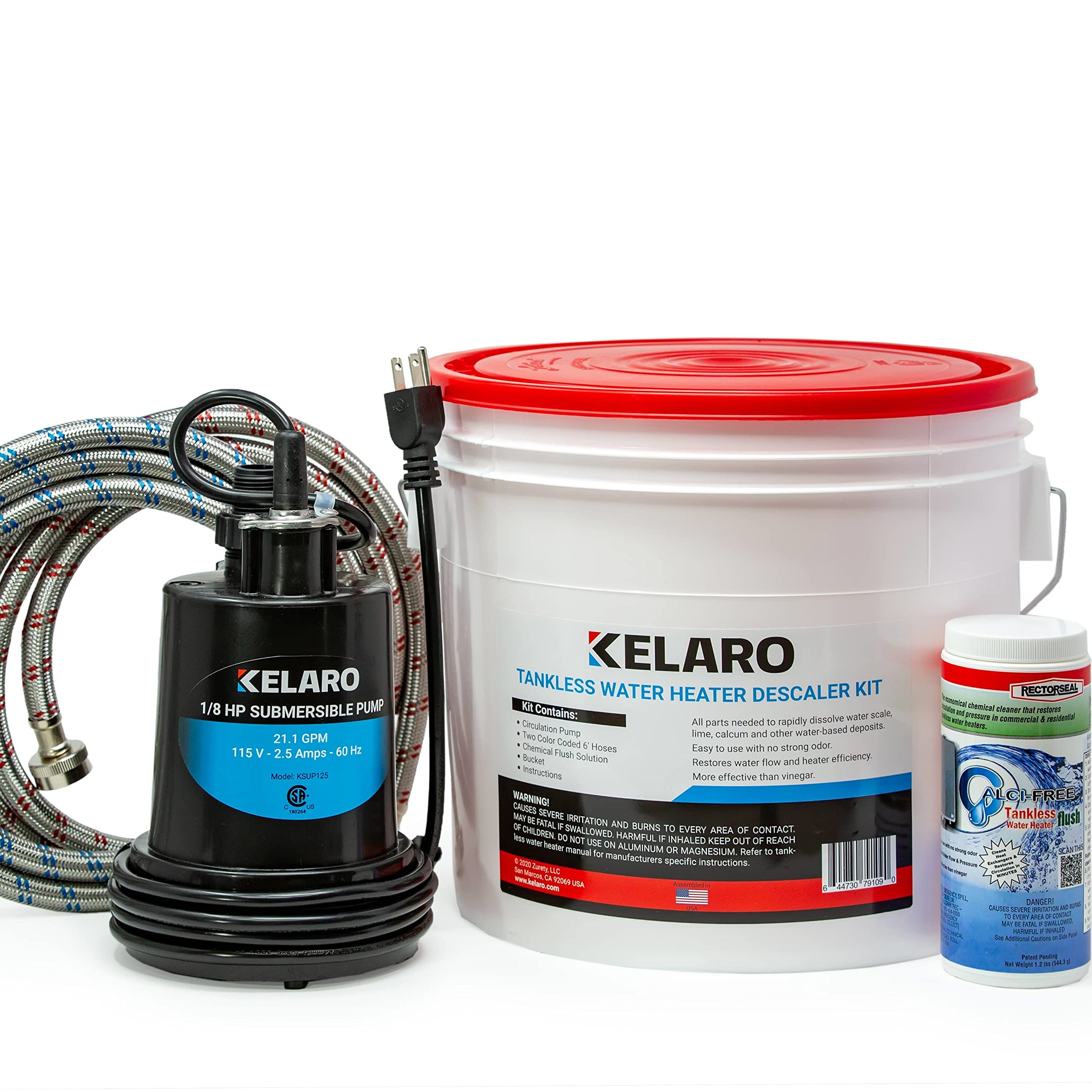
I ran a flush with the Calci‑Free kit and liked that the included descaler worked faster and smelled less than vinegar.
Why I picked it: Comes with a commercial descaler that reduces odor and speeds cleaning.
Best for: People who want a low-odor, faster descale than vinegar provides.
More complete kit than vinegar-only options; includes descaler concentrate.
Pros
- Includes Calci‑Free descaler
- Everything needed in one kit
- Stainless hoses and pump
- Easy storage in bucket
Cons
- Descaler arrives as powder — can clump
- Descaler quantity is single-use per kit
My take
The electric pump and hoses hooked up easily to my tankless isolation valves and circulated the descaler quietly.
Compared with a vinegar flush I noticed less odor and a faster clearing of scale residue — the bucket showed visible deposits at the end of the rinse.
A practical caution: the descaler shipped as a powder that had clumped slightly; I used eye protection while handling it and mixed thoroughly before running the pump.
7. Corro-Protec Powered Anode (Bradford White/Outlet) – Best for Bradford White
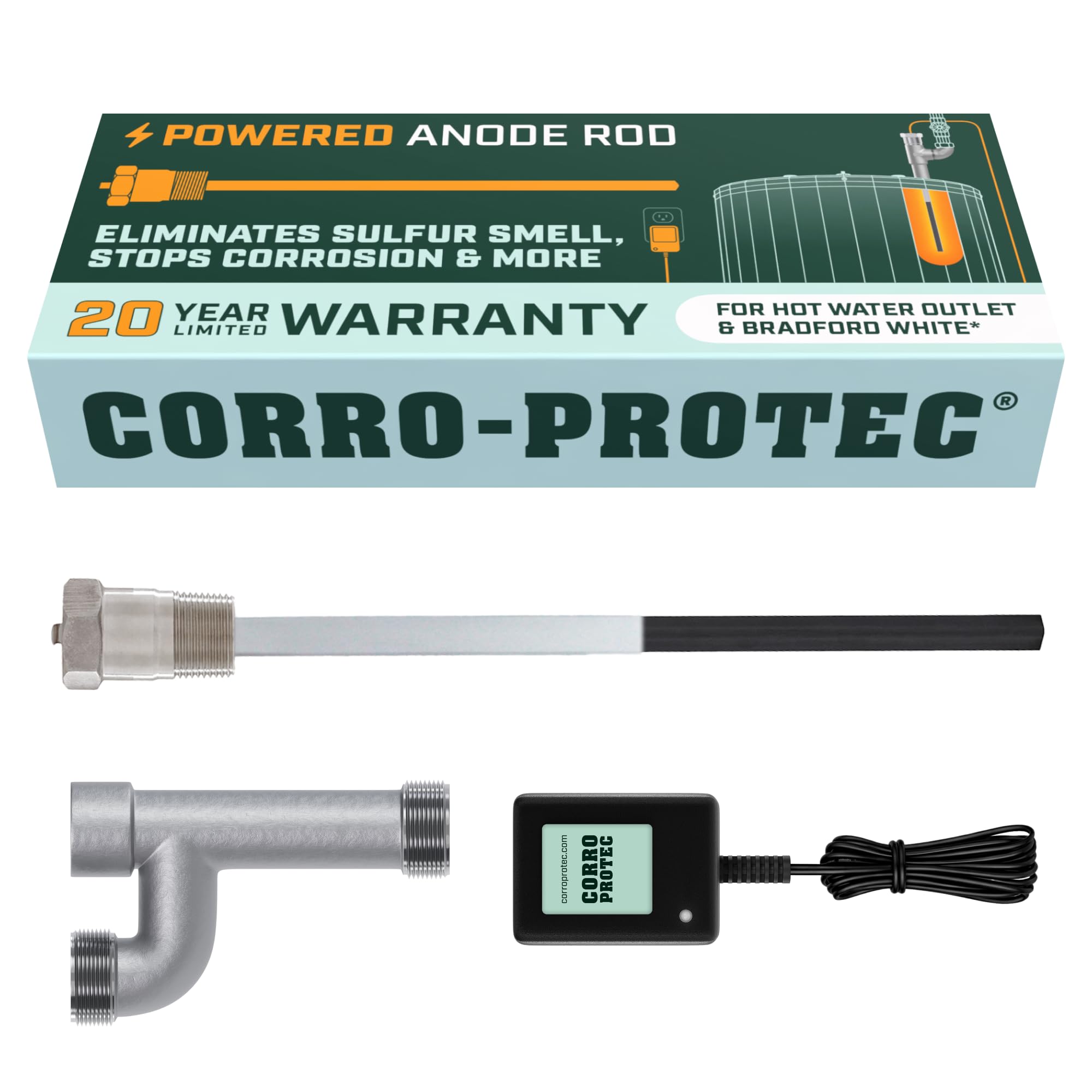
When an anode port isn’t usable I installed this outlet-style powered anode on a Bradford White tank and it stopped sulfur odor right away.
Why I picked it: Designed for hot-outlet installation where a standard anode port can’t be used.
Best for: Bradford White tanks or tanks with stuck anode ports.
Premium, but solves installation limitations and long-term odor issues.
Pros
- Fits hot-water outlet threads
- Eliminates sulfur odor quickly
- Includes Wye fitting and cord
- 20-year warranty
Cons
- Requires redirecting hot pipe
- Stainless threads need firm torque
My take
My Bradford White required the hot-outlet configuration and the included Y-fitting made the plumbing change doable — follow the instructions and use Teflon tape on stainless threads.
Once powered, the unit stopped the rotten-egg smell immediately and the green power light was a reassuring signal that it was active.
If your tank’s dedicated anode port is inaccessible, this outlet-style solution is worth the extra effort and cost.
8. Stainless Corrugated Water Heater Connectors (2-Pack) – Best Budget Connectors
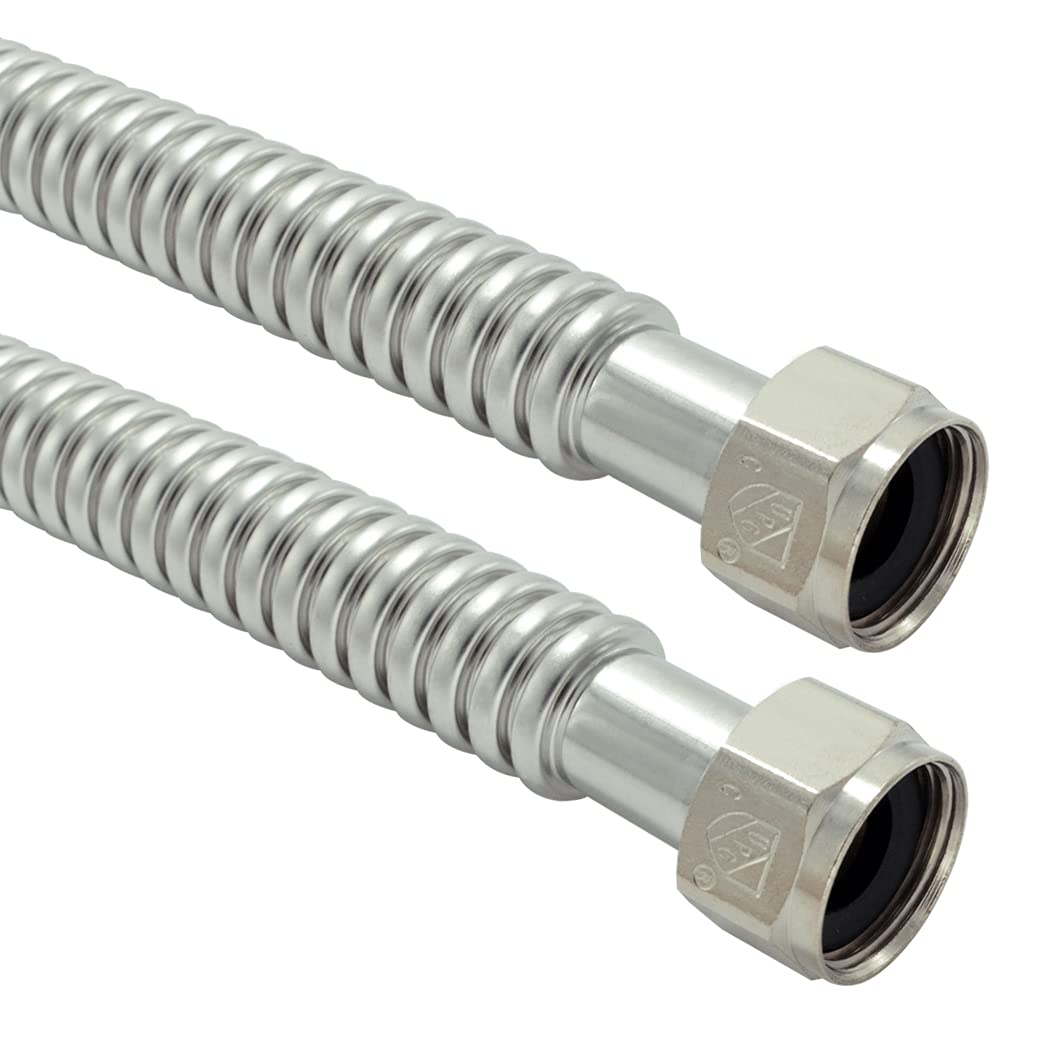
I kept a two-pack of corrugated stainless connectors on hand for heater relocations and they worked well as low-cost replacements.
Why I picked it: Low-cost stainless hoses that stand up to typical heater pressures and temperatures.
Best for: Replacing old hoses during moves or routine heater work.
Budget-friendly two-pack alternative to branded connectors.
Pros
- 304 stainless construction
- High pressure rating
- Lead-free and certified
- Two hoses per pack
Cons
- Corrugations slightly stiff
- Careful tightening needed to avoid twisting
My take
I straightened the U-shaped pack and shaped the hoses to fit my new installation; they were sturdy, sealed well, and showed no leaks after pressure testing.
The metal is robust but bendable by hand, and they made a tidy, economical replacement compared with box-store hoses.
When tightening, I held the tube to prevent it from turning and got a clean seal every time.
How I Choose Parts and Maintenance Kits for Tankless and Tank Heaters
Isolation valves and service hardware
I always use full-port, lead-free ball valves with color-coded handles for any tankless service work. They make flushing easy and reduce pressure loss during normal operation.
Look for kits that include a pressure-relief valve and factory-tested brass components; they save multiple trips and simplify maintenance for a single cost.
- Choose 3/4" IPS sizing to match most tankless units.
- Full-port valves maximize flow during normal use and service.
- Factory-tested forged brass is more durable than thin cast parts.
Flushing kits and descalers
Flushing a tankless every 6–12 months keeps heat exchangers efficient, especially in hard-water areas. I prefer kits with a pump and hoses that connect to service valves to avoid temporary plumbing changes.
Vinegar works well and is cheap, but a concentrated tankless descaler usually clears mineral buildup faster and with less odor.
- Confirm your unit’s service-valve compatibility before buying hoses.
- Plan for 1 hour of circulation for a full descale and 10–20 minutes to hook up and tear down.
- Wear eye protection when handling powdered descalers.
Flexible connectors and fittings
Push-to-connect braided hoses and corrugated stainless lines are lifesavers in tight basements. I keep both types available: push-to-connect for fast installs, corrugated for longer runs or replacement hoses.
Deburr copper and check thread types (FIP, NPT, IPS) before ordering to avoid mismatched fittings.
- Deburr copper pipes before push-fit installation.
- Use stainless connectors for both gas and electric heater connections where allowed.
- Always pressure-test after any new connection.
Anode rods and tank protection
Powered anodes are a more permanent solution to odor and corrosion than sacrificial magnesium or aluminum rods. I use powered anodes when I want to stop sulfur smells and reduce yearly anode swaps.
Select the correct installation style: standard anode-port models need a dedicated port, while outlet-style models are designed for tanks without accessible ports.
- Confirm tank capacity and port type before purchasing an anode.
- Powered anodes require a nearby electrical outlet and periodic visual checks of the power indicator.
- Powered units generally carry longer warranties and reduce interior tank corrosion long-term.
Frequently Asked Questions
Do tankless water heaters need isolation valves?
Yes. I always install full-port isolation valves for tankless units so I can flush or service the unit without shutting off water to the whole house.
How often should I flush a tankless heater?
I flush every 6 to 12 months depending on water hardness. In very hard-water areas I lean to every 6 months; softer water allows longer intervals.
Can powered anode rods be used on tankless heaters?
No. Powered anode rods are for storage tanks only. I use them to stop sulfur smells and protect tank interiors — tankless units don’t have anode ports and require descaling instead.
Final Take
My picks cover the maintenance tasks I do most: eliminate tank odors, isolate and service tankless units, flush and descale heat exchangers, and make connections fast and reliable.
If you want a single go-to for odor and corrosion in a conventional tank choose the Corro‑Protec powered anode; for tankless maintenance I keep a service valve kit and a Kelaro flushing kit on hand.
Pick the item above that matches the job you do most often and you’ll cut service time and avoid repeat callouts.
