
I tested four compact safes — a timer-lock habit box, two small steel electronic safes, and a travel slash-resistant pouch — to find the best options for habit control, home security, and beach travel.
I’ve spent time living with and using a handful of mini safes so I could tell you which types actually solve real problems. Some are designed to help you break habits, others to lock up small valuables at home, and one is built for trips to the pool or beach.
In this roundup I compare a timed locking container, two small electronic steel safes, and a flexible anti-theft travel pouch. I focused on build quality, how they lock and unlock, what fits inside, and where each makes the most sense to use.
If you want to stop reaching for your phone or snacks, the timer box enforces absence. For everyday home security of jewelry, cash, or paperwork pick a steel electronic safe with keypad and emergency key. For travel and outdoor use the slash-resistant FlexSafe is the most practical pick.
1. Kitchen Safe Time Lock Mini – Best for Breaking Habits
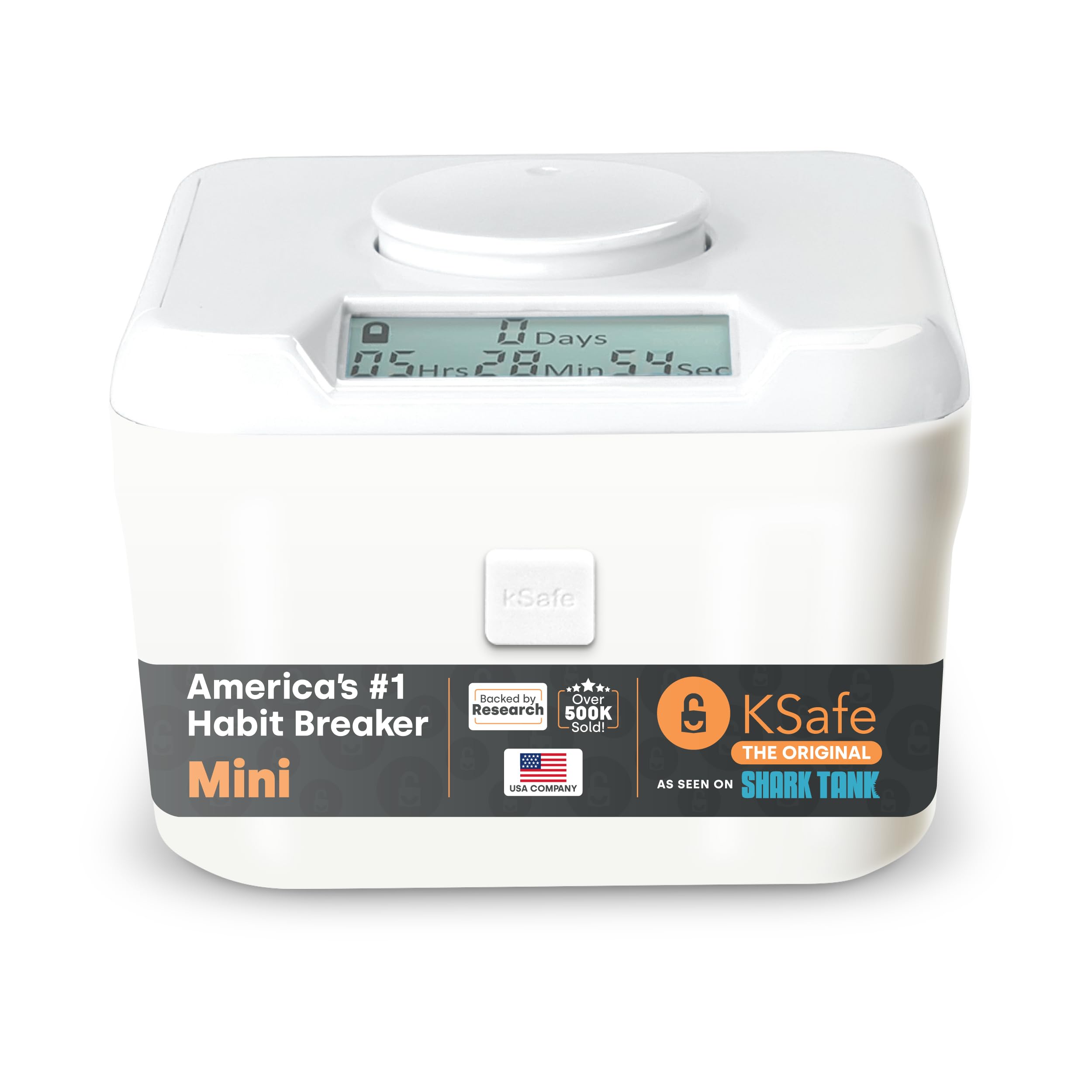
A precommitment time-lock container that enforces a set lock period up to 10 days — ideal for phones, snacks, and temptation items.
Why I picked it: I found it enforces willpower with a simple, tamper-resistant timer and small, portable capacity.
Best for: Locking phones, snacks, cigarettes, controllers, or any temptation you want out of reach.
A mid-range, purpose-built device for behavior control rather than theft deterrence.
Pros
- Enforces timed lock up to 10 days
- Simple mechanical/electronic dial operation
- Portable and available clear lid
- Durable for everyday use
Cons
- Very limited interior capacity
- Not a theft deterrent
- Occasional quality-control hiccups reported
My take
This is the tool I reach for when I need to remove temptation entirely. The timed mechanism is straightforward — I set the dial, press the button, and two locking tabs deploy until the countdown hits zero. I’ve used mine to block phone access during focused work sessions and to make snacks a once-a-day treat.
Capacity is small by design: it fits phones (older and some compact models), keys, small controllers, and snack-sized items, but not full-size handheld consoles. I opted for the clear lid version so I can see what’s inside without guessing, which helped me avoid forgetting items in the box.
Build quality felt solid in daily use; I haven’t had to change batteries after long stretches, and the mechanism is reassuringly simple. Still, I’ve seen isolated defects and quick replacements are sometimes required, so inspect yours when it arrives.
This isn’t meant to stop theft — it’s a behavioral device. If your goal is habit change, the hard lock and up-to-10-day timer make it one of the few compact options that actually keeps me from giving in.
2. GoldenKey Small Digital Safe – Best Basic Steel Safe
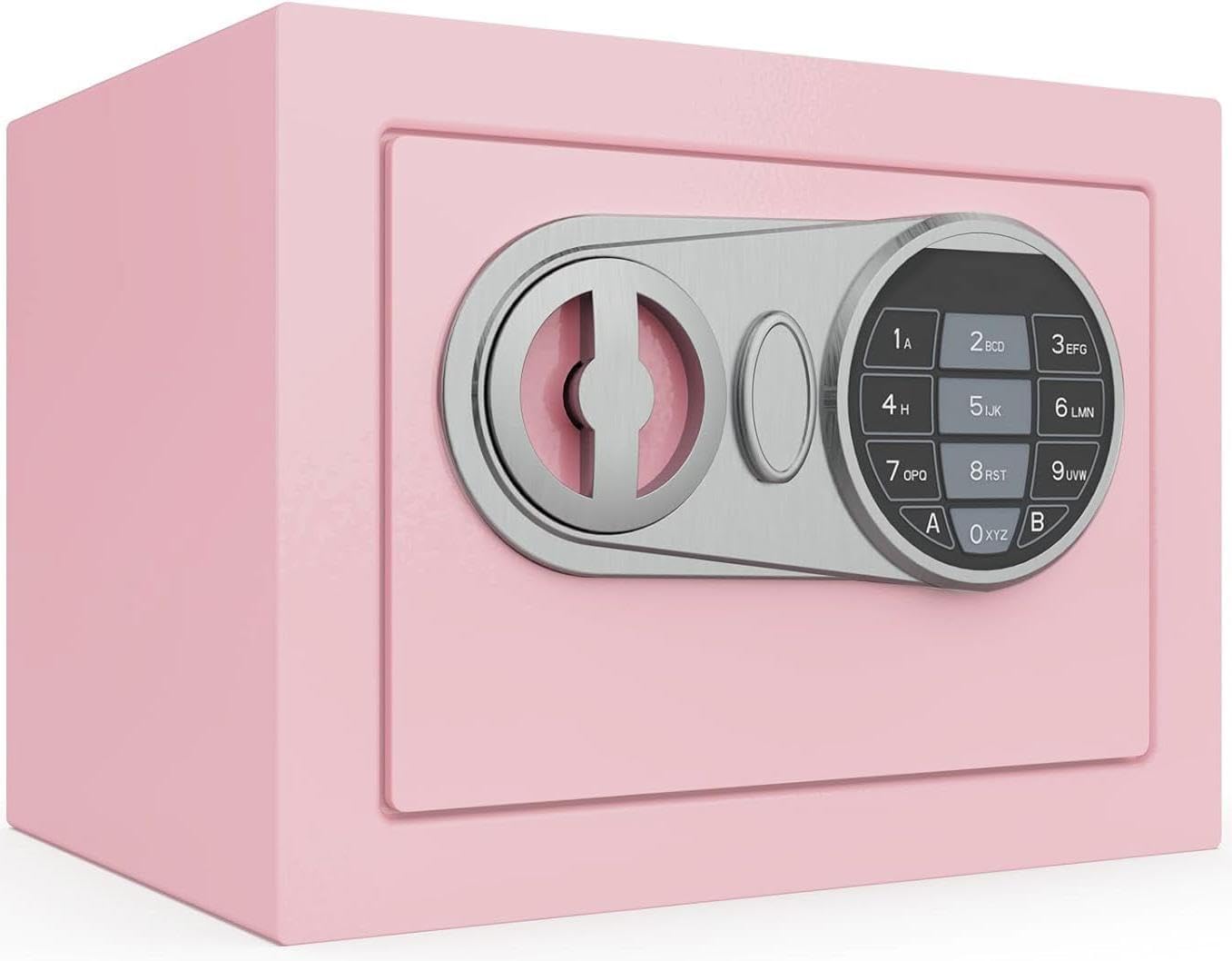
A compact alloy-steel safe with keypad and emergency keys, mounting holes, and an anti-scratch interior — good for low- to medium-value items at home.
Why I picked it: I chose it for its simple keypad plus key backup, reinforced steel body, and included mounting hardware.
Best for: Safeguarding cash, jewelry, small documents, and medicines in a bedroom or closet.
An affordable steel option for at-home basic security and convenient access.
Pros
- Solid alloy-steel construction
- Keypad plus emergency keys
- Pre-drilled for mounting
- Interior anti-scratch carpet
Cons
- Sides feel thin to pry at
- Some units have battery or keypad quirks
- Alarm not very loud
My take
This small GoldenKey safe is the one I use when I want straightforward, everyday protection without a big, heavy unit. The keypad is quick to program and the two mechanical keys give me a reliable backup if batteries die or I forget the code.
Installation is simple — I bolted it under a shelf to keep it out of sight and to add basic resistance to removal. The anti-scratch carpet keeps jewelry from rattling, and the included mounting bolts mean I didn’t need extra hardware.
Be realistic about expectations: this is not Fortress-level security. The steel is reinforced but thin in places compared with much larger safes, so it deters casual snooping and opportunistic theft rather than a determined break-in. I’ve also seen intermittent battery compartment and keypad responsiveness issues, so I keep fresh batteries on hand.
3. TENAMIC Electronic Mini Safe – Best Budget Electronic Safe
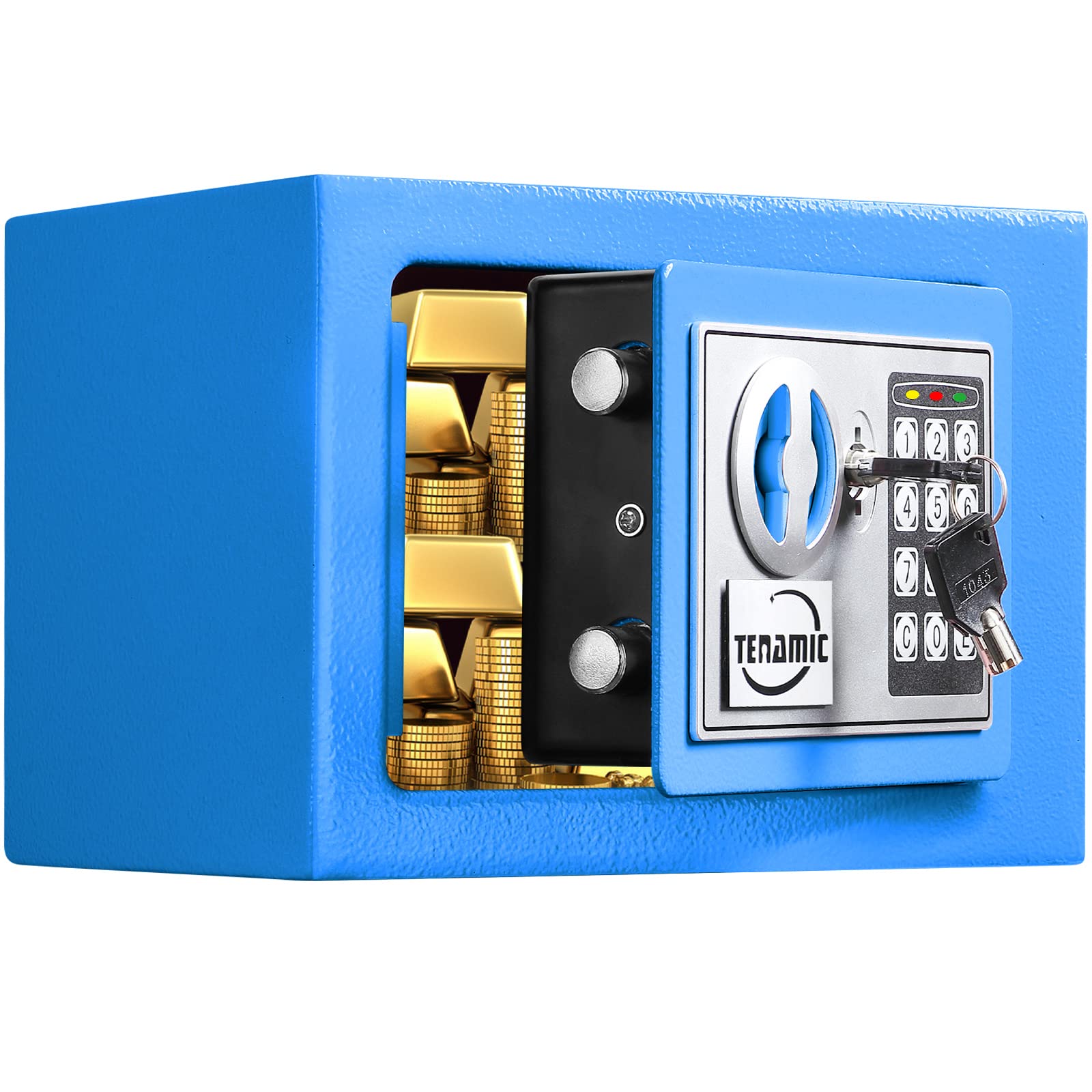
A compact solid-steel electronic safe with a keypad, emergency keys, alarm for wrong entries, and mounting hardware — a practical low-cost option.
Why I picked it: I liked the alarm feature, concealed hinges, and solid-steel feel for modest home security needs.
Best for: Storing keys, passports, low-value jewelry, and small electronics in a hotel, office, or home.
A budget-friendly electronic safe that balances build and features for everyday use.
Pros
- Solid steel body and pry-resistant door
- Wrong-entry alarm system
- Includes mounting screws and override keys
- Carpeted interior protects items
Cons
- Not suitable for high-value items
- Small interior space
- Some sharp internal edges possible
My take
I mounted this TENAMIC box to the underside of a dresser and it has served as a compact, reliable storage point for passports and small valuables. The keypad is responsive and the alarm that triggers after repeated wrong entries gives me added confidence if someone fiddles with it.
The build feels heavier than other cheap minis; the door and concealed hinges make casual tampering harder. It’s not fireproof or waterproof, and I wouldn't trust it with high-value items, but for everyday valuables it’s a sensible, inexpensive solution.
A practical tip from experience: never put your emergency key inside the safe or you risk locking yourself out. Also check for small burrs on interior edges and use the carpet to protect delicate items.
4. AquaVault FlexSafe Travel Pouch – Best for Travel & Beach
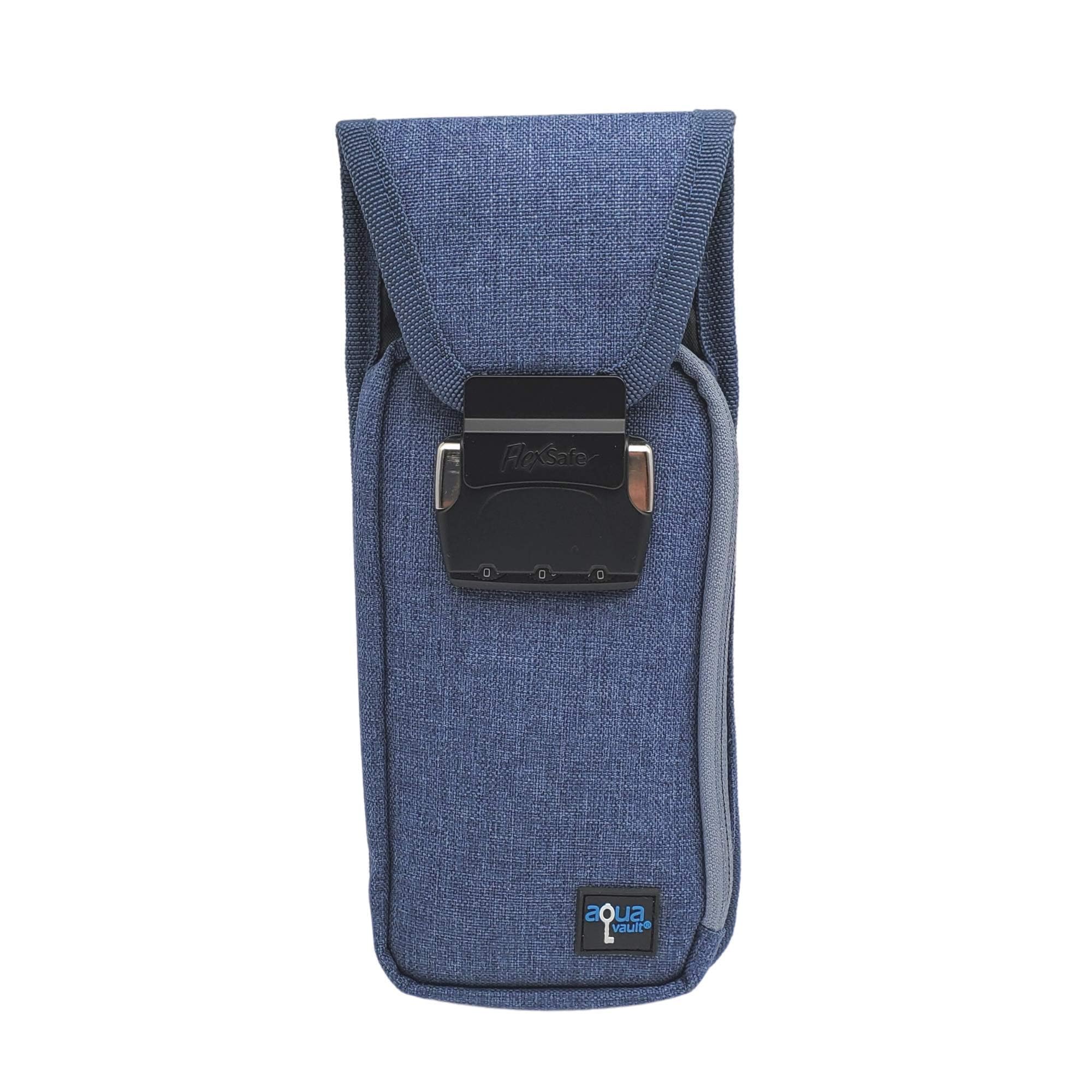
A lightweight, five-layer slash-resistant travel safe with RFID blocking and a patented locking flap — ideal for securing phones and wallets at pools, beaches, and resorts.
Why I picked it: I trusted it for water-adjacent use because of its slash-resistant material, locking flap, and water-resistant inner pouch.
Best for: Locking small valuables to chairs or umbrellas at the beach, pool, or on a cruise.
A travel-focused option that prioritizes portability and slash resistance over heavy-duty safe features.
Pros
- Slash-resistant five-layer construction
- Patented locking flap secures zipper
- Built-in RFID blocking
- Lightweight and folds flat
Cons
- Limited attachment points on some chairs
- Interior can be a tight fit
- Not invulnerable to cutting tools
My take
This FlexSafe is my go-to for anything water-adjacent. I lock it to my beach chair or umbrella pole, stash phones and room cards inside, and head into the water without nagging myself about theft. The zipper pull snaps into the locking post, which prevents unzipping while it’s locked.
It’s surprisingly roomy for its weight — I’ve squeezed multiple phones and cash into one during short trips — but it’s a snug fit and not intended for large items. Attachment options depend on the chair or fixture you use, so I test the connection spot before leaving it unattended.
I treat this as a deterrent for opportunistic theft. The five-layer, cut-resistant fabric and RFID lining are excellent for travel peace of mind, but a determined cutter could still breach it given the right tools and time. For beaches and pools it’s the most practical solution I’ve carried.
How I Picked These Mini Safes and What I Look For
Decide what problem you actually need to solve
I start by asking whether I need to change my behavior, secure valuables at home, or protect items while traveling. A timed lock is ideal for habit control, steel electronic boxes are better for at-home security, and slash-resistant pouches win for beach and pool use.
- Behavior change → time-lock container (precommitment device)
- Home security → steel safe with keypad + key backup
- Travel/outdoors → slash-resistant pouch with locking flap
Capacity and fit
I measure what I want to store before choosing a mini safe. Phones, passports, and jewelry need very different interior dimensions, so check the listed interior size and imagine the specific items in it.
- For phones and snacks, a compact timed box is usually sufficient.
- For documents and small electronics, pick an electronic steel safe with slightly larger interior dimensions.
Lock type and access
I consider how I want to access the safe: timed locks are absolute for a set period; keypad safes offer flexible access but need backup keys and fresh batteries. Always plan for battery failure with an emergency key or alternative access method.
- Timed locks: use when you want enforced absence.
- Keypad + keys: everyday access plus emergency override.
- Mechanical keys only: simpler but riskier if lost.
Build and mounting
I prefer reinforced steel and concealed hinges for at-home minis. If you want a fixed installation, choose a safe with pre-drilled mounting holes and included bolts.
- Solid steel body and pry-resistant door for home use.
- Pre-drilled mounting holes to bolt to furniture or floors.
- Slash-resistant fabric and locking flaps for travel.
Realistic security expectations
I never expect a mini safe to replace a full-size, fire-rated safe. Minis are great at deterring opportunistic theft and securing items from casual access, but determined thieves with tools can overcome them.
- Use minis for low- to medium-value items.
- Avoid storing firearms or high-value jewelry in a small mini unless you supplement security.
- For critical documents, consider off-site or full-size safe storage.
Frequently Asked Questions
Can a mini safe really stop someone from stealing my stuff?
I treat mini safes as deterrents against casual theft and snooping. A steel mini bolted down will stop opportunistic grabs, and a slash-resistant pouch deters grab-and-run at the beach. However, a determined thief with tools can still breach most minis, so I don’t rely on them for high-value items.
Are travel safes waterproof?
From my experience, travel pouches like the FlexSafe are water-resistant and include an internal zipper pouch that keeps items dry for splashes and brief exposure. They aren’t rated as fully waterproof submersion containers, so I avoid submerging them.
What should I do about batteries and emergency access?
I always keep fresh batteries on hand and store the emergency override key somewhere separate from the safe. I also program codes I can remember or record them in a secure password manager so I don’t lock myself out.
Which mini safe is best for stopping phone use?
For enforced phone absence I prefer the Kitchen Safe timed container. Its mechanical/electronic timer prevents opening until the countdown ends, which is the only reliable way I’ve found to avoid grabbing my phone during focused work.
Final Take
I’ve used each type of mini safe for months and found they serve distinct needs: timer boxes change habits, steel minis secure everyday valuables at home, and the FlexSafe keeps items safe while I swim or sunbathe.
Choose based on the problem you want solved, and be realistic about what a small safe can protect against. When used appropriately, these compact options deliver meaningful protection and peace of mind.
