
I tested Bragg products alongside popular alternatives to find the best nutritional yeast for cooking, snacking, bulk use, and supplementing B vitamins.
I rely on nutritional yeast as a pantry staple for adding savory, cheesy flavor and a B-vitamin boost to everyday meals.
Over several weeks I compared shaker bottles, bulk flakes, fortified flakes, and chewable tablets to see which formats and labels deliver the most flavor, convenience, and nutritional value.
This roundup highlights the Bragg options I use, plus close competitors that stood out in taste, texture, packaging, and nutrient profile.
I compared fortified vs non-fortified, flakes vs shaker vs tablets, and small trial bottles vs bulk bags to match different cooking habits and supplement needs.
1. Anthony's Premium Nutritional Yeast Flakes – Best Fortified Flakes
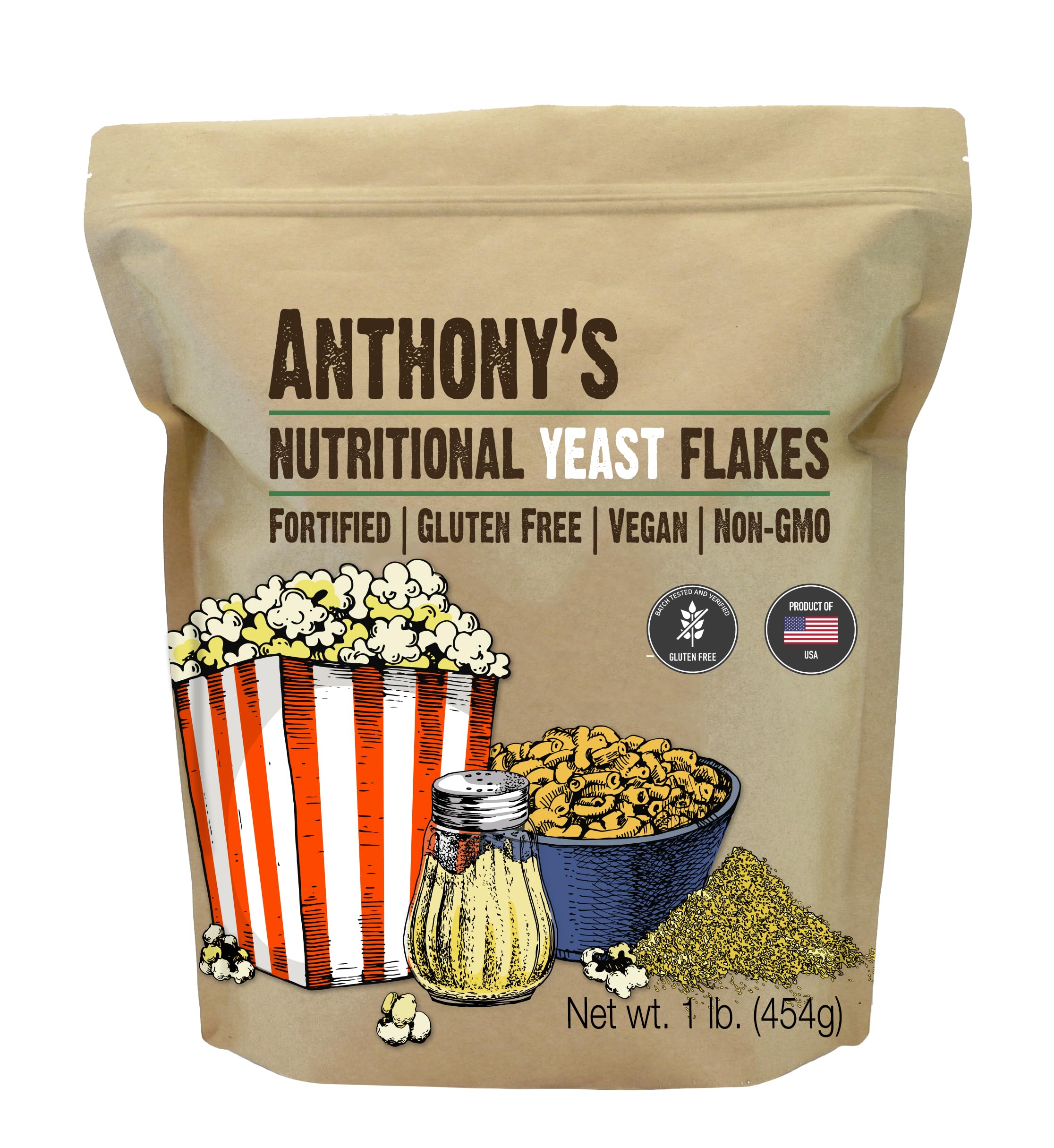
Fortified, gluten-free flakes with strong cheesy flavor and a high protein count.
Why I picked it: Fortified B vitamins with a dense flake texture that holds up in recipes.
Best for: Home cooks who want a fortified flake to sprinkle, bake, and blend.
Large bag is economical for regular use.
Pros
- Fortified with B12 and folic acid
- Verified gluten-free
- High protein per serving
- Resealable large bag
Cons
- Strong cheesy aroma when opened
- Large bag takes space
My take
I reach for Anthony's when I want a fortified flake with real staying power in sauces and on popcorn. The flakes are substantial—they don’t clump into dust—so they add texture as well as flavor.
Nutritionally it delivers: the product is fortified with B vitamins including B12 and folic acid, and I consistently use it to bump protein and fiber in simple bowls and vegan seitan recipes. Two tablespoons delivering a meaningful amount of protein makes it practical for everyday use.
Flavor-wise it leans toward nutty and cheesy, which makes it a top choice for kale chips, pasta finishes, or sprinkled over roasted vegetables. The resealable bag preserves freshness well between uses.
2. Bragg Premium Nutritional Yeast (Original) – Best Bragg Classic
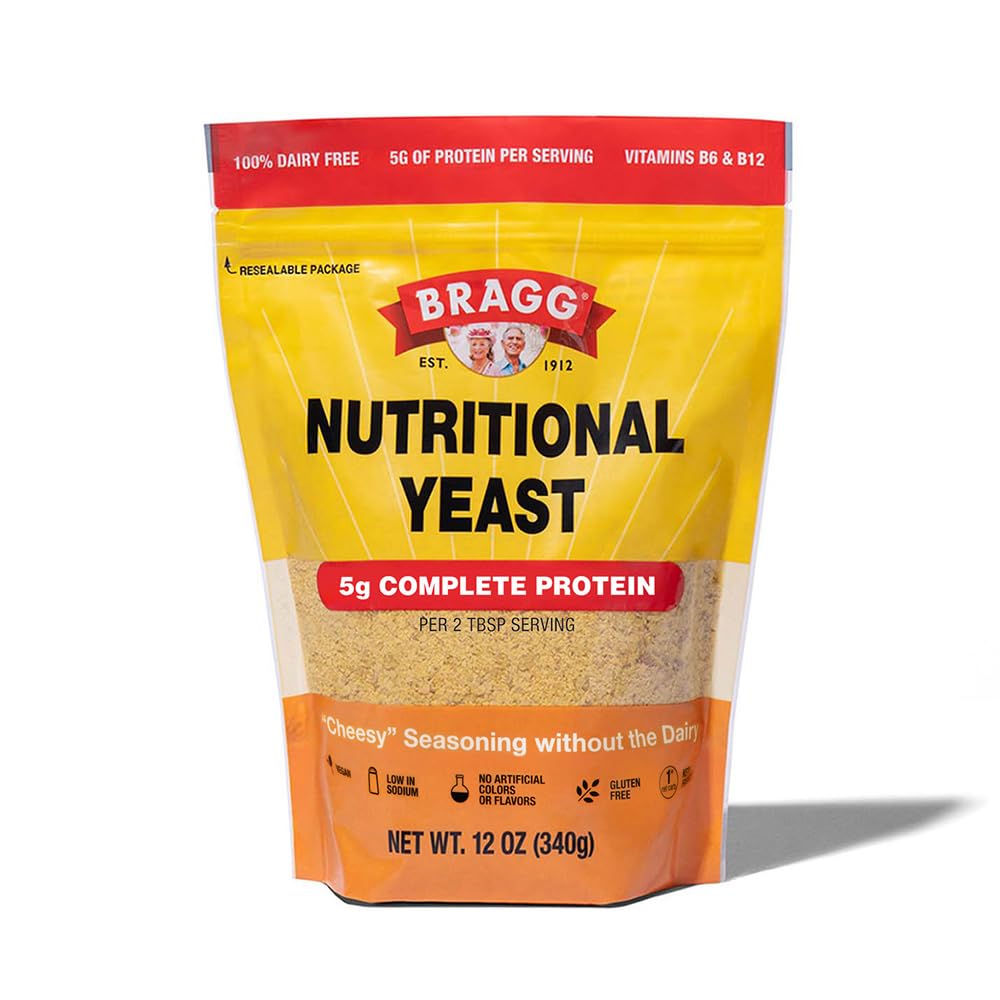
Bragg's classic low-sodium seasoning—fortified with B vitamins and useful as a parmesan substitute.
Why I picked it: Classic Bragg flavor with a convenient shaker and low-sodium profile.
Best for: Anyone recreating cheesy, savory flavors without dairy or salt.
Solid value for a branded, fortified shaker.
Pros
- Good source of B vitamins
- Low-sodium seasoning
- Versatile parmesan substitute
- Complete protein per serving
Cons
- Shaker can be messy with oil
- Flavor may be mild for heavy-cheese recipes
My take
Bragg’s original seasoning is the product I grab when I want a reliable, pantry-ready parmesan alternative. The texture is fine enough for even coverage, so a quick shake livens up popcorn, salads, and pasta.
I appreciate that Bragg emphasizes a low-sodium option while still delivering a savory, cheesy note. The label lists several B vitamins and about five grams of protein per serving, which is useful for plant-based meals.
In my kitchen I often spray popcorn with a touch of extra-virgin olive oil, then dust on Bragg for an immediate savory hit. It’s one of those ingredients that quietly improves a wide range of dishes.
3. Bragg Nutritional Yeast Shaker 4.5 oz – Best Trial Size
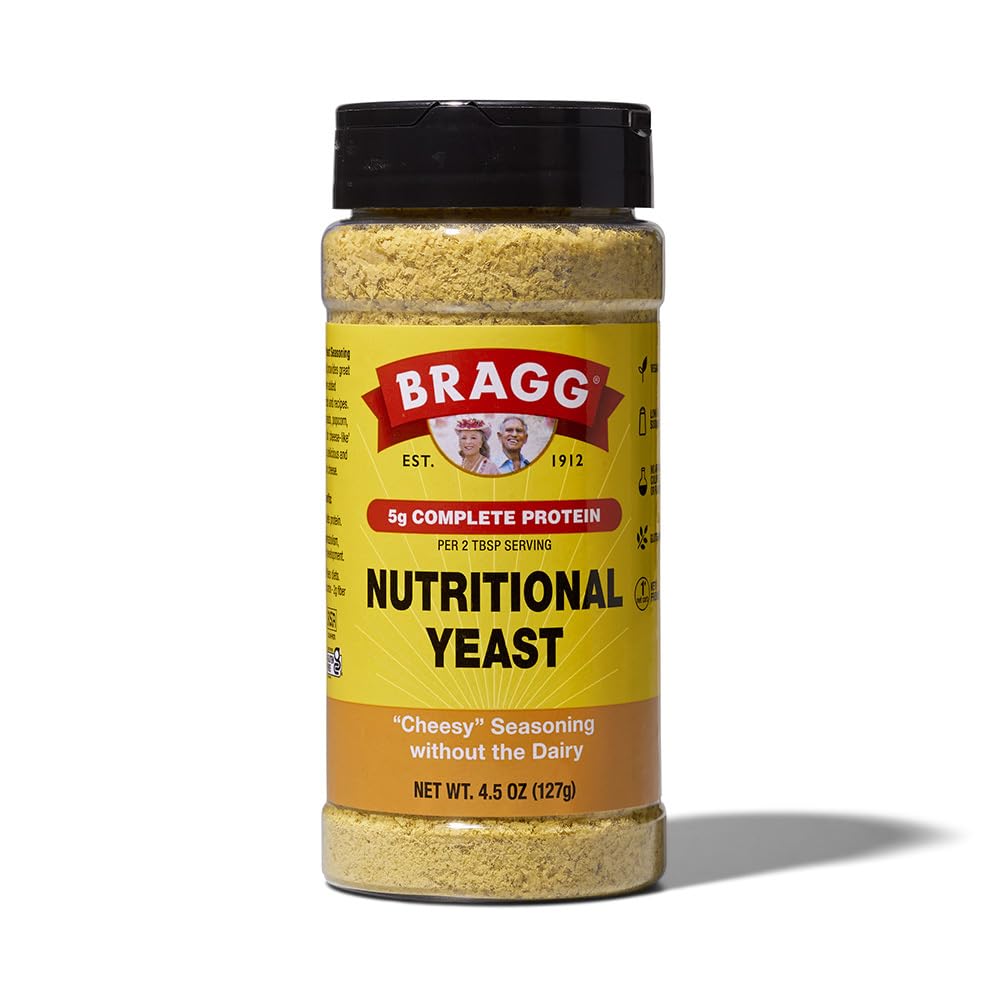
Salt-free, kosher small shaker that’s ideal for countertop use and trying the flavor.
Why I picked it: Handy small bottle to test or keep by the stove.
Best for: Those wanting a trial size or a compact shaker for daily seasoning.
Most budget-friendly small bottle for occasional use.
Pros
- Salt-free and sugar-free
- Kosher certified
- Good for popcorn and salads
- Convenient shaker top
Cons
- Small volume runs out quickly
- Packaging may vary
My take
This 4.5-ounce Bragg shaker is my go-to when I want a little nooch on the table. The serving size and shaker top make it effortless to add a sprinkle on rice, vegetables, or soup.
Because it’s salt-free and sugar-free, I use it when I want cheesy flavor without changing sodium content. The fine texture is great for even distribution and it blends into sauces well if stirred in at the end of cooking.
If you're unsure about nutritional yeast, this small bottle is a low-commitment way to explore its nutty, umami character.
4. Frontier Co-op Nutritional Yeast Flakes – Best Bulk
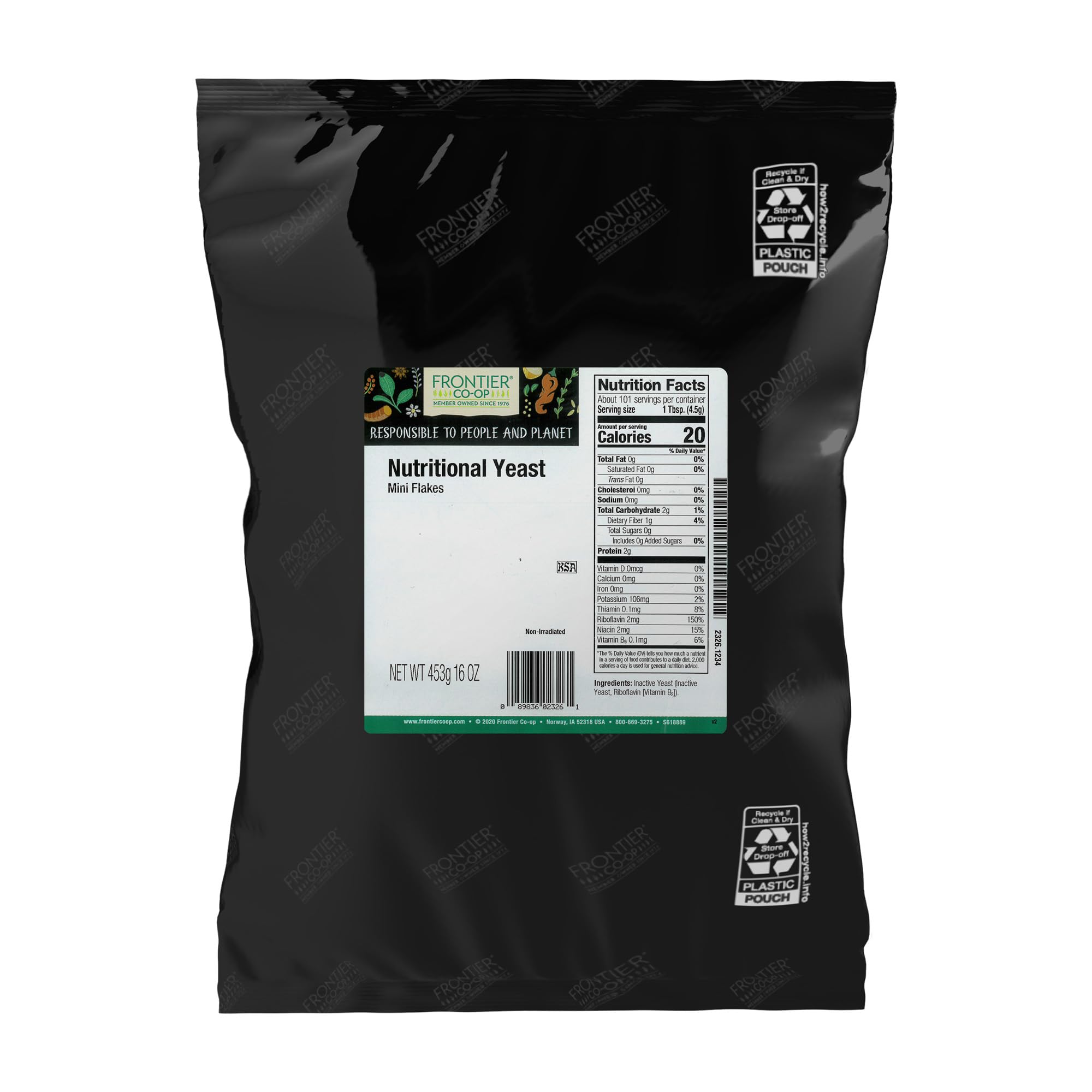
Large flakes sold in a bulk bag with ethical sourcing and a pronounced umami profile.
Why I picked it: Bulk size and strong, cheesy umami make it great for heavy users.
Best for: People who use nutritional yeast frequently and want an economical, ethical option.
Bulk packaging gives the best value for regular use.
Pros
- Large, fluffy flakes
- Ethically sourced ingredients
- Pronounced umami and cheesy flavor
- Good for bulk pantry storage
Cons
- Bulky packaging
- Some packaging uses black plastic
My take
When I need a pound of nooch that lasts, Frontier Co-op delivers. The flakes are light and fluffy, which makes them excellent for sprinkling over large batches of popcorn, pasta, or salads.
I like that Frontier emphasizes sustainably sourced ingredients; the yeast here is cultured on sugarcane and beet molasses, which I’ve found gives a slightly different, richer flavor compared with other brands.
For regular users the bag is economical, and the texture is particularly well-suited to blending into sauces or coating roasted vegetables.
5. Dr. Berg Nutritional Yeast Tablets – Best Supplement Form
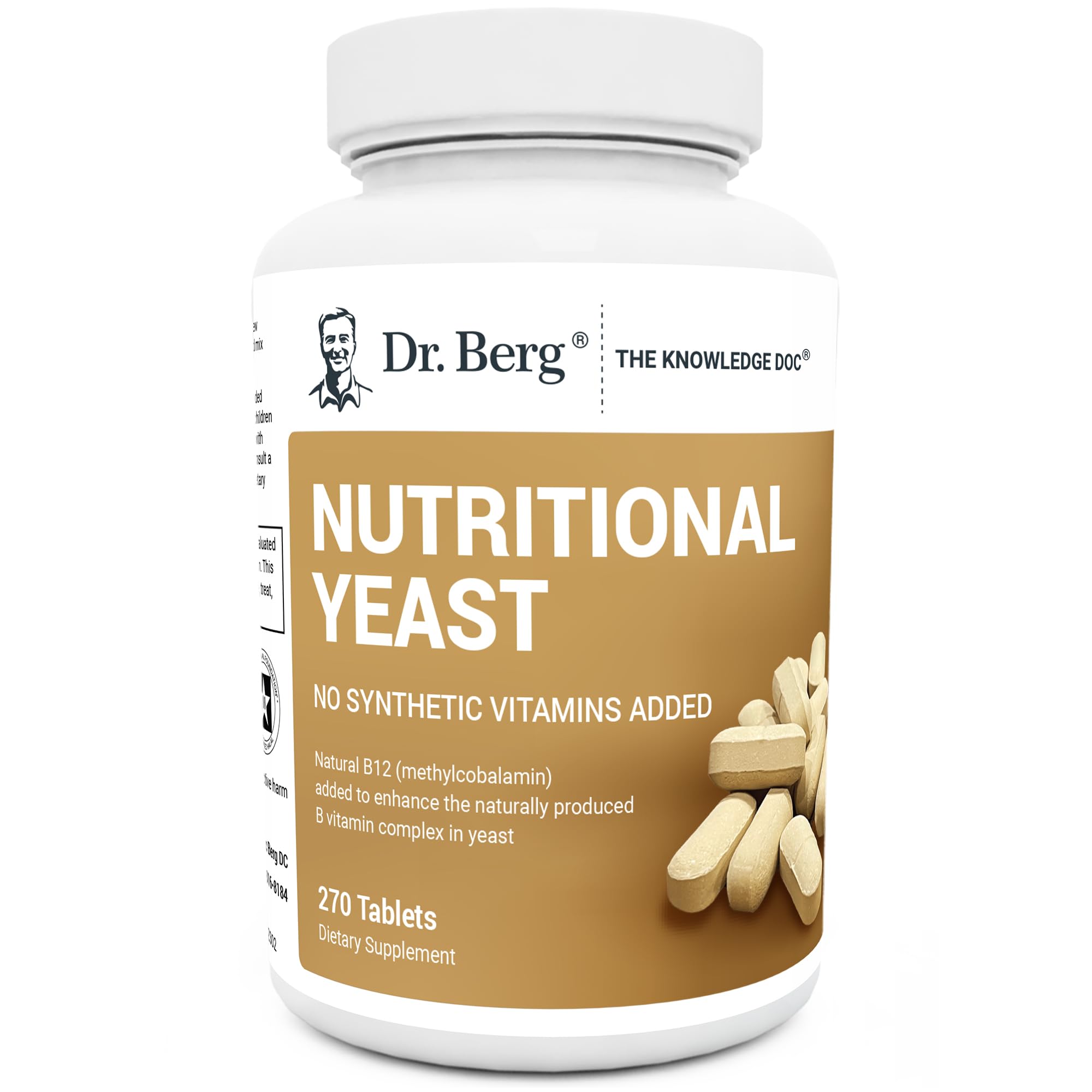
Chewable tablets with added natural B12 and a full B-vitamin complex in supplement form.
Why I picked it: Tablet form for people who prefer a supplement over culinary flakes.
Best for: Anyone who wants convenient B-complex dosing without cooking.
Supplement-style product is a more costly option than flakes.
Pros
- Full B-vitamin complex
- Chewable, vanilla-flavored tablets
- GMP-certified manufacturing
- Large tablet count per bottle
Cons
- Strong vanilla taste some dislike
- Tablets can be large and hard to swallow
My take
I use Dr. Berg tablets when I want B vitamins without altering a recipe. The chewable format makes daily dosing simple, and the product contains a complete B-vitamin complex plus added B12.
The vanilla flavor is noticeable and not for everyone; I sometimes chew with a bit of food to mask the taste. On days I’m short on time I take the tablets instead of fretting over sprinkling flakes on meals.
Be aware the tablets are larger than typical pills. If you prefer swallowing tablets whole, plan for that; otherwise chewing or grinding into a drink works fine in a pinch.
How I Choose Nutritional Yeast
Format and Use
I decide between flakes, shaker, and tablets based on how I’ll use the product. Flakes are best when I want texture and to blend into food; fine shaker powder is perfect for even coverage; tablets are for supplementing B vitamins without cooking.
If I’m adding nutritional yeast to sauces or baking, flakes hold up better. For finishing touches on popcorn or salads, the shaker bottles give a quicker, neater application.
- Flakes: texture and bulk cooking
- Shaker: tabletop convenience and even coverage
- Tablets: consistent supplemental dosing
Fortified vs Non-Fortified
Fortified products give a reliable hit of B12 and B vitamins, which I prefer when I rely on nooch as a key dietary source of those nutrients.
If you value non-fortified, artisanal options for flavor only, check the label—some brands offer both fortified and non-fortified lines.
- Choose fortified for B12 and B-complex support
- Choose non-fortified for pure flavor focus
Dietary Needs and Ingredients
I always scan labels for gluten-free, non-GMO, and sodium content. Bragg and similar brands often advertise salt-free and gluten-free formulations, which is helpful for specific diets.
If you have allergies or sensitivities, confirm the product doesn’t contain unwanted fillers or derivatives.
- Look for gluten-free and non-GMO statements
- Check sodium level if you monitor salt intake
- Verify kosher or vegan certification if needed
Packaging and Shelf Life
I store bulk bags in airtight containers to preserve flavor. Smaller shakers are convenient but cost more per ounce; tablets have a long shelf life and travel well.
Resealable bags and shaker tops can make day-to-day use simpler and reduce waste.
- Bulk bags: best for frequent use, transfer to airtight jars
- Shakers: ideal for countertop convenience
- Tablets: portable, long shelf life
Frequently Asked Questions
Is Bragg nutritional yeast fortified with B12?
Yes — I found Bragg’s products are fortified and list B12 and other B vitamins on the label, which is why I use them when I want a dietary B-vitamin boost.
How do I use nutritional yeast in cooking?
I sprinkle it on popcorn, stir flakes into sauces, blend it into dressings for a cheesy note, or use it as a breadcrumb substitute in coatings; a little goes a long way.
Should I choose flakes or tablets?
If I want flavor and texture, I choose flakes or a shaker. If I want consistent daily B vitamin intake without changing recipes, I go with tablets.
How should I store nutritional yeast?
I keep flakes in airtight containers away from heat and humidity; tablets I store in their original bottle in a cool, dry place.
Final Take
I keep a shaker, a bulk bag, and a bottle of tablets on hand because they serve different needs: quick seasoning, heavy cooking, and supplementation.
For classic pantry use I reach for Bragg’s shaker or the larger Bragg bottle; when I need bulk or a richer umami, Frontier Co-op or Anthony’s fortified flakes are my choice. For straightforward B-complex support without cooking, Dr. Berg’s tablets work well.
Pick the format that fits how you cook and how often you plan to use it—each product here has a clear purpose in my kitchen.
