
I tested a range of blackout curtains focused on sound dampening, insulation, and real light blocking. These five sets stood out for build, finish, and how much quieter and darker they made my rooms.
I spent time hanging and living with several blackout curtain sets to find which actually quiet rooms, darken daylight, and help with insulation. My goal was practical: reduce noise, keep rooms darker for day sleepers, and cut temperature swings without spending a small fortune.
Across these picks I prioritized fabric weight, construction (grommets vs. rod pockets), whether a sewn-in liner is present, and how each panel handled sliding and appearance. I used them on bedrooms, a living room TV wall, and as a room divider so I could compare real-world performance.
Below are the curtain sets that earned a spot on my shortlist and exactly why I kept or recommended each one.
If you want the best sound dampening and true blackout, choose a lined, heavyweight panel and aim for panels that provide 2–3x the window width. For budget installs the ready-made grommet panels are easiest to hang and still perform well.
1. NICETOWN Blackout Curtains, 42 x 84 (2 Panels) – Best Value Blackout
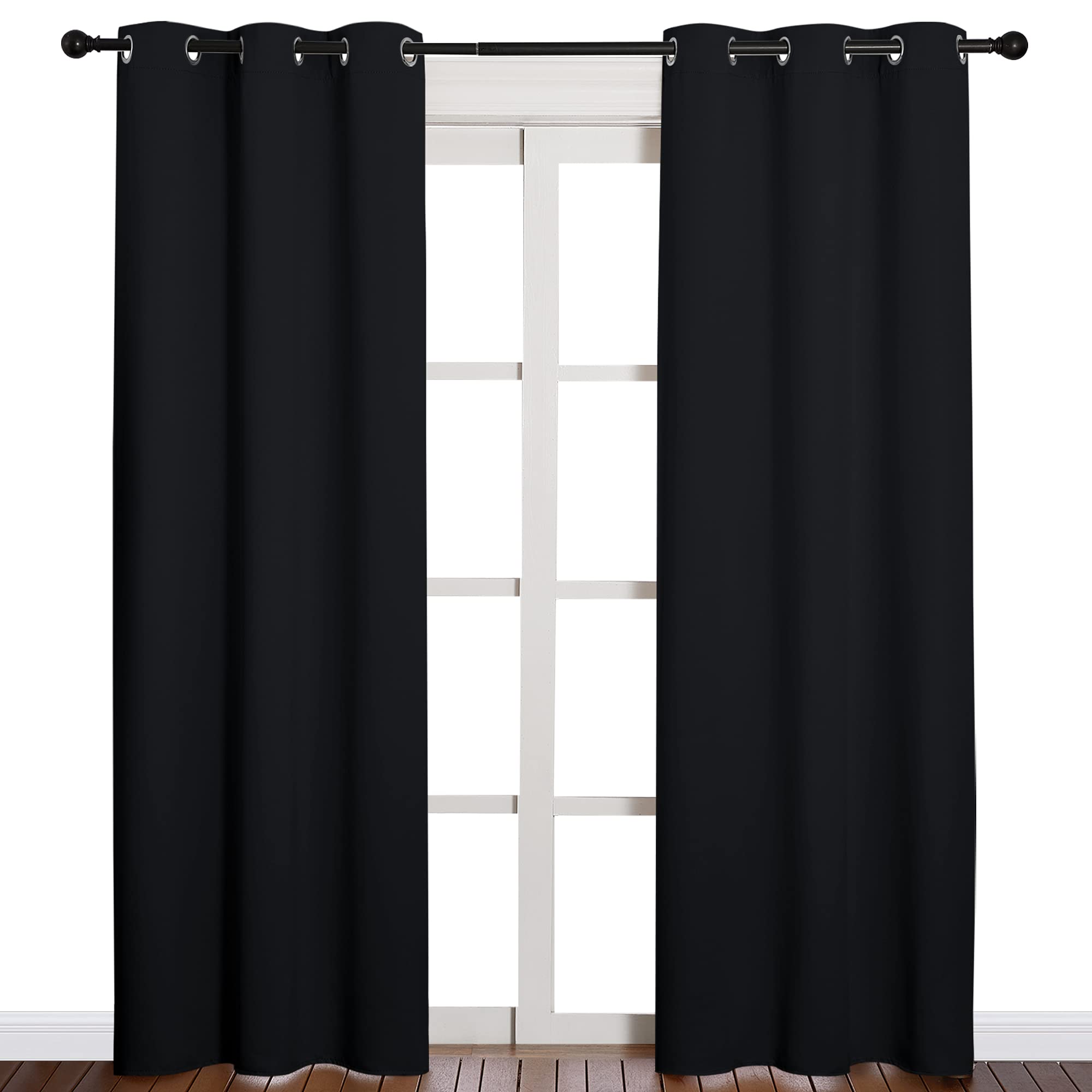
I picked these when I needed solid blackout performance and an elegant look without a big spend. The triple-weave polyester feels heavy and blocks most light while smoothing the room’s acoustics.
Why I picked it: Great balance of blackout performance, fabric weight, and price.
Best for: Bedroom or living room where true darkness matters.
An affordable option that looks and performs above its cost.
Pros
- Thick, soft-feeling triple-weave fabric
- Easy grommet installation and smooth sliding
- Very effective at darkening rooms
- Machine washable and low maintenance
Cons
- Panels arrive wrinkled—steam or iron needed
- Not a sewn-in liner (single-panel triple weave)
My take
I liked how quickly these went up—grommets slid on my existing rod and the panels hung with a clean, modern drape. The fabric is noticeably heavy and soft; it reads more expensive than the price point.
In my bedroom they created a near pitch-black environment, which I found invaluable for daytime sleeping shifts. The triple-weave construction also made the room feel a bit quieter—high voices and street noise sounded more muffled.
I did have to steam the panels after unpacking to remove creases, but once hung they held a crisp look. For anyone wanting dependable blackout and an upscale feel without paying extra, these were my go-to.
2. NICETOWN Lined Blackout Curtains, 52 x 84 (2 Panels) – Best Lined Blackout
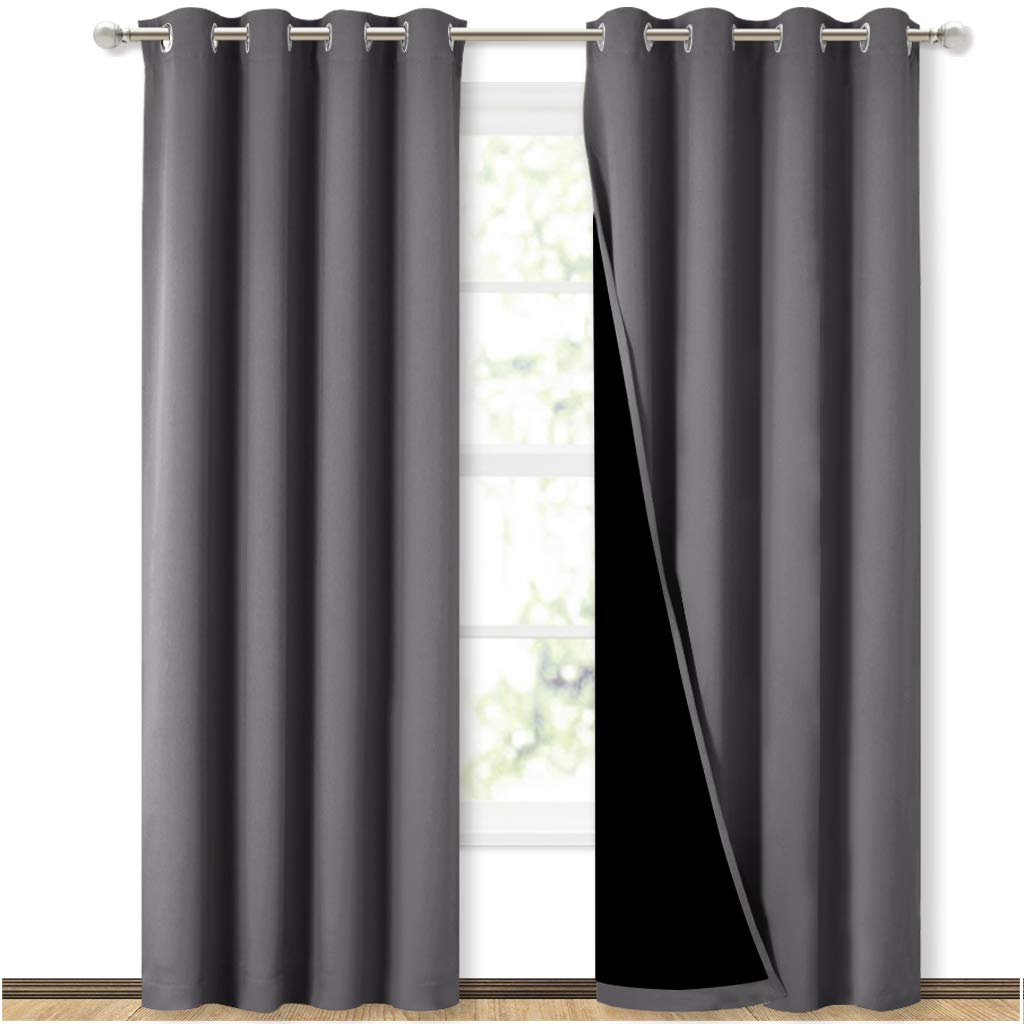
I reached for these when I wanted a true sewn-in liner for maximum darkness and extra noise reduction. The double-layer construction delivers real blackout and a denser feel at the window.
Why I picked it: Sewn-in liner gives a noticeable improvement in light blocking and insulation.
Best for: Rooms facing bright sun or noisy streets where full blackout is required.
A midrange pick that earns its weight with a liner and thicker panels.
Pros
- Sewn-in liner for true blackout
- Heavyweight drape improves noise buffering
- Smooth grommet top for easy installation
- Feels high quality and substantial
Cons
- Heavier panels can be stiff at first
- Requires enough rod support for weight
My take
These felt like the most ‘serious’ blackout curtains I tried thanks to the sewn-in black liner. When closed they create a deep, dark room ideal for daytime sleepers and media rooms.
I noticed a real temperature difference in the room after installing them—rooms stayed cooler during hot afternoons and felt cozier at night. The weight also helps absorb small sounds; traffic and neighbors became much less intrusive.
The gray finish I used read clean and modern on my windows. Installation was straightforward and the panels slid smoothly on the rod. If you need absolute darkness and stronger sound damping, these were the most convincing for me.
3. NICETOWN Blackout Curtains, 66 x 72 (2 Panels) – Best Wide Coverage
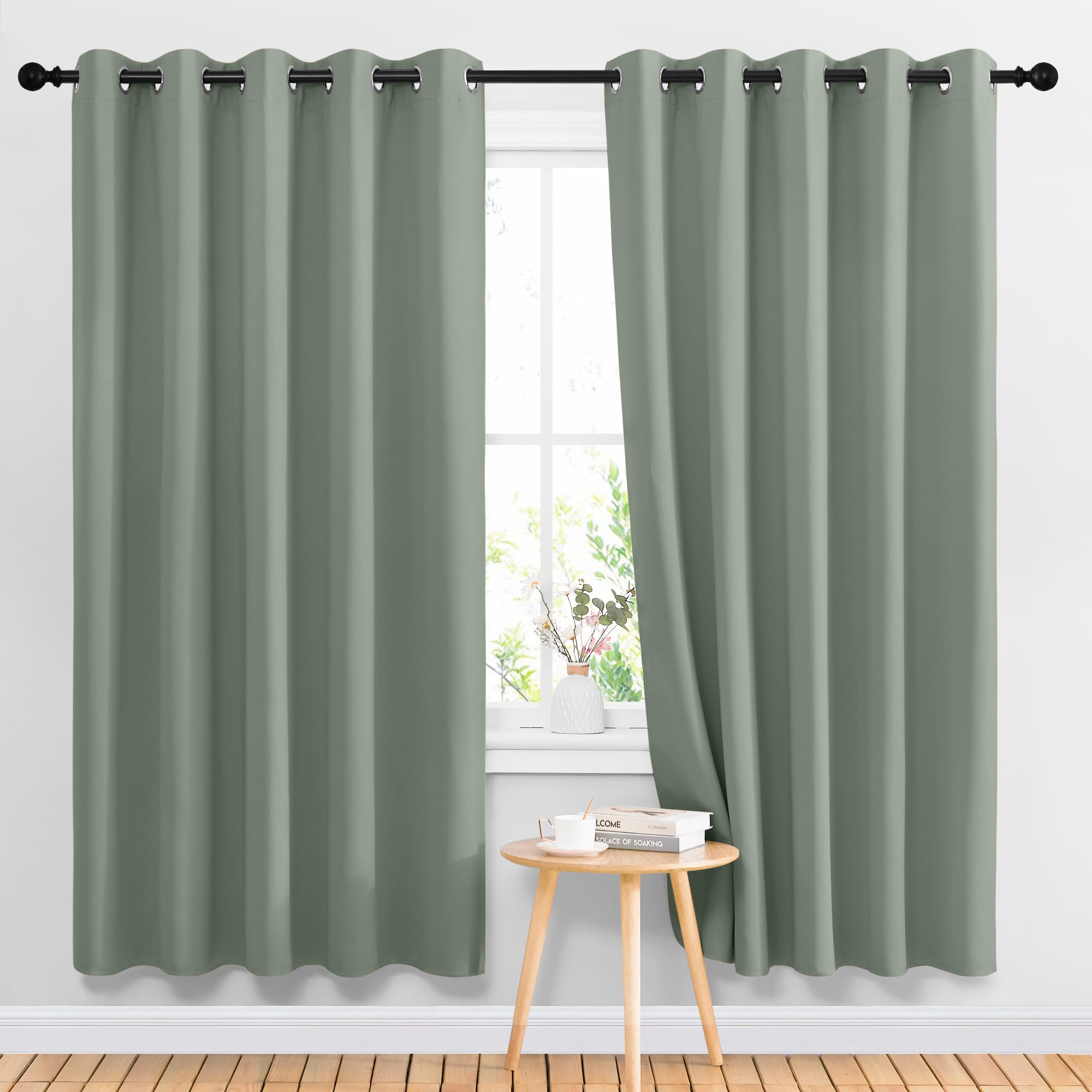
I chose these for oversized windows and patio doors where I needed wide, full-looking panels. The extra width gives a richer hang and better coverage without multiple panels.
Why I picked it: Wide panels deliver full coverage and a polished, layered look.
Best for: Large windows, sliding doors, or when you want fewer seams.
A good value for large-window installs compared with multiple narrow panels.
Pros
- Extra-wide panels reduce visible seams
- Soft, heavyweight fabric with rich color
- Thermal insulating and sound-dampening
- Both sides match—clean look from any angle
Cons
- Shorter length options may be needed for tall ceilings
- Heft can make single-person hanging awkward
My take
I used the 66-inch panels on a patio-opening wall and appreciated how few panels I needed to get a full, pleated look. The result reads custom and reduced the visual clutter of multiple seams.
The fabric is heavy and soft; it blocked most incoming light and noticeably muffled ambient noise in my living area. I also layered sheers behind them in one setup and liked how the colors stayed vibrant even with lights on.
They’re easy to hang with grommets but do require a sturdy rod because of their width and weight. Overall, these are my pick when I want big-impact coverage with less fuss.
4. Deconovo Silver Tree Blackout Curtains, 52 x 84 (2 Panels) – Best Patterned Style
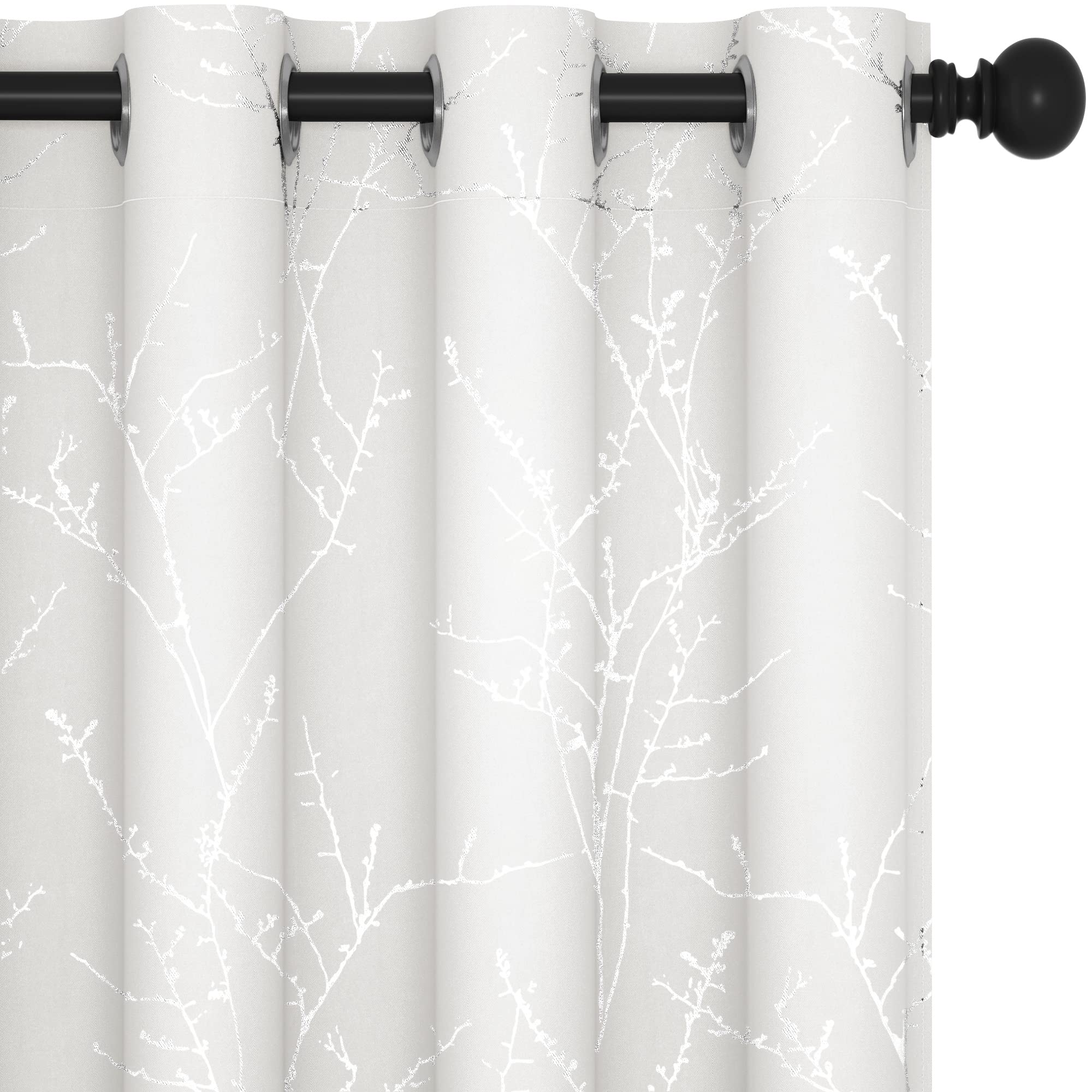
I picked these when I wanted blackout performance plus a decorative touch. The subtle metallic tree-branch print adds style while still offering thermal and noise benefits.
Why I picked it: Patterned finish gives style without sacrificing function.
Best for: Living rooms or bedrooms where design matters as much as blackout.
A stylish midrange option with decorative appeal.
Pros
- Attractive metallic tree-branch pattern
- Triple-weave fabric balances darkening and insulation
- OEKO‑TEX polyester—machine washable
- Grommets make hanging simple
Cons
- Not 100% blackout—some light may seep
- Metallic accents may reflect light subtly
My take
These were the set I kept up in a guest room because they blend function and finish. The silver accents catch light softly and elevate the room without feeling flashy.
Performance-wise they darken rooms very well—about what I expect from triple-weave curtains—while also cutting drafts and helping the space feel quieter. They aren’t absolutely 100% blackout, but for my needs the gentle light bleed was actually preferable.
They washed well and retained color over months of use. If you want blackout curtains that contribute to the room’s aesthetic, these balanced both worlds for me.
5. NICETOWN Microfiber Rod-Pocket Blackout, 42 x 84 (2 Panels) – Best Rod-Pocket Option
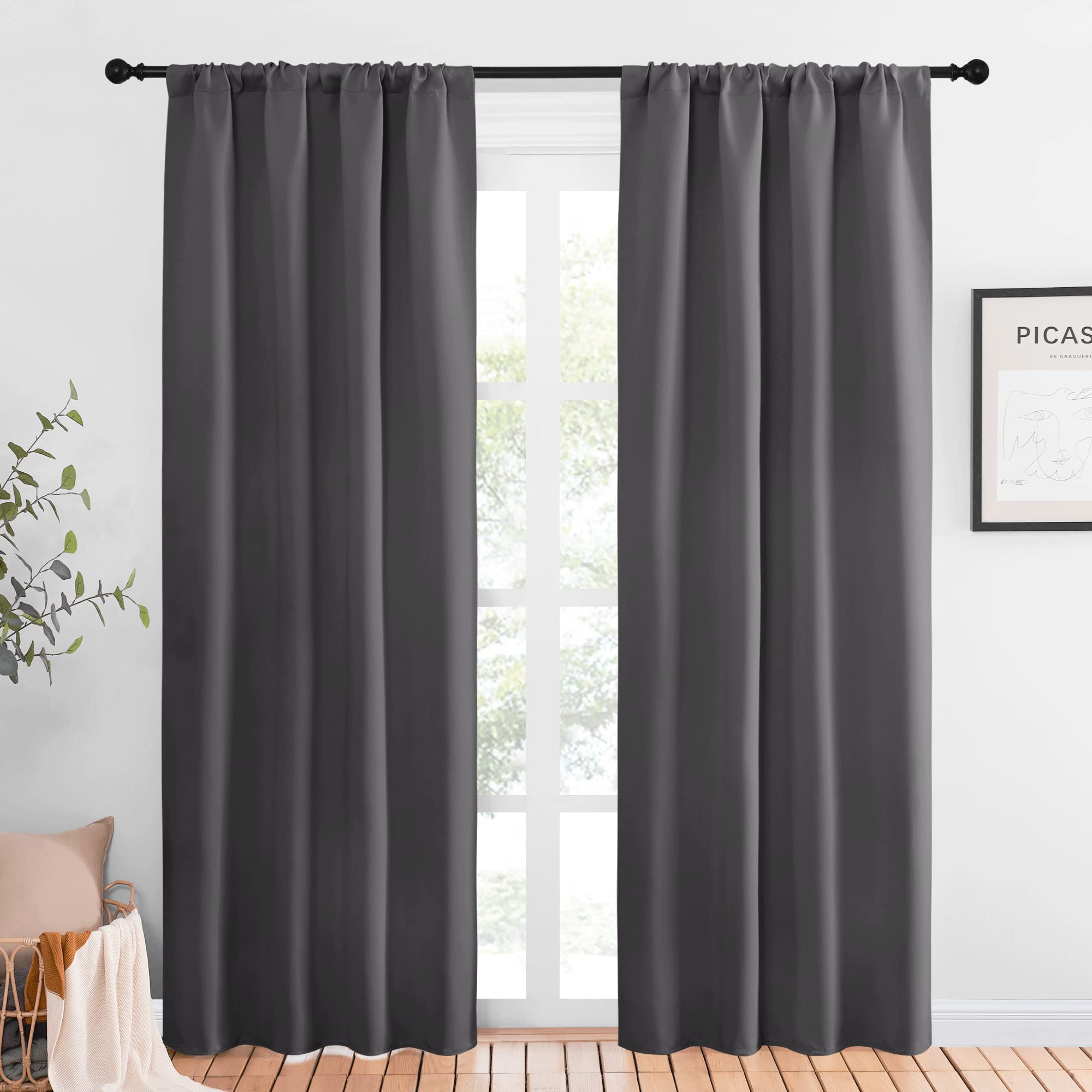
I grabbed these when a streamlined, rod-pocket look was the priority. The microfiber panels are heavy, luxe-feeling, and do a strong job of darkening rooms and lowering noise.
Why I picked it: Rod-pocket style for a traditional, tailored header.
Best for: Rooms where you want a neat, pleated rod-pocket top.
A budget-friendly, classic style that still delivers performance.
Pros
- Smooth microfiber gives a luxe finish
- Rod-pocket creates neat pleats
- Good blackout capability for cost
- Machine washable and durable
Cons
- Rod-pocket can limit easy sliding
- Softer panels may need extra steaming
My take
I installed these on a simple tension rod and liked the tailored pleat the rod pocket produced. The fabric looks satin-like and elevated the room’s feel.
They blocked most daylight and helped reduce glare on my TV, which improved viewing comfort. After a wash and a short tumble, the panels softened and hung more fluidly than straight out of the package.
If you prefer a clean, traditional header rather than grommets, these rod-pocket panels were the most pleasing to live with in that style.
How I Choose Acoustic Blackout Curtains
Fabric & Construction
I prioritize heavyweight, triple-weave or linen-backed panels because density directly affects both light blocking and sound absorption.
Sewn-in liners perform better than single-layer panels for total blackout and extra insulation; heavy single-layer triple-weave can still work well for many rooms.
- Triple-weave: good balance of blackout and softness.
- Sewn-in liner: best for absolute darkness and thermal control.
- Microfiber: smooth, luxe finish but can be stiffer until softened by washing.
Header Type & Installation
I choose grommets for easy sliding and a modern look; rod pockets create a tailored pleat but can resist sliding.
For very heavy panels I always use a sturdy rod and properly anchored brackets to prevent sagging.
- Grommets: easy to slide, suited for frequently used windows.
- Rod-pocket: neat header, best for decorative, less-frequently-moved drapes.
- Measure for 2–3x fullness for best coverage and sound performance.
Soundproofing Expectations
I’ll be upfront: fabric curtains reduce echo and muffle noise but won’t fully soundproof a room. Thicker, denser panels and fuller coverage at windows make the biggest difference.
For more serious noise control I supplement curtains with rugs, wall treatments, and sealing window gaps.
- Thicker = better for muffling sounds.
- Overlap panels over the frame to block more noise.
- Combine with other soft surfaces for best results.
Frequently Asked Questions
Do blackout curtains block sound completely?
No — from my experience blackout curtains significantly reduce echo and muffle everyday sounds, but they don’t replace dedicated soundproofing. Thicker panels and fuller coverage help the most.
Can I machine wash these curtains?
Yes. I washed several of these polyester and microfiber panels on a gentle cycle and tumble-dried low. I recommend steaming or ironing to remove unpacking wrinkles.
Which header type slides best on a curtain rod?
Grommet tops slide the easiest in my use, while rod pockets create a cleaner look but can be stiffer to move—choose based on how often you’ll open and close them.
Final Take
I ended up keeping different curtains for different needs: lined panels where I wanted absolute darkness, wide panels for bigger windows, and patterned options where style mattered. All five performed well at reducing light and improving room acoustics compared with basic sheer or thin panels.
If you want a single recommendation: choose a sewn-in liner or a heavyweight triple-weave in the correct panel width for your window. Pair that with a solid rod and full overlap and you’ll notice quieter, darker, and more comfortable rooms.
